


ag. . 27, 2025 10:55 Tornar a la llista
Precision Fastening with DIN934
In the world of mechanical engineering and construction, precision is critical—and so is standardization. That’s where DIN934 comes into play. The DIN934 standard, established by the German Institute for Standardization (Deutsches Institut für Normung), specifically defines hexagonal nuts used alongside hex bolts and nuts in countless applications. These fasteners are found in everything from automotive assemblies to bridge construction, making their compliance with international standards essential.
The DIN934 hex nut is known for its uniformity in dimensions, thread pitch, and mechanical properties. When paired with hex bolts and nuts, this standard ensures interchangeability across manufacturers and industries worldwide. The simplicity of a hexagonal design conceals its engineering effectiveness—it allows for easy tightening using common tools while providing strong clamping force.
Additionally, the DIN934 standard guarantees compatibility with bolts of various grades (4.8, 8.8, 10.9, etc.) and materials (carbon steel, stainless steel, brass). This makes it an indispensable part of global supply chains where uniform performance and safety cannot be compromised.
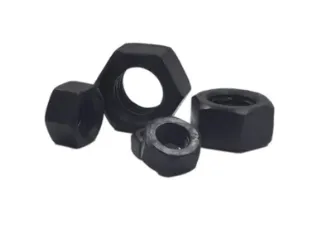
Hex Bolts and Nuts: A Universal Pairing in Fastening Systems
The combination of hex bolts and nuts is one of the most widely used fastening solutions across all industries. This duo is known for its simplicity, strength, and adaptability. A cargol hexagonal typically features a hexagonal head and threaded body, while the corresponding hex nut provides a secure locking mechanism when tightened against the material.
The versatility of hex bolts and nuts lies in their wide range of sizes, grades, and coatings. Whether you need coarse-threaded bolts for fast, strong connections or fine-threaded versions for precision assemblies, there’s a solution to match. They are used extensively in structural steelwork, automotive engineering, machinery, and furniture manufacturing.
In high-torque or high-vibration environments, the right grade of hex bolts and nuts ensures load distribution and resistance to loosening. Choosing the correct thread pitch, material, and protective coating (such as zinc plating or hot-dip galvanizing) is vital for performance in corrosive or high-heat conditions.
Ultimately, hex bolts and nuts are a foundational element in engineering. From temporary fixtures to permanent installations, their easy installation and dependability make them a first-choice fastener.
Tamper Proof Nuts for Security-First Applications
In a world increasingly focused on safety and asset protection, tamper proof nuts are becoming indispensable. These specialized fasteners are engineered to deter unauthorized removal or tampering, making them ideal for high-security areas like public infrastructure, transit systems, electronics enclosures, and outdoor equipment.
What sets tamper proof nuts apart is their design. Unlike standard hex bolts and nuts, tamper proof nuts often feature proprietary drive systems (like pin-in hex, tri-groove, or shear nuts) that require special tools for installation and removal. Once installed, these fasteners become nearly impossible to remove without the proper tools, deterring theft, vandalism, or unauthorized servicing.
These nuts are often made from stainless steel or other corrosion-resistant materials to withstand harsh weather, chemical exposure, and physical force. In sectors such as telecommunications, energy, and military, tamper proof nuts are critical in maintaining the integrity and reliability of sensitive systems.
Whether you’re protecting solar panels, highway signs, or electronic cabinets, investing in tamper proof nuts provides an added layer of physical security that pays off in safety and peace of mind.
Fine Thread Nuts: Precision Fastening in High-Performance Applications
When fine adjustments, tighter grips, and vibration resistance are critical, fine thread nuts deliver unmatched performance. Unlike standard coarse-threaded nuts, fine thread nuts feature a smaller pitch—meaning the threads are closer together. This results in a larger surface area for load distribution and greater resistance to loosening.
Fine thread nuts are especially favored in automotive, aerospace, and precision machinery industries. Their design makes them ideal for applications requiring high clamping force in compact areas or where minimal movement is critical. They are commonly used in suspension systems, aircraft engines, and even hydraulic systems where high-pressure fittings must remain sealed.
One key advantage of fine thread nuts is their superior ability to hold under vibration. The finer pitch allows for better engagement with the bolt, reducing the chance of loosening over time. This makes them a common choice when safety and reliability are paramount.
However, fine threads require greater precision during manufacturing and assembly. Using them in the wrong context—especially with soft materials or where fast removal is needed—can backfire. That’s why choosing the right thread type for your application is essential to achieving the desired balance of strength, accessibility, and durability.
How to Source the Right Fastener: From DIN934 to Security and Performance Nuts
Choosing the right fastener—whether it’s a DIN934 nut, a hex bolts and nuts combination, a tamper proof nut, or a fine thread nut—can significantly impact the efficiency, safety, and lifespan of your project. Each fastener is designed with specific strengths, and matching the right one to your application begins with understanding your project’s needs.
When selecting DIN934 nuts, ensure they match the threading and material of your bolts. For general applications, hex bolts and nuts offer a reliable, cost-effective solution that balances ease of use and durability. In security-critical scenarios, opt for tamper proof nuts to deter unauthorized access and vandalism. When your design calls for precise control under high-stress conditions, fine thread nuts offer superior performance.
Also, consider sourcing from reputable manufacturers that can provide material certificates, compliance documents, and application advice. International suppliers that conform to ISO, DIN, or ANSI standards ensure compatibility and performance.
In a world where machinery, infrastructure, and systems are becoming more complex, having the right fastening solutions isn't a luxury—it's a necessity. From structural support to component security, investing in high-quality fasteners can save time, money, and even lives.
Nuts FAQs
What does DIN934 mean and why is it important?
DIN934 refers to a German standard for hexagonal nuts. It defines the nut’s dimensions, material grades, and thread specifications to ensure consistency and interchangeability. It's important because using standardized nuts ensures that they fit with corresponding bolts, meet mechanical load requirements, and comply with international engineering norms. This is especially crucial in large-scale projects and global supply chains.
Are hex bolts and nuts suitable for heavy-duty applications?
Yes, hex bolts and nuts are ideal for heavy-duty tasks when selected with the proper grade and size. For high-load applications, look for high-tensile grades like 8.8, 10.9, or 12.9. Ensure that the nut is of equivalent or greater grade to maintain joint integrity. These fasteners are widely used in structural steelwork, heavy machinery, and industrial equipment due to their robust performance.
How do tamper proof nuts work?
Tamper proof nuts are designed with special drive systems or features that prevent removal using standard tools. Some shear off part of the nut after tightening, leaving behind a headless body that cannot be gripped. Others require a proprietary tool to install or remove. They’re used in high-security or public installations where theft, tampering, or vandalism is a concern.
What are the advantages of fine thread nuts over coarse thread nuts?
Fine thread nuts offer several benefits: increased strength due to a larger surface area, better resistance to vibration, and the ability to make finer adjustments in clamping pressure. They're ideal for precision applications in automotive, aerospace, and machinery. However, they require more careful handling and are not as fast to install as coarse threads.
How do I choose between different types of nuts for my project?
Start by assessing your application: load requirements, environmental conditions, vibration exposure, and security needs. Use DIN934 nuts for standardized, general-purpose fastening. Choose hex bolts and nuts for versatile strength. Go with tamper proof nuts if security is essential, and select fine thread nuts for precision under stress. Consulting with a fastener specialist or engineer can help you make the best decision based on technical and budgetary factors.
-
Guide to Calculating the Best Expansion Anchor Bolt Length
NotíciesApr.16,2026
-
Guide to the Correct Drill Size for 3 8 Wedge Anchor Installation
NotíciesApr.09,2026
-
Comprehensive Guide to Dottie Wedge Anchor Selection and Installation
NotíciesApr.07,2026
-
Comprehensive Guide to Ceiling Wedge Anchors for Secure Installations
NotíciesApr.04,2026
-
Understanding the Versatility and Applications of Carbon Steel Wedges
NotíciesMar.31,2026
-
The Essential Guide to Bolt Wedges Strength and Application
NotíciesMar.28,2026
 Catalan
  Bengali
  Bulgarian
  Czech
Czech  English
  French
  German
  Hindi
Hindi  Hungarian
  Italian
  Kazakh
  Korean
  Portuguese
  Romanian
  Slovak
  Somali
  Spanish
  Turkish


