


Ago . 27, 2025 11:03 Torna alla lista
Choosing the Right Anchor Bolt Matters
When it comes to construction, one often-overlooked element can make the difference between enduring strength and future failure: the anchor bolt. These essential fasteners secure structural and non-structural elements to concrete, ensuring stability, alignment, and long-term performance. Used in everything from bridges and skyscrapers to machinery and highway signs, anchor bolts are foundational in every sense of the word.
The quality and specifications of an anchor bolt directly impact the durability and safety of the structure it supports. Whether you're reinforcing industrial machines or stabilizing building frames, the right bolt ensures proper load transfer and resistance to tension and shear forces. Investing in premium anchor bolts means reduced maintenance, better alignment, and minimized risk of structural failure under stress.
Modern engineering requires precision, and not all anchor bolts are created equal. Depending on environmental conditions, load requirements, and installation techniques, choosing the right bolt type is essential. From L-shaped bolts for embedding in concrete to swaged and headed designs, knowing what your project demands can prevent costly revisions and enhance overall safety.
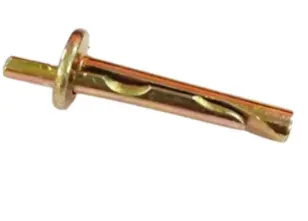
The Role of Expansion Bolt Technology in Modern Construction
Among the most commonly used types of anchor fasteners is the expansion bolt. These bolts are designed to expand upon installation, creating a secure hold within a drilled hole. The mechanism is simple but highly effective: when torque is applied, the bolt expands against the wall of the hole, forming a friction lock. This action allows expansion bolts to handle heavy loads and dynamic stress, making them ideal for both temporary and permanent fixtures.
Their versatility is unmatched. Whether you’re attaching shelving to masonry or securing heavy equipment, expansion bolts offer a combination of convenience and performance. They’re especially favored in commercial and industrial environments where fast installation and reliable strength are top priorities. Plus, many models can be installed without specialized tools, speeding up on-site work.
A significant benefit of expansion bolt technology is its adaptability to various materials such as concrete, brick, and stone. They are especially useful in retrofit projects where embedding standard anchor bolts isn't practical. With several types available—including sleeve, drop-in, and wedge-style expansion bolts—contractors can choose the best match for their application. This flexibility makes expansion bolts an essential component in modern fastening systems.
Foundation Bolts: The Backbone of Structural Stability
When your structure needs to stand the test of time, foundation bolts are non-negotiable. These robust bolts are embedded into concrete during the pouring process and later used to anchor structural steel or heavy machinery. By offering a direct connection to the concrete base, foundation bolts play a critical role in load distribution and structural integrity.
Different types of foundation bolts serve distinct functions. J-type and L-type bolts are commonly used in structural columns and light poles, while headed foundation bolts are favored for high-load applications like wind turbines and industrial machinery. The selection depends not just on the mechanical requirements, but also on environmental conditions, such as corrosion exposure and seismic activity.
What makes foundation bolts indispensable is their role in transferring loads from the superstructure to the ground. A poorly installed or low-quality foundation bolt could lead to alignment issues, instability, or even catastrophic failure. Precision in the placement, type, and material of these bolts ensures the longevity and resilience of the structure.
Increasingly, clients are turning to custom-fabricated foundation bolts to meet the exacting standards of modern construction. Whether it’s stainless steel for coastal environments or galvanized bolts for long-term durability, the options available ensure every project can achieve the perfect balance between cost and performance.
Why Wedge Anchor Stainless Steel Offers Superior Performance
If corrosion resistance and strength are your top priorities, few options outperform the wedge anchor stainless steel variant. These anchors combine the secure locking mechanism of wedge anchors with the durability of stainless steel, offering unmatched reliability in harsh environments. Ideal for marine settings, chemical plants, or food processing facilities, wedge anchor stainless steel fasteners resist rust, chemical degradation, and physical wear.
The design of a wedge anchor stainless steel fastener is both simple and effective. Inserted into a pre-drilled hole, the anchor expands as the nut is tightened, creating a permanent and immovable grip. Unlike plastic or zinc-coated alternatives, wedge anchor stainless steel models provide longevity and strength under extreme conditions.
One major advantage of wedge anchor stainless steel is its clean appearance, which matters in applications where aesthetics meet functionality—like public infrastructure, sculptures, and commercial interiors. Additionally, stainless steel anchors reduce the risk of galvanic corrosion when in contact with other stainless components, ensuring system integrity over time.
For contractors, the ease of use combined with robust performance makes wedge anchor stainless steel a favorite. Available in various grades such as 304 and 316, these anchors can be selected to match specific environmental conditions and regulatory standards, including food-grade and marine-grade installations.
Anchor Bolt Selection: How the Right Fastener Shapes the Future of Your Build
Choosing between an anchor bolt, expansion bolt, foundation bolt, and wedge anchor stainless steel can feel overwhelming, but making the right decision can save time, money, and stress down the line. Each bolt serves a unique function, and understanding their characteristics is key to successful application.
For general construction, anchor bolts remain the staple for securing steel columns and heavy supports. Expansion bolts are ideal for retrofitting and quick installs where internal grip matters more than embedded strength. When the stakes are high and the structure massive, foundation bolts provide the embedded security needed to transfer loads directly to the concrete base.
And for corrosive or visually sensitive environments, nothing beats wedge anchor stainless steel fasteners. They're the go-to for projects where strength and appearance both matter—offering a long-lasting solution that resists time and the elements.
Selecting the right fastener goes beyond engineering specs—it’s also about ensuring worker safety, meeting building codes, and supporting architectural vision. By aligning bolt selection with the demands of the project, you create a foundation—literally and figuratively—that holds strong for decades.
anchor bolt FAQs
What is the primary difference between an anchor bolt and an expansion bolt?
An anchor bolt is typically embedded in concrete during the pouring process and is used to attach structures or machinery to the foundation. It offers superior strength and stability. An expansion bolt, on the other hand, is inserted into a pre-drilled hole and expands to create a friction-based hold. It's ideal for retrofit and lighter-duty applications.
Can wedge anchor stainless steel bolts be used in all weather conditions?
Yes, wedge anchor stainless steel bolts are specifically designed for extreme environments. Their stainless steel composition resists rust, corrosion, and temperature-related degradation. They're commonly used in marine, industrial, and outdoor settings where other materials would degrade quickly.
Are foundation bolts suitable for DIY home projects?
Generally, foundation bolts are used in large-scale or high-load construction projects, such as anchoring structural columns or heavy industrial equipment. For DIY home improvements, expansion bolts or smaller anchor bolts are typically more appropriate due to simpler installation and lighter load requirements.
What makes expansion bolts ideal for masonry installations?
Expansion bolts are perfect for masonry because they don’t require embedded threading or welding. Once inserted into a drilled hole, they expand and grip the surrounding material tightly, making them ideal for concrete, brick, and block installations. They offer strong holding power without needing to embed bolts during the concrete pouring stage.
How do I choose between wedge anchor stainless steel grades 304 and 316?
Grade 304 wedge anchor stainless steel bolts are suitable for most indoor and mildly corrosive environments. Grade 316 offers higher corrosion resistance and is best for marine, chemical, or highly humid conditions. The choice depends on the specific environmental challenges your application will face.
-
Guide to Calculating the Best Expansion Anchor Bolt Length
NotiziaApr.16,2026
-
Guide to the Correct Drill Size for 3 8 Wedge Anchor Installation
NotiziaApr.09,2026
-
Comprehensive Guide to Dottie Wedge Anchor Selection and Installation
NotiziaApr.07,2026
-
Comprehensive Guide to Ceiling Wedge Anchors for Secure Installations
NotiziaApr.04,2026
-
Understanding the Versatility and Applications of Carbon Steel Wedges
NotiziaMar.31,2026
-
The Essential Guide to Bolt Wedges Strength and Application
NotiziaMar.28,2026
 Italian
  Bengali
  Bulgarian
  Catalan
  Czech
Czech  English
  French
  German
  Hindi
Hindi  Hungarian
  Kazakh
  Korean
  Portuguese
  Romanian
  Slovak
  Somali
  Spanish
  Turkish


