1 2 x 10 anchor bolts are foundational components in a vast array of construction and engineering applications, playing a critical role in ensuring structural integrity and safety. Their consistent specifications and reliable performance make them essential for projects ranging from residential buildings to large-scale infrastructure. Understanding the nuances of 1 2 x 10 anchor bolts – their material composition, installation techniques, and load-bearing capabilities – is paramount for professionals and anyone involved in building and construction.
Globally, the demand for robust and dependable fastening solutions like 1 2 x 10 anchor bolts is steadily increasing, driven by rapid urbanization, infrastructure development, and a heightened focus on safety standards. The construction industry, a major contributor to global economic growth, relies heavily on these seemingly small yet vital components. Investing in the quality and proper use of 1 2 x 10 anchor bolts translates directly to safer structures and reduced long-term maintenance costs.
In a world increasingly susceptible to natural disasters and demanding resilient infrastructure, the significance of reliable anchor bolts cannot be overstated. The ability to quickly and securely fasten critical elements – from foundation plates to support beams – is crucial for mitigating risk and ensuring the longevity of buildings and structures. Properly installed 1 2 x 10 anchor bolts offer peace of mind and a solid foundation for a safer future.
Introduction to 1 2 x 10 anchor bolts
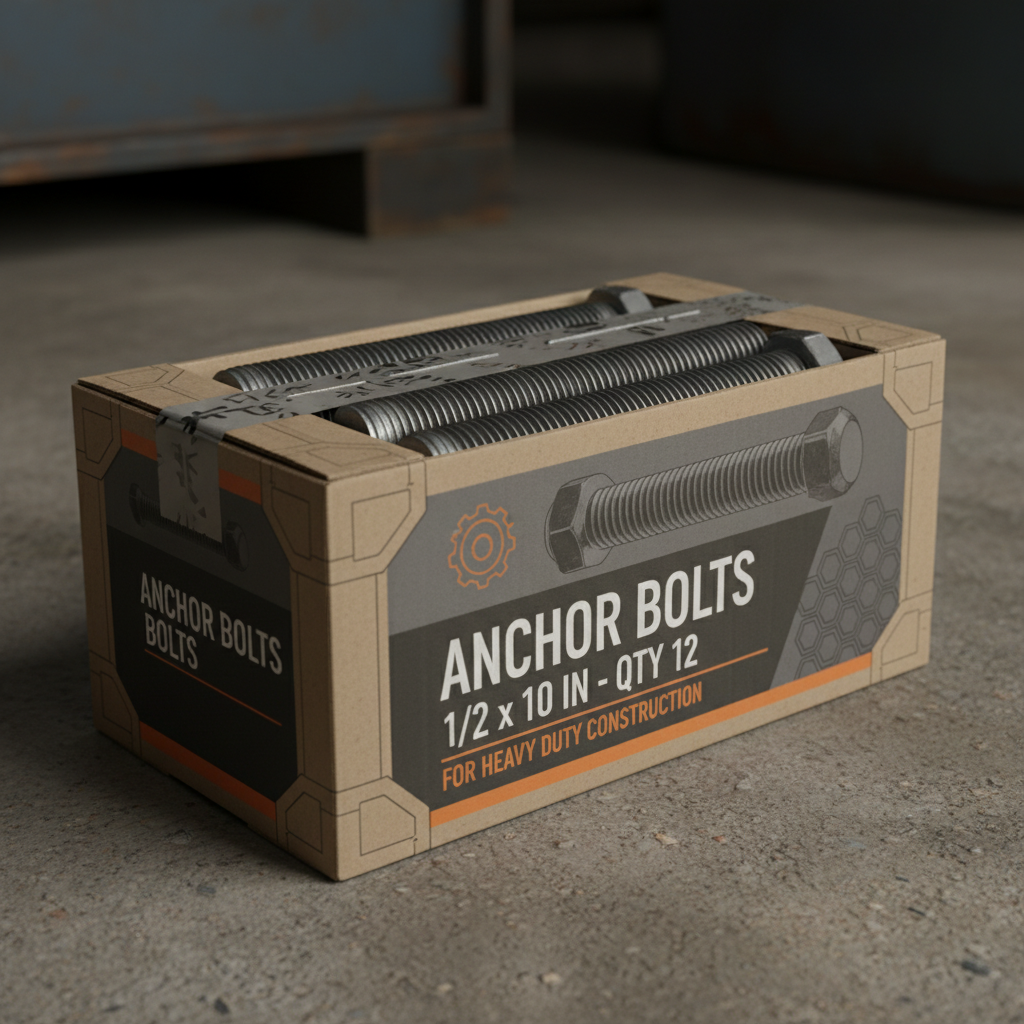
The term “1 2 x 10 anchor bolts” specifies a particular size and threading configuration for these essential fasteners. The ‘1 2’ denotes the diameter of the bolt (in inches), while the ‘10’ refers to the thread pitch – the number of threads per inch. This standardized sizing ensures compatibility across a wide range of applications and facilitates easy replacement or upgrading of components.
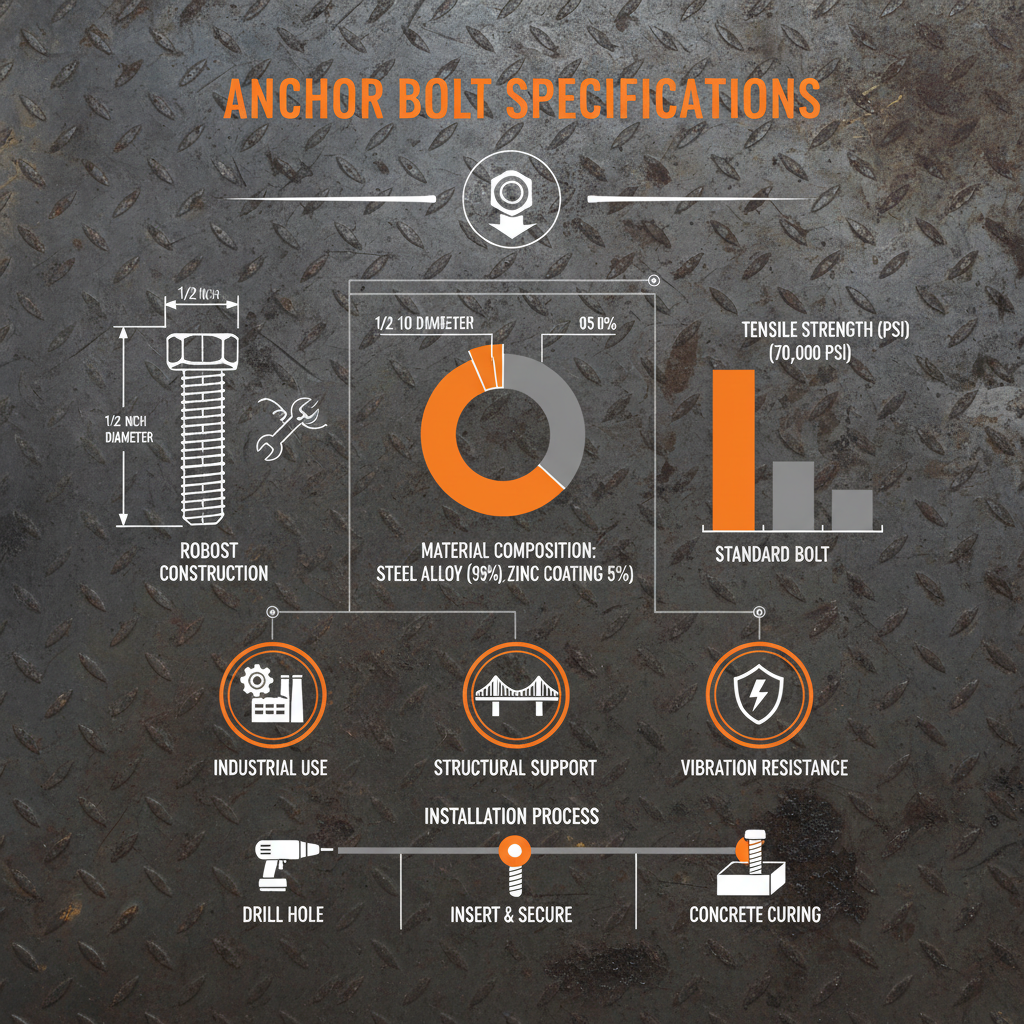
Understanding the specifications of 1 2 x 10 anchor bolts is crucial for accurate material selection and ensuring optimal performance. Factors like material grade (e.g., carbon steel, stainless steel), coating (e.g., galvanized, zinc-plated), and embedment depth significantly influence the bolt’s load-bearing capacity and resistance to corrosion.
Global Relevance and Industry Context
The global construction industry, valued at over $10 trillion annually (according to recent UN reports), depends heavily on reliable fastening solutions like 1 2 x 10 anchor bolts. Developing nations experiencing rapid urbanization are particularly reliant on these components for building infrastructure, housing, and public works. The demand for these bolts is directly correlated with global economic growth and population increases.
ISO standards play a vital role in ensuring the quality and consistency of 1 2 x 10 anchor bolts globally. These standards dictate material specifications, manufacturing processes, and testing procedures, promoting interoperability and safety. Compliance with ISO standards is often a prerequisite for projects seeking international financing or operating in regulated markets.
A significant challenge facing the industry is the increasing frequency of extreme weather events and seismic activity. This necessitates the use of higher-strength, corrosion-resistant 1 2 x 10 anchor bolts in construction projects to withstand these forces and ensure structural stability. Investing in advanced materials and installation techniques is crucial for building resilient infrastructure.
Defining 1 2 x 10 Anchor Bolts
A 1 2 x 10 anchor bolt is a type of fastener used to connect structural and non-structural elements to concrete or masonry. The “1 2” signifies a half-inch diameter, and “10” indicates ten threads per inch. These bolts are designed to transfer tensile and shear forces between the connected materials, providing a secure and reliable connection.
In modern industry, 1 2 x 10 anchor bolts are critical for a wide range of applications, including attaching machinery, supporting building facades, and securing safety barriers. Their versatility and ease of installation make them a preferred choice for many construction projects. The availability of various head styles and material options further expands their applicability.
Beyond construction, 1 2 x 10 anchor bolts are essential in humanitarian contexts. In disaster relief efforts, they are frequently used to quickly assemble temporary shelters, reinforce damaged structures, and secure critical infrastructure like hospitals and communication towers. Their robustness and relative simplicity make them ideal for challenging field conditions.
Key Factors of 1 2 x 10 Anchor Bolts
Durability is a primary characteristic of effective 1 2 x 10 anchor bolts. High-quality materials, such as hardened steel and corrosion-resistant coatings, are crucial for withstanding harsh environmental conditions and prolonged use. Proper installation techniques also play a significant role in maximizing bolt longevity.
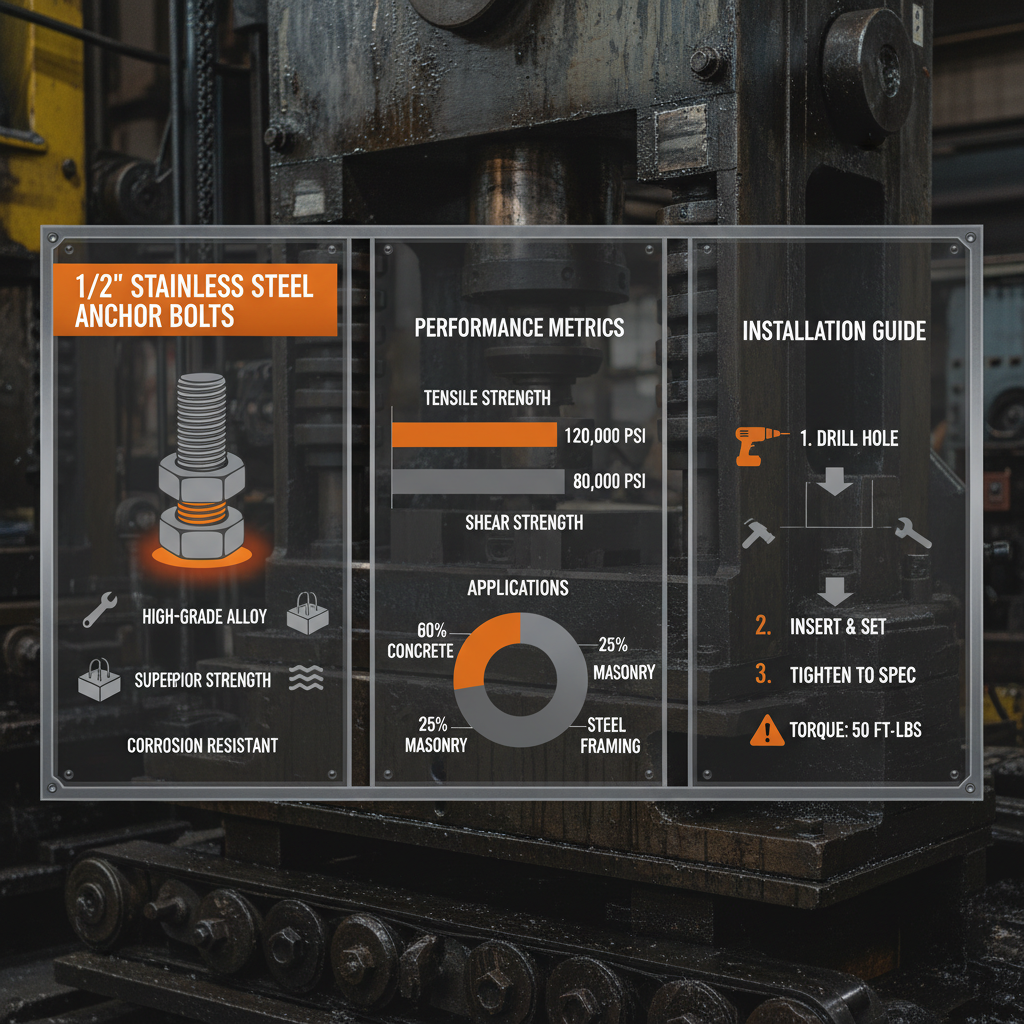
Load Capacity defines how much tensile and shear stress a 1 2 x 10 anchor bolt can handle before failure. This is determined by factors such as the bolt’s material grade, embedment depth, and concrete strength. Accurate load calculations and adherence to engineering specifications are vital for ensuring structural safety.
Load Capacity Comparison of 1 2 x 10 Anchor Bolt Methods
Applications of 1 2 x 10 Anchor Bolts
In the construction of high-rise buildings, 1 2 x 10 anchor bolts are extensively used to secure curtain walls, precast concrete panels, and structural steel components. Their ability to withstand significant wind loads and seismic forces is crucial for ensuring building safety. Proper embedment depth and spacing are critical design considerations.
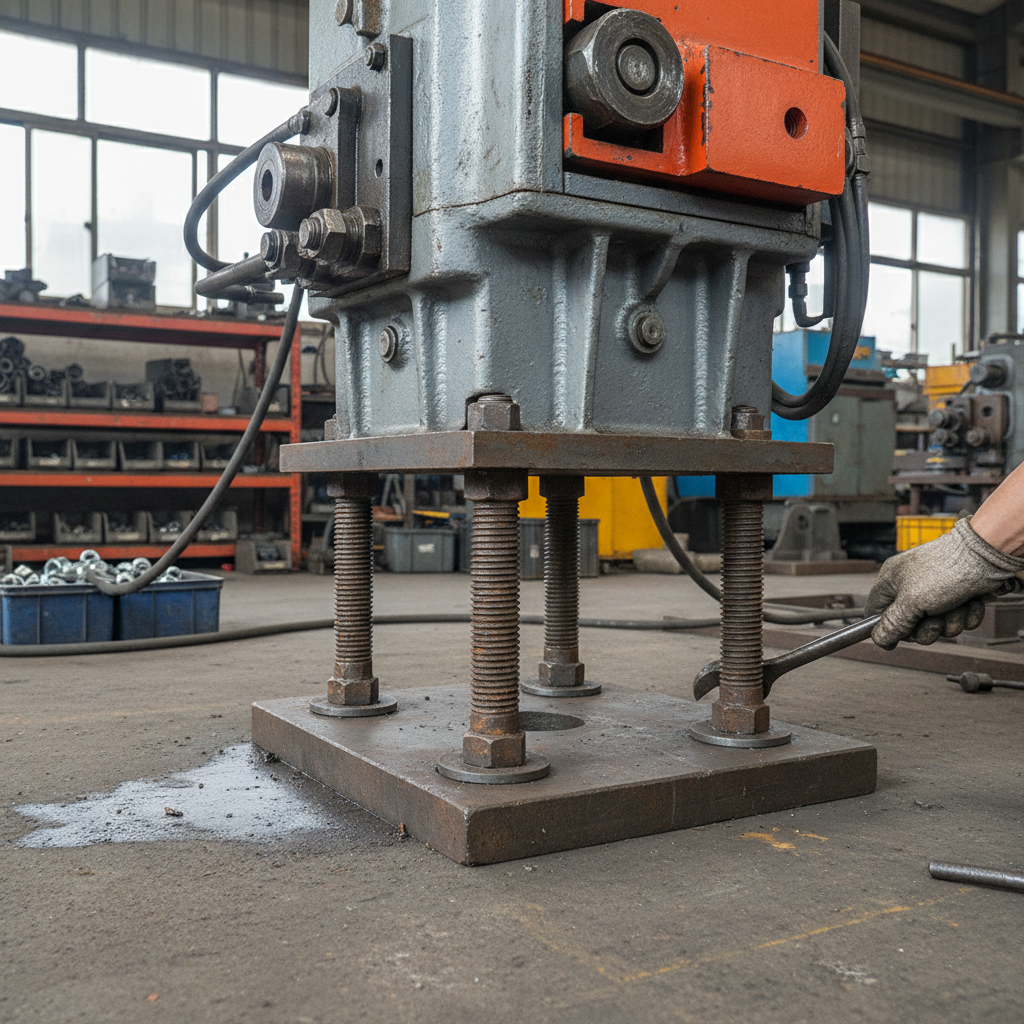
Within the industrial sector, 1 2 x 10 anchor bolts are indispensable for mounting heavy machinery, equipment, and industrial shelving. They provide a stable and secure foundation, minimizing vibration and ensuring operational efficiency. Regularly inspecting these bolts for wear and tear is crucial for preventing accidents and downtime.
Advantages and Long-Term Value
Utilizing 1 2 x 10 anchor bolts provides significant cost savings over the lifecycle of a project. Their durability reduces the need for frequent replacements, minimizing maintenance expenses. Furthermore, proper installation and selection of high-quality bolts can prevent structural failures, avoiding costly repairs or reconstruction.
From a sustainability perspective, 1 2 x 10 anchor bolts contribute to building longevity, reducing the need for demolition and reconstruction. Choosing corrosion-resistant materials minimizes environmental impact and promotes responsible resource management. By investing in durable fastening solutions, we contribute to a more sustainable built environment.
Future Trends and Innovations
Research and development are focused on creating innovative 1 2 x 10 anchor bolts with enhanced load-bearing capacity and corrosion resistance. New materials, such as advanced alloys and composite materials, are being explored to improve performance in extreme environments. Automation and robotics are also being integrated into the manufacturing and installation processes.
Smart anchor bolts, equipped with sensors and monitoring systems, are emerging as a promising technology. These sensors can track stress levels, detect corrosion, and provide real-time data on bolt performance, enabling proactive maintenance and preventing catastrophic failures. The integration of IoT (Internet of Things) technology will revolutionize the way we manage and maintain critical infrastructure.
Furthermore, the development of more sustainable manufacturing processes and the use of recycled materials in the production of 1 2 x 10 anchor bolts align with the global shift towards circular economy principles. Reducing carbon emissions and minimizing waste are key priorities for the future of the fastening industry.
FAQS
The recommended embedment depth for a 1 2 x 10 anchor bolt in standard concrete typically ranges from 2.5 to 3 inches, but it crucially depends on the specific application, load requirements, and concrete strength. Always consult engineering specifications and relevant building codes for accurate guidelines. Insufficient embedment can significantly reduce the bolt’s load-bearing capacity and compromise structural integrity.
Preventing corrosion in saltwater environments requires selecting corrosion-resistant materials such as stainless steel (specifically 316 grade) or using galvanized bolts with a heavy zinc coating. Additionally, applying a protective coating, like epoxy, can create a barrier against saltwater intrusion. Regular inspection and maintenance are also vital to identify and address any signs of corrosion early on.
The recommended torque for a 1 2 x 10 anchor bolt varies based on the bolt’s material, coating, and the type of concrete. Typically, torque values range from 30 to 60 ft-lbs, but it’s essential to consult the manufacturer’s specifications and engineering drawings for precise values. Over-tightening can strip the threads or damage the concrete, while under-tightening can lead to loosening and failure.
Using 1 2 x 10 anchor bolts in cracked concrete requires special consideration. Epoxy-based anchor systems are often recommended for cracked concrete as they can fill the cracks and provide a secure bond. However, the width and location of the cracks must be assessed by a qualified engineer to ensure the anchor system is suitable for the specific application. Standard wedge anchors are generally not recommended for use in cracked concrete.
Sleeve anchors generally provide higher load-bearing capacity in solid concrete compared to wedge anchors. They distribute the load over a larger area, reducing stress on the concrete. However, wedge anchors are often easier and faster to install. Sleeve anchors also allow for more precise adjustment during installation. The best choice depends on the specific application and load requirements.
The frequency of inspection for 1 2 x 10 anchor bolts depends on the application and environmental conditions. In critical applications, such as those supporting heavy machinery or structural elements, annual inspections are recommended. In less demanding applications, bi-annual or tri-annual inspections may suffice. Look for signs of corrosion, loosening, or cracking, and replace any damaged or compromised bolts immediately.
Conclusion
In conclusion, 1 2 x 10 anchor bolts are fundamental components in modern construction and engineering, providing essential fastening solutions for a wide range of applications. Their standardized sizing, robust construction, and versatility make them an indispensable part of building safe, durable, and resilient infrastructure. Understanding their properties, proper installation techniques, and ongoing maintenance is crucial for maximizing their long-term performance.
Looking ahead, continued innovation in materials, manufacturing processes, and monitoring technologies will further enhance the capabilities and sustainability of 1 2 x 10 anchor bolts. Investing in these advancements will not only improve structural safety but also contribute to a more efficient and environmentally responsible built environment. Visit our website at www.ytbolt.com to learn more about our comprehensive range of anchor bolts and fastening solutions.




 English
  Bengali
  Bulgarian
  Catalan
  Czech
Czech  French
  German
  Hindi
Hindi  Hungarian
  Italian
  Kazakh
  Korean
  Portuguese
  Romanian
  Slovak
  Somali
  Spanish
  Turkish