
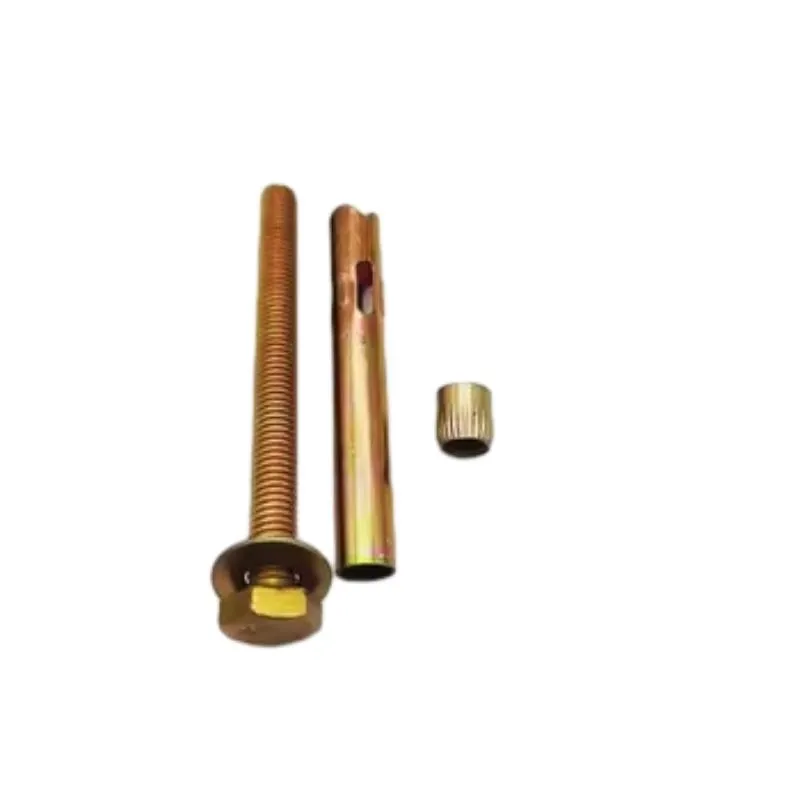
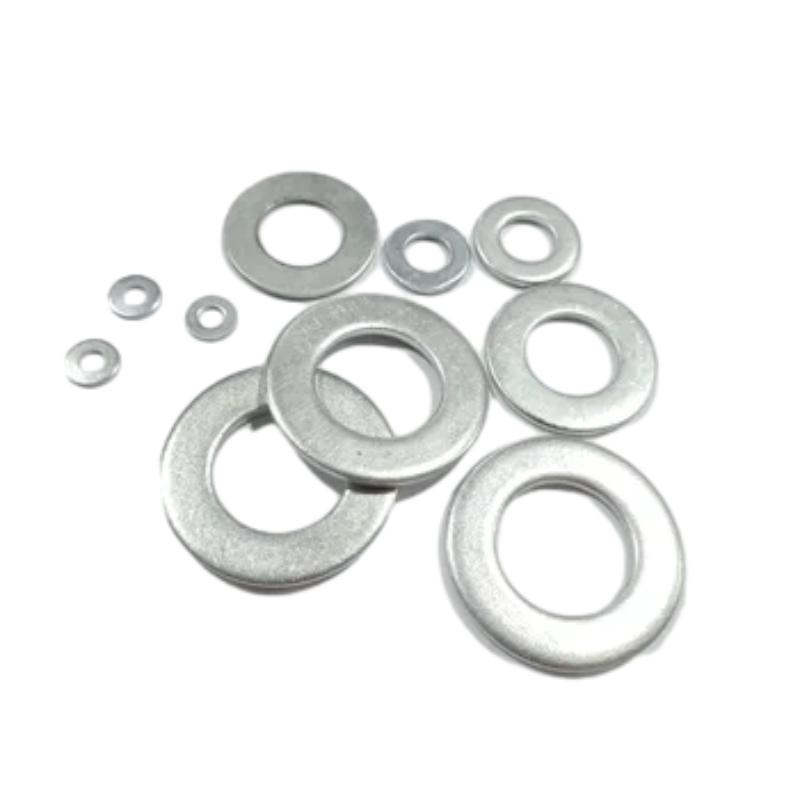
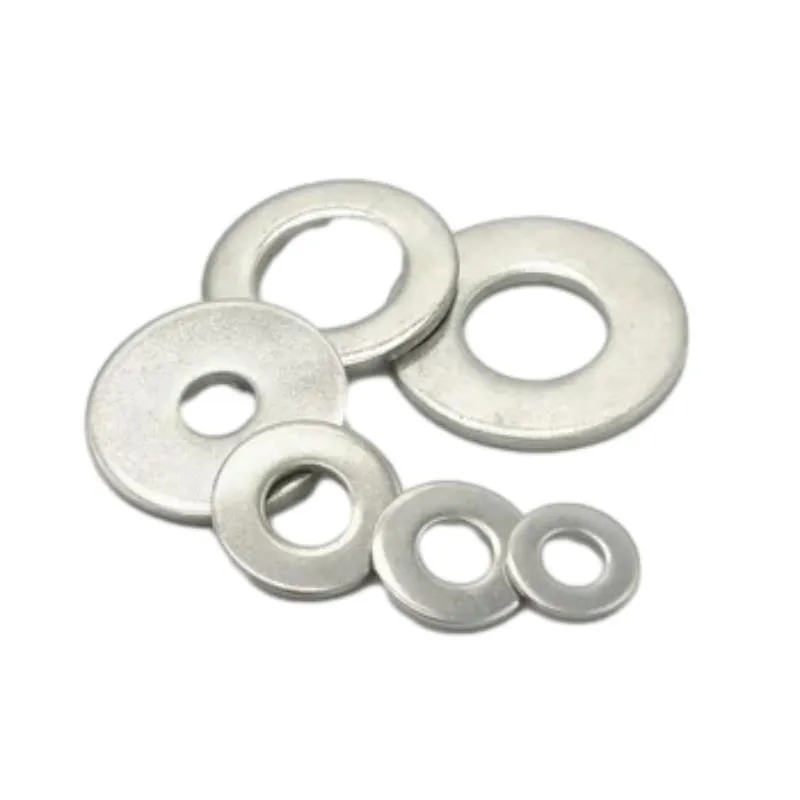
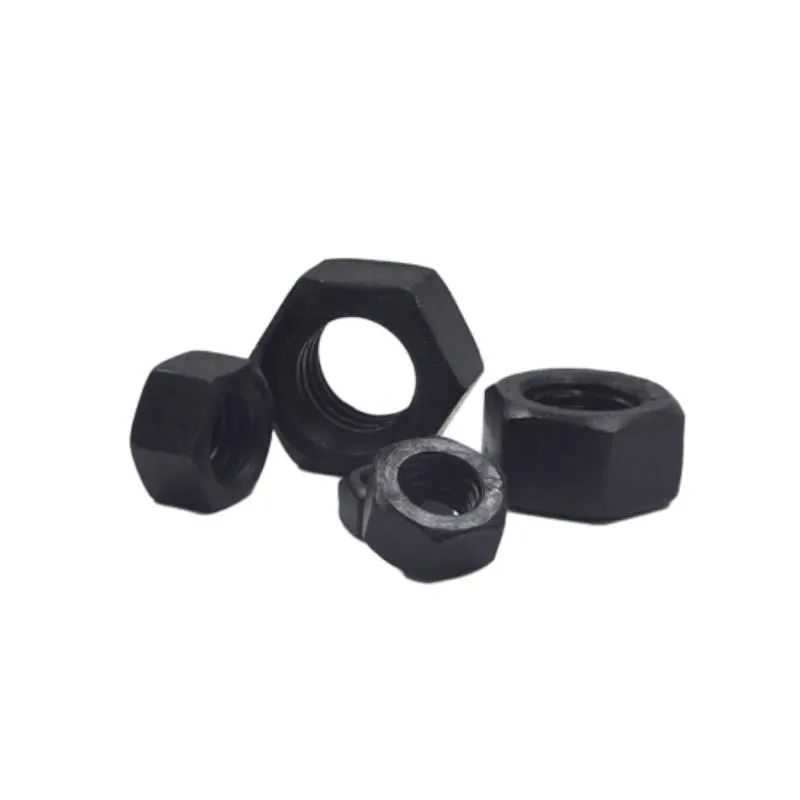
Industrial Fastening Solutions with High-Strength expansion bolt in Iraq

Providing heavy-duty anchoring systems engineered for Iraq's extreme climate and infrastructure reconstruction projects.

The Current State of Fastener Infrastructure in Iraq

Analyzing the challenges of structural anchoring in arid environments.

The Iraqi construction market is currently characterized by a massive surge in infrastructure renewal. Due to the region's extreme temperature fluctuations—where summer heat can exceed 50°C—the demand for a high-performance anchor bolt has intensified to prevent structural loosening caused by thermal stress.

In the oil and gas sectors of Basra and Kirkuk, the prevalence of corrosive soil and high salinity requires fastening elements that go beyond standard carbon steel. The industry is shifting toward galvanized and stainless steel dyna bolts to ensure long-term stability and safety in hazardous environments.

Current market availability often fluctuates between low-cost imports and high-end European standards. This has created a critical need for certified, high-load anchor rod systems that meet international ASTM and DIN standards to support the reconstruction of bridges and industrial plants.
Evolution of Anchoring Technology in Iraq

From traditional casting to modern mechanical expansion systems.

Market Development History

Prior to 2000, the Iraqi market relied heavily on cast-in-place ground bolts and simple threaded rods. These traditional methods lacked the flexibility required for rapid urban redevelopment and often failed under the seismic activities prevalent in certain northern regions.

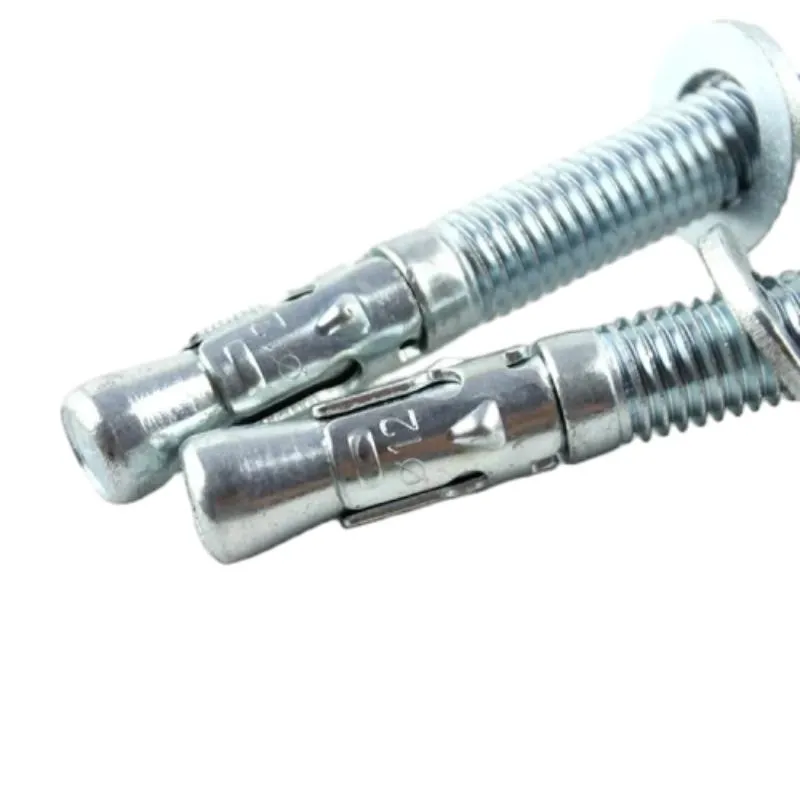
Between 2010 and 2020, there was a significant transition toward mechanical expansion systems. The introduction of the expansion bolt allowed for post-installed anchoring, which drastically reduced construction timelines for commercial warehouses and energy facilities.

In recent years, the focus has shifted toward high-precision engineering. The integration of chemical anchoring and heavy-duty ground bolts has become the norm for supporting heavy machinery in Iraq's expanding manufacturing sector.

Future Development Trends

Smart Material Integration

Integration of corrosion-resistant alloys and smart coatings to combat the aggressive alkaline nature of Iraqi soil.

High-Load Seismic Certification

Increased adoption of seismic-rated fasteners to ensure structural integrity during regional tectonic shifts.

Digitalized Procurement

A shift toward BIM-integrated fastening specifications to reduce material waste in large-scale governmental projects.

Industry Trends and Future Outlook for Fasteners

Strategic forecasting for the Iraqi metal products industry.

Thermal Resistance Engineering
Developing fasteners that maintain tension despite Iraq's 40°C seasonal temperature swings.
Anti-Corrosive Coating Evolution
Shift towards Hot-Dip Galvanizing and Zinc-Flake coatings for desert salinity resistance.
Precision Load Calculation
Using AI-driven load simulation to determine the exact grade of anchor bolts needed for specific substrates.
Sustainable Fastening
Transitioning to recyclable high-strength alloys to support Iraq's green building initiatives.

Industry Outlook

Looking ahead, the Iraqi market will see a transition from generic hardware to engineered fastening solutions. Google search trends indicate a rising interest in "seismic anchoring" and "heavy-duty bolt specifications," reflecting a professionalization of the local construction workforce.

Within the next 3-5 years, we anticipate that the standard for public works in Iraq will mandate certified torque-control bolts, moving away from traditional tightening methods to ensure 100% reliability in critical infrastructure.

Localized Application Scenarios in Iraq

Real-world implementations of high-strength fastening systems.

01. Oil Refinery Equipment Mounting

Utilizing heavy-duty anchor rod systems to secure massive heat exchangers and distillation columns against high-frequency vibrations in Basra's refineries.

02. Solar Farm Structural Support

Implementing rapid-install dyna bolts to secure photovoltaic panel racks into sandy-clay soils, ensuring wind resistance during seasonal dust storms.

03. Bridge Reconstruction in Baghdad

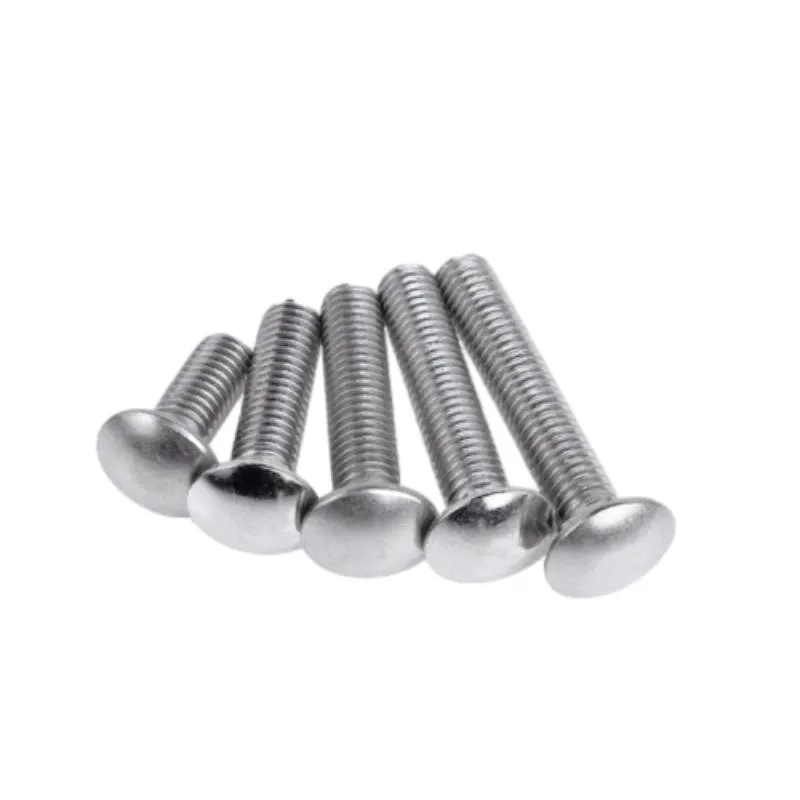
Deploying high-grade ground bolts for the foundation of reinforced concrete bridge piers to ensure long-term structural stability.

04. Industrial Warehouse Racking

Using galvanized expansion bolt solutions to secure heavy-duty storage racks in logistics hubs, preventing collapse during overloading.

05. Power Plant Turbine Anchoring

Applying high-tensile fasteners to stabilize giant turbine generators, mitigating the impact of mechanical resonance and thermal expansion.

Brand Story

Global Development Journey of Handan Moen Import and Export Trade Co., Ltd.

Foundational Precision

Established with a vision to solve the core pain point of fastener failure in extreme environments through rigorous metallurgical control.

Quality Standardization

Achieved international certifications, ensuring every bolt produced meets the strict tolerances required for global industrial export.

Market Expansion

Successfully entered the Middle Eastern market, tailoring product specifications to meet the unique climatic challenges of Iraq.

Technical Innovation

Invested in R&D for advanced anti-corrosion coatings, specifically designed for high-salinity and arid environments.

Global Partnership

Now serving as a trusted strategic partner for infrastructure developers worldwide, focusing on safety and durability.

Iraq Fastening System FAQ

Technical answers for common anchoring challenges in the region.

Which anchor bolt is best for Iraq's sandy soil?

For sandy or loose soil, we recommend heavy-duty chemical anchors or deep-embedded ground bolts to ensure sufficient pull-out strength and stability.

How do expansion bolt specifications differ for high-heat zones?

In high-heat zones, fasteners must account for thermal expansion. We provide materials with specific coefficients of expansion to prevent the bolt from loosening during peak summer temperatures.

Are dyna bolts suitable for oil refinery structural supports?

Yes, provided they are treated with Hot-Dip Galvanizing or made of Stainless Steel (316 grade) to withstand the corrosive chemicals and atmospheric salinity common in refineries.

What is the load capacity difference between an anchor rod and standard bolts?

Anchor rods are typically designed for much higher shear and tensile loads in permanent foundations, whereas standard bolts are used for modular or lighter structural assemblies.

How to prevent corrosion of ground bolts in southern Iraq?

We recommend using epoxy-coated fasteners or high-zinc alloy plating to create a barrier against the highly alkaline and saline groundwater found in southern regions.

Do you provide certification for international project standards in Iraq?

Yes, all our products come with Mill Test Certificates (MTC) and comply with ASTM, DIN, and ISO standards required for large-scale governmental and private infrastructure projects.

Request Technical Consultation

Get expert guidance on the best fastening systems for your specific project requirements in Iraq.

Contact Us Now

If you are interested in our products, you can choose to leave your information here, and we will be in touch with you shortly.