Look, I’ve spent the last twenty years on sites, getting my hands dirty, dealing with the realities of building. And let me tell you, a solid foundation isn't just about concrete; it’s about reliable fasteners. That's where 3 4 x 16 anchor bolts come into play. They’re the unsung heroes holding everything together, from steel structures to precast concrete. It's a deceptively simple component, but choosing the right one—and installing it correctly—can make or break a project, impacting safety, schedule, and ultimately, the bottom line.
We’re talking about a critical connection point. These aren’t just holding up drywall. We’re talking about structures that need to withstand incredible forces: wind loads, seismic activity, the sheer weight of materials. You see a bolt; I see a lifeline. I’ve seen projects delayed, budgets blown, and even lives endangered because of inadequate anchoring. The demand for robust, readily available fasteners like the 3 4 x 16 anchor bolts is only increasing as construction becomes more complex and demanding.
And it’s not just large-scale construction. From retrofitting older buildings to installing new equipment, the need for a dependable anchor is constant. What I appreciate about a good 3 4 x 16 anchor bolt is its versatility. You see them in everything from industrial facilities to commercial buildings, and even residential projects when done right. It's a piece of hardware that's consistently proven itself, and that's why it remains a staple on job sites everywhere.
The Vital Role of 3 4 x 16 Anchor Bolts in Construction
Let’s be clear: a 3 4 x 16 anchor bolt isn’t glamorous. But it’s foundational, literally. It’s the workhorse that securely connects non-structural and structural elements to concrete, bridging the gap and ensuring stability. We rely on these bolts daily to install machinery, secure handrails, support facades, and a whole lot more. Their importance goes unnoticed until something fails.
I’ve seen projects grind to a halt because of anchor bolt shortages or quality issues. Supply chain disruptions have hit everyone, and getting the right size, grade, and quantity of 3 4 x 16 anchor bolts can be a real headache. That's why having a reliable supplier—and understanding the specifications—is crucial. We often talk about material costs, but failing to factor in the cost of delays and rework due to inadequate anchoring can be devastating.
Understanding 3 4 x 16 Anchor Bolts: A Definition
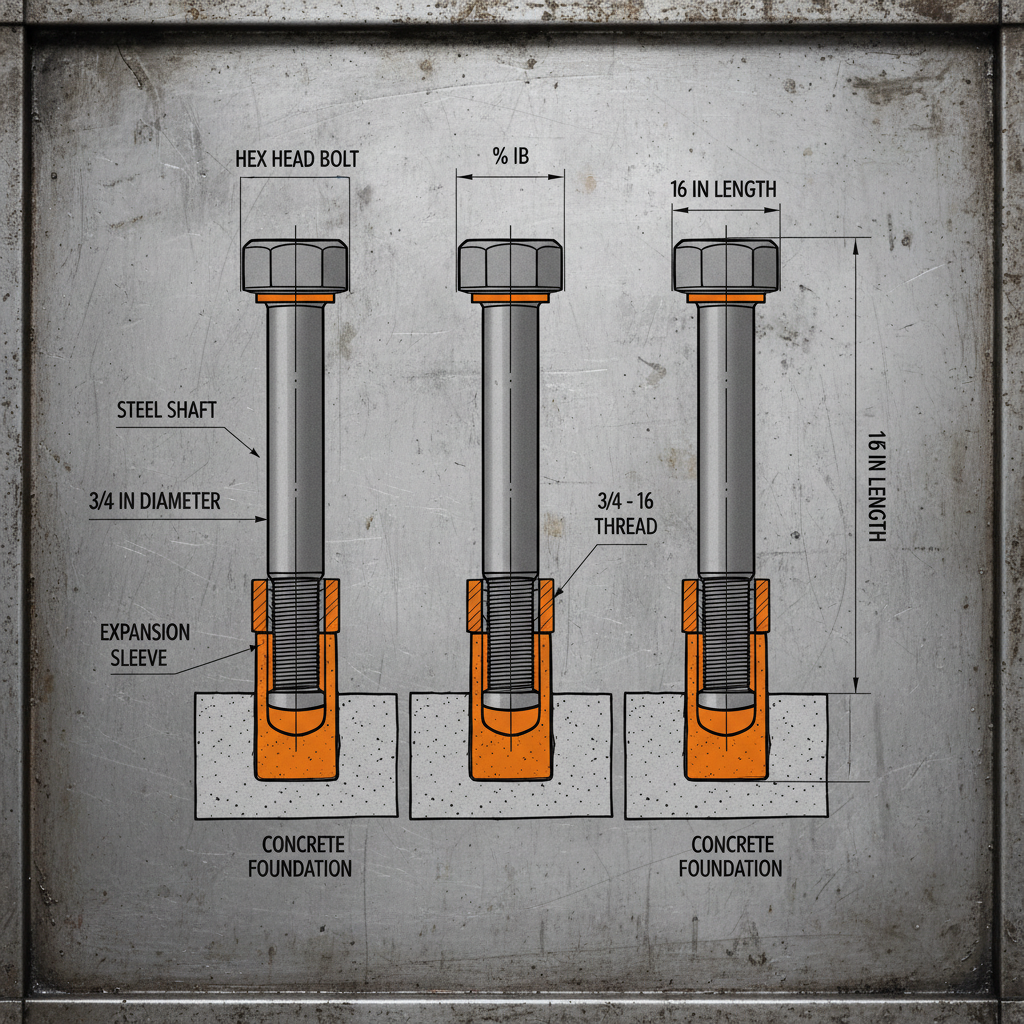
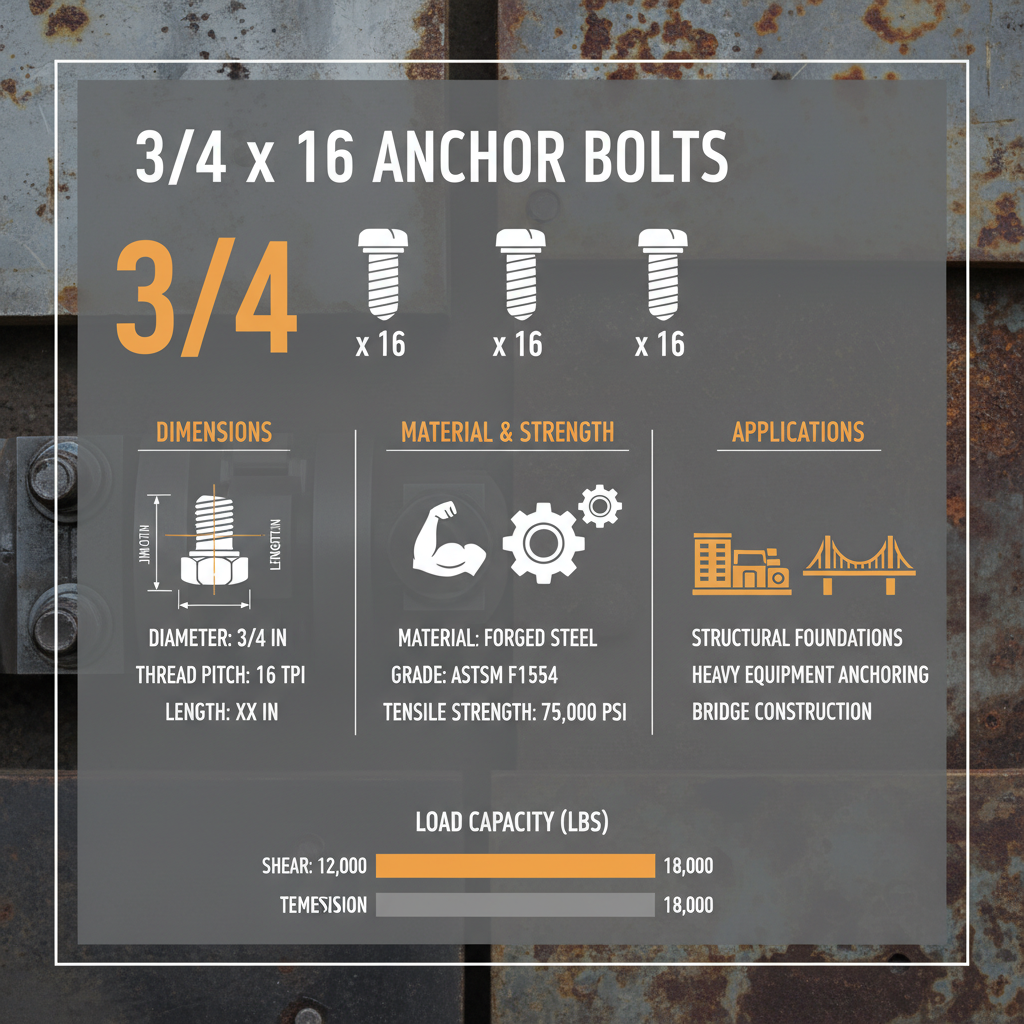
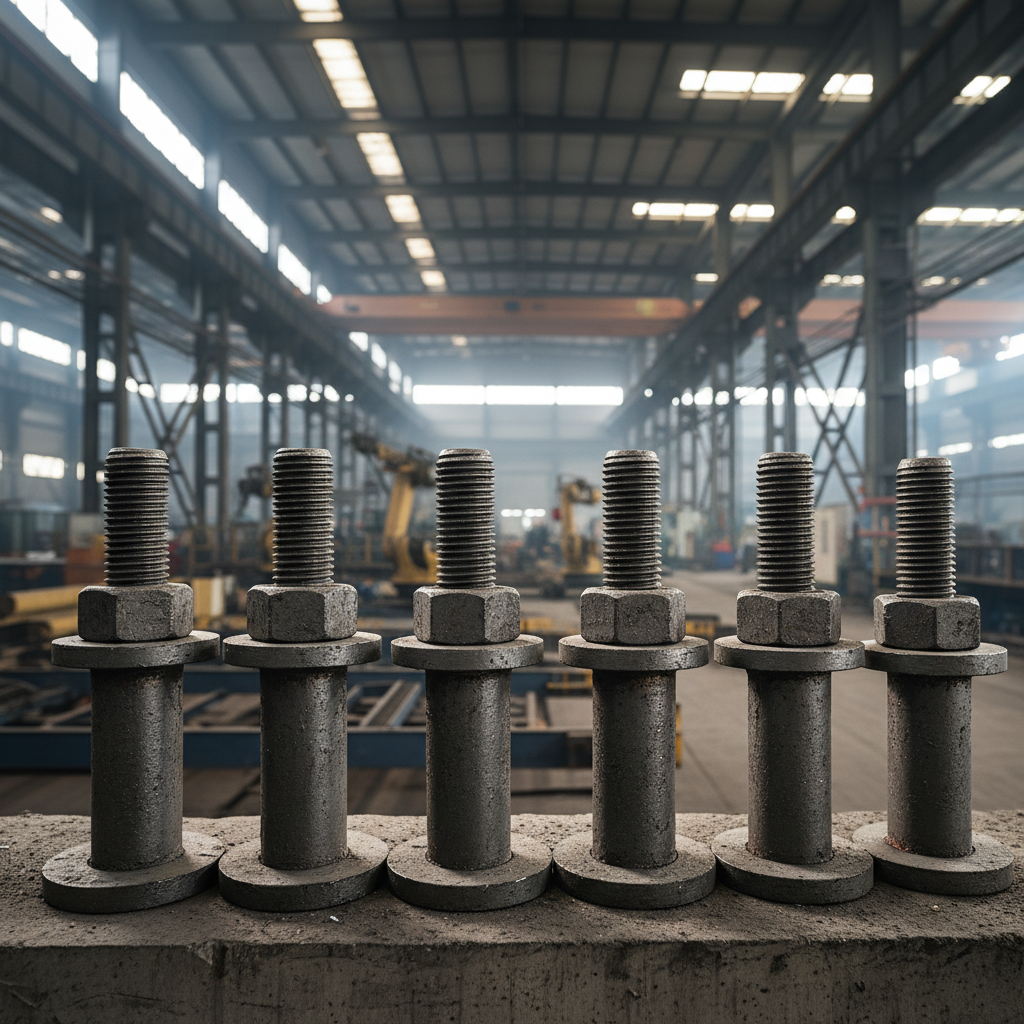
Okay, so what is a 3 4 x 16 anchor bolt? It's a heavy-duty fastener, typically made of high-strength steel, designed to be embedded in concrete. The "3 4" refers to the diameter of the bolt, and the "16" refers to the length. It’s a standard size for many applications, providing a good balance of strength and ease of installation. These aren’t your average screws; they’re engineered for significant load-bearing capacity.
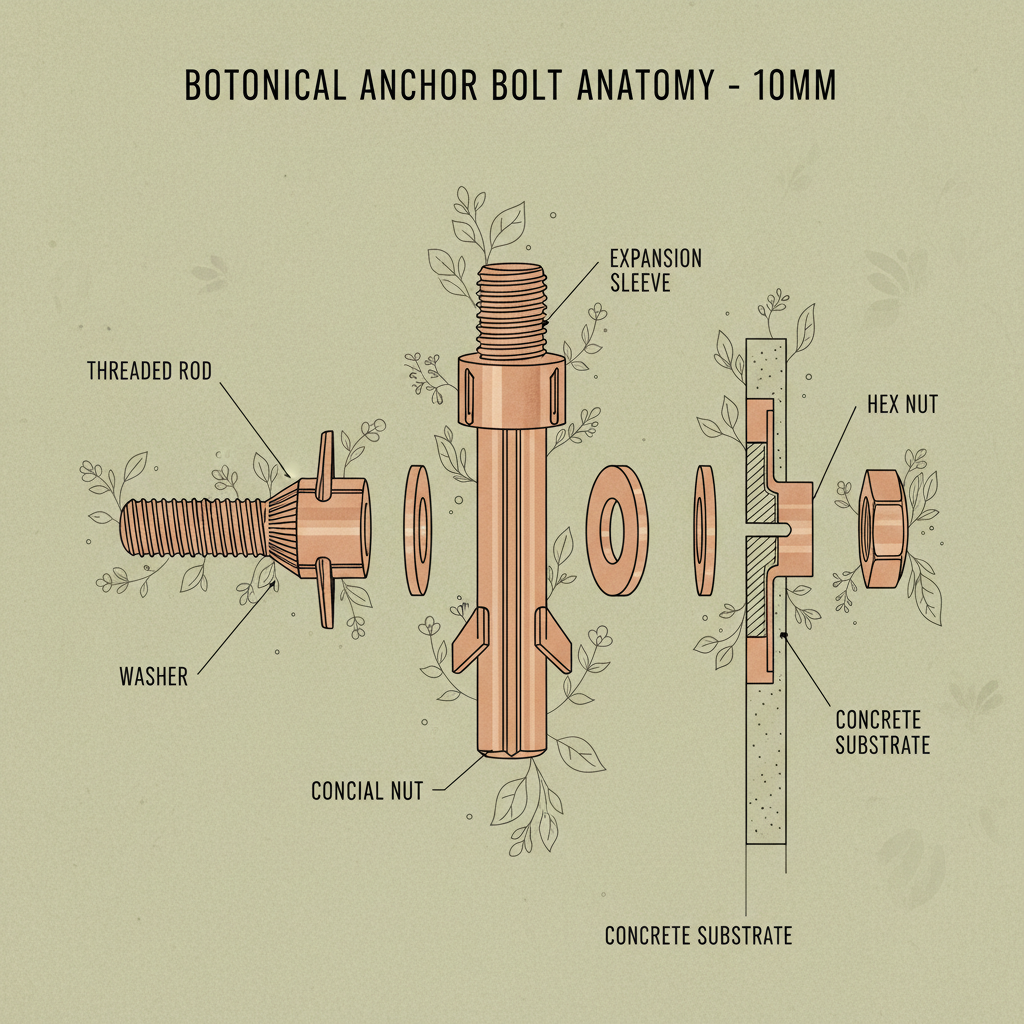
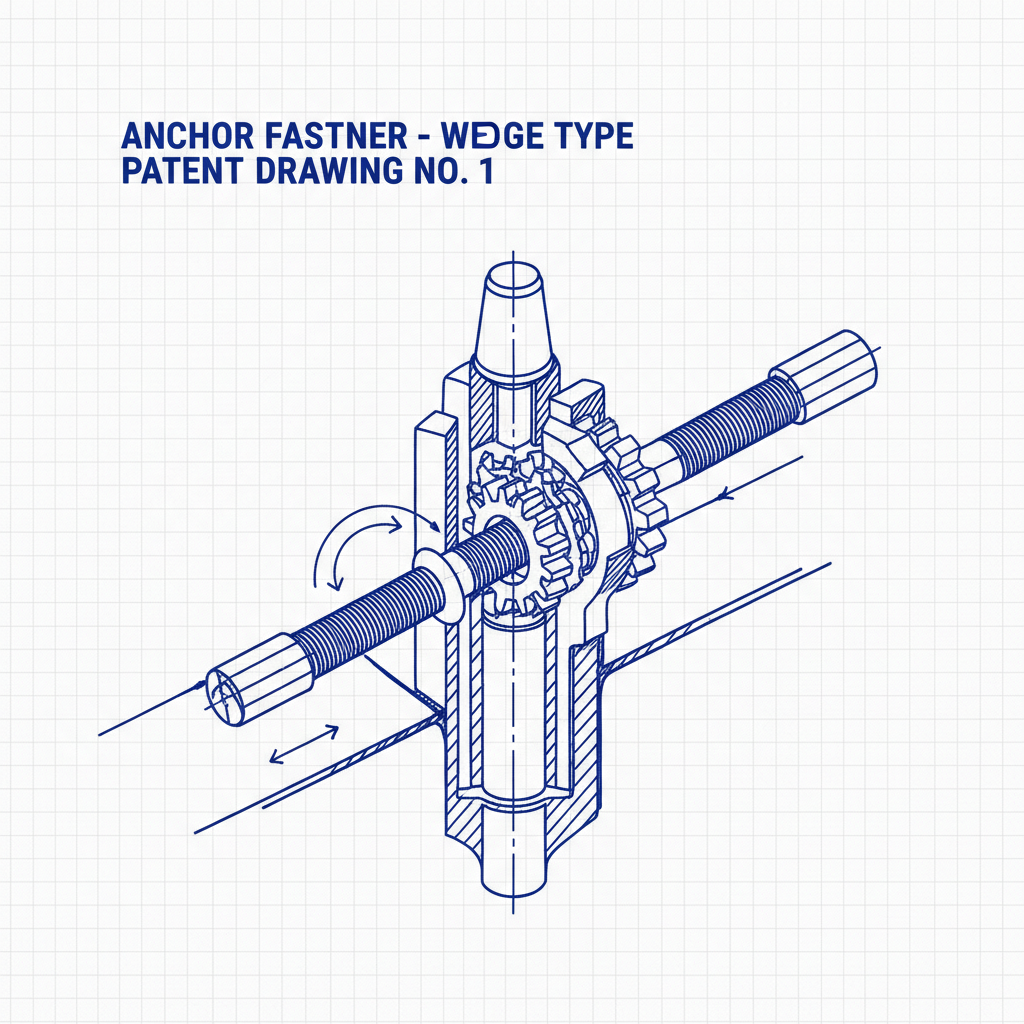
They come in different types – wedge anchors, sleeve anchors, chemical anchors – each suited for specific applications and concrete conditions. Choosing the right type depends on factors like the load requirements, the concrete’s strength, and the presence of cracks or voids. A chemical anchor, for example, uses a resin to bond the bolt into the concrete, providing a very strong and reliable connection, particularly in challenging conditions.
In today’s construction world, where prefabrication and modular construction are becoming increasingly common, the demand for accurate and reliable anchoring solutions is higher than ever. 3 4 x 16 anchor bolts play a vital role in connecting these prefabricated components to the foundation, ensuring a seamless and structurally sound assembly.
Key Characteristics of Reliable 3 4 x 16 Anchor Bolts
When I'm evaluating anchor bolts, I look at a few critical things. First, material quality. You want high-strength steel, typically Grade 5 or better, with a protective coating – like zinc plating – to resist corrosion. Corrosion is a silent killer; it weakens the bolt over time and can lead to catastrophic failure.
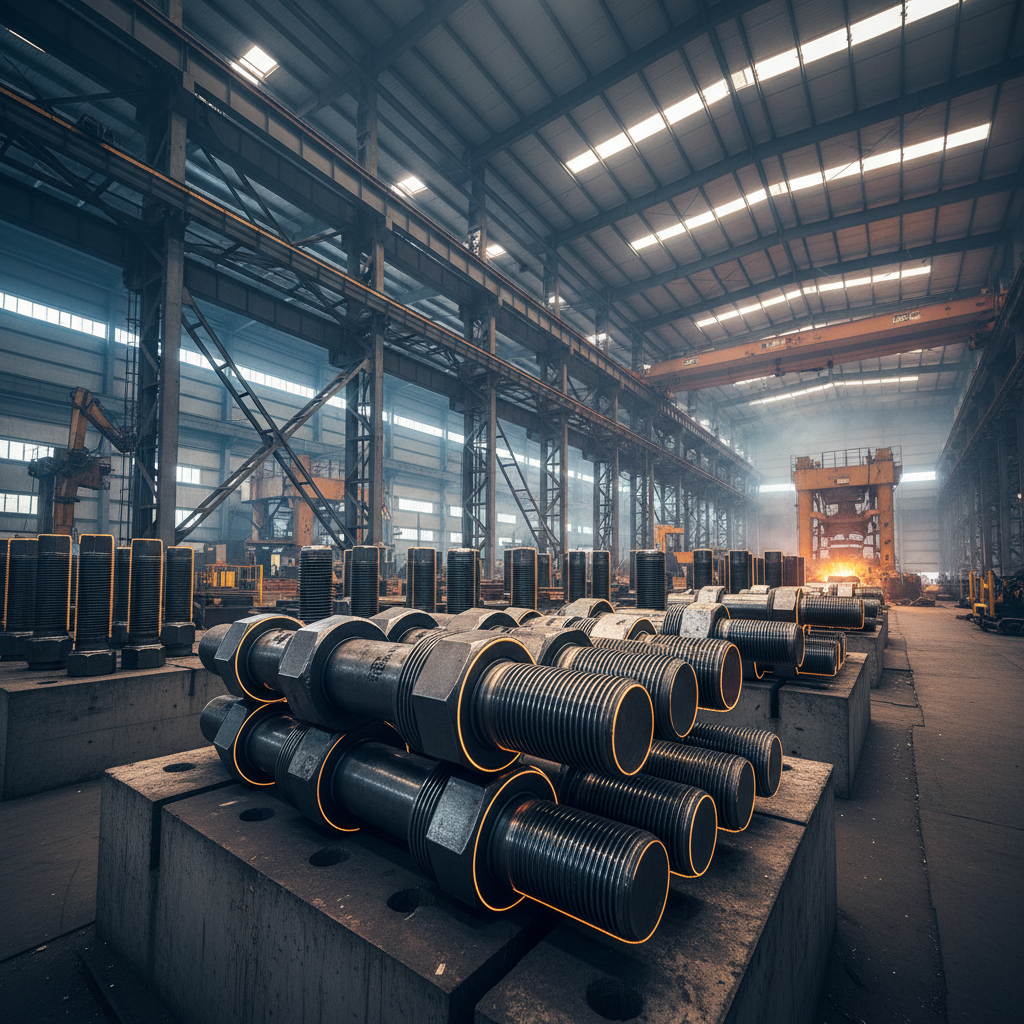
Second, the consistency of manufacturing. You need bolts that are precisely threaded and dimensionally accurate. Variations can create issues during installation and compromise the holding power. I always prefer working with manufacturers who have strict quality control processes and certifications. That 3 4 x 16 anchor bolt needs to be exactly as specified, every single time.
Finally, you need to consider the embedment depth and spacing requirements. These are dictated by engineering calculations and building codes, and they’re non-negotiable. Insufficient embedment or improper spacing drastically reduces the bolt’s capacity. It’s not something you want to find out the hard way.
Global Applications and Use Cases for 3 4 x 16 Anchor Bolts
I’ve seen 3 4 x 16 anchor bolts used on projects all over the world. In industrial facilities in Europe, they’re securing heavy machinery to concrete floors. In infrastructure projects in Asia, they’re anchoring bridge supports and retaining walls. Even in remote construction sites, these bolts are the bedrock of stability.
They’re common in the installation of seismic bracing systems in California, resisting the force of earthquakes. They’re used in the construction of wind turbines, anchoring the massive towers to the foundations. And in post-disaster relief operations, they’re crucial for quickly erecting temporary shelters and stabilizing damaged structures.
Even in the retrofit market, they're indispensable. I recently worked on a project where we were strengthening an older building to meet updated seismic codes. We used hundreds of 3 4 x 16 anchor bolts to attach a new steel frame to the existing concrete structure. It was a challenging job, but the reliability of those bolts gave us confidence in the final outcome.
Load Capacity of Different 3 4 x 16 Anchor Bolts Methods
Advantages and Long-Term Value of 3 4 x 16 Anchor Bolts
The value of a solid anchoring system extends far beyond the initial installation cost. You’re talking about long-term safety, reduced maintenance, and increased durability. A properly installed 3 4 x 16 anchor bolt gives you peace of mind knowing that the structure is secure and can withstand the test of time.
From a sustainability perspective, these bolts contribute to the longevity of buildings and infrastructure, reducing the need for frequent repairs or replacements. This translates to lower material consumption and reduced waste. And from a safety standpoint, a reliable anchor system protects workers and the public, preventing potential accidents and injuries.
Future Trends and Innovations in Anchor Bolt Technology
We’re seeing some interesting developments in anchor bolt technology. One trend is the development of self-drilling anchors that eliminate the need for pre-drilling, speeding up installation and reducing noise. Another is the use of advanced coatings that provide even greater corrosion resistance.
Digitalization is also playing a role. We're starting to see smart anchors equipped with sensors that monitor load levels and alert engineers to potential issues. This predictive maintenance approach can help prevent failures and extend the lifespan of structures. The focus is on making installation easier, faster, and more reliable, while also enhancing long-term performance and safety.
Challenges and Solutions in 3 4 x 16 Anchor Bolt Implementation
One of the biggest challenges is improper installation. Too often, I see bolts installed with the wrong tools, incorrect embedment depths, or inadequate torque. This compromises their holding power and can lead to failure. Proper training and adherence to manufacturer’s instructions are essential.
Another challenge is dealing with cracked or deteriorated concrete. In these cases, chemical anchors are often the best solution, as they can provide a strong bond even in compromised concrete. Regular inspections and maintenance are also crucial for identifying and addressing potential issues before they escalate.
Finally, supply chain issues and material shortages remain a concern. Building strong relationships with reliable suppliers and planning ahead can help mitigate these risks. And as with any construction project, clear communication and collaboration between engineers, contractors, and suppliers are vital for ensuring a successful outcome.
Table Summarizing 3 4 x 16 Anchor Bolt Performance Factors
| Anchor Type |
Concrete Condition |
Load Capacity (kN) |
Installation Difficulty (1-10) |
| Wedge Anchor |
Sound Concrete |
60 |
3 |
| Sleeve Anchor |
Cracked Concrete |
45 |
4 |
| Chemical Anchor |
Deteriorated Concrete |
80 |
6 |
| Drop-In Anchor |
Sound Concrete |
50 |
2 |
| Concrete Screw |
Sound Concrete |
35 |
1 |
| Self-Drilling Anchor |
Sound Concrete |
55 |
3 |
FAQS
The most common error is selecting the wrong type of anchor for the application. Ignoring the concrete condition (cracked vs. uncracked) or the expected load can lead to failure. It’s not about just grabbing the cheapest bolt; it’s about understanding the engineering requirements and selecting an anchor that’s specifically designed for the job. Always consult with a structural engineer if you’re unsure.
Installation is absolutely critical! Even the highest-quality anchor bolt will fail if it’s not installed correctly. That means using the right tools, drilling to the correct depth, cleaning the hole properly, and applying the specified torque. Always follow the manufacturer’s instructions and consider hiring a qualified installer.
Look for a supplier with a proven track record, consistent quality control, and a wide range of anchor types to meet your specific needs. They should also be able to provide technical support and guidance on anchor selection and installation. Don't be afraid to ask for certifications and test data.
Yes, but you need to select an anchor bolt specifically designed for corrosion resistance. Stainless steel or hot-dip galvanized anchors are recommended for saltwater applications. Regular inspections are also essential to identify and address any signs of corrosion.
Look for signs of corrosion, cracking, or loosening. If you notice any movement or deformation around the anchor point, it’s a red flag. Conduct a thorough inspection and consult with a structural engineer if you suspect a problem.
Chemical anchors generally offer higher load capacities, especially in cracked concrete, because the adhesive bonds directly to the concrete. Mechanical anchors rely on friction and expansion. However, chemical anchors require more careful installation and longer curing times. The best choice depends on the specific application and concrete conditions.
Conclusion
Ultimately, the 3 4 x 16 anchor bolt is a seemingly small component that plays a massive role in the safety, durability, and reliability of construction projects. From industrial facilities to residential buildings, these bolts are the unsung heroes that keep everything together. Understanding their characteristics, proper installation techniques, and future trends is essential for anyone involved in the construction industry.
Investing in quality anchor bolts and prioritizing proper installation will pay dividends in the long run, reducing maintenance costs, preventing accidents, and ensuring the longevity of structures. Don’t cut corners when it comes to anchoring – it’s a foundation for success. For reliable 3 4 x 16 anchor bolts and expert advice, visit our website: www.ytbolt.com.




 English
  Bengali
  Bulgarian
  Catalan
  Czech
Czech  French
  German
  Hindi
Hindi  Hungarian
  Italian
  Kazakh
  Korean
  Portuguese
  Romanian
  Slovak
  Somali
  Spanish
  Turkish