
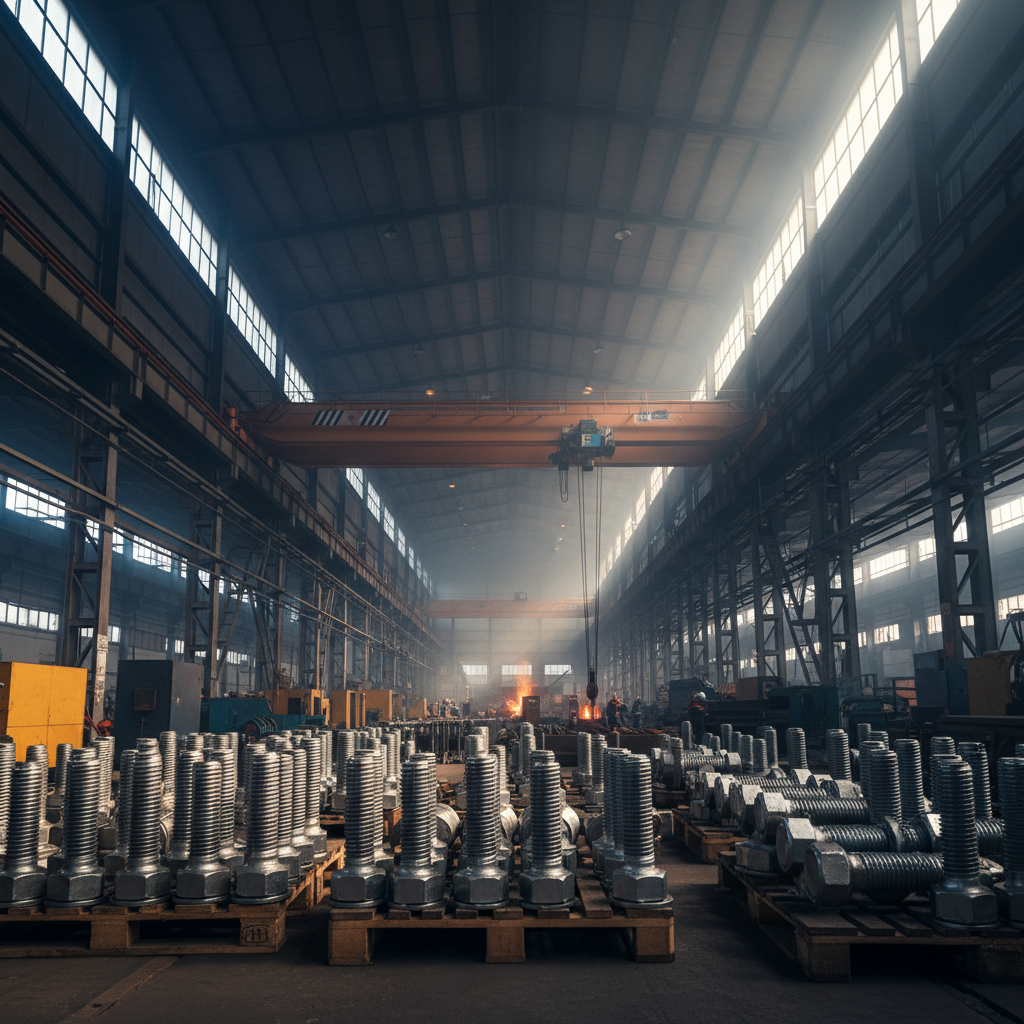
Long anchor bolts are critical components in a vast array of construction and infrastructure projects globally. These specialized fasteners, distinguished by their length, provide robust and reliable connections, particularly when dealing with substantial loads or complex structural requirements. Their ability to distribute force effectively and resist tensile stresses makes them indispensable in applications ranging from bridge construction to securing machinery in industrial facilities. Understanding the nuances of long anchor bolts – their materials, installation techniques, and load-bearing capabilities – is paramount for ensuring structural integrity and safety.
The demand for high-performance long anchor bolts is escalating alongside global infrastructure development and the increasing complexity of modern engineering projects. Emerging economies are heavily investing in infrastructure upgrades, fueling the need for dependable fastening solutions. Simultaneously, stringent safety regulations and a growing emphasis on durability are driving innovation in anchor bolt design and materials. Addressing the challenges associated with corrosion, fatigue, and seismic activity requires continuous advancements in this field.
The proper selection and installation of long anchor bolts directly impact the longevity and safety of structures, translating into significant economic benefits and minimizing potential risks. Investment in quality anchor bolts and skilled labor represents a proactive approach to lifecycle cost management, preventing costly repairs and ensuring sustained structural performance.
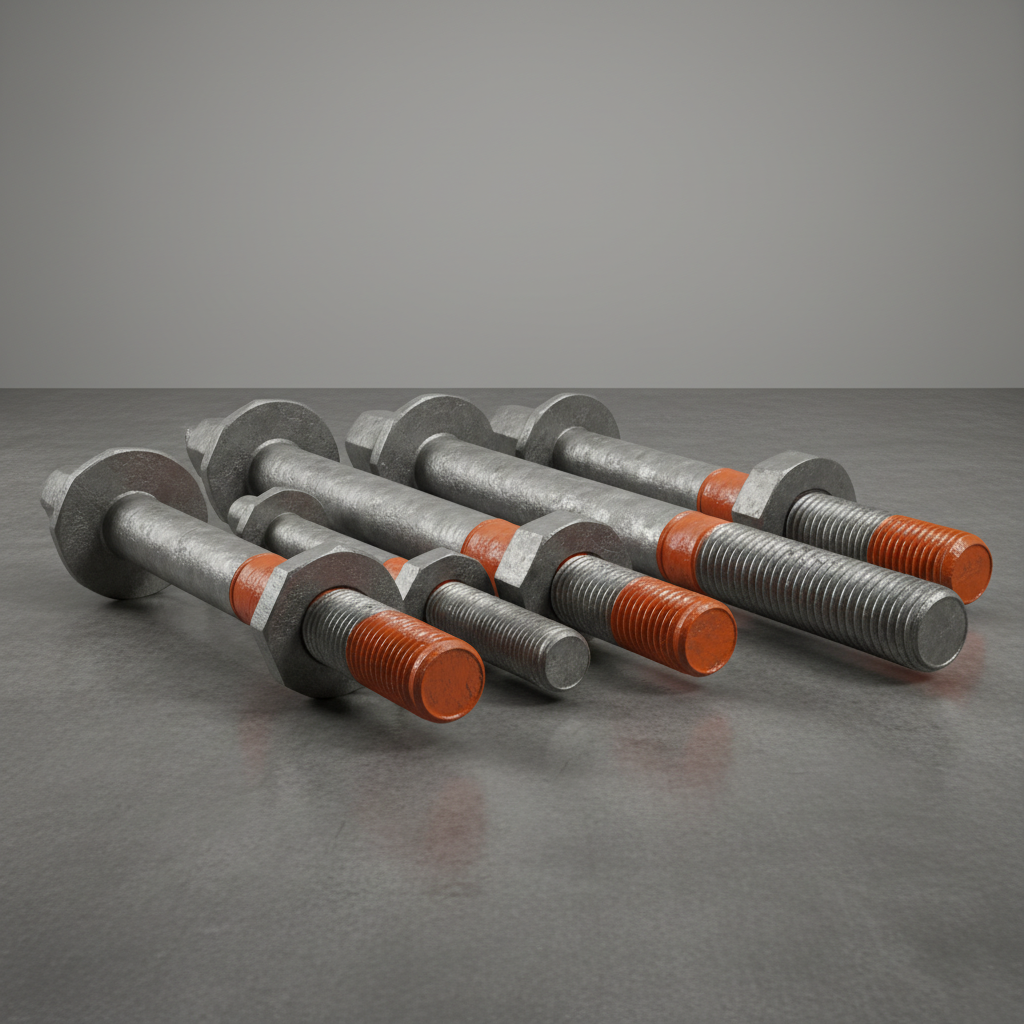
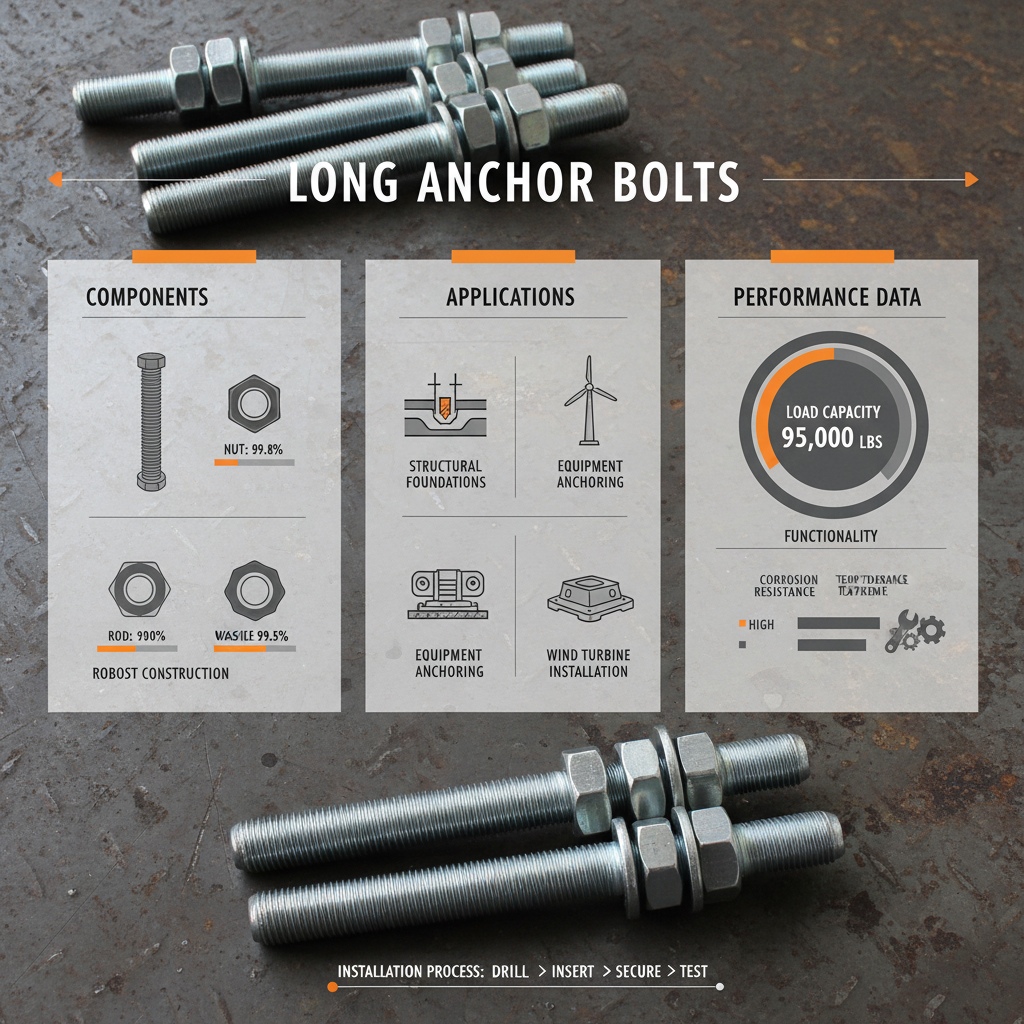
Long anchor bolts are foundational to numerous engineering and construction endeavors. Their extended length provides a greater embedded depth, leading to significantly improved pull-out resistance and load distribution. This makes them essential in scenarios where structures are subjected to high tensile forces, shear loads, or dynamic stresses, such as those encountered in wind turbine installations or high-rise building construction.
The selection of appropriate long anchor bolts is a critical design consideration, requiring careful evaluation of factors like material properties, corrosion resistance, and installation techniques. Failing to properly specify and install these fasteners can compromise structural integrity, leading to costly repairs or even catastrophic failures.
The pull-out strength of long anchor bolts varies considerably based on several factors, including the concrete compressive strength, the anchor bolt diameter, embedment depth, and edge distance. Generally, a well-installed long anchor bolt in high-strength concrete can withstand pull-out forces exceeding 100 kN. Precise calculations must be performed according to relevant building codes and standards, such as ACI 318, to determine the specific pull-out capacity for a given application.
Selecting the appropriate length of a long anchor bolt involves considering the required embedment depth, the thickness of the material being fastened, and any necessary allowance for washers or nuts. The embedment depth should be sufficient to develop the full strength of the anchor bolt and resist pull-out forces. Consult with a structural engineer or fastening specialist to ensure you choose a length that meets the specific requirements of your project.
Common causes of long anchor bolt failure include insufficient embedment depth, improper installation torque, corrosion, fatigue loading, and concrete cracking. Ensuring proper installation procedures, selecting corrosion-resistant materials, and addressing potential sources of fatigue are crucial for preventing failures. Regular inspections can also help identify and address any signs of distress before they escalate.
Installation torque is critically important for long anchor bolts. Applying the correct torque ensures that the anchor bolt is properly preloaded, creating a secure clamping force between the connected materials. Insufficient torque can lead to loosening and reduced load capacity, while excessive torque can damage the anchor bolt or the surrounding concrete. Always follow the manufacturer's recommended torque specifications and use a calibrated torque wrench.
Yes, long anchor bolts can be effectively used in seismic zones, but they must be designed and installed in accordance with relevant seismic design codes and standards. This typically involves using special anchor bolt types with enhanced ductility and seismic performance characteristics, as well as ensuring proper detailing and anchorage to resist cyclic loading and potential concrete cracking during earthquake events.
Several corrosion protection options are available for long anchor bolts, including galvanization (hot-dip or electrogalvanizing), epoxy coatings, stainless steel, and duplex stainless steel. The choice of coating depends on the severity of the corrosive environment. For highly corrosive environments, such as saltwater exposure, duplex stainless steel or specialized coatings may be necessary to ensure long-term durability and prevent corrosion-related failures.
Long anchor bolts represent a vital component in modern construction and infrastructure, providing a secure and reliable fastening solution for a wide range of applications. Their superior strength, durability, and corrosion resistance make them essential for ensuring the safety and longevity of structures across diverse industries. Understanding their core characteristics, performance factors, and emerging trends is crucial for engineers, contractors, and building owners alike.
Investing in quality long anchor bolts, proper installation practices, and ongoing maintenance is a proactive approach to lifecycle cost management and risk mitigation. By embracing innovation and adhering to best practices, we can continue to enhance the performance and reliability of these critical fasteners, building a more resilient and sustainable infrastructure for the future. Visit our website at www.ytbolt.com to learn more about our range of long anchor bolts and fastening solutions.



 English
  Bengali
  Bulgarian
  Catalan
  Czech
Czech  French
  German
  Hindi
Hindi  Hungarian
  Italian
  Kazakh
  Korean
  Portuguese
  Romanian
  Slovak
  Somali
  Spanish
  Turkish