0%

Table of Contents

m20 anchor bolts are critical fasteners used extensively in construction, infrastructure projects, and industrial applications worldwide. Their robust design and high load-bearing capacity make them indispensable for securing structures and equipment. Understanding their specifications, installation procedures, and applications is paramount for ensuring safety and longevity in diverse engineering endeavors. The widespread use of m20 anchor bolts speaks to their reliability and versatility in modern building practices.

Globally, the demand for reliable fastening solutions like m20 anchor bolts is driven by continuous infrastructure development, particularly in emerging economies. According to reports from the World Bank, infrastructure investment is a key factor in economic growth, and secure anchoring systems are vital components of this investment. The increasing need for durable and secure construction necessitates a deeper understanding of anchor bolt technologies and proper implementation.

Furthermore, the adoption of stricter building codes and safety regulations in many countries highlights the importance of high-quality m20 anchor bolts. These regulations aim to minimize structural failures and ensure public safety, creating a consistent demand for dependable anchoring solutions across the globe. The trend toward sustainable construction also pushes the need for long-lasting, reliable components like these bolts.
Comprehensive Guide to m20 Anchor Bolts Applications and Specifications

Introduction to m20 Anchor Bolts

Comprehensive Guide to m20 Anchor Bolts Applications and Specifications

m20 anchor bolts represent a critical element in modern construction and engineering. They are specifically designed to transfer tensile and shear forces from structures to concrete or other base materials. Their M20 diameter (20mm) provides a substantial load-bearing capacity making them suitable for a wide range of heavy-duty applications. m20 anchor bolts are essential in ensuring structural integrity.

These bolts aren’t simply fasteners; they are crucial components of safety and longevity in buildings, bridges, and various industrial setups. Correct selection and installation are key, as failure in these components can lead to severe consequences. Therefore, a detailed understanding of their properties and best practices is paramount for engineers and construction professionals alike.

Defining m20 Anchor Bolts

An m20 anchor bolt is a fastener characterized by a 20-millimeter diameter thread, used to securely attach objects to concrete, brick, or other masonry materials. Unlike through-bolts, anchor bolts are typically inserted into pre-drilled holes and secured through various mechanisms like expansion, chemical adhesion, or mechanical interlock. This provides a robust and reliable connection, even under significant stress.

The connection between these bolts and the base material is critical. Different types of m20 anchor bolts—sleeve anchors, wedge anchors, chemical anchors—utilize different mechanisms for achieving this secure hold. The choice of anchor bolt type depends on the specific application, load requirements, and the properties of the base material.

In modern industrial and humanitarian contexts, the reliability of m20 anchor bolts is directly linked to the safety and functionality of critical infrastructure. From securing solar panel arrays in remote locations to establishing foundations for emergency shelters, their dependable performance is often a matter of life and safety.

Key Characteristics of m20 Anchor Bolts

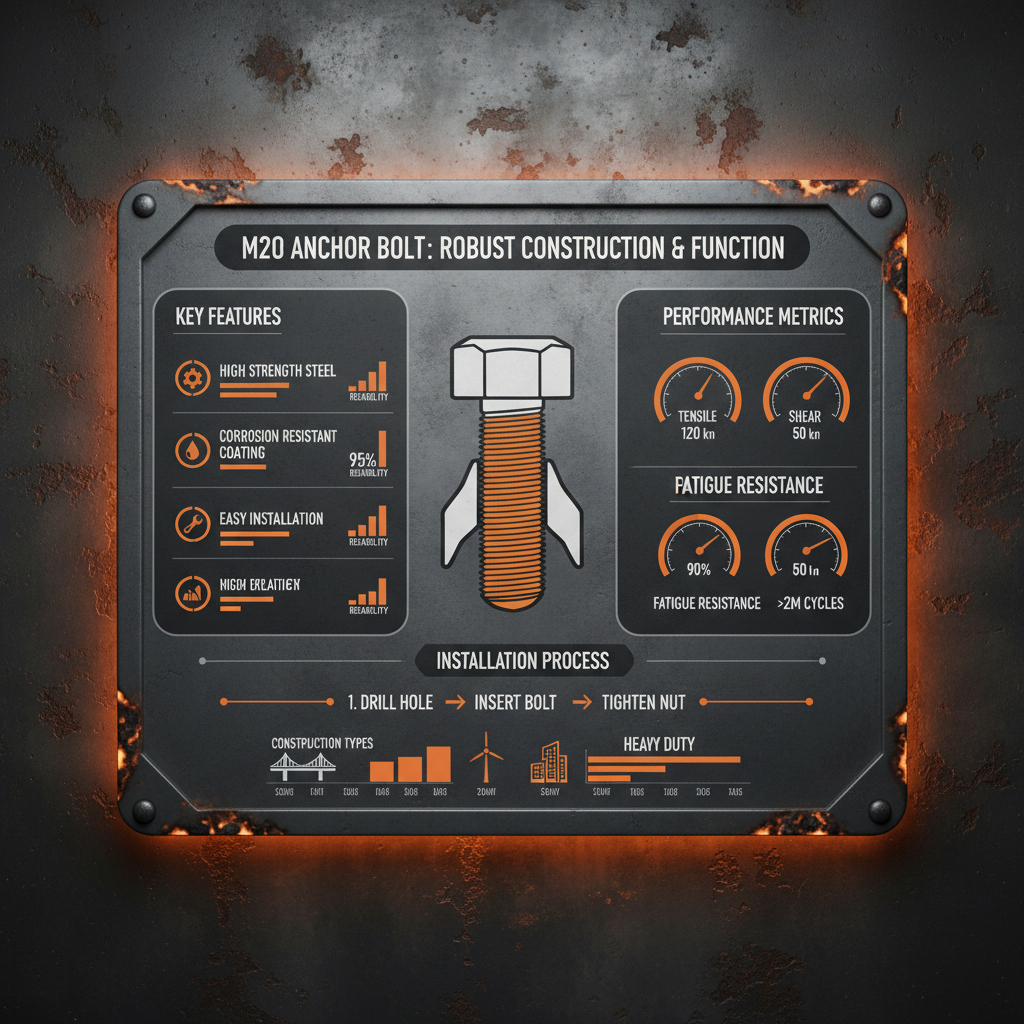
Durability is a defining characteristic of m20 anchor bolts. Typically manufactured from high-strength steel, often with zinc or hot-dip galvanization, these bolts offer exceptional resistance to corrosion and wear, even in harsh environments. This ensures long-term performance and reduces the need for frequent replacements.

Load Capacity is another vital aspect. The M20 diameter provides a substantial tensile and shear strength, capable of withstanding significant forces. Specific load limits depend on the type of anchor bolt, the embedment depth, and the concrete strength. Proper load calculation is essential for selecting the appropriate bolt for a given application.

Versatility is a key benefit. m20 anchor bolts are available in various types (wedge, sleeve, chemical) suited to diverse applications and base materials. This adaptability makes them a practical choice for numerous construction and industrial projects. Installation methods also vary, catering to different site conditions and equipment availability.

Applications of m20 Anchor Bolts

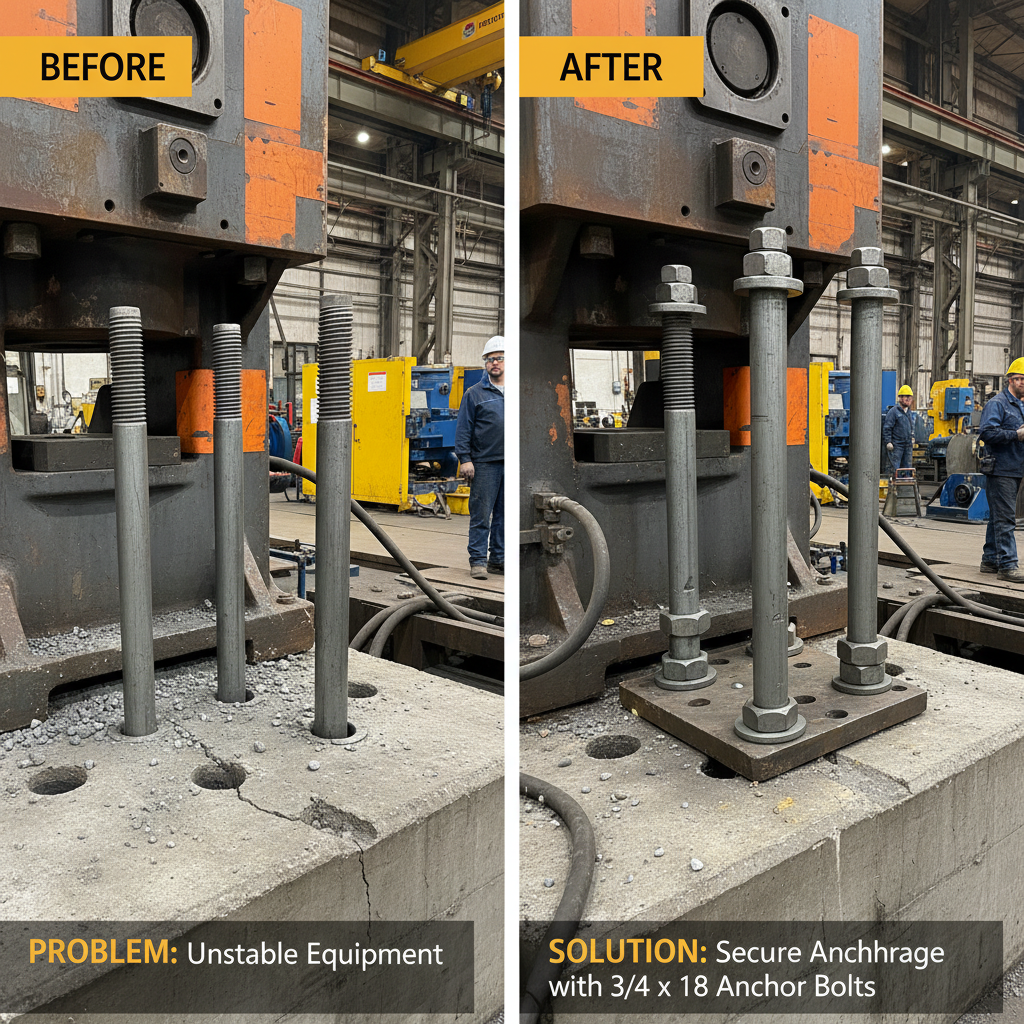
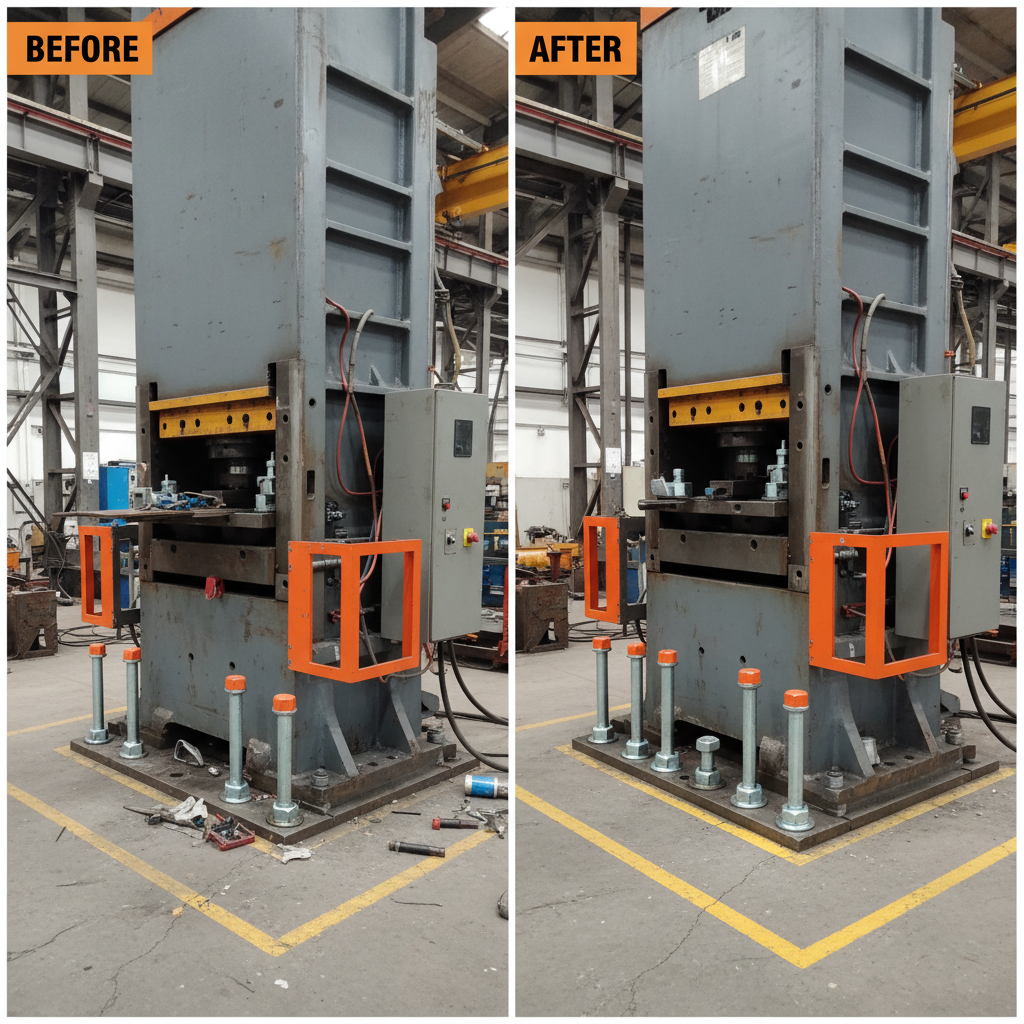
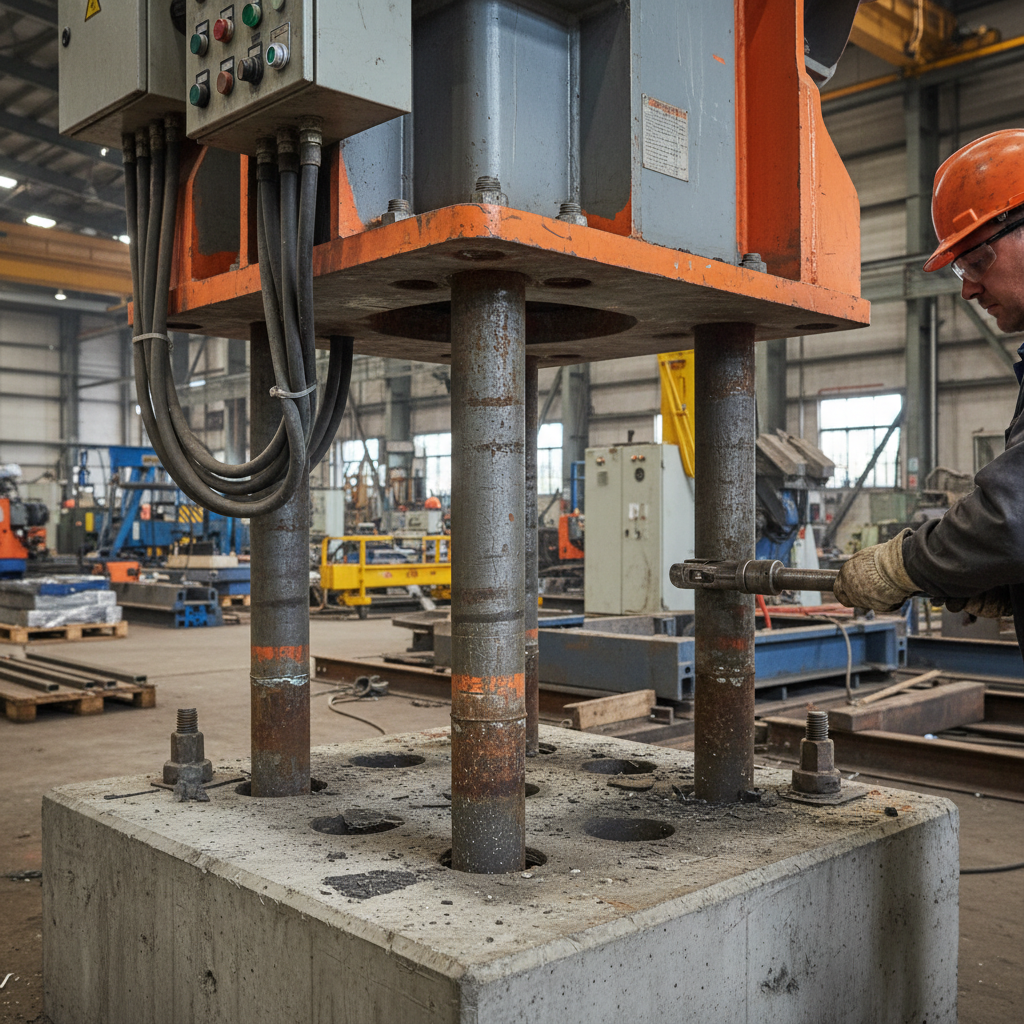
m20 anchor bolts are widely utilized in securing structural steel to concrete foundations in building construction. They also play a critical role in anchoring machinery, equipment, and railing systems in industrial facilities. Their strength and reliability are essential for ensuring workplace safety and preventing equipment failure.

These bolts find application in bridge construction, where they secure bridge components to piers and abutments, contributing to the overall stability of the structure. They are also vital in securing facade elements, precast concrete panels, and other non-structural components to buildings, ensuring aesthetic appeal and safety.

Load Capacity Comparison of m20 Anchor Bolt Types


Global Use Cases & Industries

In the construction industry, m20 anchor bolts are used globally in high-rise buildings, commercial complexes, and residential developments. The Asia-Pacific region, experiencing rapid urbanization, is a major consumer of these fasteners, driven by large-scale infrastructure projects. m20 anchor bolts play an important role in these developments.

The renewable energy sector extensively utilizes m20 anchor bolts for securing wind turbines, solar panel mounting systems, and other critical components. In remote locations, the durability of these bolts is particularly crucial for minimizing maintenance and ensuring long-term operational efficiency.

Benefits and Long-Term Value

The primary benefit of using m20 anchor bolts is enhanced structural safety and reliability. Their high load-bearing capacity minimizes the risk of failures, protecting lives and assets. The long-term cost savings associated with reduced maintenance and replacements further contribute to their value proposition.

Sustainability is also a key advantage. The durability of these bolts reduces the need for frequent replacements, minimizing material waste and environmental impact. Their contribution to the longevity of structures aligns with sustainable construction practices. Their role in building resilient infrastructure provides lasting social and economic benefits.

Ultimately, m20 anchor bolts offer peace of mind to engineers, contractors, and building owners, fostering trust in the long-term performance of structures and systems. Their reliable performance contributes to a safer and more sustainable built environment.

Future Trends and Innovations

Ongoing research focuses on developing corrosion-resistant coatings for m20 anchor bolts, extending their service life in harsh marine and industrial environments. Smart anchor bolts equipped with sensors to monitor stress levels and detect potential failures are also emerging technologies.

The integration of Building Information Modeling (BIM) with anchor bolt design and installation is streamlining the construction process, improving accuracy, and reducing errors. Automated installation systems are also being developed to enhance efficiency and reduce labor costs. These innovations are poised to shape the future of anchoring solutions.

Furthermore, the development of more sustainable materials for m20 anchor bolts—such as recycled steel or bio-based polymers—is gaining traction, aligning with the growing demand for environmentally friendly construction materials.

Performance Evaluation of Various m20 Anchor Bolt Installation Methods

Installation Method Installation Speed (1-10) Load Capacity Retention (%) Skill Level Required (1-10)
Wedge Anchor Installation 7 95 5
Sleeve Anchor Installation 6 90 4
Chemical Anchor Installation 5 98 7
Through Bolt Installation 4 100 6
Drop-in Anchor Installation 8 85 3
Torque-Controlled Installation 6 97 5

FAQS

What is the recommended embedment depth for m20 anchor bolts in concrete?

The recommended embedment depth for m20 anchor bolts in concrete typically ranges from 60mm to 120mm, but it varies based on the specific anchor bolt type, concrete strength, and the applied loads. Always consult the manufacturer's specifications and relevant building codes. Insufficient embedment can significantly reduce the load-carrying capacity and compromise structural integrity. Following the installation guidelines is critical for a secure and long-lasting connection.

What is the difference between a wedge anchor and a sleeve anchor?

Wedge anchors expand through friction, using a wedge-shaped component that tightens against the concrete as the bolt is tightened. They generally provide higher load capacity but require precise hole sizing. Sleeve anchors also expand but use a sleeve that expands around the bolt, providing a more forgiving installation. Sleeve anchors are suitable for lighter loads and less critical applications. Choosing the right anchor depends on the specific requirements of the project.

How do I prevent corrosion of m20 anchor bolts?

Corrosion prevention starts with selecting the right material. Hot-dip galvanization or stainless steel are excellent choices for corrosive environments. Using corrosion-resistant washers and nuts is also crucial. Proper sealing of the bolt installation with epoxy or other protective coatings can further enhance corrosion resistance. Regular inspection and maintenance are also vital for identifying and addressing potential corrosion issues promptly.

What is the correct torque for tightening an m20 anchor bolt?

The correct torque for tightening an m20 anchor bolt varies depending on the bolt grade, lubrication, and surface finish. It’s essential to consult the manufacturer's specifications for the specific anchor bolt being used. Overtightening can damage the bolt or the concrete, while undertightening can compromise the connection's strength. Using a calibrated torque wrench is highly recommended for accurate and reliable tightening.

Can m20 anchor bolts be reused?

Generally, m20 anchor bolts are not recommended for reuse, particularly those that rely on expansion mechanisms. Repeated loading and unloading can fatigue the metal and compromise their strength. Chemical anchors may be reusable in certain circumstances, but only after a thorough inspection and re-certification by a qualified engineer. It's always best practice to replace anchor bolts when dismantling a structure.

What factors affect the load capacity of m20 anchor bolts?

Several factors influence the load capacity of m20 anchor bolts including the concrete strength, embedment depth, anchor bolt type, spacing between bolts, and edge distance. Accurate load calculations that account for these factors are crucial for ensuring structural safety. The quality of the installation process, including proper hole drilling and cleaning, also significantly impacts the bolt's performance. Adherence to relevant building codes and manufacturer specifications is paramount.

Conclusion

In conclusion, m20 anchor bolts are indispensable fasteners in modern construction and engineering, offering robust load-bearing capacity, durability, and versatility. Understanding their properties, installation procedures, and applications is critical for ensuring structural safety, longevity, and reliability. From securing large infrastructure projects to anchoring equipment in industrial facilities, these bolts play a vital role in building a safer and more sustainable world.

Looking ahead, continued innovation in materials, installation techniques, and smart technologies will further enhance the performance and efficiency of m20 anchor bolts. Embracing these advancements and adhering to best practices will be crucial for engineers and contractors seeking to build resilient and long-lasting structures. Visit our website at www.ytbolt.com to explore our range of high-quality m20 anchor bolts and related fastening solutions.

David Chen

David Chen

David Chen serves as the International Sales Manager for Hebei Yuetong Fasteners. With a strong understanding of international trade, David focuses on expanding the company’s market reach in South America, Russia, and the Middle East. He manages key client relationships, negotiates contracts, and ensures seamless export processes – utilizing payment
Previous Understanding Dyna Bolts Applications and Future Trends in Fastening
Next Essential Guide to 1 x 36 Anchor Bolts for Construction and Engineering
en_USEnglish