
m16 anchor bolts are fundamental fastening solutions used extensively across a diverse range of industries, from construction and infrastructure to manufacturing and automotive. Their robust design and reliable performance make them critical components in ensuring structural integrity and safety in countless applications worldwide. Understanding their properties, applications, and best practices is essential for engineers, contractors, and anyone involved in projects requiring secure and durable fastening systems.
The global demand for high-quality fasteners like m16 anchor bolts is steadily increasing, driven by rapid urbanization, infrastructure development, and a growing emphasis on safety regulations. According to data from the World Steel Association, global steel demand reached 1.869 billion tonnes in 2022, indicating significant construction activity. This translates directly to a greater need for reliable fastening solutions like m16 anchor bolts to secure these structures. The economic impact of inadequate fastening systems can be substantial, leading to costly repairs, project delays, and potentially catastrophic failures.
m16 anchor bolts address this challenge by providing a secure and dependable method of connecting structures to concrete or masonry foundations. They are specifically designed to resist tensile forces, shear forces, and bending moments, ensuring the long-term stability of buildings, bridges, machinery, and other critical infrastructure. Their widespread availability, relatively low cost, and ease of installation make them a practical and efficient choice for a broad spectrum of projects.
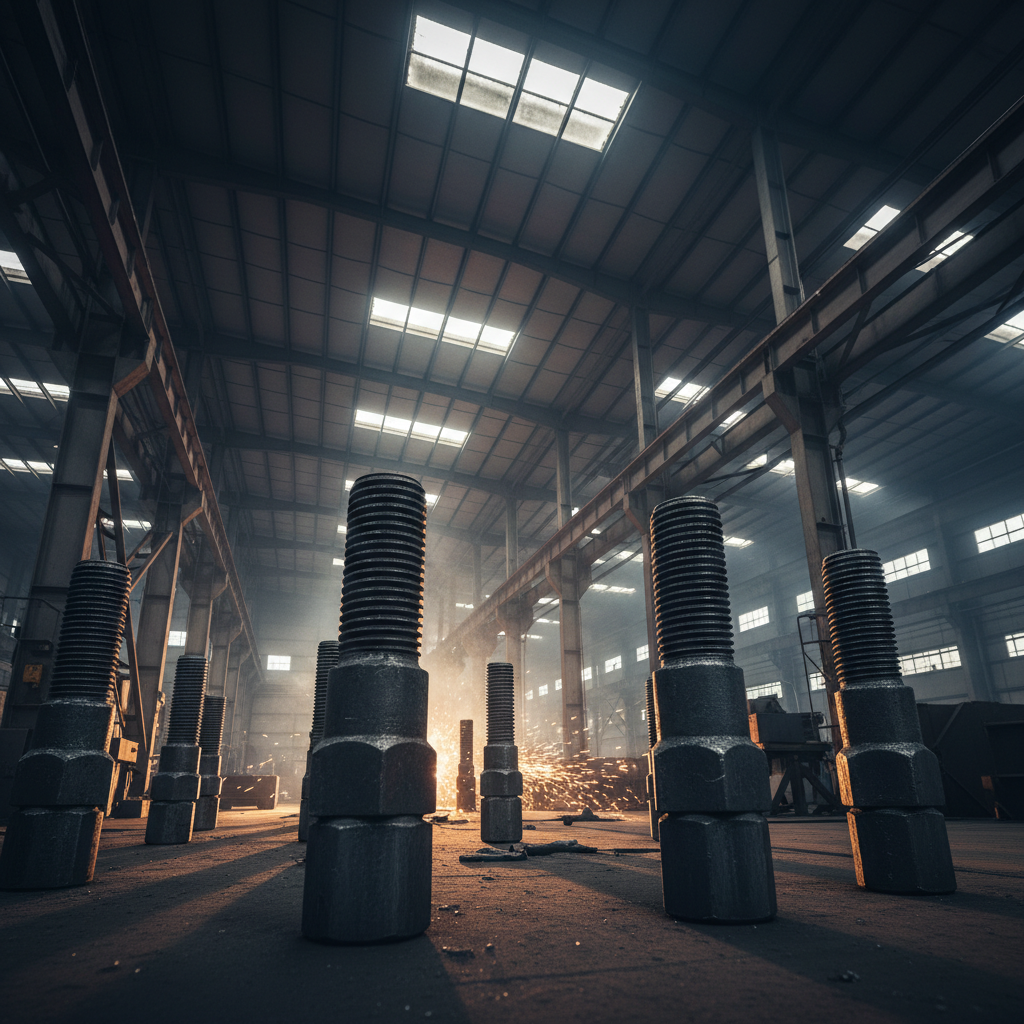
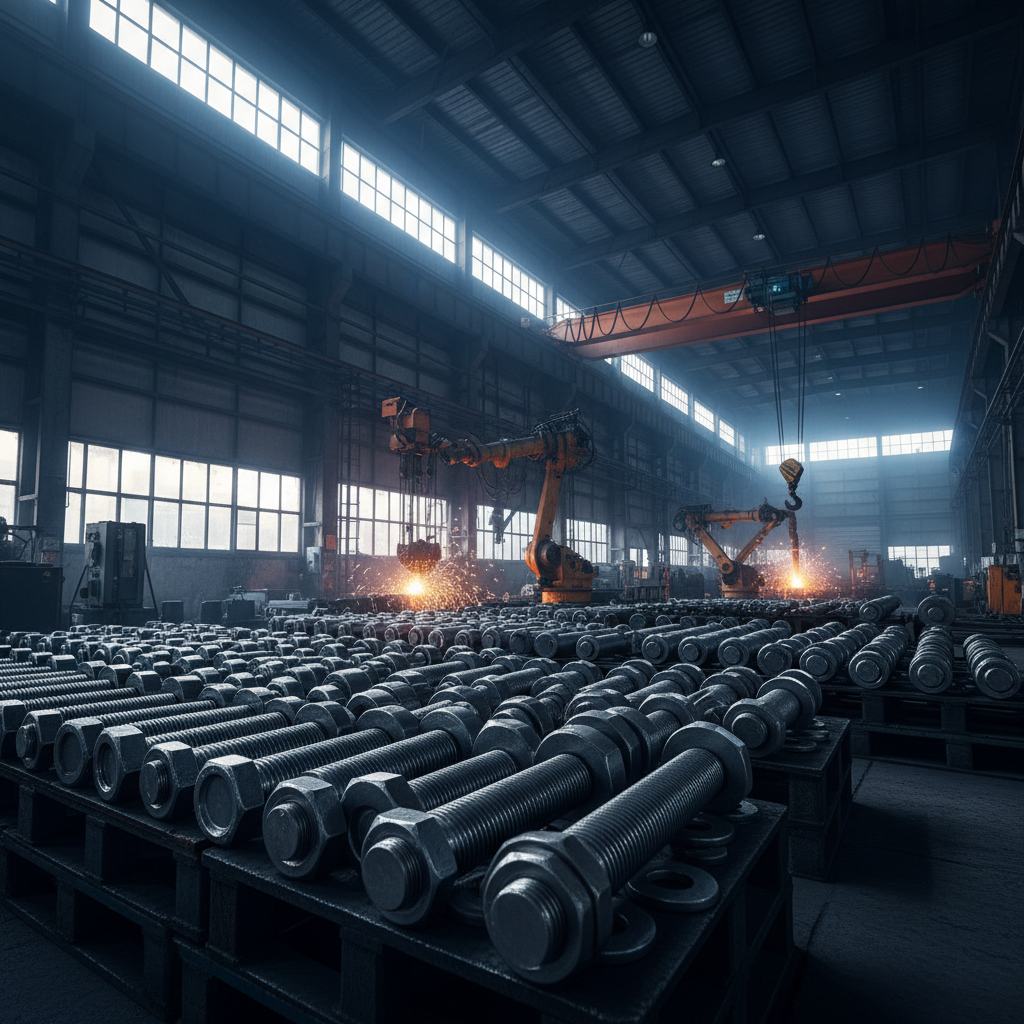
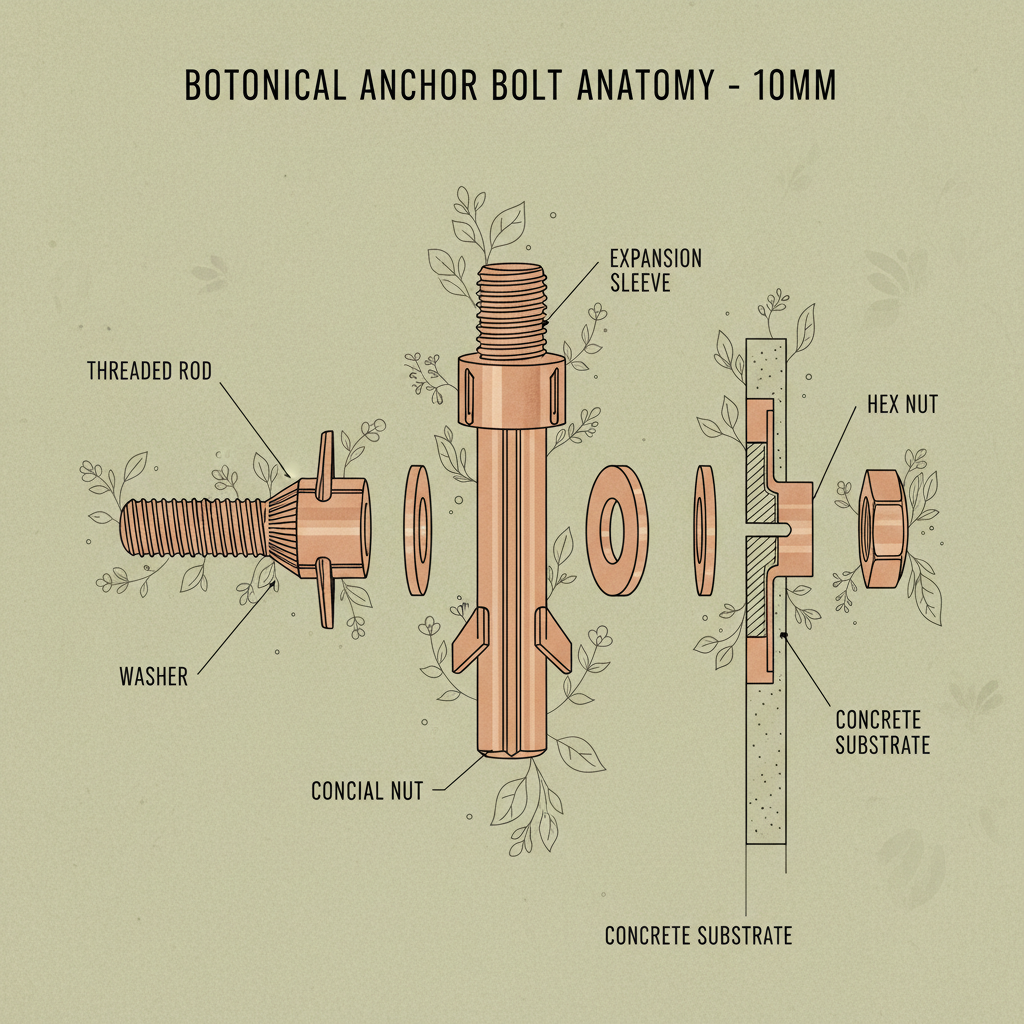
An m16 anchor bolt is a fastening element typically constructed from high-strength steel, characterized by a 16mm diameter thread. These bolts are designed to transfer tensile and shear loads from a structure into the concrete or masonry base they are embedded within. They are crucial for securing a wide variety of components, from structural steel to machinery and facade elements.
The relevance of m16 anchor bolts extends far beyond simply holding things together. They play a vital role in ensuring the safety and longevity of critical infrastructure. Modern construction demands robust and reliable fastening solutions, and m16 anchor bolts consistently meet these requirements, contributing to the resilience of buildings, bridges, and industrial facilities globally.
The appropriate embedment depth for an m16 anchor bolt depends on several factors, including the concrete strength, anchor type, and applied loads. Generally, a minimum embedment depth of 6 times the bolt diameter (96mm for an m16 bolt) is recommended, but this can vary significantly. Always consult the manufacturer's specifications and relevant building codes for precise requirements. Insufficient embedment can lead to pull-out failure.
Chemical anchors are preferred for cracked concrete and applications requiring higher load capacities, as they bond directly to the concrete, providing a stronger and more reliable connection. Expansion anchors are more suitable for uncracked concrete and lighter loads. They rely on friction to secure the bolt. Consider the concrete condition, load requirements, and environmental factors when making your choice.
m16 anchor bolts are commonly manufactured from high-strength steel grades, such as 8.8 and 10.9. Grade 8.8 offers a tensile strength of 800 MPa and a yield strength of 600 MPa, while grade 10.9 provides higher strengths (1000 MPa tensile, 900 MPa yield). The appropriate grade depends on the specific application and the required load-bearing capacity. Higher grades generally offer greater strength but may also be more brittle.
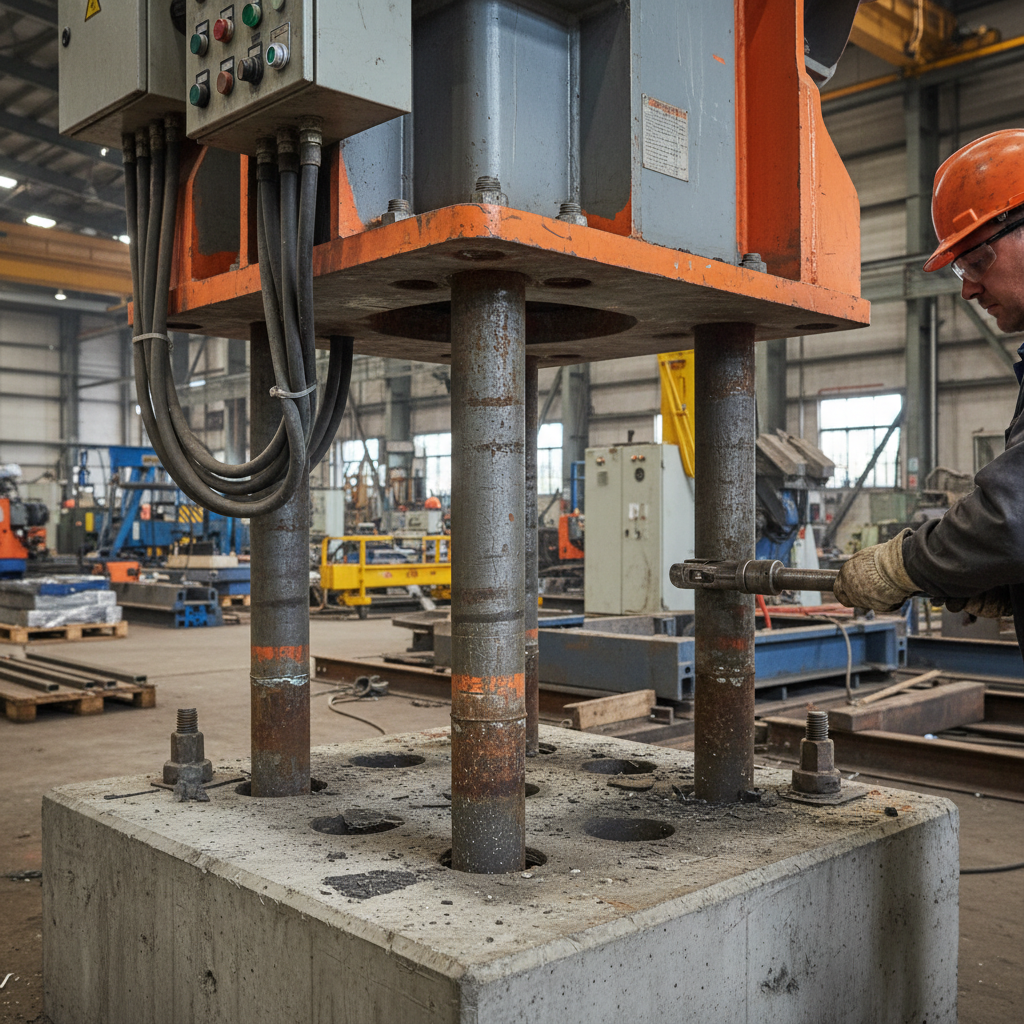
Proper installation is critical for ensuring the performance of m16 anchor bolts. Always use the correct drill bit size and ensure the hole is clean and free of debris. Avoid over-torquing the bolts, as this can damage the threads or the concrete. Follow the manufacturer's instructions closely, and use appropriate safety gear, including eye protection and dust masks. Inspection after installation is also essential.
Corrosion can significantly reduce the lifespan of m16 anchor bolts. Selecting appropriate coatings, such as hot-dip galvanizing or stainless steel, is crucial for protection. In marine or chemically aggressive environments, consider using specialized coatings or corrosion-resistant alloys. Regular inspection and maintenance, including the application of protective coatings, can also extend the service life of the bolts.
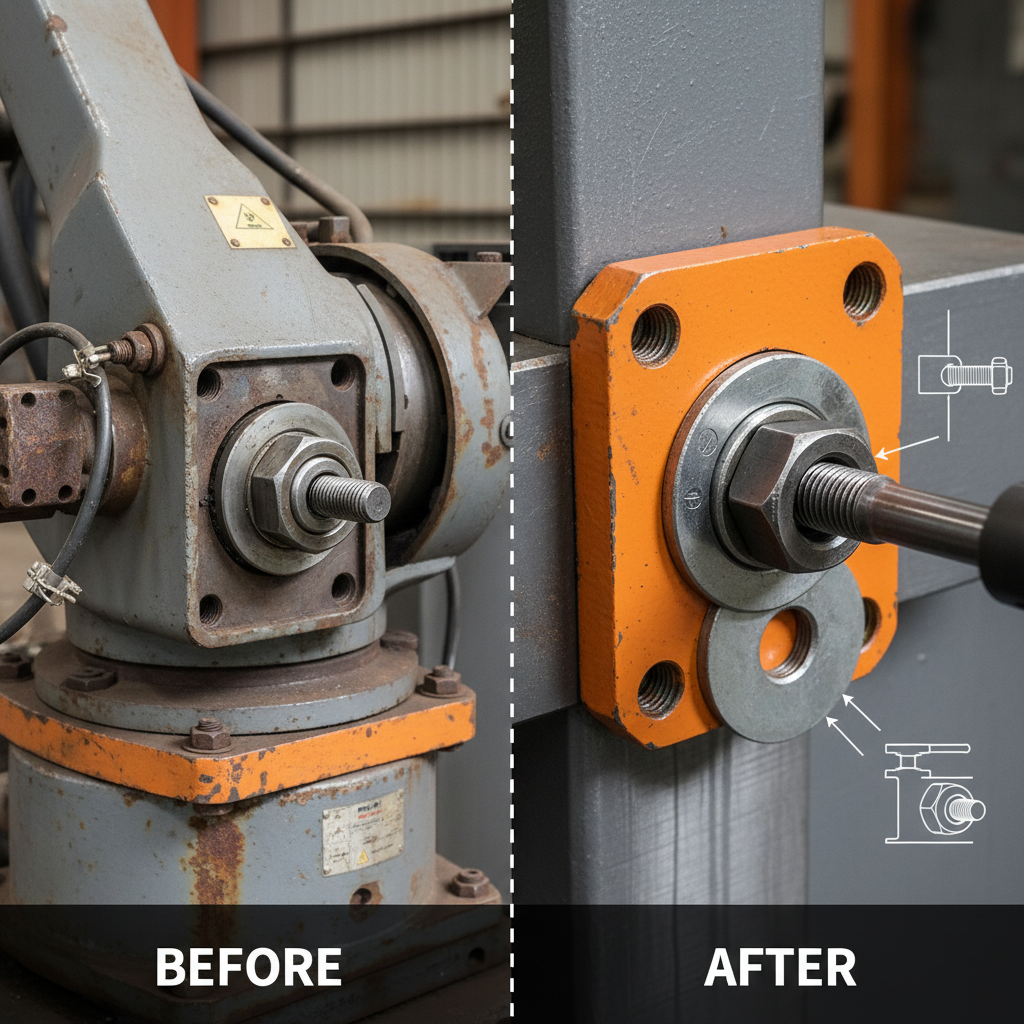
A through bolt is installed completely through the base material, requiring access from both sides, and is secured with a nut. A blind anchor, on the other hand, is installed from one side only and expands or sets within the hole to create a secure connection. Blind anchors are ideal for applications where access to the back of the base material is limited. Selecting between the two depends on the specific installation constraints and load requirements.
m16 anchor bolts are indispensable components in modern construction and infrastructure, providing reliable and robust fastening solutions for a wide range of applications. Their high strength, versatility, and cost-effectiveness make them a preferred choice for securing structures and equipment worldwide. Understanding the key factors influencing their performance, from concrete strength to coating selection, is essential for ensuring safety and longevity.
Looking ahead, continued innovation in materials, installation techniques, and digital integration will further enhance the capabilities of m16 anchor bolts. Embracing these advancements and adhering to industry best practices will be critical for maximizing their value and contributing to the development of resilient and sustainable infrastructure for generations to come. For high-quality m16 anchor bolts and expert advice, visit our website: www.ytbolt.com




 English
  Bengali
  Bulgarian
  Catalan
  Czech
Czech  French
  German
  Hindi
Hindi  Hungarian
  Italian
  Kazakh
  Korean
  Portuguese
  Romanian
  Slovak
  Somali
  Spanish
  Turkish