dyna bolts are specialized fasteners designed for high-strength applications, crucial in various industries ranging from construction and infrastructure to automotive and aerospace. Their unique design, incorporating a swaged hexagonal head and a threaded body, allows for precise and reliable connections in demanding environments. Understanding dyna bolts isn’t just about knowing a type of fastener; it's about comprehending a fundamental element enabling modern engineering and safe, lasting structures.
Globally, the demand for reliable fastening solutions like dyna bolts is intrinsically linked to infrastructure development, particularly in rapidly urbanizing nations and areas undergoing large-scale rebuilding efforts. According to the United Nations, global construction spending is projected to reach $8 trillion by 2030, driving a corresponding need for high-performance fasteners. The ISO standards governing fastener quality emphasize the critical role of robust materials and precise manufacturing – requirements that dyna bolts consistently meet.
The challenge lies in ensuring consistent quality and availability of dyna bolts, particularly in remote or disaster-affected regions. The proper application of these fasteners also requires specialized knowledge and training to prevent failures and ensure structural integrity. This underscores the importance of comprehensive supply chains and skilled labor in maximizing the benefits of dyna bolt technology.
The Definition and Core Principles of dyna bolts
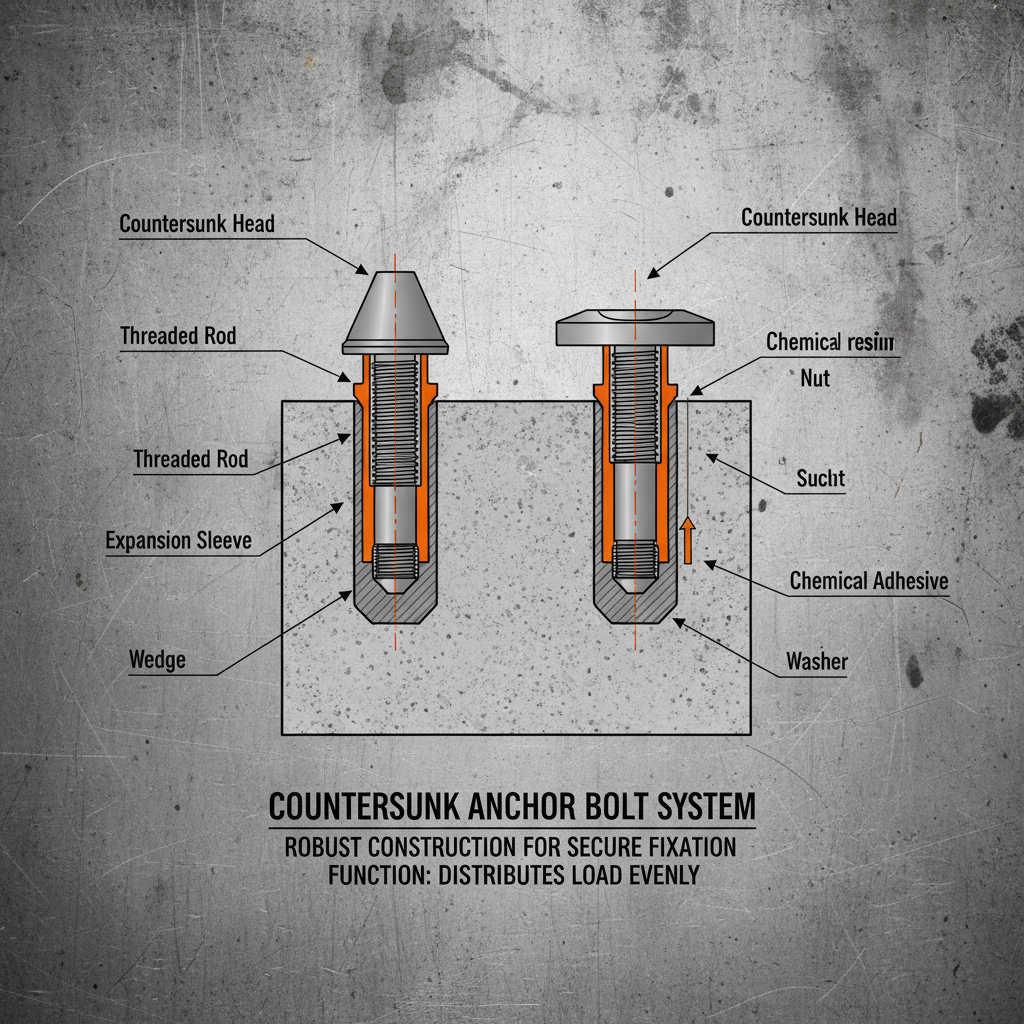
A dyna bolt is a heavy-duty expansion anchor typically used to secure items to concrete, brick, or block. Unlike traditional anchors that rely on friction, dyna bolts expand within the hole, creating a strong mechanical lock. This makes them ideal for applications requiring high pull-out strength and resistance to vibration.
The connection to modern industry and humanitarian needs stems from the demand for quick, reliable, and robust fastening solutions. In infrastructure projects, dyna bolts ensure the longevity and safety of structures. In disaster relief scenarios, they are invaluable for rapidly erecting temporary shelters and securing vital equipment. A supplier like dyna bolts ensures access to a diverse range of sizes and materials to fit specific requirements.
The Global Significance of dyna bolts
The utilization of dyna bolts transcends geographical boundaries. From securing seismic retrofitting projects in earthquake-prone regions like Japan and California to anchoring wind turbine towers in Europe, these fasteners play a critical role in maintaining infrastructure integrity. Emerging economies, such as India and Brazil, are witnessing a surge in dyna bolt demand due to ambitious infrastructure development plans.
Global supply chains for dyna bolts are complex, involving raw material sourcing, manufacturing, and distribution networks. Disruptions to these chains, as seen during the COVID-19 pandemic, can significantly impact construction projects and other industries. Consequently, diversifying sourcing and strengthening regional manufacturing capabilities are becoming increasingly important.
The economic impact of dyna bolts extends beyond direct sales. They facilitate the construction of essential infrastructure, support economic growth, and create employment opportunities. The quality and reliability of dyna bolts directly contribute to the long-term sustainability and resilience of communities worldwide.
Key Characteristics of dyna bolts
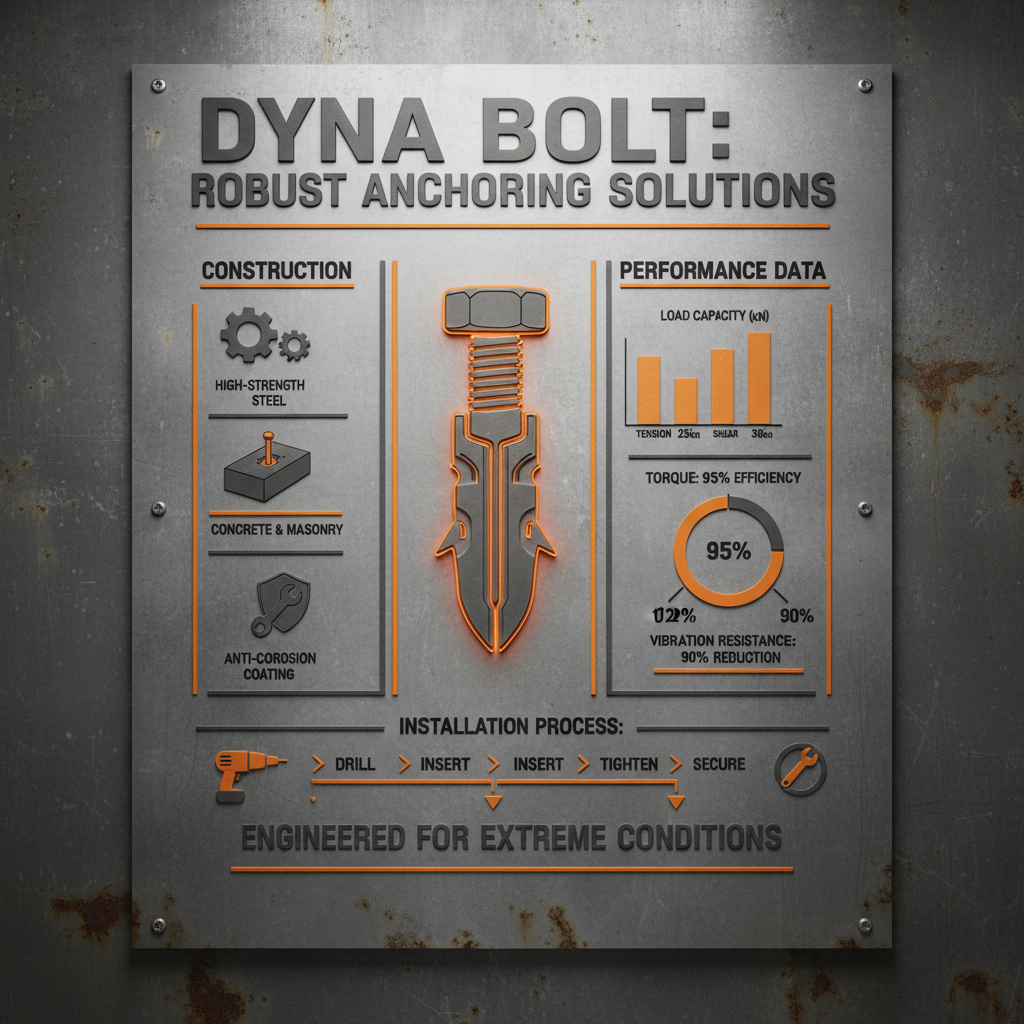
One defining characteristic of dyna bolts is their high tensile strength. Manufactured from hardened steel alloys, they can withstand substantial tension forces without deformation or failure. This strength is crucial in applications where the fastener is subjected to heavy loads or dynamic stress.
Another key feature is their ease of installation. dyna bolts typically require only a drill and a wrench for installation, making them suitable for on-site applications where specialized tools are unavailable. The expansion mechanism ensures a secure fit, even in pre-drilled holes with slight imperfections.
Durability and corrosion resistance are also paramount. Many dyna bolts are coated with zinc or other protective layers to prevent rust and corrosion, extending their lifespan, particularly in harsh environmental conditions. The choice of coating material depends on the specific application and exposure to corrosive elements.
Performance Metrics of dyna bolts
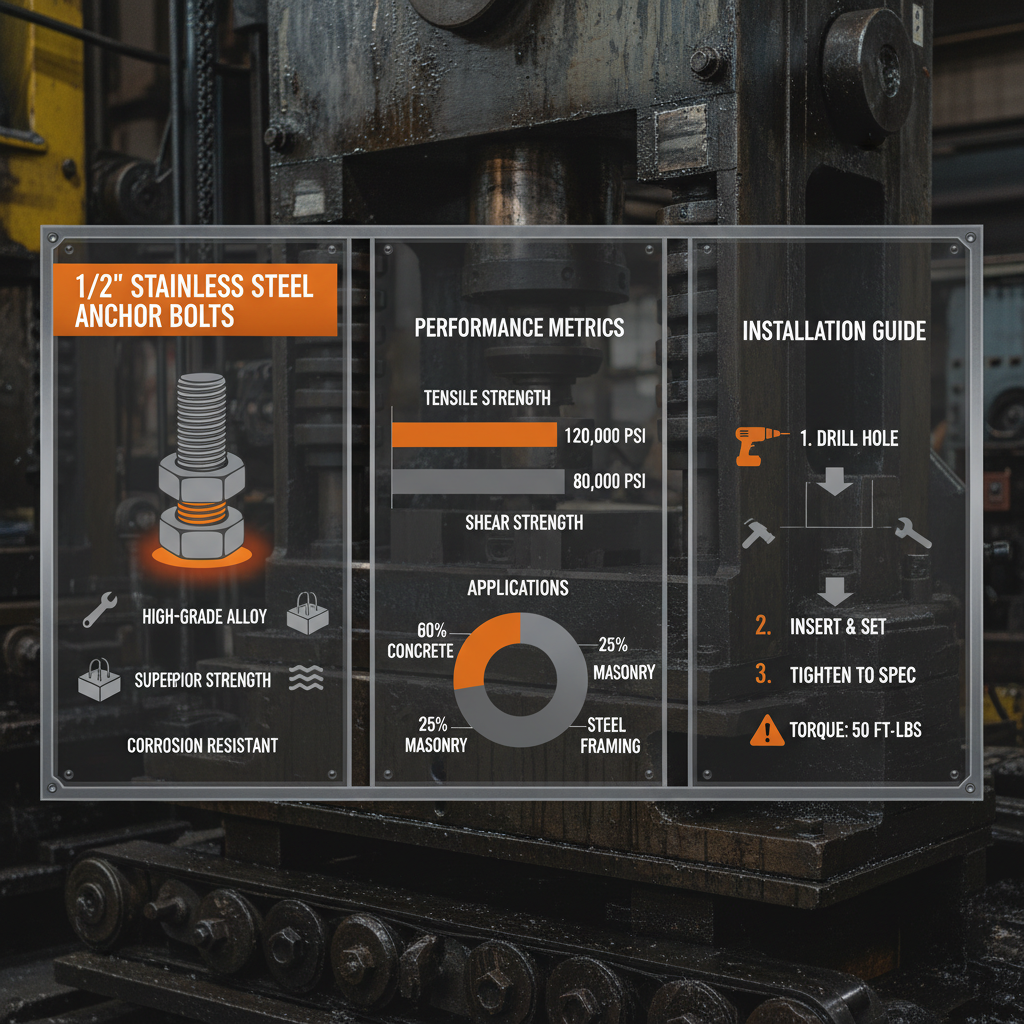
Evaluating the performance of dyna bolts requires understanding key metrics such as shear strength, tensile strength, and embedment depth. Shear strength measures the fastener’s resistance to forces acting parallel to its axis, while tensile strength quantifies its resistance to forces acting perpendicular to its axis.
The appropriate embedment depth, or the length of the bolt inserted into the substrate, is critical for achieving optimal pull-out resistance. Insufficient embedment can significantly reduce the fastener’s load-carrying capacity.
dyna bolts Performance Comparison
Real-World Applications of dyna bolts
dyna bolts are extensively used in the construction of high-rise buildings to anchor curtain walls, precast concrete panels, and structural steel components. They provide a secure and reliable connection, ensuring the stability and safety of the structure.
In post-disaster relief operations, dyna bolts are crucial for rapidly erecting temporary shelters, securing debris flow control barriers, and anchoring emergency equipment. Their ease of installation and high pull-out strength make them ideal for challenging field conditions.
The Long-Term Value Proposition of dyna bolts
The initial cost of dyna bolts may be higher than some alternative fastening methods. However, their long-term durability and reduced maintenance requirements translate into significant cost savings over the lifespan of a project. Reduced risk of failure and the need for repairs contribute to a lower total cost of ownership.
The reliability of dyna bolts contributes to the safety and security of structures, enhancing public trust and minimizing potential liabilities. Their ability to withstand harsh environmental conditions and extreme loads ensures the longevity of infrastructure projects, providing lasting value to communities.
Moreover, dyna bolts contribute to sustainable construction practices by reducing the need for frequent replacements and minimizing waste. Their robustness aligns with the growing emphasis on building durable and resilient infrastructure.
Future Trends in dyna bolts Technology
Ongoing research and development efforts are focused on enhancing the performance and sustainability of dyna bolts. This includes exploring new materials, such as high-strength alloys and corrosion-resistant coatings, to extend their lifespan and reduce their environmental impact.
The integration of digital technologies, such as smart sensors and remote monitoring systems, is also gaining traction. These technologies enable real-time monitoring of fastener performance, allowing for proactive maintenance and early detection of potential issues.
Furthermore, advancements in automated installation techniques are streamlining the construction process and reducing labor costs. These innovations promise to make dyna bolts even more efficient and cost-effective in the future.
Summary of Future Trends and Challenges Associated with dyna bolts
| Trend/Challenge |
Impact on dyna bolts |
Mitigation Strategies |
Potential Outcome |
| Material Innovation |
Increased strength and corrosion resistance. |
Invest in R&D, collaborate with materials scientists. |
Longer lifespan, reduced maintenance. |
| Supply Chain Disruptions |
Increased costs, project delays. |
Diversify sourcing, build strategic partnerships. |
Greater supply chain resilience. |
| Sustainability Concerns |
Demand for eco-friendly materials and processes. |
Utilize recycled materials, optimize manufacturing. |
Reduced carbon footprint, improved brand image. |
| Skilled Labor Shortage |
Improper installation, increased risk of failure. |
Invest in training programs, promote industry certifications. |
Enhanced quality control, improved safety. |
| Digital Integration |
Real-time monitoring and predictive maintenance. |
Develop and implement smart sensor technologies. |
Reduced downtime, optimized performance. |
| Cost Pressure |
Demand for lower prices, potential compromises on quality. |
Optimize production processes, explore value engineering. |
Competitive pricing, maintained quality. |
FAQS
The load-bearing capacity of a dyna bolt is influenced by several factors including the bolt’s diameter, material grade, embedment depth, and the strength of the base material (concrete, brick, etc.). Proper installation techniques, such as ensuring the correct hole size and torque, are also critical. Incorrect installation can significantly reduce the bolt’s ability to withstand loads. A quality supplier like dyna bolts provides detailed specifications for their products.
While standard dyna bolts offer some corrosion resistance, they may not be ideal for highly corrosive environments like marine applications or areas exposed to harsh chemicals. For such cases, specialized dyna bolts made from stainless steel or coated with corrosion-resistant materials like zinc-nickel alloy are recommended. The choice of material depends on the specific corrosive agents present.
Both dyna bolts and sleeve anchors are expansion anchors, but they differ in their mechanism and application. Dyna bolts expand directly against the hole walls, while sleeve anchors use a sleeve that expands as the bolt is tightened. Dyna bolts are generally stronger and better suited for heavier loads, while sleeve anchors are more versatile for lighter applications and varying hole conditions.
Always wear appropriate personal protective equipment (PPE), including safety glasses and gloves, during installation. Ensure the drill bit is appropriate for the base material and avoid drilling into concealed utilities. Use the correct torque settings to avoid over-tightening or under-tightening the bolt. Follow the manufacturer’s instructions carefully.
Determining the correct dyna bolt size requires calculating the expected load and considering the properties of the base material. Consult engineering guidelines and manufacturer’s specifications to ensure the chosen bolt has sufficient tensile and shear strength. It’s always best to err on the side of caution and select a bolt with a higher capacity than the calculated load.
Removing a dyna bolt can be challenging as the expansion mechanism creates a tight fit. While it's possible to remove them, it often damages the hole, requiring re-drilling. Reinstalling a dyna bolt into the same hole is generally not recommended, as the structural integrity may be compromised. Using a new hole and a new bolt is the safest approach.
Conclusion
In conclusion, dyna bolts represent a critical component in modern infrastructure and construction, offering a reliable and robust fastening solution for a wide range of applications. Their high tensile strength, ease of installation, and durability make them invaluable in ensuring the safety and longevity of structures worldwide. Understanding their characteristics, proper application, and emerging trends is vital for engineers, contractors, and anyone involved in building and maintaining the built environment.
Looking ahead, continued innovation in materials, digital integration, and sustainable manufacturing processes will further enhance the performance and value of dyna bolts. By embracing these advancements, we can unlock new possibilities for building more resilient, efficient, and sustainable infrastructure for generations to come. For high-quality dyna bolts and expert advice, visit our website at www.ytbolt.com.




 English
  Bengali
  Bulgarian
  Catalan
  Czech
Czech  French
  German
  Hindi
Hindi  Hungarian
  Italian
  Kazakh
  Korean
  Portuguese
  Romanian
  Slovak
  Somali
  Spanish
  Turkish