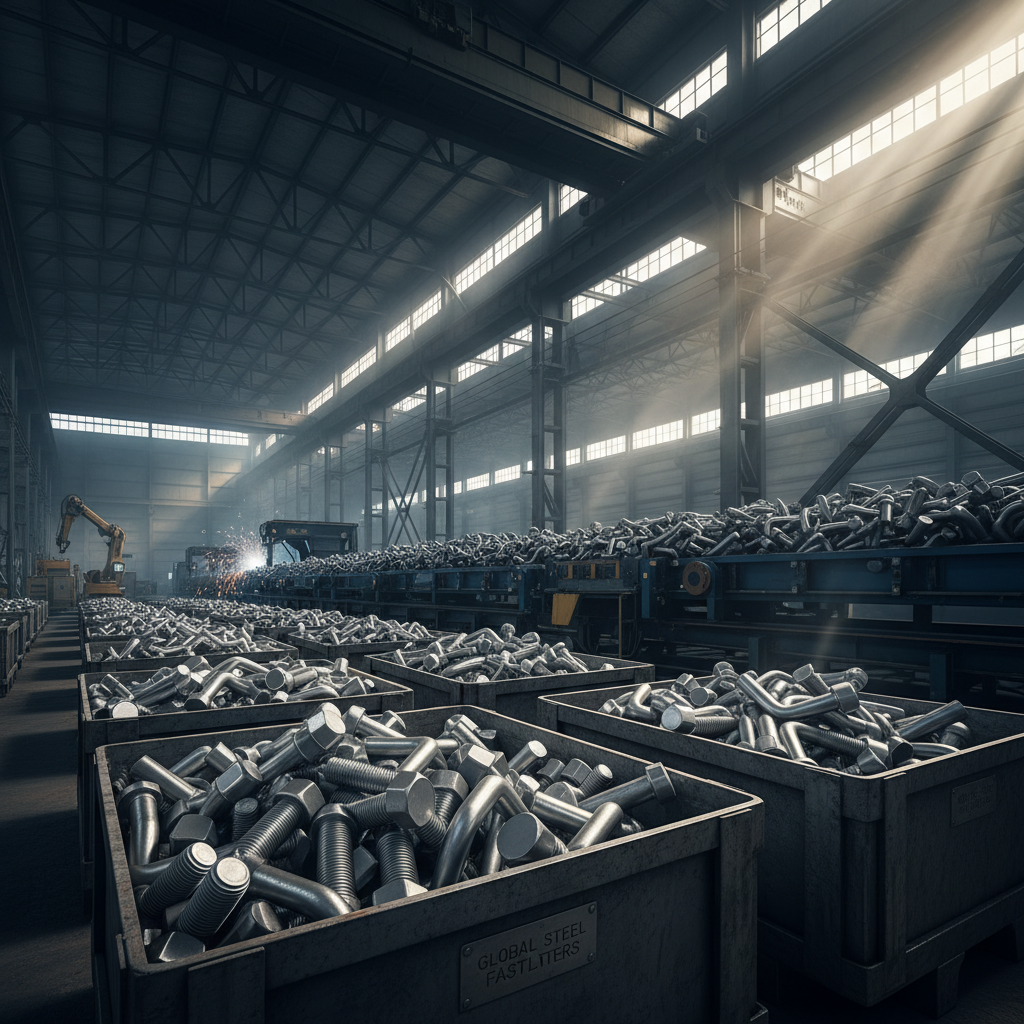
l bolts are fundamental components in a vast array of engineering and construction applications globally. Their seemingly simple design belies a crucial role in ensuring structural integrity, safety, and reliability across diverse industries, from aerospace and automotive to infrastructure and energy. Understanding the nuances of l bolts – their materials, manufacturing processes, and application standards – is paramount for engineers, designers, and procurement professionals alike. They represent a critical element in modern technological advancement.
The global demand for high-quality l bolts continues to rise, driven by infrastructure development in emerging economies, increasing focus on safety regulations, and the expansion of renewable energy sectors. According to reports from the World Steel Association, global steel production – a key indicator for l bolt demand – remains robust, particularly in Asia. However, supply chain disruptions, material cost fluctuations, and the need for sustainable manufacturing practices pose ongoing challenges for the industry. These pressures highlight the importance of efficient sourcing and innovative material science.
At its core, the significance of l bolts lies in their ability to create secure and durable connections. This capability is not merely a mechanical function; it underpins the safety and efficiency of countless systems and structures that modern society relies upon. Proper specification and implementation of l bolts prevent catastrophic failures, minimize maintenance requirements, and contribute to long-term cost savings, making them a cornerstone of responsible engineering and construction practices.
The Significance of l bolts
l bolts are more than just fasteners; they are critical elements in ensuring the stability and longevity of structures and machines. Their precise engineering and reliable performance are essential for safety and efficiency across a broad spectrum of applications. Choosing the right l bolt for a specific task directly impacts the structural integrity and operational reliability of the end product.
The evolution of l bolts, from simple hand-forged components to precision-engineered fasteners made from advanced alloys, reflects a commitment to continuous improvement and innovation. Understanding the different grades, materials, and coatings available allows engineers to optimize performance based on specific environmental conditions and load requirements, securing a safer and longer lifespan for any build.
Global Relevance and Industry Context
The demand for l bolts is inextricably linked to global economic activity, particularly in construction, manufacturing, and infrastructure development. The United Nations’ Sustainable Development Goals (SDGs), especially those related to infrastructure (SDG 9) and sustainable cities (SDG 11), are significant drivers of l bolt consumption. Massive infrastructure projects in developing countries, such as those under China’s Belt and Road Initiative, rely heavily on vast quantities of these fasteners.
However, the industry faces challenges related to fluctuating raw material prices (steel, alloys), geopolitical instability impacting supply chains, and increasing pressure to reduce carbon footprints. The ISO standards for l bolts (e.g., ISO 898-1) provide a common framework for quality and performance, but maintaining compliance and traceability across global supply networks is complex. The rise of digital technologies, such as blockchain, offers potential solutions for enhancing transparency and accountability.
The automotive industry, a major consumer of l bolts, is undergoing a transformation with the shift towards electric vehicles (EVs). EVs often require different types of fasteners due to changes in vehicle design and materials, creating new demands and opportunities for l bolt manufacturers. The ability to adapt to these evolving needs will be key for continued success.
Defining l bolts: A Fundamental Component
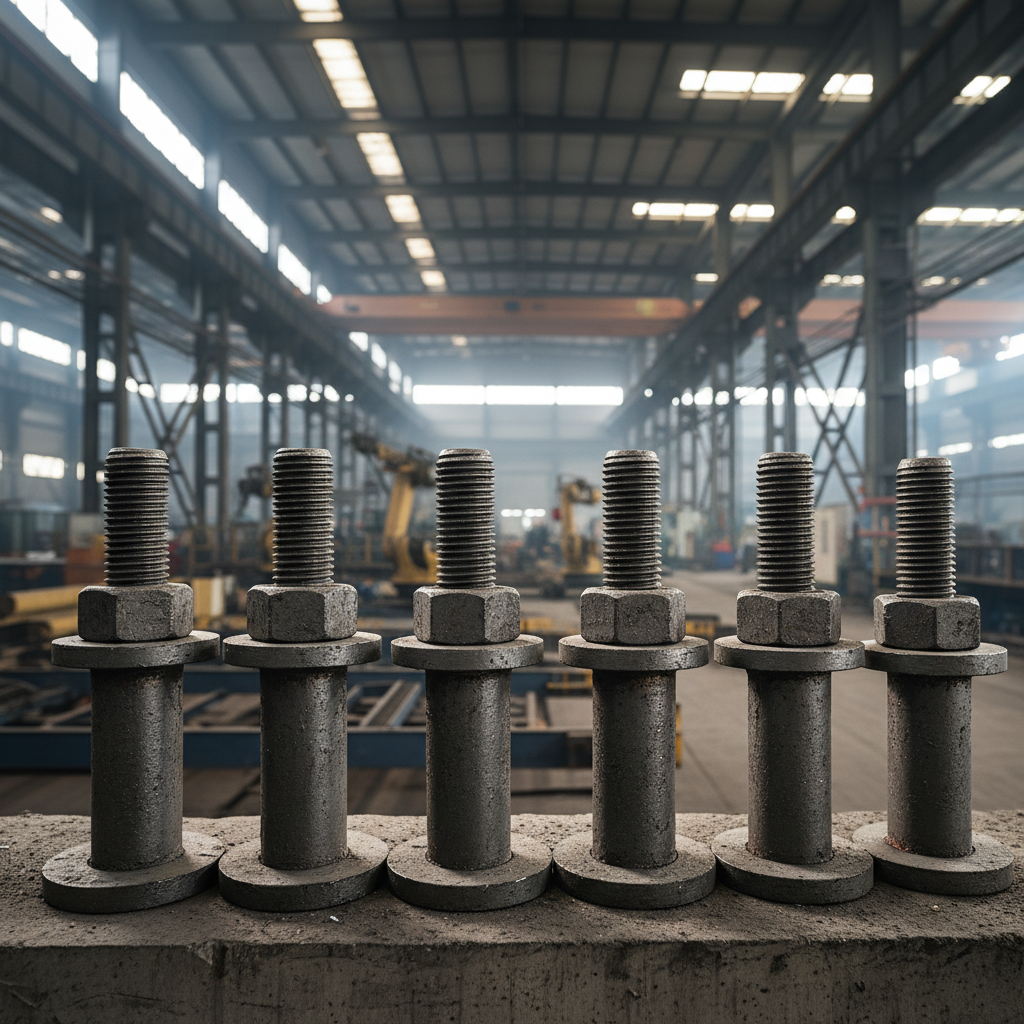
At their most basic, l bolts are threaded fasteners designed to be inserted through holes in assembled parts and secured using a nut. The 'l' shape refers to the head design, which provides a driving surface for a wrench or socket. They're classified by their strength, material, and dimensions, with standardized specifications ensuring interchangeability and reliable performance.
The connection between a properly installed l bolt and its mating components is a cornerstone of modern engineering. This simple yet effective principle finds application in everything from bridges and skyscrapers to household appliances and medical devices. Its significance extends beyond mere assembly; it’s a critical element in ensuring structural integrity and preventing catastrophic failures, a point of increasing relevance in a world facing extreme weather events and aging infrastructure.
In the context of modern industry and humanitarian needs, l bolts enable rapid assembly and disassembly, facilitate maintenance and repair, and contribute to the modularity and adaptability of structures. This makes them particularly valuable in disaster relief efforts, where speed and efficiency are paramount, and in remote locations where specialized equipment and skilled labor may be limited.
Key Factors Influencing l bolts Performance
Several key factors determine the performance and suitability of l bolts for specific applications. Firstly, Material Composition plays a crucial role. Different alloys offer varying levels of strength, corrosion resistance, and temperature tolerance. Carbon steel, alloy steel, and stainless steel are common choices, each with specific advantages and disadvantages.
Secondly, Thread Pitch and Accuracy are critical for ensuring a secure and consistent clamping force. Precise threading prevents loosening and ensures optimal load distribution. Thirdly, Coating and Surface Treatment enhance corrosion resistance and prevent galling. Zinc plating, black oxide, and hot-dip galvanizing are common protective coatings. Fourthly, Mechanical Properties, like tensile strength and yield strength, define the load-bearing capacity of the bolt.
l bolts Performance Comparison
Global Applications and Diverse Use Cases
l bolts find application across a remarkably diverse range of industries. In the construction sector, they are essential for assembling steel structures, connecting concrete elements, and securing building facades. In the automotive industry, they are used in engine assembly, chassis construction, and suspension systems. The aerospace industry demands high-precision l bolts made from specialized alloys to withstand extreme temperatures and stresses.
In post-disaster relief operations, prefabricated shelters and modular housing units, rapidly deployed and assembled using l bolts, provide critical temporary accommodation. In remote industrial zones, l bolts facilitate the construction and maintenance of infrastructure, such as pipelines, wind turbines, and power plants. The oil and gas industry relies on l bolts for securing flanges, valves, and other critical components.
Furthermore, l bolts play a vital role in the renewable energy sector, supporting the construction of solar farms, wind farms, and hydroelectric power plants. They are also found in everyday applications, such as furniture assembly, appliance manufacturing, and even bicycle repairs. The ubiquity of l bolts demonstrates their fundamental importance to modern life.
Advantages and Long-Term Value Proposition
The advantages of using high-quality l bolts extend beyond immediate structural integrity. Cost-effectiveness is a significant benefit, as they are relatively inexpensive to manufacture and install compared to other fastening methods like welding or riveting. Durability ensures long-term reliability, reducing the need for frequent maintenance and replacement.
Sustainability is increasingly important, with manufacturers adopting eco-friendly materials and production processes. Using recycled steel and minimizing waste contribute to a lower environmental footprint. The reliability and safety provided by properly installed l bolts contribute to social impact by preventing accidents and protecting lives. The inherent trust in a well-fastened structure fosters confidence and peace of mind.
Future Trends and Innovations in l bolts
The future of l bolts is being shaped by several emerging trends. Smart bolts, equipped with sensors to monitor stress, strain, and temperature, offer real-time insights into structural health and predict potential failures. Additive manufacturing (3D printing) enables the creation of customized l bolts with complex geometries and optimized performance characteristics.
The development of new materials, such as high-strength aluminum alloys and composite materials, promises to further enhance the performance and durability of l bolts. The integration of digital twin technology allows for virtual testing and optimization of l bolt designs, reducing development costs and accelerating time to market. Increased emphasis on circular economy principles will drive the development of recyclable and reusable l bolt solutions.
Challenges and Solutions
Despite their widespread use and inherent benefits, challenges remain in the l bolt industry. Supply chain vulnerabilities are a major concern, particularly in times of geopolitical instability or global disruptions. Counterfeit products pose a threat to safety and reliability, requiring robust quality control measures.
Corrosion remains a persistent problem, especially in harsh environments. Solutions include advanced coatings, cathodic protection, and the use of corrosion-resistant alloys. Addressing these challenges requires collaboration across the entire value chain, from raw material suppliers to end-users.
Implementing digital traceability systems, leveraging blockchain technology, and adopting Industry 4.0 principles can enhance transparency, improve quality control, and mitigate risks. Investing in research and development to create more sustainable and resilient l bolt solutions is also crucial for long-term success.
Summary of Common Issues and Mitigation Strategies for l bolts
| Issue Category |
Specific Problem |
Severity Level (1-10) |
Mitigation Strategy |
| Material Quality |
Substandard Alloy Composition |
8 |
Rigorous Material Testing & Certification |
| Manufacturing Defects |
Inconsistent Thread Pitch |
7 |
Automated Inspection & Quality Control |
| Corrosion Resistance |
Premature Rusting in Marine Environments |
9 |
Specialized Coatings (e.g., Hot-Dip Galvanizing) |
| Supply Chain Security |
Counterfeit l bolts Entering the Market |
6 |
Verified Supplier Network & Traceability |
| Installation Errors |
Incorrect Torque Application |
5 |
Training & Calibration of Installation Tools |
| Design Limitations |
Inadequate l bolts for High-Stress Applications |
4 |
Finite Element Analysis & Optimized Design |
FAQS
Grade 8 l bolts are made from stronger steel alloys than grade 5 l bolts, offering higher tensile strength and yield strength. This means they can withstand greater loads and stresses before failing. Grade 8 bolts are typically used in critical applications requiring maximum reliability, such as engine components and structural connections. While more expensive, their increased strength often justifies the cost in demanding scenarios. Choosing the right grade depends on the specific application and load requirements.
Corrosion can be prevented through several methods. Applying protective coatings like zinc plating, black oxide, or hot-dip galvanizing creates a barrier against moisture and corrosive elements. Using stainless steel l bolts is another effective solution, particularly in marine or highly corrosive environments. Additionally, ensuring proper tightening and preventing galvanic corrosion by using compatible materials can significantly extend the lifespan of l bolts. Regular inspection and maintenance are also crucial.
Proper tightening of l bolts is crucial for ensuring a secure connection. Using a torque wrench set to the manufacturer's specifications is highly recommended. Applying the correct torque prevents over-tightening, which can damage the bolt or the mating components, and under-tightening, which can lead to loosening and failure. It's also important to follow a star pattern when tightening multiple bolts to distribute the clamping force evenly.
Yes, there are increasingly eco-friendly alternatives. Using l bolts made from recycled steel reduces the environmental impact associated with raw material extraction and processing. Additionally, research is ongoing into using biodegradable polymers and composite materials for certain applications, although these are not yet widely available for high-strength structural connections. Selecting coatings with low volatile organic compounds (VOCs) also contributes to sustainability.
Identifying counterfeit l bolts can be challenging. Look for inconsistencies in markings, such as misspelled brand names or incorrect grade designations. Check for poor surface finish, inconsistent threading, or unusual material properties. Purchasing from reputable suppliers and verifying certifications are essential steps. If you suspect a counterfeit bolt, it’s crucial to report it to the manufacturer and relevant authorities.
Smart l bolts integrate sensors to monitor critical parameters like tension, strain, and temperature. These sensors transmit data wirelessly to a central monitoring system, providing real-time insights into the structural health of the connection. This allows for proactive maintenance, early detection of potential failures, and improved safety. Smart bolts are particularly valuable in critical infrastructure applications where monitoring is essential.
Conclusion
l bolts are a foundational element of modern engineering and construction, enabling the creation of safe, reliable, and durable structures and machines. From their simple design to their diverse applications, they play a critical role in countless aspects of our daily lives. Understanding the key factors influencing their performance, embracing innovation in materials and technology, and addressing the challenges related to sustainability and quality control are essential for ensuring their continued relevance and effectiveness.
Looking ahead, the future of l bolts will be shaped by trends such as smart fasteners, additive manufacturing, and circular economy principles. Investing in research and development, fostering collaboration across the value chain, and prioritizing safety and sustainability will be crucial for unlocking the full potential of this indispensable component. For more information on l bolts and their applications, please visit our website: ytbolt.com.







 English
  Bengali
  Bulgarian
  Catalan
  Czech
Czech  French
  German
  Hindi
Hindi  Hungarian
  Italian
  Kazakh
  Korean
  Portuguese
  Romanian
  Slovak
  Somali
  Spanish
  Turkish