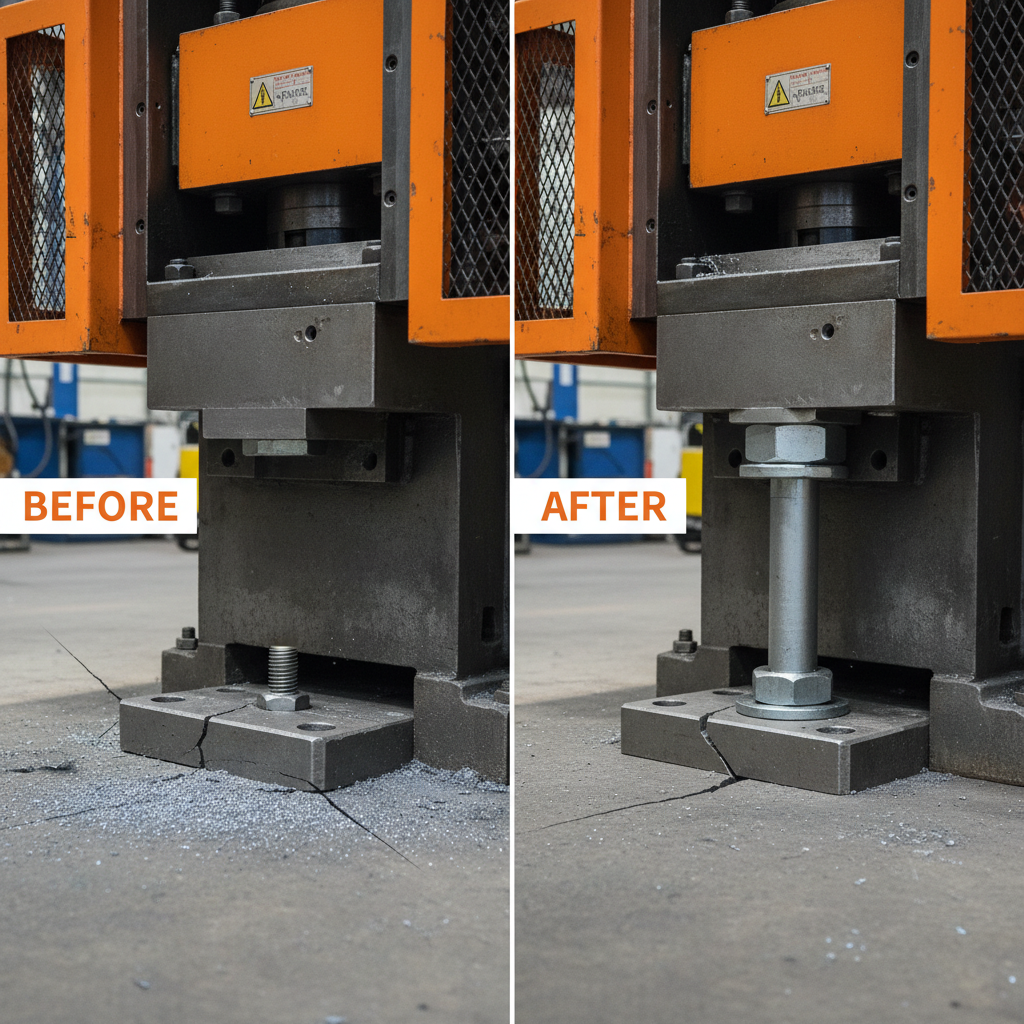
When securing heavy machinery, structural steel, or architectural fixtures to concrete, the most critical variable often overlooked is the expansion anchor bolt length. Selecting the wrong length can lead to catastrophic failures, such as concrete spalling or bolt pull-out, compromising the entire safety of the project. Understanding how to calculate the effective embedment depth versus the overall length is essential for any engineer or contractor. In this guide, we will break down the technical nuances of bolt sizing to ensure your installations are rock-solid and compliant with industrial safety standards.
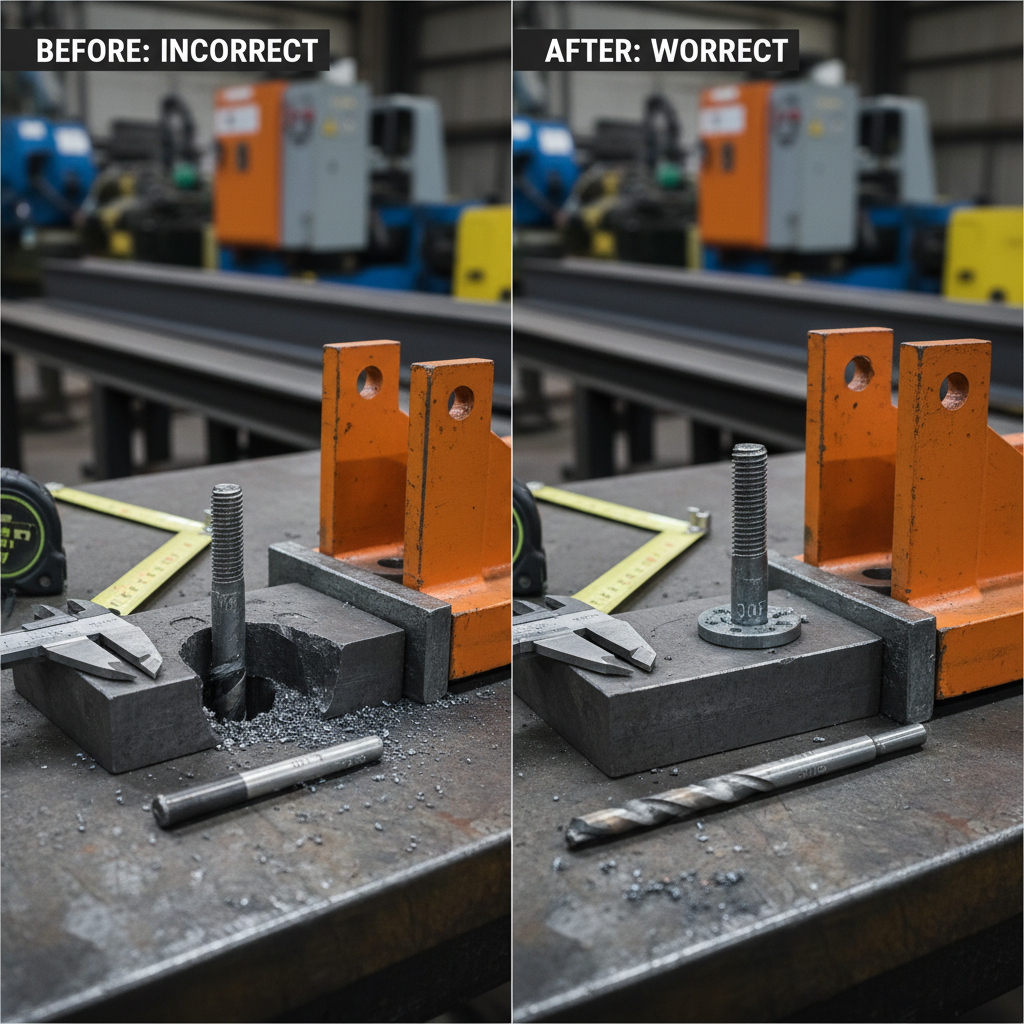
Achieving a secure hold in concrete requires precision, and the most critical factor is selecting the correct drill size for 3/8 wedge anchor. A hole that is too large will lead to a loose fit and potential failure, while a hole that is too small will make the anchor impossible to drive. Whether you are a professional contractor or a DIY enthusiast, understanding the relationship between the anchor diameter and the drill bit is essential for structural integrity. In this comprehensive guide, we will walk you through the exact specifications, installation tips, and common pitfalls to ensure your fastening projects are safe and durable.
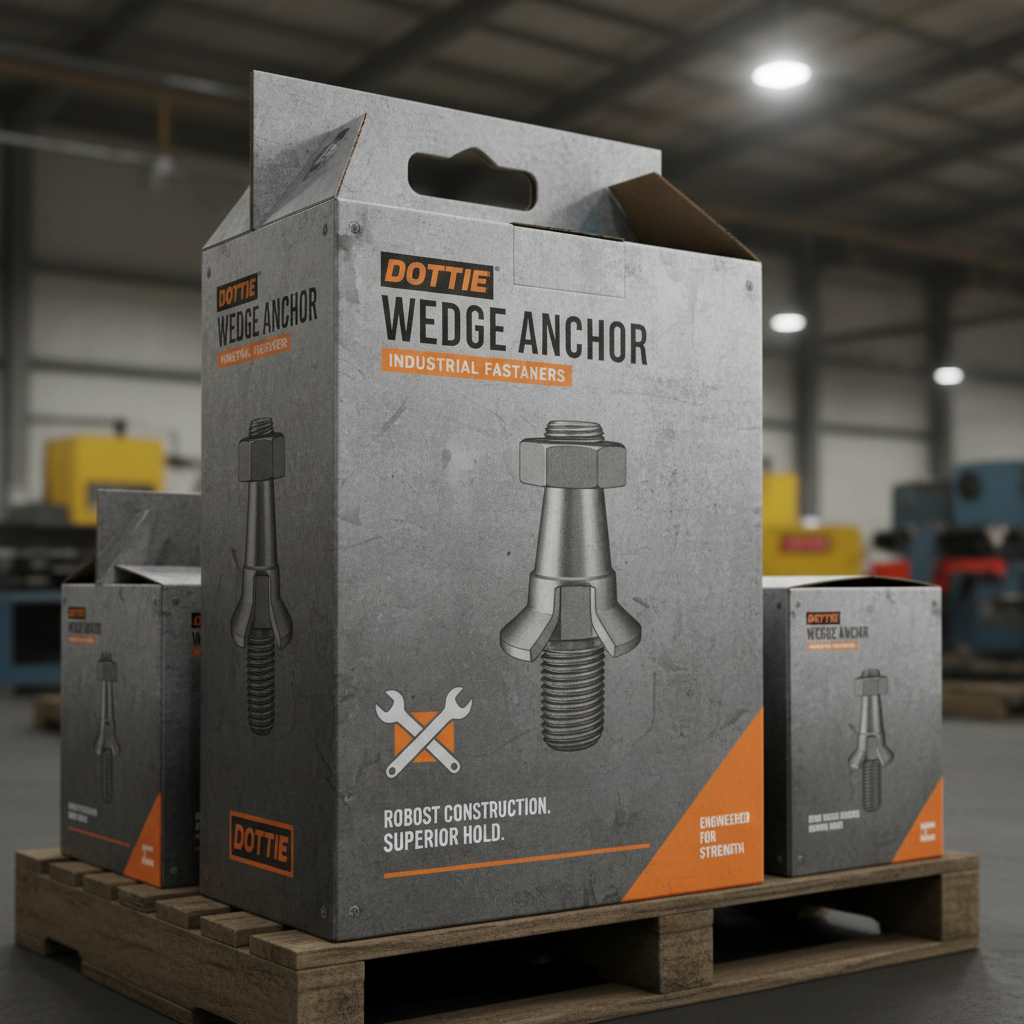
When it comes to secure anchoring solutions for various construction and industrial applications, the dottie wedge anchor stands out as a reliable and versatile choice. This article provides an in-depth overview of its features, applications, installation, and benefits, equipping you with the knowledge to determine if it’s the right anchoring solution for your project. Choosing the correct anchor is vital for safety and longevity, and we will explore why the dottie wedge anchor is frequently chosen by professionals.
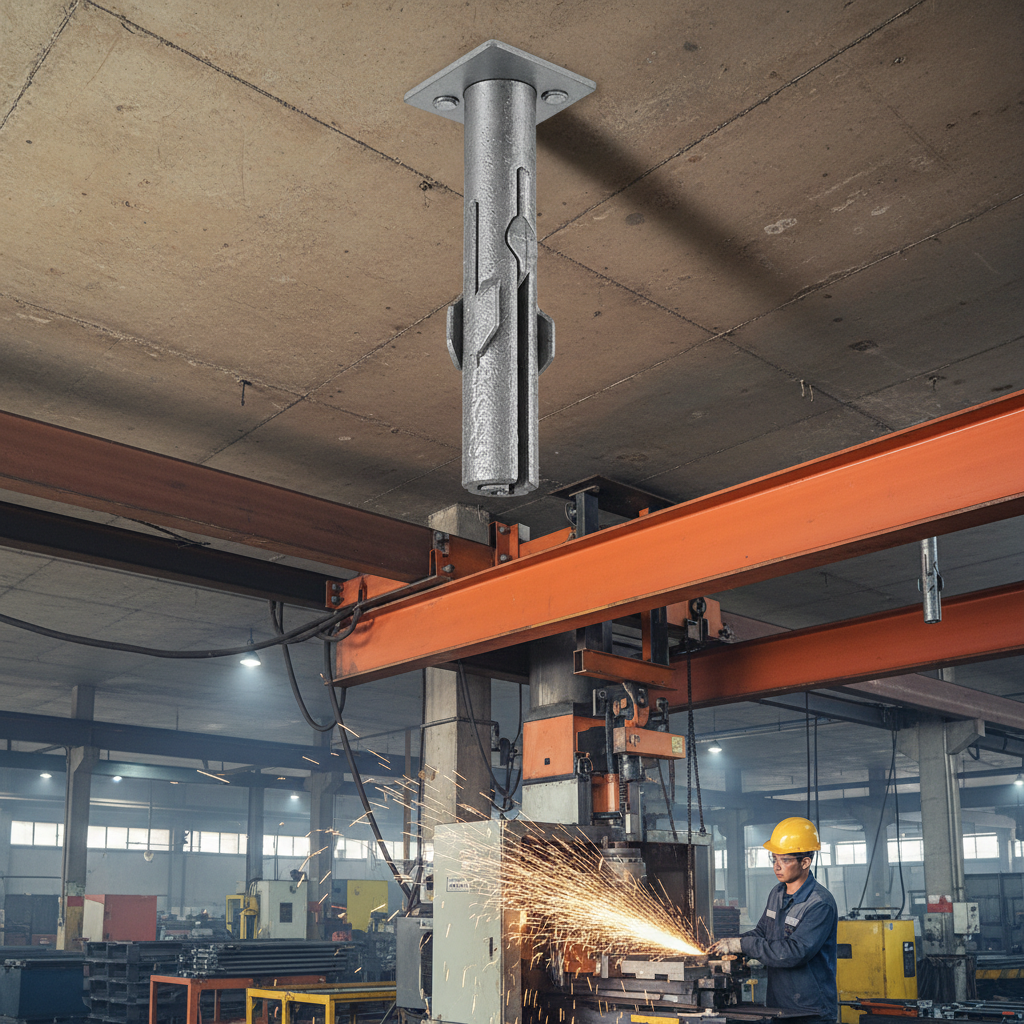
When securing items to ceilings, choosing the right anchor is crucial for safety and reliability. A ceiling wedge anchor offers a robust solution for various applications. This article provides a detailed overview of ceiling wedge anchors, covering their uses, installation, types, and benefits, with a focus on ensuring a secure and long-lasting connection. Understanding the nuances of these anchors is key to a successful project, minimizing risk and maximizing holding power.
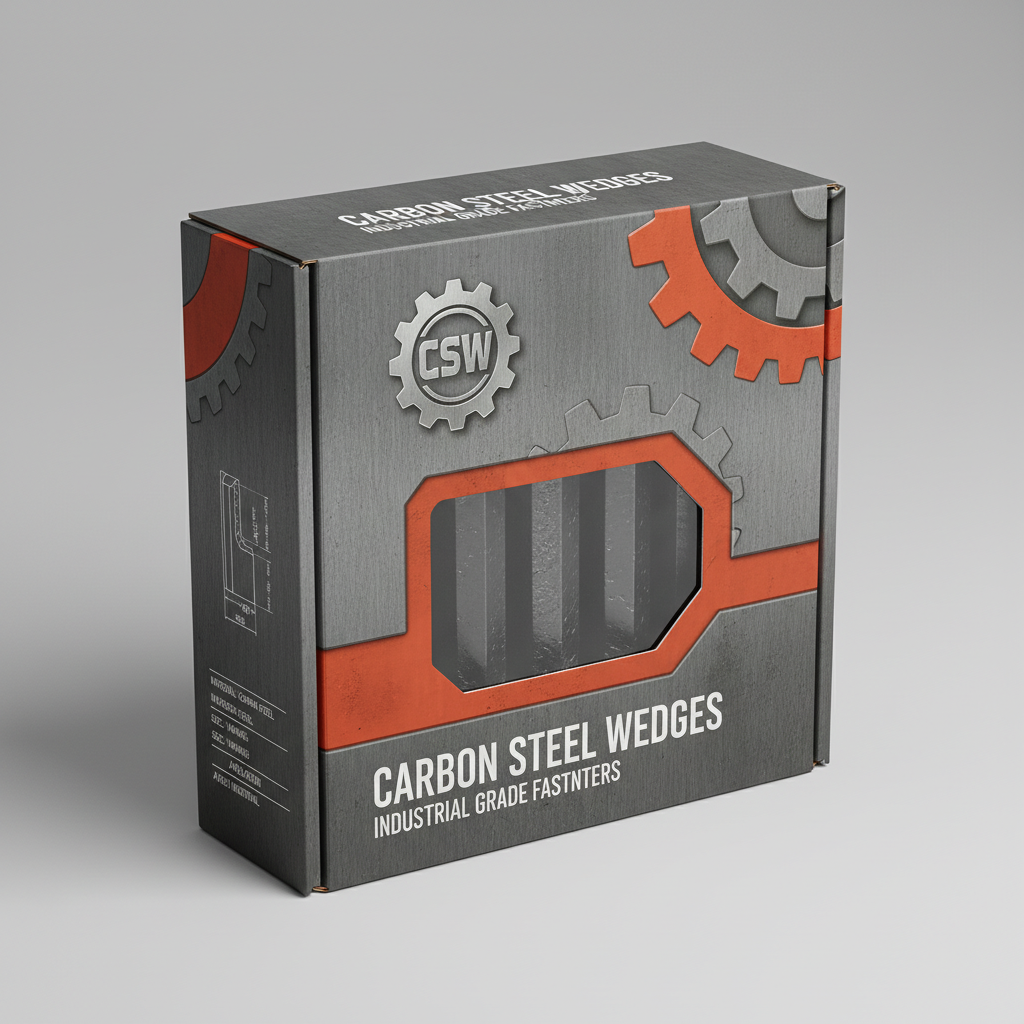
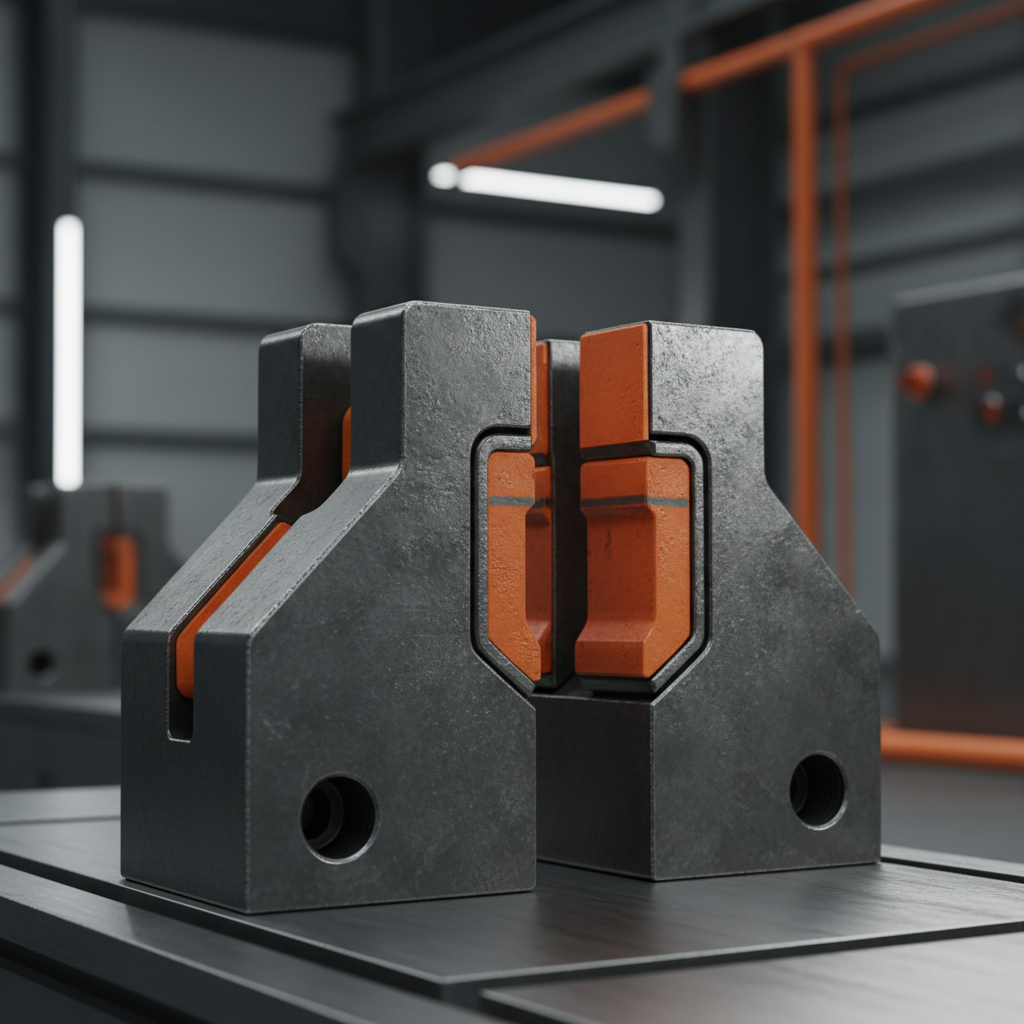
Carbon steel wedges are essential tools in various industries, prized for their durability and effectiveness in splitting materials like wood and metal. From forestry and construction to metalworking, these wedges provide the force needed to safely and efficiently separate materials. This article will explore the characteristics of carbon steel wedges, their diverse applications, factors to consider when selecting the right wedge, and where to find high-quality options like those available at YT Bolt. Understanding the nuances of these tools can significantly improve efficiency and safety on any job site.
In the world of fastening and securing, the humble bolt wedge plays a critical, often unseen, role. From construction and infrastructure to machinery and automotive applications, these specialized components ensure stability and prevent loosening under vibration and stress. This article will explore the purpose, types, applications, and key considerations when selecting the right bolt wedge for your project, providing a comprehensive guide for engineers, purchasers, and professionals alike.
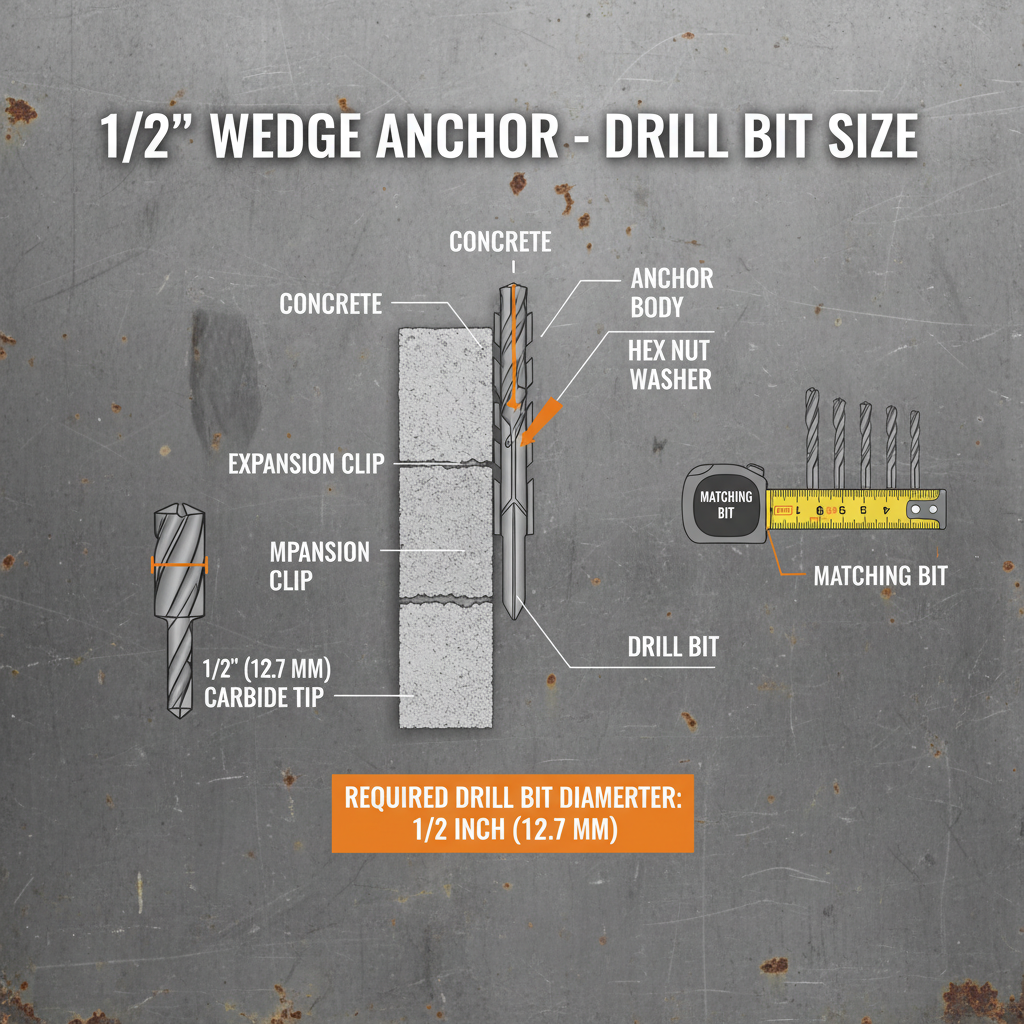
Choosing the correct drill bit size for a 1/2 inch wedge anchor is critical for a secure and reliable fastening. Using the wrong size can lead to insufficient anchor capacity, compromising the structural integrity of your project. This guide will provide a comprehensive overview of determining the appropriate wedge anchor drill bit size, covering key considerations, different anchor types, and best practices for installation. A properly installed wedge anchor provides exceptional holding power in concrete and other masonry materials. We’ll explore how to ensure your installations are robust and long-lasting. The drill bit size directly impacts the anchor's ability to expand and grip the concrete. If the hole is too small, the anchor may not fully seat and expand, reducing its holding capacity. Conversely, if the hole is too large, the anchor may not have sufficient material to grip, also leading to reduced strength. The recommended drill bit size is typically slightly larger than the anchor's base diameter to allow for proper expansion. Always consult the manufacturer's specifications for the precise drill bit size for the specific wedge anchor you are using.
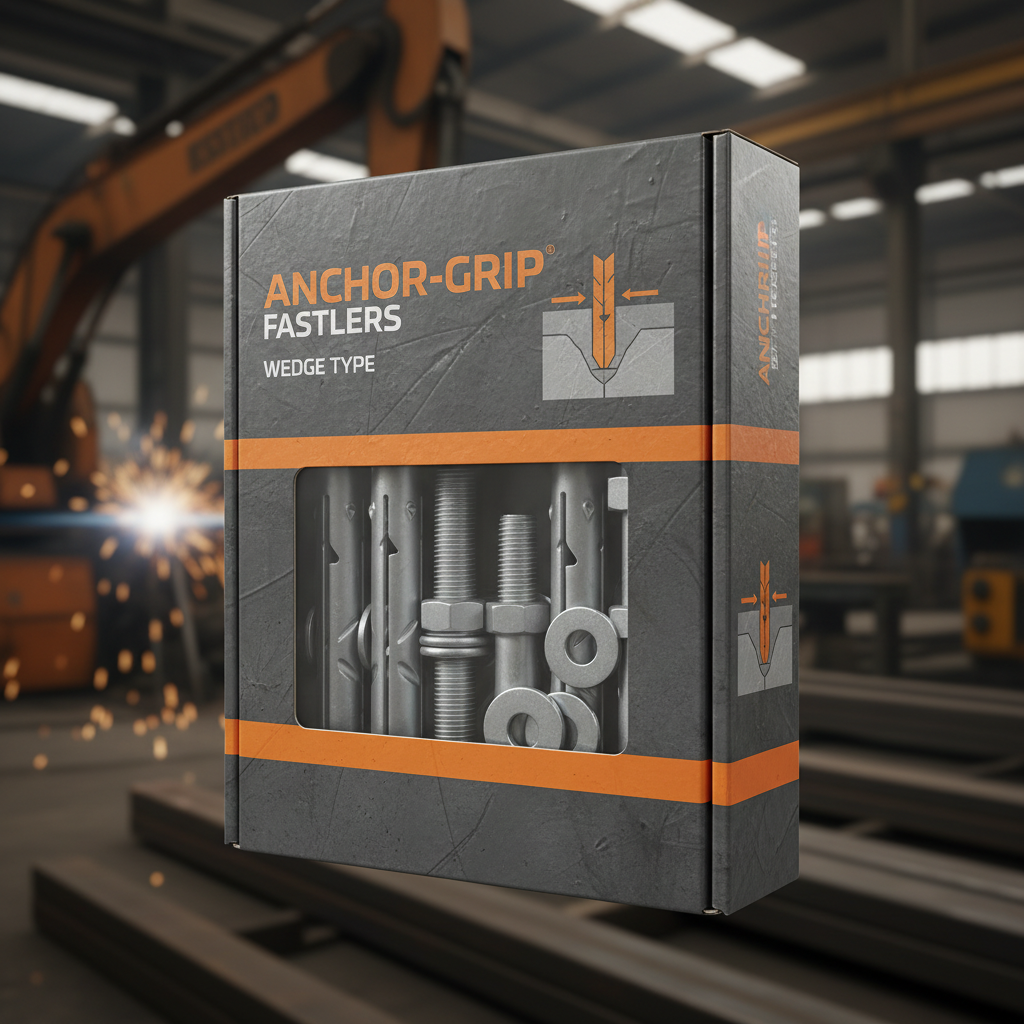
When it comes to securing structures and ensuring long-term stability, selecting the right anchor fastener is critical. Among the various options available, the anchor fastener wedge type stands out for its robust performance and versatility. This article will delve into the mechanics, applications, benefits, and considerations when using wedge-type anchors, providing a comprehensive guide for engineers, contractors, and anyone involved in construction or infrastructure projects. Understanding these systems is essential for a safe and durable build. Wedge-type anchors function on a simple yet effective principle: mechanical interlock. These anchors consist of a bolt, a wedge, and a sleeve. When the bolt is tightened, it pulls the wedge into the sleeve, expanding the anchor against the concrete or masonry. This expansion creates a frictional force that resists pull-out, providing a strong and reliable connection. The design allows for high load-bearing capacity and is suitable for a variety of base materials. The key to their effectiveness lies in the precise fit and quality of the materials used. Wedge anchors are used extensively in a wide range of construction and industrial applications. Some common examples include: securing structural steel to concrete foundations, anchoring machinery and equipment, attaching handrails and guardrails, and installing shelving and racking systems. They are particularly well-suited for applications where high pull-out resistance is required, such as seismic zones or areas prone to strong winds.
When undertaking construction, infrastructure projects, or any application requiring robust and reliable fastening, 8 inch wedge anchors provide a superior solution. These anchors are designed to distribute load efficiently in concrete, brick, and other masonry materials, ensuring long-lasting stability. This article will explore the features, benefits, applications, and specifications of 8 inch wedge anchors, highlighting why they are a crucial component in a multitude of projects. Choosing the right anchor is vital for the structural integrity of any build, and the 8-inch wedge anchor offers a compelling combination of strength and ease of installation. An 8 inch wedge anchor is a type of expansion anchor used to securely fasten objects to concrete or masonry. They consist of a threaded body, a wedge, and an expansion shield. When the anchor is tightened, the wedge is drawn into the expansion shield, expanding it against the sides of the drilled hole. This creates a powerful clamping force that resists pull-out.
Wenn Sie an unseren Produkten interessiert sind, können Sie hier Ihre Informationen hinterlassen und wir werden uns in Kürze mit Ihnen in Verbindung setzen.




 German
  Bengali
  Bulgarian
  Catalan
  Czech
Czech  English
  French
  Hindi
Hindi  Hungarian
  Italian
  Kazakh
  Korean
  Portuguese
  Romanian
  Slovak
  Somali
  Spanish
  Turkish