


Aug . 27, 2025 10:50 Zurück zur Liste
Clamps That Hold It All Together
In manufacturing, woodworking, metalwork, and construction, precision and force matter—and that's where the clamp steps in. A clamp is more than just a tool for holding objects together. It ensures safety, alignment, and stability during operations like welding, cutting, gluing, or bolting. Whether you're assembling steel beams or securing delicate wood pieces, a high-quality clamp can make or break your project's success.
From manual hand clamps to hydraulic systems, the applications of clamps span virtually every industry. Their primary function is to apply pressure to hold materials in place without causing damage. But not all clamps are built the same. Choosing the right type and size based on your task, material, and environment is critical.
A common mistake among professionals and DIYers alike is underestimating the role of a clamp. Weak or ill-fitting clamps can cause warping, misalignment, or even injury. Using the proper clamp guarantees not only project accuracy but also operator safety. This is why professional settings—from auto manufacturing to bridge construction—rely heavily on specialized clamps for daily operations.
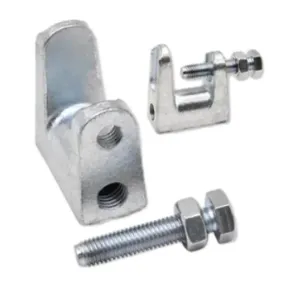
Different Types of Clamps and Their Unique Functions
Understanding the different types of clamps is essential for selecting the right one for your task. While all clamps serve a similar purpose—holding materials in place—they vary in design, pressure capacity, and suitability for specific materials.
Bar Clamps: Ideal for woodworking and cabinetry, these feature a long metal bar and adjustable arm for clamping large items.
C-Clamps: Commonly used in metalwork and welding, C-clamps are strong, compact, and apply high pressure to small areas.
Spring Clamps: Best for lightweight holding jobs, these clamps are easy to apply and remove with a simple squeeze mechanism.
Pipe Clamps: Often used for edge gluing or holding together wide boards, pipe clamps are adjustable and suitable for longer spans.
Toggle Clamps: Used in repetitive industrial tasks, toggle clamps offer quick-release functionality and are often mounted to workbenches or jigs.
Specialized clamps like corner clamps, F-clamps, and strap clamps fill specific roles in precision tasks or odd-shaped workpieces. Each type of clamp is designed with the task in mind—whether it's holding delicate surfaces, large components, or irregular geometries. Misusing a clamp not only affects performance but can damage both tool and material.
Finding Reliable Heavy Duty Clamps Suppliers for Industrial Needs
When it comes to large-scale projects or extreme pressure applications, the quality of your clamps is non-negotiable. That’s why selecting the right heavy duty clamps suppliers can significantly affect productivity, safety, and long-term performance. These suppliers specialize in clamps designed for rugged applications—think steel fabrication, shipbuilding, oil rigs, and structural engineering.
A reputable heavy duty clamps supplier offers not just robust clamps but also engineering support. These suppliers understand material science, torque loads, and clamping forces, ensuring their products meet industry standards and withstand harsh environments. Whether you need clamps for heat, vibration, or corrosive exposure, top-tier heavy duty clamps suppliers will provide purpose-built solutions.
The range includes beam clamps, girder clamps, rail clamps, and high-tonnage hydraulic clamps. These aren’t the kind you pick up at a home improvement store—they’re industrial-grade tools that deliver secure holding under extreme stress.
Leading heavy duty clamps suppliers also offer custom fabrication. If you're working on a project with unusual dimensions or load requirements, a custom clamp can provide the exact fit and performance needed to get the job done right.
Clamp Technology and Material Choices That Improve Performance
Modern clamp design goes beyond simple mechanics. Innovations in materials and ergonomic design have made today’s clamps stronger, lighter, and more versatile. Depending on your project requirements, selecting the right material can drastically improve performance.
Steel Clamps: Often used for their high tensile strength and durability, steel clamps are ideal for construction and metalworking. Look for powder-coated or galvanized finishes to prevent rust.
Aluminum Clamps: Lighter than steel and corrosion-resistant, aluminum clamps are great for mobile projects or environments where weight matters.
Plastic/Polymer Clamps: Used in woodworking or electrical work where non-marring surfaces and non-conductivity are important.
Rubber-Tipped Clamps: These provide added protection for delicate surfaces such as glass or polished wood.
The clamping mechanism itself has evolved as well. Lever action, ratcheting, and pneumatic clamps now make repetitive or high-pressure clamping faster and easier. In industries where time is money, these upgrades offer substantial ROI.
Selecting the right clamp technology also includes understanding load capacity and jaw reach. A clamp that’s too weak can slip or fail, while one that’s over-engineered may be bulky and inefficient. Trusting a supplier who can help you analyze the force needed for each application ensures peak efficiency.
Boost Productivity with the Right Clamp Solutions for Your Industry
Every industry—from aerospace to agriculture—uses clamps, but the solutions they require are far from one-size-fits-all. Construction crews may need beam clamps that secure heavy steel girders in high-wind conditions. Meanwhile, electronics manufacturers might prefer soft-grip or vacuum clamps to handle fragile components. The key is matching the clamp to the job for maximum control and output.
In the automotive sector, fast-paced assembly lines depend on high-speed toggle clamps to ensure repeatability and reduce setup time. In shipbuilding, hydraulic clamps hold vast metal sheets steady for welding under extreme pressure and vibration. Even in the medical field, surgical instrument manufacturers rely on precision micro clamps during intricate assembly.
Partnering with experienced heavy duty clamps suppliers allows companies to access the latest clamp technologies, including digital force-monitoring, corrosion-resistant alloys, and ergonomic handles that reduce fatigue during long operations.
With industry-specific options, from clamping jigs for woodworking to rigging clamps for offshore platforms, the right solutions improve workflow, reduce errors, and prevent costly accidents or rework.
Klemme FAQs
What makes heavy duty clamps different from standard clamps?
Heavy duty clamps are designed for high-pressure or industrial applications, often made from stronger materials like forged steel and capable of withstanding significant torque, vibration, or extreme temperatures. They’re built to maintain grip under intense load, which standard clamps cannot reliably do. These are essential in fields like construction, heavy manufacturing, and metalwork.
Can different types of clamps be used interchangeably?
While some clamps may overlap in function, each type is typically designed for a specific application. For example, a spring clamp might suffice for gluing small wooden pieces, but it would fail in a welding setup where a C-clamp or bar clamp is required. Using the wrong type of clamp can compromise the project and may even pose a safety risk.
How do I choose the right clamp material for my project?
Your choice depends on several factors: the material you're working with, the environment, and the load requirement. Steel clamps are best for heavy-duty applications, aluminum for lighter yet durable needs, and plastic or rubber-coated clamps for delicate or non-conductive tasks. For outdoor or corrosive environments, opt for galvanized or stainless steel options.
What should I look for in a heavy duty clamps supplier?
Look for heavy duty clamps suppliers with a wide product range, customization options, material certifications, and good client support. They should understand your industry’s specific requirements and offer solutions that meet global safety and performance standards. Lead time, bulk pricing, and support services like consultation or prototyping are also important.
Are there ergonomic clamps for repetitive industrial use?
Yes, many manufacturers now offer ergonomic clamps with cushioned grips, quick-release features, and ratcheting mechanisms to reduce operator fatigue. These are particularly useful in manufacturing environments with repetitive tasks. Ergonomic designs can also help reduce the risk of workplace injuries and improve productivity over long shifts.
-
Guide to Calculating the Best Expansion Anchor Bolt Length
NachrichtApr.16,2026
-
Guide to the Correct Drill Size for 3 8 Wedge Anchor Installation
NachrichtApr.09,2026
-
Comprehensive Guide to Dottie Wedge Anchor Selection and Installation
NachrichtApr.07,2026
-
Comprehensive Guide to Ceiling Wedge Anchors for Secure Installations
NachrichtApr.04,2026
-
Understanding the Versatility and Applications of Carbon Steel Wedges
NachrichtMar.31,2026
-
The Essential Guide to Bolt Wedges Strength and Application
NachrichtMar.28,2026
 German
  Bengali
  Bulgarian
  Catalan
  Czech
Czech  English
  French
  Hindi
Hindi  Hungarian
  Italian
  Kazakh
  Korean
  Portuguese
  Romanian
  Slovak
  Somali
  Spanish
  Turkish


