Quick bolt anchors represent a crucial element in modern fastening technology, offering a robust and efficient solution for a wide array of applications across numerous industries. Their ability to provide secure and reliable connections, often in challenging environments, has cemented their importance in construction, manufacturing, and infrastructure projects globally. Understanding the nuances of quick bolt anchors—from material composition to installation techniques—is paramount for ensuring structural integrity and long-term performance.
The demand for quick bolt anchors is intrinsically linked to the growth of global construction and infrastructure development, particularly in emerging economies. As urbanization accelerates and populations expand, the need for durable and rapidly deployable fastening solutions becomes increasingly critical. This demand is further amplified by the growing emphasis on safety standards and the pursuit of more efficient construction methodologies. The quick deployment characteristic of these anchors makes them indispensable for time-sensitive projects.
Ultimately, the selection and proper application of quick bolt anchors contribute directly to the safety, longevity, and cost-effectiveness of structures and systems. This necessitates a comprehensive understanding of their properties and limitations, alongside adherence to best practices for installation and maintenance.
The Importance of Quick Bolt Anchors in Modern Engineering
The utilization of quick bolt anchors is paramount in the realm of modern engineering, especially considering the increasing demands for efficient and reliable fastening solutions. These anchors provide a significantly faster installation process compared to traditional methods, directly reducing project timelines and labor costs. This efficiency is crucial in time-sensitive construction projects and maintenance repairs.
Moreover, their inherent strength and ability to withstand dynamic loads make them ideal for a wide variety of applications, ranging from securing machinery to anchoring structural components. This adaptability and performance contribute to enhanced safety and long-term durability, solidifying their role as a cornerstone of modern engineering practices.
Defining Quick Bolt Anchors: A Comprehensive Overview
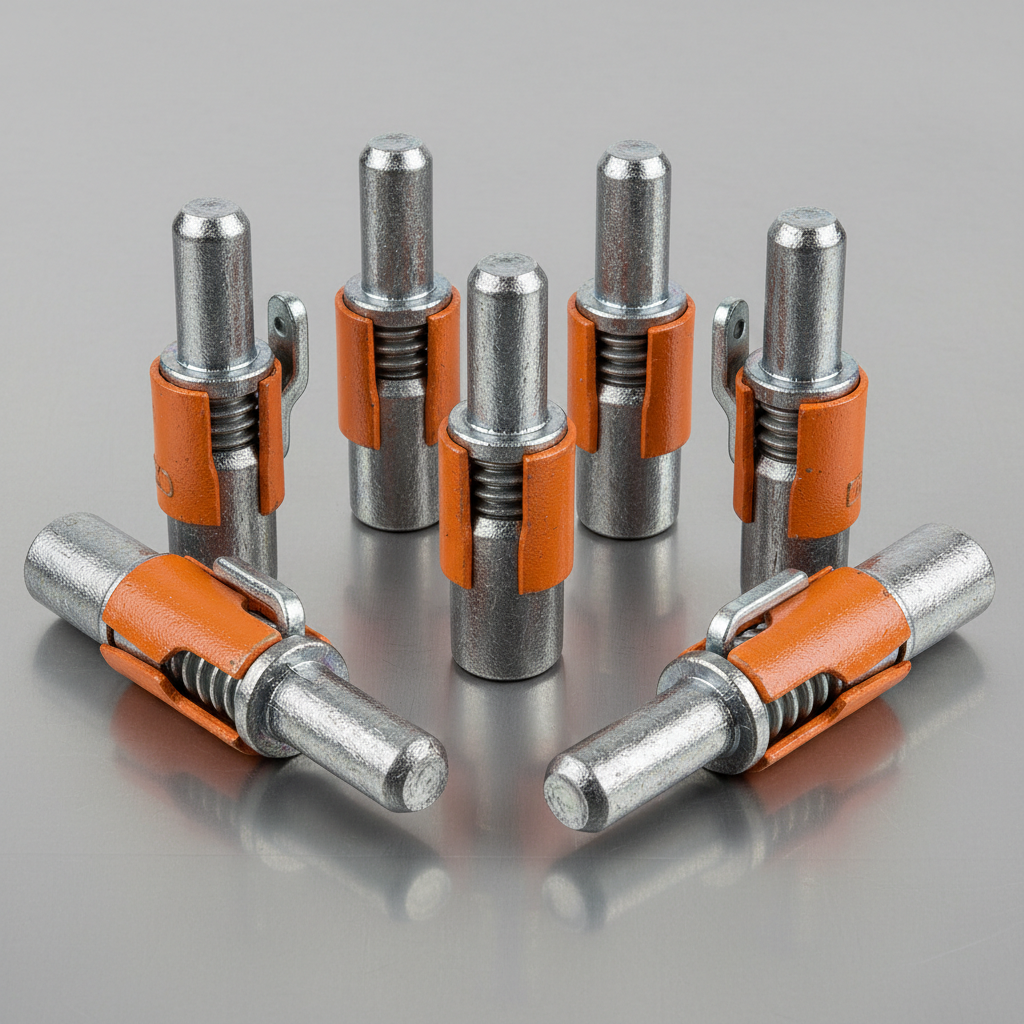
Quick bolt anchors are a type of mechanical anchor designed for rapid installation into concrete, brick, or other masonry materials. Unlike some traditional anchoring systems that require extensive preparation or curing times, these anchors offer a swift and straightforward installation process, often involving just drilling a hole and inserting the anchor. This ease of use significantly reduces installation time and labor costs.
Their core function is to create a secure connection between a fixture and the base material, effectively distributing loads and preventing movement. The ‘quick’ designation arises from their design, which often incorporates features like self-tapping mechanisms or expansion sleeves that facilitate fast and reliable engagement with the substrate.
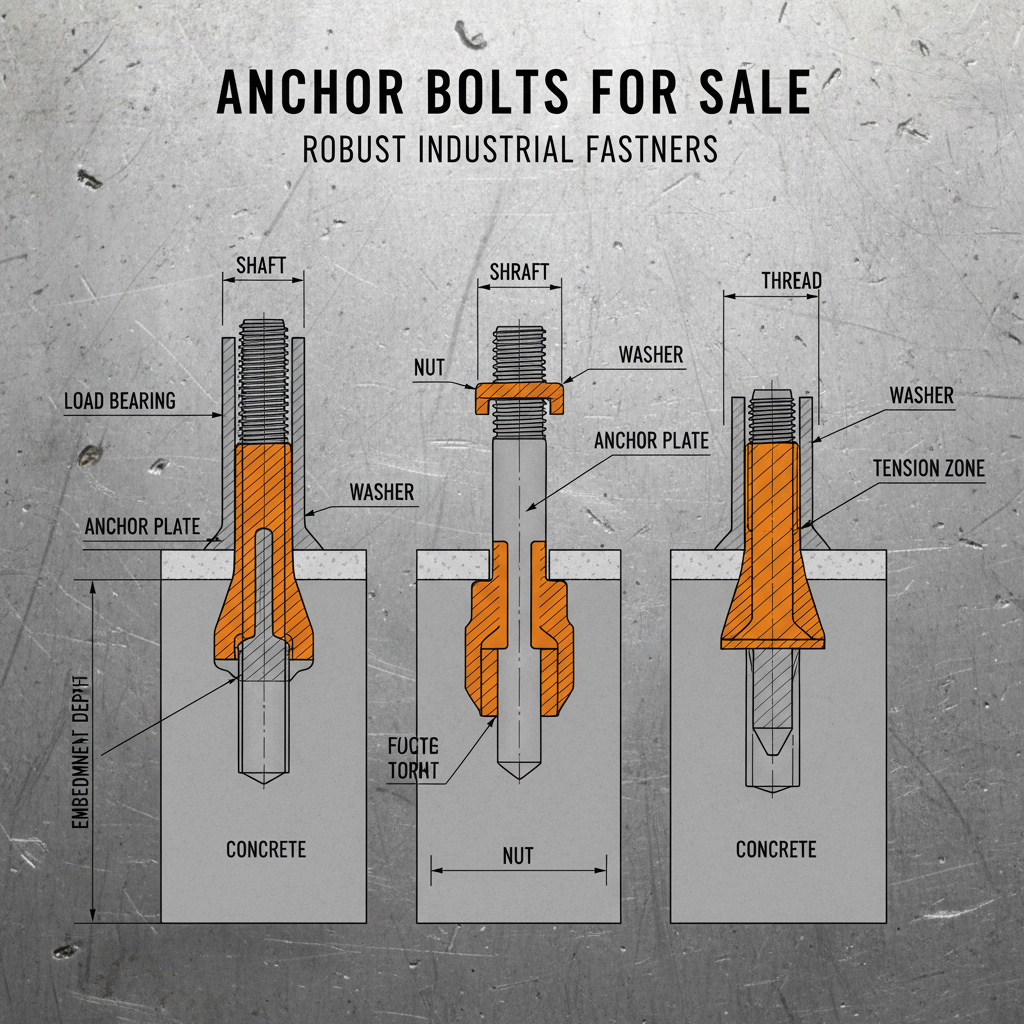
In the context of modern construction and industrial maintenance, understanding the different types of quick bolt anchors – including wedge anchors, sleeve anchors, and drop-in anchors – is essential for selecting the optimal solution for specific applications and load requirements. Quick bolt anchors are a foundational element in ensuring structural integrity.
Key Characteristics of High-Performance Quick Bolt Anchors
Several key characteristics define the performance and reliability of high-quality quick bolt anchors. First and foremost is their tensile strength, which dictates the maximum load the anchor can withstand before failure. This strength is directly influenced by the anchor's material – typically high-grade steel – and its design. Quick bolt anchors are commonly used for high strength fastening.
Corrosion resistance is another critical factor, particularly in outdoor or harsh environments. Stainless steel and zinc-plated finishes are frequently employed to protect against rust and degradation, ensuring long-term durability. Furthermore, the anchoring mechanism – whether expansion, wedge action, or friction – significantly impacts the anchor’s holding capacity and resistance to pull-out forces.
Finally, the ease of installation and the precision of the anchor's design contribute to overall performance. A well-designed anchor simplifies the installation process, minimizes the risk of damage to the substrate, and ensures a secure and consistent connection. These factors contribute significantly to the longevity and safety of the fastened assembly.
Global Applications and Industries Utilizing Quick Bolt Anchors
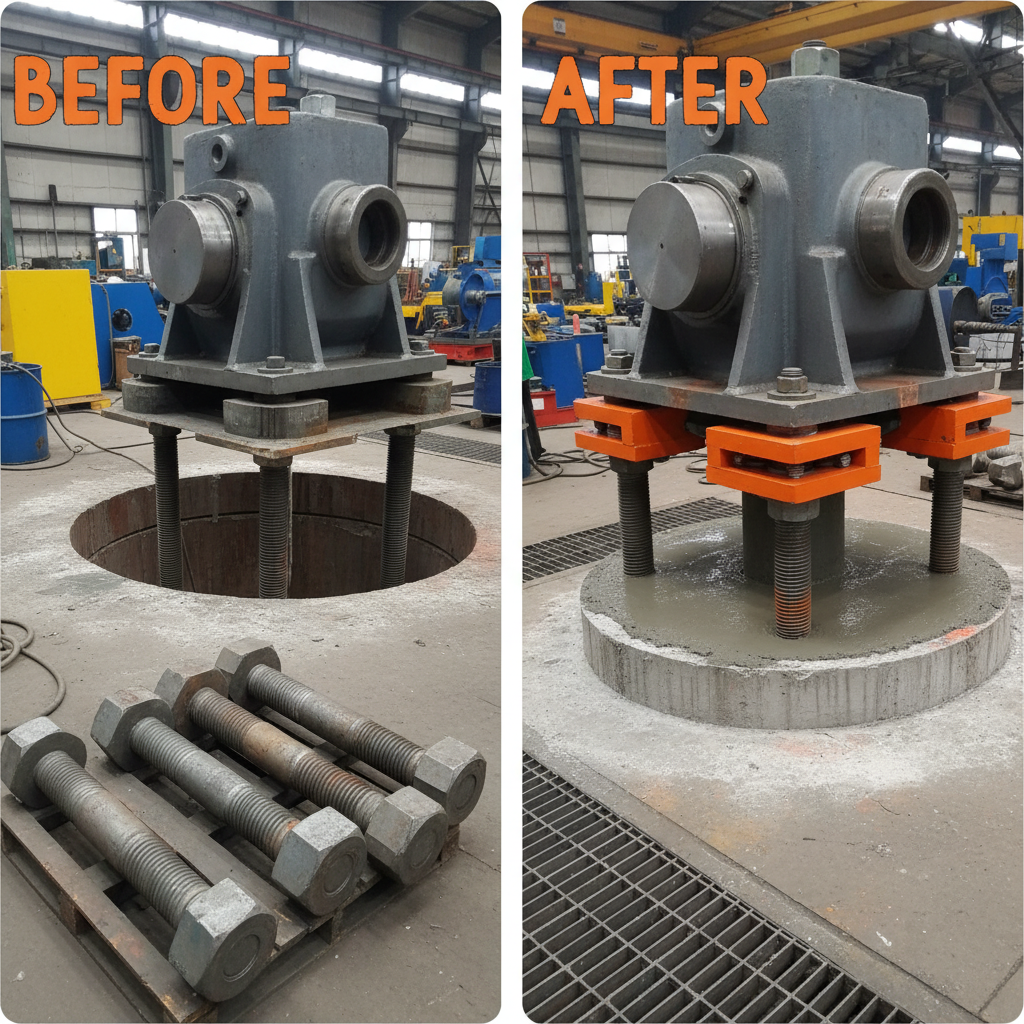
The versatility of quick bolt anchors leads to their widespread application across diverse industries and geographical locations. In the construction sector, they are extensively used for anchoring structural steel, machinery, and cladding systems to concrete foundations. They play a vital role in building construction, bridge infrastructure, and tunnel support systems.
The manufacturing industry relies heavily on these anchors for securing equipment, mounting machinery, and installing safety barriers. In remote industrial zones, where rapid deployment and ease of installation are paramount, quick bolt anchors are particularly valuable. They are also frequently used in the energy sector for mounting solar panels, wind turbines, and other renewable energy infrastructure.
Globally, post-disaster relief operations increasingly utilize quick bolt anchors for rapid construction of temporary shelters, hospitals, and essential infrastructure. Their ease of installation and robust performance make them ideal for quickly establishing safe and stable structures in challenging conditions. quick bolt anchors find use across nearly every continent.
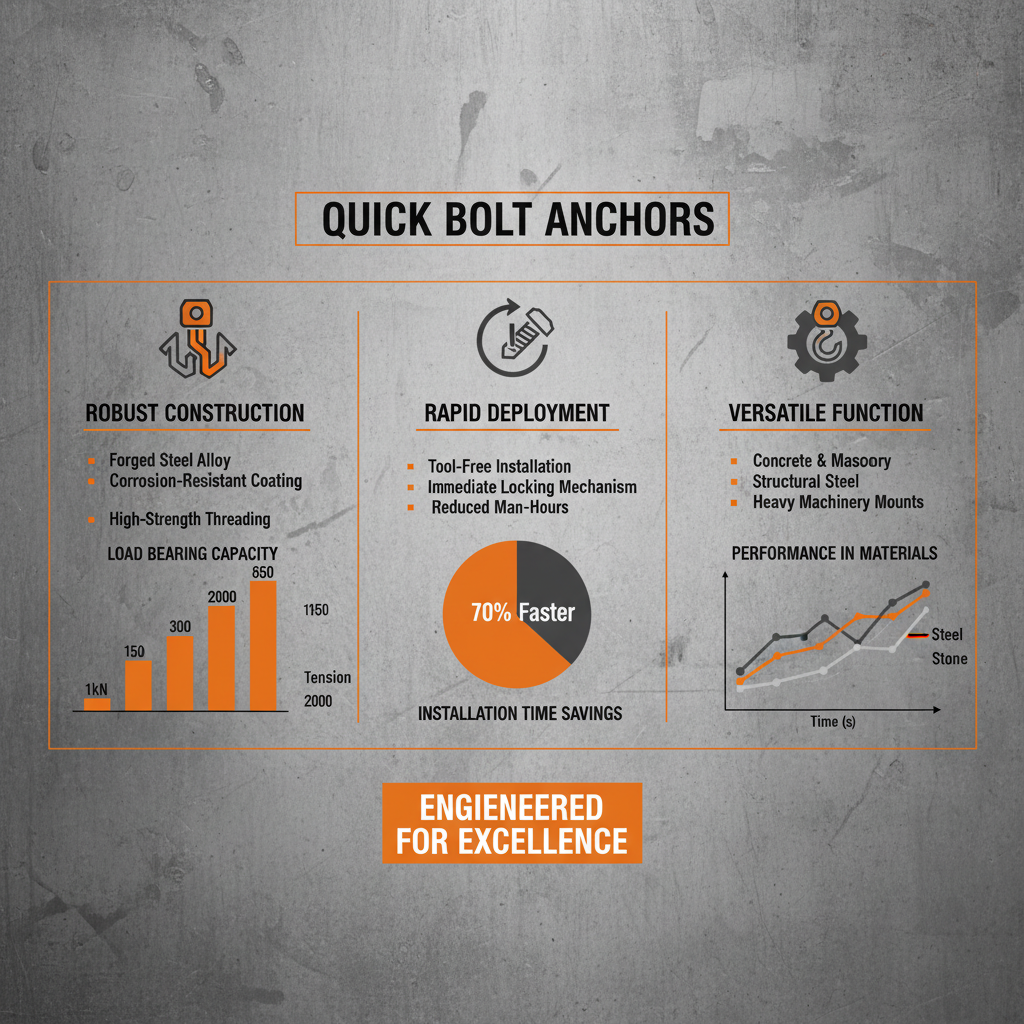
quick bolt anchors Performance Comparison
Advantages and Long-Term Value Proposition
The advantages of employing quick bolt anchors extend beyond mere convenience. They offer substantial cost savings through reduced installation time and labor requirements. This efficiency translates directly into lower project expenses and faster turnaround times. The reliable performance and long-term durability of these anchors minimize the need for frequent replacements or repairs, further reducing lifecycle costs.
From a sustainability perspective, quick bolt anchors contribute to more efficient use of resources and reduced waste. Their robust construction and corrosion resistance ensure a longer service life, minimizing the environmental impact associated with manufacturing and disposal. The enhanced safety they provide – by ensuring secure and stable connections – reinforces trust and promotes responsible construction practices.
Future Trends and Innovations in Quick Bolt Anchor Technology
The future of quick bolt anchor technology is focused on developing smarter, more adaptable, and sustainable solutions. Research is underway to explore new materials – such as high-performance alloys and composite materials – that offer improved strength, corrosion resistance, and weight reduction. These materials will enable the creation of lighter and more durable anchors, suitable for increasingly demanding applications.
Digitalization and automation are also playing a growing role. Smart anchors equipped with sensors can provide real-time data on load distribution, stress levels, and potential failures, allowing for proactive maintenance and improved safety. Automated installation systems are being developed to further enhance efficiency and reduce installation errors.
Common Challenges and Effective Solutions
Despite their numerous benefits, quick bolt anchors can present certain challenges. One common issue is improper installation, which can compromise the anchor’s holding capacity and lead to failure. This can be mitigated through rigorous training programs for installers, clear installation guidelines, and the use of torque-controlled installation tools.
Another challenge is selecting the appropriate anchor type for specific applications. Factors such as the base material, load requirements, and environmental conditions must be carefully considered. Consulting with experienced engineers and referring to industry standards are crucial for ensuring optimal anchor selection. Quick bolt anchors selection is critical for performance.
Finally, corrosion can be a concern in harsh environments. Employing corrosion-resistant materials, applying protective coatings, and implementing regular inspection and maintenance programs are essential for extending the service life of quick bolt anchors.
Analysis of Key Factors Affecting Quick Bolt Anchor Performance
| Material Composition |
Installation Torque |
Environmental Exposure |
Holding Capacity (kN) |
| Carbon Steel |
10 Nm |
Mild Climate |
20 |
| Stainless Steel 304 |
15 Nm |
Coastal Environment |
25 |
| Carbon Steel (Zinc Plated) |
8 Nm |
Indoor Environment |
18 |
| Stainless Steel 316 |
18 Nm |
Chemical Environment |
32 |
| Alloy Steel |
12 Nm |
Moderate Climate |
28 |
| Duplex Stainless Steel |
20 Nm |
Severe Marine Environment |
38 |
FAQS
The optimal torque setting varies depending on the anchor diameter, material, and the concrete strength. Generally, manufacturers provide specific torque recommendations in their product documentation. Using a calibrated torque wrench and adhering to these guidelines is crucial to ensure proper clamping force without damaging the anchor or the concrete. Over-tightening can strip the threads, while under-tightening can reduce holding capacity.
Selecting the appropriate size involves considering the load requirements, base material, and anchor spacing. Calculate the tensile and shear forces acting on the anchor, and choose an anchor with a rated capacity exceeding these values by a suitable safety factor. Consult engineering tables or manufacturer’s specifications to determine the appropriate diameter and length based on the concrete thickness and edge distances.
Certain quick bolt anchors are specifically designed and tested for use in cracked concrete. These anchors typically have special features, such as expansion sleeves or internal wedges, that maintain their holding capacity even in the presence of cracks. Always verify that the anchor is certified for use in cracked concrete according to relevant industry standards and consult the manufacturer’s specifications.
Corrosion prevention involves selecting corrosion-resistant materials, such as stainless steel or galvanized steel, and applying protective coatings. In particularly corrosive environments, consider using specialized coatings or cathodic protection systems. Regular inspection and maintenance, including cleaning and re-coating as needed, can also extend the service life of the anchors.
Generally, it is not recommended to reuse quick bolt anchors. The expansion mechanism or internal components may be damaged during removal, compromising their holding capacity. Using a new anchor ensures a reliable and secure connection. Reusing an anchor could lead to structural failure and potential safety hazards.
Always wear appropriate personal protective equipment (PPE), including safety glasses, gloves, and hearing protection. Ensure the work area is clear of obstructions and potential hazards. Use the correct drilling technique to avoid damaging the base material. Follow the manufacturer’s installation instructions carefully and avoid over-tightening the anchor. If unsure, consult a qualified engineer.
Conclusion
In conclusion, quick bolt anchors represent a critical advancement in fastening technology, offering a combination of speed, reliability, and cost-effectiveness that is essential for modern construction and industrial applications. Their versatility, coupled with ongoing innovations in materials and design, positions them as a cornerstone of structural integrity and safety across a wide spectrum of industries. Understanding their proper selection, installation, and maintenance is paramount for maximizing their long-term benefits.
Looking ahead, continued research and development in this field will focus on enhancing their performance, sustainability, and integration with digital technologies. By embracing these advancements, we can unlock even greater potential for quick bolt anchors, contributing to more efficient, durable, and resilient infrastructure worldwide. For all your quick bolt anchors needs, visit our website today!




 English
  Bengali
  Bulgarian
  Catalan
  Czech
Czech  French
  German
  Hindi
Hindi  Hungarian
  Italian
  Kazakh
  Korean
  Portuguese
  Romanian
  Slovak
  Somali
  Spanish
  Turkish