Countersunk anchor bolts – they’re not glamorous, but they’re absolutely fundamental to modern construction and infrastructure. We're talking about securing everything from structural steel in skyscrapers to critical machinery in power plants. Spend enough time on job sites, like I have, and you quickly realize everything hinges on reliable connections. It's not just about holding things together; it's about safety, long-term performance, and ultimately, building with confidence. I've seen projects delayed, even compromised, by failures in seemingly small components like these. countersunk anchor bolts are the unsung heroes of just about everything we build.
Globally, the demand for robust fastening solutions is skyrocketing, driven by rapid urbanization, infrastructure development, and the need for resilient structures. According to the UN, over half the world’s population now lives in cities, a figure projected to reach 68% by 2050. This means a massive increase in construction activity, and with it, a greater need for dependable anchor bolts. The World Bank estimates trillions of dollars will be invested in infrastructure over the next decade, and these projects – bridges, tunnels, high-rise buildings – all rely on secure fastening. The ISO standards for anchor systems are constantly evolving, reflecting the pursuit of greater safety and performance.
The challenge we face isn’t just building more, but building better. We need fastening solutions that can withstand extreme conditions, resist corrosion, and ensure the longevity of our structures. That's where understanding the nuances of countersunk anchor bolts becomes absolutely critical. It’s more than just a bolt; it's a core component of ensuring a structure remains sound for decades.
The Fundamentals of Countersunk Anchor Bolts
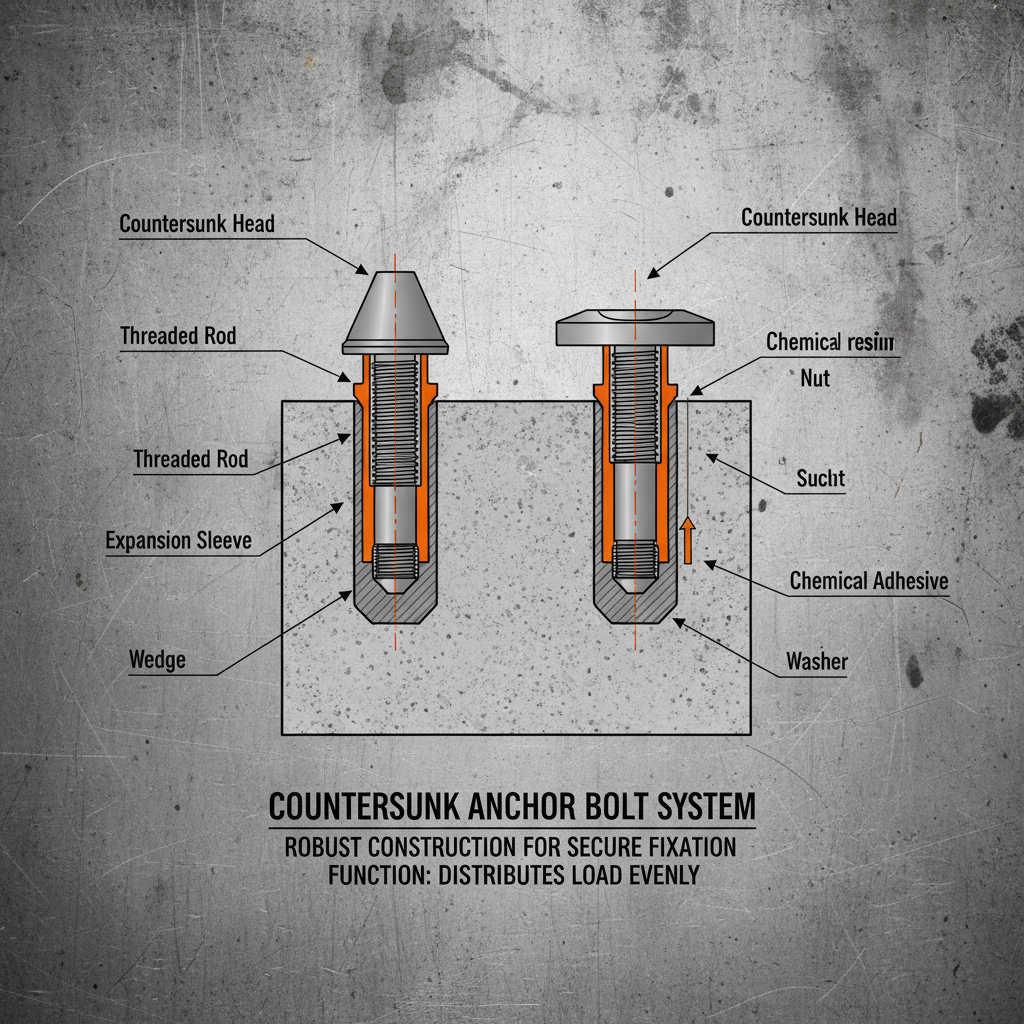
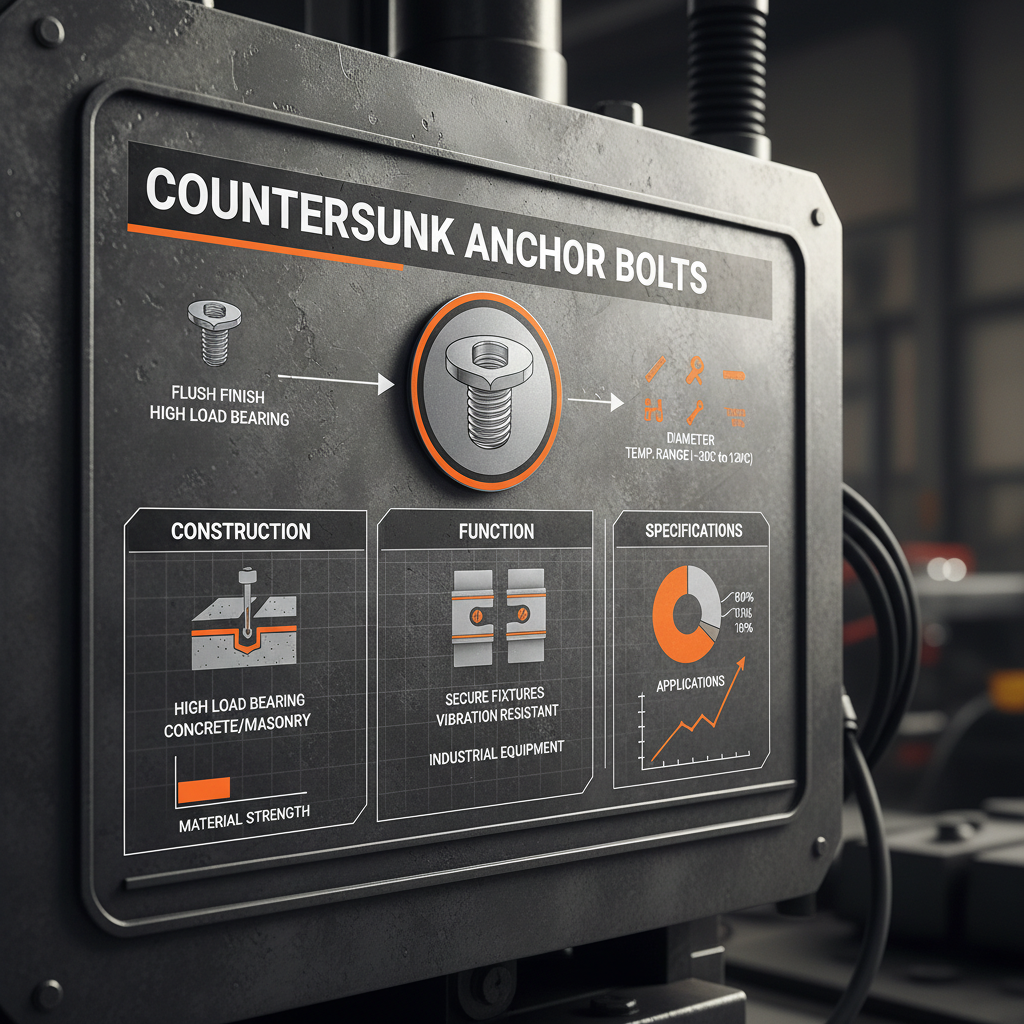
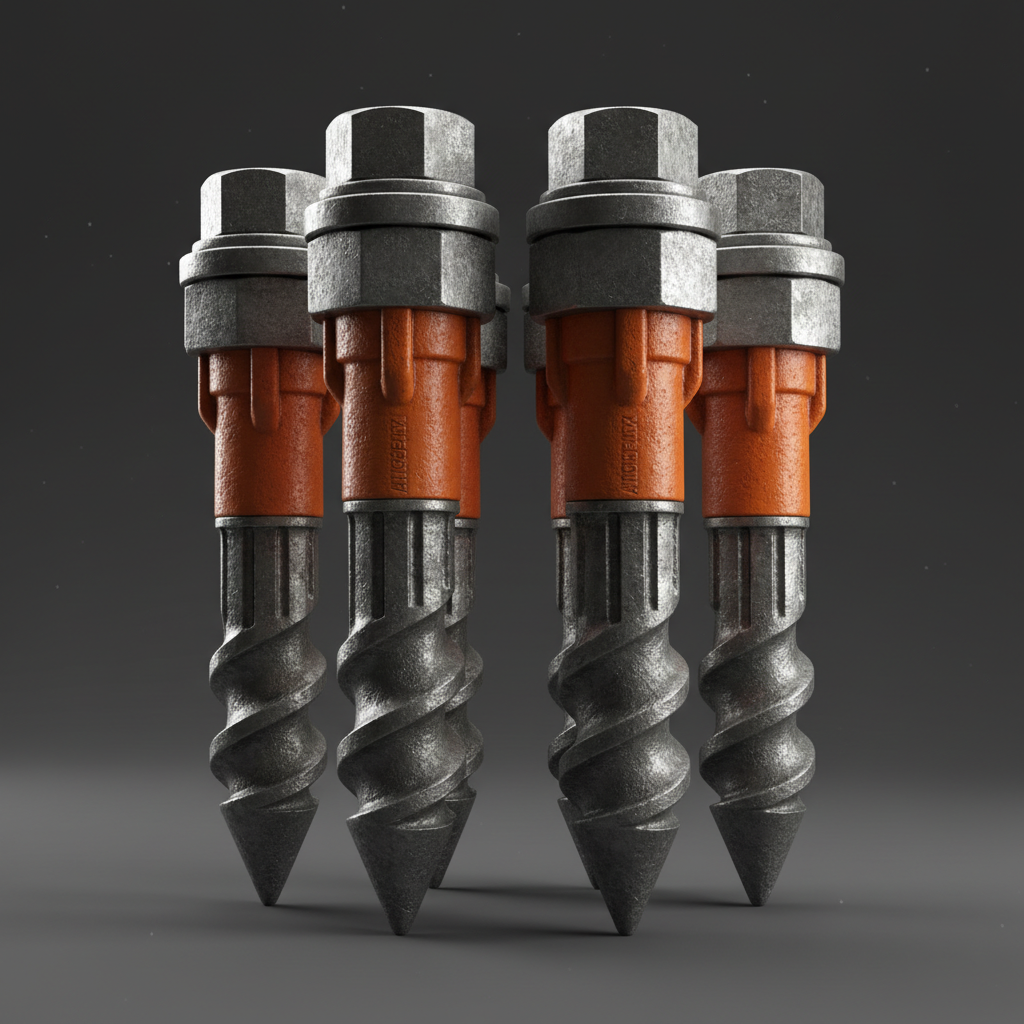
Let’s start with the basics. A countersunk anchor bolt is designed with a conical head that sits flush with the surface of the material being fastened. This isn’t just for aesthetics, although it does matter. It's about minimizing protrusions that could create stress points or interfere with other components. From a practical standpoint, it means a smoother, safer surface – crucial in areas with pedestrian traffic or where equipment needs to move freely. These are the bolts you'll find in machine housings, deckings, and any application where a clean, finished look and a secure hold are paramount.
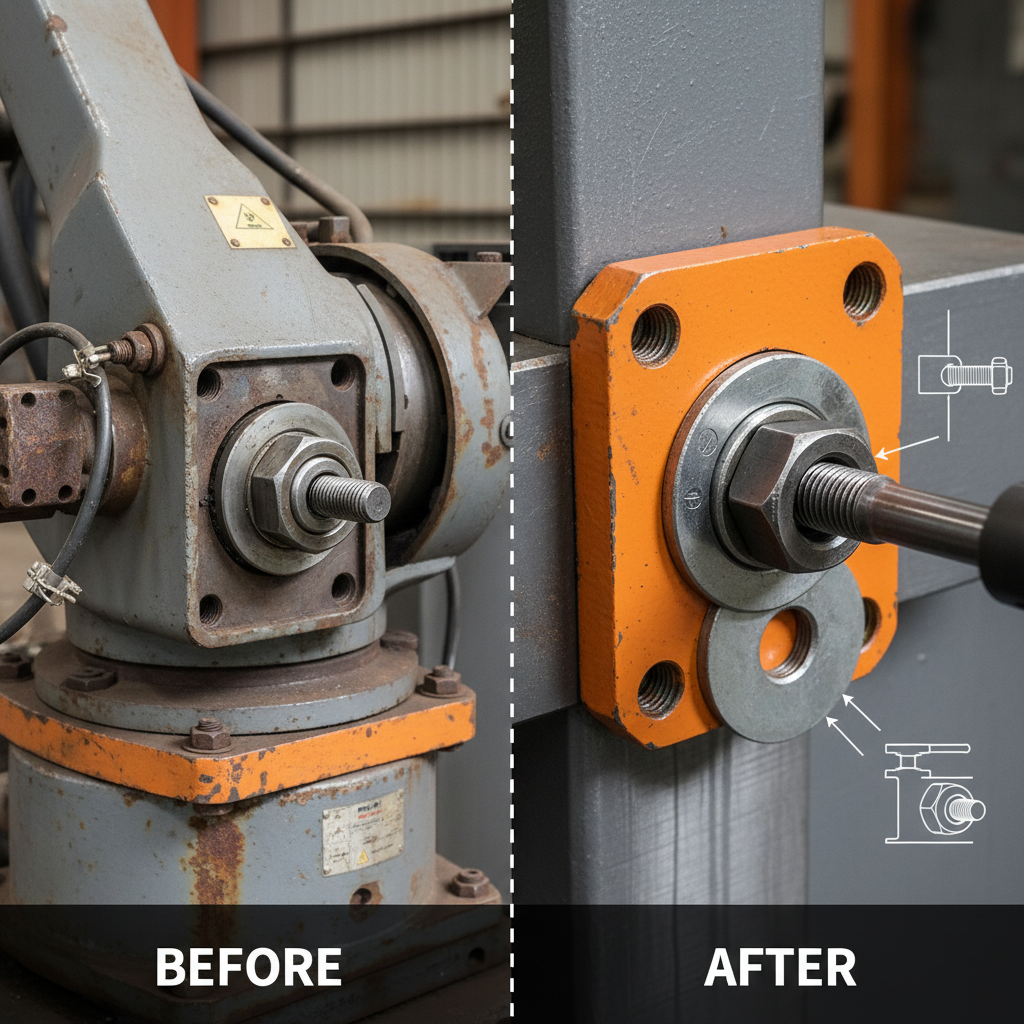
I’ve seen too many projects cut corners on fasteners, only to face costly repairs down the line. Using the right grade of steel, the correct coating for the environment, and ensuring proper installation torque… these things matter. A cheap bolt might save you a few bucks upfront, but it can lead to catastrophic failures if it can't handle the load. countersunk anchor bolts aren’t just parts, they’re vital components of a structural system.
The Global Relevance of Secure Fastening
The need for robust fastening systems isn’t confined to developed nations. In emerging economies, rapid infrastructure development – roads, bridges, ports – demands high-quality anchor bolts. Think about the Belt and Road Initiative, for example; massive projects like these require fasteners that can withstand harsh climates and heavy use for decades. The scale of these endeavors means consistent quality control and reliable supply chains are paramount. I’ve worked on projects in Southeast Asia where counterfeit fasteners were a serious problem – a risk that can have devastating consequences.
Post-disaster relief efforts also highlight the critical role of secure fastening. After earthquakes, hurricanes, or floods, structures need to be rebuilt quickly and safely. Modular construction and pre-fabricated components are increasingly used in these situations, and they rely heavily on countersunk anchor bolts for fast and reliable assembly. These aren't just about speed; they're about providing safe, habitable structures for people who have lost everything.
The standardization of anchor bolt specifications – through organizations like ISO and ASTM – is also a global trend. This ensures that fasteners meet consistent performance criteria, regardless of where they’re manufactured or used. It’s a move towards greater safety and reliability, and it’s something I always look for when specifying materials for a project.
Defining Countersunk Anchor Bolts
Let’s get down to brass tacks. A countersunk anchor bolt, at its core, is a fastener with a head that’s designed to sit flush with or below the surface of the material it’s securing. The countersunk angle, typically 90 degrees, allows a screw or bolt to be driven in without protruding. That flush finish is key in many applications—think about metal housings where a raised bolt head would interfere with moving parts. The ‘anchor’ part comes from its ability to create a strong, permanent connection within a material, often using expansion mechanisms or chemical adhesives.
What connects this seemingly simple component to modern industry and humanitarian needs? Everything, really. Modern manufacturing relies on precise assembly, and countersunk bolts allow for a clean, efficient, and reliable way to join components. In humanitarian contexts, the need for rapid deployment of shelters and infrastructure often hinges on using pre-fabricated elements secured with these types of fasteners. The ability to create structurally sound connections quickly is invaluable in disaster zones.
Ultimately, it’s a seemingly small component that plays a huge role in the stability and functionality of complex systems. And it’s a component that, when done right, is almost invisible – which, in my experience, is a sign of truly good engineering.
Key Factors in Countersunk Anchor Bolt Performance
There are several key factors that dictate how a countersunk anchor bolt will perform over the long haul. First, you’ve got material quality. High-strength steel alloys are essential, particularly in applications where the bolt will be subjected to significant stress or corrosive environments. Then there’s the coating—hot-dip galvanization, zinc plating, or even specialized coatings like ceramic or PTFE—all contribute to corrosion resistance.
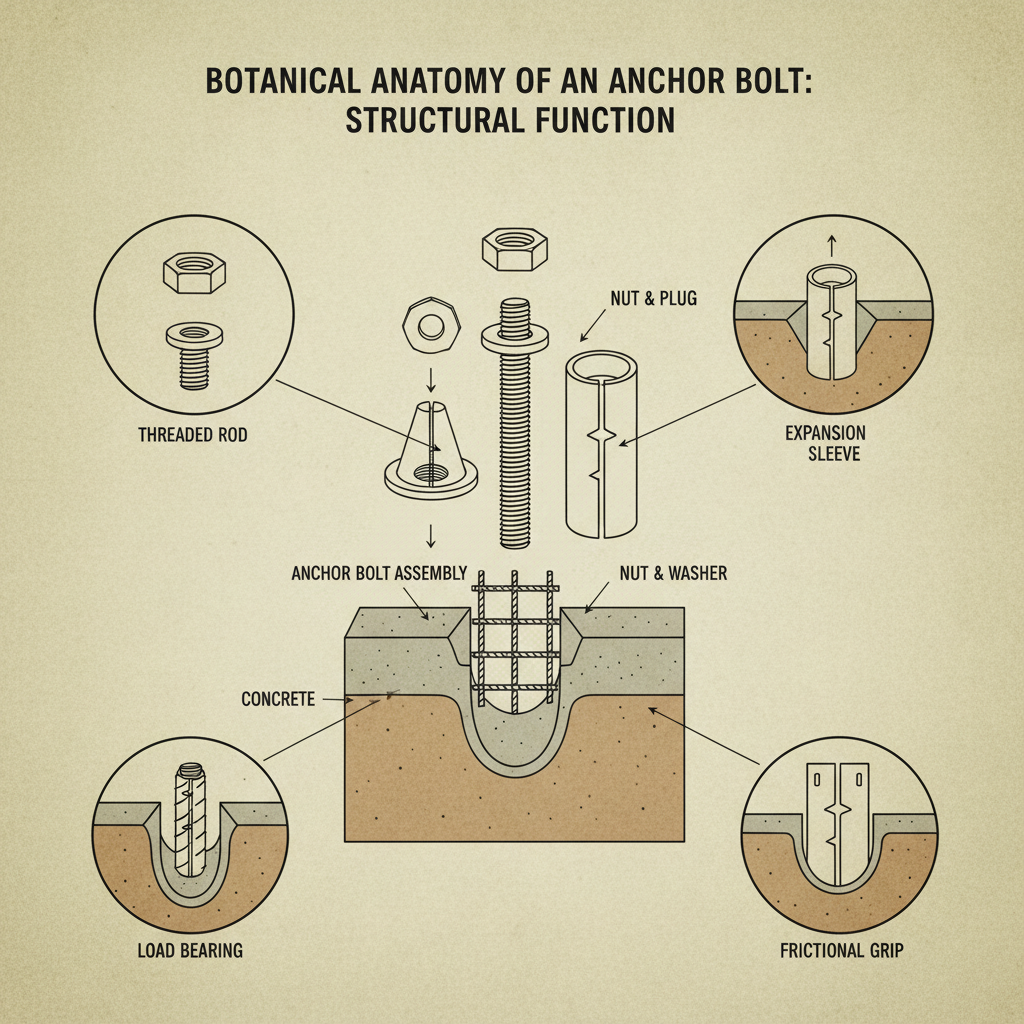
Another critical element is the type of anchoring mechanism. Expansion anchors rely on friction to hold the bolt in place, while chemical anchors use adhesives to create a strong bond. The choice depends on the material being fastened and the load requirements. Finally, and this is where I see a lot of mistakes, proper installation torque is crucial. Under-torquing can lead to loosening, while over-torquing can damage the bolt or the material.
Countersunk Anchor Bolt Performance Ratings
Real-World Applications and Use Cases
You’ll find these bolts everywhere. In automotive manufacturing, they secure interior panels and trim. In aerospace, they're used in aircraft structures where flush mounting is critical for aerodynamics. They’re also essential in the construction of machinery, ensuring that housings and covers are securely fastened. I've seen them used extensively in bridge construction to secure decking and railings, and in the installation of solar panels where a low profile is essential.
In remote industrial zones, where access to specialized tools and skilled labor is limited, the simplicity and reliability of countersunk anchor bolts are invaluable. They’re relatively easy to install, even for less experienced workers, and they require minimal maintenance. I've worked in mining operations where the ruggedness of these bolts has been repeatedly proven in harsh conditions.
Advantages and Long-Term Value
The benefits are clear. Beyond the obvious aesthetic appeal of a flush finish, countersunk bolts provide superior structural integrity by minimizing stress concentrations. Using the right materials and coatings extends the lifespan of the fastener and the structure it’s holding together, reducing maintenance costs over the long term. And, critically, they enhance safety by reducing the risk of snagging or injury.
From a sustainability standpoint, choosing durable, high-quality fasteners reduces the need for replacement, minimizing waste and conserving resources. Investing in these materials is more than just cost-effective; it's about building responsibly and creating structures that will stand the test of time. Ultimately, choosing the right countersunk anchor bolts builds trust—trust in the structure, trust in the engineering, and trust in the safety of those who use it.
Future Trends and Innovations
We’re seeing a lot of innovation in the field of fastening technology. Self-drilling countersunk bolts are gaining popularity, reducing installation time and eliminating the need for pre-drilled holes. New coatings are being developed that offer even greater corrosion resistance, particularly in harsh marine environments. And there's growing interest in smart fasteners that incorporate sensors to monitor stress levels and detect potential failures.
The drive towards sustainable construction is also influencing fastener design. Manufacturers are exploring the use of recycled materials and developing more environmentally friendly coatings. And the increasing adoption of Building Information Modeling (BIM) is enabling more precise fastener selection and placement, optimizing performance and reducing waste.
Overview of Factors Influencing Countersunk Anchor Bolt Selection
| Application Environment |
Material Compatibility |
Load Requirements |
Corrosion Resistance |
| Marine/Coastal |
Aluminum Alloy |
High (8/10) |
Excellent (9/10) |
| Industrial |
Carbon Steel |
Medium (6/10) |
Good (7/10) |
| Outdoor Structures |
Stainless Steel |
Medium-High (7/10) |
Very Good (8/10) |
| Automotive |
High-Strength Alloy |
Low-Medium (5/10) |
Moderate (6/10) |
| Aerospace |
Titanium |
Very High (9/10) |
Excellent (9/10) |
| Interior Applications |
Mild Steel |
Low (4/10) |
Basic (5/10) |
FAQS
For saltwater applications, marine-grade 316 stainless steel is the gold standard. It provides excellent resistance to corrosion caused by chlorides. While more expensive than other options, the long-term cost savings from reduced maintenance and replacement far outweigh the initial investment. Hot-dip galvanization can offer some protection, but it’s not nearly as effective in prolonged saltwater exposure, and the coating will eventually break down. I've seen too many projects fail because they skimped on the materials.
Always refer to the manufacturer’s specifications for the correct torque setting. Using too little torque can lead to loosening over time, while too much can strip the threads or damage the material. A torque wrench is essential for accurate installation. Factors like bolt diameter, material, and lubrication all influence the correct torque value. Remember, a properly torqued bolt provides the optimal clamping force for a secure connection.
Self-drilling countersunk bolts eliminate the need for pre-drilling, saving significant time and labor costs. They’re particularly useful when working with thin materials or in situations where precise hole alignment is difficult. However, they are generally more expensive than standard bolts and may not be suitable for all applications, especially those requiring very high strength connections. Consider the specific application requirements before choosing this option.
Corrosion prevention involves several strategies. Use corrosion-resistant materials like stainless steel or coated bolts. Apply a sealant or anti-seize lubricant to the threads during installation. Design the joint to minimize water accumulation. Regular inspection and maintenance, including cleaning and re-coating, are also crucial. Galvanic corrosion can occur when dissimilar metals are in contact, so use compatible materials or isolate them with a non-conductive barrier.
Type A countersunk heads have a 90-degree angle, making them suitable for flush mounting in softer materials. Type B heads have a slightly shallower angle, typically 82 degrees, and are designed for harder materials. The choice depends on the material being fastened and the desired aesthetic. Using the wrong type can result in improper seating or damage to the material.
Chemical anchors can offer high load-bearing capacity, but they require careful surface preparation and proper mixing of the adhesive. Cure times can be lengthy, and performance is sensitive to temperature and humidity. It's crucial to select an adhesive compatible with both the bolt material and the base material. Also, chemical anchors can be more expensive than mechanical anchors, and proper ventilation is required during application.
Conclusion
In essence, countersunk anchor bolts are far more than just fasteners; they're critical components that underpin the safety, durability, and longevity of structures across the globe. From towering skyscrapers to essential infrastructure projects, their reliable performance is fundamental to modern construction. Understanding the nuances of material selection, installation techniques, and emerging innovations is paramount for engineers, contractors, and anyone involved in the built environment.
Looking ahead, the industry will continue to demand more sophisticated and sustainable fastening solutions. The development of smart fasteners, the exploration of new materials, and the adoption of advanced installation methods will drive innovation. I encourage anyone working with these components to stay informed, prioritize quality, and remember that a seemingly small detail – a properly installed countersunk anchor bolt – can make all the difference. Visit our website: www.ytbolt.com




 English
  Bengali
  Bulgarian
  Catalan
  Czech
Czech  French
  German
  Hindi
Hindi  Hungarian
  Italian
  Kazakh
  Korean
  Portuguese
  Romanian
  Slovak
  Somali
  Spanish
  Turkish