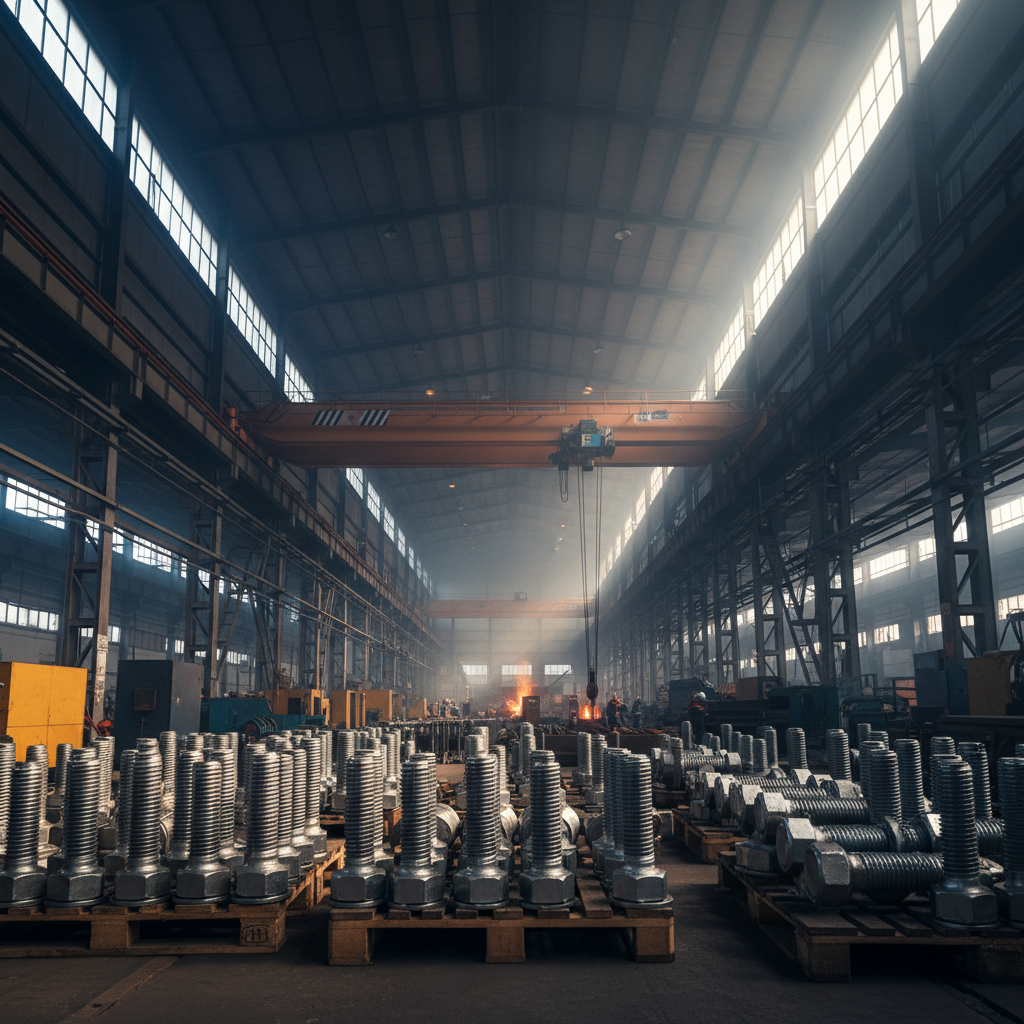
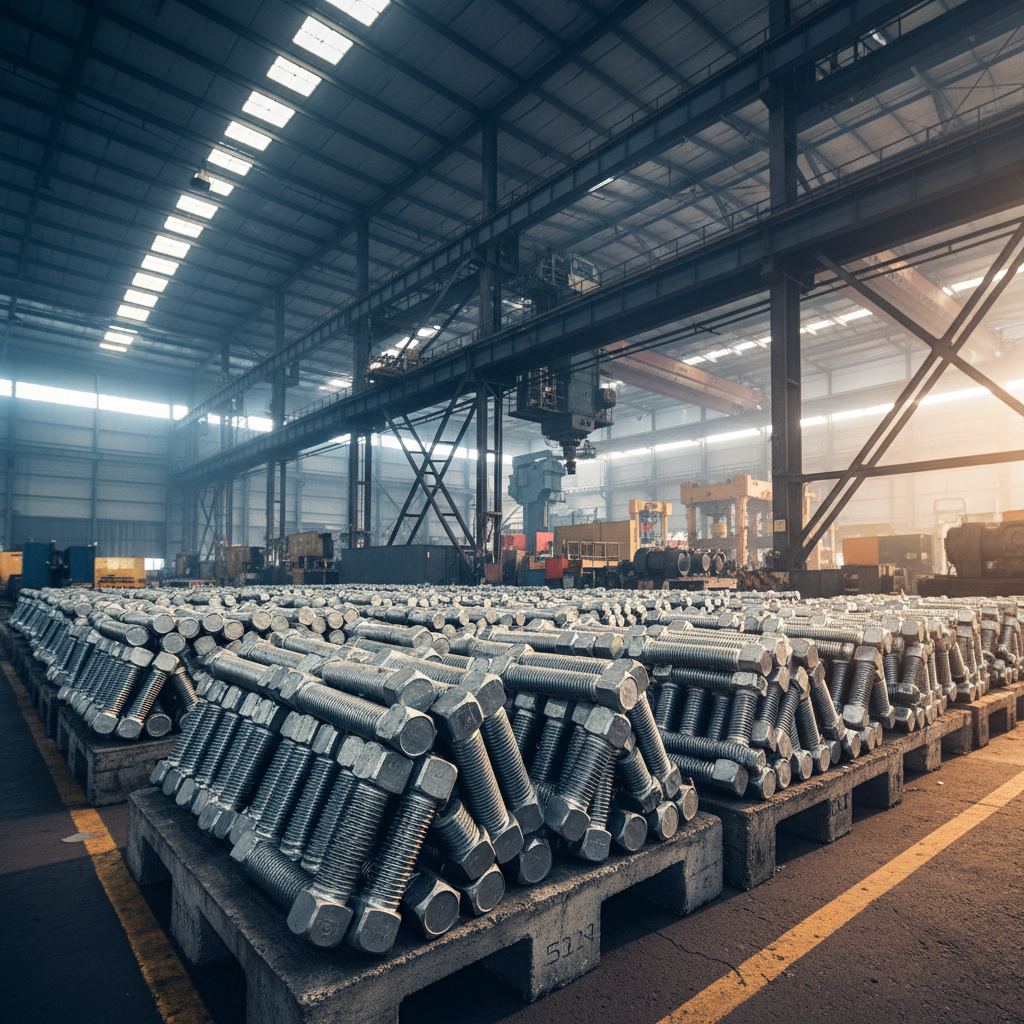
m12 anchor bolts are fundamental fasteners utilized across a vast spectrum of industries, from construction and infrastructure to manufacturing and automotive applications. Their consistent 12mm diameter provides a standardized solution for secure connections in diverse materials like concrete, brick, and steel. Globally, the demand for reliable fastening solutions like m12 anchor bolts is ever-increasing, driven by rapid urbanization, infrastructure development, and a growing emphasis on safety and structural integrity.
The significance of m12 anchor bolts extends beyond mere mechanical fastening. They are critical components in ensuring the longevity and safety of structures, playing a vital role in preventing failures and protecting lives. According to the International Organization for Standardization (ISO), standardized anchor bolt specifications are essential for quality control and international trade. The global anchor bolts market is estimated to be worth billions, reflecting the widespread and crucial nature of these fasteners.
Understanding the properties, applications, and proper installation techniques of m12 anchor bolts is paramount for engineers, construction workers, and anyone involved in projects requiring robust and reliable fastening. Choosing the correct type of m12 anchor bolt—whether it’s a sleeve anchor, wedge anchor, or chemical anchor—is critical for optimal performance and structural safety. You can find a comprehensive selection of these at m12 anchor bolts.
Defining m12 Anchor Bolts and Their Importance
An m12 anchor bolt is a fastener—specifically, a bolt with a 12-millimeter diameter—designed to securely connect materials to a concrete or masonry base. Unlike through-bolts, anchor bolts embed themselves within the base material, providing a strong and reliable connection. They’re often used to anchor structural and non-structural components like machinery, railings, and building facades.
The importance of these seemingly simple fasteners cannot be overstated. They play a crucial role in maintaining the structural integrity of countless projects, preventing collapses and ensuring public safety. In modern construction, using correctly specified and installed m12 anchor bolts is essential for meeting building codes and achieving long-term durability.
The Global Relevance of m12 Anchor Bolts
The demand for m12 anchor bolts is intrinsically linked to global construction and infrastructure development. Rapid urbanization in emerging economies, coupled with the need for robust infrastructure upgrades in developed nations, drives a consistent need for reliable fastening solutions. Countries with significant infrastructure projects, such as China, India, and the United States, represent major markets for these bolts.
The United Nations estimates that global population will reach nearly 10 billion by 2050, necessitating substantial investment in housing, transportation, and public utilities. This growth directly translates to increased demand for m12 anchor bolts and other construction materials. Moreover, initiatives like the World Bank’s infrastructure investment programs further stimulate demand in developing regions.
A critical challenge addressed by the widespread use of m12 anchor bolts is ensuring structural safety in earthquake-prone regions and areas susceptible to extreme weather events. Properly installed anchor bolts are vital for resisting seismic forces and preventing structural damage, thus contributing to disaster resilience.
Understanding the Core Components of m12 Anchor Bolts
m12 anchor bolts aren’t simply one-size-fits-all fasteners. Several key components and types determine their suitability for specific applications. The bolt itself, typically made of high-strength steel, is the core element. Different grades of steel offer varying levels of tensile strength and corrosion resistance.
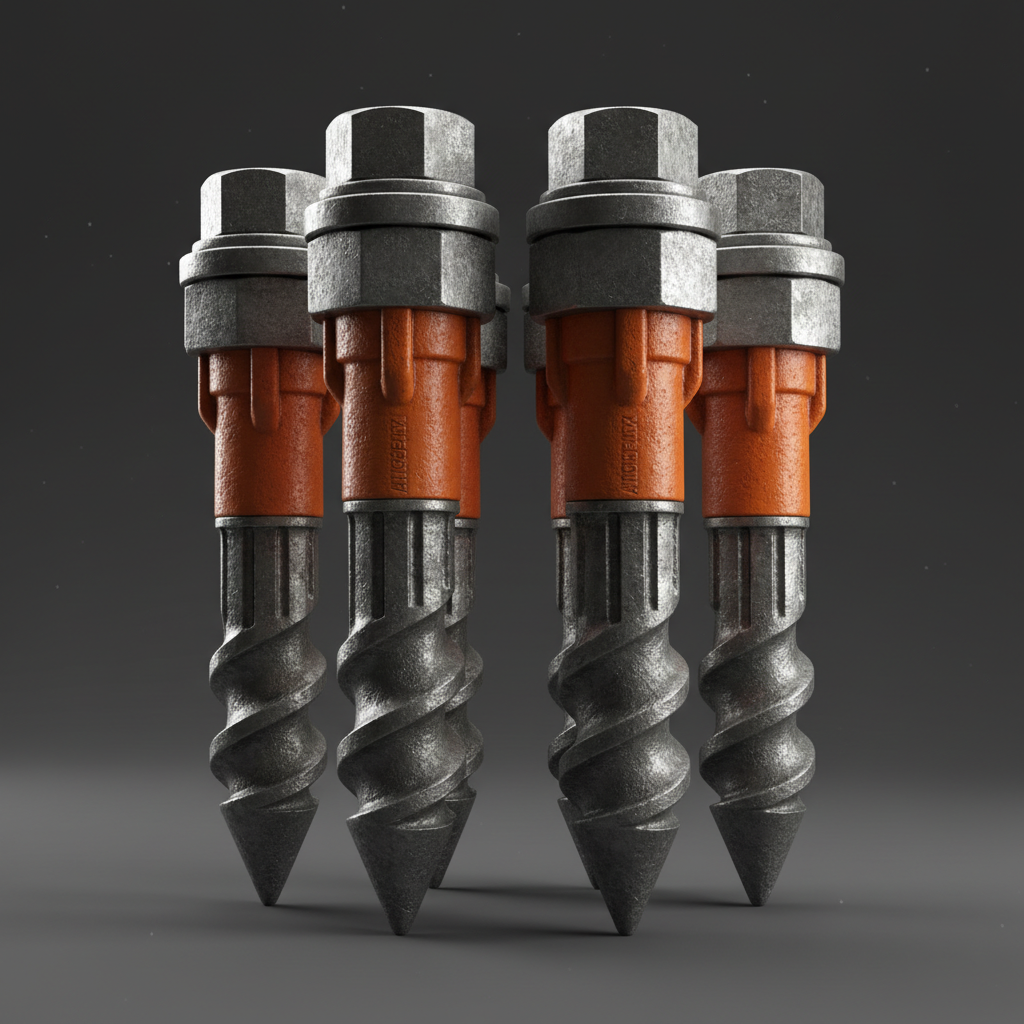
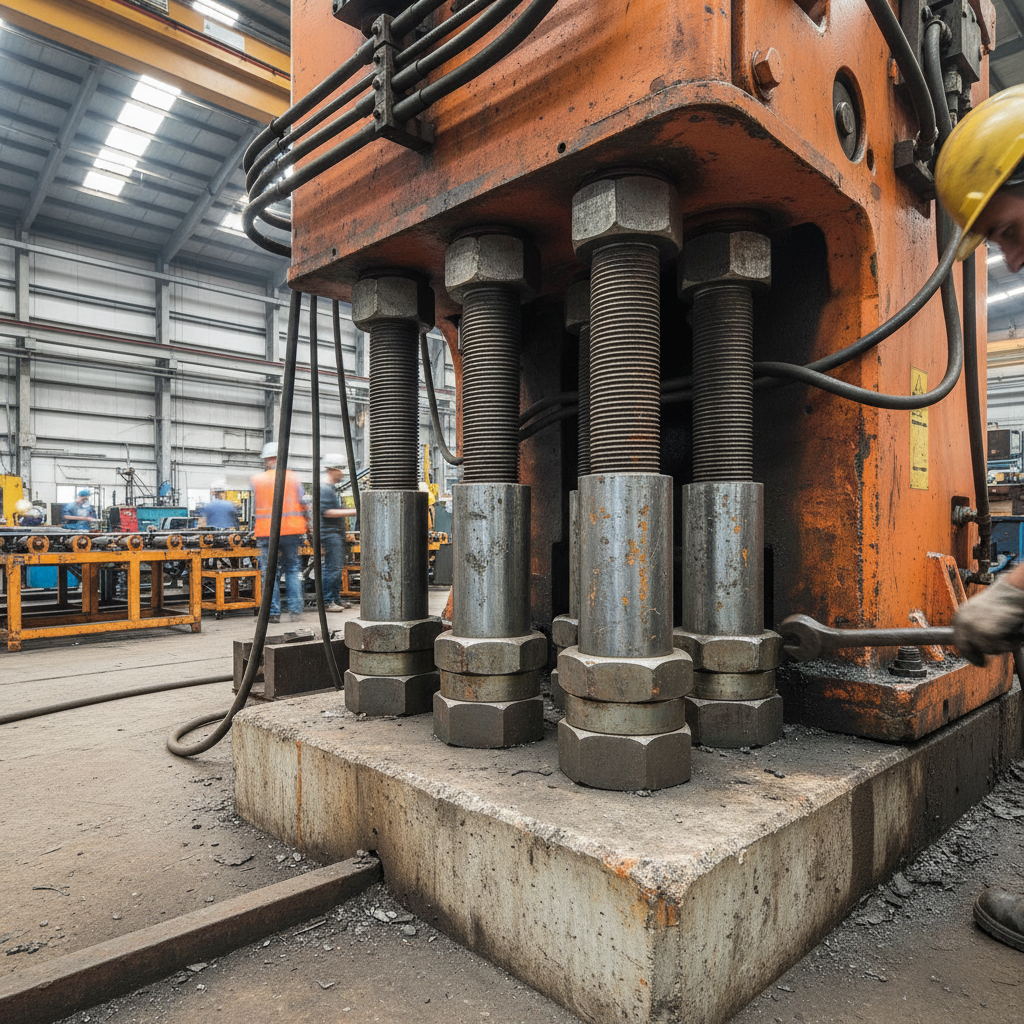
Beyond the bolt itself, the embedment mechanism is critical. This includes expansion anchors (wedge anchors, sleeve anchors), which expand within the concrete to create a tight fit; chemical anchors, which utilize adhesive resins to bond the bolt to the concrete; and undercut anchors, which mechanically lock into a pre-cut undercut in the concrete. Selecting the right embedment type is crucial for optimal load-bearing capacity.
Finally, coatings play a vital role in protecting the bolt from corrosion. Common coatings include zinc plating, hot-dip galvanizing, and stainless steel, each offering different levels of protection depending on the environmental conditions. Proper coating selection extends the lifespan of the m12 anchor bolt and reduces maintenance costs.
Key Factors Influencing m12 Anchor Bolt Performance
Several factors significantly impact the performance of m12 anchor bolts. Concrete strength is paramount; lower strength concrete reduces the anchor's load capacity. Edge distance, the distance from the anchor to the edge of the concrete, also plays a critical role – insufficient edge distance can lead to concrete breakout failure.
Embedment depth is another vital consideration. Greater embedment depth typically increases pullout resistance, but also increases the risk of cracking the concrete. Proper installation torque is essential; over-tightening can damage the bolt or the concrete, while under-tightening can result in a weak connection.
m12 Anchor Bolt Performance Factors
Diverse Applications of m12 Anchor Bolts Worldwide
m12 anchor bolts find application across a remarkably diverse range of projects globally. In construction, they’re used to anchor steel structures to concrete foundations, secure curtain walls, and fasten mechanical equipment. In infrastructure, they are vital for securing bridge components, attaching signage, and installing safety barriers.
In post-disaster relief operations, m12 anchor bolts are critical for rapidly deploying temporary shelters and securing critical infrastructure. In remote industrial zones, they ensure the stable mounting of heavy machinery and equipment. From securing wind turbines in renewable energy farms to anchoring railway tracks, their versatility is unmatched.
Advantages and Long-Term Value of Using m12 Anchor Bolts
The advantages of utilizing m12 anchor bolts are numerous. They provide a cost-effective fastening solution compared to welding or other more complex methods. Their ease of installation translates to reduced labor costs and faster project completion times. The use of high-quality steel ensures a long service life, minimizing the need for frequent replacements.
Beyond cost savings, m12 anchor bolts contribute to enhanced safety and structural reliability. Properly installed anchors create a robust connection that can withstand significant loads and environmental stresses. Investing in quality m12 anchor bolts builds trust and peace of mind, ensuring the long-term integrity of projects and protecting lives.
Future Trends and Innovations in m12 Anchor Bolt Technology
The future of m12 anchor bolt technology is focused on enhancing performance, sustainability, and ease of installation. Research and development efforts are exploring new materials, such as fiber-reinforced polymers, to create lighter and corrosion-resistant anchor bolts. Digital monitoring systems are being integrated to provide real-time data on anchor bolt performance and detect potential issues.
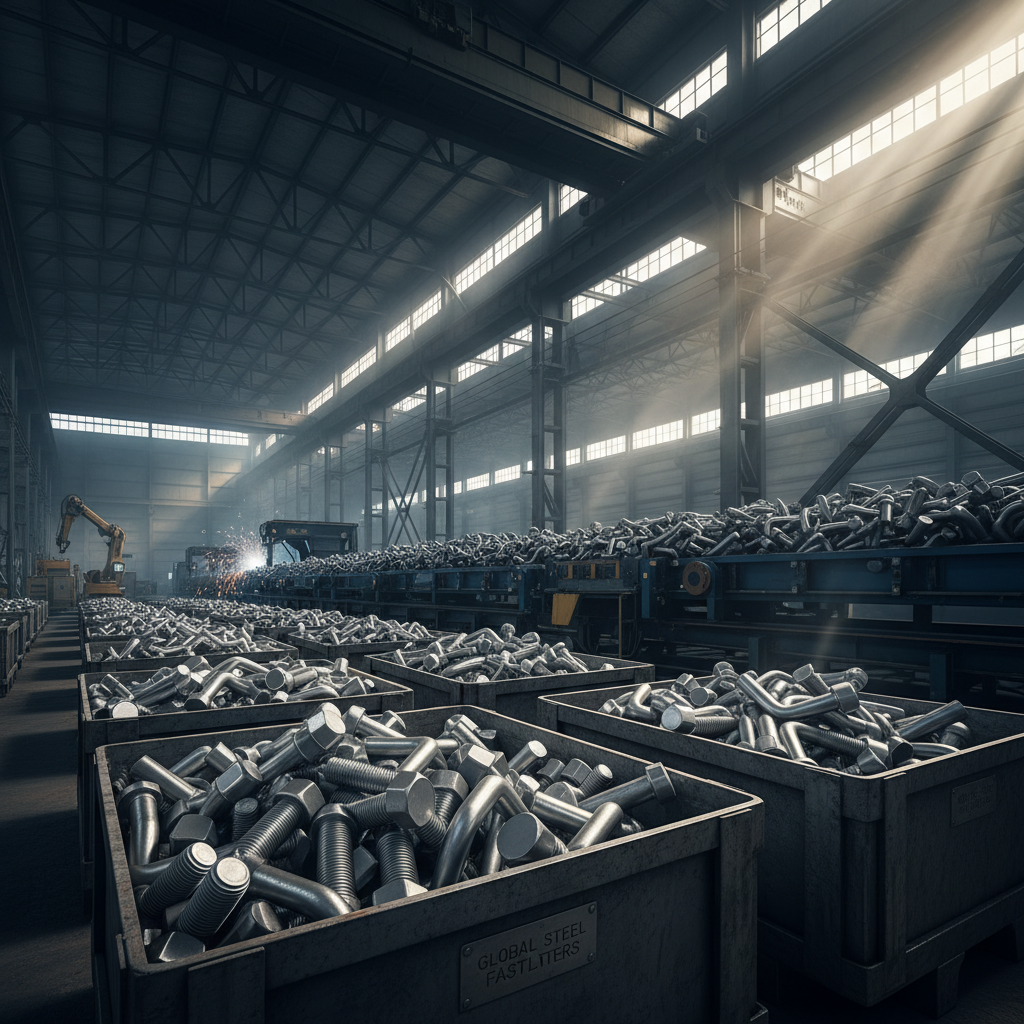
Automation in the manufacturing process is streamlining production and reducing costs. Furthermore, there’s a growing emphasis on eco-friendly materials and manufacturing processes to minimize the environmental impact. The integration of Building Information Modeling (BIM) is enabling more accurate anchor bolt placement and reducing material waste.
These innovations align with the broader trends of digital transformation, sustainability, and the pursuit of smarter, more efficient construction practices.
FAQS
The pullout strength of an m12 anchor bolt varies significantly based on the concrete’s compressive strength, the embedment depth, the type of anchor (sleeve, wedge, chemical), and the bolt material. Generally, a well-installed m12 anchor in average concrete will withstand between 10-20 kN of tensile force, but always consult the manufacturer’s specifications and a structural engineer for precise calculations. Proper installation is critical to achieving rated capacity.
Using m12 anchor bolts in cracked concrete requires careful consideration. Standard anchors may lose capacity in cracked zones. For applications involving significant loads or sustained cracking, specialized anchors designed for cracked concrete – typically those with approval from organizations like ICC-ES – are necessary. These anchors feature larger diameters or special embedment mechanisms to maintain grip even with concrete movement.
Both sleeve and wedge anchors are expansion anchors, but they operate differently. Sleeve anchors expand against the concrete using a sleeve that’s drawn into the anchor body as the bolt is tightened. They are generally suitable for lighter to medium-duty applications. Wedge anchors, on the other hand, use a wedge mechanism that expands against the concrete, providing higher holding power and suitability for heavier loads.
Proper installation torque is crucial. Over-torquing can strip the threads or crack the concrete, while under-torquing results in a weak connection. Always refer to the anchor bolt manufacturer’s specifications for the recommended torque value, which is typically expressed in Newton-meters (Nm). Using a calibrated torque wrench ensures accurate tightening.
For seismic applications, it’s crucial to use anchor bolts specifically tested and approved for seismic loading. These anchors often feature ductile materials and specialized designs that allow them to withstand cyclic loading without brittle failure. Chemical anchors and some wedge anchors with seismic certifications are common choices. Consult with a structural engineer specializing in seismic design.
Corrosion can significantly reduce the lifespan of anchor bolts. Choosing appropriate coatings, such as hot-dip galvanizing or stainless steel, is the first line of defense. In corrosive environments (e.g., saltwater exposure), using marine-grade stainless steel is recommended. Proper sealing of the anchor bolt holes with epoxy or similar materials can also help prevent moisture ingress and corrosion.
Conclusion
In conclusion, m12 anchor bolts are indispensable fasteners underpinning countless structures and infrastructure projects worldwide. Their standardized size, versatility, and reliable performance make them a cornerstone of modern construction. Understanding the factors influencing their performance—from concrete strength to proper installation—is critical for ensuring structural integrity and safety.
Looking ahead, continued innovation in materials, manufacturing, and monitoring technologies will further enhance the capabilities of m12 anchor bolts. By embracing these advancements and adhering to best practices, we can ensure the long-term durability and resilience of the built environment. For a comprehensive selection of high-quality m12 anchor bolts, visit our website: www.ytbolt.com.





 English
  Bengali
  Bulgarian
  Catalan
  Czech
Czech  French
  German
  Hindi
Hindi  Hungarian
  Italian
  Kazakh
  Korean
  Portuguese
  Romanian
  Slovak
  Somali
  Spanish
  Turkish