3 4 x 18 anchor bolts are essential fasteners widely utilized across numerous industries, from construction and infrastructure to manufacturing and energy. These bolts provide robust and reliable connections in critical applications where safety and long-term performance are paramount. Their standardized dimensions and material properties ensure interchangeability and predictable behavior, making them a staple in engineering designs globally.
The demand for high-quality 3 4 x 18 anchor bolts is driven by the continuous growth of infrastructure projects worldwide, particularly in developing economies. Factors such as urbanization, population growth, and the need for resilient structures are fueling this demand. Furthermore, increasing safety regulations and a growing awareness of the importance of structural integrity contribute to the consistent requirement for these dependable fastening solutions.
Understanding the properties and correct application of 3 4 x 18 anchor bolts is crucial for engineers, contractors, and anyone involved in structural projects. Incorrectly specified or installed anchor bolts can lead to catastrophic failures, emphasizing the need for thorough knowledge and adherence to industry best practices. 3 4 x 18 anchor bolts play a vital role in ensuring the longevity and safety of our built environment.
The Significance of 3 4 x 18 Anchor Bolts
The importance of 3 4 x 18 anchor bolts extends far beyond simply holding materials together. They are critical components in ensuring the structural integrity of a wide range of constructions, from bridges and high-rise buildings to wind turbines and industrial machinery. Their consistent performance under varying loads and environmental conditions makes them indispensable in modern engineering.
Globally, the construction industry relies heavily on these fasteners. According to reports from the World Bank, investment in infrastructure is projected to reach trillions of dollars in the coming decades, directly increasing the demand for reliable anchoring solutions. Ensuring the quality and correct implementation of 3 4 x 18 anchor bolts is essential for mitigating risks and guaranteeing public safety.
Defining 3 4 x 18 Anchor Bolts
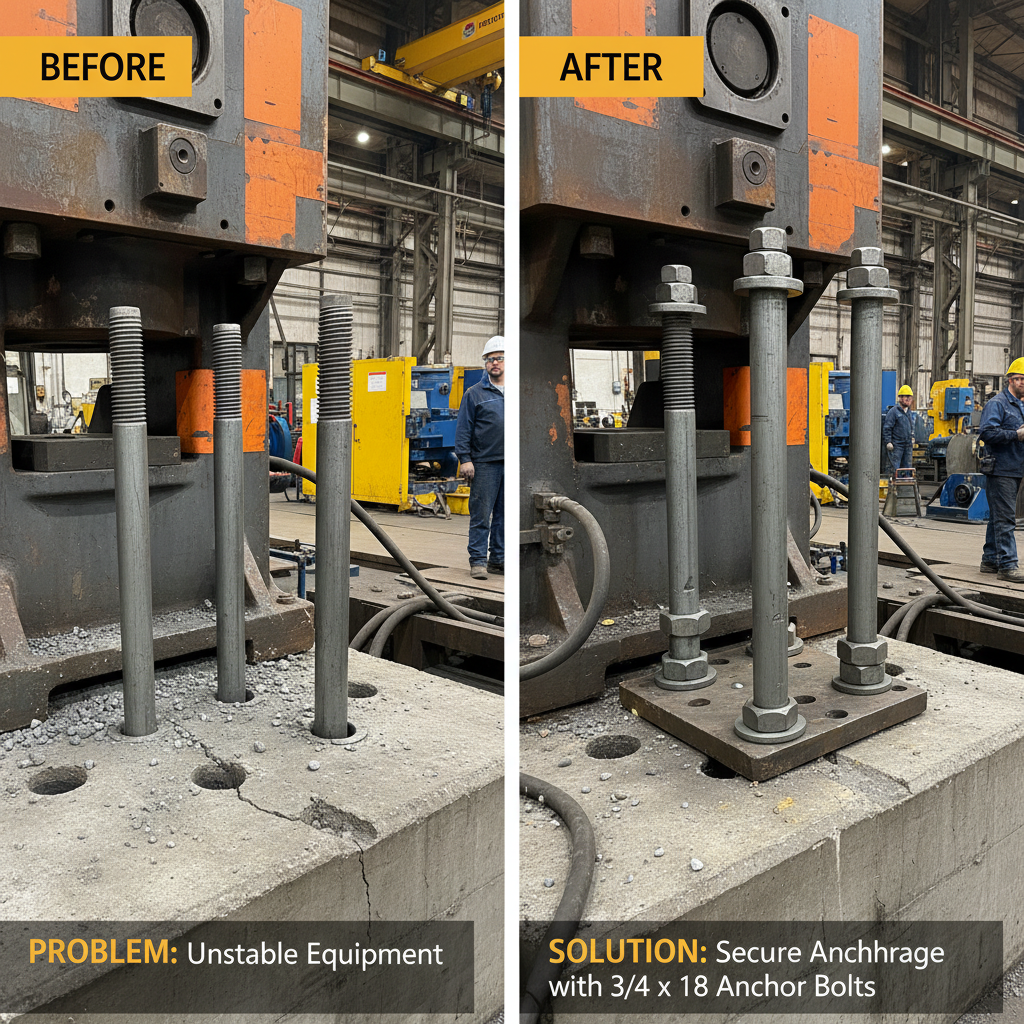
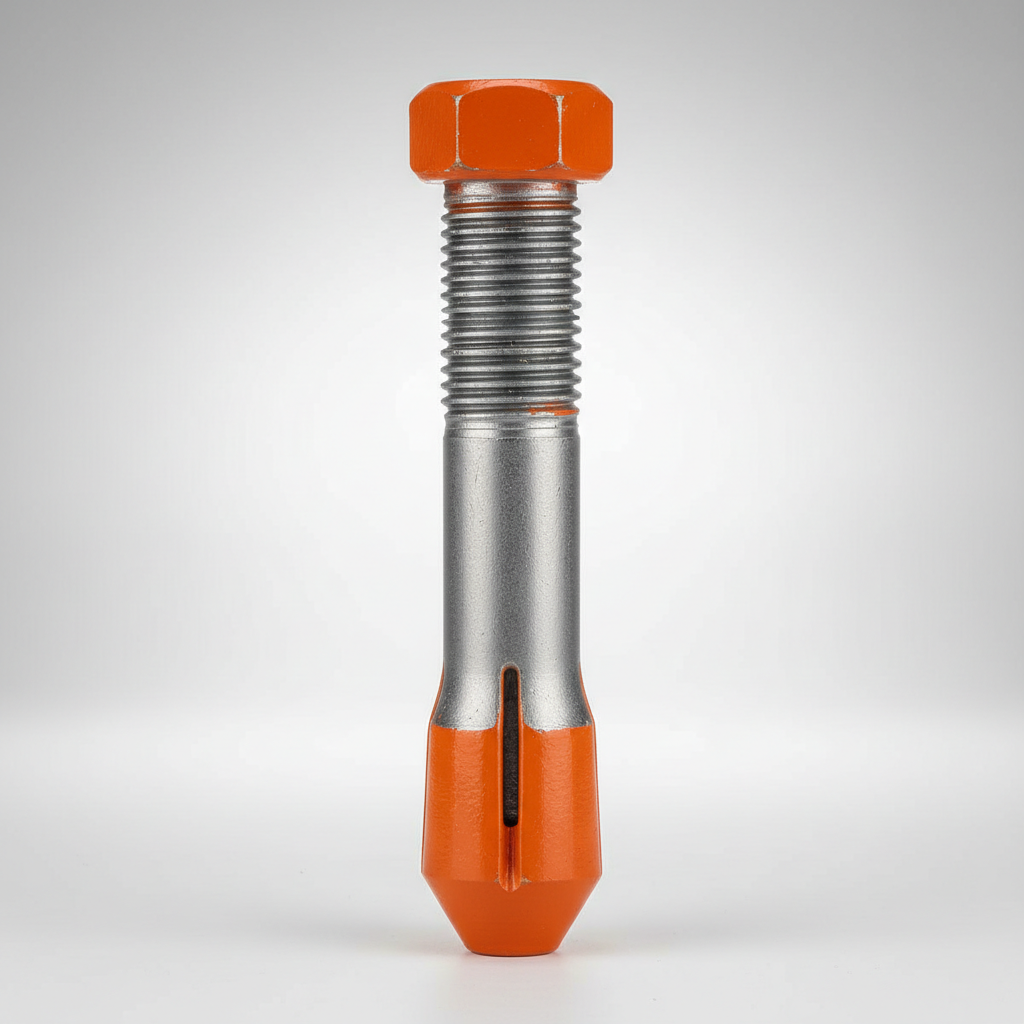
A 3 4 x 18 anchor bolt refers to a fastener with a diameter of 3/4 inch and a length of 18 inches. These bolts are typically made of high-strength steel, often with coatings like zinc or hot-dip galvanization to provide corrosion resistance. They are designed to be embedded into concrete, brick, or other masonry materials, creating a secure connection between the structure and the embedded object.
The connection to modern industry and humanitarian needs is direct. Reliable anchoring is fundamental in constructing disaster-resistant shelters, securing medical facilities in remote areas, and establishing resilient infrastructure in rapidly urbanizing regions. 3 4 x 18 anchor bolts ensure stability in critical applications where failure is not an option.
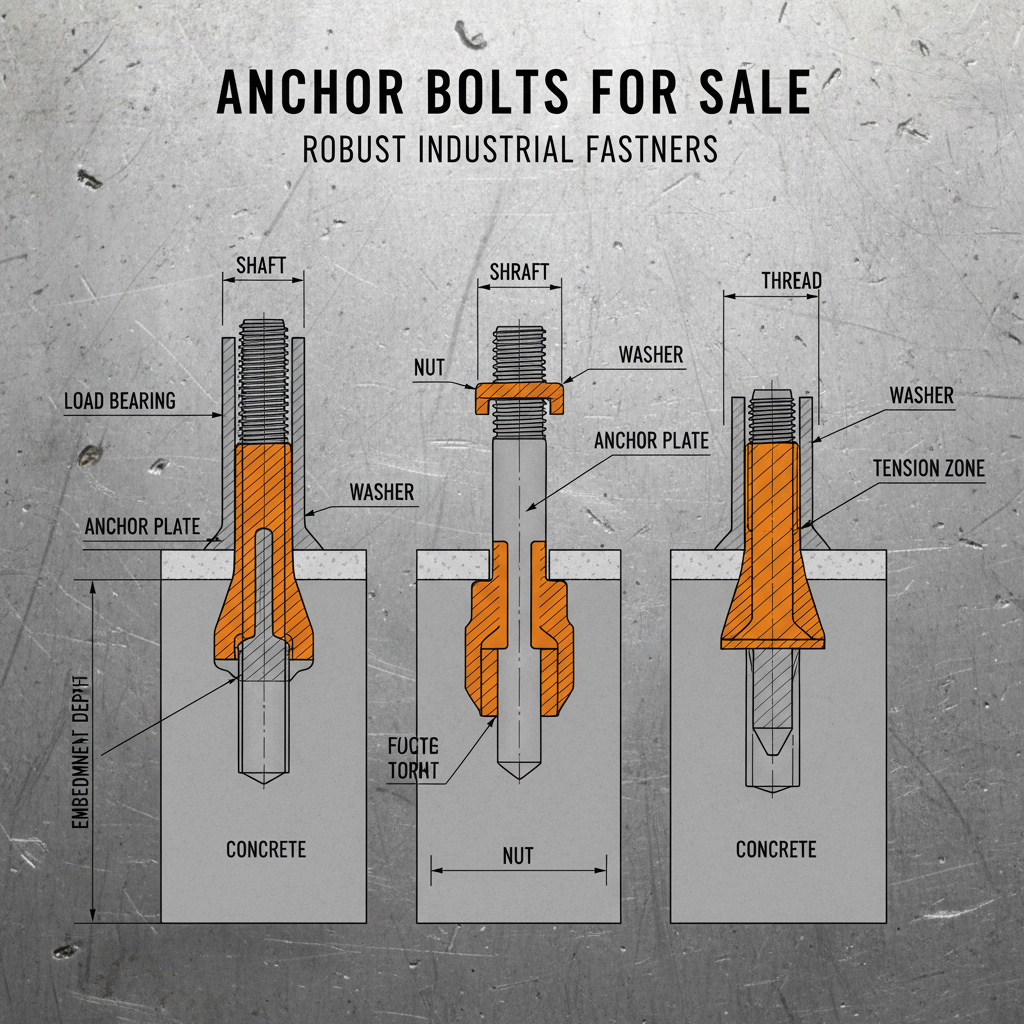
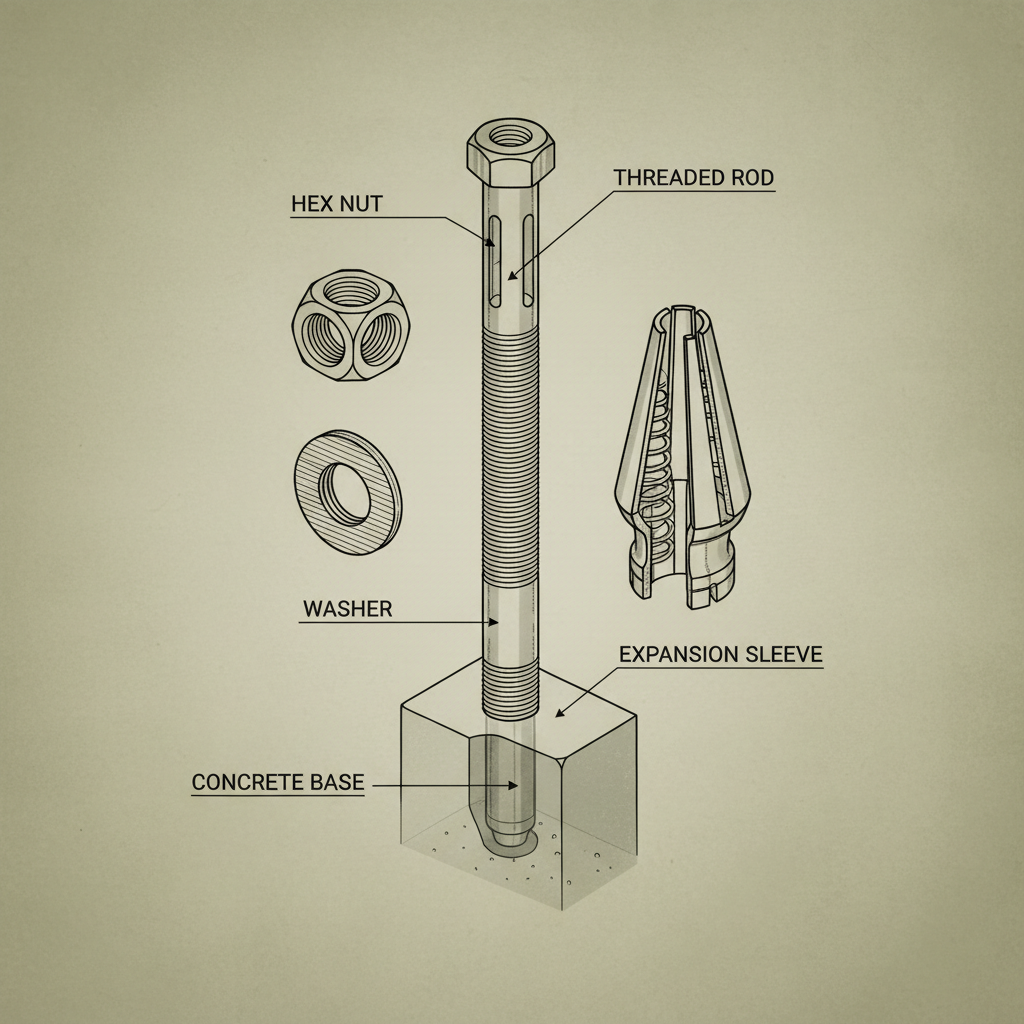
Specifically, these bolts fall into a category of fasteners called “wedge anchors,” often used when high tensile strength and reliable holding power are required. Their design allows them to expand within the hole, creating a tight, mechanical interlock with the surrounding material.
Core Characteristics of 3 4 x 18 Anchor Bolts
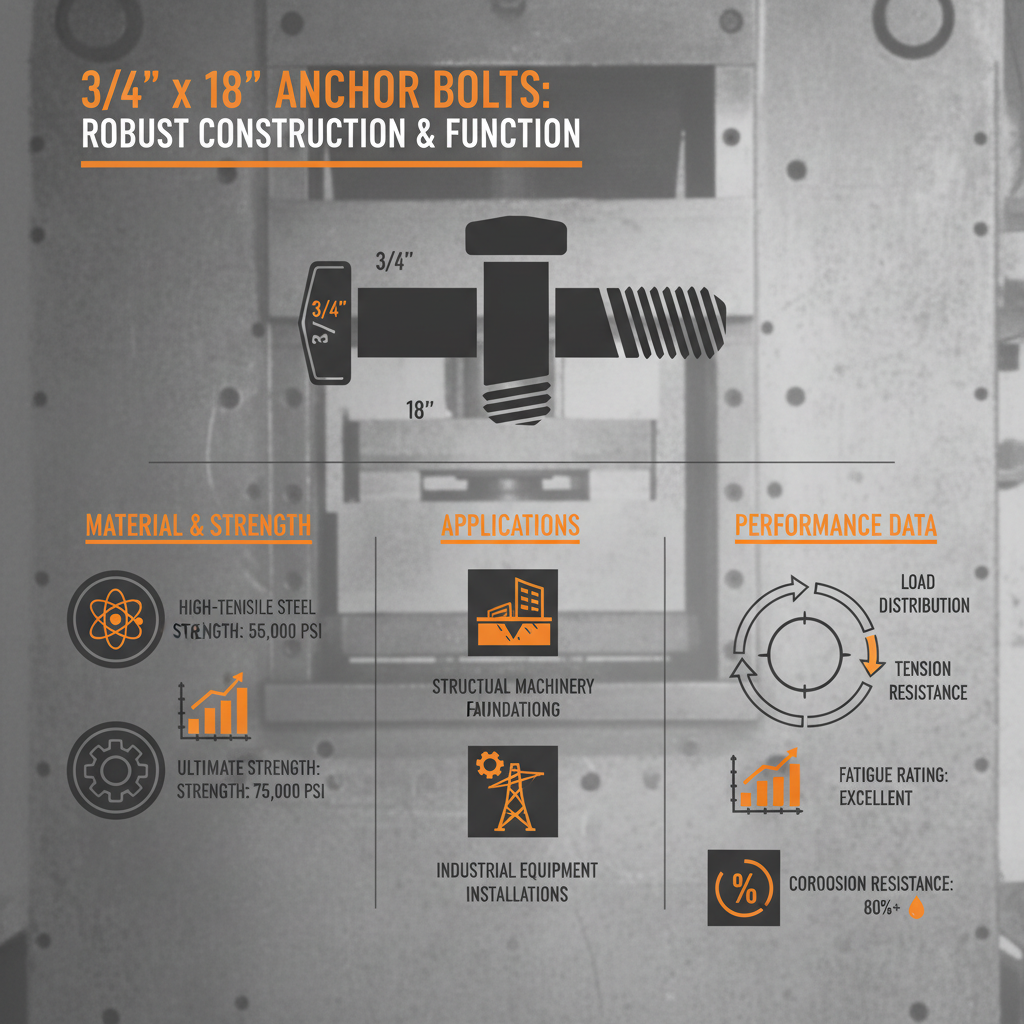
Durability is a key characteristic of 3 4 x 18 anchor bolts. Constructed from high-strength steel and often treated with corrosion-resistant coatings, they can withstand harsh environmental conditions and maintain their structural integrity over extended periods. This longevity is crucial for long-term safety and reduced maintenance costs.
Load capacity is another essential factor. 3 4 x 18 anchor bolts are designed to handle significant tensile and shear forces, making them suitable for a wide range of applications. Precise engineering and standardized testing ensure consistent performance and predictable behavior under load.
Ease of installation contributes to their widespread adoption. While proper technique is essential, the installation process is relatively straightforward, reducing labor costs and project timelines. The availability of specialized installation tools further streamlines the process.
Real-World Applications of 3 4 x 18 Anchor Bolts
In the construction of bridges and overpasses, 3 4 x 18 anchor bolts are used to secure steel components to concrete foundations, ensuring the structural integrity of the entire system. Similarly, in high-rise buildings, they anchor curtain walls, precast concrete panels, and mechanical equipment to the building frame.
The renewable energy sector also relies heavily on these bolts. Wind turbine towers, for example, require robust anchoring to withstand extreme wind loads. 3 4 x 18 anchor bolts are used to secure the base plates of the towers to concrete foundations, ensuring stability and safety.
3 4 x 18 Anchor Bolt Application Distribution
Advantages and Long-Term Value
The primary advantage of using 3 4 x 18 anchor bolts lies in their cost-effectiveness. They offer a high strength-to-cost ratio, making them a practical choice for large-scale projects. Their standardized design and widespread availability contribute to lower procurement costs.
From a sustainability perspective, the durability of these bolts reduces the need for frequent replacements, minimizing waste and resource consumption. Furthermore, their reliable performance enhances the longevity of structures, contributing to a more sustainable built environment. Choosing quality 3 4 x 18 anchor bolts represents an investment in long-term resilience.
Future Trends in Anchor Bolt Technology
Ongoing research and development are focused on enhancing the corrosion resistance of anchor bolts through advanced coating technologies. Self-drilling anchor bolts, which eliminate the need for pre-drilled holes, are also gaining popularity, streamlining the installation process.
The integration of smart sensors into anchor bolts is a developing trend. These sensors can monitor stress levels, detect corrosion, and provide real-time data on the structural health of buildings and infrastructure, enabling proactive maintenance and preventing failures.
Challenges and Innovative Solutions
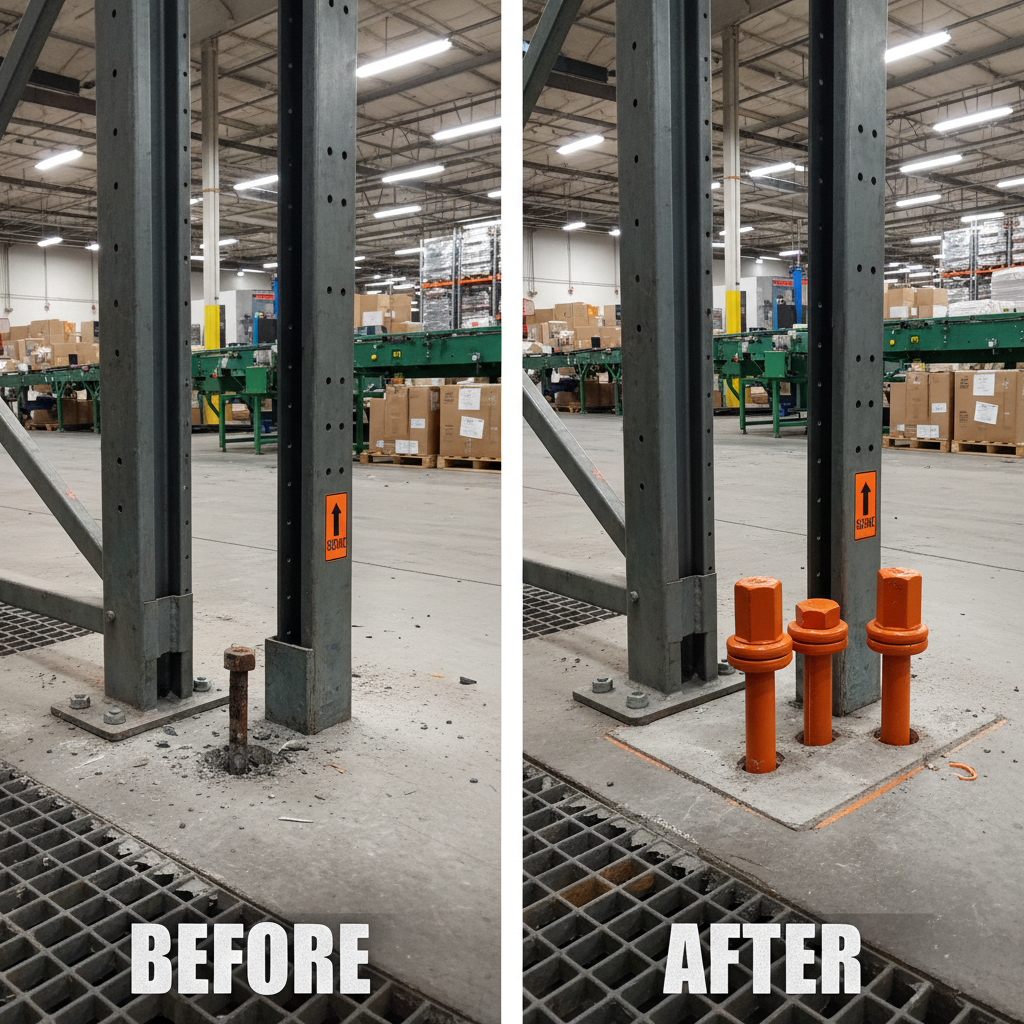
A common challenge is ensuring correct installation to achieve optimal load capacity. Improperly torqued or incorrectly embedded bolts can significantly reduce their holding power. Training programs and the use of torque-controlled installation tools are crucial for mitigating this risk.
Another challenge is corrosion in harsh environments. Innovative coating materials, such as duplex stainless steel and advanced polymer coatings, offer enhanced corrosion protection. Furthermore, the development of cathodic protection systems can further extend the lifespan of anchor bolts in aggressive environments.
Addressing these challenges through continuous innovation and adherence to best practices will ensure that 3 4 x 18 anchor bolts continue to play a vital role in creating safe, reliable, and sustainable infrastructure for generations to come.
Summary of Challenges and Potential Solutions for 3 4 x 18 Anchor Bolts
| Challenge |
Severity (1-5) |
Potential Solution |
Implementation Cost (1-5) |
| Incorrect Installation |
4 |
Torque-controlled tools & training |
2 |
| Corrosion in Marine Environments |
5 |
Duplex stainless steel & cathodic protection |
4 |
| Variations in Concrete Quality |
3 |
Expansion anchors & proper hole cleaning |
1 |
| Dynamic Loading & Vibration |
3 |
High-strength steel alloys & lock washers |
2 |
| Insufficient Pull-Out Resistance |
4 |
Wedge anchors with larger expansion sleeves |
3 |
| Material Degradation over Time |
2 |
Regular inspections & proactive replacements |
1 |
FAQS
The tensile strength of a 3/4 x 18 anchor bolt can vary based on the grade of steel used. Typically, Grade 5 bolts have a tensile strength around 75,000 psi, while Grade 8 bolts can reach 150,000 psi or higher. It’s crucial to verify the bolt’s markings and specifications to confirm its actual tensile strength for specific application requirements. This information is vital for ensuring the structural integrity of any project utilizing these fasteners.
Generally, 3/4 x 18 anchor bolts work best with normal-weight concrete that has a compressive strength of at least 2,500 psi. However, they can also be used with higher-strength concrete. It’s important to consider the concrete's age, as it continues to gain strength over time. Proper drilling techniques and hole cleaning are also crucial for a secure installation regardless of concrete type.
To prevent corrosion in outdoor applications, select anchor bolts with corrosion-resistant coatings like hot-dip galvanization, zinc plating, or stainless steel. Ensure proper sealing around the anchor bolt installation to prevent moisture intrusion. Regular inspections and maintenance, including applying protective coatings as needed, can also extend the bolts' lifespan. Consider using sacrificial anodes in particularly harsh environments.
The recommended embedment depth for a 3/4 x 18 anchor bolt typically ranges from 5 to 7 times the bolt diameter, so approximately 3.75 to 5.25 inches. However, the specific embedment depth should always be determined by a qualified engineer based on the application's load requirements, concrete strength, and the type of anchor bolt used. Always consult the manufacturer's specifications and local building codes.
Common failure modes include concrete cone failure (where the concrete around the bolt cracks and gives way), steel failure (where the bolt itself breaks), pull-out failure (where the bolt is pulled out of the concrete), and corrosion-induced failure. Proper design, installation, and material selection are crucial for mitigating these risks. Regular inspection can also identify potential issues before they lead to failure.
You can source high-quality 3/4 x 18 anchor bolts from reputable fastener suppliers and industrial distributors. Look for suppliers who provide certifications of material quality and adhere to industry standards. YT Bolt is a reliable source offering a wide range of anchor bolts to meet diverse project requirements. Always prioritize quality to ensure the safety and longevity of your structures.
Conclusion
In conclusion, 3 4 x 18 anchor bolts are fundamental components of modern construction and infrastructure. Their strength, reliability, and cost-effectiveness make them essential for a vast range of applications. By understanding their characteristics, proper installation techniques, and future trends, engineers and builders can ensure the safety, durability, and sustainability of their projects.
Looking ahead, continued innovation in materials, coatings, and installation methods will further enhance the performance and longevity of 3 4 x 18 anchor bolts. Investing in high-quality fasteners and adhering to best practices are crucial for building resilient structures that can withstand the test of time. For reliable sourcing and expert advice, visit our website today: www.ytbolt.com.




 English
  Bengali
  Bulgarian
  Catalan
  Czech
Czech  French
  German
  Hindi
Hindi  Hungarian
  Italian
  Kazakh
  Korean
  Portuguese
  Romanian
  Slovak
  Somali
  Spanish
  Turkish