1 anchor bolts are foundational components in construction, engineering, and various industrial applications. Their primary function is to securely connect structural elements, ensuring stability and load-bearing capacity. Globally, the demand for reliable fastening solutions like 1 anchor bolts is constantly increasing, driven by infrastructure development, urbanization, and the need for robust building practices. These seemingly small components play a critical role in the safety and longevity of countless structures, from towering skyscrapers to vital transportation networks.
The importance of 1 anchor bolts stems from their ability to withstand significant tensile and shear forces. Modern construction demands materials and methods that can reliably perform under extreme conditions, and 1 anchor bolts consistently meet these requirements. Standards organizations like the International Organization for Standardization (ISO) and national building codes worldwide dictate rigorous testing and performance criteria for these essential fasteners, reflecting their critical contribution to structural integrity.
Understanding the nuances of 1 anchor bolts – from material selection to installation techniques – is vital for engineers, architects, contractors, and anyone involved in construction and infrastructure projects. Incorrect selection or installation can have catastrophic consequences, making informed decision-making paramount. This comprehensive guide will explore the core aspects of 1 anchor bolts, their diverse applications, and the future trends shaping their development.
The Core Principles of 1 anchor bolts
At its core, the principle behind 1 anchor bolts is to transfer tensile forces from a structural member into the surrounding concrete or masonry. This is achieved through a combination of mechanical interlock, friction, and, in some cases, chemical adhesion. The effectiveness of this transfer is directly related to the anchor's material, geometry, installation method, and the properties of the base material. 1 anchor bolts are not merely fasteners; they are critical elements in a system designed to resist significant loads.
Properly designed and installed 1 anchor bolts provide a reliable and durable connection. The selection of the right anchor type – wedge, sleeve, chemical, or drop-in – depends heavily on the specific application, load requirements, and the characteristics of the base material. Factors like edge distance, spacing, and embedment depth must be carefully considered to ensure optimal performance and prevent premature failure.
The Global Landscape of 1 anchor bolts Production and Usage
The global market for 1 anchor bolts is substantial and steadily growing, driven by consistent demand from the construction, infrastructure, and industrial sectors. Major producing countries include China, Germany, the United States, and Japan, each specializing in different types and grades of anchors. China dominates in terms of volume, while Germany and the US are known for their high-quality, specialized products. The demand in developing nations, particularly in Asia and Africa, is increasing rapidly due to large-scale infrastructure projects.
According to industry reports, the 1 anchor bolts market is projected to reach billions of dollars in the coming years. This growth is fueled by increasing urbanization, a focus on infrastructure upgrades, and stringent building codes requiring robust fastening systems. The transportation sector, including bridge construction and railway infrastructure, is a significant consumer of high-strength 1 anchor bolts.
Furthermore, the implementation of sustainability initiatives is influencing the 1 anchor bolts market. There's a growing demand for corrosion-resistant anchors, reducing the need for frequent replacements and minimizing environmental impact. Manufacturers are increasingly adopting eco-friendly materials and production processes to meet these demands.
Defining 1 anchor bolts: A Comprehensive Overview
Simply put, a 1 anchor bolts is a fastener designed to create a secure connection between a structural element – such as a steel column, timber beam, or equipment base – and a concrete or masonry base. Unlike through-bolts that pass completely through the materials being joined, 1 anchor bolts are embedded within the base material, transferring loads through friction, mechanical interlock, or a combination of both.
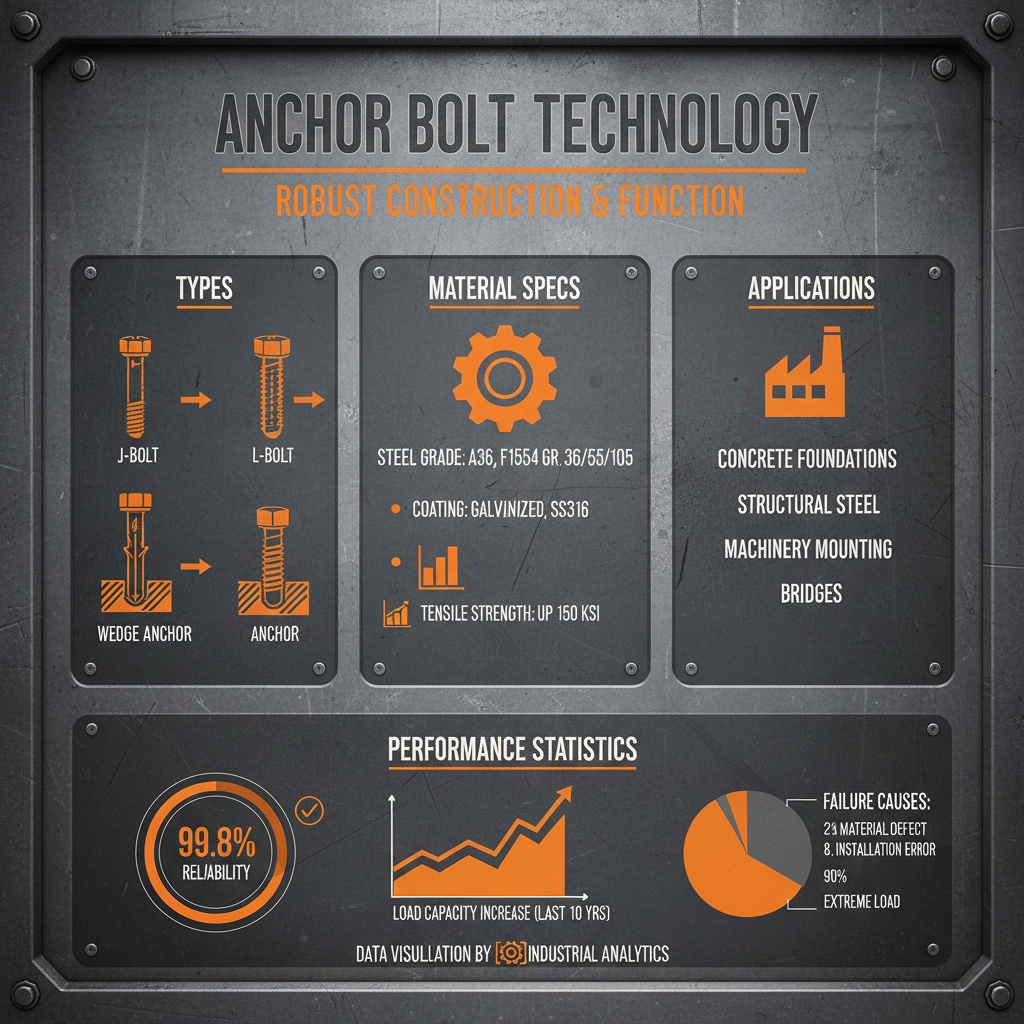
The term "1 anchor bolts" encompasses a wide variety of designs, each suited to specific applications. Common types include wedge anchors (expanding anchors), sleeve anchors, chemical anchors (adhesive anchors), and drop-in anchors. Each type utilizes a different mechanism to achieve secure anchorage. Proper selection is crucial, considering the load type, base material, and environmental conditions. 1 anchor bolts are critical for ensuring structural integrity.
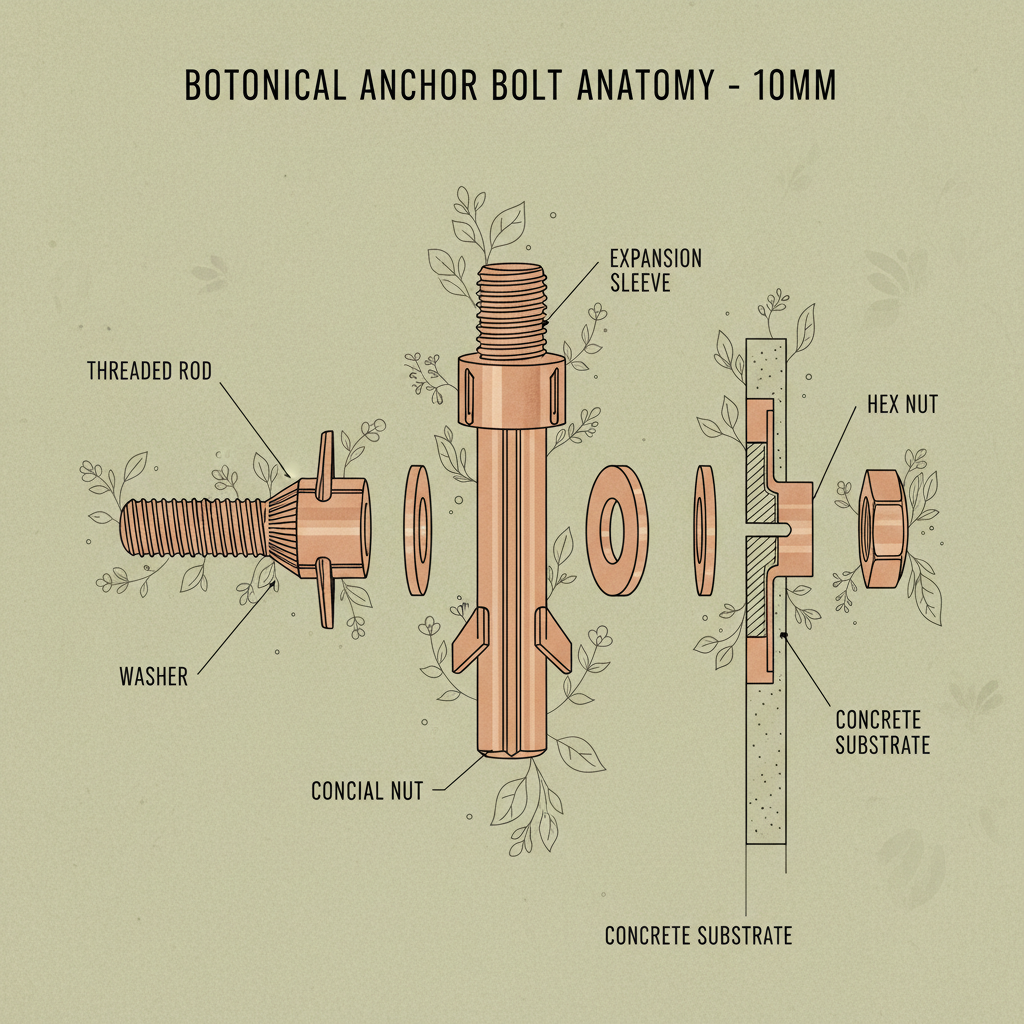
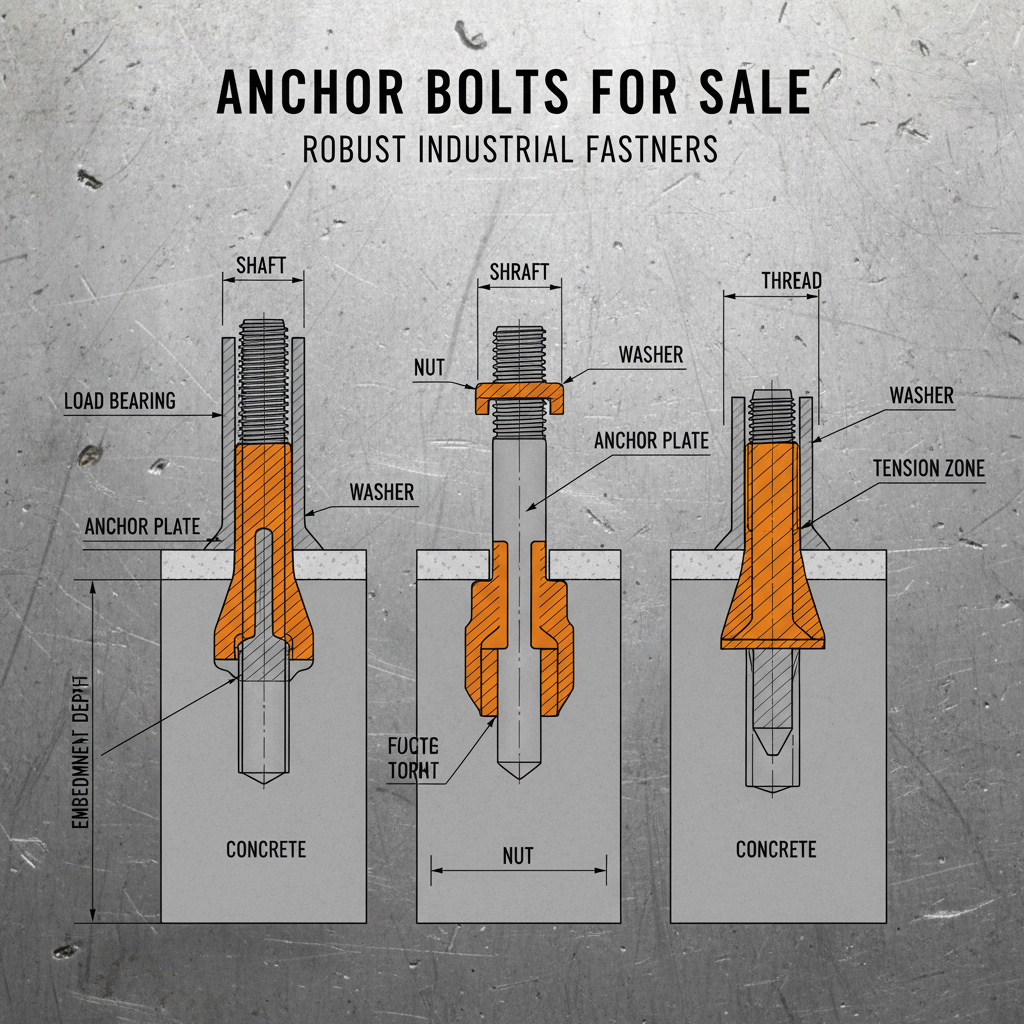
Understanding the different components of a 1 anchor bolts – the head, body, and expansion mechanism – is key to proper installation and performance. Each component plays a vital role in distributing loads and maintaining a secure connection. Manufacturers provide detailed specifications and installation guidelines to ensure optimal functionality.
Key Factors Influencing 1 anchor bolts Performance
Several key factors dictate the performance of 1 anchor bolts. Durability is paramount, meaning resistance to corrosion, fatigue, and long-term degradation. Material selection – typically high-strength steel, stainless steel, or specialized alloys – is crucial for achieving this. The specific grade of steel and any protective coatings significantly impact longevity.
Another critical factor is embedment depth. Sufficient embedment ensures adequate anchorage and prevents premature pull-out. Proper spacing between anchors is also essential to avoid stress concentrations and ensure that the load is distributed evenly across the base material.
1 anchor bolts Performance Factors
Diverse Applications of 1 anchor bolts Worldwide
1 anchor bolts find applications across a remarkably broad spectrum of industries and projects. In construction, they are vital for securing structural steel, precast concrete elements, and façade systems. They’re used extensively in bridge construction, securing railings, supports, and expansion joints.
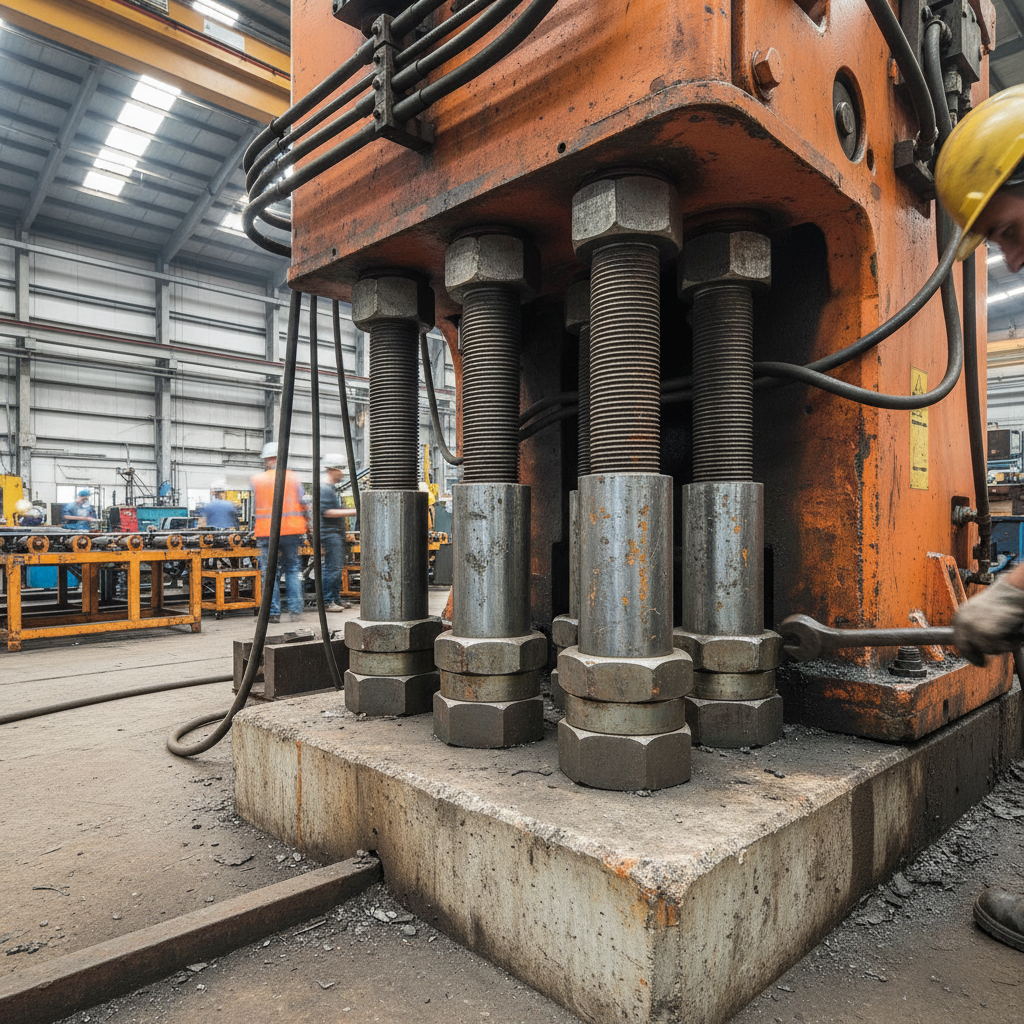
Beyond construction, 1 anchor bolts are crucial in industrial settings. They secure machinery, equipment, and racking systems in warehouses and manufacturing plants. In the energy sector, they are employed in wind turbine foundations and solar panel installations. Even in residential applications, 1 anchor bolts are used for anchoring safety railings and securing heavy equipment.
The Advantages and Long-Term Value of Utilizing 1 anchor bolts
The advantages of utilizing 1 anchor bolts are multifaceted. Cost-effectiveness is a significant benefit, particularly when compared to alternative fastening methods like welding. 1 anchor bolts typically require less skilled labor and specialized equipment, reducing overall project costs. Furthermore, their reusability – in some applications – can lead to long-term savings.
Beyond cost, 1 anchor bolts offer superior reliability and durability. Properly installed 1 anchor bolts can withstand extreme loads and harsh environmental conditions for decades. This reliability translates to enhanced safety, reduced maintenance requirements, and increased asset longevity. The long-term value of ensuring structural integrity with robust 1 anchor bolts cannot be overstated.
From a sustainability perspective, 1 anchor bolts contribute to building longevity, reducing the need for frequent replacements and minimizing waste. Selecting corrosion-resistant materials further enhances their environmental benefits.
Future Trends and Innovations in 1 anchor bolts Technology
The future of 1 anchor bolts is poised for innovation. Research and development are focused on creating smarter anchors with integrated sensors that monitor load, stress, and corrosion levels in real-time. These “smart anchors” will provide valuable data for predictive maintenance and structural health monitoring.
New materials, such as fiber-reinforced polymers and self-healing concrete, are being explored to enhance the durability and performance of 1 anchor bolts. Digital twin technology is also playing a role, allowing for virtual testing and optimization of anchor designs.
Automation in the manufacturing process will lead to increased precision, reduced costs, and improved quality control. Sustainability will continue to drive innovation, with a focus on developing eco-friendly materials and reducing the carbon footprint of anchor production.
Summary of Challenges and Solutions in 1 anchor bolts Applications
| Challenge |
Impact on 1 anchor bolts Performance |
Proposed Solution |
Implementation Cost (Scale 1-10) |
| Corrosion in Harsh Environments |
Reduced load-bearing capacity, structural failure |
Utilize stainless steel or coated 1 anchor bolts |
6 |
| Improper Installation Techniques |
Decreased holding strength, premature failure |
Provide comprehensive training for installers |
4 |
| Inadequate Base Material Strength |
Anchor pull-out, structural instability |
Conduct thorough site assessments and material testing |
5 |
| Edge Distance and Spacing Constraints |
Reduced effectiveness, potential for concrete cracking |
Optimize anchor layout based on engineering calculations |
3 |
| Lack of Regular Inspection |
Undetected corrosion or damage, sudden failure |
Implement a routine inspection and maintenance program |
2 |
| Selecting Incorrect Anchor Type |
Suboptimal performance, compromised safety |
Consult with engineers and manufacturers for proper selection |
4 |
FAQS
Wedge anchors are typically used in solid concrete, relying on a wedge being drawn into the expansion sleeve to create a secure grip. Sleeve anchors, conversely, are more versatile and can be used in both solid concrete and hollow brick/block due to their expansion shield. Choosing between the two depends heavily on the base material and load requirements. Understanding these differences is crucial for ensuring a robust and reliable connection using 1 anchor bolts.
The required embedment depth for 1 anchor bolts depends on several factors, including the anchor type, the base material strength, and the applied load. Manufacturers provide detailed specifications and calculation guidelines. Generally, a greater embedment depth provides higher pull-out resistance. It's essential to adhere to these guidelines and consult with an engineer to ensure adequate anchorage and prevent premature failure.
Chemical anchors (adhesive anchors) utilize a resin to bond the anchor to the concrete or masonry. They are often preferred in situations where mechanical anchors are not suitable, such as in cracked concrete or when close-to-edge applications require higher load capacities. Chemical anchors offer excellent load distribution and corrosion resistance but require careful installation to ensure proper curing.
Corrosion is a significant concern in marine environments. To mitigate this, it’s crucial to use high-quality stainless steel (e.g., 316 grade) or hot-dip galvanized 1 anchor bolts. Applying protective coatings, such as epoxy, can also provide an additional barrier against corrosion. Regular inspection and maintenance are essential to identify and address any signs of corrosion early on.
Edge distance – the distance from the anchor to the edge of the concrete – is critical for preventing concrete breakout. Insufficient edge distance can lead to cracking and failure. Manufacturers specify minimum edge distance requirements based on the anchor type and load conditions. Adhering to these recommendations is essential for maintaining structural integrity.
Generally, it is not recommended to reuse 1 anchor bolts. The expansion mechanism can be damaged during removal, compromising their holding capacity. Reusing anchors can significantly reduce their reliability and structural performance. It's best practice to use new anchors for each installation to ensure a secure and durable connection.
Conclusion
In conclusion, 1 anchor bolts are indispensable components in modern construction and engineering. Their ability to provide secure and reliable connections is paramount to the safety and longevity of countless structures. From material selection and installation techniques to emerging innovations like smart anchors, a thorough understanding of 1 anchor bolts is crucial for professionals in the field.
Looking ahead, continued advancements in materials science and automation will further enhance the performance and efficiency of 1 anchor bolts. Embracing these innovations and adhering to best practices will ensure that these essential fasteners continue to play a vital role in building a safer and more sustainable future. For high-quality 1 anchor bolts and expert advice, visit our website: www.ytbolt.com.




 English
  Bengali
  Bulgarian
  Catalan
  Czech
Czech  French
  German
  Hindi
Hindi  Hungarian
  Italian
  Kazakh
  Korean
  Portuguese
  Romanian
  Slovak
  Somali
  Spanish
  Turkish