m20 through bolts are crucial fasteners used extensively across diverse industries, from automotive and construction to aerospace and energy. Their standardized dimensions and high strength make them ideal for creating secure and reliable connections in critical applications. Understanding the nuances of m20 through bolts, including material specifications, load capacities, and proper installation techniques, is paramount for ensuring structural integrity and operational safety. The demand for these bolts continues to grow alongside global infrastructure development and increasingly complex engineering projects.
Globally, the production and consumption of m20 through bolts are significant indicators of industrial activity. The United Nations Industrial Development Organization (UNIDO) reports a consistent increase in demand for high-quality fasteners like m20 bolts, particularly in emerging economies undergoing rapid industrialization. Furthermore, ISO standards governing fastener production – like ISO 898-1 – are widely adopted internationally, promoting interoperability and quality control. The efficient supply chain for m20 through bolts directly impacts project timelines and cost-effectiveness worldwide.
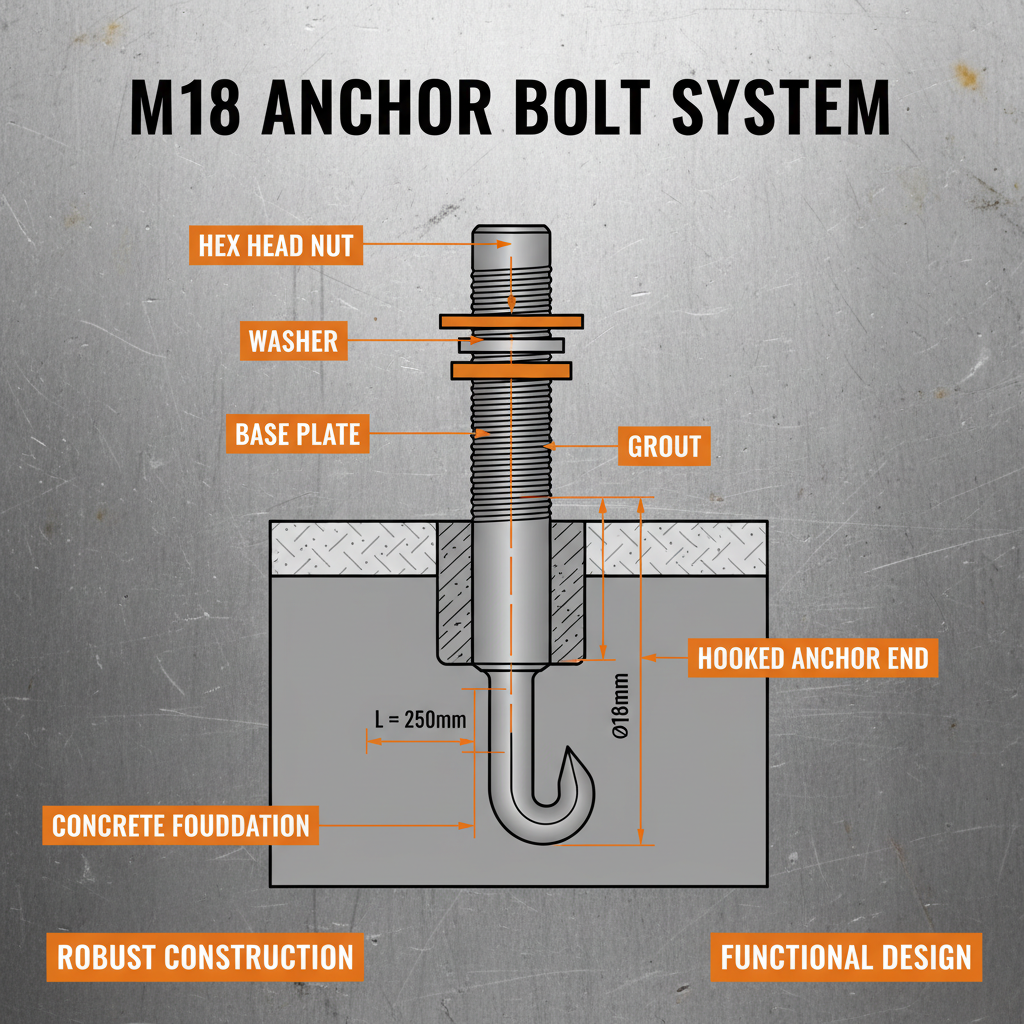
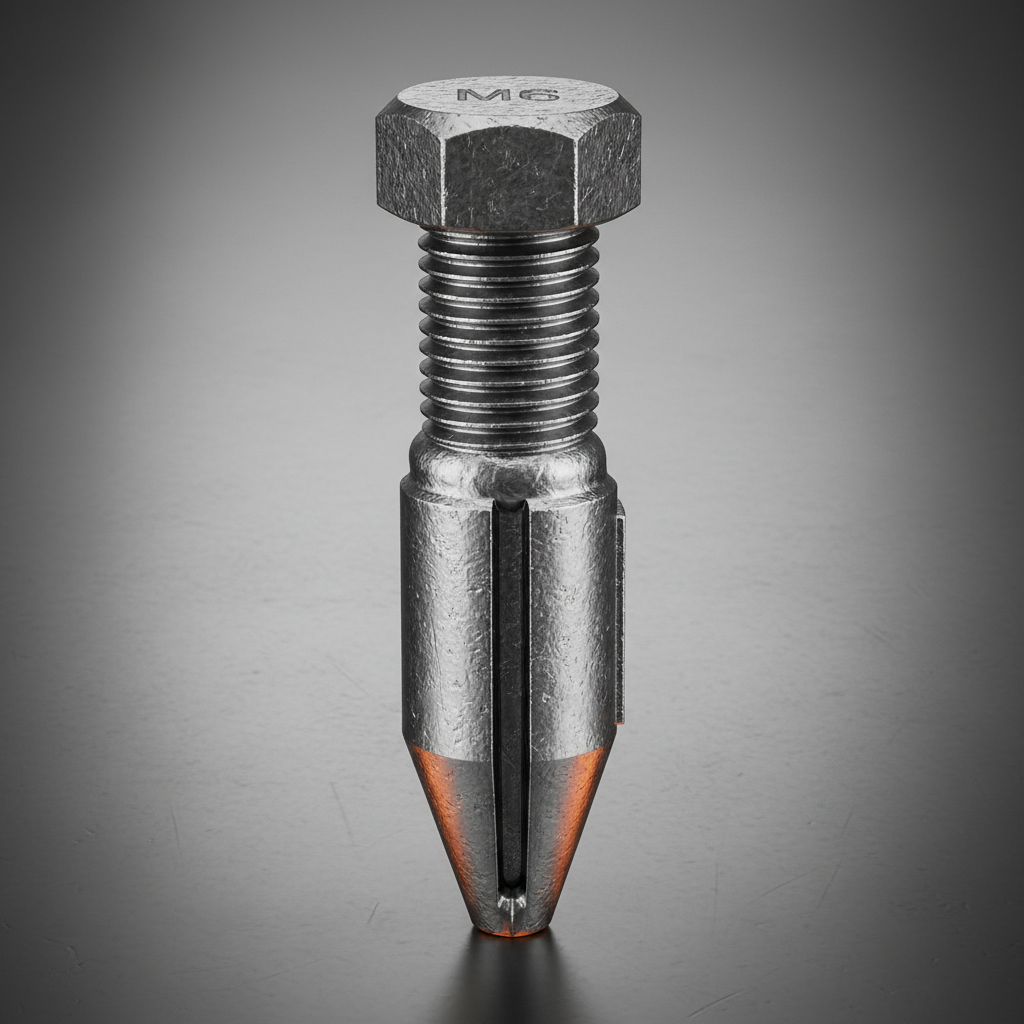
Simply put, an m20 through bolt is a fastener with a 20mm diameter thread. The “through” designation indicates it’s designed to pass completely through the materials being joined, utilizing a nut on the opposite end to create clamping force. They are essential components in numerous assemblies, offering a robust and easily inspectable fastening solution. Their widespread adoption reflects their reliability and ability to meet the stringent requirements of modern engineering.
The Importance of m20 Through Bolts
m20 through bolts play a critical role in ensuring the structural integrity of countless applications, often serving as the primary load-bearing component. Their consistent performance under stress is vital in sectors where failure is not an option. Choosing the right grade and material for an m20 through bolt is essential; factors such as tensile strength, yield strength, and corrosion resistance must be carefully considered based on the intended application.
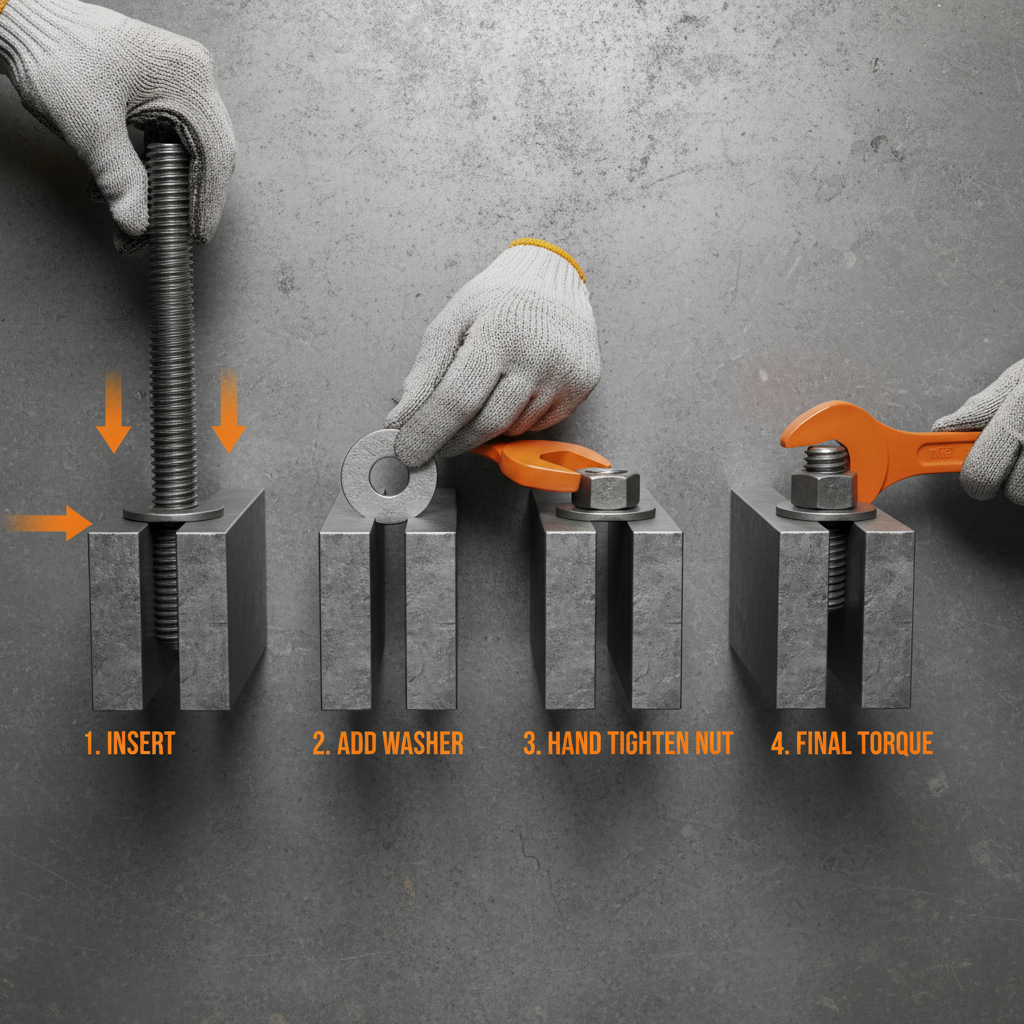
The selection of m20 through bolts isn’t merely about size. It involves understanding the interplay between bolt material, nut material, and the joined materials. Compatibility and proper torque specifications are critical for achieving optimal clamping force and preventing loosening over time. m20 through bolts are frequently used in scenarios demanding high reliability and longevity.
Global Relevance and Industrial Context
The global market for fasteners, including m20 through bolts, is directly linked to the health of major industries like construction, automotive manufacturing, and infrastructure development. Countries with burgeoning economies often exhibit a significant demand for these components as they invest in transportation networks, energy infrastructure, and manufacturing capabilities. China, India, and Southeast Asian nations are particularly notable markets for m20 through bolts.
Furthermore, international trade agreements and supply chain dynamics profoundly impact the availability and pricing of m20 through bolts. Geopolitical events, raw material costs (such as steel and alloy elements), and transportation logistics all play a role in the overall cost structure. Companies reliant on consistent supply chains for m20 through bolts must proactively manage these variables to mitigate risks.
The increasing focus on sustainability and responsible sourcing also influences the fastener industry. Manufacturers are under pressure to adopt eco-friendly production processes and minimize their environmental impact, including reducing carbon emissions and utilizing recycled materials where feasible.
Defining m20 Through Bolts
An m20 through bolt, at its core, is a standardized fastener with a 20mm diameter thread. It consists of a cylindrical body with a threaded portion designed to engage with a nut. The “through” aspect indicates that the bolt passes completely through the materials being joined, offering a secure and reliable connection when tightened. These bolts conform to international standards, most notably ISO 898-1, which specifies dimensions, tolerances, and material requirements.
The significance of m20 through bolts extends beyond simple fastening. They’re fundamental building blocks in a vast range of applications, offering consistent and predictable performance. In modern industrial settings, they are integral to assembling machinery, constructing buildings, and maintaining critical infrastructure. Their standardization allows for ease of replacement and compatibility across different projects and manufacturers.
Ultimately, m20 through bolts bridge gaps – both physically and figuratively – by connecting components and ensuring the integrity of larger systems. They are often the unsung heroes of complex engineering projects, silently providing the strength and stability needed for safe and efficient operation.
Key Characteristics of m20 Through Bolts
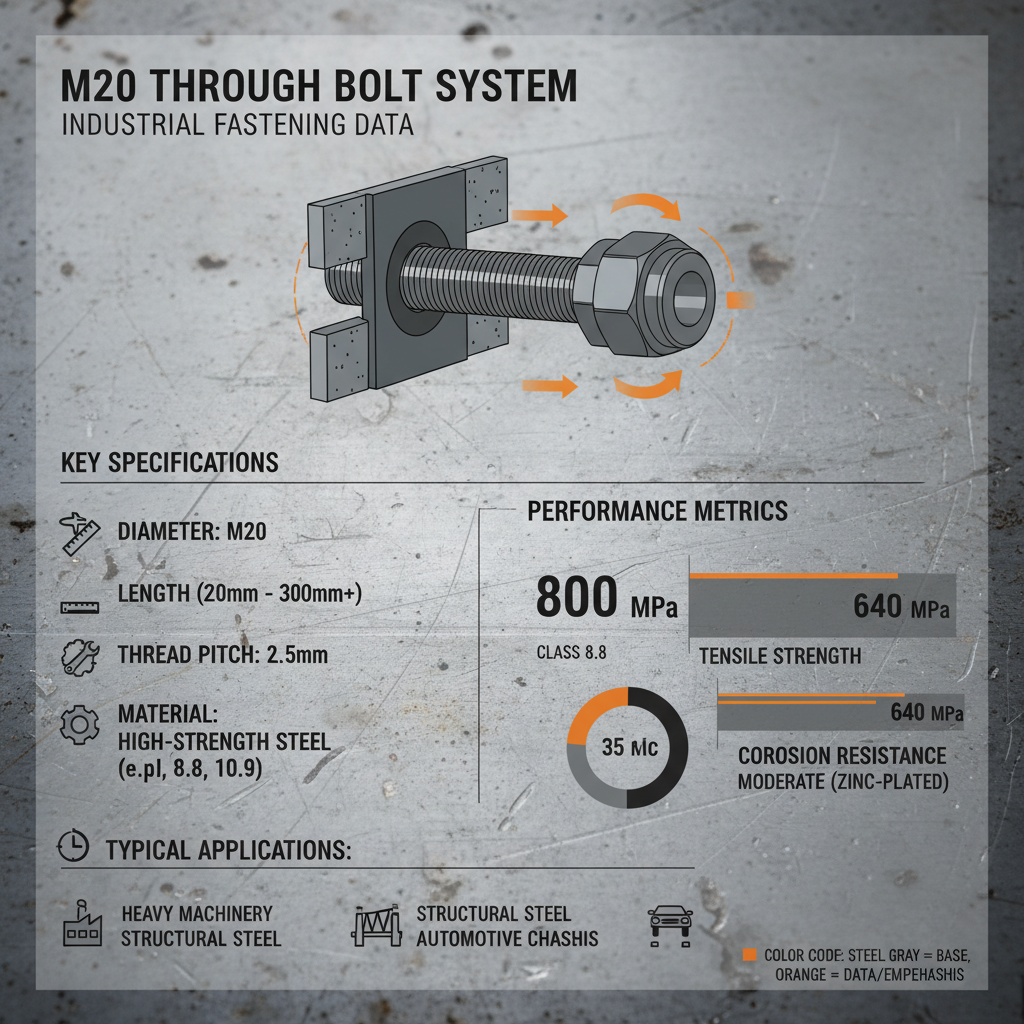
Durability is a paramount characteristic of m20 through bolts. Typically manufactured from high-strength steel alloys, they are designed to withstand significant tensile, shear, and fatigue stresses. The material grade – often denoted by numbers like 8.8, 10.9, or 12.9 – directly correlates to the bolt's strength and performance capabilities.
Another crucial aspect is corrosion resistance. Depending on the application environment, m20 through bolts may be coated with zinc, nickel, or other protective layers to prevent rust and degradation. Stainless steel variations are also available for highly corrosive environments.
m20 Through Bolt Performance Metrics
Real-World Applications of m20 Through Bolts
m20 through bolts are extensively used in the construction industry, securing structural steel frameworks in buildings, bridges, and other infrastructure projects. Their high strength and reliability are critical for ensuring the long-term stability of these structures.
The automotive sector also relies heavily on m20 through bolts for assembling chassis components, suspension systems, and engine parts. The demands for high precision and consistent performance necessitate the use of high-quality fasteners like these. In post-disaster relief operations, quickly deployable shelters often utilize m20 through bolts for rapid assembly and structural integrity.
Advantages and Long-Term Value
The cost-effectiveness of m20 through bolts is significant. Compared to alternative joining methods like welding or adhesive bonding, they offer a lower initial investment and simplified assembly processes. Their ease of installation reduces labor costs and project timelines. Moreover, the long-term durability minimizes the need for frequent replacements, resulting in lower lifecycle costs.
From a sustainability standpoint, m20 through bolts contribute to the longevity of structures and equipment. By ensuring structural integrity, they reduce the likelihood of premature failure and the need for resource-intensive repairs or replacements. The widespread availability of recyclable steel further enhances their environmental profile.
Future Trends and Innovations
The integration of smart fasteners, incorporating sensors and data analytics, is an emerging trend. These "intelligent" m20 through bolts can monitor stress levels, detect corrosion, and provide real-time feedback on structural health. This technology is particularly valuable in critical infrastructure applications.
Advances in materials science are leading to the development of lighter and stronger alloys for m20 through bolts. These new materials offer improved performance characteristics, reducing weight and enhancing durability. Furthermore, the increased use of digital twins and virtual modeling is streamlining the fastener selection and design process.
Challenges and Solutions
One common challenge is preventing bolt loosening due to vibration or thermal expansion. This can be addressed through the use of locking mechanisms, such as lock washers, nylon inserts, or prevailing torque nuts. Proper torque control during installation is also crucial.
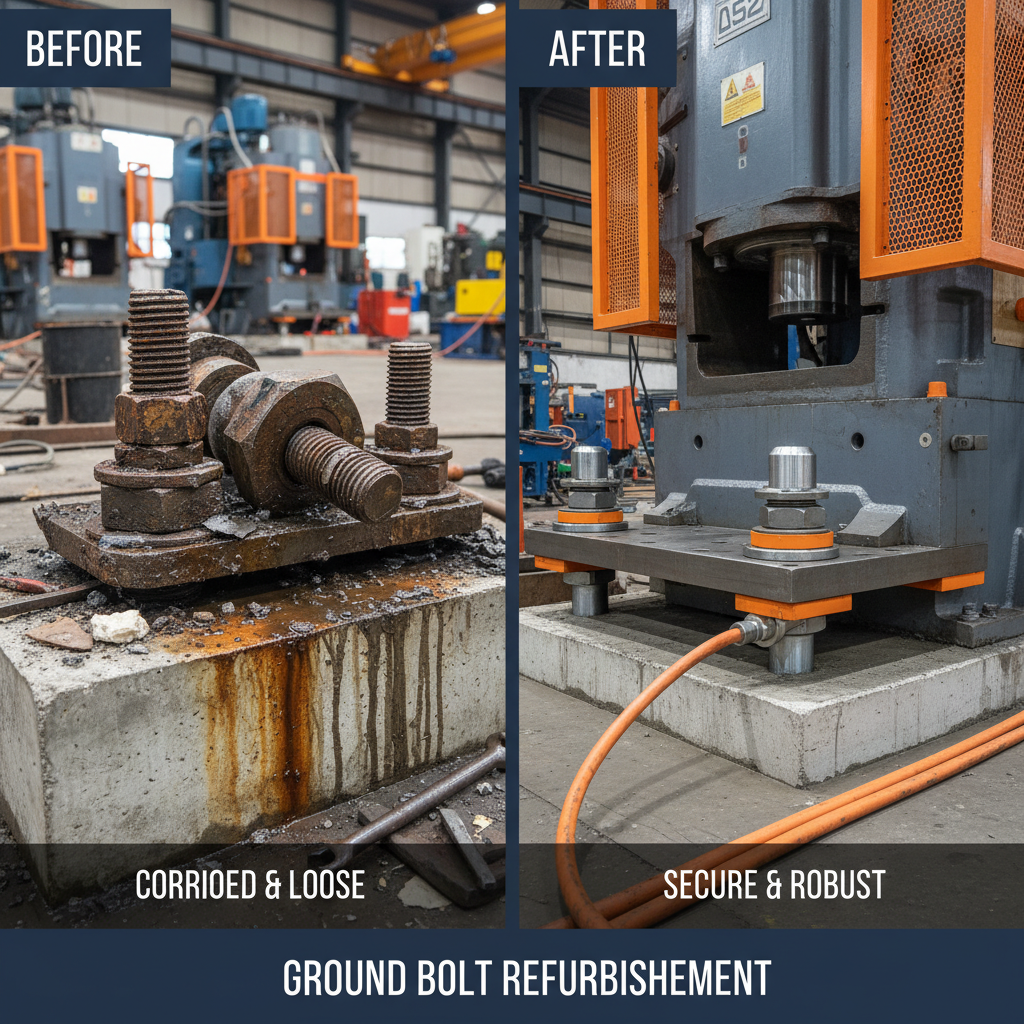
Another issue is corrosion in harsh environments. Utilizing corrosion-resistant coatings, such as zinc-nickel or specialized polymers, can significantly extend the service life of m20 through bolts. Selecting the appropriate material grade for the specific application is also paramount.
Finally, ensuring traceability and quality control throughout the supply chain remains a challenge. Implementing robust quality management systems and utilizing digital tracking technologies can help to mitigate this risk.
Summary of Challenges and Solutions Related to m20 Through Bolts
| Challenge |
Impact on m20 Through Bolts |
Proposed Solution |
Implementation Cost (1-10) |
| Bolt Loosening |
Reduced clamping force, potential structural failure. |
Use locking mechanisms (washers, nuts) and proper torque. |
3 |
| Corrosion |
Weakening of the bolt, potential for breakage. |
Apply corrosion-resistant coatings or use stainless steel. |
6 |
| Material Defects |
Reduced tensile strength, premature failure. |
Implement rigorous quality control checks and material certification. |
7 |
| Improper Torque |
Insufficient clamping force or bolt damage. |
Utilize calibrated torque wrenches and follow manufacturer specifications. |
2 |
| Supply Chain Disruptions |
Delays in project completion, increased costs. |
Diversify suppliers and maintain adequate inventory. |
5 |
| Lack of Traceability |
Difficulty identifying and addressing quality issues. |
Implement digital tracking systems and maintain detailed records. |
4 |
FAQS
For high-stress applications, a grade 10.9 or 12.9 m20 through bolt is generally recommended. These grades possess superior tensile strength and yield strength compared to lower grades like 8.8. The specific choice depends on the exact load requirements and operating environment. Always consult with an engineer to determine the optimal grade for your application and ensure proper installation torque is applied. Using a bolt with insufficient strength could lead to catastrophic failure.
To prevent corrosion on m20 through bolts exposed to saltwater, use bolts manufactured from stainless steel (e.g., 316 stainless steel) which offers excellent resistance to chloride attack. Alternatively, apply a robust corrosion-resistant coating like zinc-nickel plating or a specialized marine coating. Regular inspection and maintenance are also critical, including cleaning and re-applying protective coatings as needed. Proper sealing of the joint can also help to minimize saltwater exposure.
The correct way to measure and apply torque is using a calibrated torque wrench. Consult the manufacturer's specifications or engineering drawings to determine the appropriate torque value for the specific bolt grade, size, and application. Apply the torque gradually and evenly, and avoid over-tightening, which can damage the bolt or the joined materials. Using a torque multiplier may be necessary for larger bolts or applications requiring higher torque values.
Whether an m20 through bolt can be reused depends on several factors, including the amount of stress it was subjected to, the number of previous uses, and the presence of any damage. Generally, it’s best practice to replace bolts that have been heavily stressed or used in critical applications. If reuse is necessary, thoroughly inspect the bolt for any signs of wear, corrosion, or damage. Ensure the threads are clean and undamaged before re-installation.
A lock washer provides additional resistance to loosening caused by vibration or thermal expansion. It creates friction between the bolt head or nut and the joined material, helping to maintain clamping force. There are various types of lock washers available, including split lock washers, tooth lock washers, and spring lock washers. Choosing the appropriate type depends on the specific application and the level of vibration expected. They're an inexpensive way to improve joint reliability.
Finding reliable suppliers is crucial. Look for companies with ISO 9001 certification and a proven track record of providing high-quality fasteners. YT Bolt is a reputable supplier of m20 through bolts and other fasteners. Consider requesting material test reports and certifications to verify the quality and traceability of the products. Check online reviews and ask for recommendations from other professionals in your industry.
Conclusion
In summary, m20 through bolts are indispensable fasteners playing a critical role in countless industries, from construction and automotive to aerospace and energy. Their standardized dimensions, high strength, and adaptability make them the go-to choice for creating secure and reliable connections. Understanding their key characteristics, appropriate applications, and potential challenges is vital for ensuring structural integrity and long-term performance.
Looking ahead, continued innovation in materials science, smart fastener technology, and digital traceability will further enhance the capabilities and reliability of m20 through bolts. By embracing these advancements and prioritizing quality control, we can unlock even greater potential for these essential components and build a more robust and sustainable future. Visit www.ytbolt.com to explore our comprehensive selection of m20 through bolts and other fastening solutions.




 English
  Bengali
  Bulgarian
  Catalan
  Czech
Czech  French
  German
  Hindi
Hindi  Hungarian
  Italian
  Kazakh
  Korean
  Portuguese
  Romanian
  Slovak
  Somali
  Spanish
  Turkish