You know, I’ve been running around construction sites for over a decade now, and lately, everyone's talking about high-strength anchor bolts. Not just the usual stuff, but really pushing the boundaries. Seems like projects are getting bigger, more complex, demanding more from these seemingly simple components. It’s about safety, obviously, but also efficiency – less time fiddling with bolts means less money wasted.
To be honest, a lot of folks underestimate how tricky these things can be. There’s a real tendency to over-engineer, to spec something way beyond what’s actually needed, just to be safe. And that adds cost, weight… makes installation a nightmare. I encountered that at a bridge project in Nanjing last time, engineers wanting these massive bolts for a relatively light fixture. Had to talk them down.
And it’s not just about strength, it’s about everything – the coating, the embedment depth, the torque specs. The devil is really in the details. I swear, I can smell a bad batch of galvanized bolts a mile away. That acrid, chemical smell… means they skimped on the zinc coating, and you're looking at rust issues down the line. Anyway, I think understanding the materials is half the battle.
The Current Landscape of anchor bolt sizes
Have you noticed the push for more corrosion-resistant materials? Especially in coastal areas or industrial plants. Stainless steel is popular, of course, but it’s expensive. There’s a lot of innovation going into different coatings – hot-dip galvanizing, ceramic coatings, even specialized polymers. It’s all about extending the lifespan and reducing maintenance.
And it's not just materials. The whole supply chain is changing. Pre-assembled anchor systems are becoming more common. It's about reducing on-site labor, minimizing errors. But strangely, sometimes those pre-assembled systems have quality control issues. You get a bad batch of epoxy, and suddenly you've got a major problem.
Common Pitfalls in anchor bolt sizes Design
Look, the biggest mistake I see is people treating all anchor bolts the same. They’ll use the same size bolt for a light-duty application as they do for a critical structural connection. That's just…wrong. You need to understand the loads, the materials you're anchoring into, the environmental conditions. It’s not rocket science, but it requires careful consideration.
Another thing? Ignoring the embedment depth. Too shallow, and you lose holding power. Too deep, and you risk cracking the concrete. There's a sweet spot, and it varies depending on the concrete mix and the bolt size.
And don't even get me started on proper torqueing. Too loose, and the bolt will vibrate loose over time. Too tight, and you can strip the threads or even crack the concrete. It’s a delicate balance, and a lot of guys just wing it. That's when things get scary.
Materials and Handling of anchor bolt sizes
Now, let’s talk materials. Carbon steel is still the workhorse, especially for heavier loads. You can feel the weight of a good carbon steel bolt – it's solid, substantial. But it needs a good coating to prevent corrosion. Galvanizing is standard, but it can be brittle and prone to cracking.
Stainless steel is great for corrosion resistance, but it’s softer than carbon steel, so you need to be careful with torqueing. And it’s expensive, really expensive. I saw a project where they specified stainless for everything, even the interior fixtures! Waste of money, honestly. There are also different grades of stainless, 304, 316, each with its own pros and cons. You gotta know your stuff.
Handling matters too. Dropping a box of bolts on a concrete floor is a good way to damage the threads. And storing them outside, exposed to the elements? Forget about it. They'll rust before you even get them on the job site. We usually keep ours in a dry, covered storage container. Simple stuff, but it makes a difference.
Real-World Testing of anchor bolt sizes
Lab tests are fine, but they don't always reflect real-world conditions. I prefer pull-out tests done on-site, using a hydraulic jack and a load cell. That tells you exactly how much force it takes to pull the bolt out of the concrete. It’s a bit messy, but it’s reliable.
We also do a lot of vibration testing. Especially for projects near railways or heavy machinery. You want to make sure the bolts won’t loosen over time due to vibration. It’s surprising how much vibration can affect things.
Pull-out Test Results (anchor bolt sizes)
Actual Usage Patterns of anchor bolt sizes
You know, sometimes the way people actually use these things is different from what the engineers intend. Like, I've seen guys re-use anchor bolts that are clearly corroded. Or use the wrong size drill bit, and then try to force the bolt in. It's… frustrating.
There's a lot of reliance on muscle memory, too. Guys who've been doing this for 20 years, they just know how much torque to apply. It’s not always accurate, but it’s what they’ve always done.
Advantages and Disadvantages of anchor bolt sizes
The advantage is obvious: they hold things together. Reliably, if you do it right. They’re relatively inexpensive, easy to install (again, if you do it right), and versatile. They can be used in a wide range of applications.
But they're not perfect. They can corrode, they can fail under extreme loads, and they can be tricky to install correctly. And the quality control can be inconsistent, especially with cheaper imports. I’ve had issues with inconsistent thread pitches, damaged coatings, and bolts that just plain break when you try to torque them. It's a pain.
Another downside? Repairing a failed anchor bolt can be a major headache. Sometimes you have to cut out the concrete and re-pour it. Not fun.
Customization Options for anchor bolt sizes
You can get pretty much anything you want, if you're willing to pay for it. Different lengths, diameters, materials, coatings… you name it. I had a customer last month, a small boss in Shenzhen who makes smart home devices, insisted on changing the interface to on a batch of custom bolts for mounting sensors. I told him it was overkill, but he was adamant. Turns out, he wanted it to look "high-tech." The result? His assembly line slowed down because the workers weren’t used to handling the different bolts. He eventually went back to the original design.
We also do a lot of custom thread patterns, especially for specialized applications. And we can pre-install washers or nuts, to save time on-site. It all depends on the customer’s needs and budget.
Really, anything is possible, but you have to balance the cost and complexity with the actual benefits.
Summary of Anchor Bolt Performance Characteristics
| Bolt Material |
Corrosion Resistance |
Tensile Strength (MPa) |
Cost (Relative) |
| Carbon Steel (Galvanized) |
Moderate |
600-800 |
Low |
| Stainless Steel (304) |
High |
500-700 |
Medium |
| Stainless Steel (316) |
Very High |
450-650 |
High |
| Alloy Steel (Heat Treated) |
Moderate (with coating) |
800-1000 |
Medium |
| Duplex Stainless Steel |
Excellent |
600-900 |
Very High |
| Zinc Plated Carbon Steel |
Low |
400-600 |
Very Low |
FAQS
Honestly? Underestimating the importance of proper cleaning of the hole. Dust, debris, even a little bit of grease can significantly reduce the holding power. You need to make sure that hole is clean, dry, and free of contaminants before inserting the bolt. I've seen too many projects fail because of a dirty hole. It's basic, but crucial.
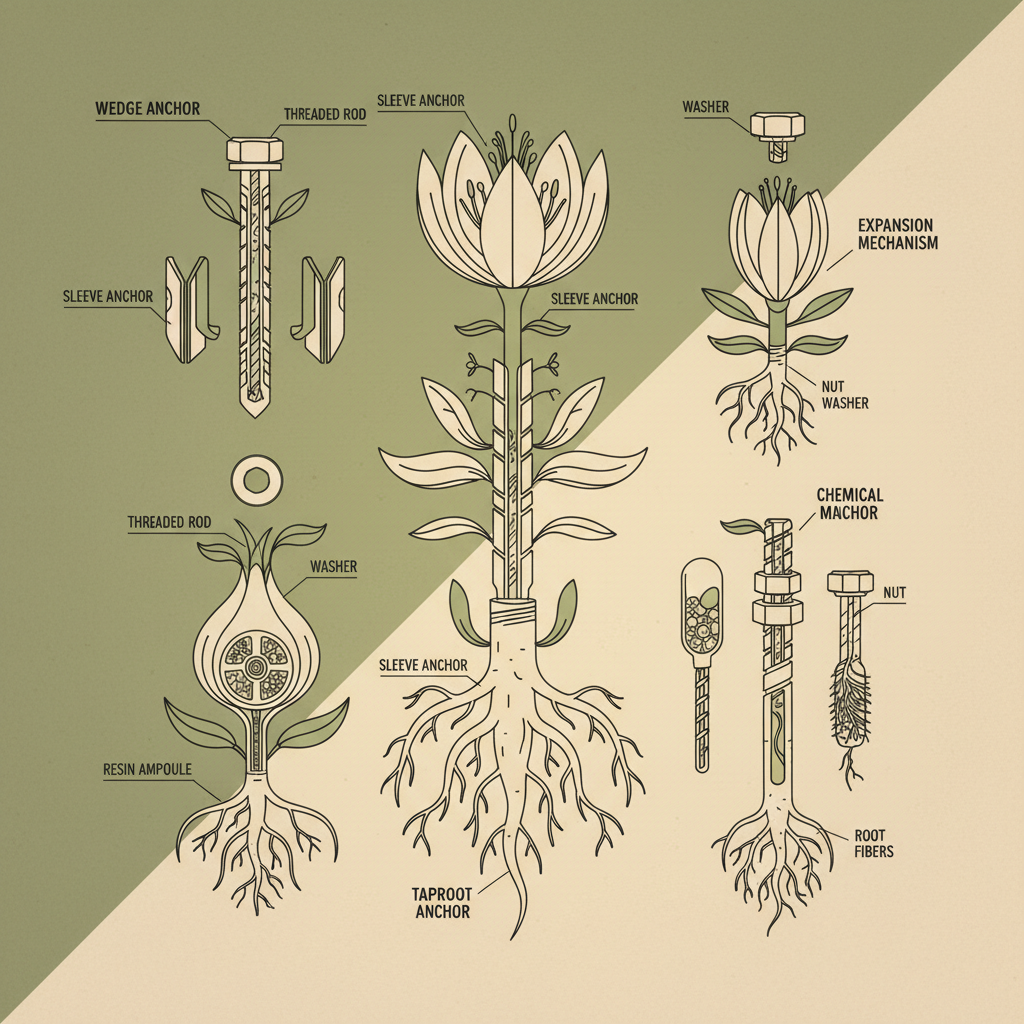
It depends on the load, the material you're anchoring into, and the environmental conditions. You need to consider shear forces, tensile forces, and any potential vibrations. For concrete, you have options like wedge anchors, sleeve anchors, and chemical anchors. Each has its strengths and weaknesses. A good engineer will calculate the required strength and specify the appropriate bolt. Don’t guess!
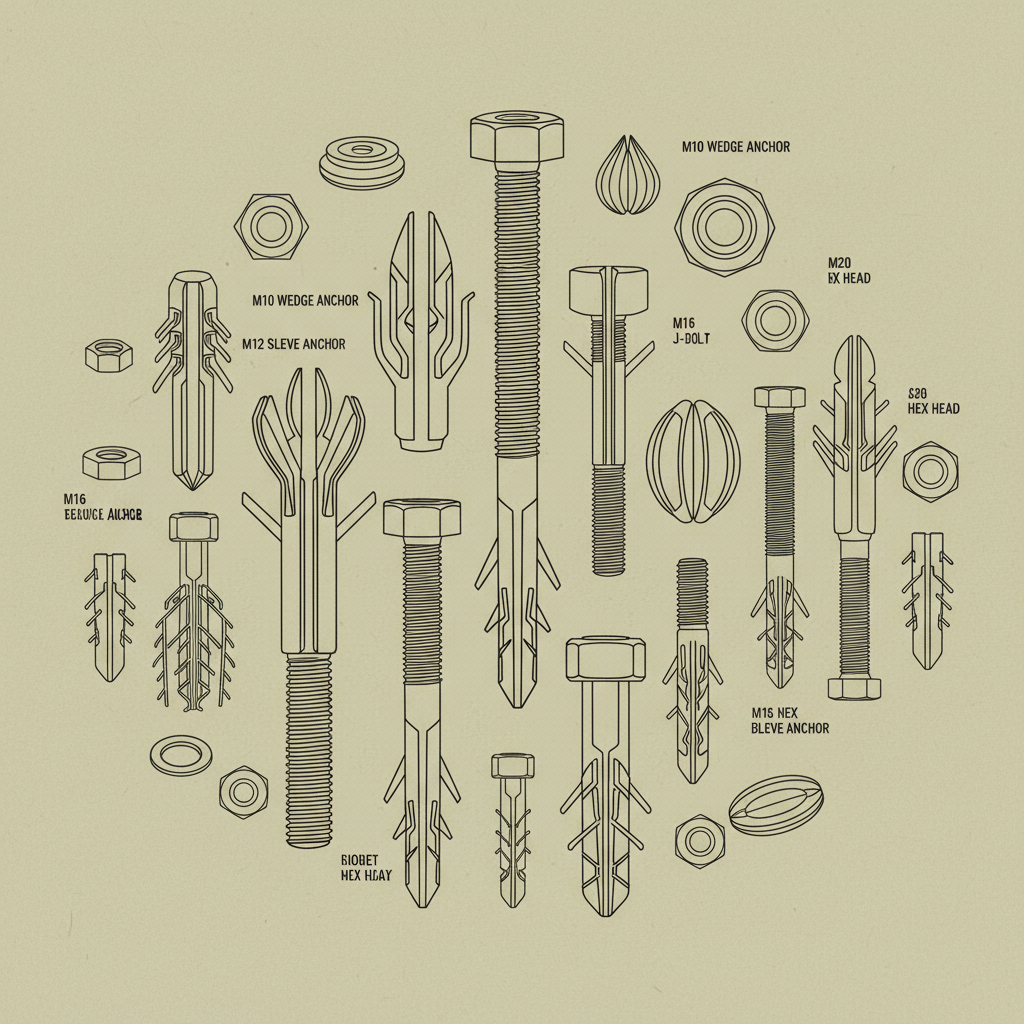
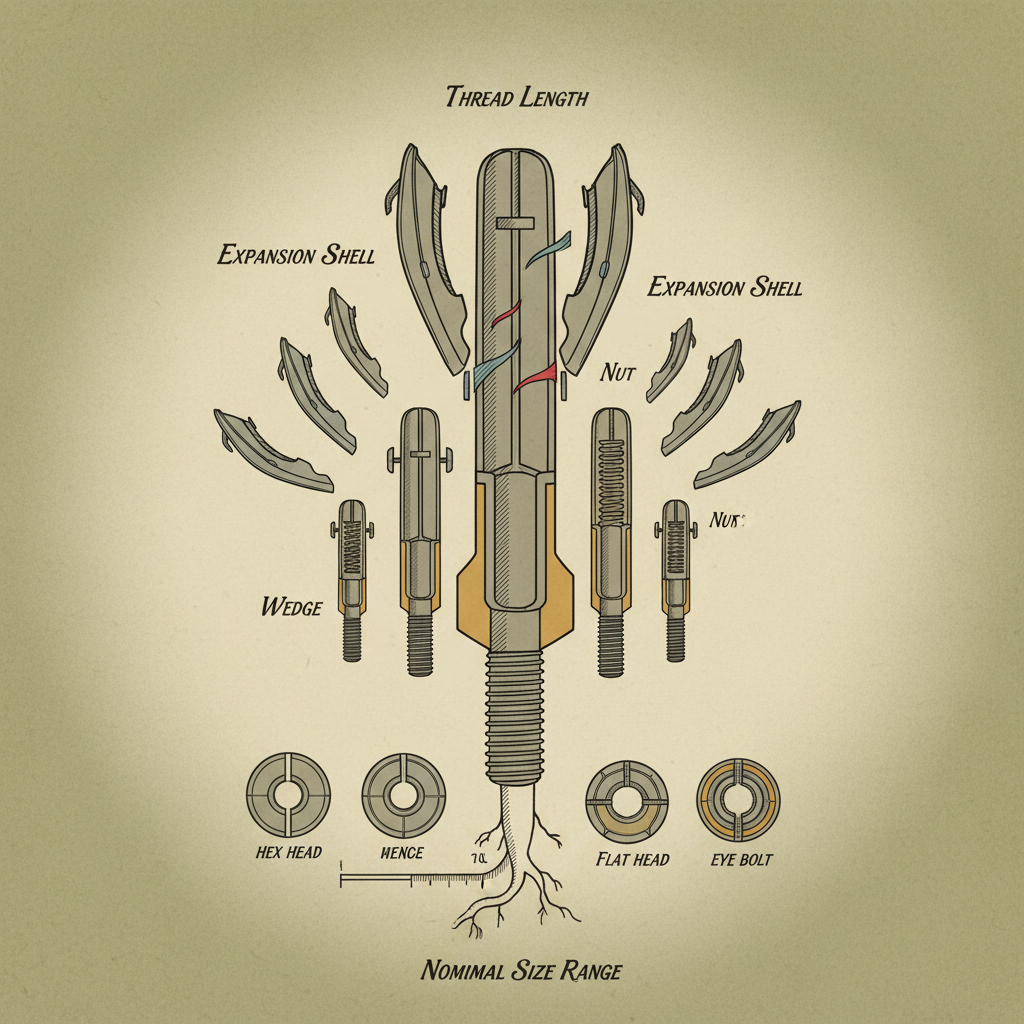
Wedge anchors are generally stronger and better suited for heavier loads. They rely on a wedge being driven into the concrete to expand the anchor. Sleeve anchors are more versatile and can be used in a wider range of materials, including hollow concrete. They have a sleeve that expands when the bolt is tightened. Both are good options, but choose the one that best fits your needs.
The best way is to use corrosion-resistant materials like stainless steel or hot-dip galvanized steel. You can also apply a protective coating to the bolt. And make sure to avoid using dissimilar metals, as this can accelerate corrosion. Proper installation and maintenance are also key. Inspect the bolts regularly and replace any that show signs of corrosion.
Proper torqueing is critical for ensuring the anchor bolt provides the correct clamping force. Too little torque, and the bolt will loosen over time. Too much torque, and you risk stripping the threads or damaging the concrete. Always use a calibrated torque wrench and follow the manufacturer's recommendations. It's not something to just eyeball.
Generally, no. Once an anchor bolt has been stressed, it's best to replace it. The expansion mechanism can be damaged, and the bolt may not provide the same level of holding power. Unless you're absolutely certain it's in perfect condition, it's not worth the risk. Think of it like a one-time-use item for critical applications.
Conclusion
So, at the end of the day, anchor bolts are a deceptively simple component. They play a crucial role in the safety and reliability of countless structures. Getting the right size, material, and installation technique is paramount, and understanding the nuances can save you a lot of headaches – and potentially lives.
Ultimately, whether this thing works or not, the worker will know the moment he tightens the screw. And if he feels resistance, if it feels solid, you can be pretty confident you’ve done things right. And if it doesn't? Well, you've got a problem.




 English
  Bengali
  Bulgarian
  Catalan
  Czech
Czech  French
  German
  Hindi
Hindi  Hungarian
  Italian
  Kazakh
  Korean
  Portuguese
  Romanian
  Slovak
  Somali
  Spanish
  Turkish