
You know, I’ve been running around construction sites for fifteen years, and honestly, it's the same story every time. Everyone's chasing strength, chasing durability. But these days, it's all about speed, right? Prefabrication is huge, modular builds are taking off. Everyone wants things up yesterday. And that means a lot more reliance on things like the anchor bolt 10mm. It’s not glamorous, but it’s the little things that hold everything together, literally.
I've seen too many projects delayed because someone skimped on the anchors. They think, "Oh, it’s just a little bolt," but it's the foundation for so much else. It’s like… you wouldn’t build a house on sand, would you? Same principle. And, to be honest, the biggest problem I see is folks getting caught up in the spec sheet and forgetting about real-world conditions.
It’s funny, you spend all this time in meetings talking about tensile strength and yield points, and then you get on-site and the guys are banging them in with a hammer. And that’s fine, as long as you’ve accounted for it. Anyway, I think a lot of people underestimate how much vibration and stress these things actually take.
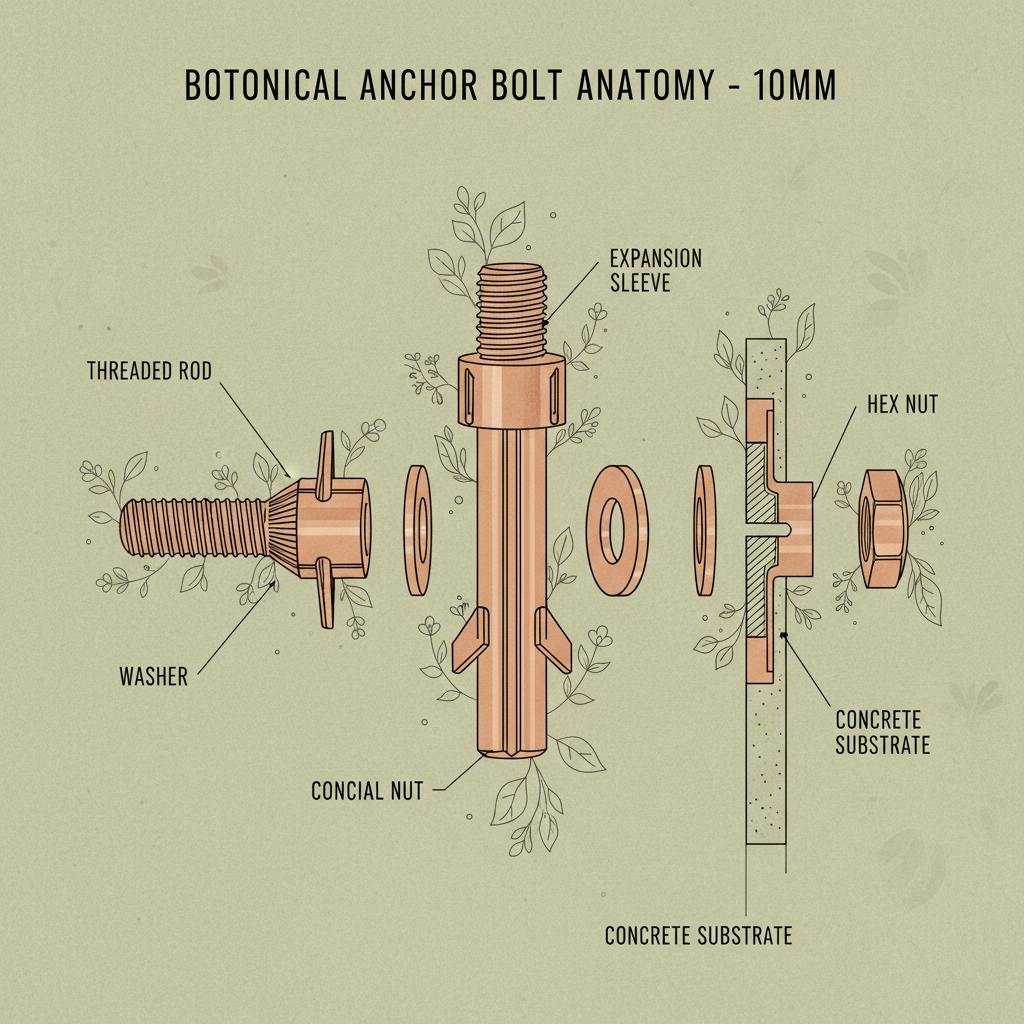
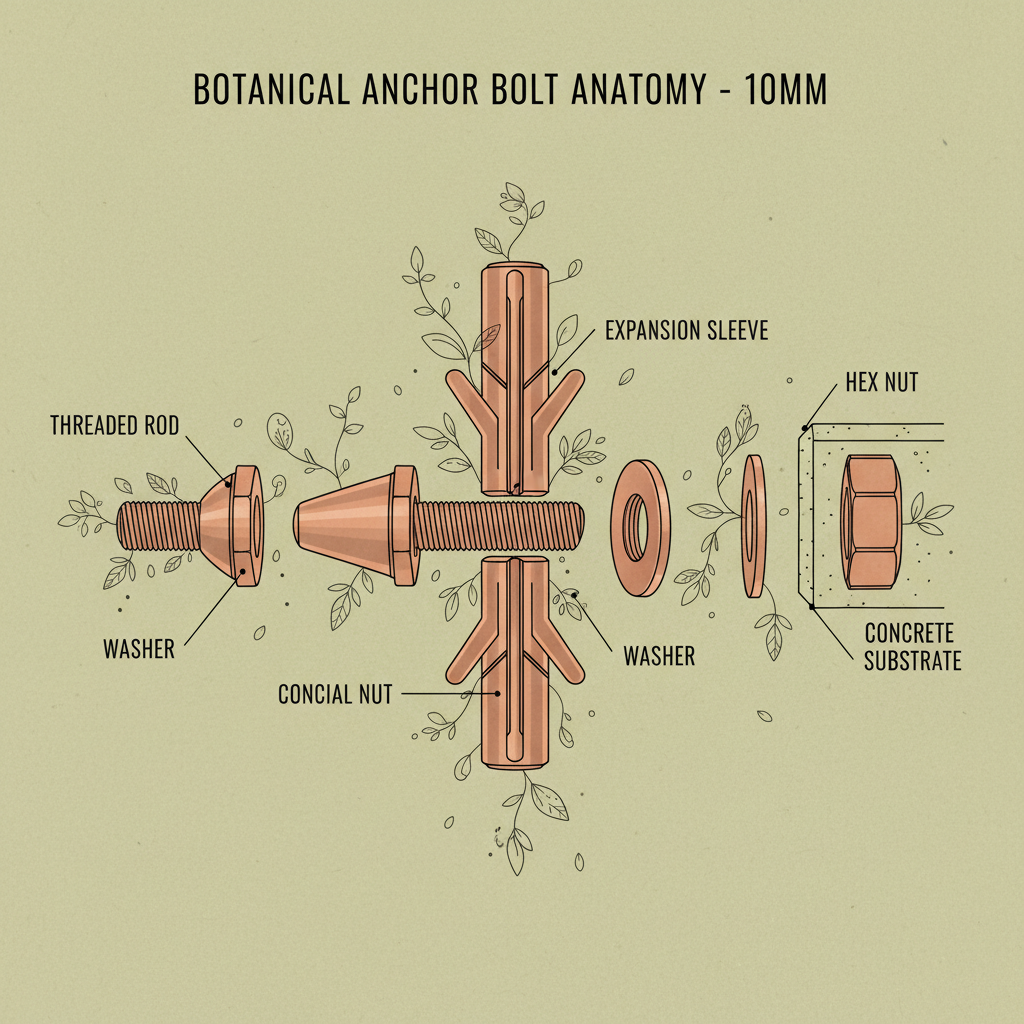
Have you noticed how much building is going up everywhere? Not just skyscrapers, but warehouses, data centers, even tiny homes. All of it needs anchors. And with the push for faster construction, the demand for reliable, easy-to-install anchor bolt 10mm is through the roof. We’re seeing a lot of interest in self-drilling anchors, anything that can speed up the process without sacrificing strength. It's all about minimizing downtime.
The ISO standards are getting stricter, too, which is good. It forces manufacturers to up their game. But it also means more paperwork… don’t even get me started on the paperwork.
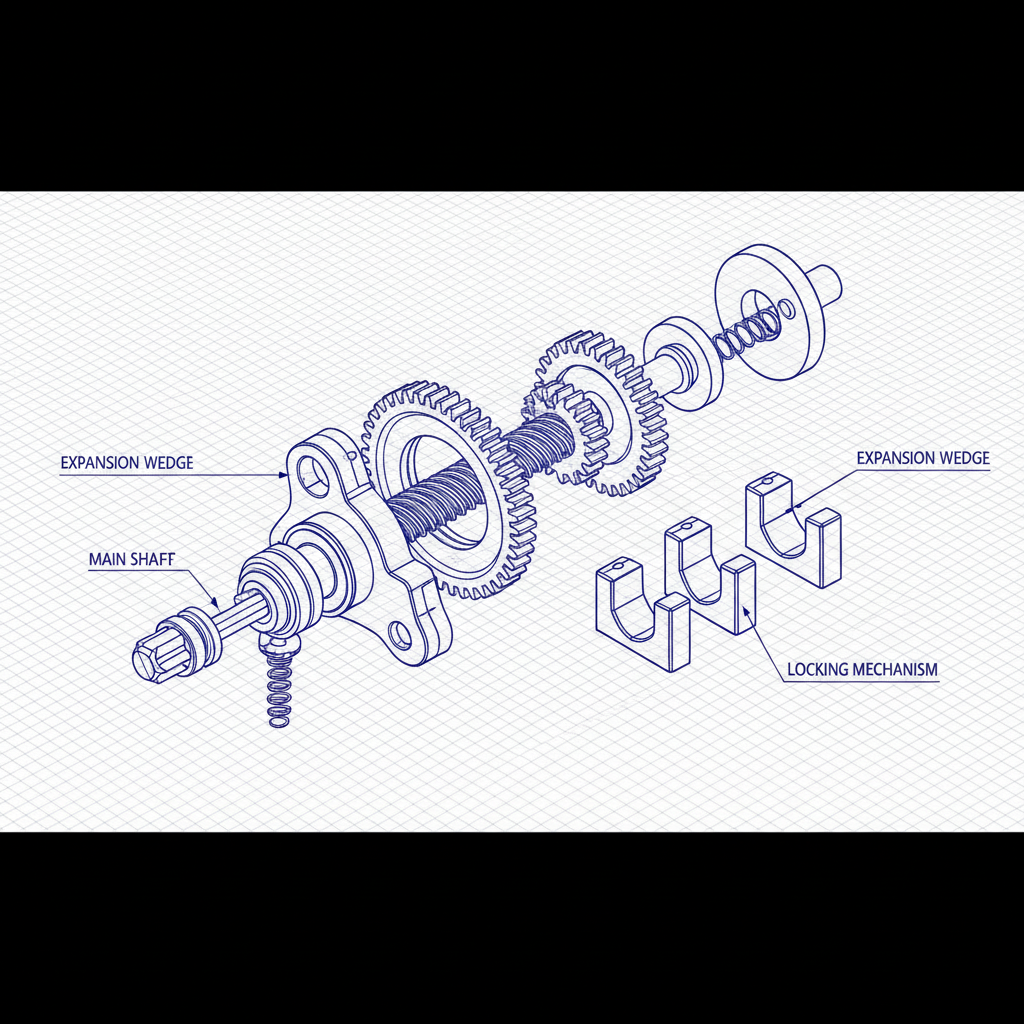
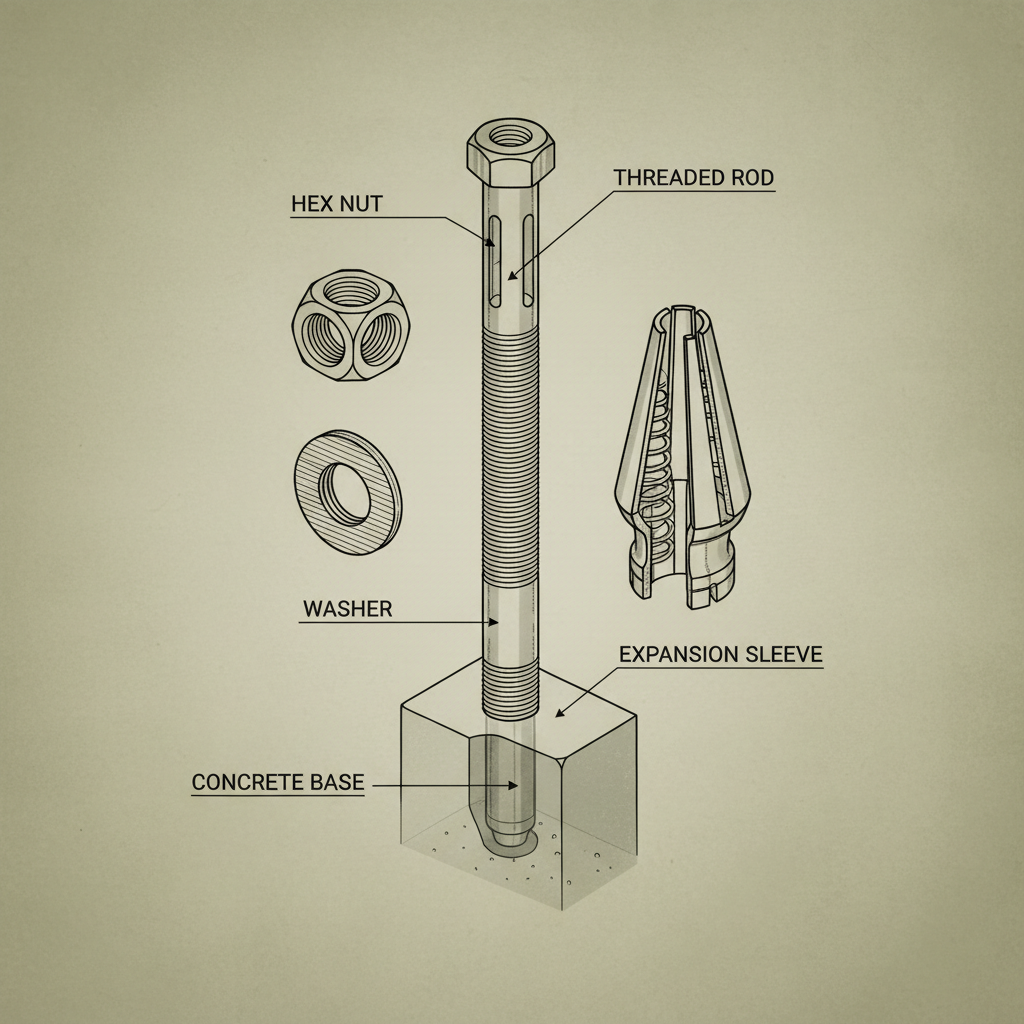
Good question. Wedge anchors are generally used for heavier loads in solid concrete, relying on a wedging action. Sleeve anchors, on the other hand, have a sleeve that expands as the bolt is tightened, making them better suited for hollow or softer materials. It really depends on the base material and the load requirements. Getting the wrong one can cause a lot of issues down the line, trust me.
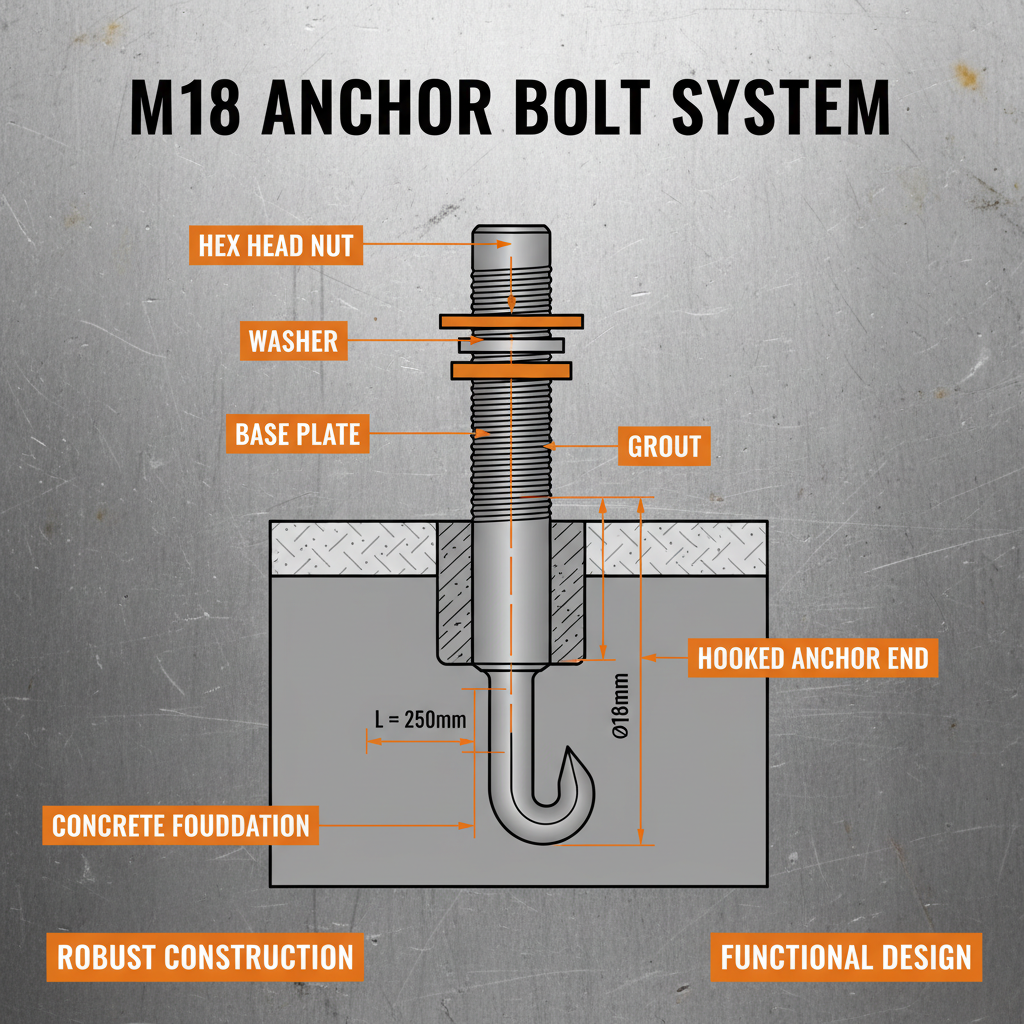
That depends on the load, the concrete strength, and the anchor type. But a good rule of thumb is at least 5 times the diameter of the bolt. So, for a 10mm bolt, you're looking at around 50mm of embedment. Always check the manufacturer's specifications, though. They'll have detailed guidelines for specific applications. Don't just wing it.
Generally, no. Once an anchor bolt 10mm has been tightened, the expansion mechanism is set. Trying to remove and reuse it can compromise its holding capacity. It's just not worth the risk. It's cheap insurance to just use a new one. Trust me on this one, I've seen what happens when people try to reuse them. It’s never pretty.
Lots of things. Corrosion is a big one, especially in harsh environments. Over-torqueing can strip the threads. Insufficient embedment can lead to pull-out failure. And, of course, using the wrong anchor for the application. Regularly inspecting and maintaining anchors is crucial, especially in critical applications. Proactive maintenance can save you a lot of headaches.
Use stainless steel anchors in corrosive environments. Apply a protective coating to carbon steel anchors. Ensure proper drainage to prevent water from pooling around the anchors. And, if necessary, use sacrificial anodes to protect the anchors from corrosion. Little things can make a big difference. It's about thinking ahead and planning for the long term.
Installing anchors in cracked concrete is tricky. You need to use anchors that are specifically designed for that purpose, like epoxy anchors. These anchors bond directly to the concrete, providing a strong and reliable connection. Proper preparation of the hole is critical. You need to clean it thoroughly to remove any dust or debris. It's more involved, but it's the only way to ensure a secure hold.
Ultimately, the anchor bolt 10mm might seem like a small component, but it plays a vital role in the safety and reliability of countless structures. It's a workhorse that often goes unnoticed, but when it fails, things can go very wrong. Understanding the nuances of material selection, installation techniques, and proper application is crucial for ensuring long-term performance and preventing costly failures.
And really, at the end of the day, whether this thing works or not, the worker will know the moment he tightens the screw. If it feels solid, if it holds, then you've done your job right. And that's what matters. Check out our website at www.ytbolt.com for more information and to explore our range of anchor solutions.



 English
  Bengali
  Bulgarian
  Catalan
  Czech
Czech  French
  German
  Hindi
Hindi  Hungarian
  Italian
  Kazakh
  Korean
  Portuguese
  Romanian
  Slovak
  Somali
  Spanish
  Turkish