Wall bolts, seemingly simple fasteners, are fundamental components in a vast array of global infrastructures and applications. From securing critical connections in skyscrapers and bridges to anchoring safety equipment in industrial settings, their reliability directly impacts public safety, economic stability, and the longevity of countless structures. Understanding their properties, applications, and future advancements is crucial for engineers, architects, construction professionals, and anyone involved in building and maintaining the modern world.
The global demand for high-quality wall bolts is continuously increasing, driven by rapid urbanization, infrastructure development in emerging economies, and stricter safety regulations. The market size, estimated to be worth billions of dollars annually, reflects the pervasive need for robust and dependable fastening solutions. According to data from the World Bank, infrastructure investment in developing nations is projected to reach trillions in the coming decades, further fueling the demand for specialized bolts like those used in wall construction.
The importance of wall bolts extends beyond sheer structural support. They play a crucial role in seismic resistance, ensuring the safety of buildings in earthquake-prone regions. They are integral to the mounting of critical life-safety systems, such as fire suppression sprinklers and emergency exits. Ultimately, the quality and correct application of a wall bolt can be the difference between a secure structure and a catastrophic failure, making it a subject of paramount importance.
Defining Wall Bolts and Their Significance
Wall bolts are threaded fasteners designed to secure materials through a wall, typically consisting of a head, a threaded shank, and often a washer and nut. They are distinct from screws, often requiring a pre-drilled hole and a separate nut for tightening. Their primary function is to create a robust and permanent connection, transferring load between the secured materials and the wall itself.
The significance of using the correct wall bolt for a given application cannot be overstated. Incorrect selection can lead to structural failure, safety hazards, and costly repairs. Modern construction and industrial practices demand high-precision, durable, and corrosion-resistant wall bolts, pushing manufacturers to continually innovate in materials, coatings, and design.
Global Relevance and Industry Context
Wall bolts are fundamental to the global construction industry, a sector representing approximately 6% of global GDP. According to the United Nations, the world population is increasingly urbanized, with over 55% now living in cities, a trend expected to continue. This growth necessitates massive infrastructure projects – buildings, bridges, tunnels – all of which rely heavily on reliable fastening systems, particularly wall bolts.
The demand isn’t limited to new construction. Existing infrastructure requires constant maintenance and retrofitting, often necessitating the replacement or reinforcement of fasteners. Stringent building codes and safety standards, particularly in developed nations, further drive the need for high-quality, certified wall bolts. ISO standards, for example, outline rigorous testing and quality control procedures for bolt manufacturing, ensuring consistent performance and safety.
Furthermore, specific industries like aerospace, automotive, and renewable energy have unique demands for wall bolts. These applications often require specialized materials, coatings, and tolerances to withstand extreme conditions and ensure critical system reliability. The consistent growth of these sectors translates directly into increased demand for advanced wall bolt solutions.
Understanding Wall Bolt Composition and Types
Wall bolts are manufactured from a variety of materials, each offering unique properties. Carbon steel is a common choice due to its strength and cost-effectiveness, though it’s susceptible to corrosion. Stainless steel, particularly grades 304 and 316, provides excellent corrosion resistance, making it ideal for outdoor and marine applications. Alloy steels, containing elements like chromium, nickel, and molybdenum, offer enhanced strength, toughness, and wear resistance.
Beyond material, wall bolts are classified by their head style (hex, round, pan, etc.), drive type (hex, Phillips, slotted, etc.), thread pitch (coarse or fine), and coating (zinc, galvanization, PTFE, etc.). Hex head bolts are the most common, providing a large surface area for wrenching. Different coatings are applied to enhance corrosion resistance, reduce friction, or provide aesthetic appeal.
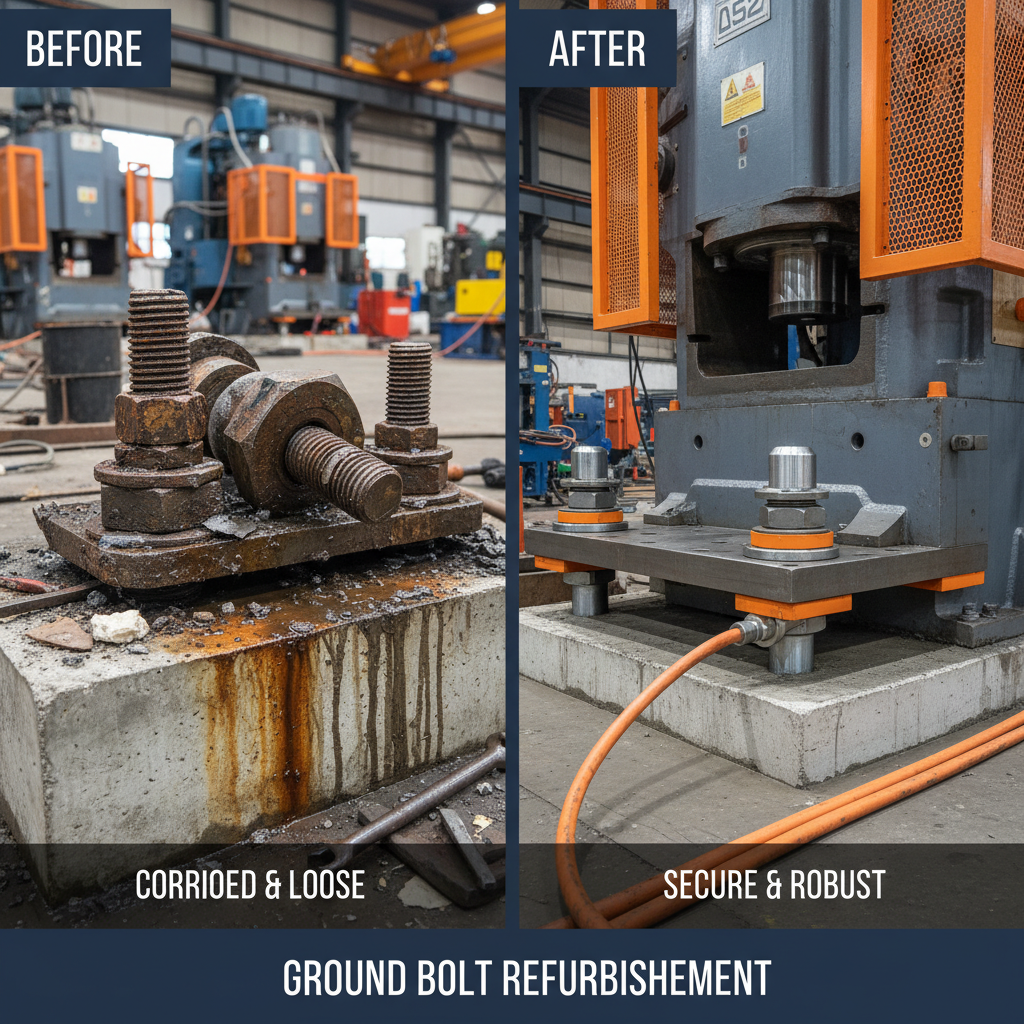
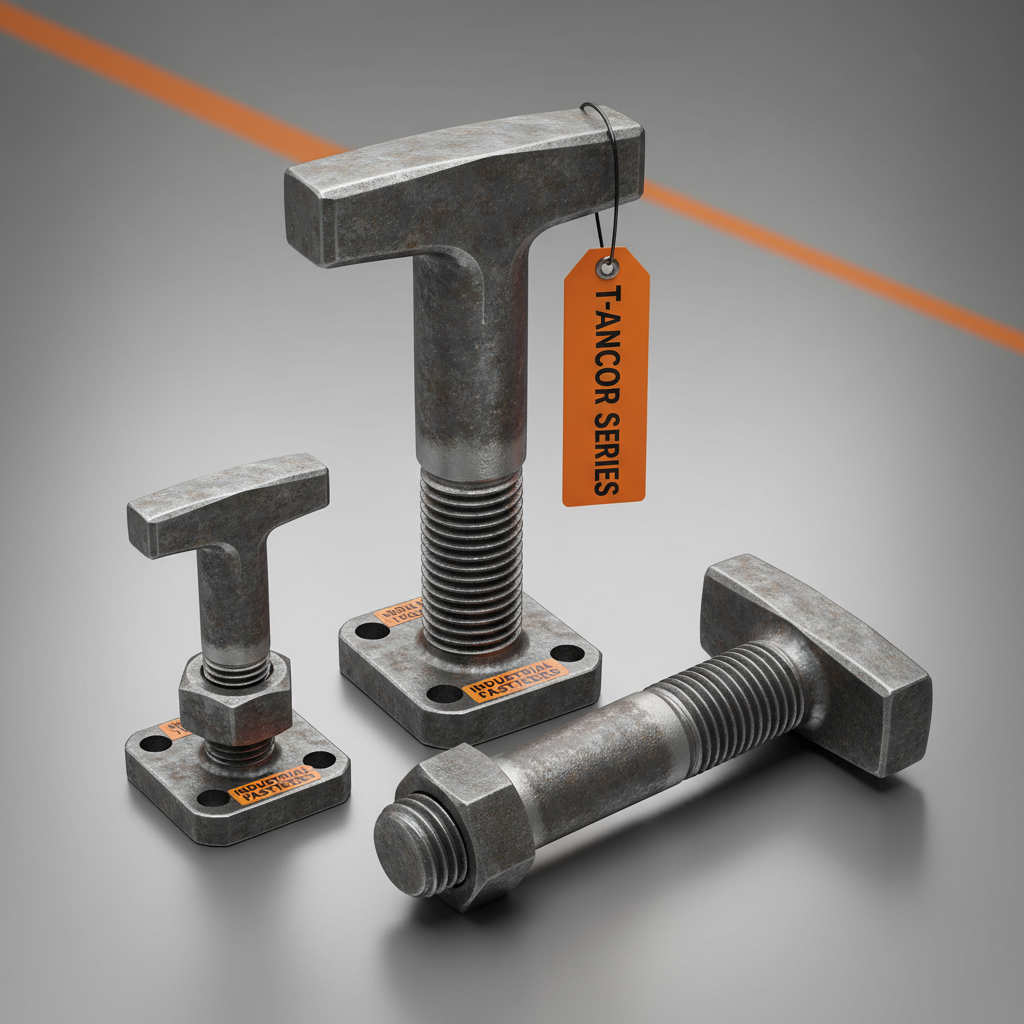
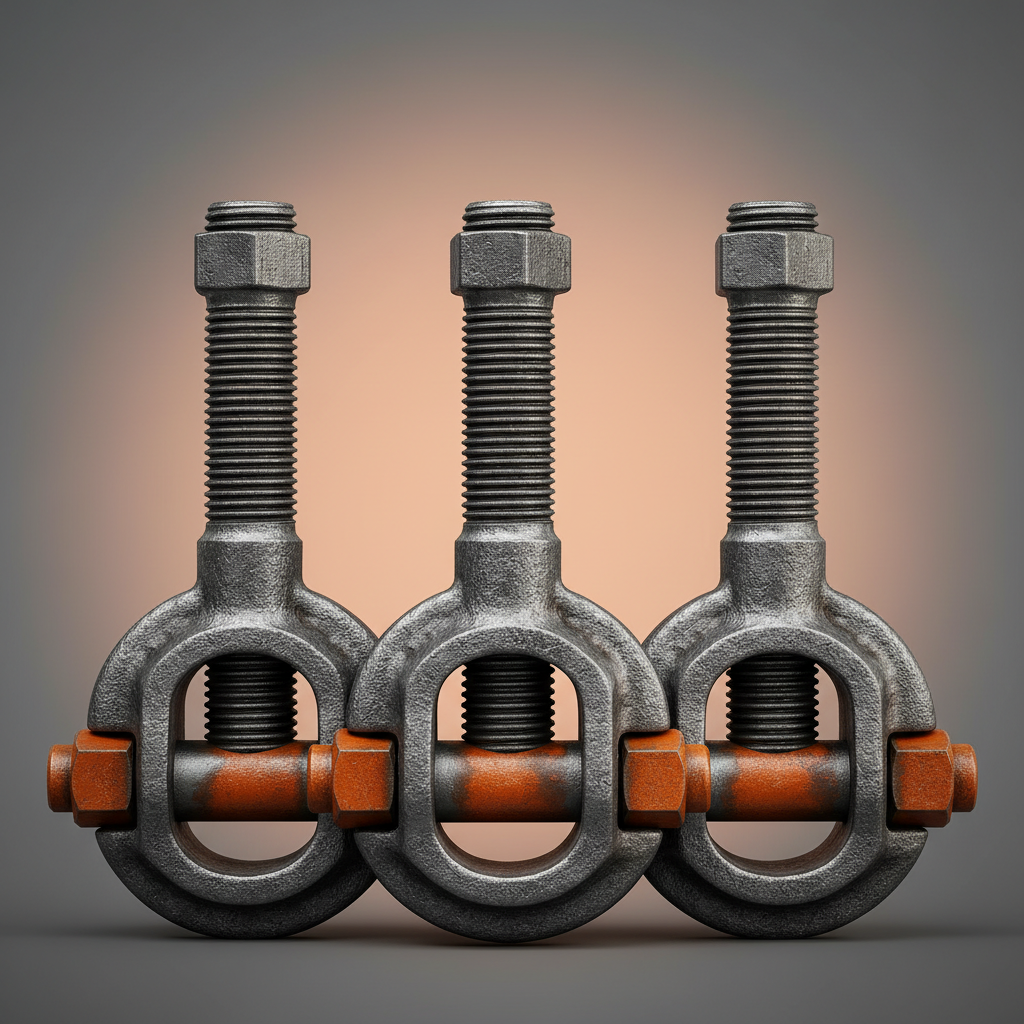
Specialty wall bolts include anchor bolts, designed to embed into concrete or masonry, sleeve anchors, providing a secure hold in hollow materials, and toggle bolts, ideal for securing to surfaces with limited access. The choice of bolt type is dictated by the specific application, load requirements, and material being fastened.
Key Factors Influencing Wall Bolt Performance
Several critical factors determine the performance and longevity of wall bolts. Tensile strength, the maximum stress a bolt can withstand before breaking, is paramount for structural integrity. Yield strength, the stress at which a bolt begins to deform permanently, is equally important to prevent loosening under load.
Corrosion resistance is another key consideration, particularly in harsh environments. The choice of material and coating plays a significant role in preventing rust and degradation. Fatigue strength, the bolt's ability to withstand repeated stress cycles, is crucial for applications subject to vibration or dynamic loads.
Wall Bolt Performance Metrics
Applications of Wall Bolts Across Industries
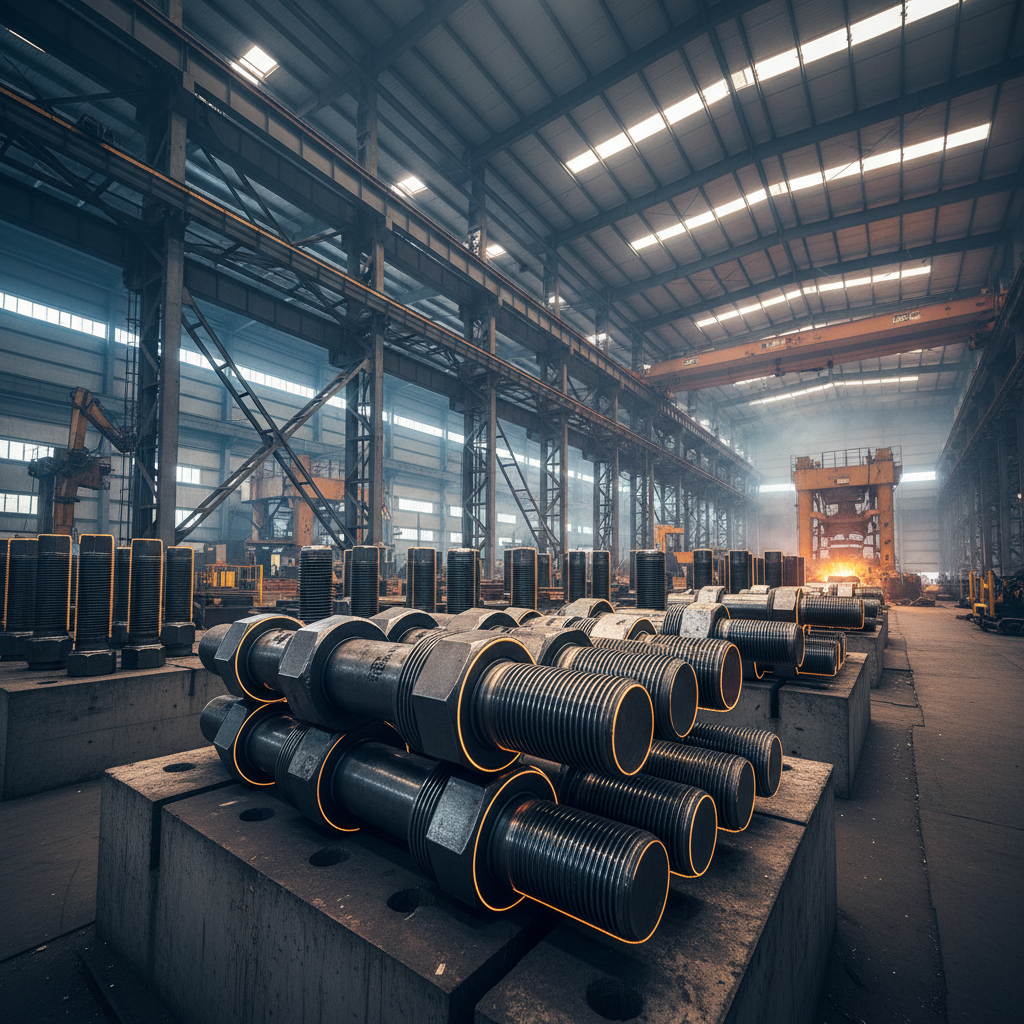
The construction industry is the largest consumer of wall bolts, utilizing them in everything from residential buildings to skyscrapers, bridges, and tunnels. They are critical for securing structural steel, connecting concrete elements, and anchoring building facades. wall bolts are often used in seismic retrofitting projects to strengthen existing structures against earthquake damage.
Beyond construction, wall bolts are essential in the manufacturing sector, securing machinery, equipment, and enclosures. They are prevalent in the automotive industry, holding vehicle components together. In the renewable energy sector, they are used extensively in wind turbine towers and solar panel mounting systems.
Advantages and Long-Term Value of Using Quality Wall Bolts
Investing in high-quality wall bolts offers significant long-term benefits. Reduced maintenance costs are a primary advantage, as durable bolts require less frequent replacement. Enhanced safety is paramount, as reliable fasteners minimize the risk of structural failure and potential accidents. Improved structural integrity contributes to the overall longevity of a building or infrastructure project.
Furthermore, using certified wall bolts ensures compliance with industry standards and building codes, simplifying inspections and reducing liability. From a sustainability perspective, durable bolts contribute to a longer lifespan for structures, reducing the need for resource-intensive reconstruction. The peace of mind knowing that critical connections are secure and reliable adds immeasurable value.
Future Trends and Innovations in Wall Bolt Technology
Ongoing research and development are driving several exciting innovations in wall bolt technology. The use of advanced materials, such as high-strength alloys and composite materials, is increasing, leading to lighter, stronger, and more corrosion-resistant fasteners. Smart bolts, incorporating sensors to monitor stress levels and detect loosening, are emerging as a potential solution for predictive maintenance.
Additive manufacturing (3D printing) is also poised to revolutionize wall bolt production, enabling the creation of customized fasteners with complex geometries and optimized performance characteristics. Sustainable manufacturing practices, including the use of recycled materials and energy-efficient production processes, are gaining traction as the industry strives for greater environmental responsibility.
Digitalization and the integration of Building Information Modeling (BIM) are streamlining the bolt selection and procurement process, ensuring that the correct fasteners are used for each application, enhancing efficiency, and reducing errors.
FAQS
While both are fasteners, wall bolts typically require a nut and are designed for heavier loads and more permanent connections. Screws often thread directly into the material and are used for lighter-duty applications. Bolts generally have a larger diameter and are used in situations demanding greater clamping force and resistance to loosening.
Determining the correct size and strength requires considering the load-bearing requirements of the connection, the material being fastened, and applicable building codes. Consulting with a structural engineer is highly recommended to ensure the bolts are adequately sized to withstand the anticipated stresses and prevent failure. wall bolts offer a range of options.
Common corrosion protection methods include zinc plating, galvanization, PTFE coating, and the use of stainless steel. Zinc plating provides a sacrificial layer of protection, while galvanization creates a more durable zinc coating. PTFE coating reduces friction and provides chemical resistance. Stainless steel offers inherent corrosion resistance due to its chromium content.
Proper torque is crucial for creating a secure connection. Refer to the bolt manufacturer’s specifications for the recommended torque value. Use a calibrated torque wrench and tighten the bolt in a controlled manner, following a star pattern to distribute the load evenly. Over-tightening can damage the bolt or the material being fastened.
Certified wall bolts have undergone rigorous testing and quality control to ensure they meet specific performance standards. Using certified bolts provides assurance that they will perform as expected, reducing the risk of failure and ensuring compliance with building codes. Certification often involves traceability and documentation of material composition and manufacturing processes.
Several methods can help prevent loosening, including using lock washers, thread-locking adhesives, and properly torquing the bolts during installation. Regular inspection and re-tightening are also recommended, especially in applications subject to vibration or dynamic loads. Using self-locking nuts or bolts can provide additional security.
Conclusion
In conclusion, wall bolts are far more than simple fasteners; they are critical components that underpin the safety, durability, and reliability of countless structures and systems worldwide. Their significance extends across diverse industries, impacting economic growth, public safety, and sustainable development. Understanding their properties, applications, and future trends is essential for professionals and stakeholders alike.
As technology continues to advance, expect to see further innovations in wall bolt materials, designs, and manufacturing processes. Embracing these advancements will lead to stronger, more durable, and more sustainable structures, ensuring a safer and more resilient built environment for future generations. For high-quality wall bolts and expert advice, visit our website: www.ytbolt.com.




 English
  Bengali
  Bulgarian
  Catalan
  Czech
Czech  French
  German
  Hindi
Hindi  Hungarian
  Italian
  Kazakh
  Korean
  Portuguese
  Romanian
  Slovak
  Somali
  Spanish
  Turkish