
Anchor rods are foundational components in modern construction and engineering, playing a crucial role in ensuring the stability and safety of structures across diverse applications. From securing machinery to buildings and infrastructure, these specialized fasteners provide robust connections to concrete and other base materials. Understanding their properties and applications is paramount for engineers, architects, and construction professionals globally. They represent a critical element in upholding building codes and mitigating risks in an increasingly complex built environment.
The global demand for reliable fastening solutions like the anchor rod continues to rise, driven by rapid urbanization, infrastructure development, and the need for seismic resilience. According to recent reports from the World Bank, infrastructure investment is projected to exceed $3.1 trillion annually by 2030, creating a substantial market for anchoring systems. The increasing frequency of natural disasters, such as earthquakes and hurricanes, further emphasizes the necessity of robust anchor rod solutions capable of withstanding extreme forces. This emphasizes the importance of continuous innovation and adherence to international standards (like those set by ISO).
The widespread use of anchor rods addresses a fundamental challenge in construction: reliably transferring loads from a structure to a concrete foundation. Traditional methods often struggle with long-term durability and resistance to corrosion, particularly in harsh environments. Modern anchor rod designs, employing advanced materials and installation techniques, overcome these limitations, offering superior performance and longevity. This makes them indispensable for a broad range of projects, from high-rise buildings to bridges and industrial facilities.
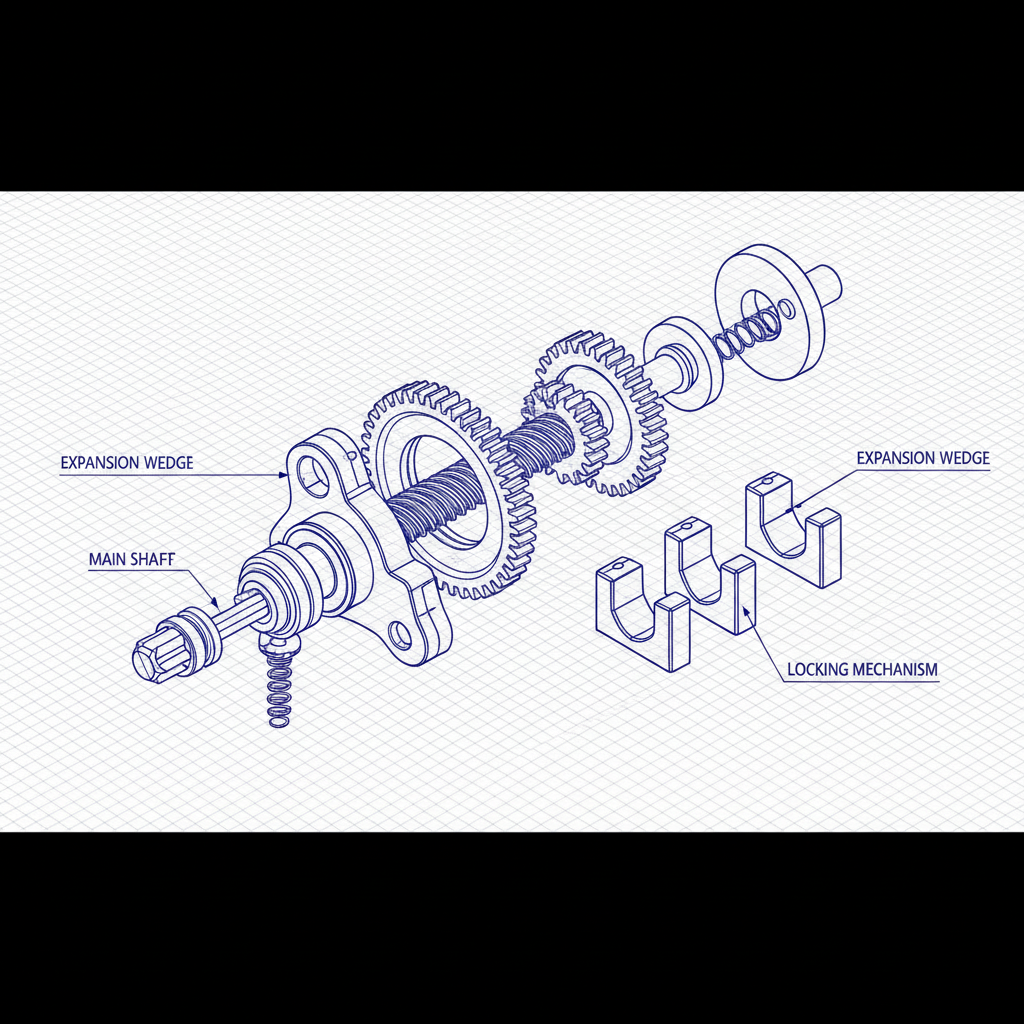
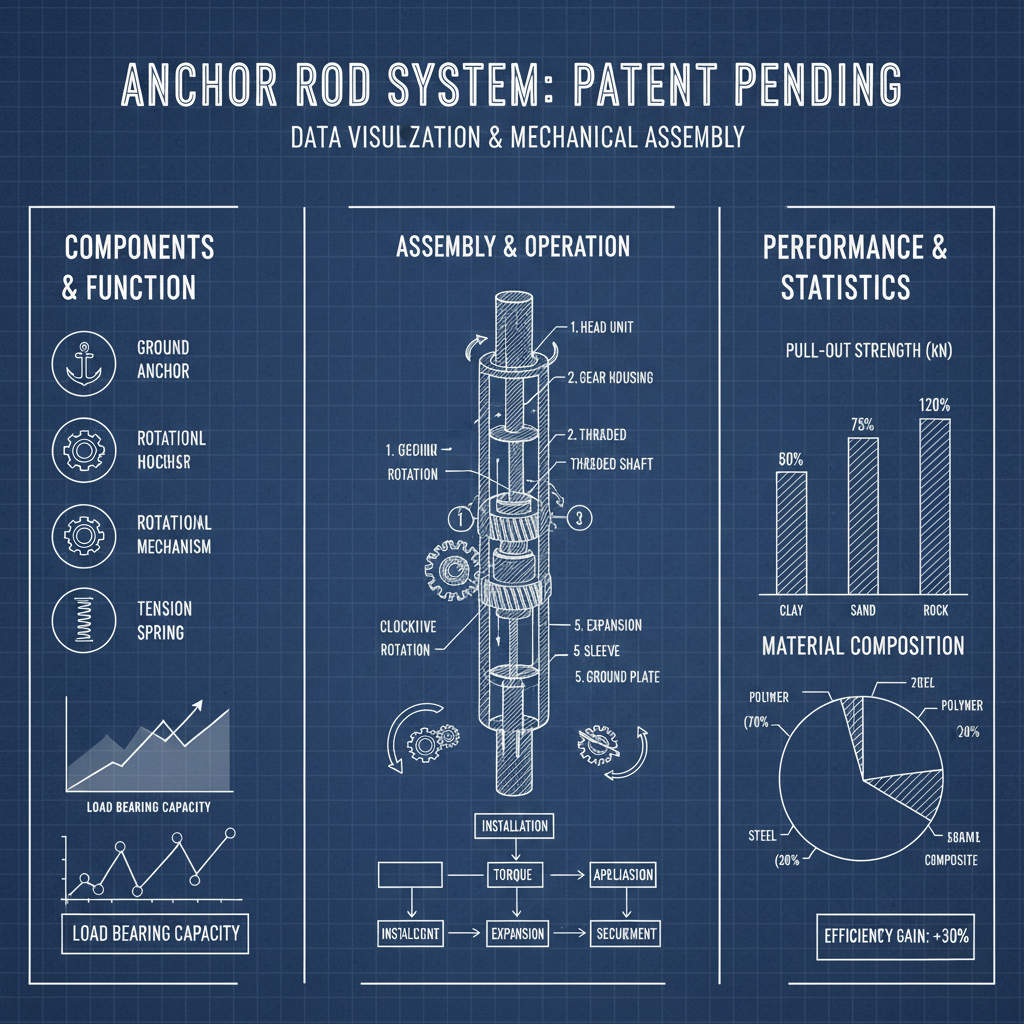
An anchor rod is a specialized fastener used to connect structural and non-structural elements to concrete foundations. It’s essentially a threaded rod embedded in concrete, providing a secure anchor point for various components. The significance of anchor rods lies in their ability to transfer tensile and shear forces, ensuring the stability and integrity of structures. They are critical in a wide range of construction projects, from attaching steel columns to concrete slabs to securing equipment to floors.
The use of anchor rods isn’t merely a technical requirement; it’s essential for safety and compliance. Building codes worldwide dictate specific requirements for anchoring systems, and the correct selection and installation of anchor rod are paramount to meet these standards. Failure to adhere to these guidelines can result in structural failures, endangering lives and causing significant property damage.
The performance of anchor rod is typically evaluated based on its tensile strength, shear strength, and embedment depth. Tensile strength refers to the maximum load the rod can withstand before breaking, while shear strength represents its resistance to forces acting perpendicular to its axis. Embedment depth, the length of the rod embedded in the concrete, significantly influences its load capacity.
Calculating the load capacity of an anchor rod requires considering several factors, including the concrete compressive strength, the anchor rod diameter, the embedment depth, and the spacing between anchor rods. Engineering calculations, often based on ACI 318 (American Concrete Institute) standards, are used to determine the allowable loads.
Anchor rods find application in a wide array of industries and construction projects globally. In the construction of high-rise buildings, they are used to secure the steel framework to the concrete foundation, ensuring stability against wind and seismic loads. Similarly, in bridge construction, they play a critical role in anchoring the bridge deck to the supporting piers.
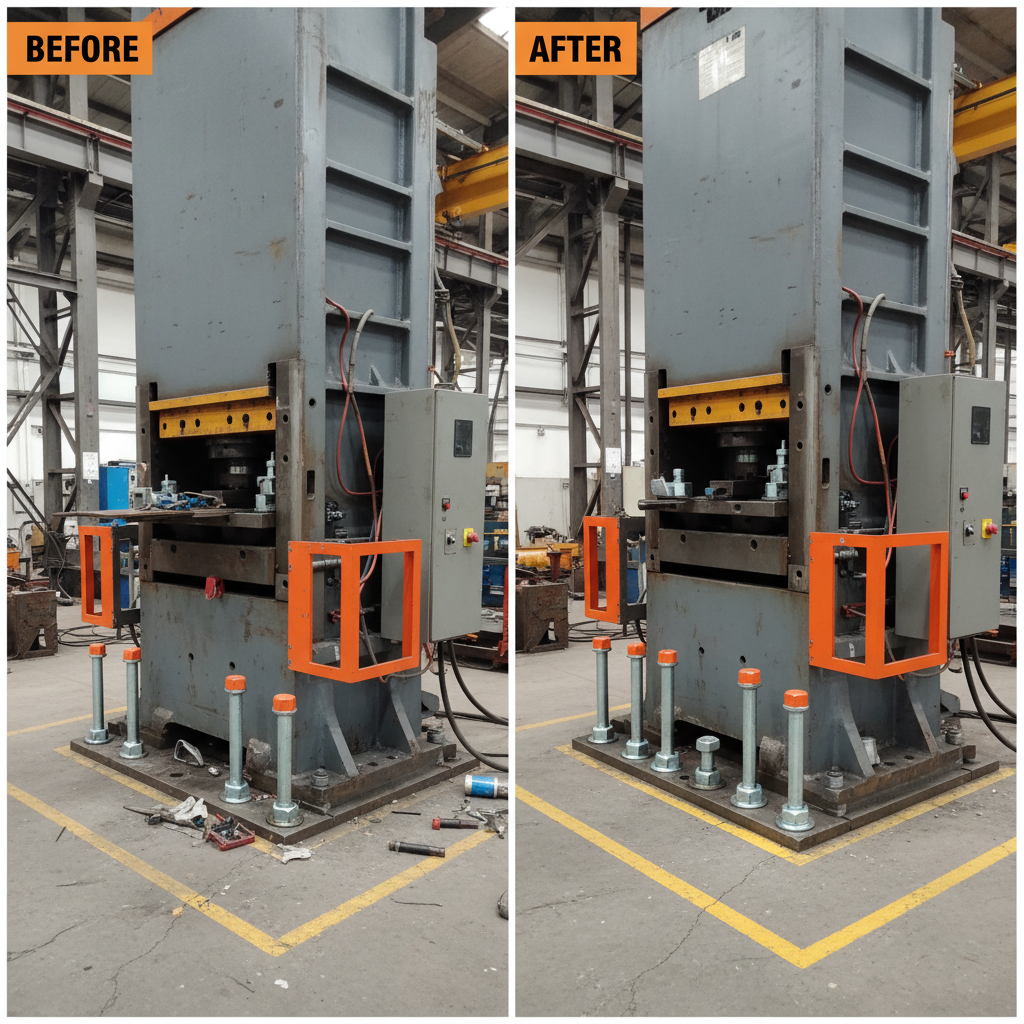
In the industrial sector, anchor rods are extensively used to mount heavy machinery, equipment, and pipelines to concrete floors and walls. Power plants, manufacturing facilities, and refineries rely on them to secure critical components. Additionally, in the renewable energy sector, anchor rod are used in the foundation of wind turbines and solar panel structures, ensuring their stability and resistance to environmental forces.
The advantages of using anchor rods are numerous. They offer a robust and reliable connection, minimizing the risk of structural failure. Their relatively simple installation process reduces construction time and costs. The use of high-quality materials and coatings provides long-term durability, reducing maintenance requirements. Furthermore, proper selection and installation can significantly enhance the seismic resilience of structures.
The long-term value proposition of anchor rod extends beyond initial cost savings. By ensuring structural integrity and minimizing the risk of failures, they contribute to safer buildings and infrastructure, protecting lives and property. Their durability reduces the need for frequent replacements, leading to lower life-cycle costs. Furthermore, their reliability fosters trust and confidence in the built environment.
The future of anchor rod technology is focused on enhancing performance, sustainability, and ease of installation. Research is underway to develop new materials with improved corrosion resistance and higher strength-to-weight ratios. Smart anchor rods, equipped with sensors that monitor stress levels and detect potential failures, are also being developed. These sensors can provide real-time data, allowing for proactive maintenance and preventing catastrophic events.
Furthermore, advancements in digital modeling and simulation are enabling engineers to optimize anchor rod designs for specific applications, maximizing their efficiency and minimizing material usage. The integration of Building Information Modeling (BIM) with anchor rod design and installation processes is streamlining workflows and improving project coordination.
The push for sustainable construction is also driving innovation in anchor rod manufacturing. The use of recycled materials, the development of eco-friendly coatings, and the reduction of carbon emissions in the production process are becoming increasingly important.
| Challenge | Impact on anchor rod Performance | Proposed Solution | Implementation Cost (Scale 1-10) |
|---|---|---|---|
| Corrosion in Marine Environments | Reduced Tensile Strength & Longevity | Use of Duplex Stainless Steel anchor rod | 8 |
| Improper Installation Depth | Reduced Load Capacity | Laser Guided Drilling & Anchor Placement | 6 |
| Concrete Cracking | Compromised Anchor Bond | Use of Expansion Controlled Anchor Systems | 7 |
| Inadequate Load Calculation | Structural Failure Risk | Advanced FEA Modeling & Structural Analysis | 5 |
| Lack of Quality Control | Substandard Material & Manufacturing Defects | Third-Party Inspection & Certification | 4 |
| Insufficient Documentation | Difficulty in Maintenance & Future Modifications | Digital Record Keeping & BIM Integration | 3 |
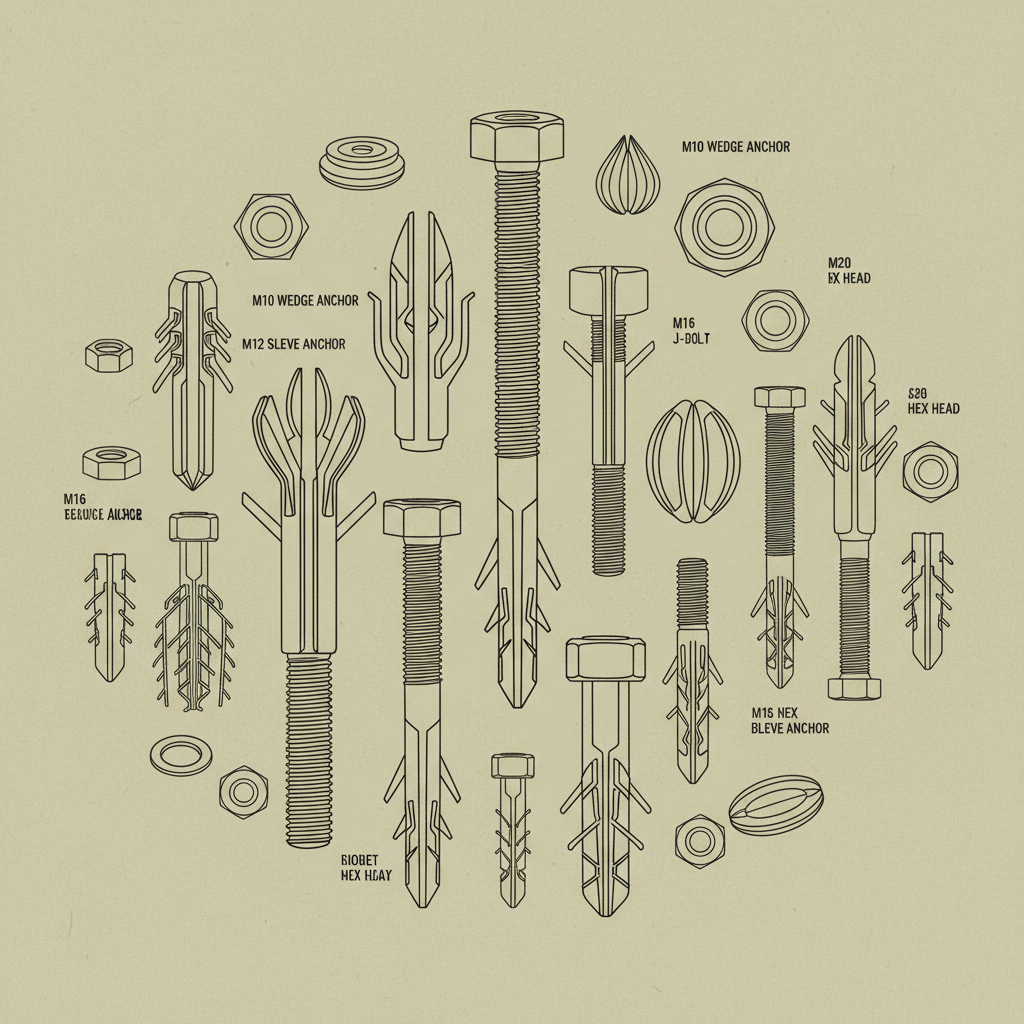
Wedge anchors are generally used for lighter loads in solid concrete, utilizing a wedge mechanism to expand and grip the concrete. Sleeve anchors, on the other hand, are better suited for hollow or cracked concrete, employing a sleeve that expands within the hole. The choice depends heavily on the concrete condition and the anticipated load. Sleeve anchors also allow for closer edge distances.
Calculating embedment depth requires considering several factors, including the anchor rod diameter, the concrete compressive strength, the applied load, and the edge distance. You'll typically use engineering formulas outlined in ACI 318 or consult with a structural engineer. Insufficient embedment depth can significantly reduce the anchor's load capacity, potentially leading to failure.
Cracking in concrete can compromise the performance of anchor rod. If the cracks are significant, you may need to use a different type of anchor, such as a sleeve anchor designed for cracked concrete, or consider repairing the concrete before installing the anchor. A structural engineer should be consulted to assess the severity of the cracks and recommend the appropriate course of action.
Corrosion protection is crucial, especially in harsh environments like coastal regions or industrial plants. Galvanized steel, stainless steel, or specialized coatings are commonly used to prevent rust and maintain the anchor's strength over time. The level of protection required depends on the severity of the corrosive environment and the desired lifespan of the structure.
Yes, specific installation torques are often specified by the anchor rod manufacturer. Over-tightening can damage the anchor or the concrete, while under-tightening can lead to a loose connection. Using a calibrated torque wrench is essential to ensure proper installation and achieve the desired clamping force. Consult the manufacturer's documentation for the recommended torque values.
Regular inspection is recommended, particularly in critical applications or harsh environments. Look for signs of corrosion, cracking, or loosening. The frequency of inspection depends on the specific application and environmental conditions. Documenting inspection findings and implementing a maintenance schedule can help prevent unexpected failures.
In summary, the anchor rod is an indispensable component in modern construction and engineering, offering a reliable and durable solution for securing structures and equipment to concrete foundations. Understanding its core principles, material science, and application considerations is paramount for ensuring safety, longevity, and compliance with industry standards. From high-rise buildings to industrial facilities, their importance cannot be overstated.
Looking ahead, continuous innovation in materials, design, and installation techniques promises to further enhance the performance and sustainability of anchor rod. Embracing these advancements, coupled with rigorous quality control and adherence to best practices, will be crucial for meeting the evolving demands of the built environment and safeguarding the structural integrity of our infrastructure. Visit our website at www.ytbolt.com to explore our comprehensive range of anchor rod solutions.



 English
  Bengali
  Bulgarian
  Catalan
  Czech
Czech  French
  German
  Hindi
Hindi  Hungarian
  Italian
  Kazakh
  Korean
  Portuguese
  Romanian
  Slovak
  Somali
  Spanish
  Turkish