The 5 8 x 10 anchor bolt is a foundational component in countless construction and engineering projects globally. Its standardized dimensions—5/8 inch diameter and 10 inches in length—provide a reliable fastening solution for securing structures to concrete, brick, and other base materials. Understanding the specifications, applications, and quality control surrounding this specific bolt is crucial for ensuring safety, durability, and structural integrity in various industries.
The relevance of the 5 8 x 10 anchor bolt extends far beyond simple construction. It plays a vital role in infrastructure development, renewable energy installations (such as wind turbine foundations), and even the retrofitting of existing buildings for seismic resistance. With increasing global urbanization and a growing demand for robust infrastructure, the consistent quality and availability of this anchor bolt are paramount.
Investing in understanding the nuances of the 5 8 x 10 anchor bolt—from material composition to installation techniques— translates directly to more resilient structures, reduced maintenance costs, and enhanced public safety. This seemingly small component underpins much of the built environment we rely on daily.
The Significance of the 5 8 x 10 Anchor Bolt
The 5 8 x 10 anchor bolt isn't simply a fastener; it represents a critical link in ensuring the stability and longevity of countless structures. Its prevalence in both large-scale infrastructure projects and smaller-scale applications speaks to its versatility and reliability. When selecting an 5 8 x 10 anchor bolt, understanding its load-bearing capacity and material specifications is essential for safety and performance.
From securing safety barriers on highways to anchoring critical machinery in industrial facilities, the 5 8 x 10 anchor bolt provides a consistent and dependable fastening solution. This consistency is vital for engineers and builders, allowing them to design and construct with confidence, knowing that the anchor bolts will perform as expected under varying conditions.
Defining the 5 8 x 10 Anchor Bolt
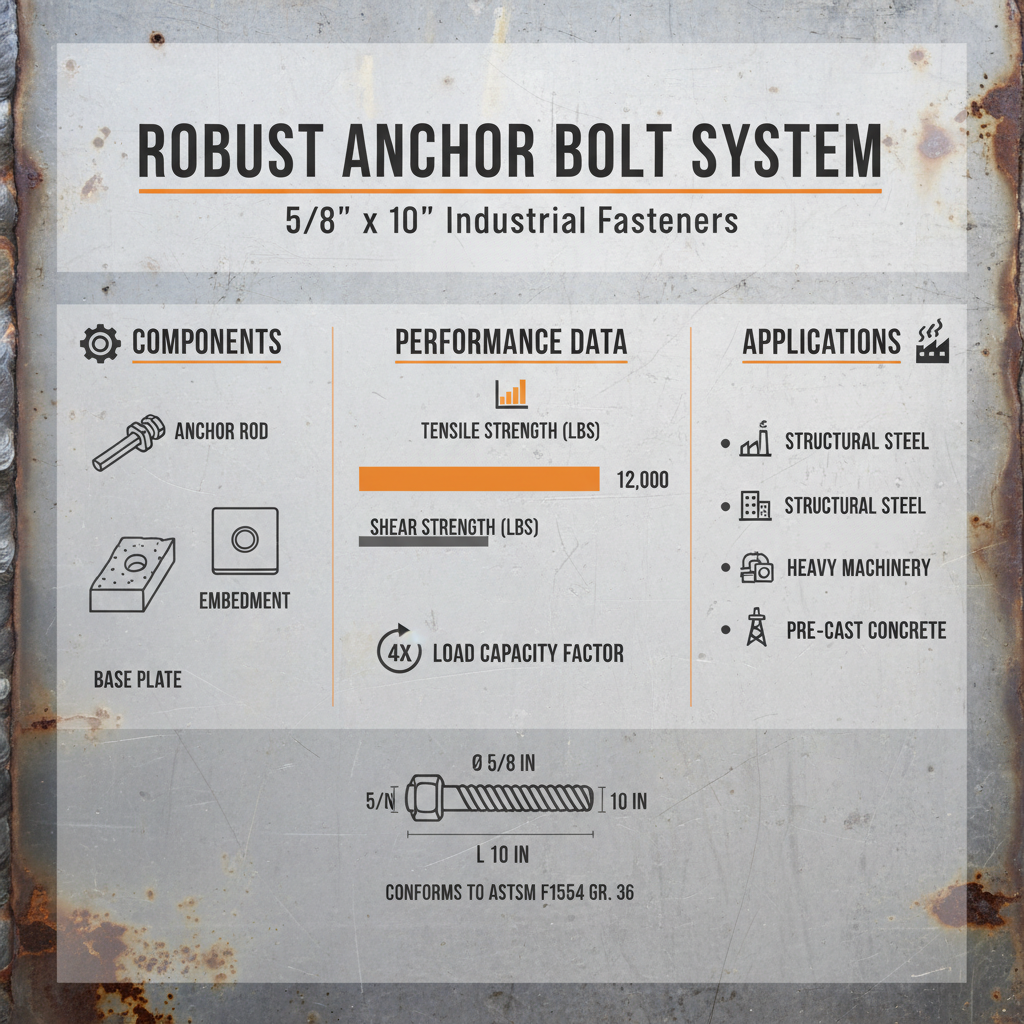
A 5 8 x 10 anchor bolt is a fastener specifically designed to connect structural and non-structural elements to concrete or masonry. The '5 8' refers to the diameter of the bolt shaft in inches, while '10' denotes the length of the bolt in inches. These dimensions are standardized to ensure compatibility and interchangeability across various applications. The bolt typically features a threaded portion and a head designed for wrench tightening.
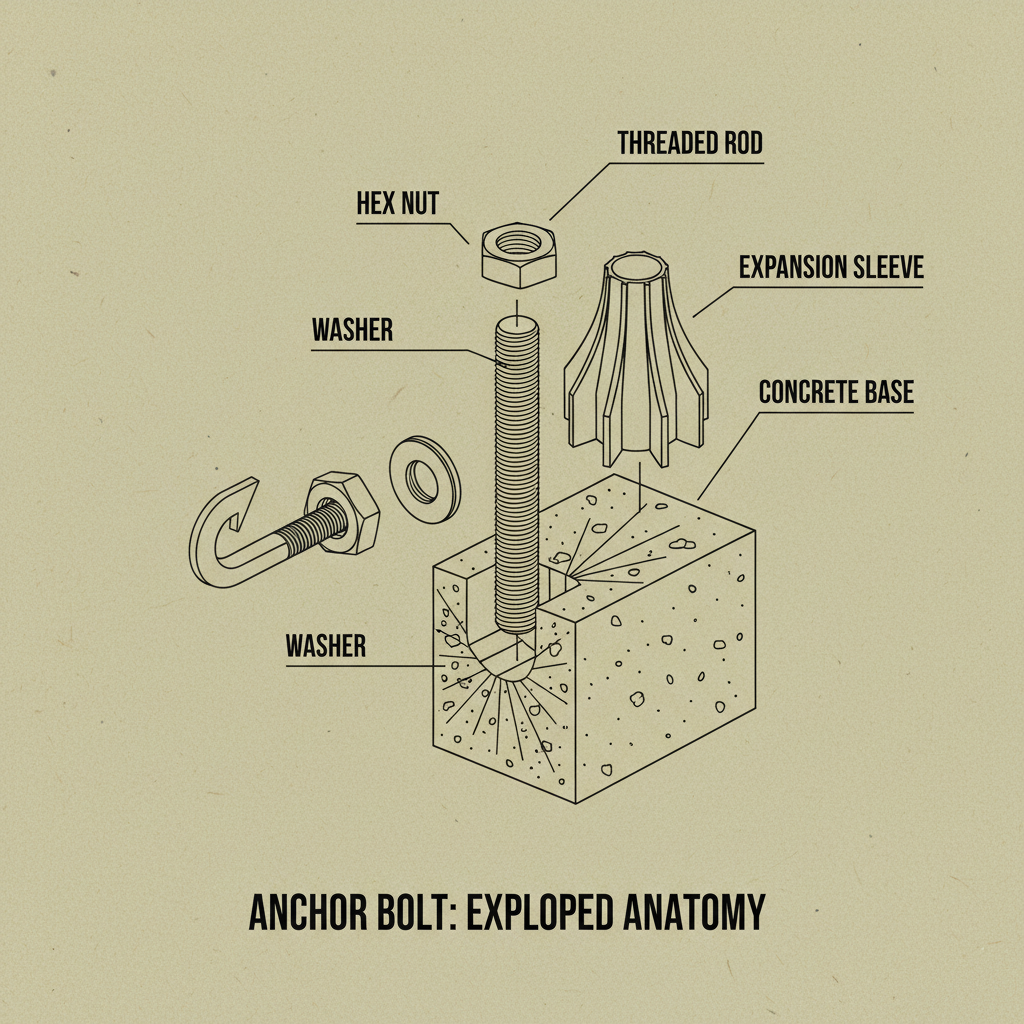
The design is crucial for distributing load effectively and resisting pull-out forces. Different types of 5 8 x 10 anchor bolts exist – including wedge, sleeve, and chemical anchors – each suited for specific load requirements and substrate materials. Choosing the correct anchor type is vital for optimal performance and safety.
Its connection to modern industry stems from the increasing need for secure and reliable fastening solutions in a world built on concrete and masonry. As infrastructure expands, and the demand for robust structures increases, the role of the 5 8 x 10 anchor bolt becomes even more vital, mirroring the pace of modern development.
Core Characteristics of a 5 8 x 10 Anchor Bolt
Durability is paramount. 5 8 x 10 anchor bolts are generally manufactured from high-strength steel, often with zinc plating or other corrosion-resistant coatings to withstand harsh environmental conditions. This ensures longevity and reduces the risk of premature failure, especially in outdoor applications.
Load Capacity is critical. The 5 8 x 10 anchor bolt's ability to withstand tensile, shear, and bending forces dictates its suitability for specific applications. This capacity is determined by factors like the bolt’s material grade, embedment depth, and the strength of the base material. Correctly calculating and verifying load capacity is non-negotiable for structural integrity.
Compliance with Standards: Quality 5 8 x 10 anchor bolts adhere to industry standards set by organizations like ASTM International (American Society for Testing and Materials) and ISO (International Organization for Standardization). These standards ensure consistent quality, performance, and safety across different manufacturers and regions.
Applications Across Diverse Sectors
The construction industry is the primary consumer of 5 8 x 10 anchor bolts, utilizing them in everything from foundation anchoring and concrete crack repair to securing building facades. The versatility of a quality 5 8 x 10 anchor bolt allows for its application in both residential and commercial building projects.
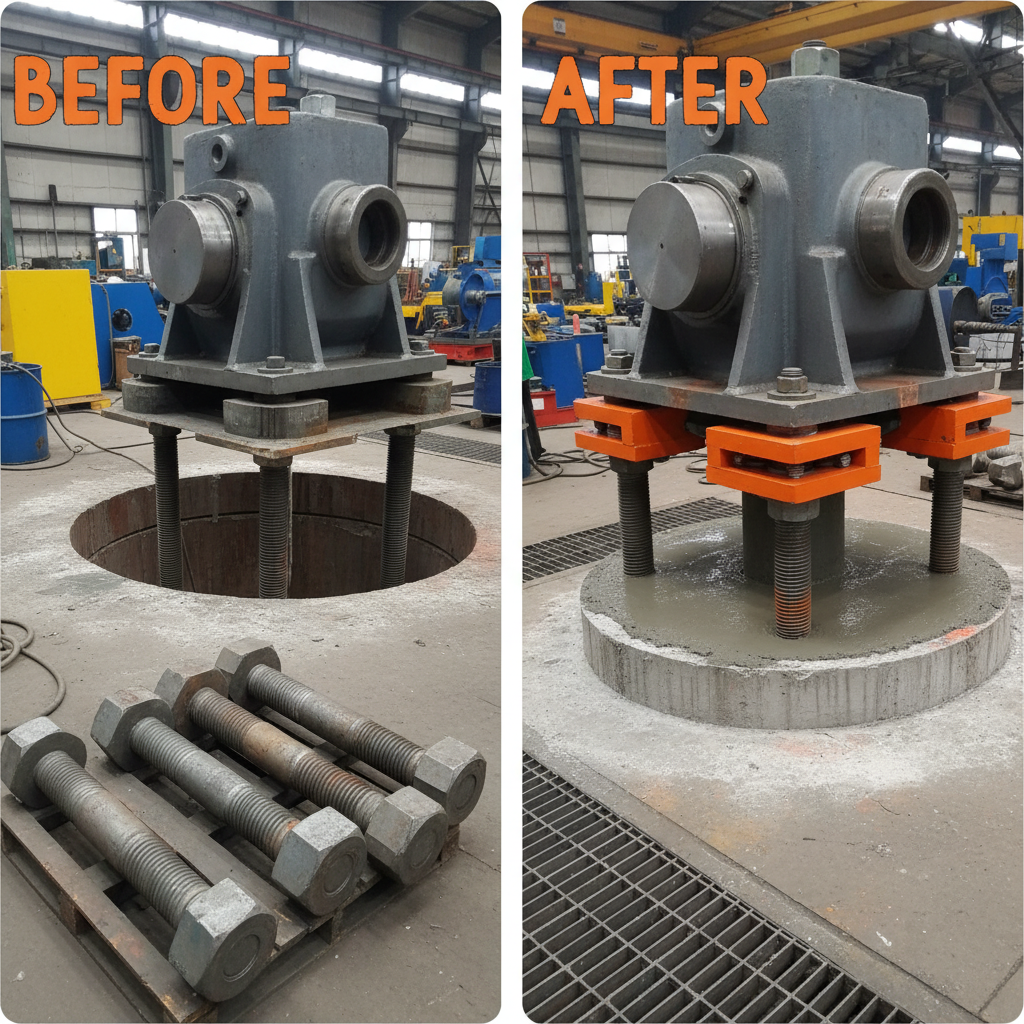
Industrial facilities rely heavily on these bolts for mounting machinery, equipment, and safety barriers. In power generation, they are used in the construction of turbine foundations and securing electrical components. The transportation sector employs them in bridge construction, road signage installation, and traffic control systems.
5 8 x 10 Anchor Bolt Application Distribution
The Advantages of Utilizing 5 8 x 10 Anchor Bolts
Cost-effectiveness is a major advantage. Compared to some specialized fastening systems, 5 8 x 10 anchor bolts are relatively inexpensive, making them an economical choice for a wide range of projects. This affordability doesn't compromise on performance, providing a strong and reliable connection.
Ease of Installation: Properly trained personnel can install 5 8 x 10 anchor bolts quickly and efficiently, reducing labor costs and project timelines. With appropriate tools and techniques, the installation process is straightforward, minimizing the risk of errors.
Global Use Cases and Regional Impact
In earthquake-prone regions like Japan and California, 5 8 x 10 anchor bolts are crucial for seismic retrofitting of existing buildings, improving their resistance to ground shaking. This reinforces structures and safeguards lives, reducing the impact of natural disasters.
Across Europe, they are commonly used in the restoration and preservation of historical buildings, allowing for the secure attachment of new structural elements without damaging the original architecture. The ability to provide secure fastening in sensitive environments is invaluable.
Developing nations often leverage 5 8 x 10 anchor bolts in infrastructure development projects, creating crucial foundations for schools, hospitals, and transportation networks. These investments contribute to improved living standards and economic growth.
Future Trends and Material Evolution
Research into advanced materials, such as high-strength alloys and corrosion-resistant polymers, is leading to the development of 5 8 x 10 anchor bolts with enhanced performance characteristics. These advancements promise increased durability and extended service life.
The integration of digital technologies, like smart sensors embedded within the anchor bolt, is enabling real-time monitoring of load stress and structural health. This predictive maintenance capability will improve safety and reduce the risk of catastrophic failures.
Sustainable manufacturing practices are gaining prominence, with manufacturers exploring methods to reduce the carbon footprint associated with 5 8 x 10 anchor bolt production. This includes using recycled materials and optimizing energy efficiency.
Summary of Key Future Trends for 5 8 x 10 Anchor Bolt
| Trend Category |
Key Innovation |
Potential Impact on 5 8 x 10 Anchor Bolt |
Implementation Timeline |
| Materials Science |
High-Strength Alloys |
Increased load capacity and corrosion resistance. |
2-5 years |
| Digital Integration |
Smart Sensors |
Real-time monitoring of stress and structural health. |
5-10 years |
| Manufacturing Processes |
Additive Manufacturing (3D Printing) |
Customized anchor bolt designs for specific applications. |
5-7 years |
| Coating Technology |
Advanced Corrosion-Resistant Coatings |
Extended lifespan in harsh environments. |
1-3 years |
| Sustainability |
Recycled Materials |
Reduced environmental impact of production. |
Ongoing |
| Automation |
Robotic Installation Systems |
Increased installation efficiency and accuracy. |
3-6 years |
FAQS
The maximum load capacity of a 5 8 x 10 anchor bolt varies greatly depending on the type of anchor (wedge, sleeve, chemical), the concrete strength, and the embedment depth. Generally, a properly installed bolt can withstand tensile loads of several thousand pounds. Always consult manufacturer specifications and engineering calculations to determine the precise load capacity for your specific application. It is vital not to exceed the rated capacity to ensure structural safety.
For cracked concrete, a chemical anchor is generally the preferred choice. Chemical anchors utilize a resin to bond the bolt to the concrete, providing a secure connection even in the presence of cracks. Sleeve anchors can also be used in some cases, but their performance in cracked concrete is often lower. Wedge anchors are typically not recommended for cracked concrete due to their reliance on expansion. Always consult a structural engineer for specific guidance.
The required embedment depth for a 5 8 x 10 anchor bolt depends on the load requirements, the type of anchor, and the concrete strength. Typically, a minimum embedment depth of 3-5 times the bolt diameter is recommended. Always refer to the anchor manufacturer's specifications and relevant building codes for specific embedment depth requirements. Insufficient embedment can significantly reduce the anchor's load capacity.
Galvanized steel 5 8 x 10 anchor bolts are coated with zinc to provide corrosion resistance. They are suitable for many outdoor applications, but their corrosion resistance is limited in harsh environments. Stainless steel anchor bolts offer superior corrosion resistance and are ideal for marine environments, chemical plants, and other corrosive conditions. They are more expensive than galvanized steel but provide longer-lasting performance.
The tools needed for installing a 5 8 x 10 anchor bolt depend on the type of anchor being used. Generally, you will need a drill with a carbide-tipped drill bit of the appropriate size, a hammer drill for concrete, a wrench to tighten the bolt, and a torque wrench to ensure proper tightening. For chemical anchors, you will also need a dispensing gun and cleaning brushes. Always follow the manufacturer's installation instructions.
Using a torque wrench is crucial for ensuring the correct tightening force is applied to a 5 8 x 10 anchor bolt. Consult the manufacturer's specifications for the recommended torque value for the specific anchor type and size. Over-tightening can damage the anchor or the concrete, while under-tightening can lead to reduced holding capacity. Always tighten the bolt in stages, gradually increasing the torque until the specified value is reached.
Conclusion
The 5 8 x 10 anchor bolt stands as a testament to the importance of seemingly small components in shaping the world around us. Its role in ensuring structural integrity, promoting safety, and enabling diverse applications across industries is undeniable. From foundations to infrastructure, this versatile fastener remains a cornerstone of modern construction and engineering.
Looking ahead, continued innovation in materials science, digital integration, and sustainable manufacturing will further enhance the performance and longevity of the 5 8 x 10 anchor bolt. By embracing these advancements and prioritizing quality and compliance, we can ensure that this essential component continues to support a safe, resilient, and sustainable built environment. For reliable and quality 5 8 x 10 anchor bolts, visit our website: www.ytbolt.com.




 English
  Bengali
  Bulgarian
  Catalan
  Czech
Czech  French
  German
  Hindi
Hindi  Hungarian
  Italian
  Kazakh
  Korean
  Portuguese
  Romanian
  Slovak
  Somali
  Spanish
  Turkish