
The m10 anchor bolt, a seemingly simple fastener, plays a crucial role in a vast array of modern infrastructure and industrial applications. From securing critical components in machinery to providing robust anchoring for construction projects, its consistent performance and reliability are fundamental to safety and operational efficiency. Understanding the specifications, materials, and proper application of an m10 anchor bolt is vital for engineers, construction workers, and anyone involved in projects where secure fastening is paramount.
Globally, the demand for reliable fastening solutions like the m10 anchor bolt is constantly increasing, driven by rapid urbanization, infrastructure development, and the growing need for durable and secure structures. According to industry reports, the global fastener market is projected to reach billions of dollars in the coming years, with anchor bolts representing a significant segment. This growth underscores the essential function of these components in supporting modern society.
The significance of understanding the m10 anchor bolt extends beyond its immediate applications. Its proper selection and installation contribute to the longevity and safety of structures, reducing the risk of failures and minimizing costly repairs or replacements. A properly installed m10 anchor bolt isn't just a fastener; it's a safeguard.
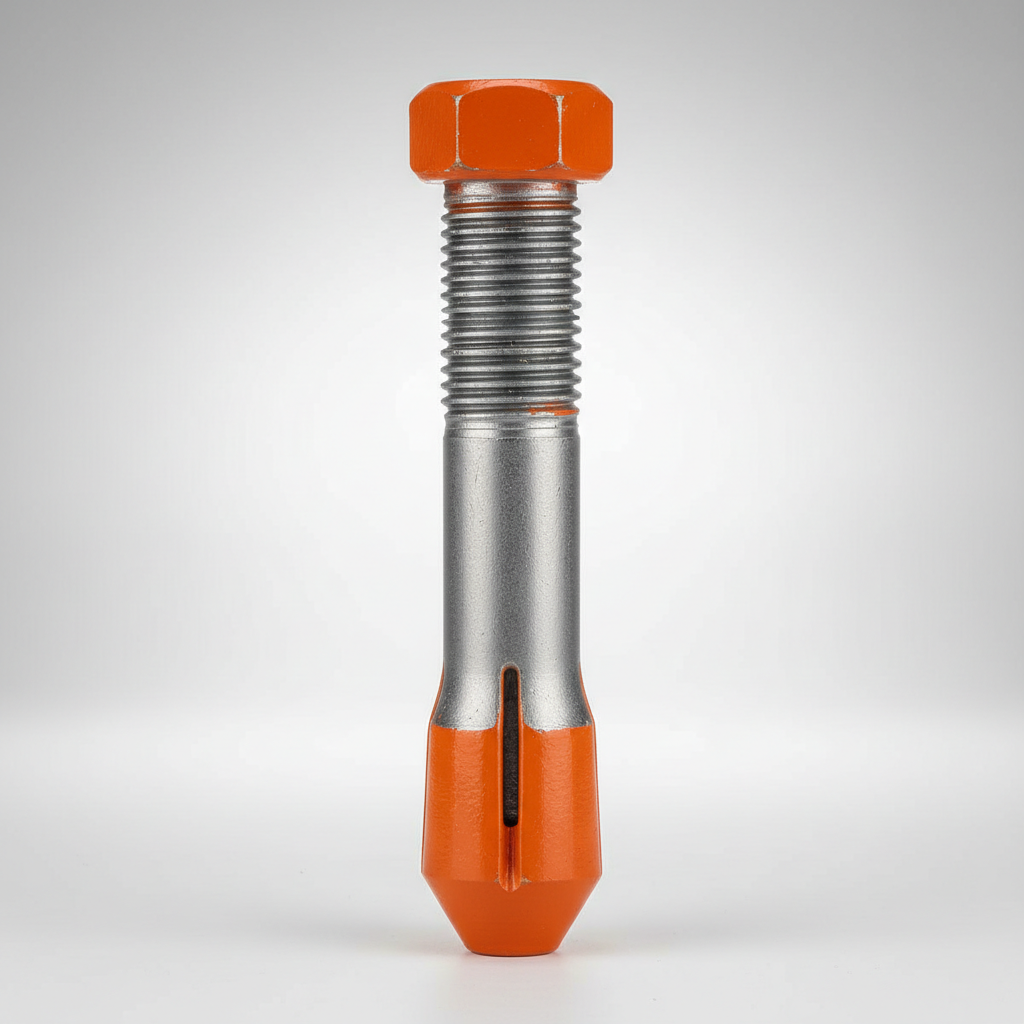
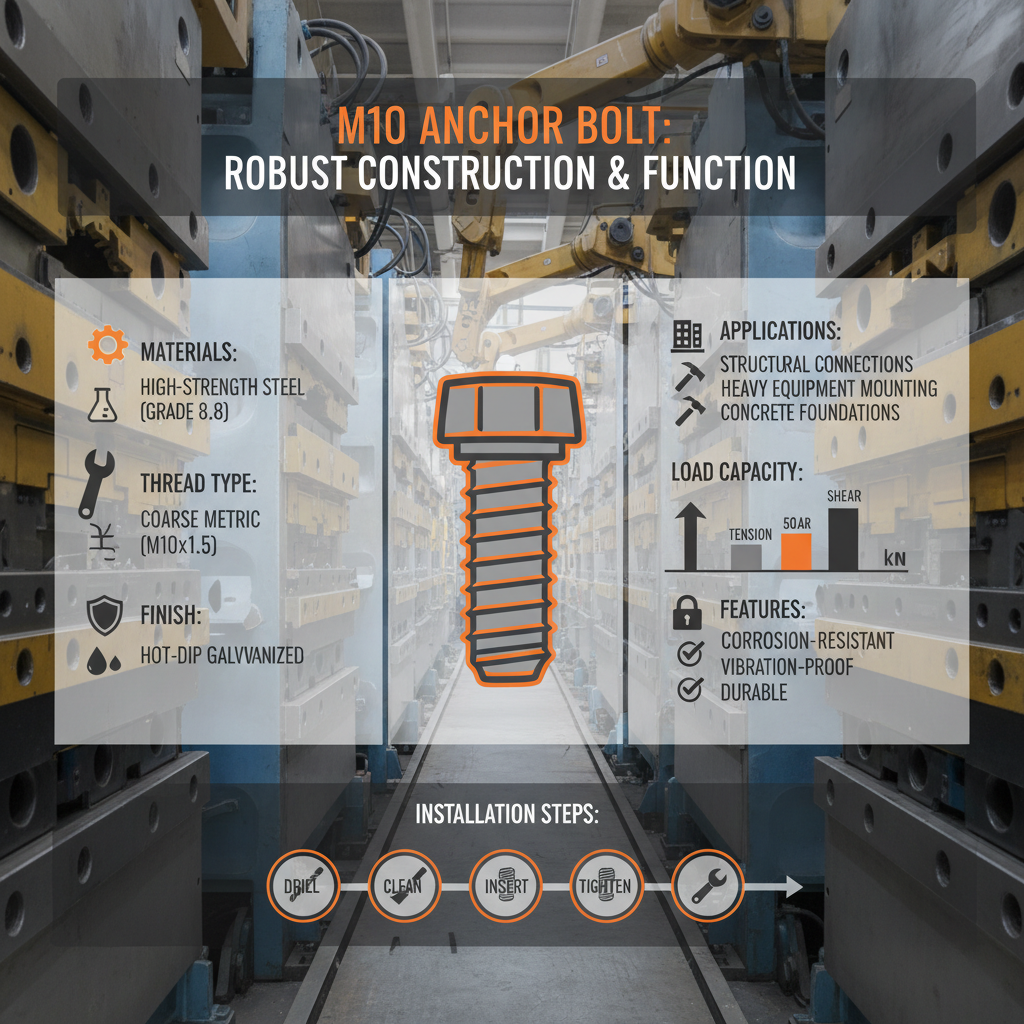
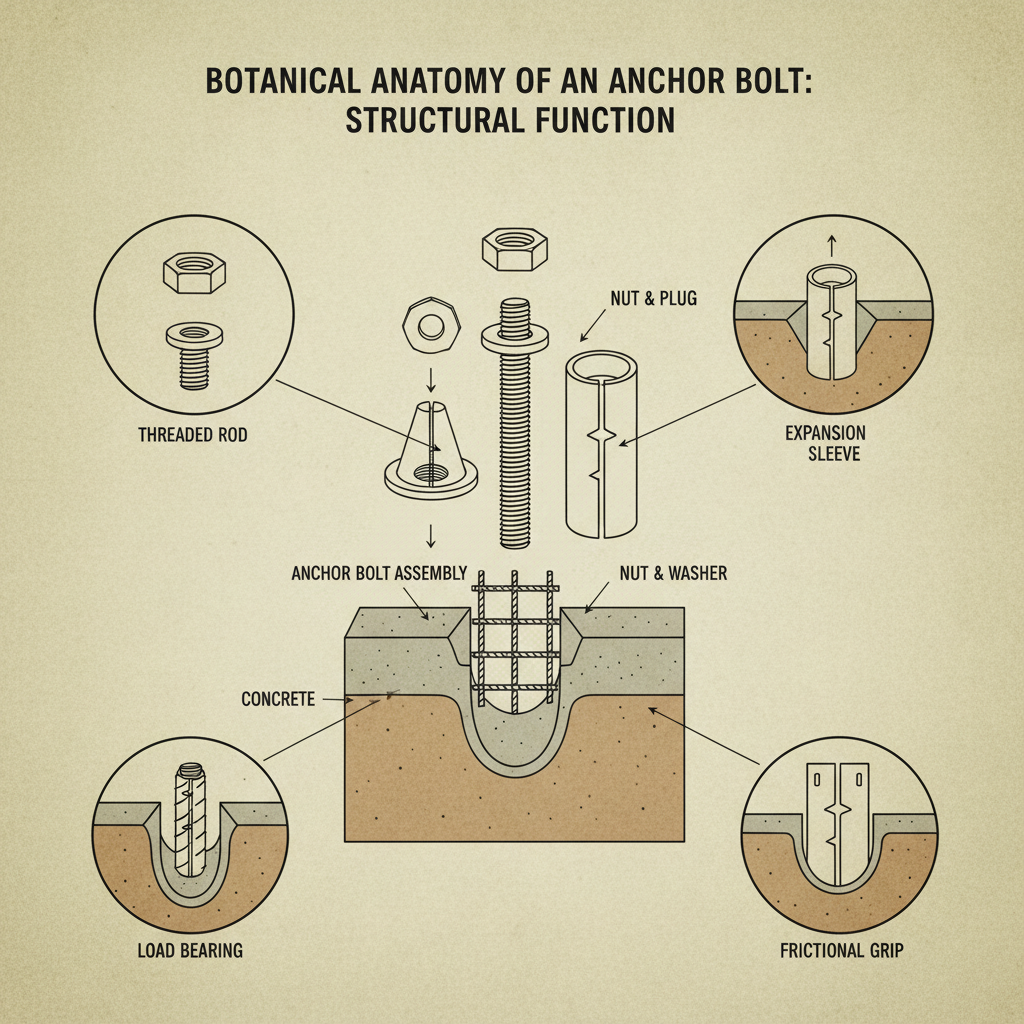
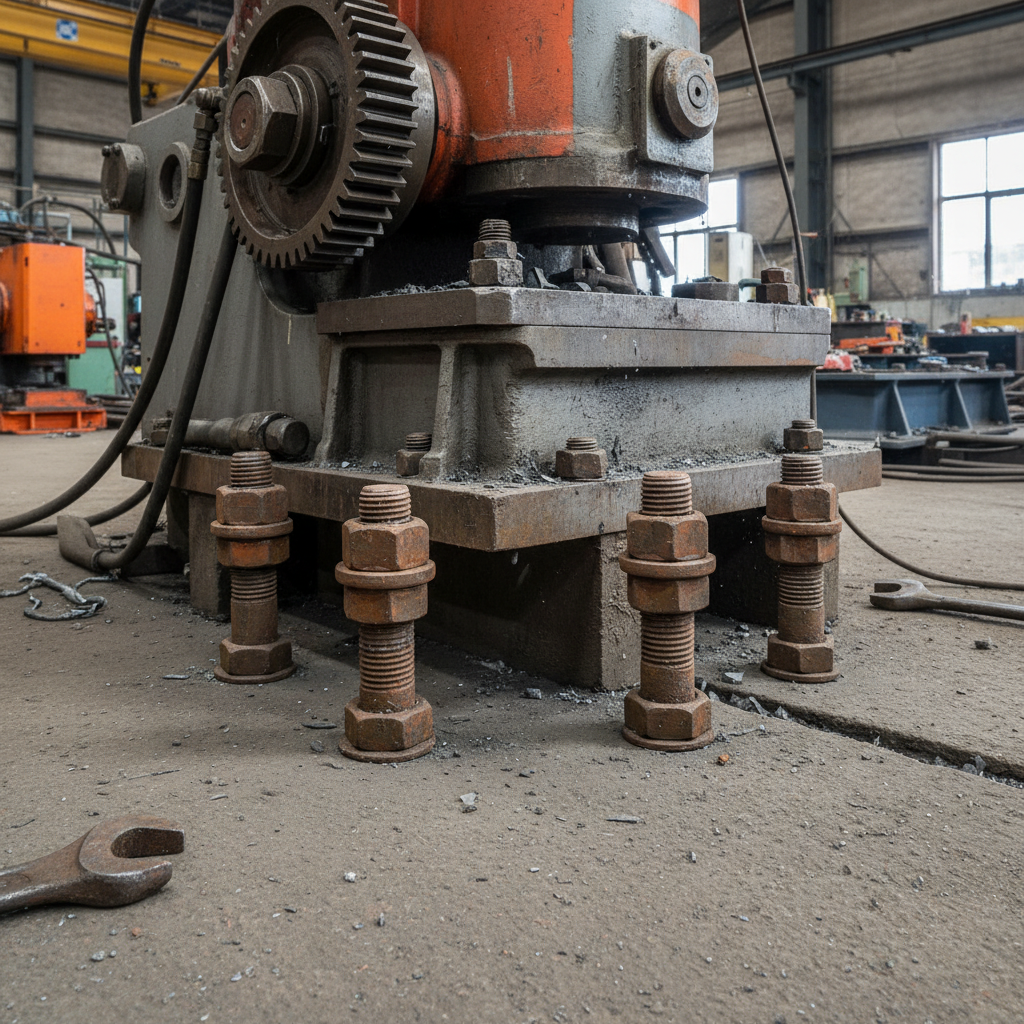
The fundamental principle behind the effectiveness of an m10 anchor bolt lies in its ability to distribute load across a material, creating a secure connection. This is achieved through a combination of factors, including the bolt's material strength, the anchor design (wedge, sleeve, chemical), and the proper installation technique. Understanding these elements is critical for ensuring the structural integrity of any application.
Crucially, the m10 designation refers to the metric thread diameter of 10 millimeters. This standardization ensures compatibility across various components and simplifies the fastening process. However, the overall performance is not solely determined by the diameter; the length, material grade, and embedding depth are equally important considerations.
The maximum load capacity varies significantly based on concrete strength, anchor type (wedge, sleeve, chemical), and embedment depth. Generally, a well-installed m10 anchor bolt in typical concrete can handle tensile loads of several kN (kilonewtons) and shear loads even higher. However, precise values must be determined through engineering calculations and verified by product specifications. It’s always essential to consult the manufacturer's data sheet and a structural engineer for accurate load ratings.
For high-corrosion environments, such as marine applications or exposure to harsh chemicals, stainless steel (typically grade 316) m10 anchor bolts are highly recommended. These offer superior resistance to corrosion compared to carbon steel with coatings. Additionally, consider using chemical anchors with epoxy resins specifically formulated for corrosive environments. Hot-dip galvanization can provide an extra layer of protection for carbon steel bolts but may not be sufficient in severely corrosive conditions.
The optimal embedment depth depends on the anchor type, the load requirements, and the concrete’s properties. Generally, a minimum embedment depth of 5-8 times the diameter of the bolt (50-80mm for an m10 bolt) is recommended. However, always refer to the anchor bolt manufacturer’s specifications and engineering calculations. Insufficient embedment depth significantly reduces the anchor's load capacity and can lead to failure.
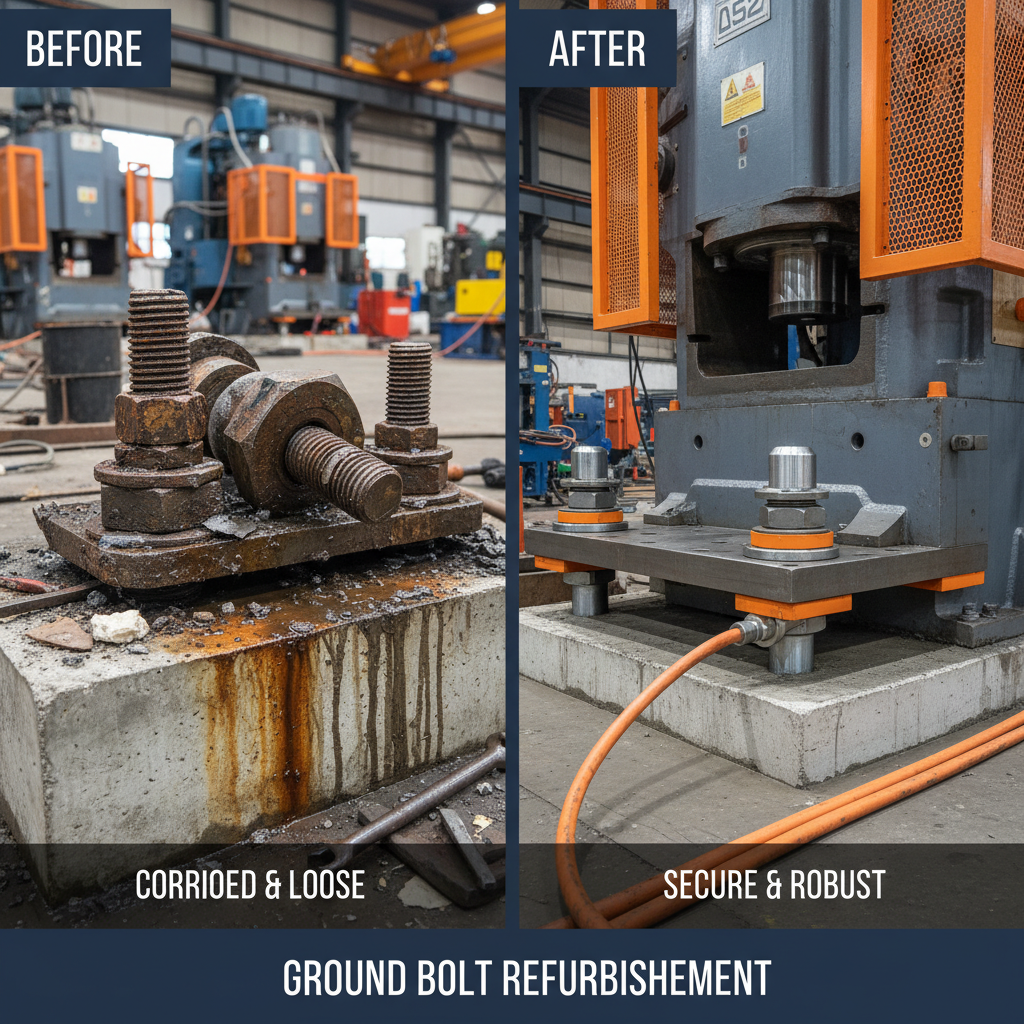
Common mistakes include using the wrong drill bit size, failing to thoroughly clean the drilled hole before inserting the anchor, over-tightening the bolt (which can damage the anchor or the concrete), and not adhering to the manufacturer's recommended installation torque. Always use the correct tools and follow the manufacturer’s instructions precisely to ensure a secure and reliable installation.
Yes, but it requires special consideration. Anchor bolts designed for use in cracked concrete have specific approvals and performance characteristics. These anchors typically rely on expansion mechanisms or chemical bonding that can accommodate concrete movement without losing their load-bearing capacity. Using standard anchor bolts in cracked concrete can lead to premature failure. Always consult a structural engineer when dealing with cracked concrete.
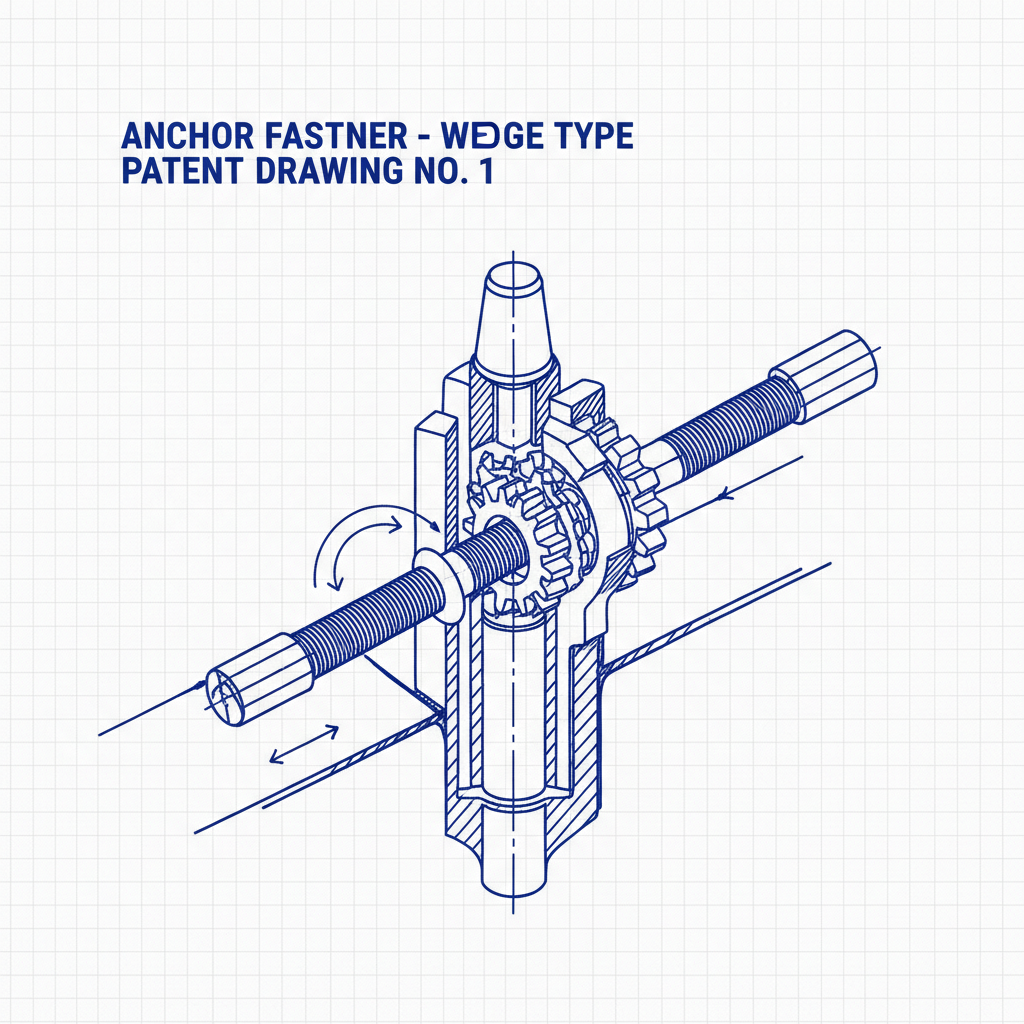
Wedge anchors are typically used for heavier loads and rely on a wedging action to expand against the concrete. They require a precise drilled hole size. Sleeve anchors, on the other hand, have a sleeve that expands as the bolt is tightened, offering a wider tolerance for hole size and generally used for lighter to medium loads. The choice depends on the application’s specific load and concrete conditions.
The m10 anchor bolt, though a seemingly small component, is fundamental to the safety, durability, and efficiency of countless structures and systems worldwide. Its versatility, cost-effectiveness, and ongoing innovation ensure its continued relevance in a rapidly evolving construction and industrial landscape. Proper selection, installation, and maintenance of m10 anchor bolts are critical for maximizing their performance and ensuring long-term structural integrity.
Looking ahead, continued advancements in materials science, smart sensor technology, and installation techniques will further enhance the capabilities of the m10 anchor bolt. By embracing these innovations and prioritizing best practices, we can leverage the full potential of this essential fastener to build a more resilient and sustainable future. For high-quality m10 anchor bolts and expert advice, visit our website: www.ytbolt.com



 English
  Bengali
  Bulgarian
  Catalan
  Czech
Czech  French
  German
  Hindi
Hindi  Hungarian
  Italian
  Kazakh
  Korean
  Portuguese
  Romanian
  Slovak
  Somali
  Spanish
  Turkish