Honestly, things are moving fast these days. Everyone’s talking about prefabrication, modular builds… it’s all the rage. But have you noticed, a lot of these designs look good on paper but fall apart the moment you try to actually build them? It’s a constant battle between architects dreaming up these fancy structures and the guys on the ground who have to make it happen. I've been seeing a ton of issues with connection points, mainly. Getting things truly aligned and strong enough for long-term use… that's the real challenge.
And the materials! Don't even get me started. Everyone wants “sustainable” and “eco-friendly,” which is great, but sometimes the stuff just doesn't hold up. I was at a factory in Zhejiang last time, they were pushing this new bamboo composite. Smelled nice, felt okay, but it warped after a week in the sun. Warp! You can’t build anything reliable if your materials are playing musical shapes. Anyway, I think quality control is really the key here.
What people don’t realize is how much this stuff feels. Like, you can tell a good bolt from a bad one just by the weight in your hand. A proper anchor bolt has heft to it – you should feel the steel. The coating matters too; a cheap zinc plating will rust through in months, while a good hot-dip galvanization… that'll last. I’ve seen guys try to cheap out on coatings, and it always comes back to bite them. Always.
Introduction to Anchor Bolts
Look, what is an anchor bolt used for? It’s pretty straightforward. It's what holds everything together. Seriously. From skyscrapers to wind turbines, to the simple things like attaching a railing to concrete, it's all down to those bolts. It's not glamorous work, but it's essential. People often underestimate how crucial a good anchor bolt is. They think, “It’s just a piece of metal,” but it’s the foundation of so many projects.
Strangely, a lot of engineers don't actually spend much time on site. They design things in a controlled environment, but they don't always grasp the realities of working with rough materials, changing weather, and less-than-perfect conditions. This is where a good understanding of what is an anchor bolt used for really matters – knowing how to adjust for those real-world factors.
Core Design Considerations
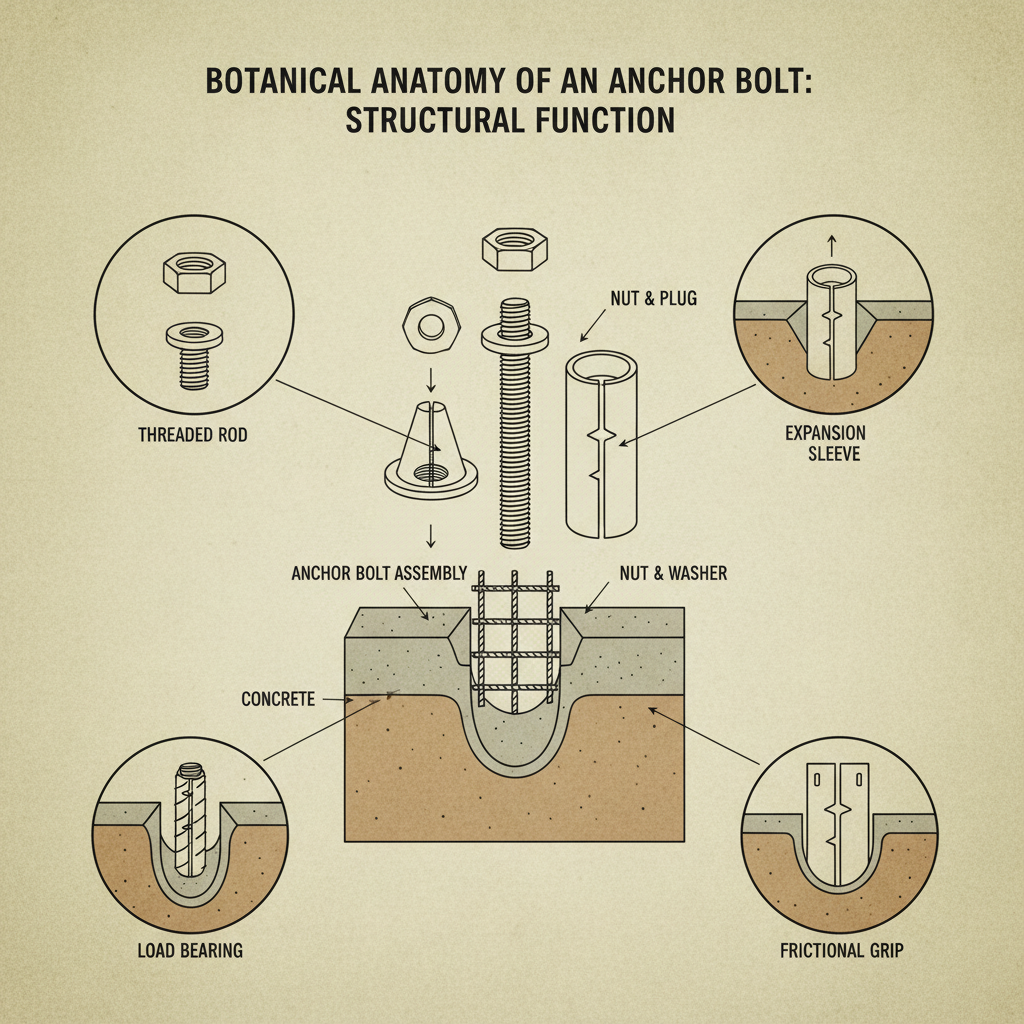
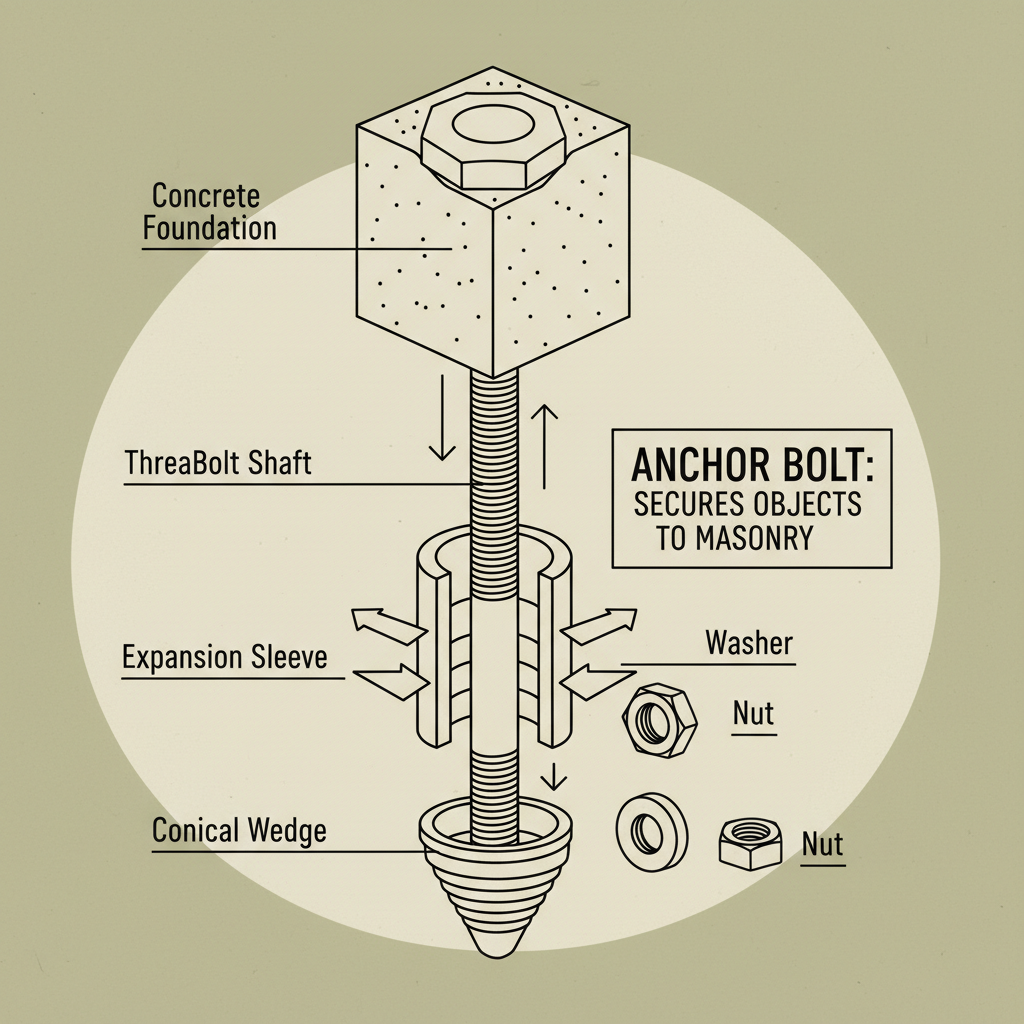
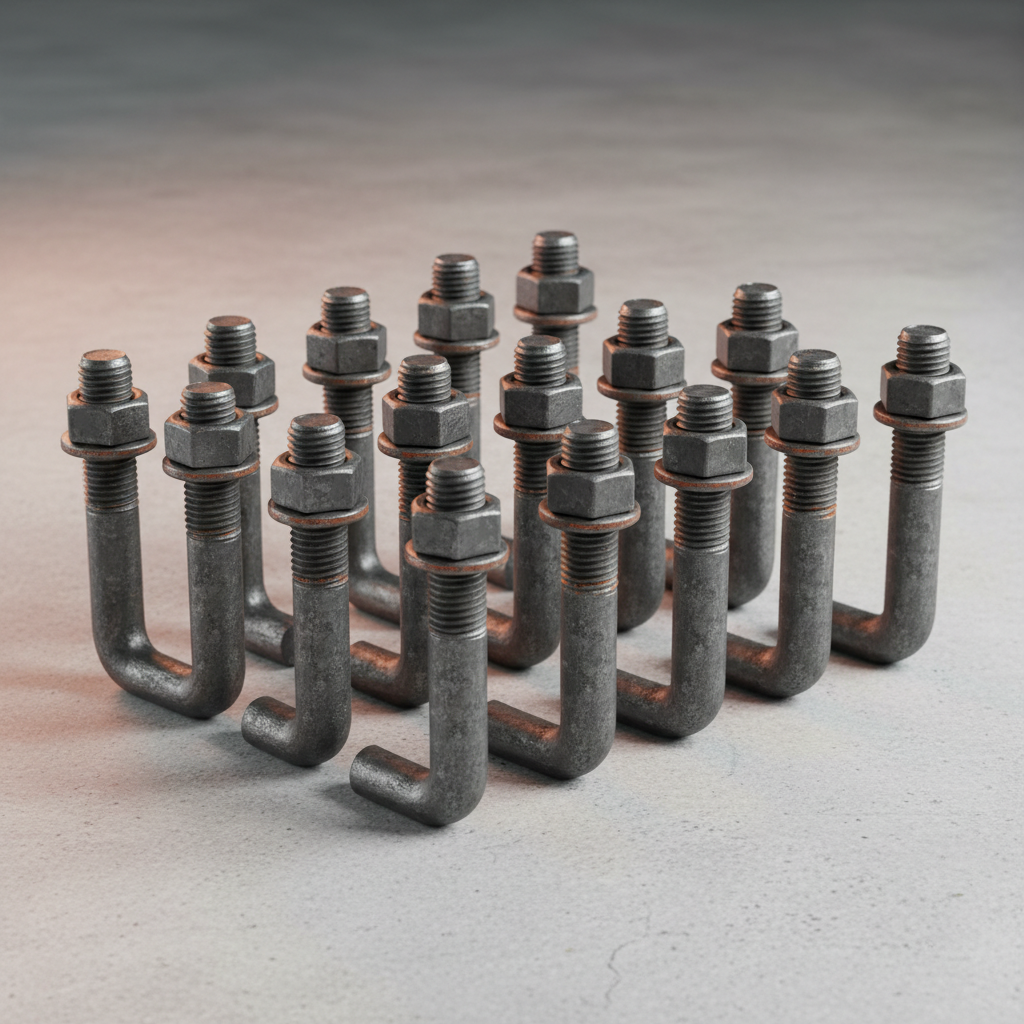
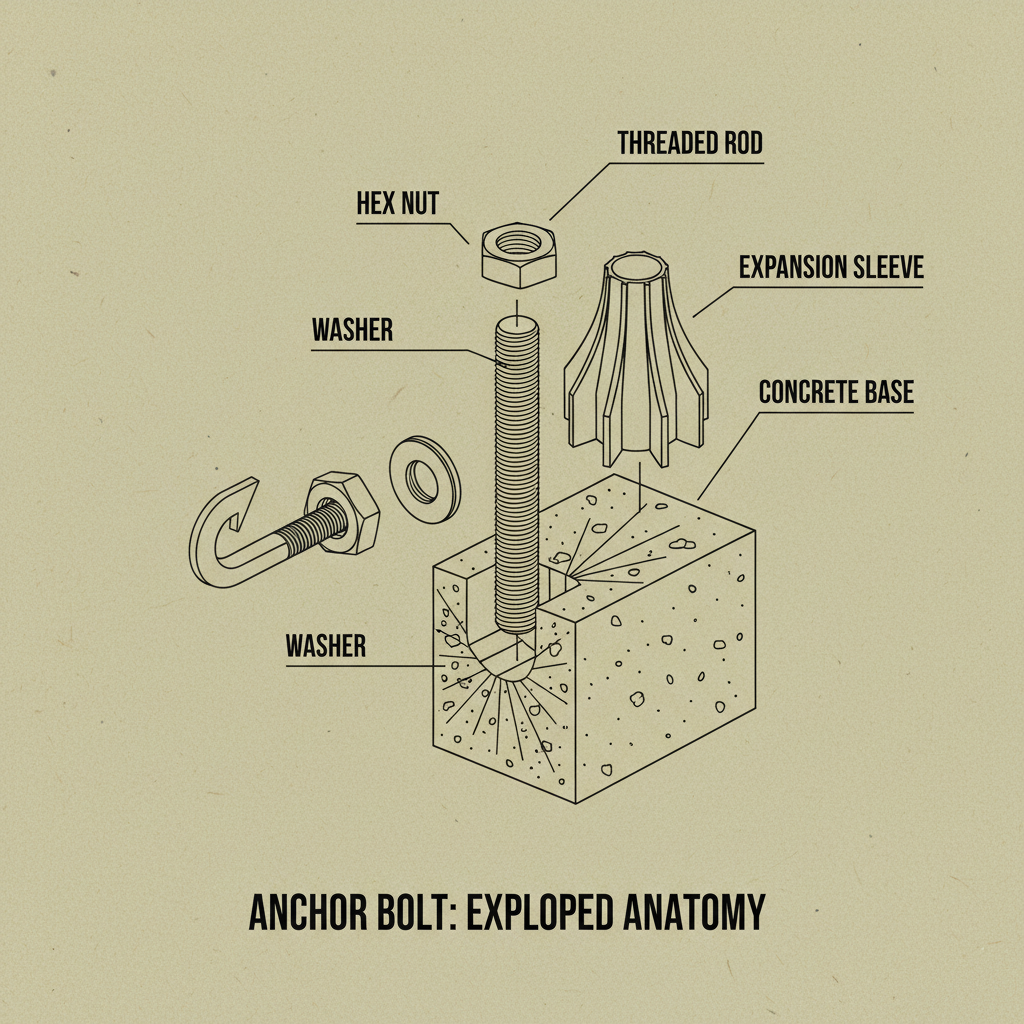
The first thing you gotta think about is the load. How much weight is this thing gonna carry? Dynamic load, static load, shear forces… it gets complicated fast. Then you need to consider the substrate - the material you’re bolting into. Concrete, brick, stone, whatever it is, it all behaves differently. And the type of bolt matters, of course. Sleeve anchors, wedge anchors, cast-in-place anchors… each one has its strengths and weaknesses. What is an anchor bolt used for really depends on the specifics of the job.
A common mistake I see is undersizing the bolt. People try to save a few bucks, but it ends up costing them a lot more in the long run. It's like building a house on a shaky foundation. You're just asking for trouble. Another issue is corrosion. If you're working near the ocean, or in a damp environment, you need to use corrosion-resistant materials.
And don’t forget about edge distance and spacing! Too close to the edge of the concrete, and it can blow out. Too close together, and you weaken the substrate. These are basic principles, but people still mess them up all the time.
Material Science and Selection
To be honest, the material is where things get interesting. You've got your standard carbon steel, which is strong and cheap, but prone to corrosion. Then you've got stainless steel, which is much more corrosion-resistant, but also more expensive. High-strength alloys like alloy steel offer a good balance, but they can be harder to weld and machine. Understanding these trade-offs is vital when deciding what is an anchor bolt used for.
I encountered this at a power plant last year – they were using a really cheap grade of steel for the anchor bolts on some critical equipment. The bolts started rusting within months, and they had to shut down the whole system for repairs. It was a disaster. The smell of that rust, even now…ugh. It highlighted the importance of proper material selection.
The coating also impacts the selection. Hot-dip galvanization offers excellent protection, but can be thick and affect tolerances. Zinc plating is cheaper, but less durable. Powder coating can add color and extra protection, but requires careful surface preparation. It's all connected.
Real-World Testing and Validation
Forget the lab tests, okay? I’m talking about real-world testing. Pull-out tests, shear tests, fatigue tests… done on site. You need to see how these bolts perform under actual conditions. I’ve seen bolts pass all the lab tests, but fail miserably when you put them under stress in the field. It's about simulating the forces they'll actually encounter. What is an anchor bolt used for in a hurricane? That’s what you need to test for.
Anchor Bolt Failure Rate by Testing Method
Practical Application and User Behavior
Here's the thing: engineers design for how things should be used, but users often find creative ways to misuse them. I’ve seen guys use anchor bolts as makeshift levers, or overload them with equipment they weren't designed to support. It happens. That’s why it’s crucial to consider the potential for human error when designing and selecting what is an anchor bolt used for.
The installation process is also key. A properly installed bolt is a strong bolt. A poorly installed bolt is just waiting to fail. Training and supervision are essential, but even then, mistakes happen. It’s a never-ending battle against shortcuts and carelessness.
Advantages, Disadvantages, and Customization
The advantages are pretty obvious: strength, reliability, versatility. A well-chosen anchor bolt can handle a massive amount of stress. But there are disadvantages too. They can be time-consuming to install, they can be expensive, and they can be vulnerable to corrosion. It's always a balancing act.
What’s cool is that these things can be customized. Last month, a small boss in Shenzhen who makes smart home devices insisted on changing the interface to on the anchor bolts for his robot. Said he wanted to “future-proof” it. It seemed ridiculous, but hey, it was his project. Anyway, I think they had to re-tool the whole manufacturing process.
I’ve also seen requests for specialized coatings, different head styles, and custom lengths. The key is to understand the client’s needs and find a solution that works.
Common Challenges and Solutions
The biggest challenge, in my opinion, is dealing with varying concrete quality. You show up to a job site, and half the time the concrete is cracked, spalling, or just plain weak. Makes it hard to get a solid anchor. Solutions? Chemical anchors, epoxy anchors… they can help, but they're more expensive and require more skill to install.
Another common issue is dealing with tight spaces. Sometimes you just don’t have room to swing a hammer or use a wrench. That’s where hydraulic tensioners come in handy. They can tighten bolts in even the most confined spaces. But they’re pricey.
And finally, there's the issue of corrosion. The best solution is prevention – use corrosion-resistant materials and coatings. But if corrosion does occur, you may need to replace the bolts. Sometimes, you just have to bite the bullet and do it right.
Table Summarizing Common Anchor Bolt Challenges & Solutions
| Challenge |
Severity (1-10) |
Common Solution |
Cost Estimate |
| Poor Concrete Quality |
8 |
Chemical Anchors/Epoxy |
$50 - $200 per anchor |
| Corrosion |
7 |
Stainless Steel/Galvanization |
10-50% material cost increase |
| Tight Installation Spaces |
6 |
Hydraulic Tensioners |
$300 - $1000 per tool rental |
| Incorrect Bolt Size |
5 |
Re-engineering & Replacement |
Variable, project dependent |
| Improper Installation Technique |
9 |
Training & Supervision |
$500 - $2000 per training session |
| Vibration/Dynamic Loads |
7 |
Locking Washers/Threadlockers |
$1 - $10 per bolt |
FAQS
Honestly? Undersizing it. Everyone tries to save a few bucks, but it's a false economy. You need to calculate the load properly and choose a bolt that can handle it. Don’t skimp. A failed anchor bolt can cause catastrophic damage. It’s not worth the risk.
Hugely important. If the concrete is cracked, spalling, or just plain weak, the anchor bolt won’t hold. You might need to use a chemical anchor, or even repair the concrete before installing the bolt. You can’t just ignore a bad substrate.
Corrosion comes in many forms – rust, galvanic corrosion, pitting corrosion. It depends on the environment. If you’re near saltwater, you need to use corrosion-resistant materials. If you’re using different metals in contact with each other, you need to prevent galvanic corrosion. Prevention is key.
Absolutely not! You need to use a drill bit that’s specifically designed for the type of anchor bolt you’re using. Using the wrong bit can damage the bolt or the substrate. It’s a small detail, but it can make a big difference.
Quick fixes are rarely good fixes. If you’ve messed up the installation, the best thing to do is remove the bolt and start over. Trying to patch it up will just lead to problems down the road. Do it right the first time.
That’s crucial. A pull-out test will tell you if the bolt is properly installed and can handle the load. It’s a small investment that can save you a lot of trouble in the long run. Don’t skip it.
Conclusion
Ultimately, what is an anchor bolt used for comes down to providing a reliable connection. It's about understanding the materials, the forces involved, and the potential for human error. It's not just about the bolt itself; it's about the entire system.
So, whether it’s a skyscraper, a bridge, or a simple railing, remember this: the worker will know the moment he tightens the screw if it's going to hold. Trust their experience, listen to their feedback, and always prioritize quality. Because in the end, that’s what really matters. Visit our website at www.ytbolt.com for more information.




 English
  Bengali
  Bulgarian
  Catalan
  Czech
Czech  French
  German
  Hindi
Hindi  Hungarian
  Italian
  Kazakh
  Korean
  Portuguese
  Romanian
  Slovak
  Somali
  Spanish
  Turkish