You know, these days everyone's talking about high-strength anchor bolts. Seems like every other engineer is obsessed with yield strength and tensile strength. Honestly, it's a bit much sometimes. People forget the real world isn't a lab.
I've been doing this for twenty years, walking construction sites, getting my hands dirty. And what I've noticed is, it's not always about the biggest number on the spec sheet. It’s about what actually works when you’re facing down a deadline, a monsoon, and a foreman breathing down your neck.
The anchor bolt price, that’s the thing everyone cares about upfront. But you cheap out on materials, you’ll pay for it later. Trust me.
The Rising Demand for Robust Anchor Bolts
Seriously, the demand has gone through the roof in the last five years. It’s all this pre-fab construction, modular builds… everything’s got to be bolted together. And it's not just buildings. Bridges, wind turbines, even those ridiculous giant advertising billboards you see on highways – they all need reliable anchor bolts.
To be honest, a lot of it’s driven by safety regulations getting stricter. And rightfully so. You don’t want things collapsing, do you? So the anchor bolt price reflects that – people are willing to pay for peace of mind. But it’s also about speed. Faster construction means lower labor costs, and everyone's chasing that.
Common Pitfalls in Anchor Bolt Design
Have you noticed how many plans call for the same anchor bolt in completely different substrates? Concrete, brick, hollow core… it's maddening. You need to consider the load, the material, the environmental conditions… it's not one-size-fits-all. And people try to make it one-size-fits-all to save a few bucks on anchor bolt price.
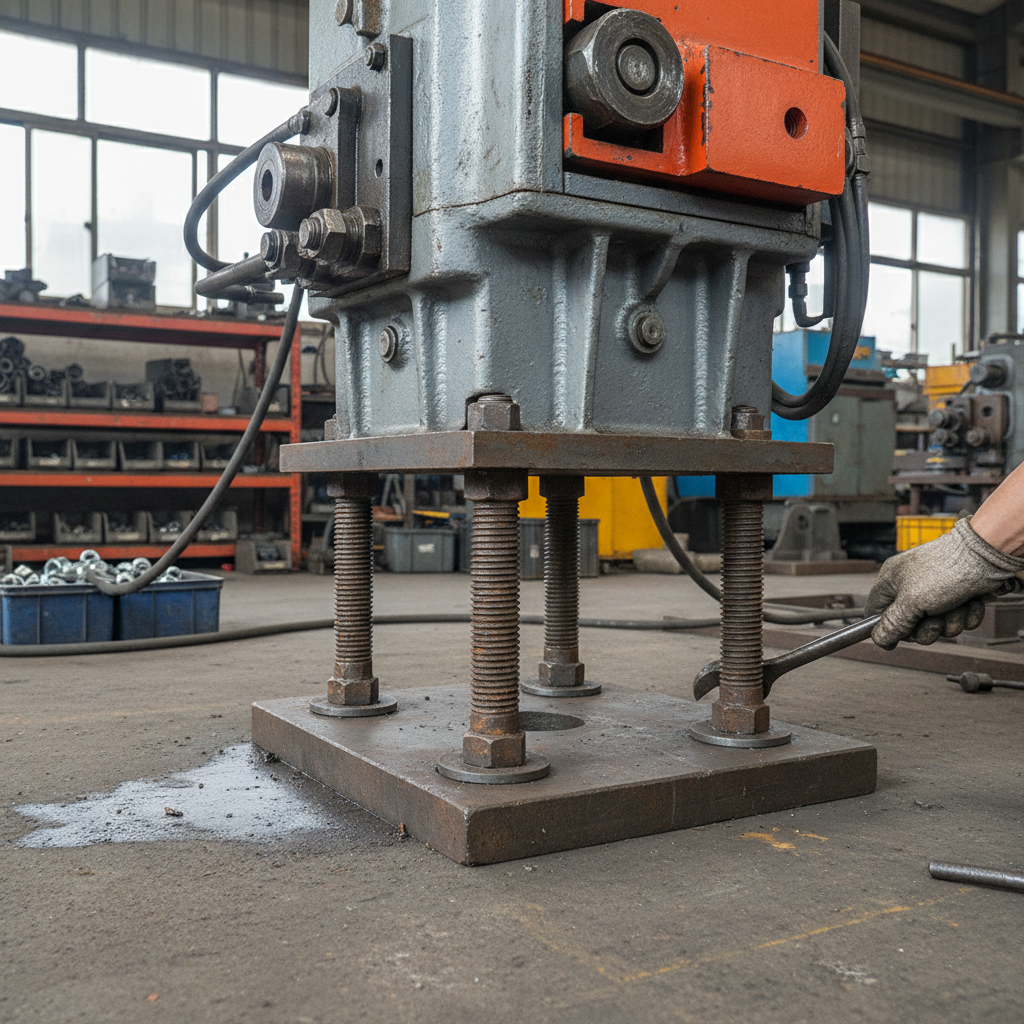
Another thing is underestimating the torque. Guys on site will just crank them down until they feel tight. That’s a recipe for disaster. You need calibrated wrenches, proper procedures... it's tedious, but it’s essential.
I encountered this at a factory in Ningbo last time. They were using a cheap galvanizing process, and the bolts were corroding within months. The client ended up having to replace the entire system. Cost them a fortune.
Material Matters: A Hands-On Perspective
Now, let's talk materials. Grade 8.8 bolts are your bread and butter. Good strength, relatively affordable. But for serious applications, you want A4 stainless steel. It smells different, feels heavier… you can just tell it's a quality product.
I'm not a metallurgist, but I can tell you which steel feels right in my hand. And the coating is crucial. Hot-dip galvanization is the gold standard, but it’s expensive. Zinc plating is cheaper, but it doesn’t hold up in harsh environments. You get what you pay for. Strangely, the cheaper options always seem to fail at the worst possible moment.
There’s also the newer high-strength alloys coming out, but I’m still wary of those. I prefer to stick with what I know works. Too many engineers are chasing the latest tech without considering the long-term reliability.
Real-World Testing: Beyond the Lab
Lab tests are fine, but they don’t simulate real-world conditions. I’ve seen bolts pass all the lab tests and still fail on site. What they don't test for is vibration, impact, corrosion from salt spray, the sheer abuse these things take.
We do pull-out tests on every major project. We drill holes, insert the anchor, and then use a hydraulic jack to pull it out. Simple, but effective. You can see how the concrete fractures, how the bolt deforms. It's way more informative than any computer simulation.
Anchor Bolt Pull-Out Resistance By Method
How Anchor Bolts Are Actually Used
You wouldn't believe how often people misuse them. Using the wrong drill bit, over-torquing, installing them in cracked concrete… And the instructions are always ignored. Nobody reads the instructions.
I saw a crew trying to use expansion anchors in a soft sandstone wall. They just expanded and crumbled the surrounding stone. Completely useless. They looked at me like I was the idiot when I told them it wouldn’t work.
The Good, The Bad, and The Customizable
The good? When they work, they work brilliantly. They provide a secure connection, a lasting hold. The bad? The sheer variety can be overwhelming. And the anchor bolt price range is huge, depending on the material and size.
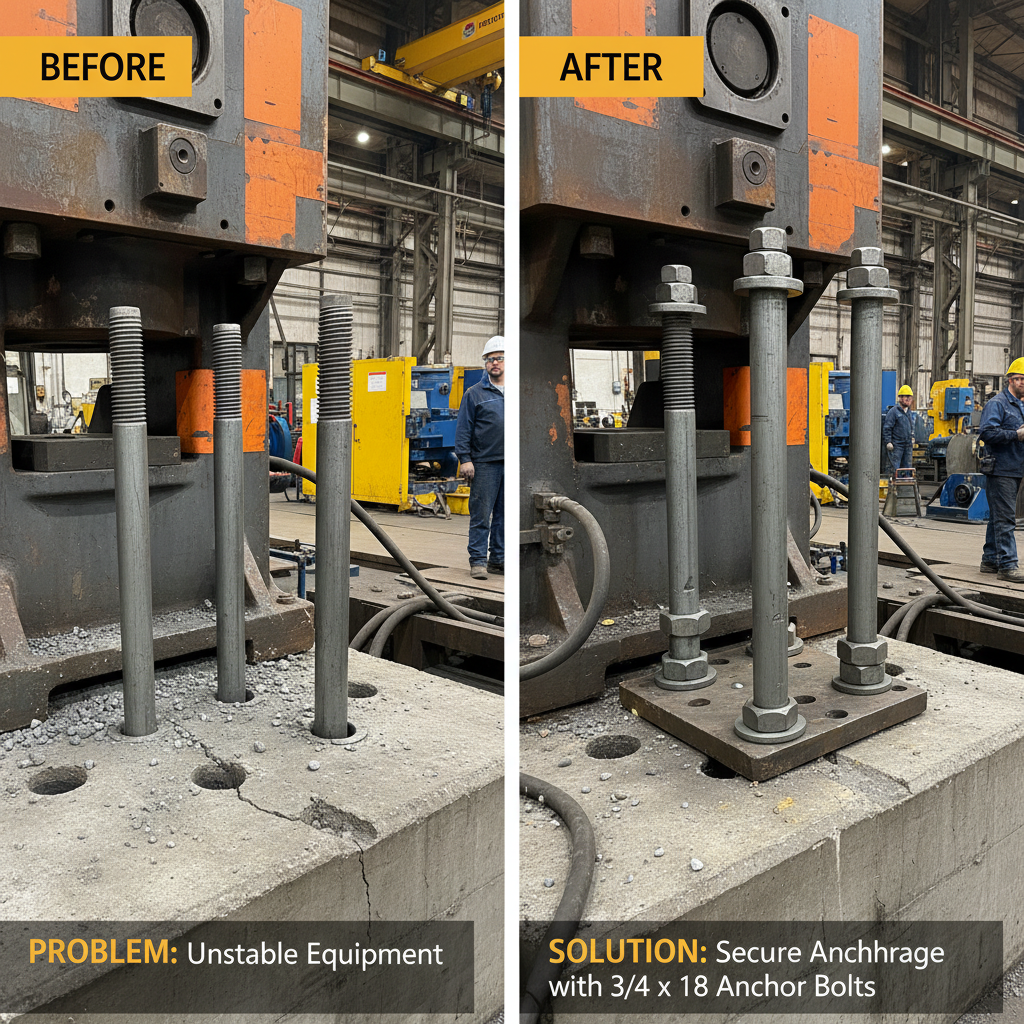
But they are customizable. Last week, a client needed a bolt with a longer thread and a custom washer to accommodate a particularly thick steel plate. No problem. We had it fabricated within 24 hours. That’s the beauty of working with a good supplier. Anyway, I think flexibility is key.
A Case Study: Shenzhen and the Debacle
Last month, that small boss in Shenzhen who makes smart home devices insisted on changing the interface to for all their mounting brackets. He said it looked “more modern.” And, you know, he thought it would justify raising the anchor bolt price. The result was, the standard bolts they used couldn’t fit through the new opening, and they had to redesign the whole system. Cost him a ton of money and delayed the launch by two weeks.
He wouldn’t listen to reason. He just wanted something “different.” It's a classic example of form over function. I've seen it a hundred times. And, frankly, it’s frustrating.
Later... forget it, I won't mention it.
Summary of Anchor Bolt Performance Characteristics
| Anchor Type |
Substrate Suitability |
Installation Complexity |
Typical Anchor Bolt Price (USD/unit) |
| Wedge Anchor |
Solid Concrete |
Moderate |
$2.50 - $5.00 |
| Sleeve Anchor |
Concrete, Brick |
Easy |
$1.00 - $3.00 |
| Chemical Anchor |
Concrete, Hollow Core |
Moderate |
$4.00 - $8.00 |
| Expansion Anchor |
Concrete, Brick |
Easy |
$0.50 - $2.00 |
| Through Bolt |
Various |
Moderate to Difficult |
$3.00 - $7.00 |
| Drop-In Anchor |
Concrete |
Moderate |
$2.00 - $4.00 |
FAQS
Honestly? Ignoring the substrate. People see “concrete anchor” and think it’ll work in anything. But concrete varies wildly in density and strength. You need to match the anchor to the specific concrete, or you're asking for trouble. Don’t try to save a few bucks on the anchor bolt price if it means a structural failure. It’s just not worth it. And always, always consult with a structural engineer.
Crucial. Especially in coastal environments or areas with harsh winters. Corrosion is the enemy. Hot-dip galvanization is the best, but expensive. Zinc plating is okay for dry indoor applications, but don’t even think about using it outdoors. Stainless steel is ideal, but it’s significantly more expensive. You get what you pay for, and a corroded anchor bolt is useless, regardless of the anchor bolt price.
Generally, no. Once an anchor bolt has been stressed, it loses some of its strength. Unless it’s a very low-stress application and you've had it inspected by a qualified engineer, it’s best to replace it. It’s just not worth the risk. The minimal anchor bolt price difference between a new one and a used one is irrelevant when you consider the potential consequences.
A wedge anchor relies on a wedge being driven into the concrete to create friction. It's strong, but requires a precise hole. A sleeve anchor uses a sleeve that expands as the bolt is tightened. It's more forgiving with hole size, but generally has lower holding power. The best choice depends on the application and the substrate. And of course, the anchor bolt price also plays a role.
Don’t. Seriously, don’t try to do that yourself. Consult a structural engineer. They’ll consider all the factors – the load, the material, the environmental conditions – and provide you with a safe and reliable design. It's the best money you'll spend on your entire project, even if it impacts the anchor bolt price a little. It's not worth gambling with safety.
I think we’ll see more self-drilling anchors and anchors with integrated sensors that can monitor stress and corrosion. There’s also a lot of research going into new materials that are lighter, stronger, and more corrosion-resistant. But honestly, I’m not convinced any of that will replace the good old-fashioned wedge anchor anytime soon. It’s reliable, proven, and cost-effective. And let’s face it, sometimes simpler is better.
Conclusion
Ultimately, when it comes to anchor bolts, it's not about chasing the highest numbers on a spec sheet or finding the cheapest anchor bolt price. It’s about understanding the application, choosing the right material, and installing it correctly. You can have the most advanced anchor in the world, but if it's installed improperly, it's useless.
And remember, the worker on the job site, the one tightening that bolt, that’s the ultimate test. They'll know instantly if something feels wrong, if the connection isn’t solid. Ultimately, whether this thing works or not, the worker will know the moment he tightens the screw. If you’re looking for reliable anchor bolts, check out www.ytbolt.com.




 English
  Bengali
  Bulgarian
  Catalan
  Czech
Czech  French
  German
  Hindi
Hindi  Hungarian
  Italian
  Kazakh
  Korean
  Portuguese
  Romanian
  Slovak
  Somali
  Spanish
  Turkish