In the demanding world of industrial construction and infrastructure, the integrity of a fastening system can be the difference between long-term stability and catastrophic failure. stainless steel expansion bolts have emerged as a cornerstone solution for securing heavy-duty components into concrete, brick, or stone, offering a unique combination of mechanical grip and elemental resistance. By utilizing the principle of friction and expansion, these fasteners ensure that structural loads are distributed safely across the substrate, providing peace of mind in high-stakes environments.
Globally, the demand for high-performance fasteners is surging as urban centers expand and industrial plants modernize. The shift toward stainless steel over carbon steel is not merely a preference for aesthetics but a necessity driven by the need for longevity in corrosive environments. Understanding the nuances of expansion mechanics and material grades allows engineers to optimize safety margins while reducing the frequency of costly maintenance cycles.
Whether you are installing HVAC systems in a coastal facility or securing machinery in a chemical processing plant, choosing the right stainless steel expansion bolts is critical. This guide provides a comprehensive analysis of their design, application, and the technical advantages that make them indispensable in modern engineering, ensuring that your projects stand the test of time and nature.
Global Relevance and Industry Context of Expansion Bolts
The global infrastructure landscape is currently undergoing a massive transition, with an increased emphasis on resilience against climate change and urban density. According to ISO standards and industry benchmarks, the reliability of anchoring systems is paramount; a failure in a single anchor can lead to systemic structural collapse. stainless steel expansion bolts address this challenge by providing a corrosion-resistant grip that maintains its integrity even in the most aggressive atmospheric conditions, such as saline coastal air or humid tropical climates.
In many developing regions, the rapid construction of bridges and industrial hubs often faces the problem of "material fatigue" caused by inferior fasteners. By implementing high-grade stainless steel solutions, engineers can drastically reduce the lifecycle cost of a project. The ability of these bolts to expand and create a high-friction bond with the concrete ensures that the fasteners remain secure despite vibration and thermal expansion, solving the critical problem of loosening over time.
Defining the Mechanics of Stainless Steel Expansion Bolts
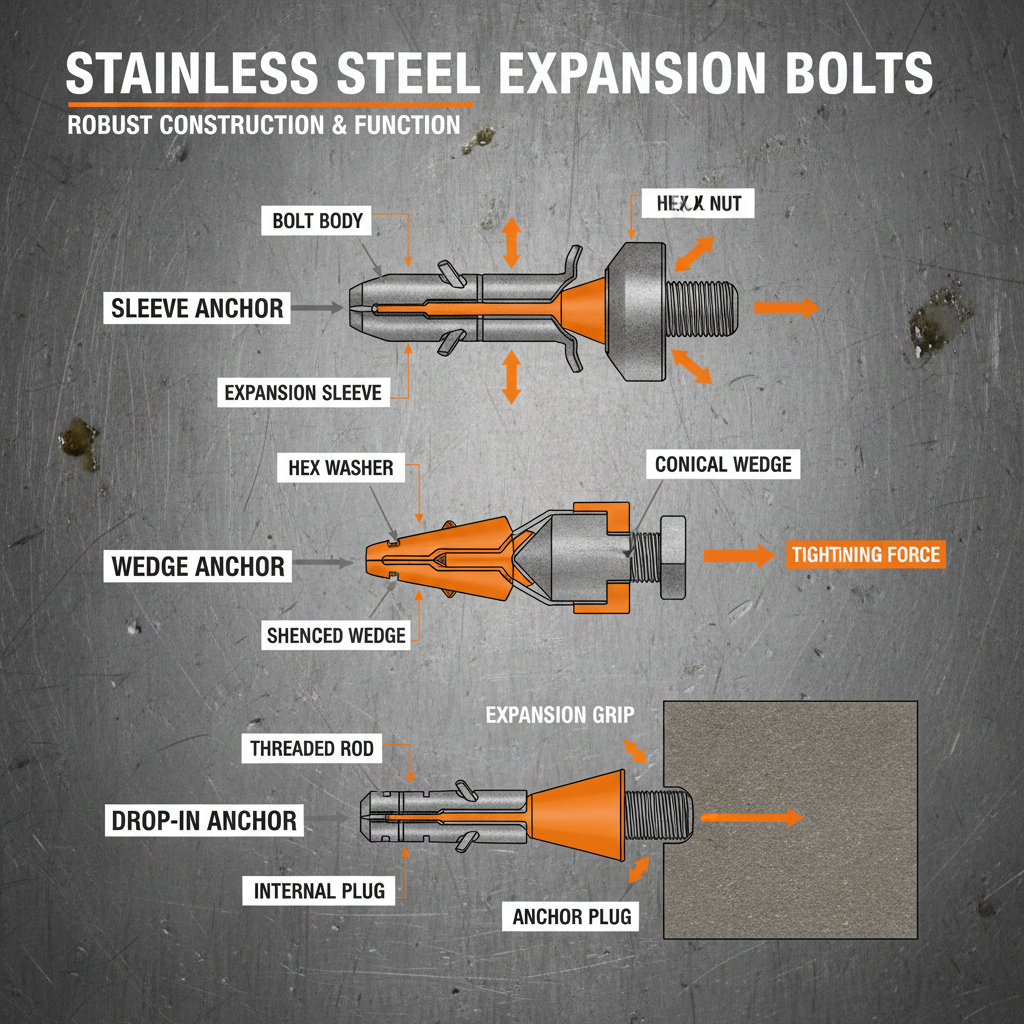
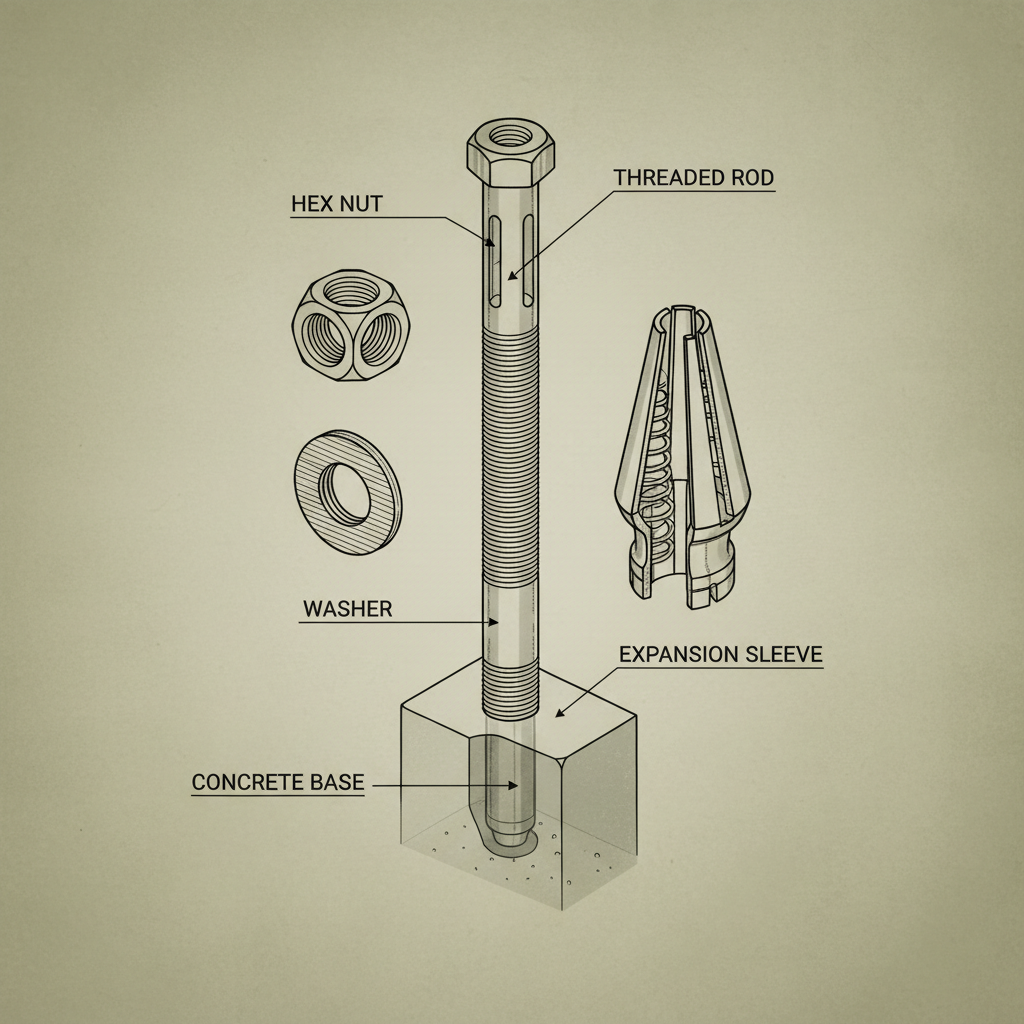
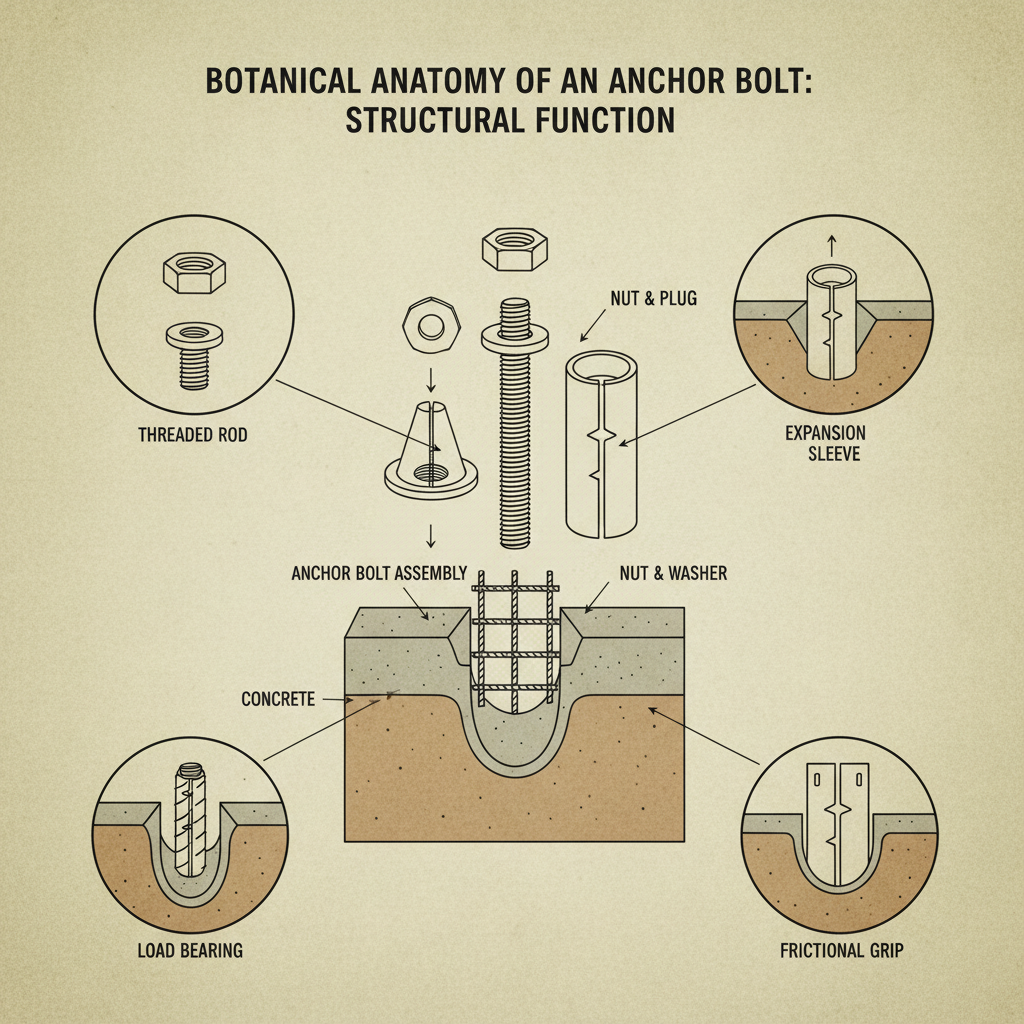
At its simplest, a stainless steel expansion bolt is a heavy-duty fastener designed to be inserted into a pre-drilled hole in a hard material, where it expands to lock itself firmly in place. Unlike standard screws that rely on thread engagement with the material, these bolts use a sleeve or a wedge mechanism. When the nut is tightened, the expanding element is forced against the walls of the hole, creating a powerful friction-based hold that resists withdrawal loads.
This mechanical principle is essential for modern humanitarian and industrial needs, where speed of installation must be balanced with absolute safety. For instance, in the rapid assembly of emergency medical shelters or modular industrial platforms, these bolts allow for immediate structural stability without the need for curing times associated with chemical adhesives. They provide a "mechanical lock" that is predictable, measurable, and reliable.
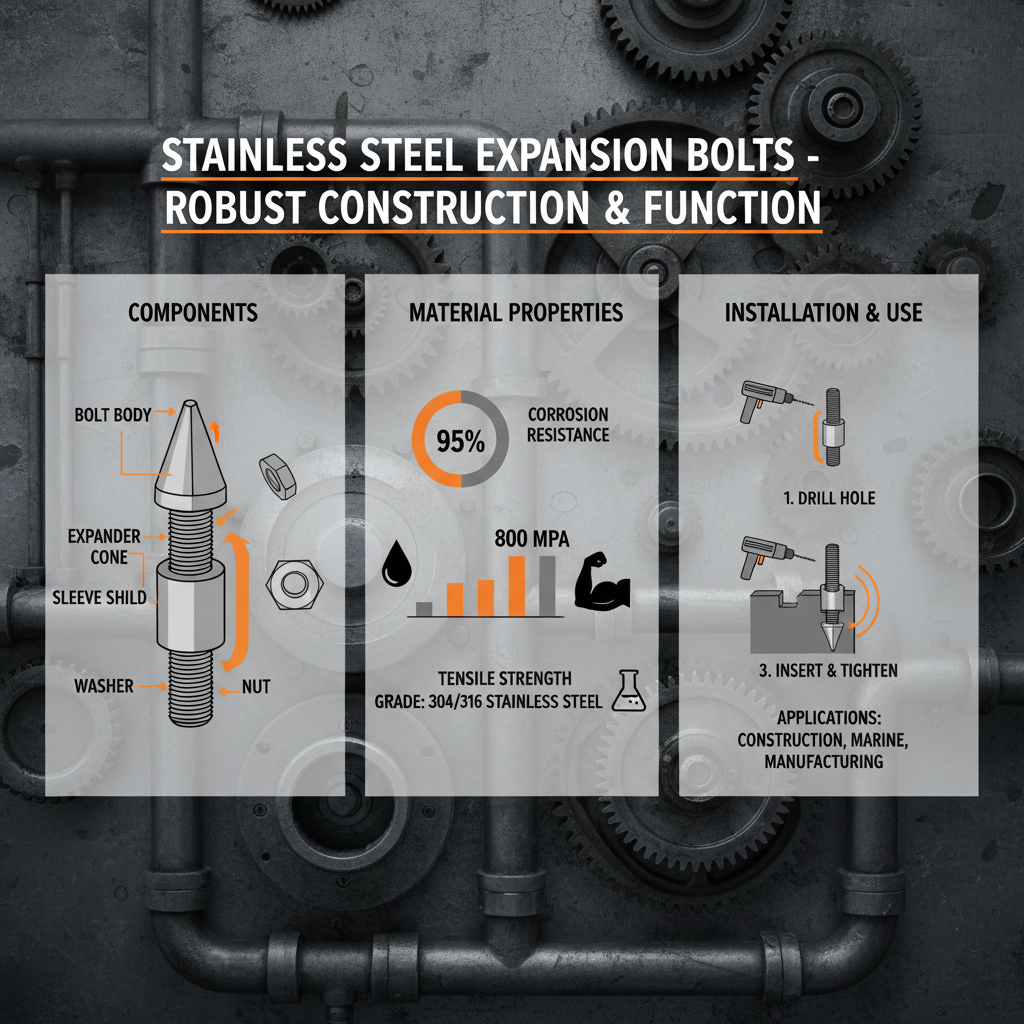
The choice of stainless steel—typically Grade 304 or 316—elevates these fasteners from simple hardware to precision engineering tools. The chromium-nickel alloy creates a passive oxide layer that prevents rust, ensuring that the expansion mechanism does not seize or degrade over decades. This makes stainless steel expansion bolts the gold standard for applications where maintenance access is limited or where failure is not an option.
Core Components Driving Fastener Performance
The effectiveness of stainless steel expansion bolts is determined by several key factors, primarily the Material Grade. Grade 304 is suitable for general outdoor use, while Grade 316 contains molybdenum, offering superior resistance to chlorides and marine environments. The quality of the alloy directly impacts the bolt's ability to withstand tensile stress without snapping.
Expansion Geometry is another critical component. Whether it is a sleeve anchor, a wedge anchor, or a drop-in anchor, the angle of the cone and the thickness of the expansion sleeve determine how much pressure is exerted on the concrete. A precision-engineered geometry ensures that the bolt expands uniformly, preventing the concrete from cracking while maximizing the holding power.
Finally, Load Capacity and Scalability allow these fasteners to be used in everything from light-duty shelving to massive industrial turbines. By varying the diameter and length of the bolt, engineers can scale the fastening strength to meet the specific requirements of the load. This versatility ensures that stainless steel expansion bolts remain the primary choice for diverse structural needs.
Practical Applications Across Global Industries
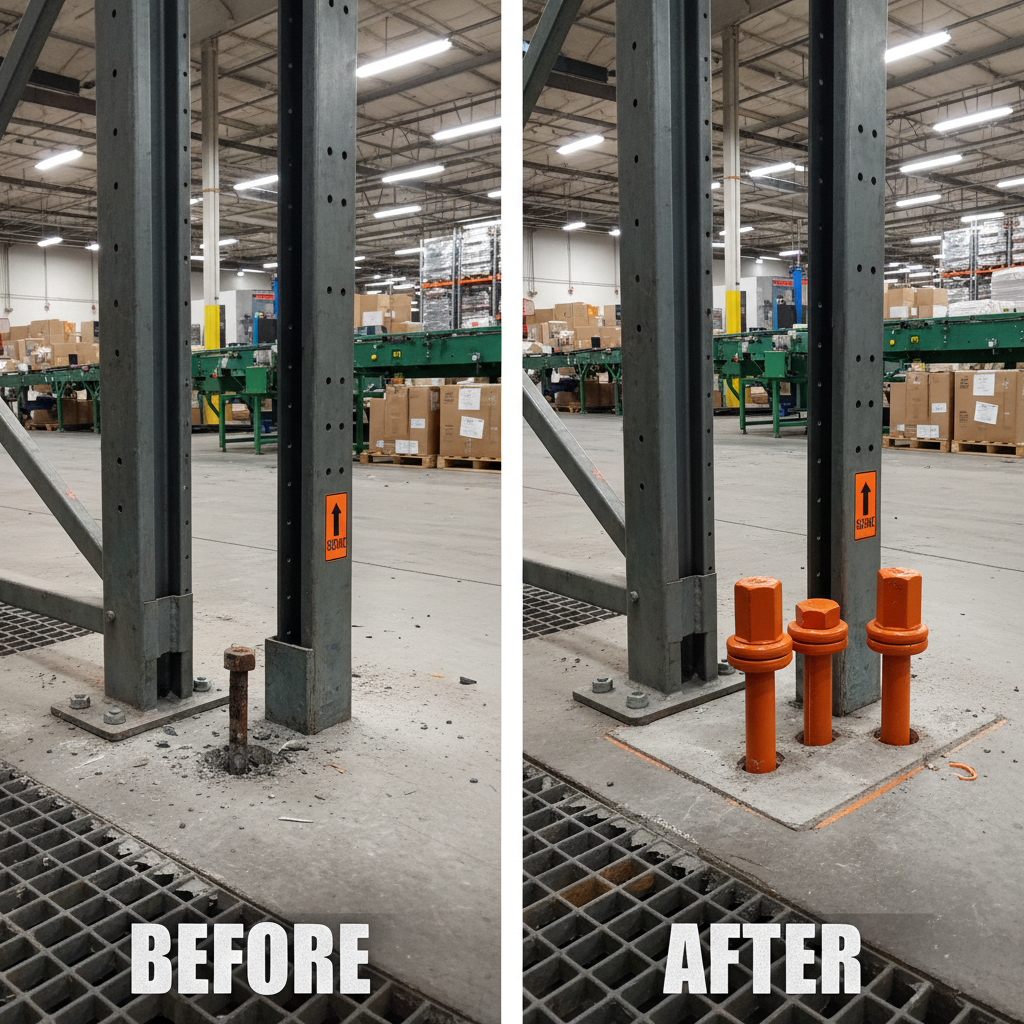
In real-world contexts, stainless steel expansion bolts are utilized in sectors where failure is catastrophic. In the energy sector, specifically within offshore wind farms and solar arrays, these fasteners secure heavy racking systems to concrete foundations, enduring constant salt spray and high wind loads. Similarly, in the automotive manufacturing industry, they are used to anchor heavy robotic arms and conveyor systems to factory floors, absorbing the constant vibration of high-speed production.
Beyond heavy industry, these fasteners play a role in public safety and urban infrastructure. In metropolitan transit hubs, they secure overhead signage and safety railings, ensuring passenger safety in high-traffic zones. In remote industrial zones—such as mining operations in the Andes or oil rigs in the North Sea—the reliability of stainless steel ensures that infrastructure remains intact despite extreme temperature fluctuations and corrosive chemical exposure.
Performance Comparison of Fastening Methods
Long-Term Value and Sustainability Benefits
The long-term value of investing in stainless steel expansion bolts extends far beyond the initial purchase price. While stainless steel may have a higher upfront cost than zinc-plated carbon steel, the "Total Cost of Ownership" is significantly lower. By eliminating the need for frequent replacements and the labor costs associated with repairing rusted anchors, companies can achieve substantial operational savings over the lifespan of a building or machine.
From a sustainability perspective, the longevity of stainless steel reduces the environmental impact of manufacturing and waste. Fewer replacement cycles mean less raw material extraction and lower carbon emissions from logistics. Moreover, the inherent recyclability of stainless steel ensures that at the end of a structure's life, the fasteners can be reclaimed and repurposed, aligning with the global shift toward a circular economy and green construction practices.
Future Innovations in Fastening Technology
The future of stainless steel expansion bolts is being shaped by advancements in material science and digital integration. We are seeing the emergence of "Smart Fasteners" embedded with micro-sensors that can monitor tension levels and detect corrosion in real-time. This allows facility managers to perform predictive maintenance, identifying a loosening bolt before it becomes a safety hazard, thus transforming fastening from a passive component into an active part of a building's health monitoring system.
Additionally, the integration of additive manufacturing (3D printing) is allowing for the creation of customized expansion geometries tailored to specific substrate densities. This means that bolts can be optimized for "soft" concrete or "ultra-hard" volcanic rock, maximizing the grip and minimizing the risk of substrate fracturing. These innovations are paving the way for safer, more efficient construction in the most challenging environments on Earth.
Sustainability is also driving the development of new "Green Stainless" alloys, produced using hydrogen-powered smelting rather than coal. As policies regarding carbon footprints tighten, the adoption of these eco-friendly stainless steel expansion bolts will become a requirement for government-funded infrastructure projects, ensuring that our cities are built not just for strength, but for the planet.
Overcoming Common Installation Challenges
Despite their reliability, the performance of stainless steel expansion bolts is heavily dependent on correct installation. One of the most common challenges is "over-tightening," which can lead to the bolt snapping or the concrete splitting. Professional installers emphasize the importance of using a calibrated torque wrench to ensure the expansion occurs within the designed parameters, providing the maximum grip without compromising the substrate.
Another frequent issue is the presence of dust or debris within the pre-drilled hole. If the hole is not properly cleaned using a blow-pump or brush, the expansion sleeve may not seat correctly, leading to a significant reduction in pull-out strength. Expert insights suggest a rigorous "Drill-Clean-Insert" workflow to ensure that the friction bond is pure and uninterrupted by particulate matter.
Finally, selecting the wrong grade of stainless steel for the environment can lead to localized pitting corrosion. To overcome this, engineers should conduct a site-specific chemical analysis; for instance, using Grade 316 in high-chloride coastal areas instead of Grade 304. By matching the material property to the environmental stress, the lifespan of the installation can be extended by decades.
Comparative Analysis of Stainless Steel Expansion Bolt Performance
| Fastener Type |
Corrosion Rating |
Installation Speed |
Load Capacity |
| SS304 Wedge Bolt |
High |
Very Fast |
Excellent |
| SS316 Wedge Bolt |
Ultra High |
Very Fast |
Excellent |
| SS304 Sleeve Anchor |
High |
Moderate |
Good |
| SS316 Sleeve Anchor |
Ultra High |
Moderate |
Good |
| SS304 Drop-in Anchor |
High |
Fast |
Moderate |
| SS316 Drop-in Anchor |
Ultra High |
Fast |
Moderate |
FAQS
The primary difference lies in the chemical composition. SS304 is the most common grade, offering excellent corrosion resistance for general outdoor use. SS316, however, contains molybdenum, which provides significantly better protection against chlorides (salt) and industrial chemicals. If your project is located near the ocean or in a chemical plant, SS316 stainless steel expansion bolts are the only recommended choice to prevent pitting and stress corrosion cracking.
Generally, no. Expansion bolts are designed for permanent installation. Once the sleeve has expanded against the concrete, the metal undergoes plastic deformation to create the friction lock. Attempting to remove and reuse them usually damages the expansion mechanism or the concrete hole, compromising the safety of the subsequent installation. For temporary fixtures, consider using removable anchoring systems or threaded inserts.
To prevent cracking, first ensure you are using the correct drill bit size for the specific bolt diameter. Second, avoid over-tightening; always use a torque wrench according to the manufacturer's specifications. Third, avoid installing bolts too close to the edge of the concrete slab (edge distance), as the expansion pressure can easily blow out the side of the concrete if there isn't enough material to support the force.
Yes, they are frequently used for overhead installations like HVAC ducts and piping. However, for critical overhead loads, it is recommended to use "wedge" or "sleeve" types that have a high certified pull-out strength. Always ensure a safety factor (usually 4:1) is applied to the load calculation, and verify that the concrete grade is sufficient to support the expansion forces of the stainless steel fasteners.
In most cases, no. Lubricants can actually interfere with the friction-based grip of the expansion sleeve, potentially reducing the hold strength. However, some specialized anti-seize compounds are used on the external threads of the nut to ensure the bolt can be tightened smoothly without "galling," which is a common issue with stainless steel. Always refer to the technical data sheet of your specific fastener.
When installed correctly and matched to the environment (e.g., SS316 for marine use), stainless steel expansion bolts can last for the entire design life of the structure, often 50 years or more. Unlike carbon steel, which rusts and weakens, the passive layer of stainless steel remains intact, ensuring that the mechanical grip does not degrade over time due to oxidation.
Conclusion
In summary, stainless steel expansion bolts represent the intersection of mechanical simplicity and advanced material science. By providing an immediate, high-strength bond that is immune to the ravages of corrosion, they enable the safe construction of everything from coastal bridges to high-tech factories. The key to their success lies in the careful selection of alloy grades (304 vs 316) and a disciplined approach to installation, ensuring that the physics of expansion are harnessed without compromising the structural integrity of the substrate.
Looking forward, the integration of smart monitoring and eco-friendly production will only enhance the value proposition of these essential fasteners. For engineers and contractors, the transition toward high-grade stainless steel is not just a technical upgrade—it is a commitment to safety, sustainability, and operational excellence. To ensure your project is anchored for the future, we invite you to explore our full range of industrial fastening solutions. Visit our website: www.ytbolt.com




 English
  Bengali
  Bulgarian
  Catalan
  Czech
Czech  French
  German
  Hindi
Hindi  Hungarian
  Italian
  Kazakh
  Korean
  Portuguese
  Romanian
  Slovak
  Somali
  Spanish
  Turkish