Anchor fasteners are critical components in modern construction and infrastructure, playing a vital role in securing structures to various base materials. Globally, the demand for reliable and efficient fastening solutions is consistently increasing, driven by rapid urbanization, infrastructural development, and a growing focus on safety and durability. The importance of anchor fastener technology stems from its ability to provide robust and long-lasting connections, preventing structural failures and ensuring the integrity of projects ranging from towering skyscrapers to essential public utilities.
The anchor fastener market is substantial and growing, estimated to reach billions of dollars annually, with significant growth projected in emerging economies. International standards organizations like ISO and ASTM are constantly refining specifications to ensure quality and performance. The development of innovative anchor fastener solutions addresses key challenges like corrosion resistance, ease of installation, and adaptability to diverse construction materials.
Understanding the nuances of anchor fastener selection, installation, and maintenance is paramount for engineers, contractors, and building owners alike. Choosing the correct anchor fastener ensures structural integrity, reduces long-term maintenance costs, and ultimately enhances public safety. This knowledge is crucial for delivering resilient and sustainable infrastructure worldwide.
The Fundamental Role of anchor fastener
Anchor fasteners are the unsung heroes of countless construction projects. They provide the essential link between structural elements and their foundations, ensuring stability and safety. Without effective anchor fasteners, buildings, bridges, and infrastructure would be vulnerable to collapse. The fundamental role of an anchor fastener is to resist tensile, shear, and bending forces, transferring loads efficiently and reliably.
The selection of the right anchor fastener is critical and depends on factors like the base material (concrete, brick, stone), the anticipated load, and the environmental conditions. Different types of anchor fastener – mechanical, chemical, or a combination of both – offer varying strengths and suitability for specific applications. Proper installation is just as important as the fastener itself, requiring skilled technicians and adherence to industry best practices.
Defining anchor fastener and Its Relevance
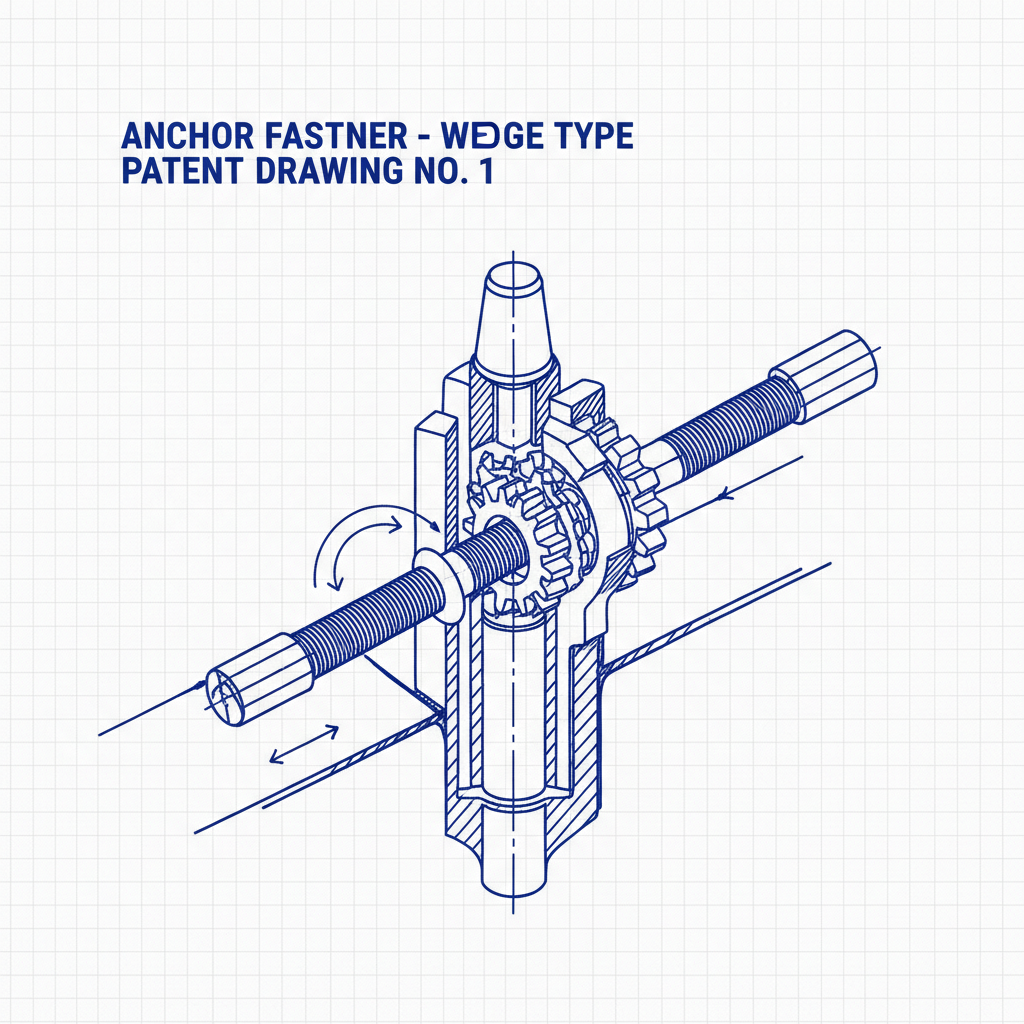
An anchor fastener is a device used to connect structural and non-structural elements to a substrate – typically concrete, brick, or other masonry materials. It’s a broad category encompassing various designs, including expansion anchors, wedge anchors, sleeve anchors, chemical anchors, and powder-actuated fasteners. Unlike traditional bolting, anchor fasteners are embedded within the base material, providing a secure and lasting connection.
The relevance of anchor fastener extends far beyond simply ‘holding things together.’ In modern construction, it’s intrinsically linked to safety, durability, and building code compliance. Engineers rely on meticulously calculated anchor fastener designs to ensure structures can withstand extreme weather events, seismic activity, and everyday loads.
The ability to reliably secure critical components – such as curtain walls, mechanical systems, and safety-critical equipment – directly impacts public safety and the long-term functionality of buildings and infrastructure. In essence, anchor fastener technology is foundational to the built environment.
Core Characteristics of Effective anchor fastener
Several core characteristics define an effective anchor fastener. First and foremost is its load capacity – the maximum weight or force it can safely withstand. This capacity is dictated by the fastener's material, size, and embedment depth. Secondly, corrosion resistance is crucial, particularly in harsh environments. Stainless steel, galvanized steel, and specialized coatings are often employed to prevent rust and degradation.
Another vital attribute is ductility, which refers to the fastener's ability to deform without fracturing. Ductile fasteners can absorb energy from dynamic loads, reducing the risk of brittle failure. Ease of installation is also important, as it impacts labor costs and project timelines. Finally, compliance with relevant industry standards (e.g., ICC-ES, ANSI) ensures quality and performance verification.
The specific characteristics prioritized will vary depending on the application. For instance, a marine environment demands exceptional corrosion resistance, while a high-seismic zone requires superior ductility and energy absorption. Understanding these requirements is crucial for selecting the optimal anchor fastener.
Performance Metrics of anchor fastener
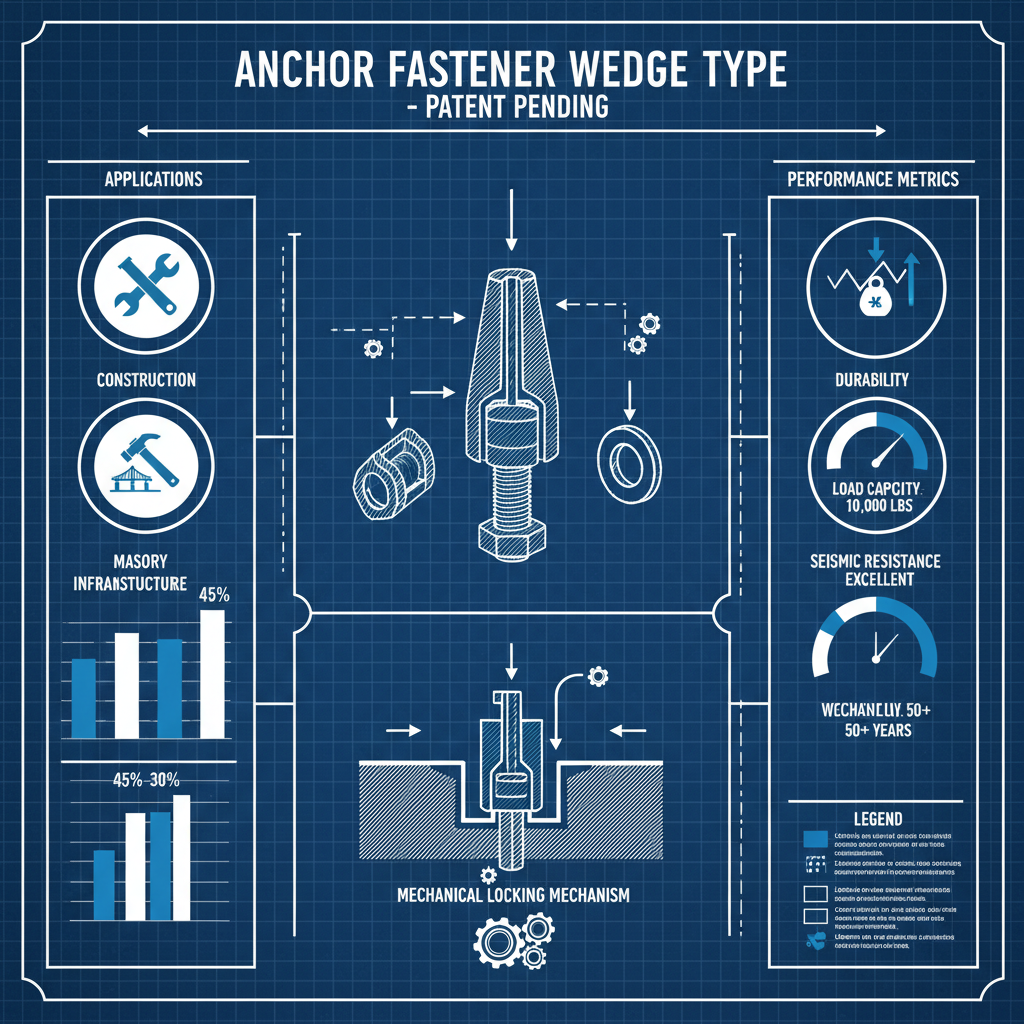
Evaluating the performance of an anchor fastener requires a thorough understanding of key metrics. Tensile strength, measured in pounds per square inch (PSI) or megapascals (MPa), indicates the fastener’s resistance to pulling forces. Shear strength, also measured in PSI or MPa, reflects its ability to withstand forces acting parallel to the surface.
Embedment depth and spacing are critical parameters that affect load capacity. Increasing embedment depth generally increases tensile strength, while proper spacing prevents edge blowouts. Another important metric is the fastener’s creep resistance – its ability to maintain its load-bearing capacity over time, even under sustained loads.
anchor fastener Performance Comparison
Global Applications of anchor fastener
Anchor fasteners find widespread application across a multitude of industries and projects worldwide. In the construction of high-rise buildings, they secure curtain walls, precast concrete panels, and mechanical equipment. They are essential in bridge construction, anchoring expansion joints and reinforcing concrete decks. In infrastructure projects, anchor fasteners are used to secure utility poles, traffic signals, and safety barriers.
In post-disaster relief operations, rapid deployment shelters often utilize anchor fastener systems for quick and secure installation. Remote industrial zones, such as offshore oil platforms and mining facilities, rely heavily on durable anchor fasteners to withstand harsh environmental conditions and heavy loads. Furthermore, the renovation and retrofit of existing buildings frequently involve the use of anchor fastener to upgrade structural components and improve safety.
The Advantages of Utilizing anchor fastener
Employing anchor fastener offers several distinct advantages over traditional fastening methods. Cost efficiency is a significant benefit, as they often require less labor and specialized equipment for installation. Durability and longevity are also key advantages; high-quality anchor fasteners can provide decades of reliable performance with minimal maintenance.
The versatility of anchor fastener allows for secure connections in a wide range of base materials, including concrete, brick, and block. Furthermore, the use of anchor fastener can enhance the structural integrity of buildings and infrastructure, improving safety and resilience. Ultimately, the choice of an anchor fastener directly impacts the overall quality, longevity, and safety of a project.
Beyond purely practical benefits, reliable anchor fastener systems instill confidence and trust in the integrity of structures. They represent a commitment to quality, safety, and long-term sustainability.
Future Innovations in anchor fastener Technology
The field of anchor fastener is undergoing continuous innovation, driven by demands for enhanced performance, sustainability, and efficiency. Research and development efforts are focused on creating new materials with superior corrosion resistance and strength-to-weight ratios. Smart anchor fasteners, incorporating sensors to monitor load and stress levels, are also emerging as a promising technology.
Digital tools, such as Building Information Modeling (BIM) software, are increasingly used to optimize anchor fastener designs and ensure accurate placement. Automation in manufacturing processes is improving production efficiency and reducing costs. Furthermore, there's a growing emphasis on developing environmentally friendly anchor fastener solutions, utilizing recycled materials and minimizing the carbon footprint of production.
These advancements are expected to revolutionize the anchor fastener industry, leading to more reliable, sustainable, and cost-effective fastening solutions for a wide range of applications. The integration of technology will play a key role in ensuring the continued evolution of this critical component of the built environment.
Summary of the Challenges and Solutions for anchor fastener
| Challenge |
Impact on anchor fastener Performance |
Proposed Solution |
Implementation Details |
| Corrosion in Harsh Environments |
Reduced load capacity and structural integrity |
Utilize corrosion-resistant materials (stainless steel, coated fasteners) |
Select appropriate grade of stainless steel based on environment. Apply high-performance coatings. |
| Installation Errors |
Compromised load capacity and potential failure |
Implement rigorous quality control procedures and training |
Certified installers, torque monitoring, and visual inspection of installation. |
| Inadequate Load Calculations |
Under-engineered connections and potential structural failure |
Employ advanced engineering software and accurate load modeling |
Utilize FEA analysis. Adhere to relevant building codes and standards. |
| Difficulty in Retrofit Applications |
Limited space and access for installation |
Utilize compact anchor fastener designs and specialized installation tools |
Miniaturized expansion anchors, chemical anchors with low cure times. |
| Lack of Standardization |
Difficulty in comparing performance and ensuring compatibility |
Promote adoption of international standards and testing protocols |
ICC-ES reports, ANSI/ASTM standards, and third-party certifications. |
| Environmental Impact of Materials |
Carbon footprint and resource depletion |
Utilize recycled materials and sustainable manufacturing processes |
Employ low-VOC coatings, reduce packaging waste, and source materials responsibly. |
FAQS
Selecting the right anchor fastener for concrete involves several crucial considerations. First, determine the load requirements – both static and dynamic. Assess the concrete's compressive strength, as this directly impacts the fastener's capacity. Consider the environmental conditions, as corrosion resistance is vital in harsh environments. Also, analyze the concrete's thickness and the proximity to edges to prevent blowouts. Finally, ensure the chosen anchor fastener meets relevant building codes and industry standards. anchor fastener selection is paramount for structural integrity.
Embedment depth is directly proportional to the load capacity of most anchor fasteners. Increasing the embedment depth generally increases the fastener's tensile strength, as it provides a larger surface area for load transfer within the concrete. However, exceeding recommended embedment depths can sometimes reduce shear capacity. Always refer to the manufacturer's specifications and engineering data for optimal embedment depth based on the specific anchor fastener and application. Insufficient embedment can lead to premature failure.
Mechanical anchors rely on mechanical interlock (expansion, wedge action) to secure themselves within the concrete, while chemical anchors utilize an adhesive resin to bond the fastener to the concrete. Mechanical anchors are typically faster to install but may be less suitable for cracked concrete or low-strength materials. Chemical anchors offer higher load capacities and better performance in challenging conditions but require more precise installation and curing time. The choice depends on the specific application and concrete properties.
Proper installation is critical for maximizing the performance of anchor fastener. Always follow the manufacturer’s instructions meticulously. Use the correct drill bit size and depth. Clean the hole thoroughly to remove dust and debris. For chemical anchors, ensure proper mixing and injection of the adhesive resin. Apply the correct torque to the fastener and verify that it is securely seated. Regular inspections and quality control checks are essential. anchor fastener installation needs qualified personnel.
Several factors can contribute to anchor fastener failure, including improper installation, inadequate load capacity, corrosion, concrete cracking, and edge blowouts. Undersized fasteners, incorrect embedment depth, and insufficient torque are common installation errors. Corrosion can weaken the fastener material over time. Concrete cracking can reduce the fastener's effective bearing area. Edge blowouts occur when the fastener is too close to the edge of the concrete. Regularly inspect for signs of distress.
Stainless steel anchor fastener offer superior corrosion resistance compared to carbon steel or galvanized steel, making them ideal for harsh environments like marine applications, chemical plants, or areas exposed to de-icing salts. The chromium content in stainless steel forms a protective oxide layer that prevents rust and degradation. While more expensive upfront, stainless steel fasteners can significantly reduce long-term maintenance costs and extend the service life of structures in corrosive conditions. anchor fastener provides long-lasting solutions.
Conclusion
In conclusion, anchor fastener represent a foundational element of modern construction and infrastructure. Their ability to provide reliable and durable connections is paramount for ensuring the safety, longevity, and performance of structures worldwide. Understanding the nuances of anchor fastener selection, installation, and maintenance is crucial for engineers, contractors, and building owners alike.
Looking ahead, innovations in materials, design, and installation techniques promise to further enhance the capabilities of anchor fastener. Embracing these advancements will enable us to build more resilient, sustainable, and efficient infrastructure for future generations. For high-quality anchor fastener solutions, visit our website today: www.ytbolt.com.




 English
  Bengali
  Bulgarian
  Catalan
  Czech
Czech  French
  German
  Hindi
Hindi  Hungarian
  Italian
  Kazakh
  Korean
  Portuguese
  Romanian
  Slovak
  Somali
  Spanish
  Turkish