


Feb . 11, 2026 02:05 Back to list
Comprehensive Guide to 5/8 Wedge Anchor Drill Bit Size for Secure Installations
Understanding 5/8 Wedge Anchor Drill Bit Size for Secure Fastening
When working with wedge anchors, selecting the correct drill bit size is crucial for a reliable and safe installation. Using the wrong size can compromise the anchor’s holding power, leading to potential failures. This article provides a comprehensive guide to 5/8" wedge anchor drill bit sizes, covering applications, important considerations, and how to choose the right bit for your project. Ensuring proper installation is paramount for the longevity and safety of your structures. We'll detail everything you need to know for successful wedge anchor installations.
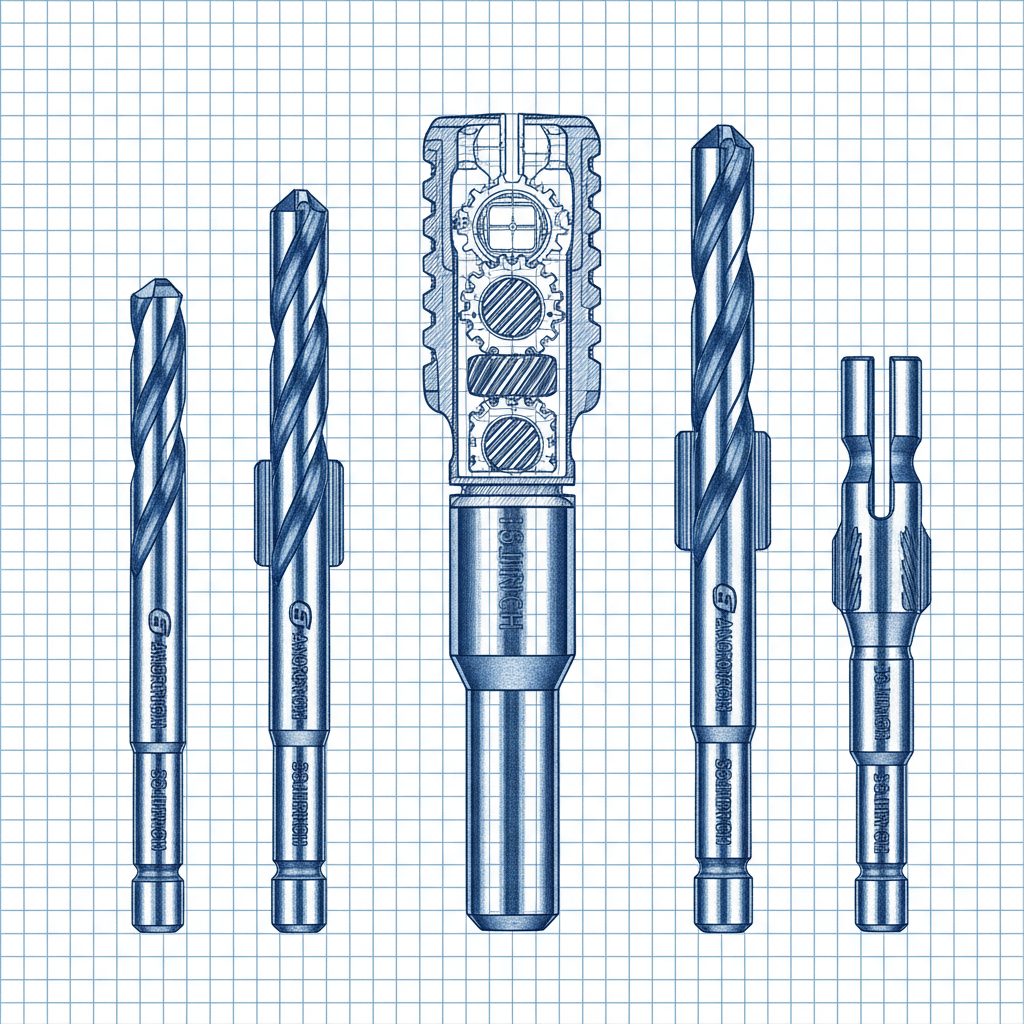
What is a 5/8" Wedge Anchor and Why Drill Bit Size Matters
A 5/8" wedge anchor is a heavy-duty fastening solution commonly used in concrete, brick, and block applications. They provide a strong, reliable hold for securing items like structural steel, machinery, railings, and more. The drill bit size is directly related to the anchor's diameter and embedment depth. Using the correct drill bit ensures the anchor fits snugly within the hole, maximizing its pullout and shear strength. An undersized hole can cause the anchor to bind during installation and potentially damage the concrete. Conversely, an oversized hole reduces the anchor's grip, diminishing its holding capacity. Proper sizing is the foundation of a secure installation. You can find a range of wedge anchors and drilling solutions at YT Bolt.
Key Takeaway: Correct drill bit size is non-negotiable for optimal wedge anchor performance and safety.
Recommended Drill Bit Size for 5/8" Wedge Anchors
For a standard 5/8" wedge anchor, the recommended drill bit size is 5/8 inch (16mm). However, this can slightly vary depending on the specific anchor manufacturer and the concrete's density. It's always best to consult the anchor manufacturer’s specifications for the most accurate drilling diameter. Different concrete mixtures and aggregate sizes can necessitate minor adjustments to the bit size. Using a high-quality, carbide-tipped drill bit is also essential for clean, accurate holes, especially in harder concrete.
Drilling Considerations:
• Use a hammer drill for concrete.
• Drill to the specified embedment depth.
• Clear debris from the hole before insertion.
• Maintain a consistent drilling speed and pressure.
5/8 Wedge Anchor Drill Bit Size: A Comparison with Other Anchor Sizes
Understanding the relationship between anchor size and drill bit size is crucial for efficient project execution. Below is a comparison table showing common wedge anchor sizes and their corresponding drill bit sizes.
Choosing the Right Drill Bit Material and Type
Selecting the appropriate drill bit material is as important as using the correct size. For concrete, carbide-tipped drill bits are the most effective. These bits are extremely durable and can withstand the abrasive nature of concrete. There are several types of carbide-tipped bits available:
- Rotary Hammer Bits: Designed for use with rotary hammer drills, these bits offer maximum impact and are ideal for drilling large-diameter holes.
- SDS-Plus and SDS-Max Bits: These are types of rotary hammer bits with specific shank designs for secure attachment to the drill.
- Standard Carbide-Tipped Bits: Suitable for use with standard hammer drills, offering a good balance of performance and cost.
Investing in high-quality drill bits will save you time, reduce wear and tear on your drill, and ensure accurate hole creation. YT Bolt offers a wide selection of drill bits suitable for various concrete applications.
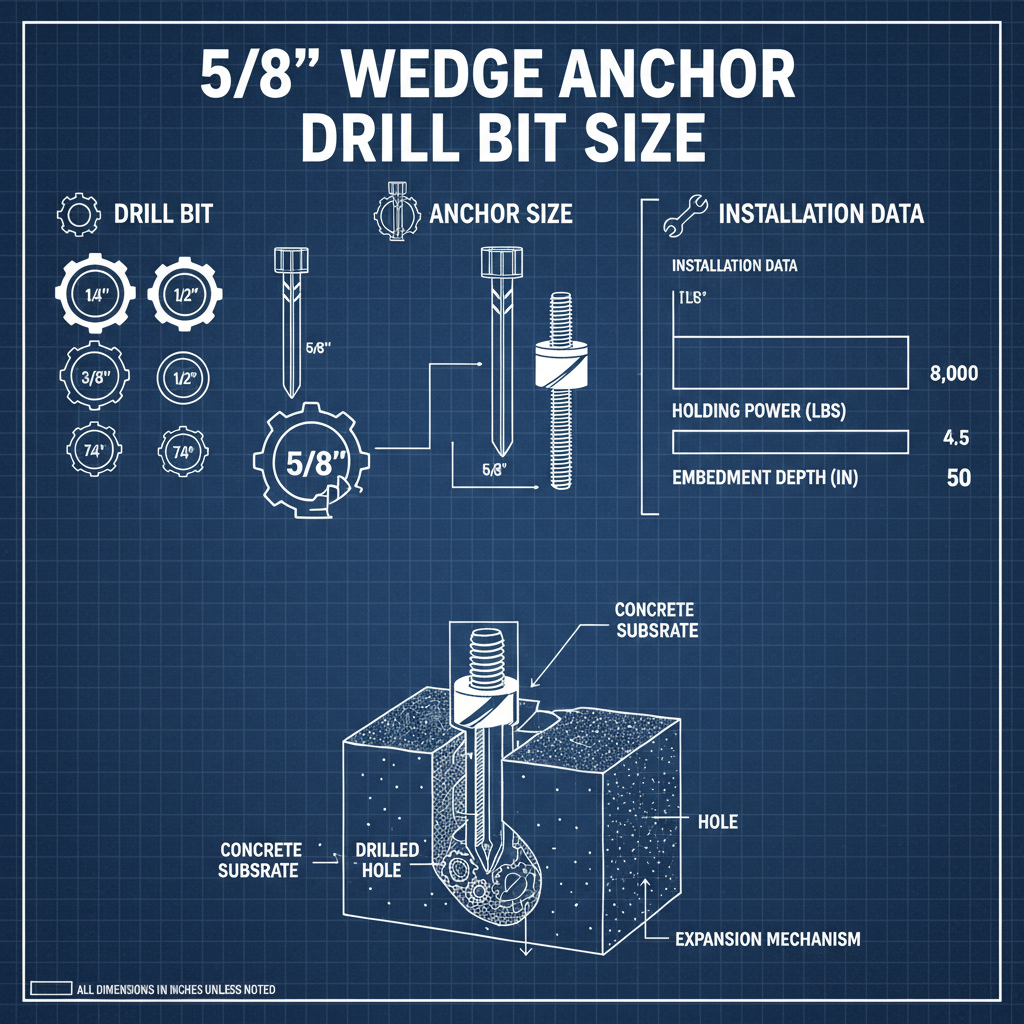
Technical Data: Embedment Depth and Pullout Capacity
The embedment depth (the portion of the anchor embedded in the concrete) significantly impacts the pullout capacity of the wedge anchor. Always refer to the manufacturer's specifications for the minimum embedment depth required for a given load. Below is a generalized guide (always check manufacturer data):
Conclusion: Precision Drilling for Reliable Wedge Anchor Installations
Choosing the correct 5/8" wedge anchor drill bit size and understanding the importance of proper installation techniques are paramount for ensuring a secure and lasting fastening solution. By consulting manufacturer specifications, selecting high-quality drill bits, and adhering to best practices, you can minimize the risk of failure and maximize the performance of your wedge anchors. For a wide range of wedge anchors and drilling accessories, explore the options available at YT Bolt.
Frequently Asked Questions (FAQs)
What should I do if the concrete is particularly hard?
If you encounter particularly hard concrete, using a slower drilling speed and applying consistent pressure is crucial. Consider using a higher-quality carbide-tipped drill bit specifically designed for hard materials. Additionally, intermittent drilling – drilling for a short period, then allowing the bit to cool – can help prevent overheating and extend the bit’s lifespan. If the bit continues to struggle, consult with a concrete drilling specialist for advice.
How do I ensure the drilled hole is the correct depth?
Mark the desired embedment depth on the drill bit using tape or a depth marker. Regularly check the depth while drilling to ensure you reach the correct measurement. A depth gauge can also be used for precise measurements. Accurate embedment depth is critical for achieving the anchor’s rated pullout capacity. Always adhere to the manufacturer's recommended embedment depth.
Can I reuse a drill bit after drilling into concrete?
While a drill bit can be reused, its performance will be diminished after drilling into concrete. Concrete is abrasive and wears down the carbide tip. Reusing a worn bit can lead to inaccurate hole sizes and increased drilling time. For optimal results, it's generally recommended to use a new drill bit for each project, especially when dealing with critical applications. If you must reuse a bit, inspect it carefully for damage and resharpen it if necessary.
What happens if I drill a hole too large?
Drilling a hole that is too large compromises the anchor’s holding capacity. The anchor will not be able to grip the concrete effectively, leading to a reduced pullout strength. If you accidentally drill a hole that is too large, you may need to abandon that location and drill a new hole. Alternatively, you might consider using a slightly larger anchor or filling the oversized hole with a specialized concrete repair compound before installing the anchor – however, this should only be done after consulting with a structural engineer.
-
Guide to Calculating the Best Expansion Anchor Bolt Length
NewsApr.16,2026
-
Guide to the Correct Drill Size for 3 8 Wedge Anchor Installation
NewsApr.09,2026
-
Comprehensive Guide to Dottie Wedge Anchor Selection and Installation
NewsApr.07,2026
-
Comprehensive Guide to Ceiling Wedge Anchors for Secure Installations
NewsApr.04,2026
-
Understanding the Versatility and Applications of Carbon Steel Wedges
NewsMar.31,2026
-
The Essential Guide to Bolt Wedges Strength and Application
NewsMar.28,2026
 English
  Bengali
  Bulgarian
  Catalan
  Czech
Czech  French
  German
  Hindi
Hindi  Hungarian
  Italian
  Kazakh
  Korean
  Portuguese
  Romanian
  Slovak
  Somali
  Spanish
  Turkish


