


Apr . 07, 2026 02:05 Back to list
Comprehensive Guide to Dottie Wedge Anchor Selection and Installation
Dottie Wedge Anchor: A Comprehensive Guide
When it comes to secure anchoring solutions for various construction and industrial applications, the dottie wedge anchor stands out as a reliable and versatile choice. This article provides an in-depth overview of its features, applications, installation, and benefits, equipping you with the knowledge to determine if it’s the right anchoring solution for your project. Choosing the correct anchor is vital for safety and longevity, and we will explore why the dottie wedge anchor is frequently chosen by professionals.
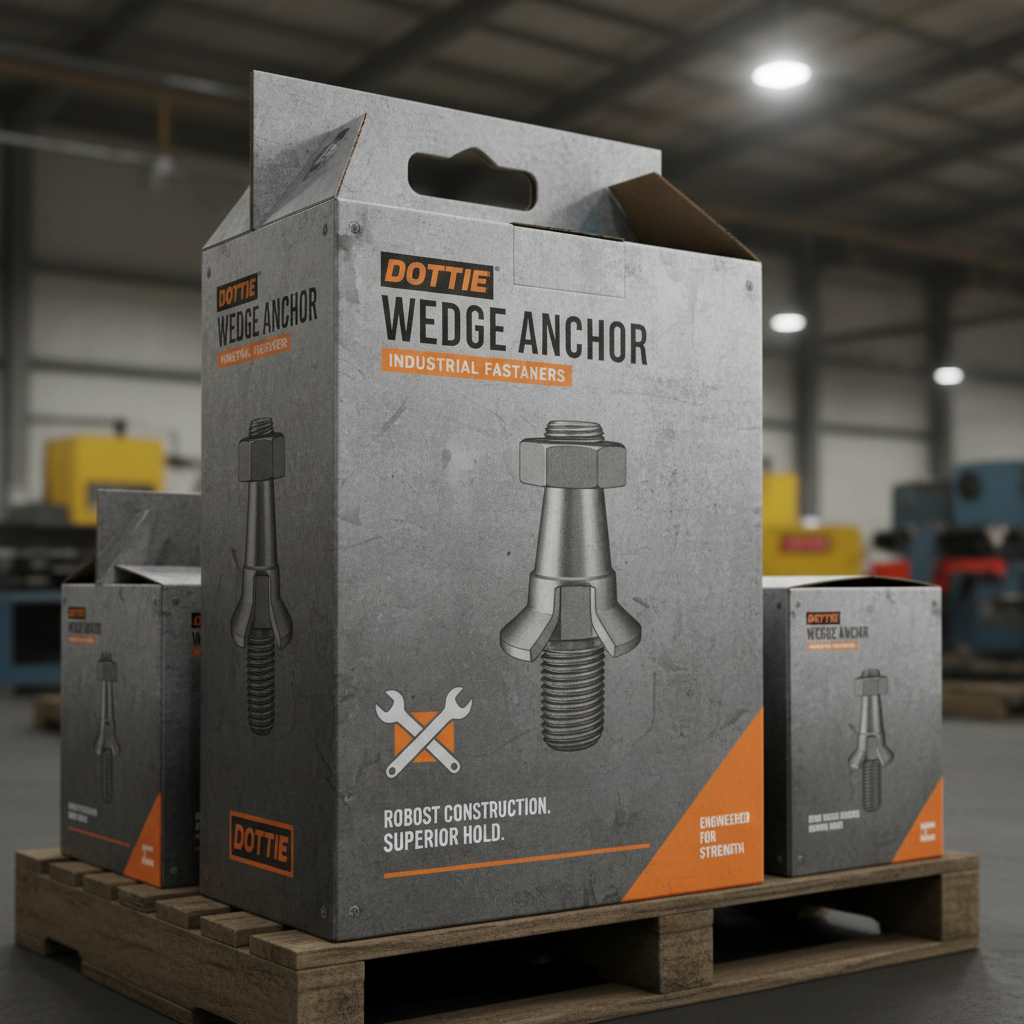
What is a Dottie Wedge Anchor?
A dottie wedge anchor is a type of expansion anchor used to fasten objects to concrete or masonry. It's designed for medium to heavy-duty applications, providing a strong and reliable connection. Unlike some anchors that rely solely on friction, the wedge anchor mechanically expands within the concrete, creating a robust clamping force. The design includes a bolt-like shaft and a wedge that's driven into the expansion sleeve as the nut is tightened, securely locking the anchor in place. This makes them ideal for attaching structural elements, machinery, railings, and more.
Key Highlights: Mechanically expands within concrete, providing a robust clamping force. Suitable for medium to heavy-duty applications. Offers a reliable connection for structural elements and machinery.
Applications of Dottie Wedge Anchors
Dottie wedge anchors find applications across a wide spectrum of industries. Construction projects utilize them for securing formwork, attaching columns and beams, and mounting safety railings. In industrial settings, they’re used for installing machinery, supporting pipe racks, and securing equipment to concrete floors. Furthermore, they are often employed in automotive repair shops for anchoring workbenches and equipment. Their versatility and strength make them a preferred choice for projects requiring a dependable hold in concrete and masonry. From securing heavy machinery to installing safety barriers, ytbolt’s dottie wedge anchors provide a trusted solution.
Common Applications:
• Securing formwork in construction
• Attaching columns and beams
• Mounting safety railings
• Installing machinery and equipment
Dottie Wedge Anchor vs. Sleeve Anchors: A Comparison
While both dottie wedge anchors and sleeve anchors are used for concrete fastening, they differ in their mechanism and suitability for certain applications. Sleeve anchors rely on friction between the anchor sleeve and the concrete, whereas wedge anchors use mechanical expansion. This makes wedge anchors generally stronger and more suitable for heavier loads and critical applications. Sleeve anchors are often easier to install and remove, making them ideal for temporary fixtures. However, wedge anchors provide a more permanent and secure hold, especially when subjected to vibration or dynamic forces.
Installation Best Practices for Dottie Wedge Anchors
Proper installation is crucial for ensuring the dottie wedge anchor's performance. Begin by drilling a hole of the correct diameter and depth, matching the anchor’s specifications. Thoroughly clean the hole to remove dust and debris, as this can impede the expansion process. Insert the anchor through the fixture and into the hole. Then, using a wrench, tighten the nut to the recommended torque, driving the wedge into the expansion sleeve. Avoid over-tightening, which can damage the anchor or the concrete. Always refer to the manufacturer’s guidelines for specific installation instructions and torque values. You can find detailed specifications on ytbolt’s website.
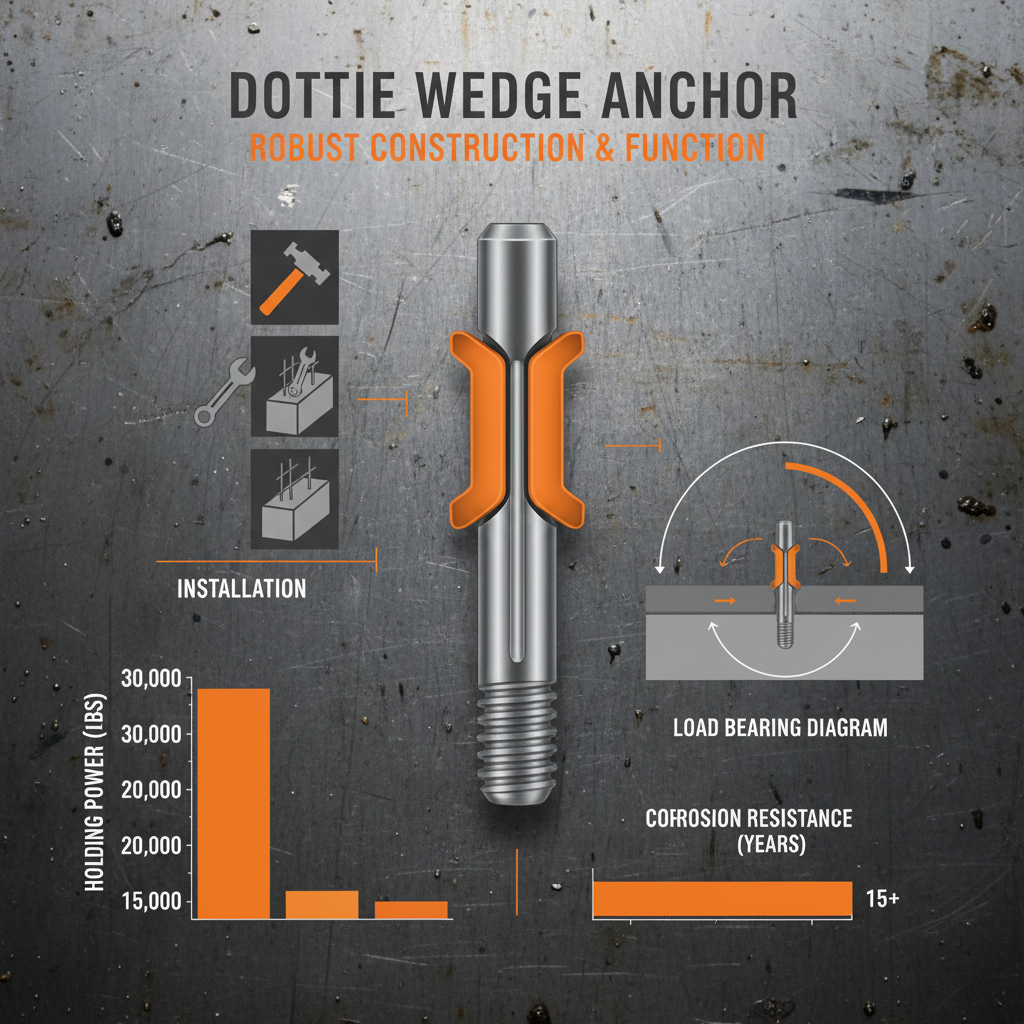
Selecting the Right Size and Material
Choosing the correct size and material for your dottie wedge anchor is paramount. Consider the load requirements of your application and select an anchor with a sufficient load capacity. Anchors are available in various materials, including galvanized steel, stainless steel, and carbon steel. Galvanized steel provides good corrosion resistance for general applications, while stainless steel is ideal for harsh environments or corrosive substances. Carbon steel is often used for indoor applications where corrosion is not a concern. Always consult load charts and specifications to ensure the selected anchor meets your project’s demands.
Conclusion: A Reliable Anchoring Solution
The dottie wedge anchor offers a robust and dependable solution for a wide range of fastening applications. Its mechanical expansion, combined with the availability of various materials, makes it suitable for both light and heavy-duty projects. By understanding its features, applications, and installation best practices, you can ensure a secure and long-lasting connection. Choosing the right anchor is an investment in safety and the longevity of your project.
Frequently Asked Questions (FAQs)
What is the minimum edge distance and spacing required for dottie wedge anchors?
Minimum edge distance and spacing are crucial for ensuring the anchor’s holding capacity. Generally, the minimum edge distance (from the center of the anchor to the edge of the concrete) should be at least twice the anchor diameter. Similarly, the minimum center-to-center spacing between anchors should also be at least five times the anchor diameter. However, these values can vary depending on the specific anchor size and the concrete's compressive strength. Always consult the manufacturer’s specifications, available on ytbolt.com, for precise recommendations to ensure a safe and reliable installation. Failure to adhere to these guidelines can compromise the integrity of the connection.
Can dottie wedge anchors be used in cracked concrete?
Wedge anchors can be used in cracked concrete, but it depends on the severity and type of cracking, and the anchor must be specifically designed and tested for cracked concrete applications. Standard wedge anchors are not suitable for use in significantly cracked concrete, as the cracks can compromise the expansion mechanism and reduce the anchor's holding capacity. Look for anchors that have obtained certifications for use in cracked concrete, as these have been rigorously tested to ensure their performance in such conditions. Always assess the condition of the concrete before installation and select an appropriate anchor accordingly.
What tools are needed to install a dottie wedge anchor?
You'll need several tools for proper installation. These include a hammer drill to create the correct diameter hole, a drill bit sized to match the anchor specifications, a wire brush to clean the hole, a wrench to tighten the anchor nut, and a torque wrench to achieve the recommended torque. A vacuum cleaner or compressed air can also be helpful for removing dust and debris from the hole. Wearing safety glasses and gloves is highly recommended throughout the installation process. ytbolt offers a range of anchors and accessories to streamline your installation.
How do I determine the correct anchor embedment depth?
The correct anchor embedment depth is critical for maximizing its holding capacity. The embedment depth refers to how far the anchor is inserted into the concrete. The manufacturer’s specifications will provide the minimum embedment depth required for a given anchor size and load. Generally, a deeper embedment increases the anchor’s pull-out resistance. However, exceeding the maximum recommended embedment depth can also be detrimental, as it may reduce the effective expansion area. Always follow the manufacturer’s recommendations to ensure optimal performance and safety.
-
Guide to Calculating the Best Expansion Anchor Bolt Length
NewsApr.16,2026
-
Guide to the Correct Drill Size for 3 8 Wedge Anchor Installation
NewsApr.09,2026
-
Comprehensive Guide to Dottie Wedge Anchor Selection and Installation
NewsApr.07,2026
-
Comprehensive Guide to Ceiling Wedge Anchors for Secure Installations
NewsApr.04,2026
-
Understanding the Versatility and Applications of Carbon Steel Wedges
NewsMar.31,2026
-
The Essential Guide to Bolt Wedges Strength and Application
NewsMar.28,2026
 English
  Bengali
  Bulgarian
  Catalan
  Czech
Czech  French
  German
  Hindi
Hindi  Hungarian
  Italian
  Kazakh
  Korean
  Portuguese
  Romanian
  Slovak
  Somali
  Spanish
  Turkish


