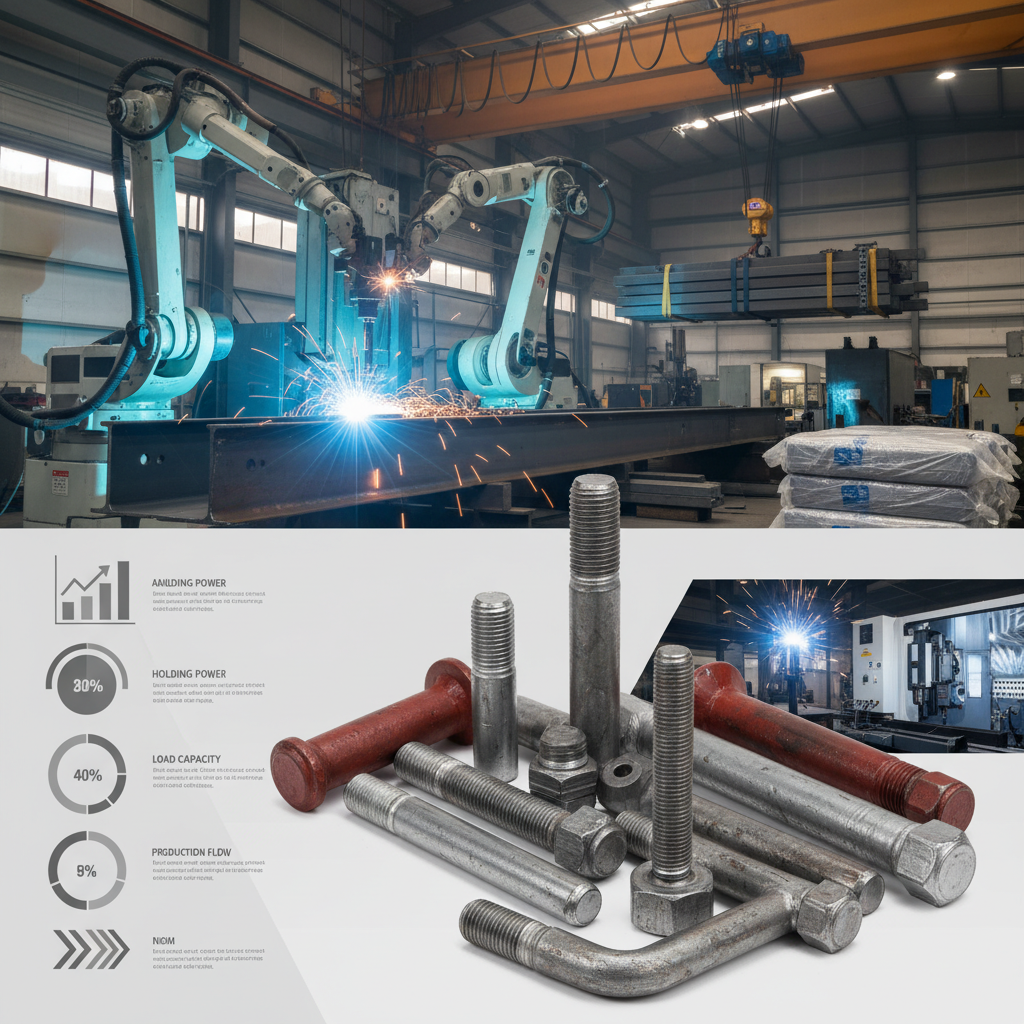
When it comes to heavy-duty structural fastening, m14 anchor bolts serve as the critical junction between stability and safety. These precision-engineered fasteners are designed to secure structural elements to concrete foundations, ensuring that vibrations, wind loads, and seismic forces do not compromise the integrity of a building or industrial installation. In the world of metal products, the M14 specification represents a balanced middle ground—offering substantial load-bearing capacity without the excessive bulk of larger diameters.
Globally, the demand for high-performance fastening solutions has surged as urban infrastructure becomes more complex. The adoption of m14 anchor bolts is particularly evident in the rapid expansion of smart cities and industrial hubs across Asia and Europe, where adherence to ISO and ASTM standards is non-negotiable. The ability of these bolts to distribute tension effectively across a concrete substrate makes them indispensable for everything from machinery mounting to bridge support.
Understanding the technical nuances of these fasteners—from material grade to installation torque—is essential for engineers and procurement managers alike. By selecting the correct type of m14 anchor bolts, companies can significantly reduce long-term maintenance costs and eliminate the risk of structural failure. This guide explores the comprehensive utility, technical specifications, and future innovations surrounding this industry-standard fastener.
Global Relevance of m14 anchor bolts
In the current global industrial landscape, m14 anchor bolts are more than just hardware; they are the foundation of safety. According to international construction standards, the transition toward modular building and prefabricated steel frames has increased the reliance on medium-diameter fasteners. The M14 size is frequently specified in global tenders because it provides the necessary shear strength to handle dynamic loads while remaining compatible with standard drilling equipment found in most construction sites worldwide.
The global supply chain for these fasteners has evolved to meet the rigorous demands of ISO standards, ensuring that a bolt manufactured in one region performs identically in another. This standardization is crucial for international infrastructure projects, such as high-speed rail networks or offshore wind farms, where the failure of a single anchor point could lead to catastrophic results. Consequently, the precision of m14 anchor bolts has become a benchmark for quality in the metal products industry.
Technical Definition and Industry Meaning
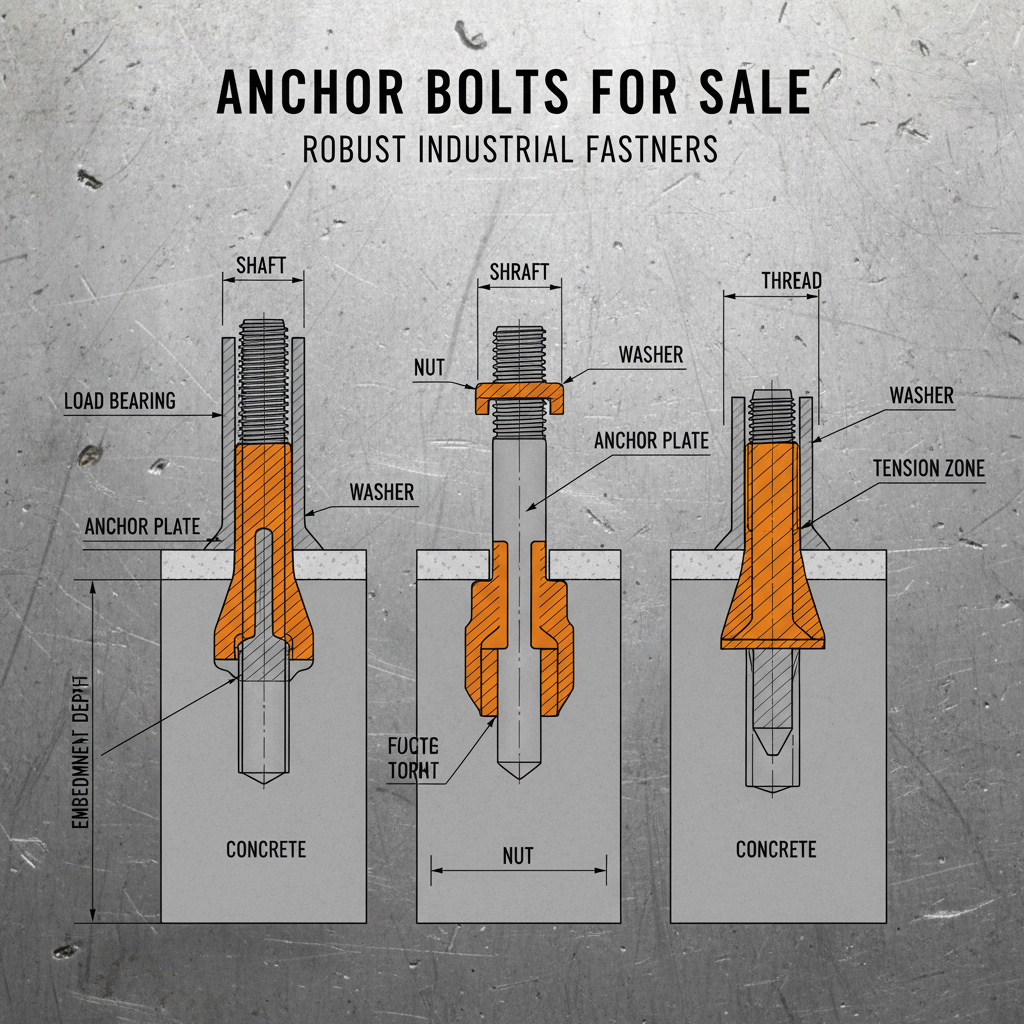
At its most basic level, m14 anchor bolts refer to fasteners with a nominal thread diameter of 14 millimeters, designed to create a high-strength bond between a structural element and a concrete base. Unlike standard bolts that rely on two threaded parts, anchor bolts utilize an expansion mechanism, adhesive bonding, or a cast-in-place hook to lock themselves into the substrate, preventing withdrawal under tension.
In the context of modern industrialization, the "M14" designation is not just a measurement but a symbol of versatility. It bridges the gap between light-duty fasteners and heavy-duty structural anchors. For humanitarian and rapid-response infrastructure, such as emergency medical clinics or temporary bridges, these bolts allow for fast deployment and high load capacity, making them a cornerstone of rapid-build technology.
Furthermore, the industry meaning of m14 anchor bolts extends to the material science behind them. Whether forged from carbon steel for indoor use or stainless steel (304/316) for corrosive environments, the M14 specification implies a level of engineering rigor that ensures the fastener can withstand the specific tensile and shear stresses of its intended application.
Core Components for Maximum Performance
The effectiveness of m14 anchor bolts depends heavily on their metallurgical composition. High-tensile steel is typically used to ensure that the bolt does not deform under extreme pressure, while specialized coatings like hot-dip galvanization are applied to prevent oxidation in humid or salty air.
Another critical factor is the expansion geometry. For mechanical m14 anchor bolts, the precision of the expansion cone determines how evenly the pressure is distributed against the concrete walls. A poorly designed cone can lead to "spalling," where the concrete cracks prematurely, compromising the entire structure's safety.
Finally, the thread precision is paramount. Using a standard M14 pitch ensures that compatible nuts and washers can be tightened to the exact torque required. This precision reduces the risk of over-tightening, which could strip the threads, or under-tightening, which could lead to loosening over time due to vibration.
Strategic Global Applications
Real-world implementation of m14 anchor bolts spans across diverse sectors. In the energy sector, they are used extensively to secure solar panel racking systems to concrete pads, providing the stability needed to withstand high wind speeds in open plains. In industrial zones, they are the primary choice for mounting heavy CNC machinery, where minimizing vibration is key to manufacturing precision.
Beyond industrial use, these fasteners play a vital role in urban safety. For instance, in seismic-prone regions like Japan or Chile, m14 anchor bolts are used to secure non-structural components—such as HVAC systems and piping—to the building frame, preventing them from falling during an earthquake and ensuring safer evacuation paths.
Performance Comparison of m14 anchor bolts Variants
Long-term Value and Reliability
The long-term value of investing in high-quality m14 anchor bolts lies in the reduction of lifecycle costs. While lower-grade alternatives may seem cost-effective initially, they often suffer from premature corrosion or fatigue failure, leading to expensive retrofitting projects and potential downtime. High-grade M14 fasteners provide the peace of mind that the structural connection remains secure for decades.
From a psychological perspective, reliability in fastening equals trust. For project managers and architects, specifying proven m14 anchor bolts is an exercise in risk management. When a facility can be certified as safe and durable, it increases the asset's market value and ensures the dignity and safety of the workers who occupy the space every day.
Future Trends in Fastening Technology
The future of m14 anchor bolts is being shaped by the drive toward sustainability and "green" construction. We are seeing a shift toward the use of recycled alloys that maintain the same strength profiles as virgin steel, reducing the carbon footprint of the manufacturing process. Furthermore, the integration of smart-sensing technology is on the horizon, where anchor bolts can be embedded with strain gauges to monitor structural health in real-time.
Automation is also transforming the installation process. Robotic drilling and setting systems are beginning to replace manual installation, ensuring that every m14 anchor bolt is installed with mathematically perfect torque and depth. This eliminates human error, which has historically been the leading cause of anchor failure in complex projects.
Additionally, there is a growing trend toward chemical-hybrid anchoring. By combining the mechanical grip of an M14 bolt with high-performance epoxy resins, engineers are achieving load capacities that were previously only possible with much larger diameters, allowing for sleeker architectural designs without sacrificing strength.
Overcoming Common Installation Challenges
One of the most frequent challenges when working with m14 anchor bolts is the occurrence of "over-drilling." When a hole is drilled too deep or too wide, the expansion sleeve cannot grip the concrete properly. The solution lies in the use of precision drill guides and the implementation of strict quality control checks before the bolt is inserted.
Another common issue is the contamination of the hole. Dust and debris left inside the bore can prevent the m14 anchor bolts from seating correctly or interfere with the bonding of chemical adhesives. Expert practitioners now employ high-pressure air blowers and wire brushes to ensure a pristine surface, which can increase the effective pull-out strength by up to 30%.
Finally, incorrect torque application can lead to "creep" or immediate failure. The solution is the widespread adoption of calibrated torque wrenches. By following a specific tightening sequence and adhering to the manufacturer's torque specifications, installers can ensure that the m14 anchor bolts are performing exactly as designed.
Technical Analysis of m14 anchor bolts Performance and Material Selection
| Material Grade |
Corrosion Resistance |
Load Capacity |
Recommended Environment |
| Carbon Steel (Zinc) |
Low to Medium |
High |
Indoor/Dry |
| Stainless 304 |
High |
Medium |
Outdoor/Urban |
| Stainless 316 |
Very High |
Medium |
Marine/Chemical |
| Grade 8.8 Steel |
Medium |
Very High |
Industrial Machinery |
| Hot-Dip Galvanized |
High |
High |
Infrastructure/Bridges |
| Alloy Steel |
Medium |
Extreme |
Heavy Structural |
FAQS
The primary difference is the nominal diameter. m14 anchor bolts provide a larger surface area for expansion and a thicker shank, which significantly increases both the tensile and shear load capacity compared to M12. This makes the M14 variant more suitable for heavy machinery and structural columns where higher safety factors are required.
Yes, provided you choose the correct type. Mechanical expansion anchors may be limited in cracked concrete, but chemical m14 anchor bolts (using epoxy resins) are highly recommended for cracked substrates. They bond to the concrete without creating internal expansion stress, thereby preventing the crack from widening and maintaining the load capacity.
Embedment depth is typically determined by the load requirements and the concrete's compressive strength. Generally, for m14 anchor bolts, the depth should be at least 8-12 times the diameter (approx. 112mm to 168mm). Always refer to the manufacturer's technical data sheet and local building codes to ensure the anchor reaches the "effective embedment" zone.
Not necessarily. While stainless steel offers superior corrosion resistance in marine environments, galvanized m14 anchor bolts are often more cost-effective and provide sufficient protection for most outdoor industrial applications. The choice depends on the specific corrosivity category (C1-C5) of your project site.
Over-torquing can lead to several failures: stripping the threads, snapping the bolt head, or causing the concrete surrounding the anchor to crush (concrete cone failure). To avoid this, always use a calibrated torque wrench and adhere to the specified Newton-meters (Nm) for the particular grade of m14 anchor bolts being used.
For coastal areas, the best approach is to specify 316-grade stainless steel m14 anchor bolts. If using carbon steel, ensure they are hot-dip galvanized and consider applying an additional epoxy coating or using a protective cap on the exposed thread to prevent salt-spray penetration.
Conclusion
In summary, m14 anchor bolts are a cornerstone of modern construction and industrial assembly, offering an ideal blend of strength, versatility, and standardization. From their role in securing heavy machinery to their critical application in seismic retrofitting, these fasteners ensure that the structural integrity of our built environment is maintained against the most demanding forces. By focusing on material quality, precise installation, and correct specification, engineers can maximize the lifespan and safety of any project.
As we move toward a future of smarter and more sustainable infrastructure, the evolution of the m14 anchor bolts will likely involve a combination of advanced metallurgy and digital monitoring. We recommend that procurement professionals prioritize certified suppliers who adhere to ISO standards to ensure total reliability. For high-quality fastening solutions and expert guidance, visit our website: www.ytbolt.com.