In the modern industrial landscape, the integrity of structural attachments is paramount, especially when protecting high-value assets from theft or unauthorized tampering. security anchor bolts serve as the critical frontline of defense, merging the high load-bearing capacity of traditional anchoring systems with specialized anti-theft mechanisms. Whether securing public infrastructure, sensitive electronic kiosks, or heavy industrial machinery, these specialized fasteners ensure that stability is not compromised by malicious intent.
Globally, the demand for tamper-resistant hardware has surged as urban centers expand and the deployment of smart-city infrastructure increases. From the installation of EV charging stations to the securing of outdoor signage in high-traffic areas, the industry has shifted from standard bolts to sophisticated security anchor bolts that require proprietary tools for removal. This evolution reflects a broader commitment to safety, asset protection, and the reduction of maintenance costs associated with vandalism.
Understanding the nuances of security anchoring is not merely a technical requirement but a strategic necessity for engineers and facility managers. By selecting the correct material grade and head drive—such as Torx with pin or one-way security heads—organizations can significantly mitigate risk. This comprehensive guide explores the technical specifications, global applications, and innovative trends that define the current state of security anchor bolts in the global fastening market.
Global Relevance and Industry Context of Security Anchor Bolts
On a global scale, the reliance on security anchor bolts has become a cornerstone of urban security and industrial safety. According to international ISO standards regarding fasteners, the integration of tamper-resistant features is no longer an optional "add-on" but a requirement for critical infrastructure. As cities integrate more IoT devices and public kiosks, the vulnerability of these assets to theft increases, necessitating a move toward high-tensile, security-driven anchoring solutions.
The challenge lies in balancing ease of authorized maintenance with the extreme difficulty of unauthorized removal. In regions with high vandalism rates or in remote industrial zones where monitoring is sparse, the use of specialized security anchor bolts reduces the frequency of asset loss and the associated cost of replacement, providing a scalable solution for global infrastructure projects.
Defining Security Anchor Bolts and Their Technical Purpose
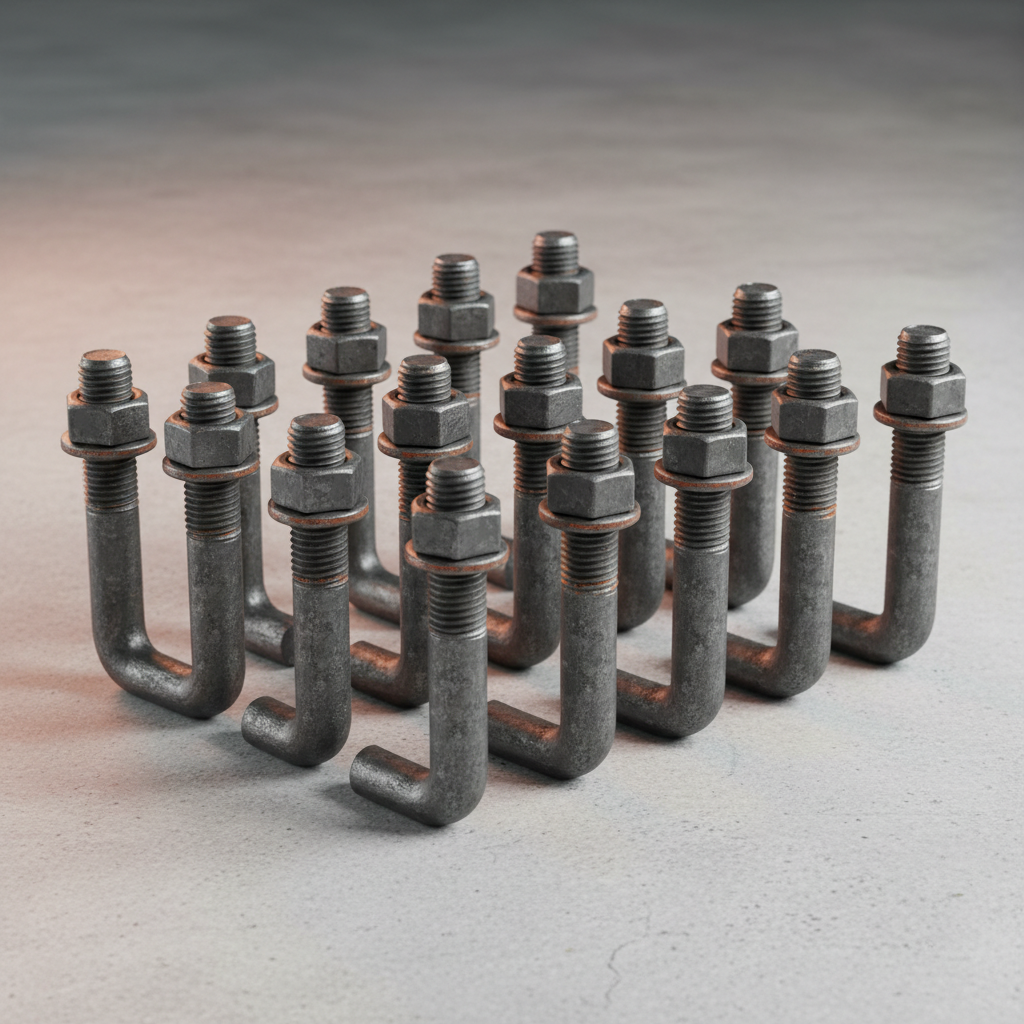
In simple terms, security anchor bolts are heavy-duty fasteners designed to attach objects to a base material (typically concrete or steel) while preventing the bolt from being unscrewed or removed without a specific, non-standard tool. Unlike standard bolts, these feature modified head drives—such as pin-in-hex, snake-eye, or proprietary splines—that defeat common wrenches and screwdrivers.
From a technical perspective, they bridge the gap between structural engineering and security management. They are not just about the "lock" but about the "anchor." This means they must maintain the same shear and tensile strength as industrial-grade bolts while incorporating a security interface that resists torque application from unauthorized tools.
In modern industry, this functionality is critical for humanitarian and public safety needs. For instance, securing emergency signage, public water stations, or seismic reinforcements in earthquake-prone zones requires fasteners that will not loosen over time and cannot be easily sabotaged, ensuring that life-saving infrastructure remains operational.
Core Components and Engineering Factors for Stability
The effectiveness of security anchor bolts depends heavily on material composition. High-grade stainless steel (such as 304 or 316) is frequently utilized to prevent corrosion in outdoor environments, ensuring that the security mechanism does not seize due to rust, which would make authorized maintenance impossible.
Another critical factor is the "Drive Geometry." The drive is the interface where the tool meets the bolt. For security anchor bolts, this often includes a center pin that prevents standard sockets from seating, or a unique internal shape that requires a custom-machined bit, thereby increasing the "barrier to entry" for potential thieves.
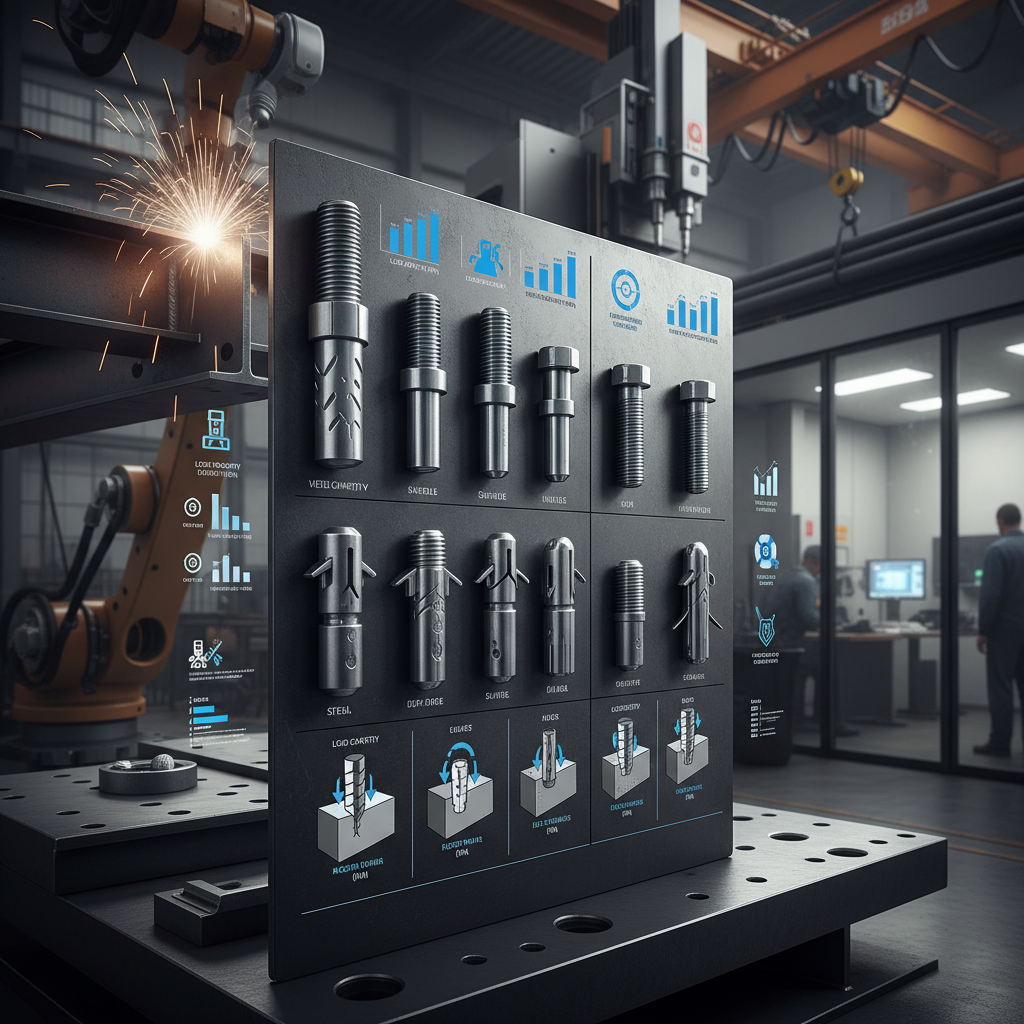
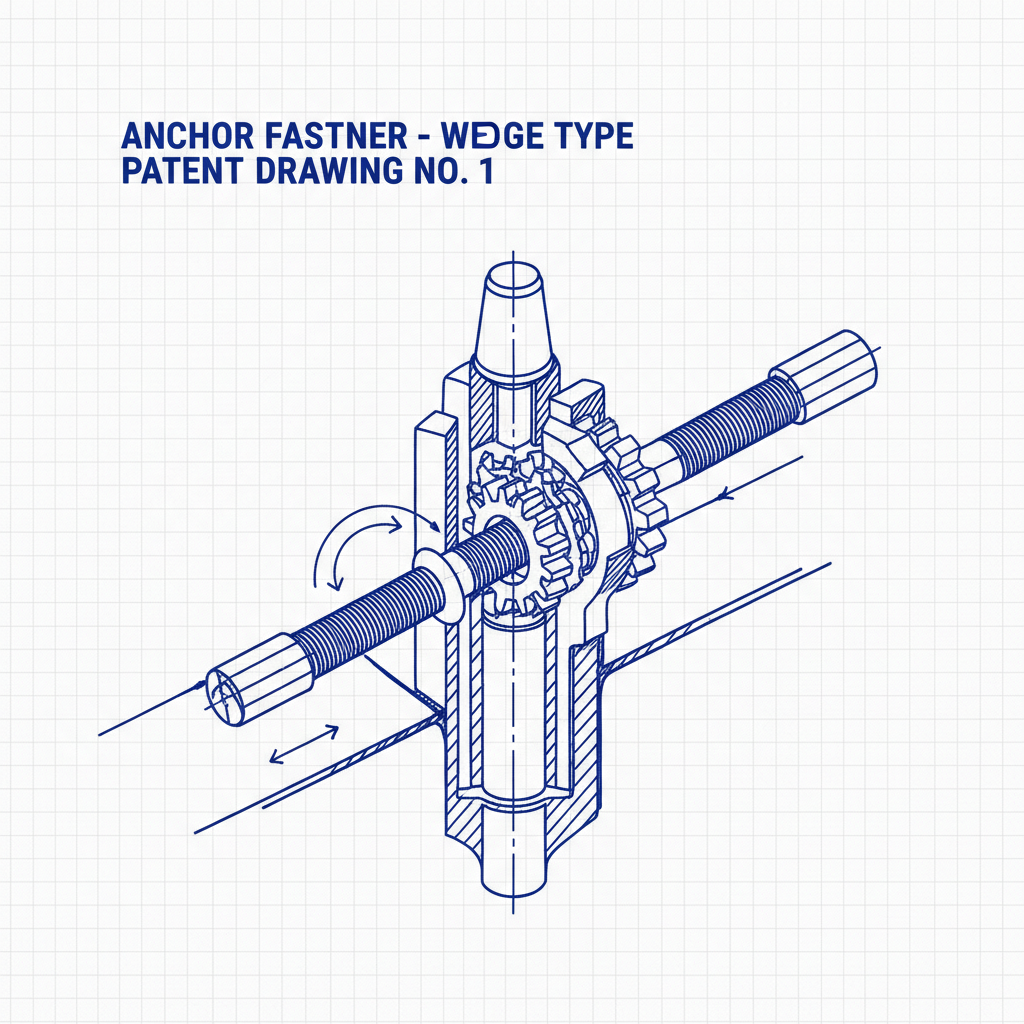
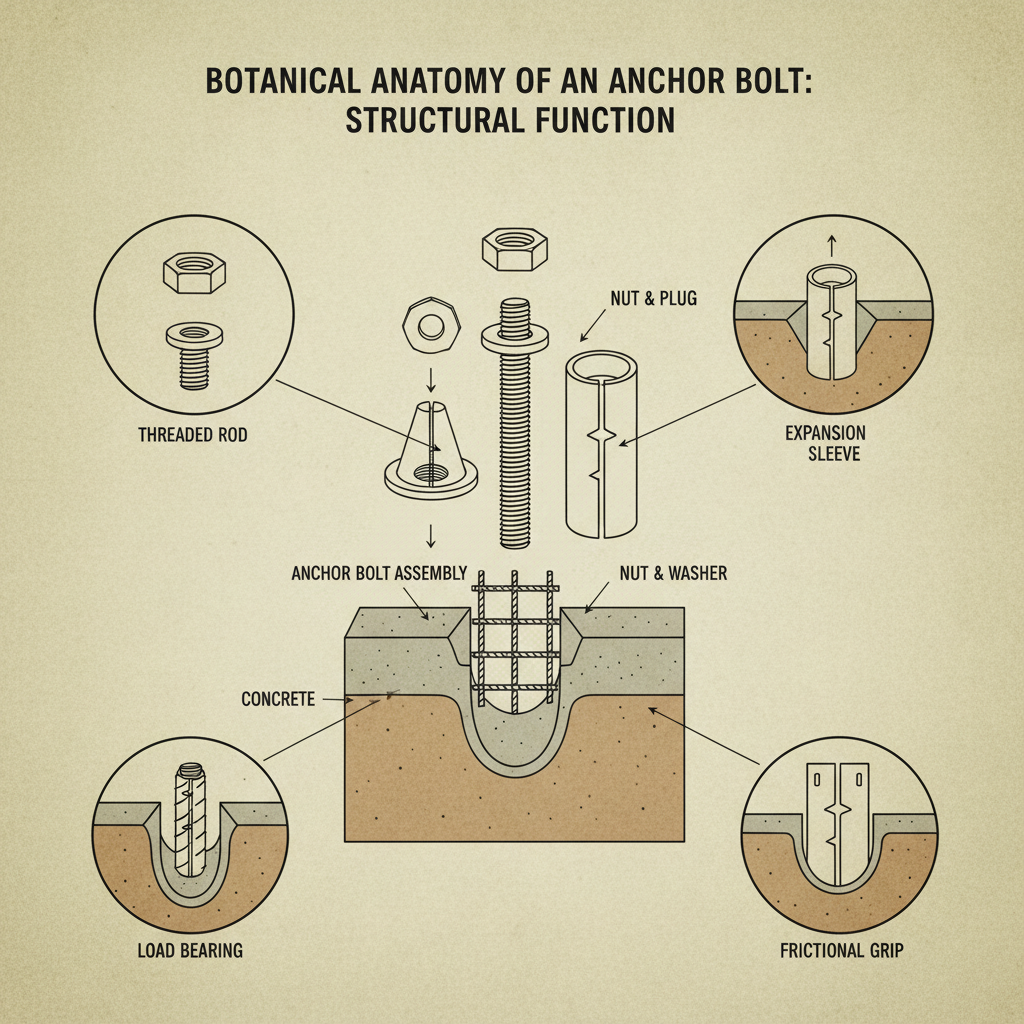
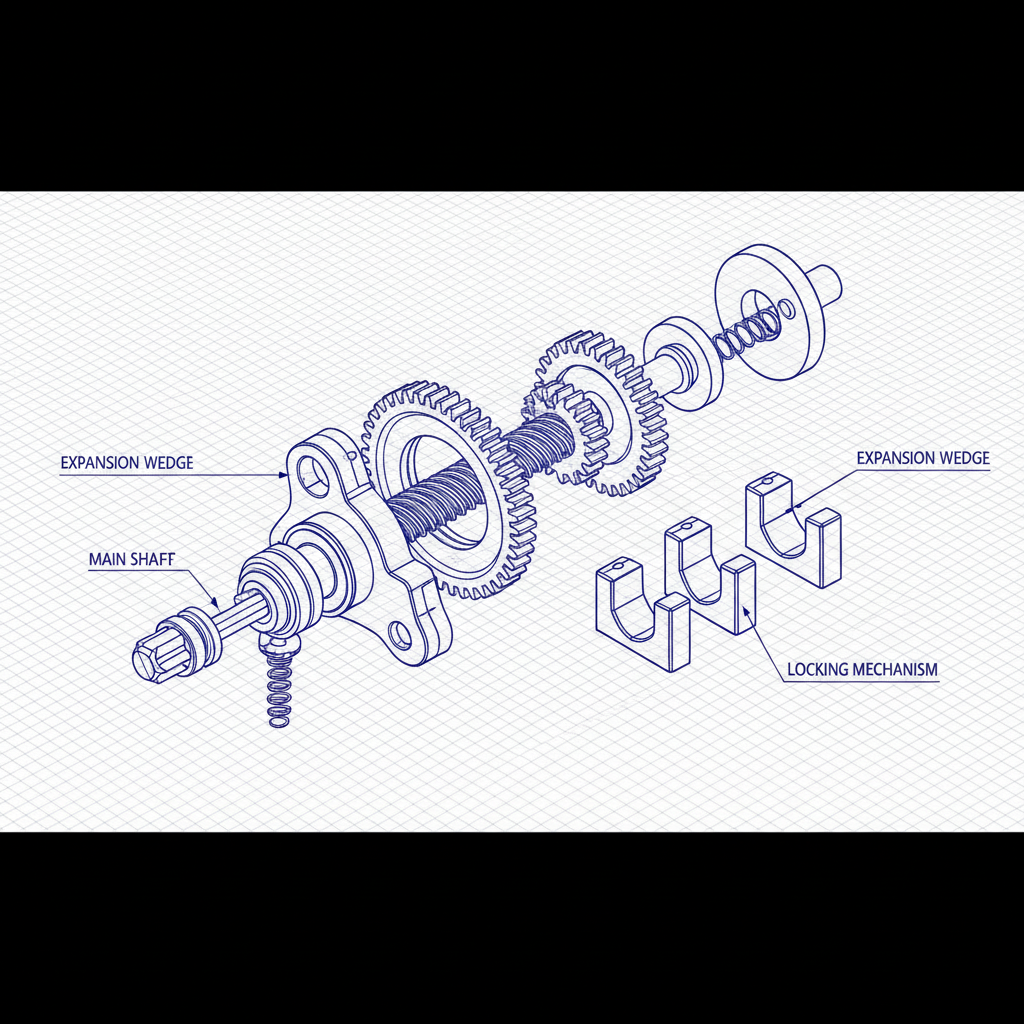
Finally, the expansion mechanism of the anchor plays a vital role. Whether it is a sleeve anchor or a wedge anchor design, the internal friction and grip within the substrate must be sufficient to resist not only the static load but also the dynamic forces applied by someone attempting to force the bolt out of the wall or floor.
Global Applications and Specialized Use Cases
The practical application of security anchor bolts spans across diverse sectors. In the transportation sector, they are used to secure rail platform equipment and airport signage, where high vibration and public access create a dual challenge of structural fatigue and security risk. In the energy sector, they secure solar panel arrays in remote desert regions, protecting expensive hardware from theft.
In post-disaster relief operations, these fasteners are used to quickly secure modular housing and temporary clinics to the ground, ensuring they remain stable during aftershocks while preventing the theft of precious medical equipment attached to the structures. Their ability to be deployed rapidly yet remain secure makes them invaluable for NGO operations in unstable environments.
Performance Comparison of Security Anchor Bolt Types
Tangible Advantages and Long-Term Asset Value
The primary advantage of utilizing security anchor bolts is the drastic reduction in "Total Cost of Ownership" (TCO). While the initial procurement cost may be slightly higher than standard fasteners, the long-term savings realized through decreased theft and vandalism are substantial. For a municipality managing thousands of street-side assets, this translates to millions of dollars saved in replacement parts and labor.
Beyond the financial logic, there is a profound emotional and psychological benefit: trust. When a city can guarantee that its public safety equipment—such as AED stations or emergency phones—is securely anchored and tamper-proof, it fosters a sense of reliability and safety for the citizenry. Innovation in this field isn't just about harder steel; it's about creating a dependable environment.
Future Trends in Anti-Tamper Fastening Technology
The future of security anchor bolts is moving toward "Smart Fastening." We are seeing the emergence of bolts integrated with RFID tags or sensors that can alert facility managers the moment a bolt is tampered with or loosened. This digital transformation turns a passive piece of hardware into an active part of a security network.
Sustainability is also driving innovation. The industry is exploring green-energy-compatible materials and coatings that reduce the environmental impact of smelting without sacrificing the hardness required for security. Recyclable high-strength alloys are becoming the new standard for eco-conscious infrastructure projects.
Furthermore, automation in manufacturing—specifically 3D metal printing—allows for the creation of hyper-customized security heads. This means companies can now order security anchor bolts with entirely unique geometries that are impossible to replicate without the original digital blueprint, virtually eliminating the threat of "off-the-shelf" security tools.
Common Challenges and Expert Implementation Solutions
One of the most common challenges in implementing security anchor bolts is the "Tool Management Gap." When a company switches to proprietary fasteners, they must ensure that their maintenance teams have the correct tools available across all sites. Losing a specialized driver can lead to costly delays or the need to drill out the bolt, which damages the substrate.
To solve this, experts recommend a tiered security approach: using high-security bolts for the most vulnerable points and standard security bolts for areas requiring frequent access. Additionally, implementing a centralized tool tracking system ensures that the proprietary keys required for these bolts are accounted for and restricted to authorized personnel.
Another hurdle is the risk of "over-torquing" during installation, which can strip the specialized security head and render the bolt permanent. The solution lies in the use of calibrated torque wrenches and technician training to ensure that the security anchor bolts are seated firmly enough to resist tampering but not so tight that they lose their functional integrity.
Technical Analysis of Security Anchor Bolt Specifications
| Material Grade |
Security Level |
Corrosion Resistance |
Recommended Use Case |
| Stainless 304 |
Medium |
High |
Outdoor Public Signage |
| Stainless 316 |
Medium |
Very High |
Marine/Coastal Infrastructure |
| Alloy Steel (Zinc) |
High |
Medium |
Indoor Industrial Machinery |
| Hardened Steel |
Very High |
Low |
High-Theft Urban Zones |
| Custom Composite |
Maximum |
High |
Government/Military Assets |
| Galvanized Steel |
Medium |
High |
Roadside Guardrails |
FAQS
The primary difference lies in the drive head. While standard anchors use common hex or Phillips heads, security anchor bolts feature unique geometries—like a center pin or proprietary splines—that prevent them from being turned by standard tools, effectively deterring unauthorized removal and theft.
Yes, but it requires destructive removal. Because they are designed to resist standard tools, losing the proprietary key usually means the bolt must be drilled out using high-speed cobalt bits or cut using an angle grinder, which often damages the surrounding material.
For most outdoor applications, Stainless Steel 304 or 316 is recommended. These materials provide the necessary strength while offering superior resistance to rust and oxidation, ensuring that the security head remains intact and the bolt remains removable by authorized personnel over many years.
Choice depends on the risk level. For low-risk deterrence, a pin-in-hex may suffice. For high-risk environments where professionals might attempt theft, "one-way" security bolts or completely custom spline drives are more effective as they are nearly impossible to reverse without specialized equipment.
Absolutely. Modern security anchor bolts are engineered to meet the same tensile and shear strength standards as industrial bolts. They can handle extreme loads while providing the added benefit of ensuring the machinery cannot be disassembled or stolen.
Slightly, but the impact is minimal. The installation process is identical to standard anchoring; the only difference is the tool used to drive the bolt. The minor increase in installation time is heavily offset by the massive reduction in time and cost spent replacing stolen assets.
Conclusion
In summary, security anchor bolts represent a critical intersection of structural integrity and asset protection. By integrating tamper-resistant head designs with high-performance materials like stainless steel and hardened alloys, these fasteners provide a scalable, cost-effective solution to the global problem of vandalism and theft. From urban infrastructure to remote industrial sites, the adoption of security anchoring ensures that critical assets remain where they are intended to be, reducing long-term maintenance costs and enhancing public safety.
Looking forward, the integration of smart sensors and 3D-printed custom geometries will further elevate the capabilities of anti-tamper fastening. For engineers and procurement managers, the shift toward these specialized solutions is not just a technical upgrade but a strategic investment in reliability. We encourage all industry professionals to evaluate their current anchoring vulnerabilities and transition to a more secure, sustainable fastening ecosystem. Visit our website for more professional solutions: www.ytbolt.com