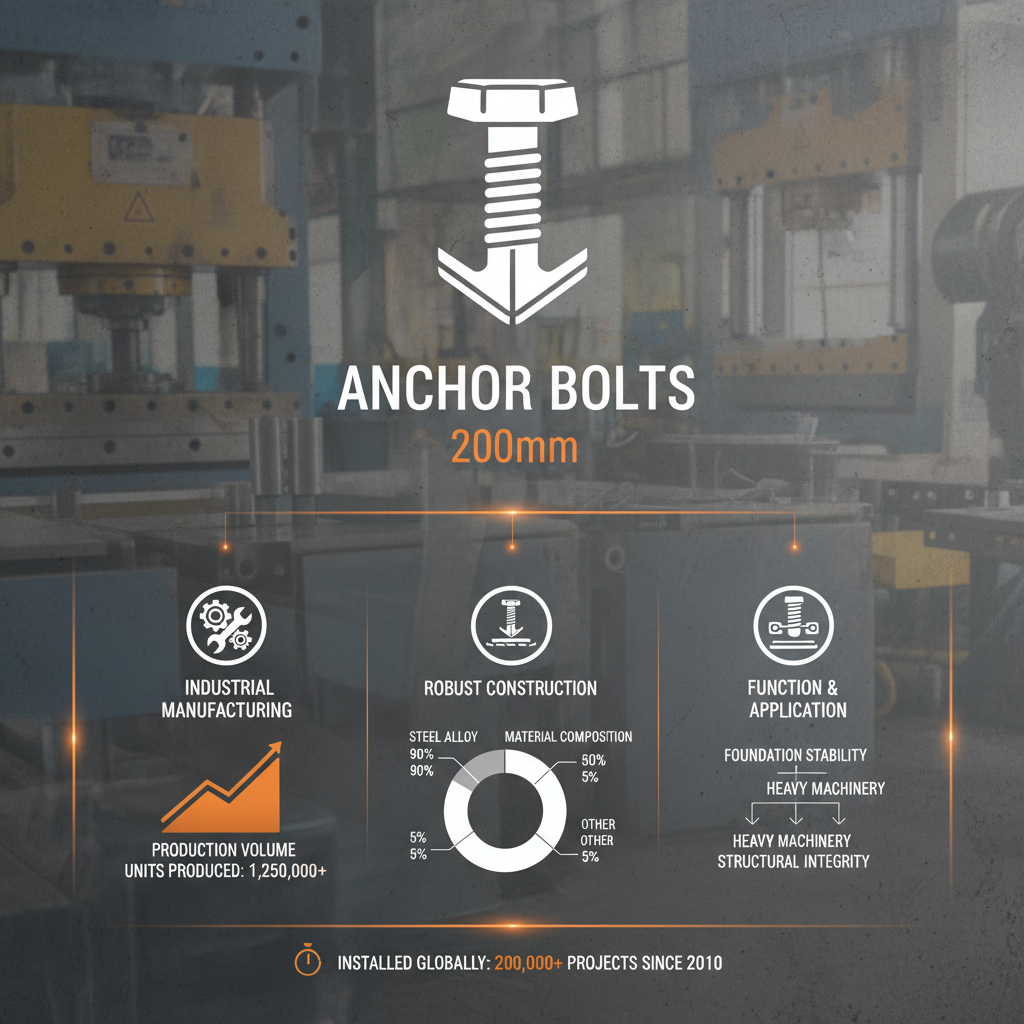
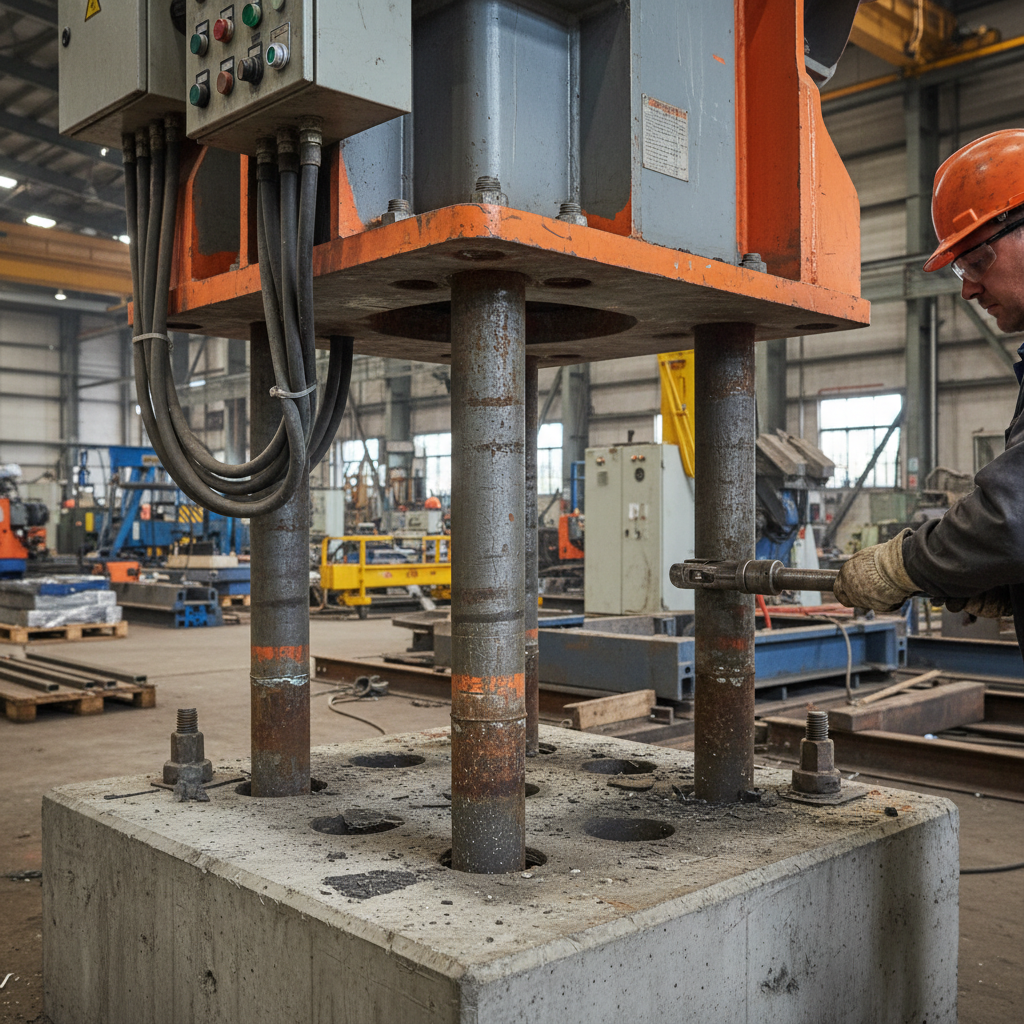
Selecting the right fastening solution is critical for the structural integrity of any construction project, and 200mm anchor bolts stand as a pivotal component in securing heavy-duty machinery and architectural frames to concrete foundations. These fasteners provide the necessary depth and grip to resist shear and tension forces, ensuring that structures remain immobile even under extreme environmental stress.
Globally, the demand for standardized fastening systems has surged as urban infrastructure becomes more complex and industrial equipment grows in scale. The use of 200mm anchor bolts allows engineers to bridge the gap between theoretical load calculations and real-world stability, providing a reliable anchor point that meets international safety standards.
Understanding the technical nuances of these bolts—from material grade to installation torque—is not just about procurement, but about ensuring long-term safety and durability. By optimizing the selection of anchor bolts, companies can reduce maintenance costs and mitigate the risks of structural failure in high-stakes industrial environments.
Global Industrial Relevance of 200mm Anchor Bolts
In the modern construction landscape, the stability of large-scale infrastructure relies heavily on the precision of its fastening elements. 200mm anchor bolts are widely utilized across Europe, Asia, and North America to secure steel columns and heavy machinery to concrete pads. Following ISO standards, these fasteners ensure that the load is distributed evenly, preventing concrete breakout and ensuring the longevity of the installation.
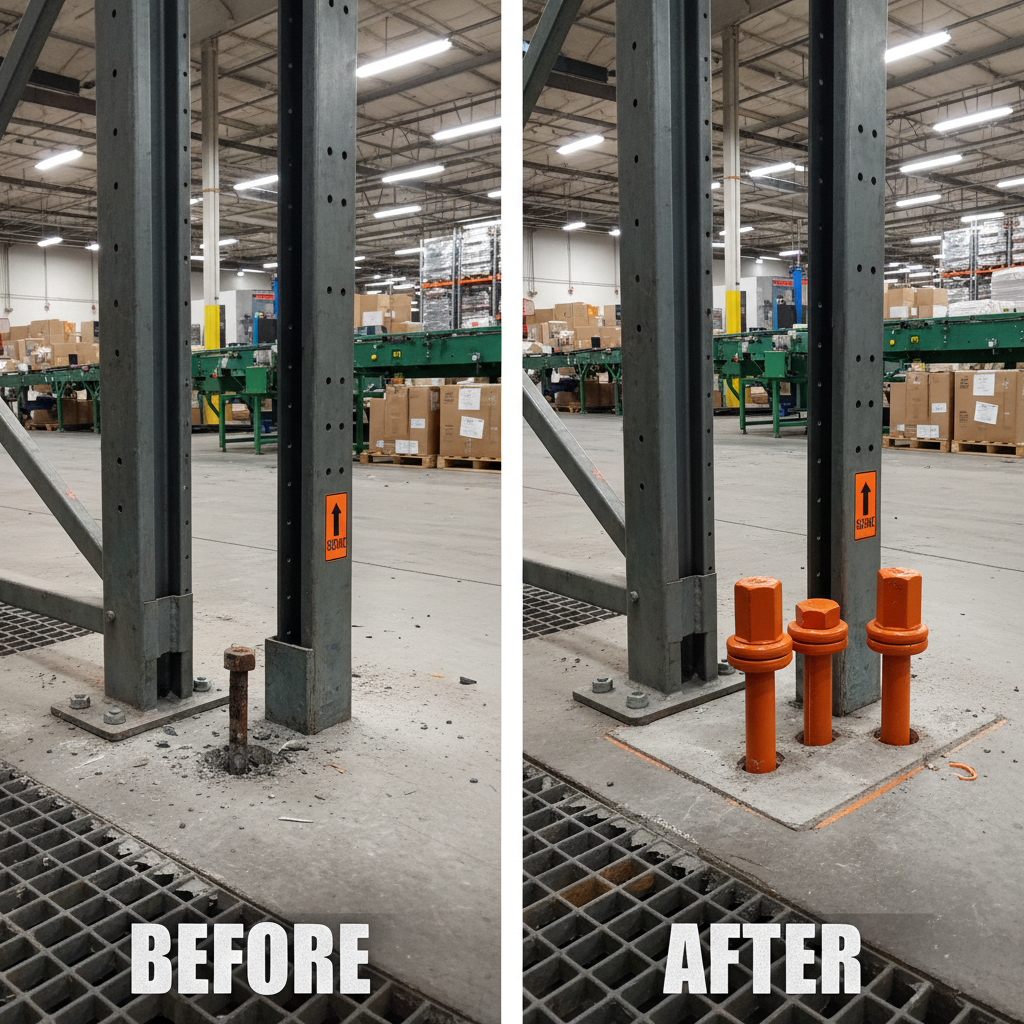
The global shift toward prefabricated modular construction has increased the need for reliable anchors that can be installed rapidly without compromising safety. By adhering to strict metallurgical standards, these bolts address the common challenge of corrosion in humid or coastal environments, making them indispensable for projects ranging from bridge supports to industrial warehouse racking.
Technical Definition and Industrial Meaning
At its core, 200mm anchor bolts are heavy-duty fasteners designed to create a high-strength connection between structural elements and a concrete base. The "200mm" specification refers to the embedment length or total length, which is a critical dimension for calculating the pull-out strength and the resistance to uplift forces in structural engineering.
In industrial terms, these bolts serve as the primary link in the load path, transferring stresses from the superstructure down into the foundation. Whether they are cast-in-place or post-installed, they are engineered to withstand significant shear loads, making them essential for seismic-resistant designs in earthquake-prone regions.
Beyond simple fastening, these components embody the intersection of metallurgy and civil engineering. The choice of material—such as stainless steel or galvanized carbon steel—determines how the anchor will perform over decades, reflecting a commitment to sustainable building practices and public safety.
Core Components and Performance Factors
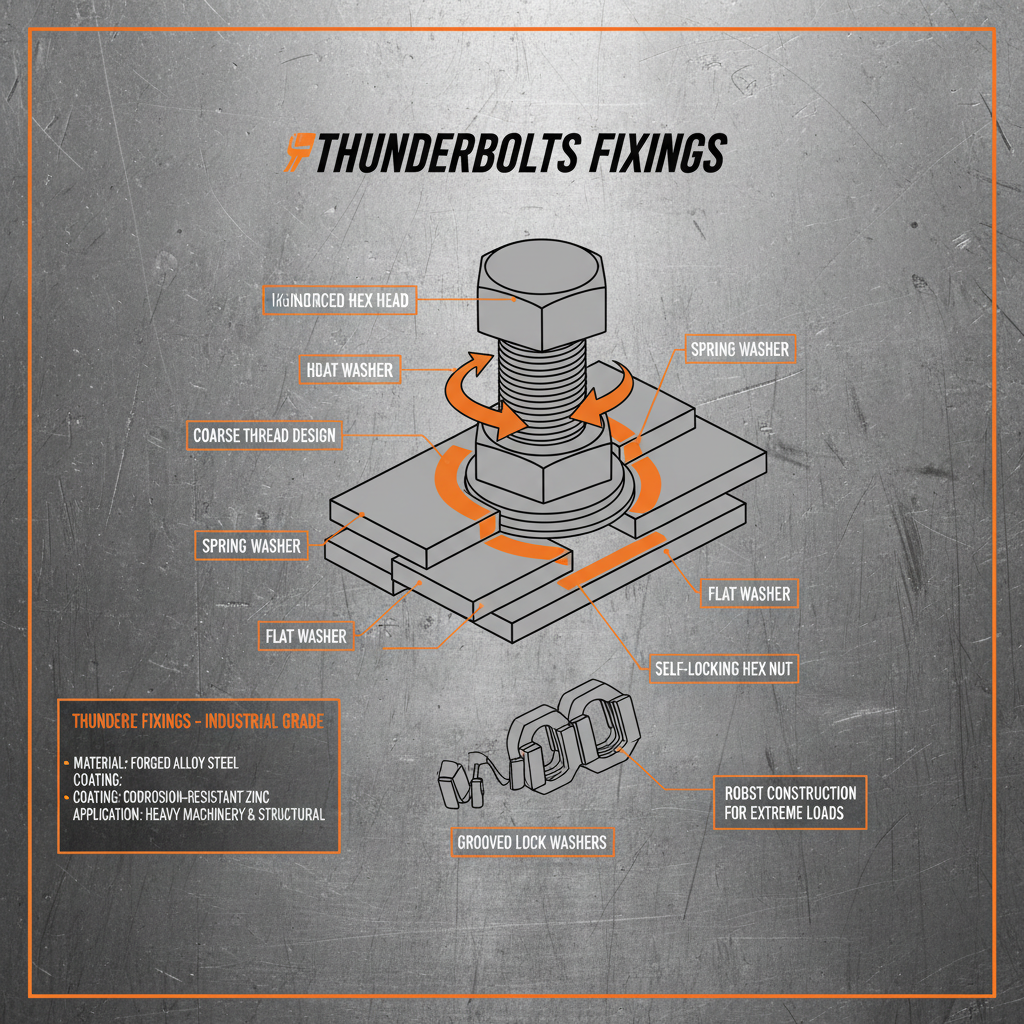
The effectiveness of 200mm anchor bolts depends on several key factors, the most prominent being material durability. High-tensile steel ensures that the bolt does not deform under extreme load, while specialized coatings prevent oxidation in harsh chemical environments.
Another critical aspect is the embedment depth. For 200mm anchor bolts, the depth of the hole and the quality of the concrete grade are paramount; a deeper embedment generally increases the cone of concrete failure, thereby enhancing the overall load-bearing capacity of the joint.
Precision threading and torque control also play a vital role. Ensuring that the nut is tightened to the exact specification prevents over-stressing the bolt while eliminating any gaps between the base plate and the concrete, which is essential for maintaining structural rigidity.
Global Applications and Strategic Use Cases
The application of 200mm anchor bolts spans various high-impact industries. In the energy sector, they are used to secure wind turbine bases and solar panel arrays, where resistance to wind-induced uplift is a primary concern. In remote industrial zones, such as mining sites in Australia or oil rigs in the North Sea, these bolts provide the stability required for heavy drilling equipment.
Furthermore, in urban development, they are essential for securing HVAC systems on rooftops and installing heavy structural supports for elevated railways. For instance, in post-disaster reconstruction efforts, the use of standardized anchor bolts allows for the rapid deployment of modular housing and temporary medical facilities that can withstand secondary tremors.
Performance Comparison of 200mm Anchor Bolt Variations
Long-Term Value and Safety Advantages
Investing in high-quality 200mm anchor bolts yields tangible economic benefits by drastically reducing the need for frequent inspections and repairs. When a fastener is correctly matched to its environment, the risk of catastrophic failure is minimized, which in turn lowers insurance premiums for large-scale commercial projects and provides peace of mind to project stakeholders.
Beyond the financial aspect, there is an emotional and ethical dimension to using reliable fasteners: safety. The dignity of a workplace is defined by the security of its environment. By utilizing precision-engineered bolts, companies demonstrate a commitment to the well-being of their employees and the public, fostering trust and innovation in the construction industry.
Future Trends in Fastening Innovation
The future of 200mm anchor bolts is being shaped by the digital transformation of the construction industry. We are seeing the integration of "smart anchors" equipped with sensors that can monitor tension and stress levels in real-time, alerting engineers to potential failures before they occur. This shift toward predictive maintenance is a game-changer for critical infrastructure.
Sustainability is also driving innovation. The development of new, eco-friendly coatings that replace toxic galvanization processes is becoming a priority. These green materials maintain the corrosion resistance of traditional bolts while significantly reducing the environmental footprint of the manufacturing process.
Additionally, the adoption of robotic installation systems is increasing precision. Automated drilling and setting of anchor bolts ensure that every fastener is placed with millimeter accuracy and torqued to the exact specification, eliminating human error and further enhancing structural reliability.
Implementation Challenges and Expert Solutions
One of the most common challenges when installing 200mm anchor bolts is "concrete spalling" or cracking during the expansion process. This often occurs when bolts are placed too close to the edge of a concrete slab. The expert solution is to utilize chemical adhesive anchors, which bond the bolt to the concrete without exerting outward expansion pressure.
Another recurring issue is the misalignment of bolt holes in pre-cast concrete. To overcome this, engineers are increasingly using oversized holes combined with precision washers and leveling nuts, allowing for minor adjustments during the assembly phase without compromising the bolt's load-bearing capacity.
Finally, corrosion in aggressive environments remains a threat. While standard galvanization is helpful, shifting to duplex stainless steel for 200mm anchor bolts in maritime or chemical plants provides a permanent solution, eliminating the need for repetitive painting or coating maintenance throughout the structure's lifecycle.
Comparative Analysis of 200mm Anchor Bolt Installation Methods
| Installation Type |
Load Capacity |
Installation Speed |
Cost Efficiency |
| Mechanical Expansion |
Medium |
Very Fast |
High |
| Chemical Adhesive |
Very High |
Slow |
Medium |
| Cast-in-Place |
Highest |
Medium |
Medium |
| Screw-In Anchor |
Medium |
Fast |
High |
| Undercut Anchor |
High |
Medium |
Low |
| Heavy Duty Wedge |
Medium-High |
Fast |
High |
FAQS
Mechanical 200mm anchor bolts rely on friction and expansion against the walls of the drilled hole to create a grip, making them fast to install. Chemical anchors use a resin or epoxy to bond the bolt to the concrete, offering much higher load capacities and reducing the risk of concrete cracking, which is ideal for dynamic or heavy vibration loads.
Torque requirements depend on the bolt diameter and material grade (e.g., 8.8 vs 10.9). You should always refer to the manufacturer's technical data sheet or ISO standards. Using a calibrated torque wrench is essential to ensure the bolt is tight enough to prevent movement but not so tight that it exceeds the yield strength of the steel.
Generally, no. Mechanical anchors are designed to expand or deform slightly during installation to create a secure lock; once removed, the structural integrity of the expansion sleeve or the bolt threads may be compromised. For safety and compliance with building codes, it is strongly recommended to use new fasteners for every installation.
For coastal or high-salinity environments, Stainless Steel (Grade 316) is the superior choice due to its exceptional resistance to chloride-induced corrosion. While Hot-Dip Galvanized steel is a cost-effective alternative, it can eventually rust if the coating is scratched, whereas stainless steel provides inherent protection throughout the material.
Reducing the embedment depth significantly lowers the pull-out strength and increases the risk of a "concrete cone failure," where a chunk of concrete is pulled out along with the bolt. If you cannot achieve the full 200mm depth, you must consult a structural engineer to recalculate the load capacity or switch to a higher-performance chemical anchoring system.
To prevent cracking, ensure you maintain the minimum required edge distance as specified in the technical manual. Additionally, cleaning the hole of all dust and debris before insertion ensures the bolt seats properly, reducing uneven pressure. For very thin or fragile concrete, using an adhesive anchor is the best way to eliminate expansion stress.
Conclusion
In summary, 200mm anchor bolts are more than just simple fasteners; they are critical components that ensure the safety, stability, and longevity of global infrastructure. By balancing material selection, installation precision, and an understanding of load dynamics, engineers can create structures that are not only durable but also resilient against the test of time and environment.
As the industry moves toward smarter, greener, and more automated construction, the role of precision fastening will only grow in importance. We encourage project managers and engineers to prioritize quality over cost in their anchoring solutions to guarantee maximum safety and operational efficiency. For premium fastening solutions, visit our website: www.ytbolt.com