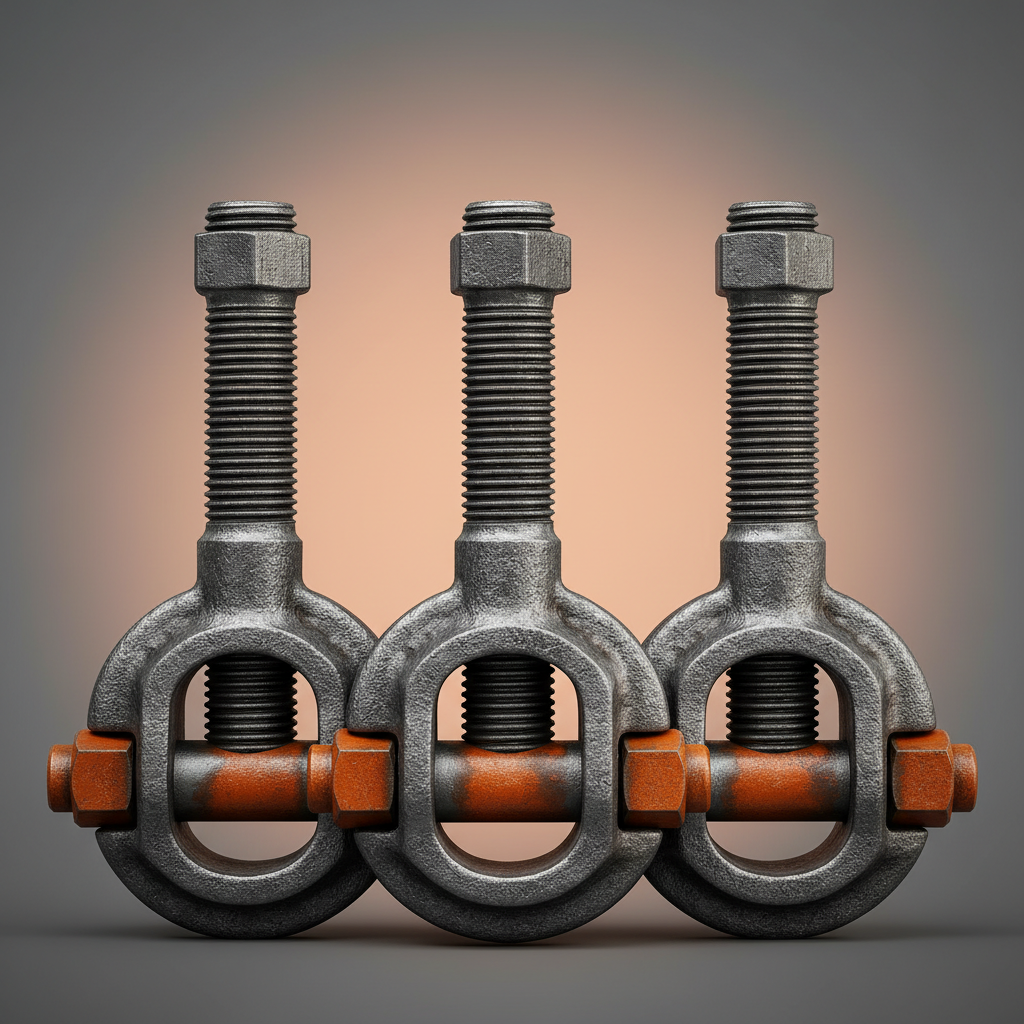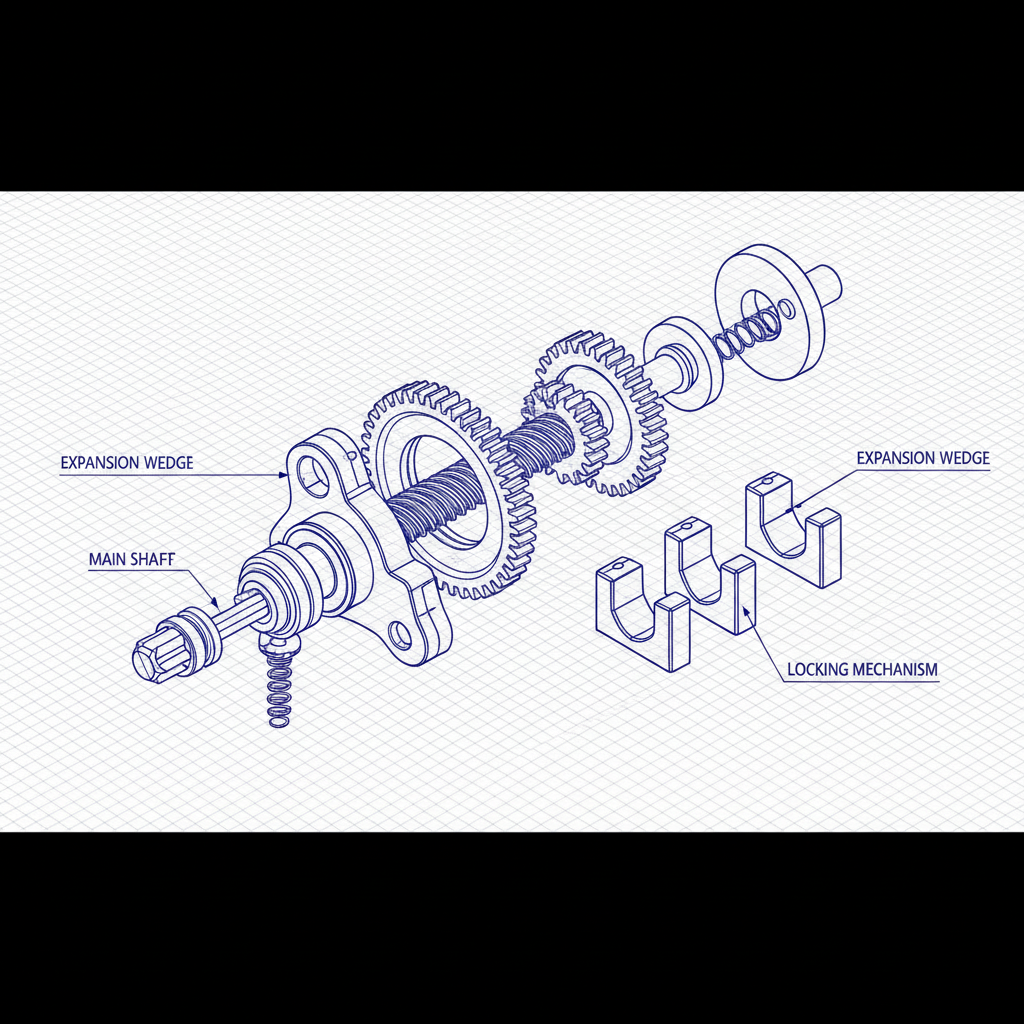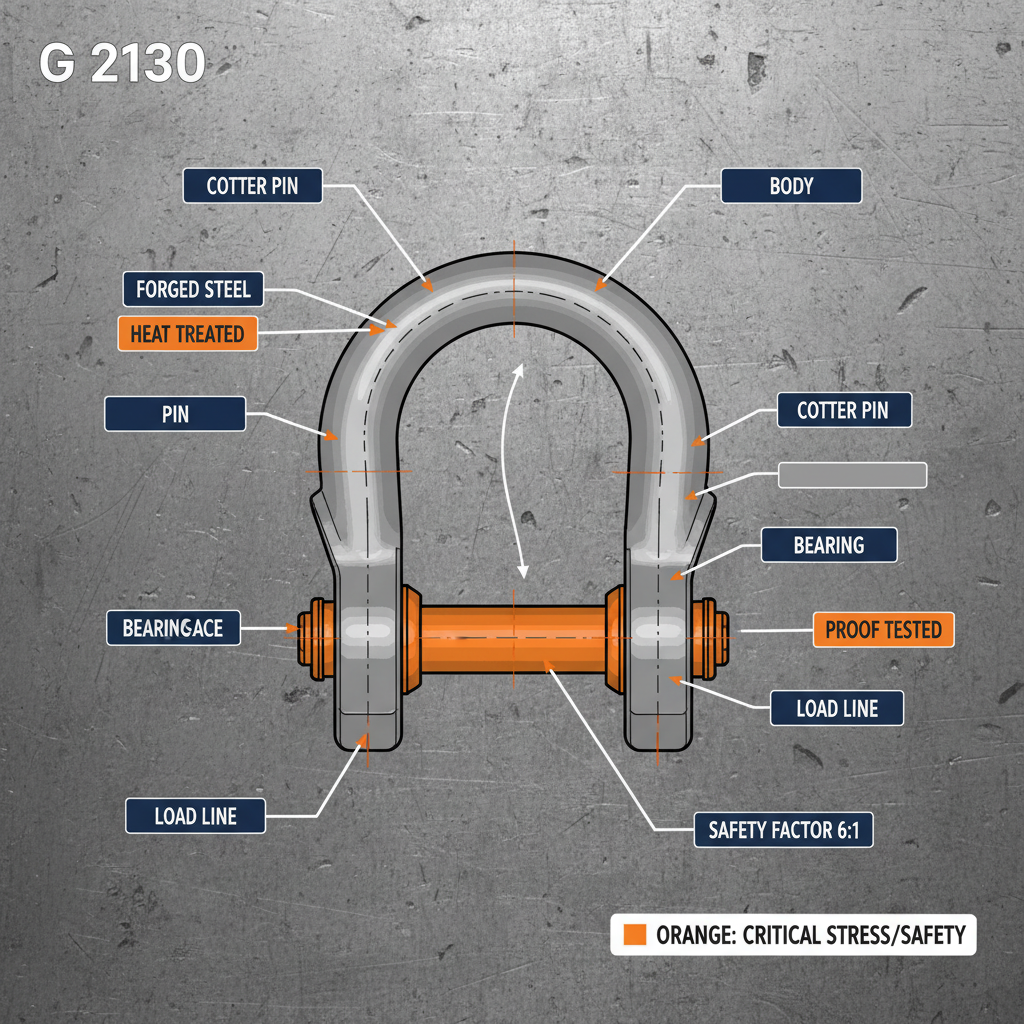
In the demanding landscape of modern heavy construction and mining, the stability of underground supports is non-negotiable. The d bolt anchor has emerged as a critical innovation in rock reinforcement, providing an adaptive and high-strength solution for securing volatile geological formations. Understanding the mechanics of these specialized fasteners is essential for engineers aiming to minimize structural failure and maximize personnel safety.
Globally, the transition toward deeper excavation and more complex architectural foundations has increased the reliance on advanced anchoring systems. The d bolt anchor solves the fundamental challenge of energy absorption, allowing the rock mass to deform slightly without resulting in a catastrophic snap, which is a common failure point in traditional rigid bolting methods.
By integrating high-tensile steel with a design optimized for load distribution, the d bolt anchor ensures long-term structural integrity across various environments, from hydroelectric dams to deep-vein mining tunnels. This comprehensive guide explores the technical specifications, global applications, and the evolving future of this indispensable fastening technology.

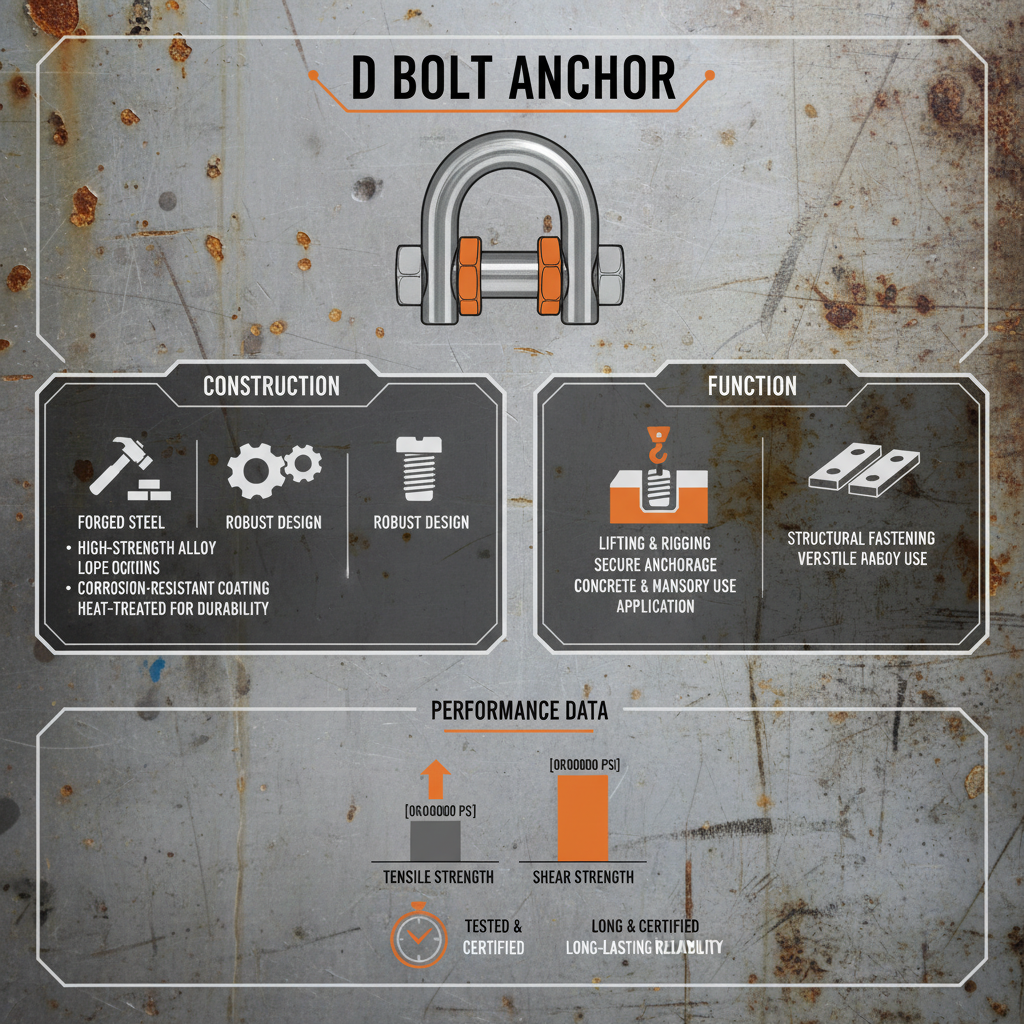
The global infrastructure boom, coupled with the increasing depth of mining operations in regions like Australia, Canada, and China, has put immense pressure on rock support systems. According to international safety standards (ISO), the failure of primary support systems remains a leading cause of underground accidents. The introduction of the d bolt anchor provides a scalable answer to these challenges, offering a balance between rigidity and flexibility that traditional anchors lack.
Industrialization in developing nations has further accelerated the demand for reliable fastening solutions that can withstand seismic activity and high-pressure environments. By utilizing a d bolt anchor, project managers can reduce the risk of "rock bursts"—sudden, violent failures of rock walls—thereby safeguarding both the workforce and the capital investment.
The primary difference lies in the "yielding" capability. While a standard anchor bolt is designed for rigid fixation and may fail brittlely under extreme stress, the d bolt anchor is engineered to deform plastically. This allows it to absorb the kinetic energy of shifting rock masses, making it significantly safer for deep mining and seismic-prone areas where ground movement is expected.
Depending on the material, the lifespan varies. A standard alloy steel d bolt anchor may require monitoring every 5-10 years, but galvanized or stainless steel versions can last 25 to 50 years. The use of specialized epoxy coatings further extends this duration by sealing the metal from groundwater and corrosive minerals.
Yes, but the installation method (grouting vs. mechanical expansion) must be adjusted. In soft shale or limestone, a grouted d bolt anchor is preferred to distribute the load over a larger area. In hard granite, mechanical expansion may be more efficient. A geological survey is always recommended to choose the correct anchor variant.
Absolutely. Retrofitting is a common practice. The old bolts are typically supplemented or replaced by installing new d bolt anchor systems in a staggered pattern. This reinforces the existing support web and adds the energy-absorption capability that the original bolts likely lacked.
The calculation is based on the "Tributary Area" method. Engineers determine the total load of the unstable rock volume and divide it by the rated load capacity of a single d bolt anchor, while applying a safety factor (usually 1.5x to 2x). This ensures the support system can handle unexpected peak loads.
Looking ahead, the integration of smart sensors and sustainable materials will likely redefine the standards of rock reinforcement. For engineers and procurement officers, transitioning to advanced anchoring solutions is no longer an option but a necessity for operational excellence. To ensure your next project meets the highest global safety standards, we invite you to explore our full range of high-performance fastening solutions. Visit our website: www.ytbolt.com