


Jan . 27, 2026 18:55 Back to list
The Essential Guide to Power Studs for Robust Fastening Solutions
Understanding the Power of a Reliable Power Stud
In the world of fastening solutions, the power stud stands out as a versatile and robust option for a wide range of applications. From construction and automotive to manufacturing and infrastructure, these studs provide the strength and reliability needed to secure critical components. This article will dive into the benefits, applications, material options, and best practices for utilizing power studs, ensuring you get the most out of this essential fastener. A well-chosen power stud can be the difference between a secure, long-lasting assembly and potential failure.
What is a Power Stud and Why Choose It?
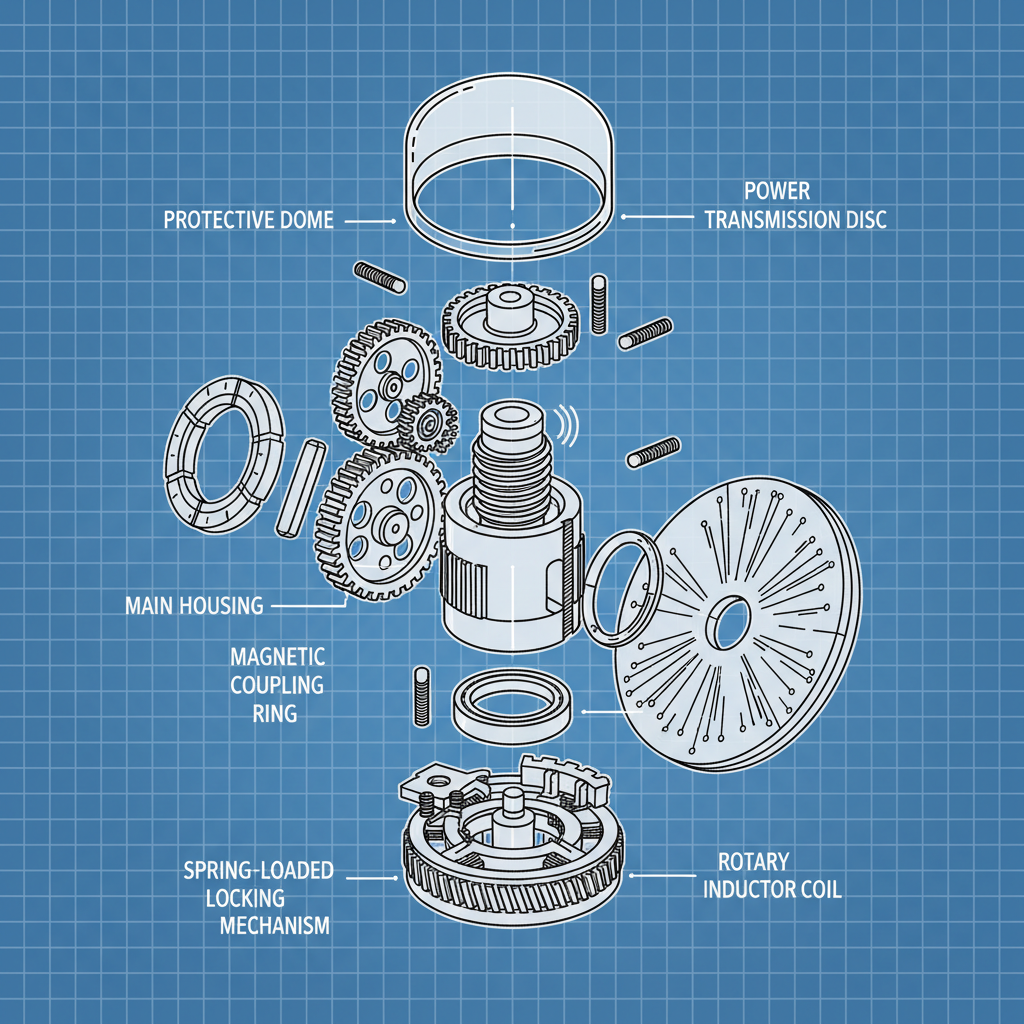
A power stud, also known as a threaded stud, is a headless fastener that is threaded along its entire length or a significant portion of it. Unlike bolts, studs don’t have a head at one end and are typically inserted through a hole and secured with a nut on both sides. This design offers several advantages: increased clamping force, improved vibration resistance, and easier installation in tight spaces. Power studs are particularly well-suited for applications requiring high strength and durability. They come in various materials, sizes, and thread types to meet specific project needs. Selecting the right power stud is crucial for optimal performance and safety.
Key Benefits: Increased clamping force, improved vibration resistance, easier installation in tight spaces, high strength and durability, variety of materials and sizes.
Common Applications of Power Studs
Power studs find applications across diverse industries. In construction, they are used to secure structural steel, connect concrete elements, and anchor equipment. The automotive industry utilizes them in engine components, suspension systems, and exhaust manifolds. Manufacturing employs power studs for assembling machinery, mounting tools, and securing molds. Infrastructure projects leverage them for bridge construction, pipeline support, and power transmission towers. Their ability to withstand high loads and resist loosening makes them an ideal choice for critical applications. Choosing the correct power stud ensures the long-term reliability of these structures and systems.
Application Areas:
• Construction (structural steel, concrete anchoring)
• Automotive (engines, suspension)
• Manufacturing (machinery, molds)
• Infrastructure (bridges, pipelines)
Power Stud Materials: A Comparative Look
The material of a power stud significantly impacts its performance characteristics. Common materials include carbon steel, stainless steel, and alloy steel. Carbon steel offers high strength at a lower cost but is susceptible to corrosion. Stainless steel provides excellent corrosion resistance, making it suitable for outdoor or harsh environments. Alloy steel combines strength and corrosion resistance, offering a balance of properties. The choice depends on the specific application, environmental conditions, and load requirements. YT Bolt offers a comprehensive range of materials to meet diverse needs.
Selecting the Right Power Stud: Key Considerations
Choosing the correct power stud involves considering several factors. Determine the required tensile strength based on the load it will bear. Specify the appropriate material based on the environment and potential corrosion concerns. Match the thread type and size to the mating components. Consider the length of the stud, ensuring sufficient engagement with both parts. Finally, consult with a fastening specialist to ensure optimal selection. YT Bolt can provide expert guidance to help you navigate these considerations.
Conclusion: Power Studs – The Foundation of Secure Assemblies
The power stud is a critical component in a vast range of applications. By understanding its benefits, materials, and selection criteria, you can ensure reliable and long-lasting assemblies. Invest in quality power studs from a trusted supplier like YT Bolt to build a stronger, safer, and more durable future.
Frequently Asked Questions (FAQs)
What is the typical tensile strength of a power stud?
The tensile strength of a power stud varies significantly depending on the material and grade. Carbon steel studs typically range from 60,000 to 80,000 PSI, while stainless steel studs can range from 70,000 to 100,000 PSI. Alloy steel studs offer the highest tensile strength, often exceeding 120,000 PSI. It's crucial to consult the manufacturer's specifications for the exact tensile strength of a specific power stud. Selecting a stud with sufficient tensile strength is vital to prevent failure under load.
How do I prevent corrosion when using carbon steel power studs?
To prevent corrosion with carbon steel power studs, consider applying a protective coating such as zinc plating, galvanizing, or applying a corrosion inhibitor. Using corrosion-resistant nuts and washers is also recommended. For particularly harsh environments, switching to stainless steel or alloy steel studs is the most effective solution. Regularly inspect the studs for signs of corrosion and replace them as needed. Proper maintenance and proactive corrosion prevention are crucial for long-term reliability.
What thread types are commonly used with power studs?
Common thread types for power studs include Unified National Coarse (UNC), Unified National Fine (UNF), and Metric (ISO). The choice of thread type depends on the application and the mating components. UNC threads are commonly used in general applications, while UNF threads provide higher strength in smaller diameters. Metric threads are widely used internationally. It's essential to ensure compatibility between the stud's thread type and the nut and tapped hole to achieve a secure connection.
-
Guide to Calculating the Best Expansion Anchor Bolt Length
NewsApr.16,2026
-
Guide to the Correct Drill Size for 3 8 Wedge Anchor Installation
NewsApr.09,2026
-
Comprehensive Guide to Dottie Wedge Anchor Selection and Installation
NewsApr.07,2026
-
Comprehensive Guide to Ceiling Wedge Anchors for Secure Installations
NewsApr.04,2026
-
Understanding the Versatility and Applications of Carbon Steel Wedges
NewsMar.31,2026
-
The Essential Guide to Bolt Wedges Strength and Application
NewsMar.28,2026
 English
  Bengali
  Bulgarian
  Catalan
  Czech
Czech  French
  German
  Hindi
Hindi  Hungarian
  Italian
  Kazakh
  Korean
  Portuguese
  Romanian
  Slovak
  Somali
  Spanish
  Turkish


