The importance of robust and rapidly deployable infrastructure solutions is paramount in today's world, facing increasing challenges from natural disasters, humanitarian crises, and the need for sustainable development. The double expansion anchor concept, representing a class of innovative fastening technologies, plays a critical role in enabling these solutions. Understanding its principles, applications, and future potential is vital for engineers, architects, disaster relief organizations, and policymakers alike.
Global trends such as urbanization, climate change, and increasing demand for affordable housing are driving the need for faster, more efficient, and more resilient construction methods. Double expansion anchor systems offer a significant advantage in meeting these demands. They facilitate quicker assembly, reduced on-site labor, and improved structural integrity, ultimately contributing to safer and more sustainable built environments.
From rapid deployment housing in disaster zones to the construction of essential infrastructure in remote locations, the double expansion anchor is proving to be a versatile and reliable solution. Its ability to provide secure and dependable fastening in a variety of materials and conditions makes it an indispensable tool for modern construction and disaster response.
The Core Principles of double expansion anchor
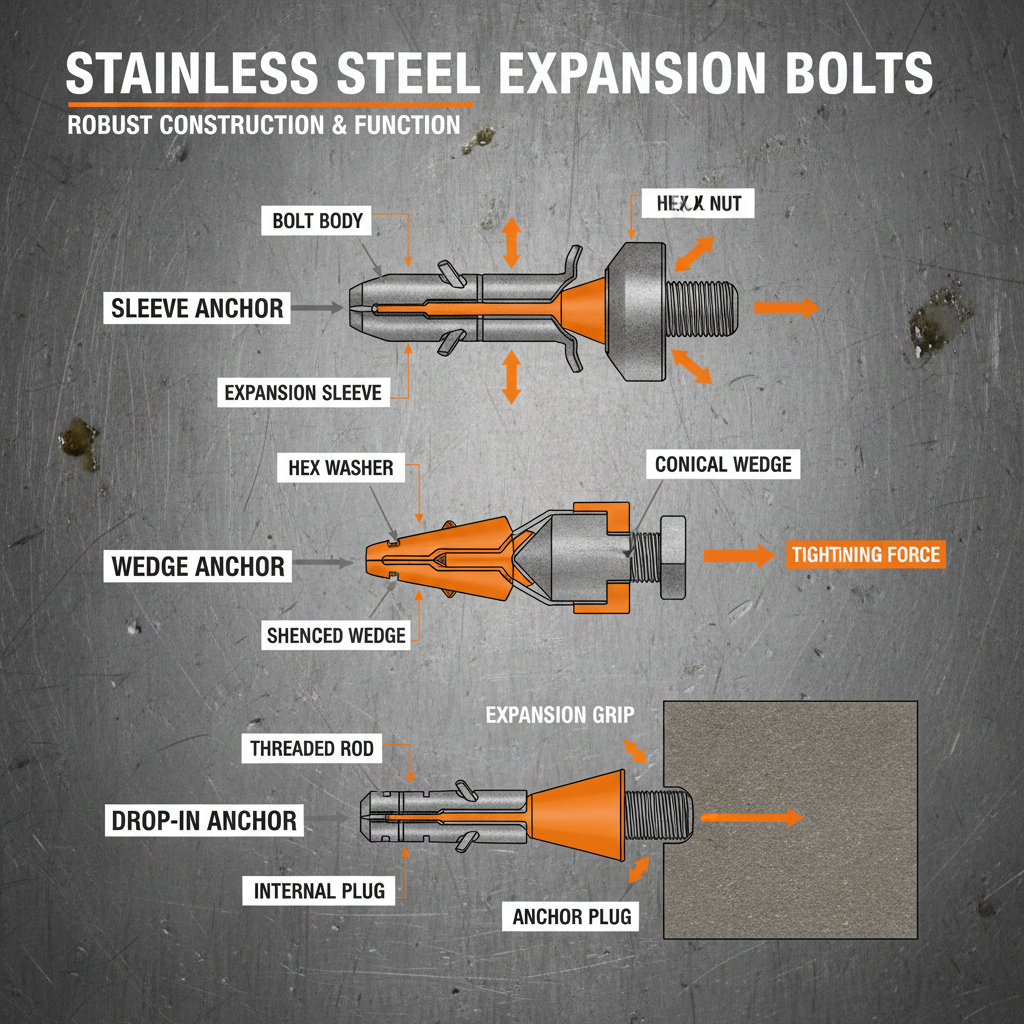
At its core, the double expansion anchor system relies on a mechanical principle of wedging and friction to create a secure and load-bearing connection. When tension is applied, the anchor expands within the substrate material, creating a robust and reliable bond. This differs from chemical anchors which rely on adhesives, providing a faster and more versatile installation process.
The efficacy of a double expansion anchor is heavily dependent on the material properties of both the anchor itself and the substrate into which it’s installed. Factors like shear strength, tensile strength, and corrosion resistance of the anchor material are crucial, alongside the compressive strength and density of the substrate.
Global Relevance and Industry Impact
The demand for reliable fastening solutions is consistently high across various industries worldwide. The construction sector, in particular, is a major driver, fueled by ongoing infrastructure projects and a growing need for resilient buildings. According to a report by the UN, the global construction market is projected to reach $8 trillion by 2030, highlighting the immense scale of opportunity for innovative anchoring technologies like the double expansion anchor.
Beyond construction, double expansion anchor systems are essential in the renewable energy sector, securing solar panel installations and wind turbine foundations. Furthermore, they are critical in infrastructure projects like bridge construction, tunnel lining, and railway systems, where safety and long-term durability are paramount. ISO standards increasingly emphasize the need for robust fastening systems, driving adoption of proven technologies.
The rise in natural disasters necessitates rapid response and reconstruction efforts. Double expansion anchor systems support quick assembly of temporary shelters, essential facilities, and permanent housing, making them vital for disaster relief operations. Their ease of installation and reduced reliance on specialized tools are particularly advantageous in challenging environments.
Defining double expansion anchor: A Comprehensive Overview
A double expansion anchor is a mechanical fastener designed to distribute loads through a combination of expansion and friction. Unlike traditional anchors that rely solely on friction or adhesive bonding, double expansion anchors mechanically expand within a pre-drilled hole, creating a strong and secure connection. This expansion happens in two directions, hence the name, maximizing grip and resistance to pull-out forces.
The application of double expansion anchor technology extends beyond simply holding materials together; it’s integral to ensuring the safety and longevity of structures. From securing critical safety equipment to anchoring essential infrastructure components, these anchors play a vital role in a wide range of applications. This makes them critical for modern industrial and humanitarian needs.
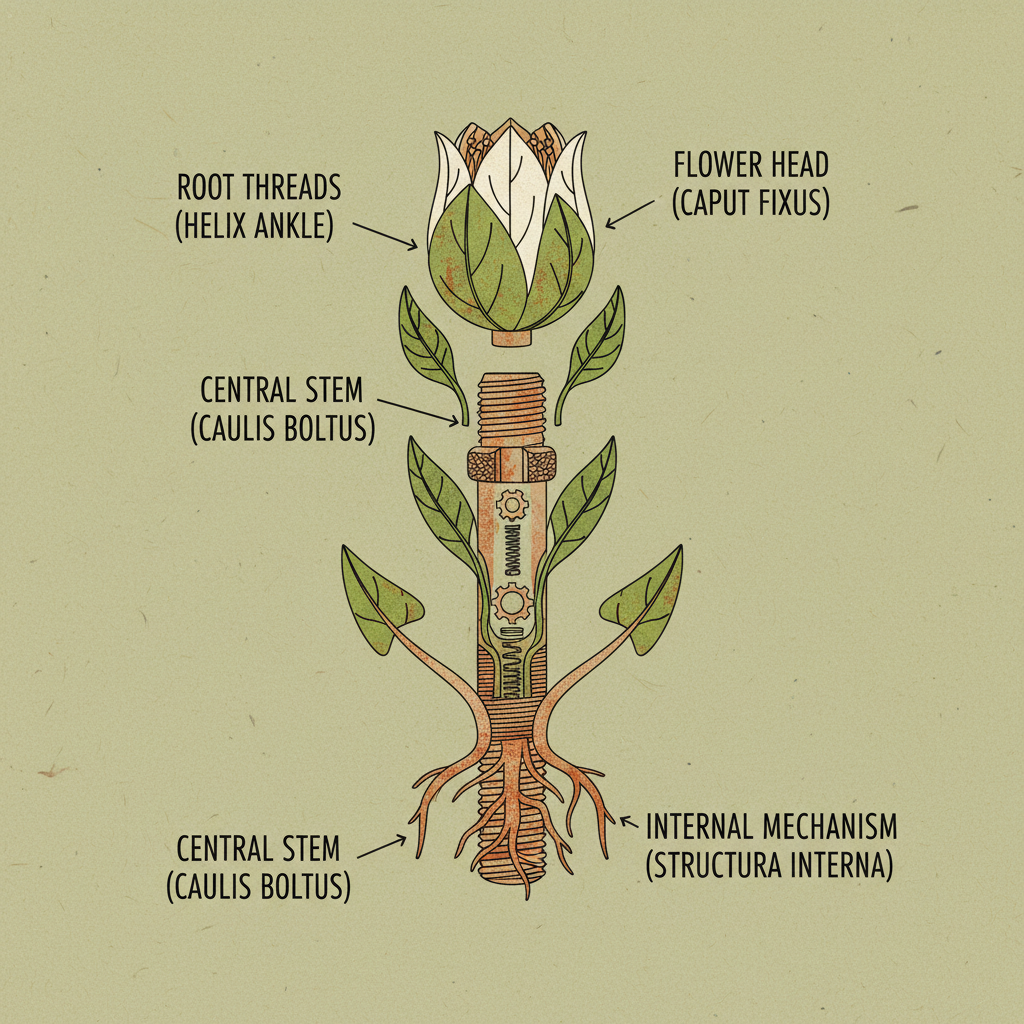
Modern double expansion anchor systems are engineered from high-strength materials like stainless steel, carbon steel (with protective coatings), and specialized alloys, ensuring corrosion resistance and durability. Their design often incorporates features like internal locking mechanisms and specialized expansion sleeves to optimize performance and prevent loosening over time.
Key Characteristics of double expansion anchor
The performance and utility of a double expansion anchor are defined by several key characteristics. First is Strength and Load Capacity, which refers to the anchor’s ability to withstand tensile, shear, and compressive forces. This is a critical factor in structural applications.
Second, Versatility in Substrates is important, as the anchors must be effective in various materials like concrete, brick, stone, and even some types of hollow materials. Then there's Ease of Installation, which contributes significantly to reduced labor costs and project timelines. A properly designed double expansion anchor can be installed quickly and efficiently with minimal specialized tools.
Performance Metrics of double expansion anchor Types
Worldwide Applications and Real-World Case Studies
In post-disaster relief operations, double expansion anchor systems are extensively used to construct temporary shelters, field hospitals, and sanitation facilities. Their rapid deployment capabilities and ability to secure structures in challenging terrain make them invaluable in emergency response. For example, following the 2010 Haiti earthquake, numerous organizations utilized these anchors to quickly erect essential infrastructure.
Within the construction industry, double expansion anchor are vital in projects ranging from high-rise buildings to bridges and tunnels. They are used for attaching curtain walls, securing structural steel, and anchoring mechanical systems. In remote industrial zones, like mining operations in Australia, these anchors ensure the stability of equipment foundations and support structures.
Advantages and Long-Term Value Proposition
The advantages of utilizing double expansion anchor systems are numerous. Cost-efficiency is a significant benefit, as the anchors are relatively inexpensive to purchase and install, reducing overall project expenses. From a sustainability perspective, the longevity and durability of these anchors minimize the need for frequent replacements, conserving resources and reducing waste.
Reliability and safety are paramount. A properly installed double expansion anchor provides a secure and dependable connection that can withstand significant loads and environmental stresses, ensuring the integrity of structures and the safety of occupants. Furthermore, the reduced installation time translates to faster project completion and increased productivity.
Future Innovations and Emerging Trends in double expansion anchor Technology
Current research and development efforts are focused on enhancing the performance and sustainability of double expansion anchor systems. The integration of smart materials that respond to environmental conditions is being explored, potentially enabling self-adjusting anchors that maintain optimal tension even in fluctuating temperatures.
The use of advanced coatings to improve corrosion resistance and extend the lifespan of anchors is another area of innovation. Furthermore, digital technologies, such as 3D printing and robotic installation, are poised to revolutionize the manufacturing and application of these fasteners, increasing precision and efficiency.
Sustainability is a key driver of future development. Utilizing recycled materials in anchor production and designing anchors that are easily disassembled and recycled at the end of their life cycle are becoming increasingly important considerations, aligning with circular economy principles.
Summary of Current Research & Development in double expansion anchor Technology
| Innovation Area |
Current Status |
Potential Impact on double expansion anchor Performance |
Estimated Time to Market |
| Smart Material Integration |
Laboratory testing phase |
Enhanced adaptability and load distribution. |
5-7 years |
| Advanced Corrosion Coatings |
Pilot production and field trials. |
Extended lifespan in harsh environments. |
2-3 years |
| 3D Printed Anchor Designs |
Conceptual design and prototyping. |
Customization and optimized geometry for specific applications. |
3-5 years |
| Robotic Installation Systems |
Limited deployment in controlled environments. |
Increased installation speed and precision. |
2-4 years |
| Recycled Material Utilization |
Material sourcing and testing phase. |
Reduced environmental impact and sustainable manufacturing. |
1-2 years |
| Self-Adjusting Anchor Mechanisms |
Early-stage research and simulation. |
Maintained optimal tension under varying conditions. |
5+ years |
FAQS
Double expansion anchors offer several advantages including faster installation, increased reliability in various substrates, and a strong, mechanically-locked connection. They are less susceptible to loosening due to vibration and temperature fluctuations compared to some adhesive-based anchors. Additionally, they often require less specialized tools, reducing overall project costs.
Double expansion anchors perform optimally in solid substrates like concrete, brick, and stone. Their expansion mechanism requires a solid material to generate sufficient friction for a secure hold. While they can be used in some hollow materials with sleeves, it’s crucial to verify compatibility and load capacity.
Selecting the right anchor requires careful consideration of the load requirements (tensile, shear, compressive), the substrate material, and the environmental conditions. Consult with a structural engineer or a fastening specialist to determine the appropriate anchor size, length, and material based on your specific application.
Common mistakes include drilling holes that are too large or too small, failing to completely clean debris from the hole, and over-tightening the anchor, which can damage the substrate. Always follow the manufacturer’s installation instructions and use the correct drilling technique and torque settings.
Choose high-quality anchors made from corrosion-resistant materials. Ensure proper installation, following all recommended procedures. Regularly inspect anchors for signs of corrosion or loosening, and address any issues promptly. Utilizing appropriate protection coatings on the anchors and surrounding substrate can also extend their lifespan.
While double expansion anchor can be used in seismic zones, specialized seismic-rated anchors are typically recommended. These anchors are designed to withstand the dynamic forces generated during an earthquake and provide a more reliable connection. Consult with a structural engineer to determine the appropriate anchor type for your specific seismic risk level.
Conclusion
The double expansion anchor stands as a cornerstone of modern fastening technology, offering a versatile, reliable, and cost-effective solution across a vast spectrum of applications. From rapid response in disaster relief to large-scale construction projects, its core principles of mechanical expansion and friction provide a secure and lasting connection. Its adaptability to diverse substrates and ongoing innovations ensure its continued relevance in a rapidly evolving world.
Looking ahead, continued advancements in materials science, manufacturing processes, and digital integration will further enhance the performance and sustainability of double expansion anchor systems. Investing in research and development, coupled with a commitment to industry best practices, will unlock even greater potential and solidify its position as a critical component of resilient and sustainable infrastructure. Visit our website at www.ytbolt.com to learn more.





 English
  Bengali
  Bulgarian
  Catalan
  Czech
Czech  French
  German
  Hindi
Hindi  Hungarian
  Italian
  Kazakh
  Korean
  Portuguese
  Romanian
  Slovak
  Somali
  Spanish
  Turkish