0%

Table of Contents

1 inch anchor bolts are fundamental fasteners used across a vast spectrum of industries and applications, from securing critical infrastructure to providing stability in residential construction. Their robust design and reliable performance make them indispensable in ensuring structural integrity and safety. Understanding the nuances of 1 inch anchor bolts—their types, installation techniques, and load-bearing capacities—is paramount for engineers, contractors, and anyone involved in building or construction projects.

Globally, the demand for high-quality fastening solutions like 1 inch anchor bolts is consistently increasing, driven by rapid urbanization, infrastructure development in emerging economies, and a growing emphasis on safety standards. According to the UN, global construction output is projected to reach $18 trillion by 2030, necessitating a reliable supply chain of crucial components such as these bolts. This increasing demand highlights the importance of efficient production, reliable sourcing, and innovative advancements in anchor bolt technology.

The need for strong, dependable anchoring solutions addresses a critical challenge in ensuring the longevity and safety of structures worldwide. Properly installed 1 inch anchor bolts mitigate risks associated with structural failures, making them a vital component in protecting lives and assets. The benefits extend beyond safety, including increased project efficiency and reduced long-term maintenance costs.
Essential Guide to 1 inch anchor bolts for Construction and Infrastructure

The Importance of 1 inch anchor bolts

Essential Guide to 1 inch anchor bolts for Construction and Infrastructure

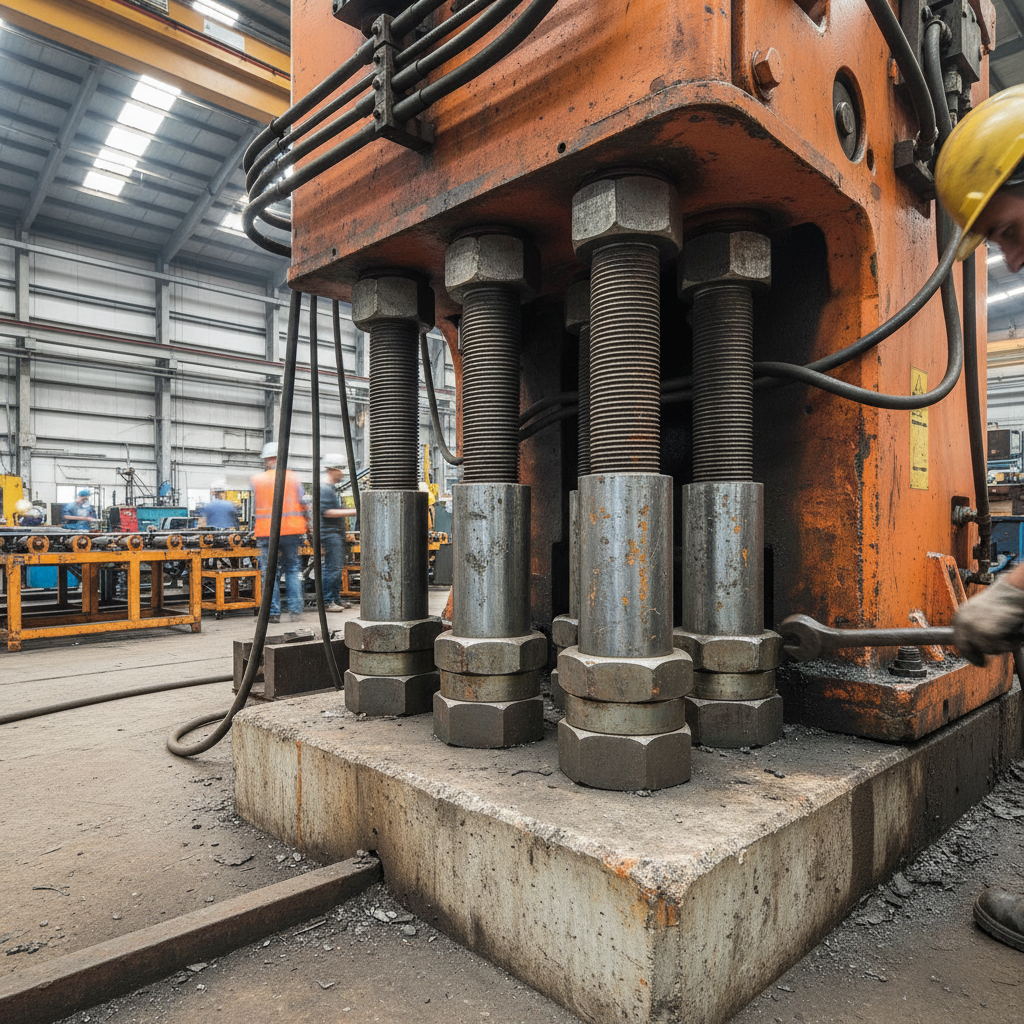
The significance of 1 inch anchor bolts stems from their ability to securely fasten elements to concrete or masonry foundations. This is vital in construction, where stability and load-bearing capacity are paramount. These bolts are not simply fasteners; they are critical safety components, preventing structural failures and ensuring the long-term integrity of buildings, bridges, and other infrastructure.

The demand for these fasteners is directly tied to global construction trends and infrastructure projects. As populations grow and urbanization increases, the need for robust and reliable anchoring solutions becomes ever more pressing. Selecting the correct 1 inch anchor bolts for a specific application, understanding their load limits, and adhering to proper installation procedures are crucial for guaranteeing safety and performance.

Defining 1 inch anchor bolts

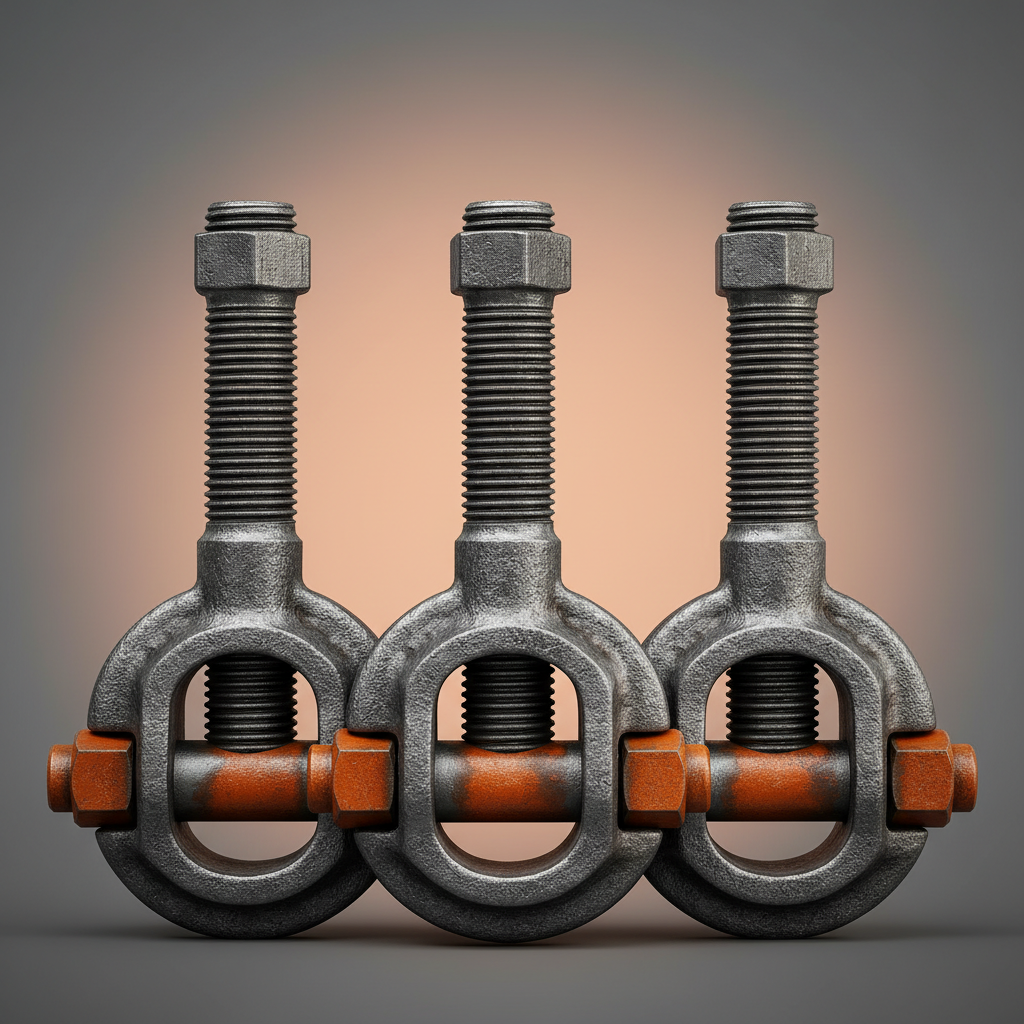
1 inch anchor bolts are fasteners designed to create a strong connection between a structural element – such as a beam, column, or plate – and a concrete or masonry base. The ‘1 inch’ designation refers to the nominal diameter of the bolt's shaft. They typically consist of a threaded shaft, a washer, and a nut, and rely on friction, adhesion, or a combination of both to resist pull-out forces.

Unlike through bolts, which pass completely through the base material, anchor bolts are embedded or affixed to the surface. This makes them ideal for situations where access to the back of the concrete is limited or impossible. The selection of the appropriate anchor bolt type—sleeve anchors, wedge anchors, or chemical anchors—depends on the specific application and load requirements.

The connection they provide is fundamental to modern construction and infrastructure. They’re not merely components; they're the linchpin holding structures together, ensuring stability, and guaranteeing safety for countless applications, playing a key role in modern industrial and humanitarian needs.

Core Characteristics of 1 inch anchor bolts

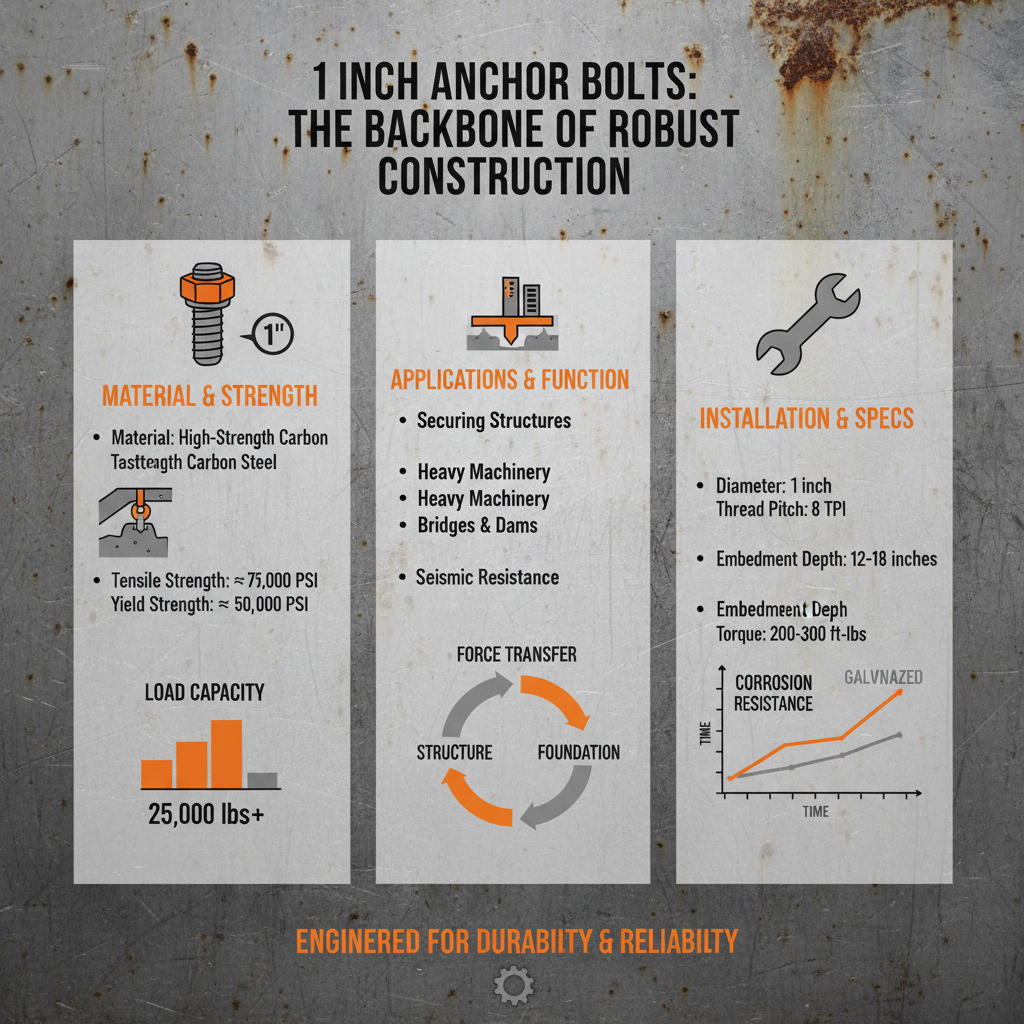
1 inch anchor bolts are characterized by their robust construction and ability to withstand significant tensile and shear forces. They are typically manufactured from high-strength steel, often with a corrosion-resistant coating like zinc plating or hot-dip galvanization to protect against environmental degradation.

A key characteristic is their embedment depth – the portion of the bolt that’s secured within the concrete or masonry. Sufficient embedment is crucial for developing the full strength of the anchor. Factors like concrete strength, anchor spacing, and edge distance also influence the bolt’s performance and load-bearing capacity. Careful consideration of these factors is essential during the design and installation process.

Different types of 1 inch anchor bolts exhibit varying characteristics. For example, wedge anchors expand as they’re tightened, creating a mechanical interlock with the concrete. Sleeve anchors feature a sleeve that expands, providing a clamping force. Chemical anchors rely on epoxy or resin to bond the bolt to the concrete, offering superior performance in certain applications.

Key Performance Factors

Several key factors determine the performance of 1 inch anchor bolts, most notably their tensile strength and shear strength. Tensile strength refers to the bolt’s ability to resist being pulled apart, while shear strength indicates its resistance to forces acting parallel to its axis. These strengths are critical when calculating the appropriate bolt size and number for a specific application.

Another important factor is the type of concrete or masonry in which the bolts are installed. The compressive strength of the concrete significantly influences the bolt’s pull-out capacity. The condition of the substrate—whether it's cracked or deteriorated—also plays a role. Proper installation techniques, including correct drilling depth, cleaning of the hole, and appropriate tightening torque, are essential for maximizing performance.

Performance Rating of 1 inch anchor bolts Methods


Global Applications

1 inch anchor bolts find widespread application across diverse industries globally. In construction, they secure structural steel to concrete foundations, anchor machinery to floors, and support curtain walls and facades. They are critical components in bridge construction, securing bridge decks to piers and abutments.

In industrial settings, these bolts are used to mount equipment, secure pipelines, and provide support for racking systems. They are essential in renewable energy projects, anchoring wind turbine towers and solar panel mounting structures. Even in post-disaster relief operations, 1 inch anchor bolts are used in the rapid deployment of temporary shelters and critical infrastructure.

Long-Term Value and Benefits

The benefits of using high-quality 1 inch anchor bolts extend far beyond immediate structural stability. Choosing the right anchor bolt contributes to the long-term durability and safety of structures, reducing the need for costly repairs and replacements. This translates into significant cost savings over the lifespan of a project.

Furthermore, the reliability of these fasteners fosters trust and confidence in the integrity of buildings and infrastructure. Employing corrosion-resistant materials and proper installation techniques enhances sustainability by minimizing environmental impact. Ultimately, investing in robust 1 inch anchor bolts demonstrates a commitment to safety, quality, and long-term value.

Future Trends and Innovations

The future of 1 inch anchor bolt technology is poised for innovation, driven by the demand for greater efficiency, sustainability, and performance. Research is focused on developing new materials with enhanced corrosion resistance and higher tensile strength. Smart anchor bolts equipped with sensors that monitor stress levels and provide real-time data are also being explored.

Digitalization and automation are playing an increasing role, with advancements in robotic installation and quality control procedures. The incorporation of Building Information Modeling (BIM) allows for more accurate anchor bolt placement and optimization. As the construction industry embraces green building practices, the demand for eco-friendly anchor bolt solutions will continue to grow.

The industry is also seeing a push towards more sustainable manufacturing processes and the use of recycled materials, aligning with the broader global sustainability goals.

Analysis of 1 inch anchor bolts Performance Factors

Anchor Bolt Type Concrete Strength (psi) Installation Torque (ft-lbs) Corrosion Resistance Rating (1-10)
Wedge Anchor 3000 45 6
Sleeve Anchor 2500 30 5
Chemical Anchor 4000 20 8
Galvanized Wedge Anchor 3500 40 7
Stainless Steel Sleeve Anchor 2800 35 9
Epoxy Coated Wedge Anchor 3200 42 7

FAQS

What is the correct embedment depth for a 1 inch anchor bolt in standard concrete?

The correct embedment depth for a 1 inch anchor bolt varies based on the specific type of anchor and the load requirements. However, as a general guideline, for standard concrete (3000-4000 psi), a minimum embedment depth of 3-5 bolt diameters is recommended. Always consult the manufacturer's specifications for precise instructions, as insufficient embedment can significantly reduce the anchor’s pull-out capacity. Proper embedment ensures the load is distributed effectively within the concrete, maximizing the anchor’s holding power.

How do I choose between a wedge anchor and a sleeve anchor for my project?

The choice between a wedge anchor and a sleeve anchor depends on your specific application. Wedge anchors are generally better suited for solid concrete, as they expand and grip the concrete tightly when tightened. Sleeve anchors, on the other hand, are more versatile and can be used in hollow concrete block or brick, as the sleeve expands to provide a secure hold. Consider the base material, the load requirements, and the desired level of holding power when making your decision. Always refer to the manufacturer’s recommendations for optimal performance.

What torque should I apply when tightening a 1 inch anchor bolt?

The appropriate tightening torque for a 1 inch anchor bolt is crucial for ensuring optimal performance without damaging the bolt or the concrete. Torque specifications vary depending on the anchor type and the manufacturer. Typically, torque values range from 25 to 60 ft-lbs. Always refer to the manufacturer’s datasheet for the specific torque recommendation for your anchor. Using a calibrated torque wrench is essential for accurate tightening and avoiding over- or under-tightening.

Are 1 inch anchor bolts suitable for use in saltwater environments?

Standard 1 inch anchor bolts are not ideally suited for prolonged exposure to saltwater environments due to the risk of corrosion. However, stainless steel or hot-dip galvanized 1 inch anchor bolts are excellent choices for such applications. These materials offer superior corrosion resistance, ensuring long-term durability and reliability in harsh marine conditions. Selecting the right material is crucial to prevent premature failure and maintain structural integrity.

How do I calculate the load-bearing capacity of a 1 inch anchor bolt?

Calculating the load-bearing capacity of a 1 inch anchor bolt is a complex process that requires considering several factors, including the anchor type, concrete strength, embedment depth, spacing, and edge distance. Engineering formulas and software tools are commonly used for this purpose. It’s highly recommended to consult with a structural engineer to ensure accurate calculations and safe installation, particularly for critical applications. The engineer will also account for safety factors and potential load variations.

What safety precautions should I take when installing 1 inch anchor bolts?

Always wear appropriate personal protective equipment (PPE), including safety glasses, gloves, and a dust mask, when installing 1 inch anchor bolts. Ensure the drilling equipment is in good working order and use the correct drill bit size for the anchor. Avoid damaging the concrete during drilling, and thoroughly clean the hole before inserting the anchor. Follow the manufacturer’s installation instructions carefully, and never exceed the specified torque limits. If working at height, adhere to all relevant fall protection regulations.

Conclusion

In summary, 1 inch anchor bolts are indispensable components in modern construction and infrastructure, providing the crucial connection between structural elements and foundations. Their robust design, versatility, and reliability make them essential for ensuring safety, durability, and long-term performance. Understanding the different types of 1 inch anchor bolts, their key performance factors, and proper installation techniques is vital for engineers, contractors, and anyone involved in building projects.

Looking ahead, innovations in materials, manufacturing, and installation techniques will further enhance the capabilities of these fasteners. The adoption of smart anchor bolts, digital tools, and sustainable practices will drive efficiency, reduce costs, and minimize environmental impact. To learn more about our high-quality 1 inch anchor bolts and find the right solution for your project, visit our website today: www.ytbolt.com.
Robert Miller

Robert Miller

Robert Miller is a seasoned Quality Control Engineer at Hebei Yuetong Fasteners Manufacturing Co., Ltd., with over 15 years of experience in the fastener industry. He’s instrumental in ensuring all products meet stringent ISO9001 and CE certification standards. Robert specializes in analyzing material compositions, conducting rigorous testing procedures, and implementing
Previous Essential 3 4 x 18 Anchor Bolts for Construction and Infrastructure Projects
Next The Critical Role of 7 8 Anchor Bolts in Modern Construction and Infrastructure
en_USEnglish