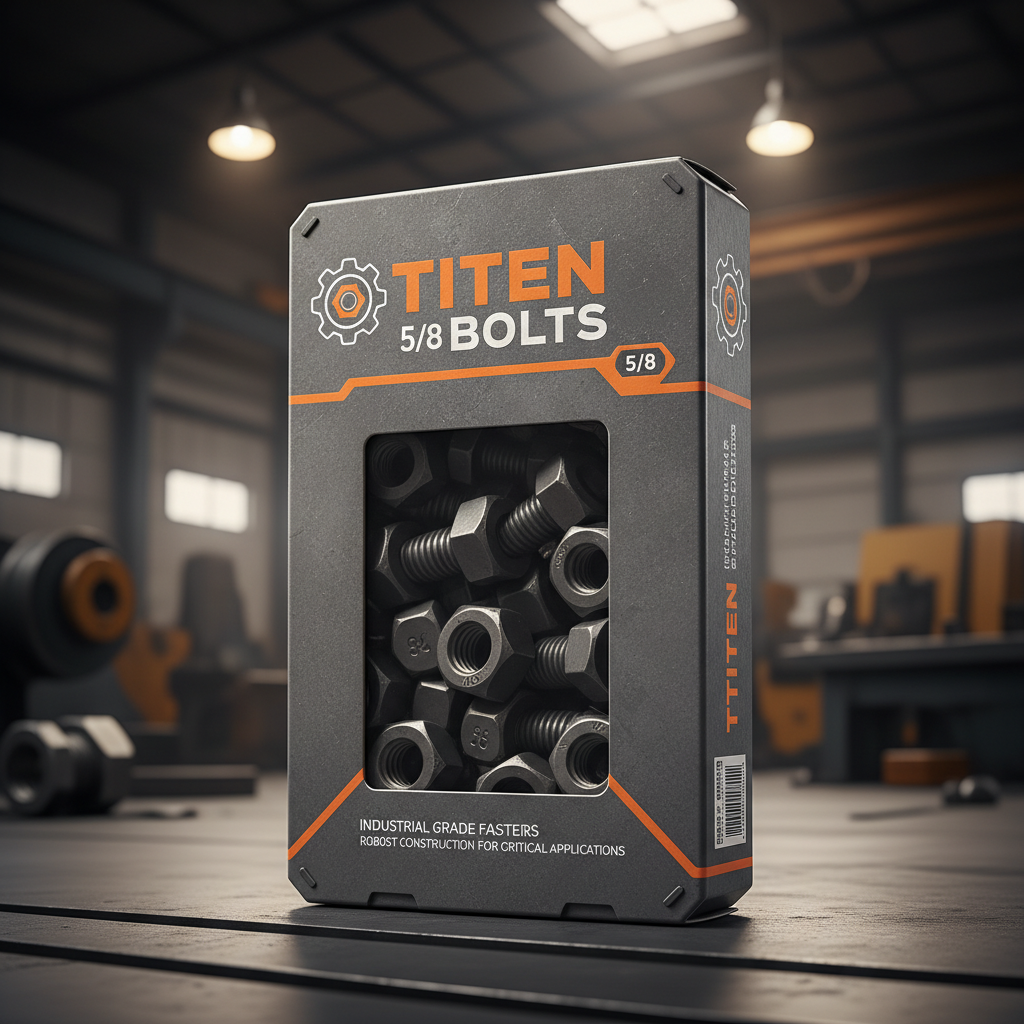
When it comes to high-performance structural fastening, the precision and material integrity of 5 8 titen bolts represent a critical intersection of metallurgy and mechanical engineering. These specialized fasteners are designed to provide exceptional strength-to-weight ratios, making them indispensable in environments where traditional steel bolts would either be too heavy or prone to premature corrosion. Understanding the nuances of their composition and application is essential for engineers aiming to maximize the longevity of their assemblies.
On a global scale, the demand for high-grade titanium fasteners has surged as industries transition toward more sustainable and durable infrastructure. The use of 5 8 titen bolts allows for the reduction of maintenance cycles and prevents catastrophic failures in high-stress environments, such as aerospace components or offshore marine platforms. By adhering to ISO and ASTM standards, these bolts ensure that safety and performance are never compromised, regardless of the geographical or climatic challenge.
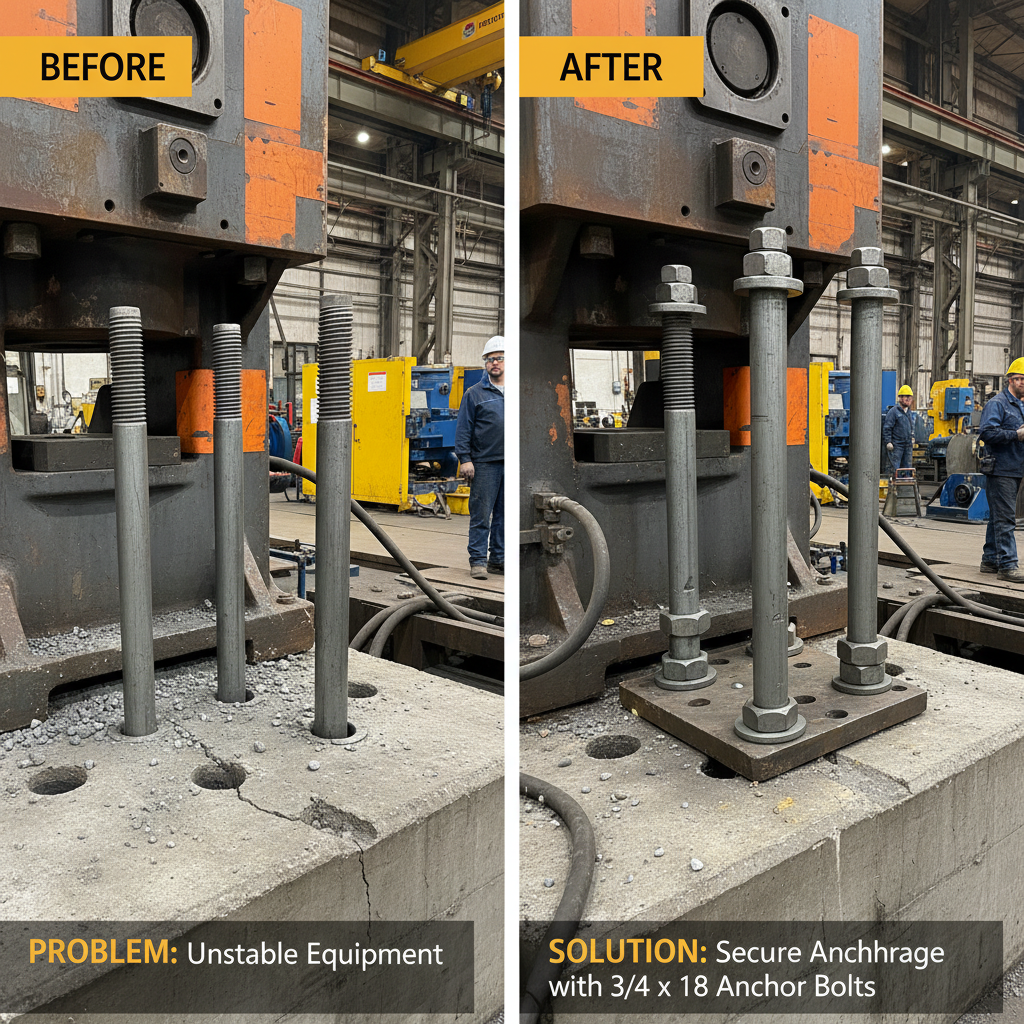
The primary challenge addressed by the implementation of 5 8 titen bolts is the battle against galvanic corrosion and structural fatigue. In many industrial sectors, the failure of a single bolt can lead to millions of dollars in downtime or significant safety risks. By leveraging the unique properties of titanium, these fasteners offer a permanent solution that balances extreme durability with a lightweight profile, effectively solving the paradox of needing maximum strength without adding excessive mass to a project.
Global Relevance and Industrial Context of 5 8 Titen Bolts
The global industrial landscape is currently undergoing a shift toward "extreme environment engineering," where materials must survive temperatures, pressures, and corrosive agents that would destroy standard carbon steel. In this context, 5 8 titen bolts have become the gold standard for critical joints. From the depths of the ocean in oil exploration to the vacuum of space, the ability of these bolts to remain stable without oxidizing is a cornerstone of modern infrastructure.
Statistically, industries that switch to titanium fasteners report a significant decrease in unplanned maintenance costs. By integrating these bolts into high-stress assemblies, companies are not just buying a part; they are investing in a risk-mitigation strategy. The reliability of these fasteners ensures that the structural integrity of massive projects is maintained over decades, aligning with global ISO quality management standards for safety and efficiency.
Defining the Technical Specifications of 5 8 Titen Bolts
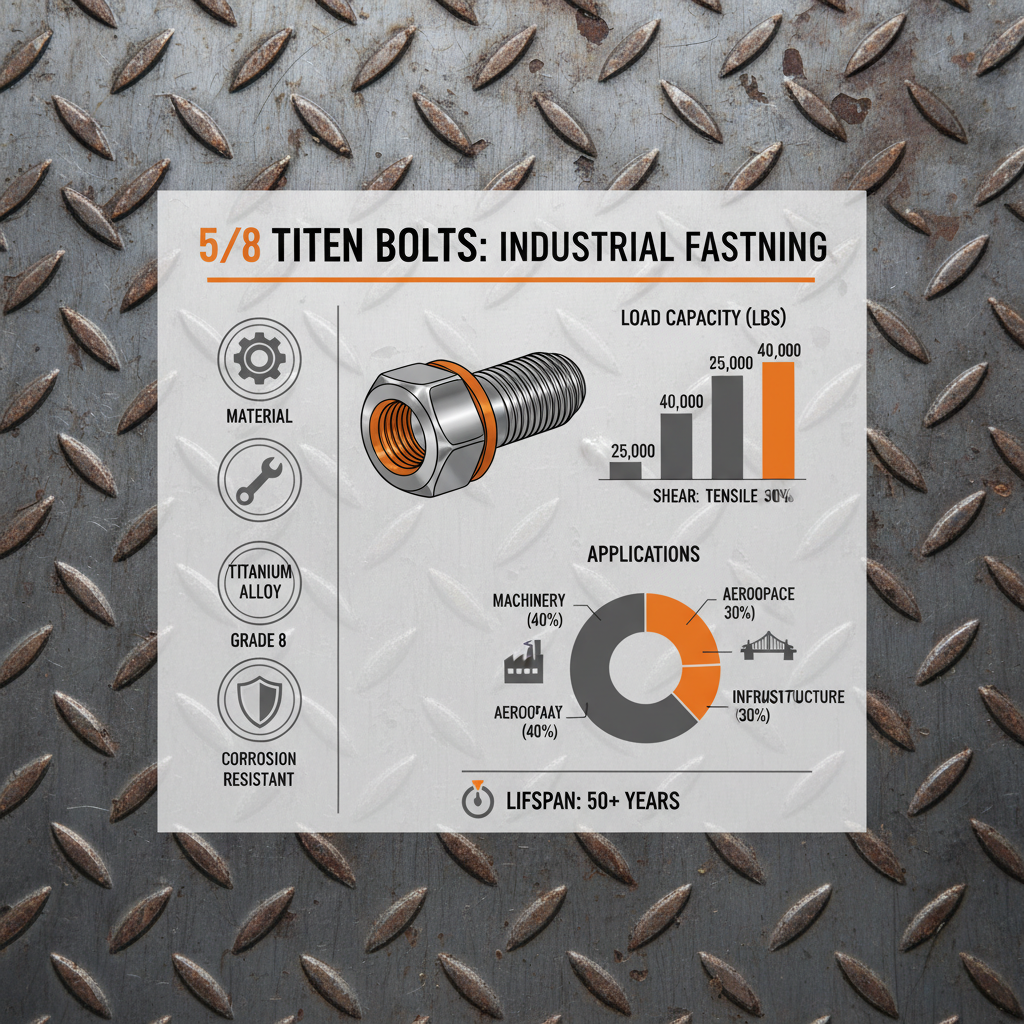
At its simplest, 5 8 titen bolts refers to a high-precision fastener with a specific diameter and thread pitch, crafted from titanium alloys. Unlike standard bolts, these are engineered to provide a specific clamping force while remaining virtually immune to saltwater and chemical oxidation. This makes them an essential component in the "zero-failure" design philosophy used by aerospace and medical device manufacturers.
The connection to modern industry lies in the pursuit of efficiency. By reducing the weight of fasteners across a large-scale assembly, the overall energy consumption of a vehicle or aircraft is lowered. This humanitarian and economic need for efficiency drives the innovation behind the metallurgy of titanium, ensuring that these bolts can withstand immense tensile loads without the bulk of heavier metals.
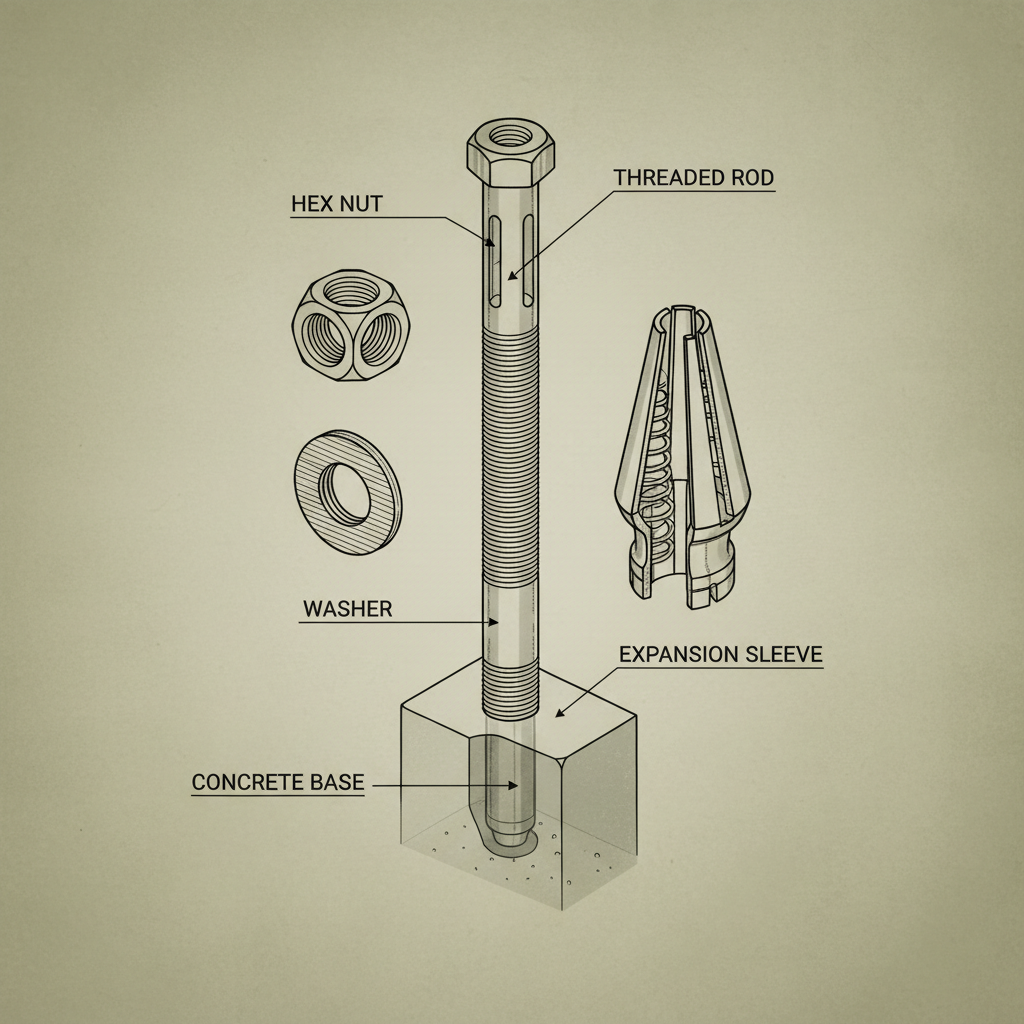
Furthermore, the "5 8" specification ensures a standardized fit that allows for seamless integration into existing global machinery. Whether used in a wind turbine in the North Sea or a precision instrument in a laboratory, these bolts provide the predictable performance that engineers require to certify their designs for public and industrial use.
Core Components and Material Integrity of 5 8 Titen Bolts
The durability of 5 8 titen bolts is derived from the naturally occurring protective oxide layer that forms on the surface of titanium. This layer is self-healing, meaning that even if the bolt is scratched during installation, the material instantly reacts with oxygen to reform its protective shield, preventing rust from penetrating the core.
Scalability in design is another key factor for 5 8 titen bolts. Because they are available in various grades (such as Grade 2 or Grade 5), engineers can select the specific alloy that matches the load requirements of their project, ensuring that they are not over-engineering the part while still maintaining a safety factor that exceeds industry norms.
Finally, the cost-efficiency of 5 8 titen bolts is realized over the entire lifecycle of the product. While the initial procurement cost is higher than stainless steel, the total cost of ownership is lower due to the elimination of anti-corrosion coatings and the drastic reduction in replacement frequency.
Key Performance Factors and Efficiency of 5 8 Titen Bolts
To evaluate the efficiency of 5 8 titen bolts, one must look at the balance between tensile strength and weight. In high-performance machinery, every gram counts. These bolts provide the necessary clamping force to secure heavy components without adding the dead weight associated with traditional heavy-duty fasteners.
Additionally, the thermal expansion coefficient of titanium is lower than that of many other metals, meaning 5 8 titen bolts maintain their tension across a wider range of temperatures, from cryogenic conditions to extreme heat. This stability is what makes them a preferred choice for engine components and exhaust systems.
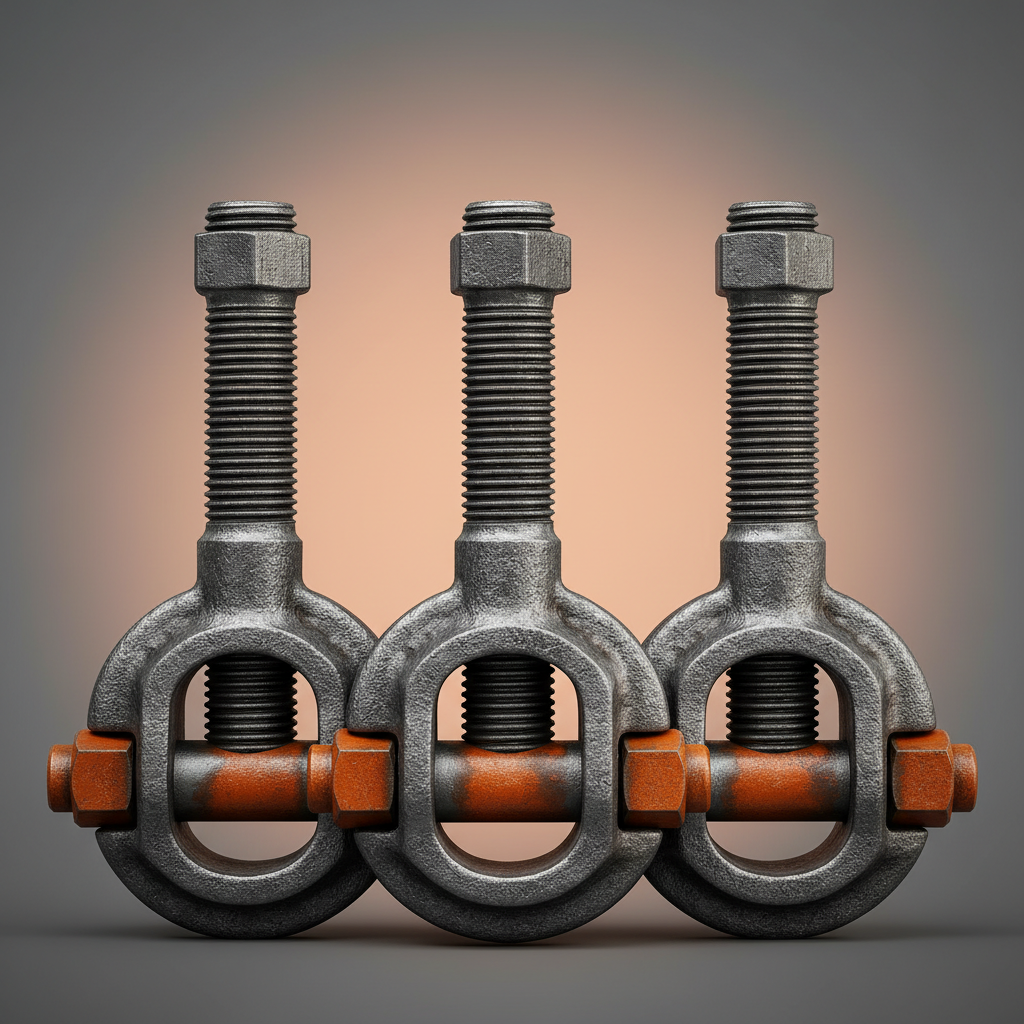
Performance Comparison of 5 8 Titen Bolts Variants
Global Applications and Real-World Use Cases for 5 8 Titen Bolts
In the realm of maritime engineering, 5 8 titen bolts are utilized in deep-sea submersible hulls and oil rig connectors. In these environments, the saline pressure is immense, and the risk of stress-corrosion cracking is a constant threat. By using titanium fasteners, operators ensure that critical seals remain tight, preventing leaks that could lead to environmental disasters.
Beyond the ocean, these bolts are critical in the medical sector, specifically for orthopedic implants and surgical equipment. Because titanium is biocompatible, 5 8 titen bolts (in smaller, medical-grade variations) are used to secure prosthetic joints, providing the strength needed for human movement without triggering an immune response from the body.
Long-Term Value and Reliability of 5 8 Titen Bolts
The emotional value of using 5 8 titen bolts lies in the peace of mind they provide. For a project manager overseeing a bridge or a turbine, knowing that the fasteners will not fail due to rust is an invaluable form of security. This trust is built on the logical foundation of titanium's superior resistance to the elements, which translates directly into human safety.
From a sustainability perspective, these bolts contribute to a "circular economy" by extending the lifespan of the machinery they hold together. When a structure lasts 50 years instead of 20 because of superior fastening, the total carbon footprint of the project is drastically reduced, as fewer raw materials are needed for reconstruction.
Ultimately, the reliability of 5 8 titen bolts fosters innovation. Engineers are emboldened to design lighter, more daring structures, knowing that the joints are secured by a material that can handle the stress and the environment without compromise.
Future Trends and Innovations in 5 8 Titen Bolts Technology
Looking ahead, the production of 5 8 titen bolts is being revolutionized by additive manufacturing, or 3D printing. This allows for the creation of bolts with internal lattices or customized geometries that further reduce weight while maintaining strength, pushing the boundaries of what is possible in aerospace fastening.
Another emerging trend is the integration of "smart" sensors within the bolt head. Future iterations of 5 8 titen bolts may be able to communicate their tension levels in real-time to a digital twin of the structure, allowing for predictive maintenance before a bolt ever reaches its fatigue limit.
As the world moves toward green energy, these fasteners will play a key role in the deployment of massive offshore wind farms. The transition to sustainable energy requires materials that can survive the harshest coastal conditions for decades, ensuring that the 5 8 titen bolts of tomorrow are as eco-friendly in their production as they are durable in their application.
Comparative Analysis of 5 8 Titen Bolts across Material Grades
|
Material Grade
|
Corrosion Resistance
|
Tensile Strength (MPa)
|
Ideal Application
|
| Grade 2 (CP Ti) |
Excellent |
345 |
Chemical Processing |
| Grade 5 (Ti-6Al-4V) |
Very High |
895 |
Aerospace Structures |
| Grade 23 (ELI) |
Exceptional |
860 |
Medical Implants |
| Grade 7 (Pd alloy) |
Ultra-High |
480 |
Acidic Environments |
| Grade 9 (Ti-3Al-2.5V) |
High |
620 |
Hydraulic Tubing |
| Custom Alloy X |
Variable |
1100 |
Specialized Racing |
FAQS
The primary advantage lies in the strength-to-weight ratio and corrosion resistance. While stainless steel is durable, titanium is significantly lighter and completely immune to chloride-induced stress corrosion cracking, which is common in marine environments. This makes 5 8 titen bolts the only viable choice for extreme saltwater or chemical exposure.
In most industrial and marine applications, titanium fasteners are considered a "permanent" installation. Because the oxide layer is self-healing, these bolts can last for several decades without showing signs of structural degradation or rust, provided they are installed with the correct torque and mating materials to avoid galvanic reactions.
While the upfront cost is higher, they are cost-effective if the environment is aggressive. If you are building something that will be exposed to salt air or chemicals, using 5 8 titen bolts eliminates the need for frequent replacements and expensive anti-corrosive coatings, saving money over the total lifecycle of the product.
It is strongly recommended to use titanium washers with titanium bolts. Mixing metals (such as using a steel washer with a titanium bolt) can lead to galvanic corrosion, where the less noble metal corrodes rapidly. To maintain the integrity of your 5 8 titen bolts, ensure the entire fastening assembly is material-compatible.
Authentic 5 8 titen bolts should always come with a Material Test Report (MTR) or a Certificate of Conformance (CoC). These documents verify the chemical composition and mechanical properties of the alloy used. Professional suppliers will provide these to ensure the bolts meet ISO or ASTM specifications.
They use standard threading and can be installed with common tools, but caution is required regarding "galling." Titanium has a tendency to cold-weld under high pressure. We recommend using a high-quality anti-seize lubricant specifically designed for titanium to ensure a smooth installation and easy removal in the future.
Conclusion
In summary, 5 8 titen bolts represent the pinnacle of fastening technology, combining unmatched corrosion resistance, significant weight savings, and extreme tensile strength. From the depths of the ocean to the precision of medical surgeries, these fasteners provide the reliability and safety that modern engineering demands. By investing in high-grade titanium, industries can move away from the cycle of constant maintenance and toward a future of sustainable, long-term structural integrity.
As we look toward the future, the integration of additive manufacturing and smart sensing will only enhance the value of these components. For any engineer or project manager dealing with high-stress or corrosive environments, the transition to titanium is not just a technical upgrade, but a strategic decision for safety and efficiency. We invite you to explore the full range of high-performance fasteners to secure your next project. Visit our website: www.ytbolt.com




 English
  Bengali
  Bulgarian
  Catalan
  Czech
Czech  French
  German
  Hindi
Hindi  Hungarian
  Italian
  Kazakh
  Korean
  Portuguese
  Romanian
  Slovak
  Somali
  Spanish
  Turkish