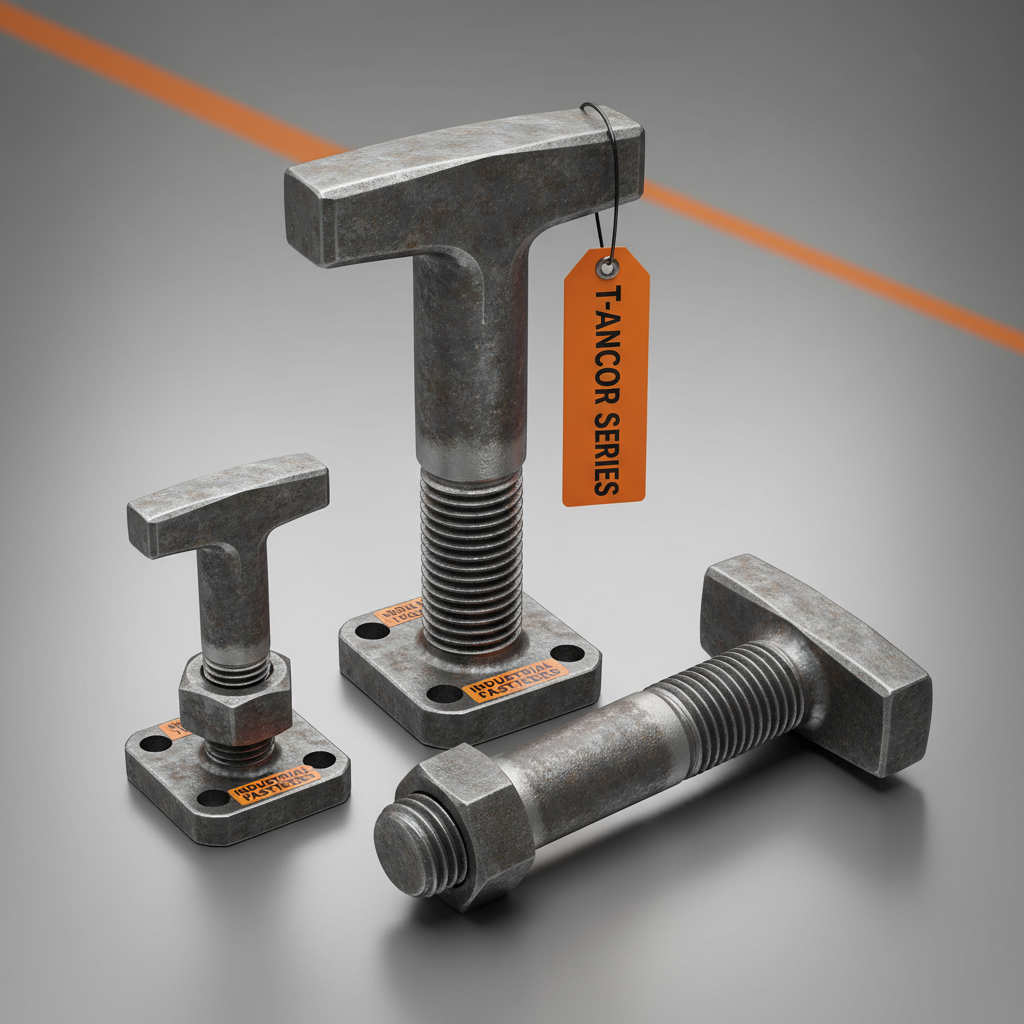
t anchor bolts are foundational elements in modern construction and engineering, playing a critical role in securing structures to concrete foundations. Their importance extends beyond simply holding things in place; they contribute to the overall safety, stability, and longevity of buildings, bridges, and various infrastructure projects globally. Understanding the nuances of t anchor bolts – from material selection to installation techniques – is paramount for ensuring structural integrity and preventing costly failures.
The global demand for reliable and robust fastening solutions like t anchor bolts is continuously increasing, driven by rapid urbanization, infrastructure development in emerging economies, and a growing emphasis on safety standards. This demand isn't limited to large-scale construction; it extends to diverse applications such as renewable energy installations, industrial machinery, and even residential projects. According to the World Bank, infrastructure investment needs are projected to reach $1 trillion per year by 2025, highlighting the critical need for dependable anchoring systems.
t anchor bolts address the fundamental challenge of securely connecting structural elements, particularly where concrete is involved. Traditional methods often fall short in terms of strength, reliability, or ease of installation. These bolts offer a superior solution, providing high load-bearing capacity, resistance to corrosion, and a streamlined installation process, contributing significantly to project efficiency and long-term performance.
Introduction to t anchor bolts
t anchor bolts, in their simplest form, are fasteners used to connect structural and non-structural elements to concrete. However, they represent far more than just a connecting piece. They are designed to transfer tensile and shear loads, ensuring the stability and safety of the overall structure. The type of t anchor bolt used – whether it’s a cast-in-place anchor, a post-installed anchor, or a specialized design – significantly impacts its performance characteristics and suitability for a given application.
The versatility of t anchor bolts is a key factor in their widespread adoption. They can be employed in a diverse range of projects, from high-rise buildings and bridges to industrial facilities and even residential construction. Selecting the correct t anchor bolt for a specific application requires careful consideration of factors such as load requirements, concrete strength, environmental conditions, and building codes. t anchor bolts have evolved significantly, and understanding the current standards and available options is crucial.
Defining t anchor bolts
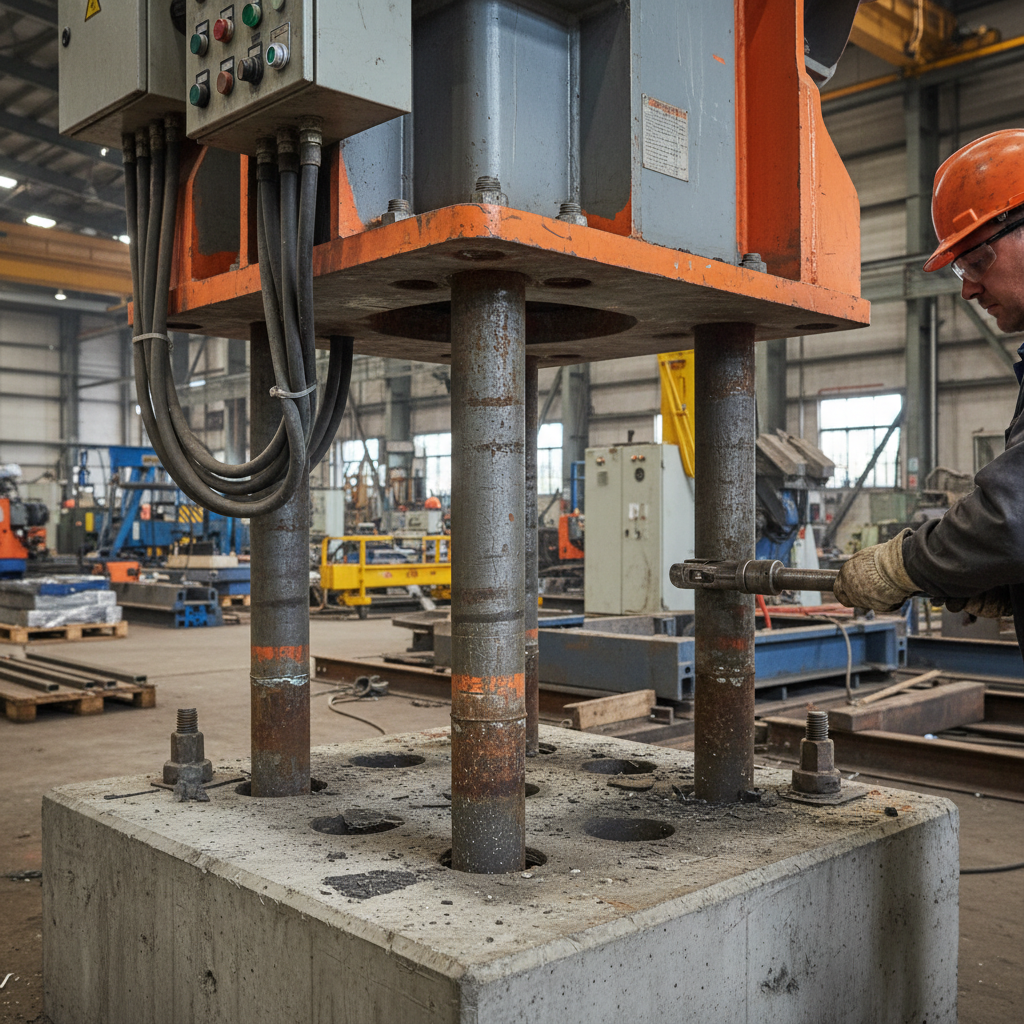
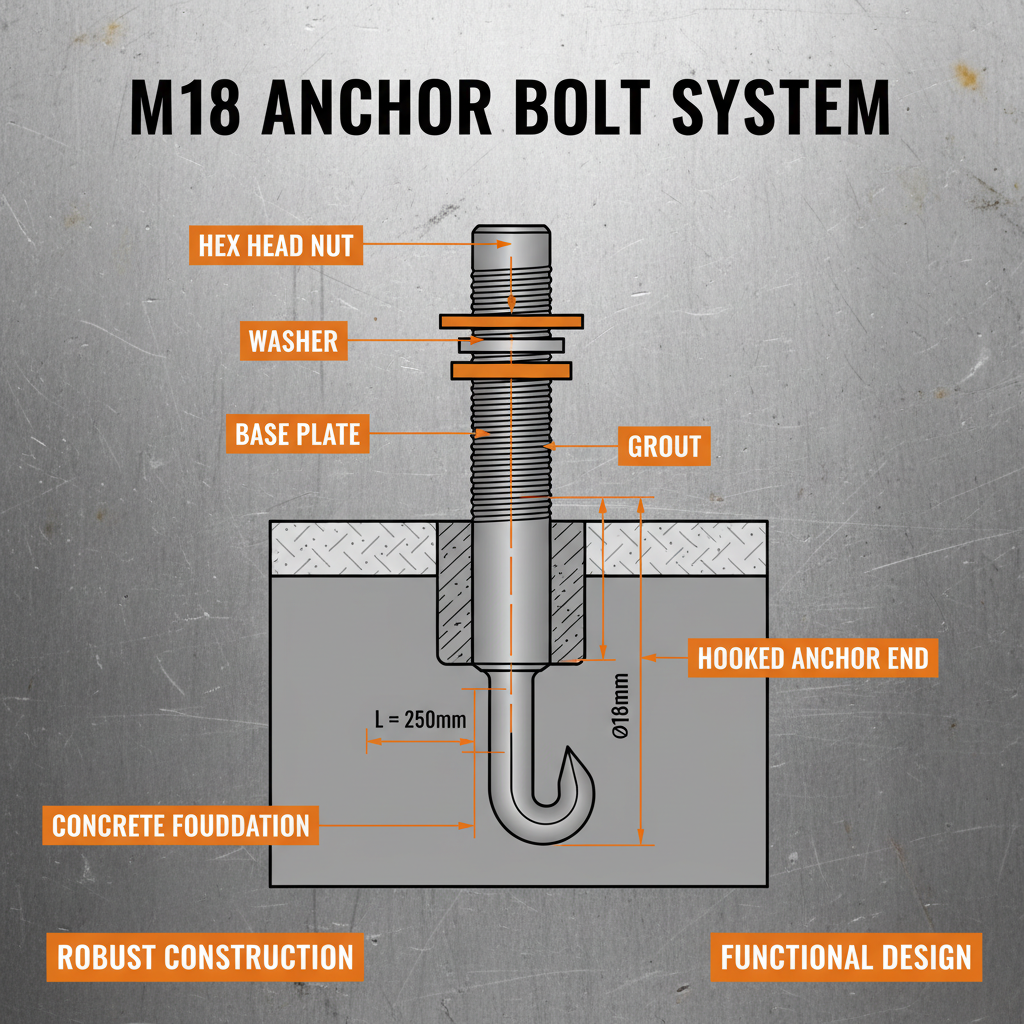
t anchor bolts are fastening elements that create a secure connection between materials, typically metal, and concrete. Unlike traditional bolts that rely on threading into a tapped hole, t anchor bolts are embedded directly into the concrete, either during the pouring process (cast-in-place) or by being inserted into a pre-drilled hole (post-installed). This direct embedding provides a much stronger and more reliable connection, particularly in situations involving high tensile forces.
The connection provided by t anchor bolts is crucial in modern infrastructure. Think of bridges, where the weight distribution and structural integrity depend on these fasteners. Similarly, in the construction of skyscrapers, t anchor bolts ensure the secure attachment of steel frames to concrete foundations. This direct anchoring method is essential for maintaining structural stability and resisting forces like wind and seismic activity.
In essence, t anchor bolts bridge the gap between different building materials, effectively transferring loads and distributing stresses to ensure structural integrity. They're integral to the safety and longevity of countless projects and are an evolving field within structural engineering.
Core Characteristics of t anchor bolts
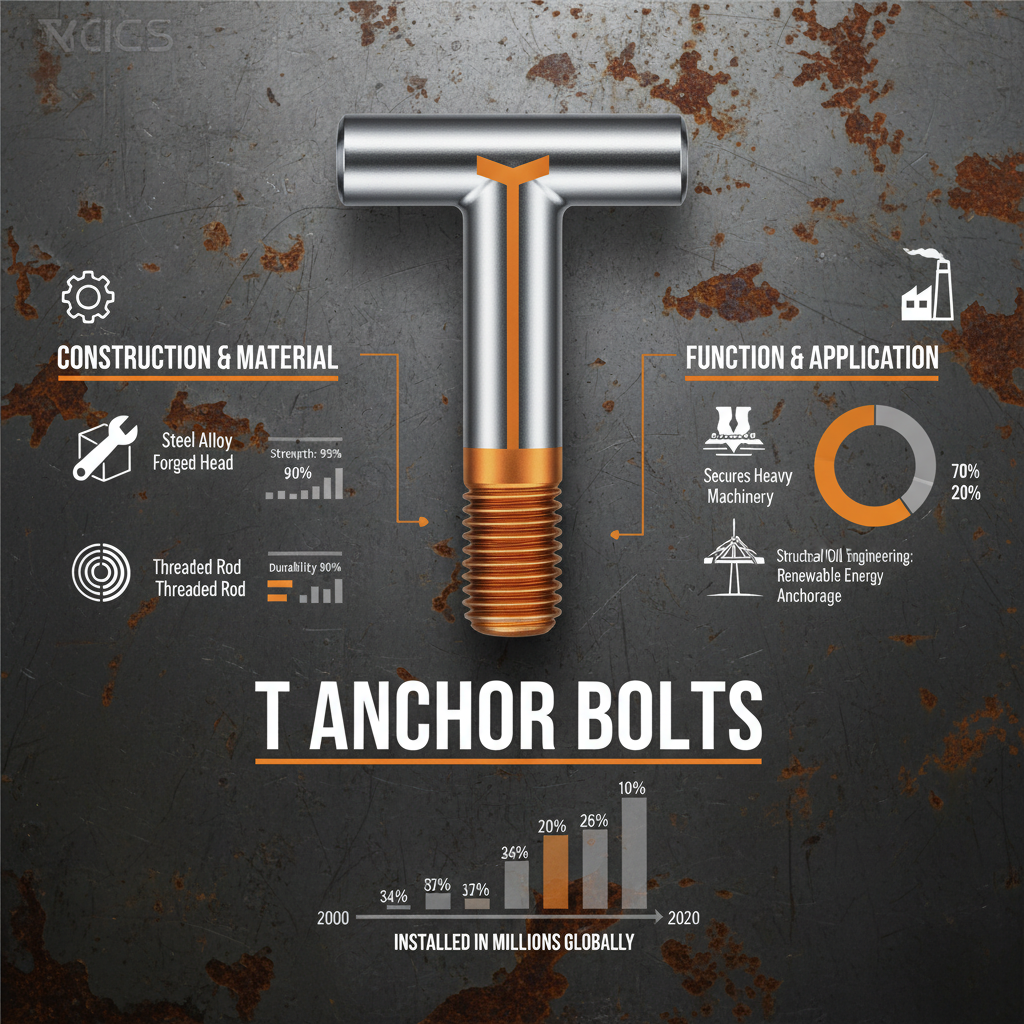
One of the most vital characteristics of t anchor bolts is their strength. The tensile and shear strength of the anchor, along with the concrete breakout strength, dictate the maximum load the fastener can safely withstand. This strength is directly tied to the material composition – typically high-strength steel – and the design of the anchor itself. The correct material grade is paramount for ensuring the anchor can handle the anticipated loads.
Corrosion resistance is another crucial characteristic. t anchor bolts are often exposed to harsh environments, including moisture, chemicals, and salt spray. To combat this, they are often coated with protective layers like zinc plating, hot-dip galvanization, or stainless steel alloys, increasing their lifespan and reliability in demanding conditions.
Finally, ease of installation is a significant characteristic. Modern t anchor bolts are designed for relatively straightforward installation, requiring minimal specialized tools or expertise. This reduces labor costs and speeds up project timelines. However, proper installation is critical – incorrect installation can significantly compromise the anchor's performance.
Key Performance Factors
Durability is paramount when considering t anchor bolts. A durable anchor maintains its strength and integrity over an extended period, resisting degradation from environmental factors and repeated loading cycles. This is influenced by material quality, protective coatings, and proper installation. t anchor bolts designed for long-term performance are essential for critical infrastructure projects.
Load capacity defines the maximum force an anchor can withstand without failure. It’s a complex calculation considering tensile strength, shear strength, and concrete breakout strength. Accurate load assessment and selection of appropriately sized anchors are crucial for ensuring safety and preventing structural issues.
t anchor bolts Performance Comparison
Global Applications and Industries
The construction industry is the most prominent consumer of t anchor bolts, utilizing them in everything from foundations and structural steel connections to facade anchoring and curtain wall systems. Their application is fundamental to ensuring the stability and safety of buildings of all sizes and complexities.
Beyond construction, t anchor bolts are vital in infrastructure projects. Bridges, tunnels, and retaining walls all rely on these fasteners to withstand enormous loads and environmental stresses. In regions prone to seismic activity, specialized t anchor bolts are engineered to provide enhanced resistance to earthquake forces.
The Long-Term Value Proposition
Investing in high-quality t anchor bolts translates to long-term cost savings. Reduced maintenance and repair needs due to their durability and corrosion resistance minimize lifecycle costs. Avoiding premature failures, which can lead to costly structural repairs or even replacements, provides a significant return on investment.
Moreover, the use of reliable t anchor bolts enhances safety and reduces liability. Properly secured structures minimize the risk of accidents and injuries, protecting both occupants and the public. This peace of mind and reduced legal risk represent a substantial intangible benefit.
From a sustainability standpoint, durable t anchor bolts contribute to the longevity of structures, reducing the need for frequent rebuilding and minimizing waste. This aligns with growing demands for environmentally responsible construction practices.
Future Trends and Innovations
The development of smart t anchor bolts, equipped with sensors to monitor stress levels and detect potential failures, is a rapidly emerging trend. This proactive monitoring allows for timely intervention and prevents catastrophic failures. Data-driven insights provided by these sensors will revolutionize structural health monitoring.
New materials, such as fiber-reinforced polymers (FRP), are being explored as alternatives to traditional steel for t anchor bolts. FRP offers exceptional corrosion resistance and high strength-to-weight ratios, making them ideal for challenging environments.
Digitalization and Building Information Modeling (BIM) are also impacting the use of t anchor bolts. BIM allows for precise modeling and optimization of anchor placement, ensuring efficient use of materials and reducing the risk of errors during installation.
Table Summarizing t anchor bolts Performance Characteristics
| Anchor Type |
Load Capacity (kN) |
Corrosion Resistance (Scale 1-10) |
Installation Difficulty (Scale 1-10) |
| Cast-in-Place t anchor bolts |
150-300 |
6 |
2 |
| Post-Installed Mechanical t anchor bolts |
80-200 |
7 |
4 |
| Post-Installed Chemical t anchor bolts |
100-250 |
8 |
5 |
| Stainless Steel t anchor bolts |
70-180 |
10 |
4 |
| Galvanized t anchor bolts |
90-220 |
7 |
3 |
| FRP t anchor bolts |
60-150 |
9 |
6 |
FAQS
Cast-in-place t anchor bolts are embedded in the concrete during the pouring process, offering excellent strength but requiring precise planning. Post-installed anchors are inserted into pre-drilled holes after the concrete has cured, providing flexibility for renovations or unexpected changes. Choosing between the two depends on the project’s stage and design requirements.
Determining the correct t anchor bolt involves calculating the expected loads (tensile and shear), assessing the concrete strength, and considering environmental factors. Consult with a structural engineer to perform these calculations and select an anchor that meets the specific requirements of your application. Incorrect sizing can lead to failure.
Common causes include improper installation (incorrect torque, insufficient embedment depth), corrosion due to exposure to harsh environments, overloading, and concrete cracking. Regular inspections and preventative maintenance can help identify and address potential issues before they lead to failure.
Concrete quality is extremely important. The strength and integrity of the concrete directly impact the load-bearing capacity of the anchor. Lower-quality concrete can lead to reduced holding power and potential failure. Always ensure the concrete meets the specified strength requirements.
Yes, various building codes and standards, such as ACI 318 (American Concrete Institute) and ICC-ES (International Code Council Evaluation Services), provide guidelines for t anchor bolt selection, design, and installation. Adhering to these standards is crucial for ensuring safety and compliance.
Stainless steel t anchor bolts offer superior corrosion resistance, making them ideal for applications in harsh environments such as coastal areas or chemical processing plants. While they may be more expensive than other options, their long-term durability and reduced maintenance requirements often justify the initial investment.
Conclusion
t anchor bolts are indispensable components of modern construction and infrastructure, providing the critical connection between structural elements and concrete foundations. Their strength, durability, and versatility make them essential for ensuring the safety, stability, and longevity of countless projects worldwide. Understanding the nuances of anchor selection, proper installation techniques, and emerging innovations is paramount for engineers, contractors, and building professionals.
Looking ahead, the future of t anchor bolts lies in smart technologies, advanced materials, and greater integration with digital modeling tools. By embracing these innovations, we can further enhance the performance, reliability, and sustainability of our built environment. To learn more about high-quality t anchor bolts and explore our comprehensive product range, visit our website: www.ytbolt.com.




 English
  Bengali
  Bulgarian
  Catalan
  Czech
Czech  French
  German
  Hindi
Hindi  Hungarian
  Italian
  Kazakh
  Korean
  Portuguese
  Romanian
  Slovak
  Somali
  Spanish
  Turkish