The g 2130 shackle, a critical component in numerous industries, represents a cornerstone of secure fastening solutions. Globally, the demand for high-quality shackles, especially those adhering to standards like g 2130, is driven by infrastructure development, marine applications, and the growing need for robust lifting and rigging equipment. Understanding its specifications and applications is crucial for engineers, procurement professionals, and safety officers alike.
Within the manufacturing sector, particularly in metal products – specifically fasteners like bolts, nuts, and shackles – the g 2130 shackle stands out for its dependable performance. It's a vital link in supply chains spanning construction, energy, and transportation. Its role isn't merely about holding things together; it’s about ensuring safety, preventing costly failures, and upholding the integrity of complex systems.
The significance of the g 2130 shackle extends beyond its immediate function. It embodies a commitment to quality control, material science advancements, and adherence to stringent international standards. Choosing the right shackle, like a g 2130 certified model, directly impacts project timelines, operational efficiency, and, most importantly, worker safety. You can explore our full range of fastening solutions, including the g 2130 shackle, on our website.
The Global Significance of the g 2130 Shackle
The g 2130 shackle isn’t simply a fastening device; it’s a vital component in ensuring safety and reliability across multiple sectors. Globally, industries rely on these shackles for lifting, towing, and securing loads in demanding environments. According to reports from the International Maritime Organization (IMO), secure cargo handling, heavily reliant on quality shackles, is paramount in preventing maritime accidents and ensuring the smooth flow of global trade.
The rising demand for infrastructure development in emerging economies further fuels the need for certified shackles like the g 2130. Projects requiring heavy lifting, such as bridge construction and wind farm installations, demand components capable of withstanding significant stress. Properly specified shackles minimize the risk of failure, reducing potential downtime and safeguarding project budgets. Investing in a g 2130 shackle is an investment in long-term operational stability.
Defining the g 2130 Shackle
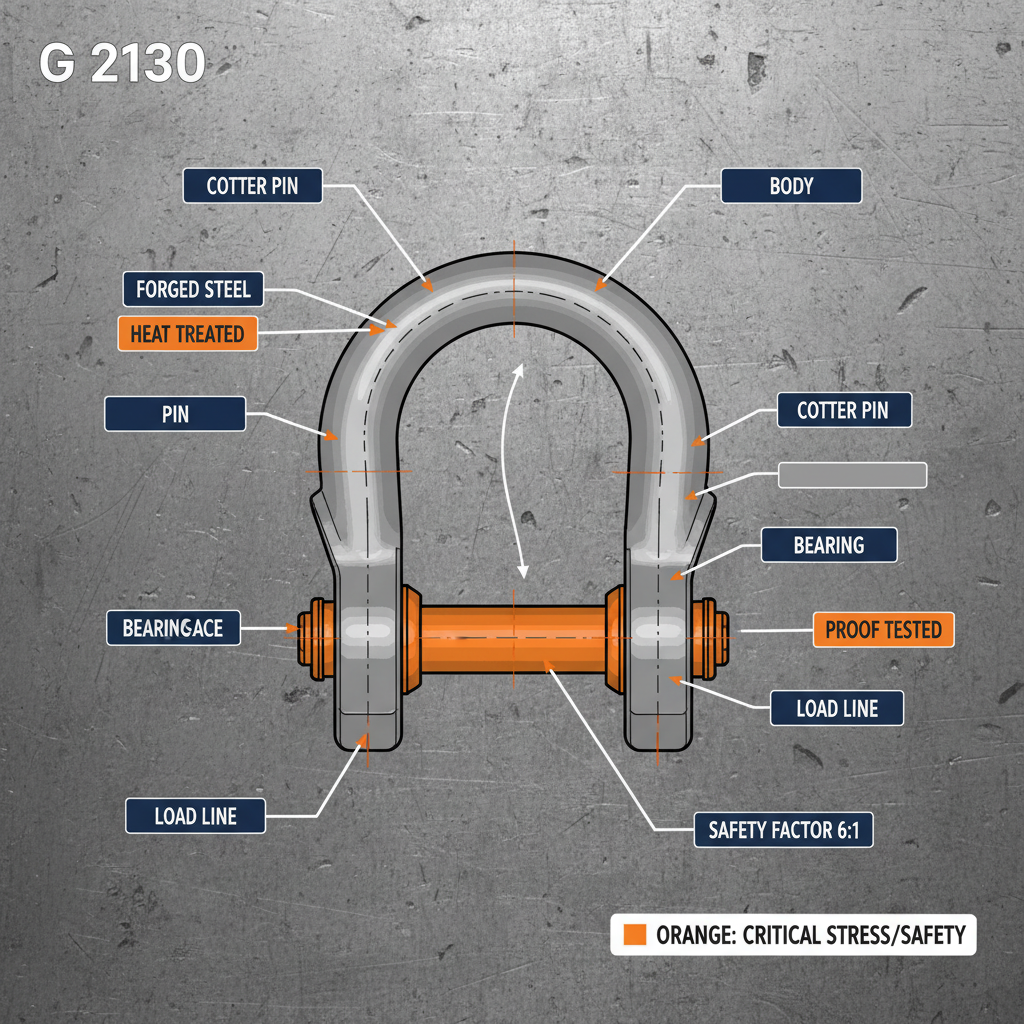
A g 2130 shackle is a U-shaped metal loop secured by a pin, designed to connect components, bear loads, and provide a temporary or semi-permanent fastening point. The ‘g 2130’ designation refers to a specific manufacturing standard, indicating the shackle has undergone rigorous testing to meet certain quality and performance benchmarks. These standards typically cover material composition, dimensional accuracy, and load capacity.
The significance of adhering to these standards cannot be overstated. In modern industry, particularly in sectors like oil and gas, aerospace, and construction, compliance with g 2130 – or equivalent – standards is often a legal requirement. It assures end-users that the shackle will perform as intended, minimizing risks and ensuring the safety of personnel and equipment.
Ultimately, the g 2130 shackle represents a commitment to quality and safety. It’s a tangible example of how precision engineering and adherence to industry standards translate into reliable performance and peace of mind. To find the ideal g 2130 shackle for your specific needs, consult with a qualified fastener specialist.
Core Characteristics of g 2130 Shackles
Durability is paramount. G 2130 shackles are typically forged from alloy steel, heat-treated to enhance strength and resistance to wear and tear. This ensures they can withstand repeated use in harsh environments without compromising structural integrity. Proper material selection is key to ensuring a long service life, even under demanding conditions.
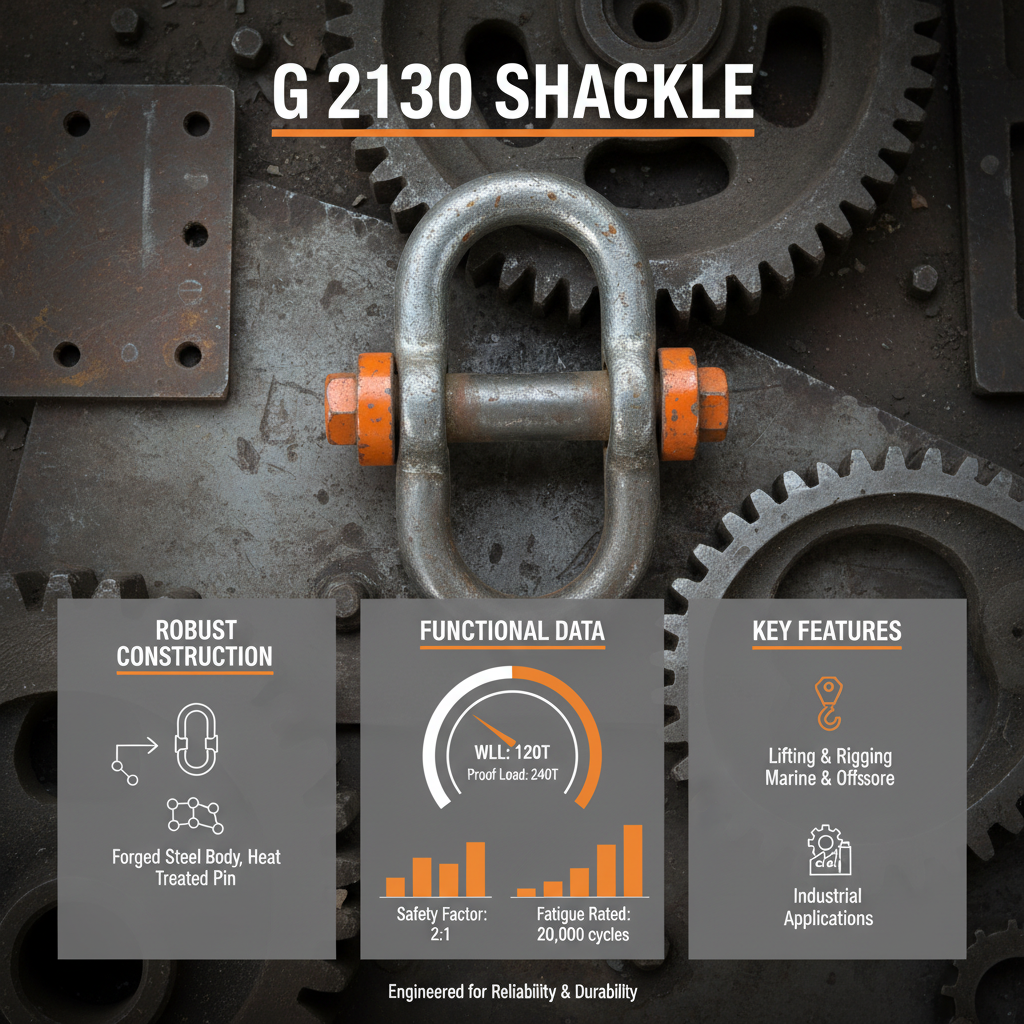
Load Capacity is a defining feature. The g 2130 standard specifies precise working load limits (WLL) for each shackle size and configuration. This WLL represents the maximum load the shackle can safely bear, and it’s critical that this limit is never exceeded. Understanding the WLL and appropriately selecting a shackle for the intended load is essential for preventing failures.
Corrosion Resistance is crucial, particularly in marine and outdoor applications. Many g 2130 shackles are available with protective coatings, such as galvanization or stainless steel construction, to resist rust and corrosion. This prolongs the shackle's lifespan and maintains its structural integrity in challenging environments.
Diverse Applications of the g 2130 Shackle
The versatility of the g 2130 shackle is evident in its widespread use across numerous industries. In the marine sector, they are essential for mooring, towing, and securing cargo on vessels. The robust design and high load capacity make them ideal for withstanding the harsh conditions of the open sea.
Construction projects frequently utilize g 2130 shackles for lifting and rigging materials, assembling structures, and securing scaffolding. Their reliability ensures worker safety and efficient project completion. From lifting steel beams to positioning pre-fabricated components, these shackles play a critical role in modern construction techniques.
Beyond these core industries, g 2130 shackles find applications in energy (wind turbine installation and maintenance), transportation (securing loads on trucks and railcars), and even entertainment (stage rigging and event production). The ability to safely and securely connect components makes them an indispensable tool in a wide range of applications.
g 2130 Shackle Performance Metrics
Advantages and Long-Term Value
Investing in high-quality g 2130 shackles delivers significant long-term value. Reduced downtime, minimized risk of accidents, and extended component lifespan contribute to substantial cost savings. The initial investment is quickly offset by the decreased need for replacements and repairs.
Beyond the economic benefits, there’s a strong ethical dimension. Utilizing certified shackles demonstrates a commitment to worker safety and responsible operations. This builds trust with stakeholders, enhances your company’s reputation, and promotes a culture of safety. Selecting a reliable g 2130 shackle is an investment in a sustainable and ethical future.
Global Applications and Use Cases
In post-disaster relief operations, g 2130 shackles are essential for securing temporary shelters, lifting debris, and transporting critical supplies. Their robust construction and reliability are vital in chaotic and demanding environments where failure is not an option. The speed and efficiency they provide are crucial in saving lives and minimizing suffering.
In remote industrial zones, such as oil rigs and mining operations, these shackles withstand harsh conditions and heavy loads. Ensuring the safe and secure operation of equipment and infrastructure is paramount, and g 2130 shackles are instrumental in achieving this. They provide a dependable connection point for cranes, winches, and other lifting devices.
Furthermore, within the renewable energy sector, especially in wind farm construction and maintenance, g 2130 shackles are utilized for lifting turbine components and securing structures. The increasing demand for clean energy sources directly translates into a growing need for robust and reliable fastening solutions.
Future Trends and Innovations
Advancements in material science are leading to the development of even stronger and lighter shackles. High-strength alloys and composite materials promise to increase load capacities while reducing weight, making them ideal for applications where weight is a critical factor.
Digital transformation is also impacting the shackle industry. Smart shackles equipped with sensors can monitor load, stress, and wear, providing real-time data to optimize performance and prevent failures. This predictive maintenance capability enhances safety and reduces downtime.
The growing emphasis on sustainability is driving demand for eco-friendly manufacturing processes and recyclable materials. Companies are actively seeking ways to reduce their environmental footprint and offer more sustainable shackle solutions, ensuring a greener future for the industry.
Key Performance Indicators for g 2130 Shackle Selection
| Material Composition |
Load Rating (Tonnes) |
Corrosion Protection Level |
Compliance Certification |
| Alloy Steel (Grade 70) |
5 |
Hot-Dip Galvanized |
g 2130 Certified |
| Stainless Steel (316) |
3 |
Passivated |
ISO 9001 Compliant |
| High-Tensile Alloy Steel |
10 |
Powder Coated |
ABS Approved |
| Carbon Steel |
2 |
Zinc Plated |
CE Marked |
| Duplex Stainless Steel |
7 |
Electropolished |
DNV Certified |
| Alloy Steel (Quenched & Tempered) |
6 |
Epoxy Coated |
Lloyd's Register Approved |
FAQS
A g 2130 shackle adheres to a specific set of manufacturing and testing standards, ensuring higher quality, greater strength, and traceability. Standard shackles may not meet these rigorous requirements, potentially compromising safety and reliability. A g 2130 shackle has undergone verification processes, often involving material composition analysis, dimensional checks, and load testing, to confirm its compliance. This certification provides assurance that the shackle will perform as expected under specified conditions.
The WLL is clearly marked on the shackle body. It's crucial never to exceed this limit. To determine the correct WLL, consider the total weight of the load being lifted, including the weight of the rigging equipment itself. It's also important to account for dynamic forces, such as those generated during lifting or towing. Consulting a rigging specialist can help ensure you select the appropriate shackle and rigging configuration for your specific application.
G 2130 shackles are commonly forged from alloy steel, offering a high strength-to-weight ratio. Stainless steel versions are also available for corrosive environments. The specific alloy used is critical, as it impacts the shackle’s strength, ductility, and resistance to wear. Always verify the material composition and ensure it’s appropriate for your application.
Regular inspection is vital. Before each use, visually inspect the shackle for signs of damage, such as cracks, deformation, or wear. Also, check the pin for proper seating and smooth operation. Periodically, conduct a more thorough inspection by a qualified person, including proof load testing if necessary. Document all inspections and remove any damaged shackles from service immediately.
The performance of g 2130 shackles can be affected by extreme temperatures. High temperatures can reduce the shackle's strength, while low temperatures can make it more brittle. Consult the manufacturer's specifications to determine the acceptable temperature range for your specific shackle. Using shackles outside of this range can compromise their integrity and safety.
You can source certified g 2130 shackles from reputable fastener suppliers and rigging equipment distributors. Ensure the supplier provides documentation verifying the shackle's compliance with the g 2130 standard. Look for certifications from recognized testing laboratories and quality control organizations. Choosing a trusted supplier is essential to guarantee you receive genuine and reliable products.
Conclusion
In conclusion, the g 2130 shackle represents more than just a metal component; it embodies a commitment to safety, reliability, and quality in critical applications across diverse industries. Its standardized manufacturing process, coupled with rigorous testing, ensures consistent performance and peace of mind for engineers, operators, and end-users. Understanding its characteristics and proper application is crucial for maximizing its benefits.
Looking ahead, continued advancements in materials and technology promise to further enhance the capabilities of g 2130 shackles, making them even more durable, efficient, and sustainable. Prioritizing quality and investing in certified shackles remains paramount for minimizing risks and upholding the highest standards of safety and performance. Explore our comprehensive range of fastening solutions today at www.ytbolt.com.




 English
  Bengali
  Bulgarian
  Catalan
  Czech
Czech  French
  German
  Hindi
Hindi  Hungarian
  Italian
  Kazakh
  Korean
  Portuguese
  Romanian
  Slovak
  Somali
  Spanish
  Turkish