1 x 36 anchor bolts are fundamental components in countless construction and engineering projects globally. Their robust design and reliable performance make them indispensable for securing structures against various forces, from wind and seismic activity to sheer weight and tensile stress. Understanding their specifications, applications, and limitations is crucial for ensuring safety, durability, and cost-effectiveness in building and infrastructure development.
The demand for high-quality 1 x 36 anchor bolts is consistently high, driven by the ongoing need for infrastructure improvements, new construction projects, and maintenance of existing structures. This demand spans across diverse sectors, including commercial buildings, industrial facilities, bridges, and residential developments. Ensuring a stable supply chain and adhering to stringent quality standards are vital for meeting these needs effectively.
As construction practices evolve towards more sustainable and efficient methods, the role of 1 x 36 anchor bolts continues to adapt. Innovations in materials and manufacturing processes are contributing to enhanced performance and reduced environmental impact, making them an integral part of modern building solutions. The proper selection and installation of these bolts are paramount to the long-term integrity of any project.
Introduction to 1 x 36 Anchor Bolts
1 x 36 anchor bolts, identified by their diameter and length respectively, represent a standardized solution for anchoring applications demanding substantial holding power. Their versatility extends to securing equipment, machinery, structural steel, and various components to concrete foundations. Precise dimensions and consistent material properties ensure reliable performance across diverse project requirements.
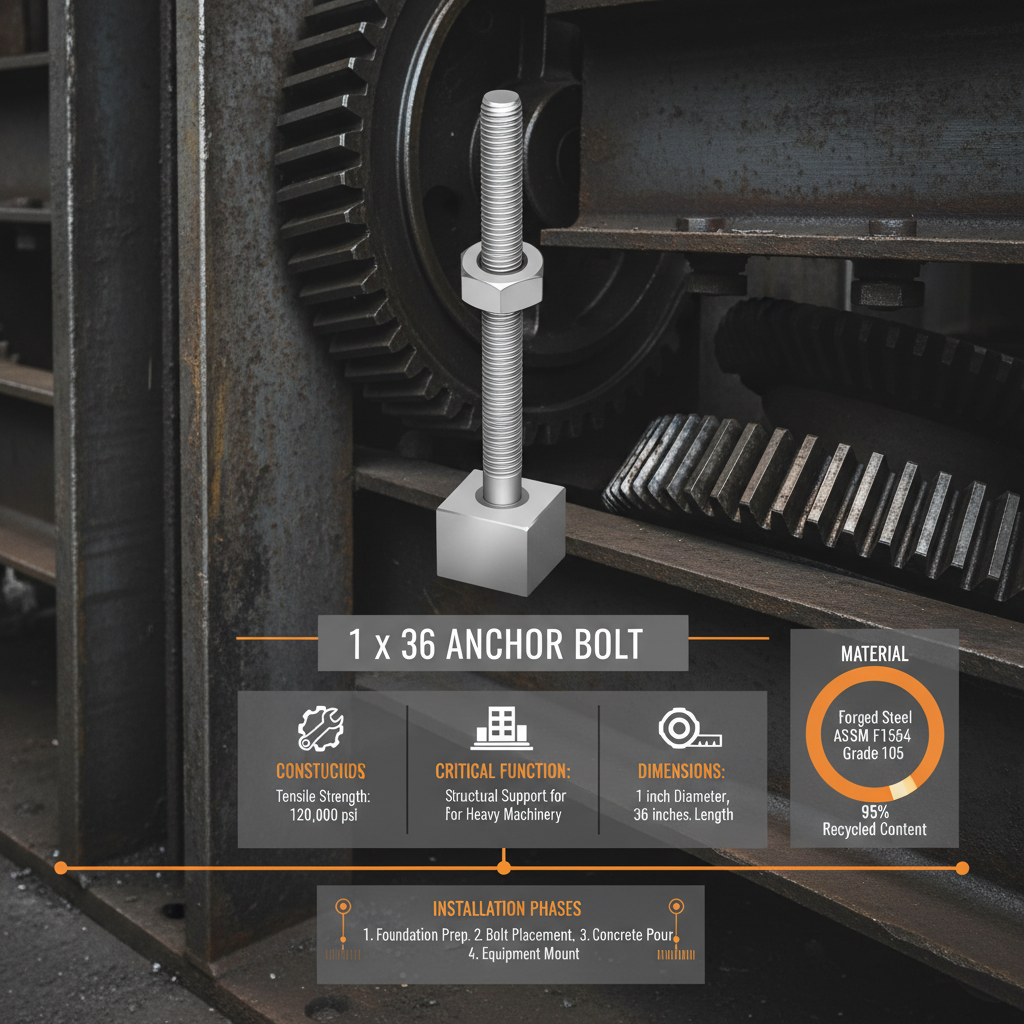
These anchor bolts are frequently utilized in scenarios where high load-bearing capacity is crucial. The '1 x 36' designation directly indicates a 1-inch diameter and a 36-inch length, simplifying the selection process for engineers and construction professionals. Selecting the correct anchor bolt size, material, and embedment depth is critical for achieving optimal stability and preventing structural failure.
Global Relevance and Industry Context
The construction industry is a significant contributor to global economic activity, accounting for approximately 6% of global GDP (source: UNCTAD). Within this sector, the demand for reliable fastening solutions like 1 x 36 anchor bolts is directly correlated with infrastructure development, particularly in rapidly urbanizing regions across Asia, Africa, and Latin America. This demand is fueled by population growth and the need for improved housing, transportation, and industrial facilities.
International standards organizations, such as the International Organization for Standardization (ISO), play a vital role in defining the quality and performance requirements for anchor bolts. Adherence to these standards – including material composition, tensile strength, and corrosion resistance – is crucial for ensuring product safety and longevity. Furthermore, building codes in many countries mandate the use of certified anchor bolts in critical structural applications.
A key challenge in the industry is the potential for counterfeit or substandard anchor bolts entering the supply chain. This poses a significant risk to structural integrity and can lead to catastrophic failures. Implementing robust quality control measures and sourcing from reputable manufacturers are essential to mitigate these risks and ensure the safety of construction projects globally.
Defining 1 x 36 Anchor Bolts
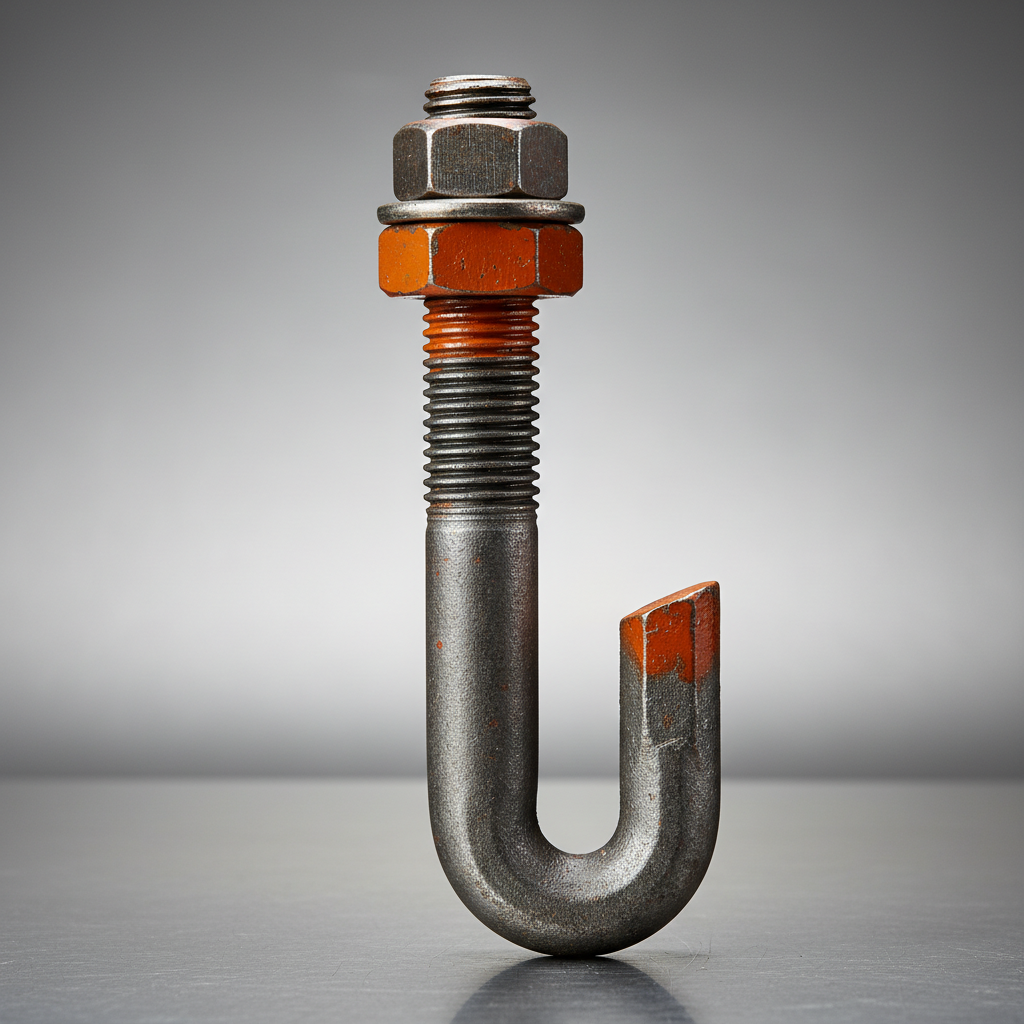
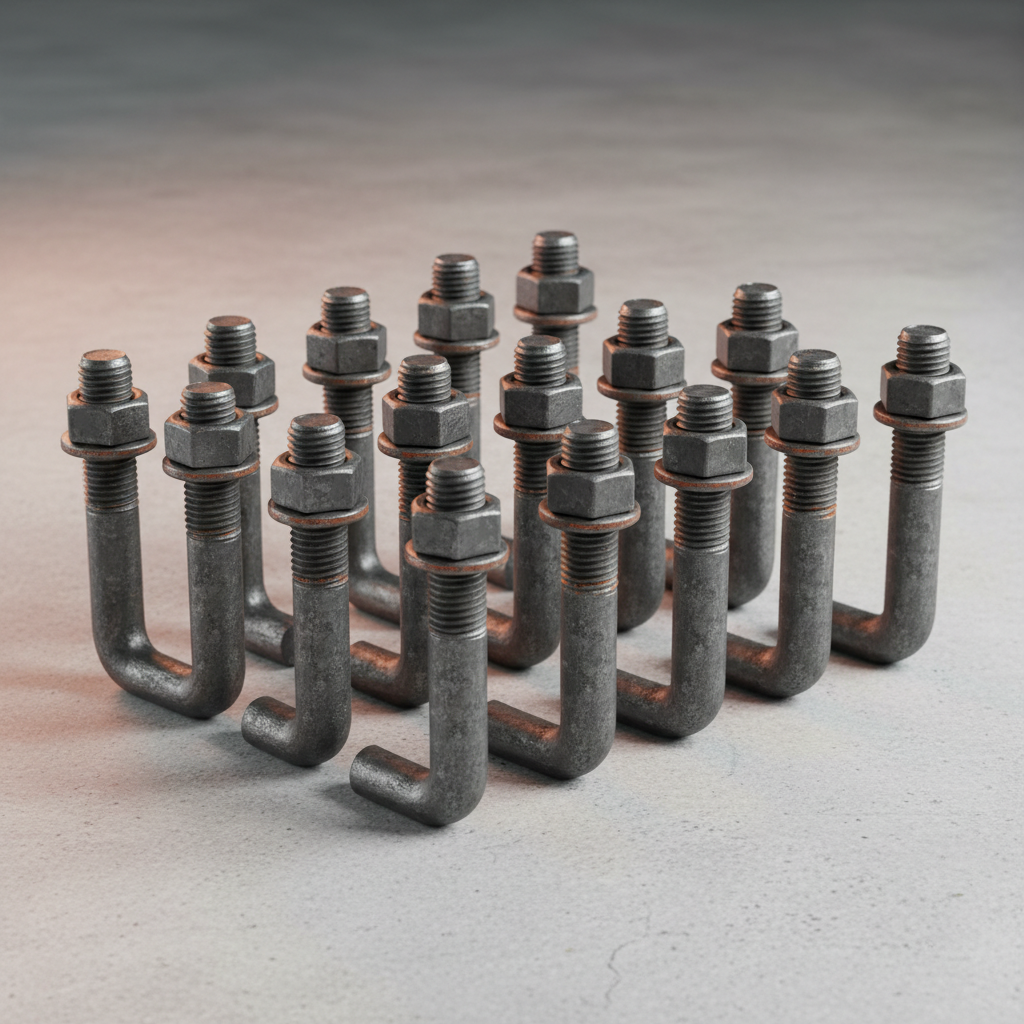
A 1 x 36 anchor bolt is a fastener designed to securely connect objects to concrete or masonry. It consists of a threaded body, typically made of high-strength steel, and an embedded portion that resists pull-out forces. The "1 x 36" specifically defines the diameter (1 inch) and length (36 inches) of the bolt, providing a standardized size for various applications.
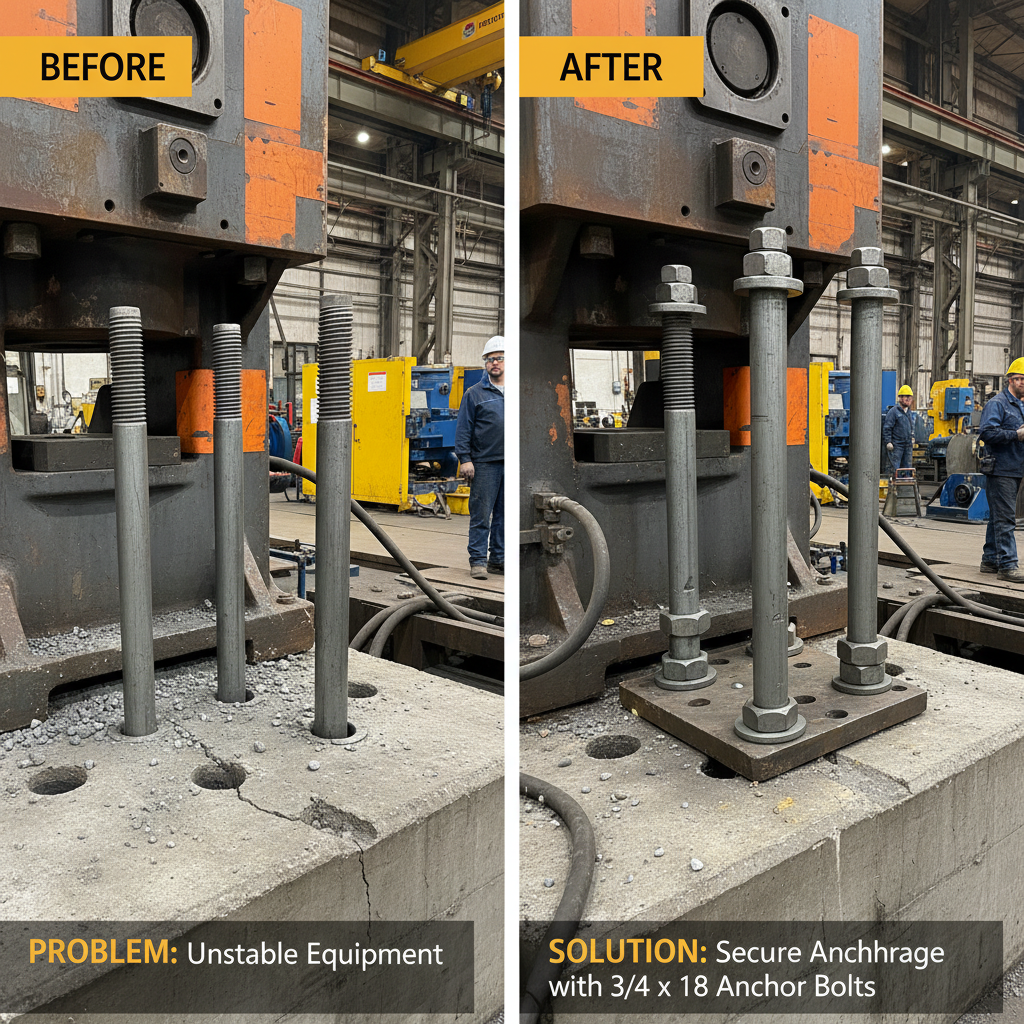
These anchor bolts play a critical role in modern construction and infrastructure, enabling the attachment of crucial components like structural steel, machinery bases, and safety barriers. Their design allows for substantial load transfer from the connected object to the concrete foundation, providing stability and preventing movement. Proper installation and adherence to engineering specifications are paramount for ensuring optimal performance.
In the context of humanitarian needs, 1 x 36 anchor bolts are essential for quickly establishing temporary shelters, securing field hospitals, and anchoring critical infrastructure during disaster relief efforts. Their robust construction and ease of installation make them an invaluable resource in emergency situations where speed and reliability are paramount.
Key Factors and Core Components
Durability: 1 x 36 anchor bolts are typically manufactured from high-strength carbon steel or stainless steel, offering exceptional resistance to corrosion, fatigue, and tensile stress. This durability ensures a long service life, even in harsh environmental conditions.
Load Capacity: The load-bearing capacity of a 1 x 36 anchor bolt is determined by several factors, including the concrete strength, embedment depth, and bolt material. Engineering calculations are crucial to ensure that the selected bolt can withstand the anticipated loads safely.
1 x 36 Anchor Bolt Performance Metrics
Global Applications and Use Cases
1 x 36 anchor bolts are extensively used in the construction of commercial buildings, particularly in securing structural steel frames, curtain walls, and mechanical equipment. They are also vital in industrial facilities for anchoring heavy machinery, conveyors, and storage systems to concrete floors.
In infrastructure projects, such as bridges and tunnels, 1 x 36 anchor bolts are critical for connecting different structural elements and providing stability against dynamic loads. Their high load capacity and corrosion resistance make them ideal for these demanding applications.
Advantages and Long-Term Value
Using 1 x 36 anchor bolts offers significant cost savings compared to alternative fastening methods, particularly in large-scale projects. Their standardized size and readily available supply contribute to reduced procurement costs and streamlined installation processes. Furthermore, their long service life minimizes the need for frequent replacements.
The reliability of 1 x 36 anchor bolts directly translates to increased safety and reduced risk of structural failure. Properly installed anchor bolts provide a secure and stable connection, protecting both personnel and property. This enhanced safety profile builds trust and confidence in the overall construction project.
Future Trends and Innovations
Ongoing research and development efforts are focused on improving the performance and sustainability of anchor bolts. This includes exploring new materials, such as fiber-reinforced polymers, and developing innovative coatings that enhance corrosion resistance. These advancements aim to reduce the environmental impact of anchor bolt production and extend their service life.
The integration of digital technologies, such as Building Information Modeling (BIM), is streamlining the design and installation of anchor bolts. BIM allows engineers to accurately model the placement and performance of anchor bolts, minimizing errors and optimizing structural integrity. Automation in manufacturing processes is also increasing efficiency and reducing production costs.
The increasing demand for sustainable construction practices is driving the development of eco-friendly anchor bolt solutions. This includes utilizing recycled materials and designing anchor bolts that can be easily disassembled and reused at the end of their service life, contributing to a circular economy.
FAQS
The maximum load capacity varies greatly depending on concrete strength, embedment depth, edge distance, and bolt material. Generally, a 1 x 36 anchor bolt in standard concrete (3000 psi) can withstand tensile loads of several thousand pounds and shear loads exceeding that. However, a structural engineer should always perform calculations based on project-specific requirements to ensure safe loading.
Corrosion is a significant concern in marine environments. To prevent it, use stainless steel (316 grade is recommended) or galvanized 1 x 36 anchor bolts. Applying a protective coating, such as epoxy or a specialized marine coating, can further enhance corrosion resistance. Proper installation to avoid crevices where water can accumulate is also crucial.
The recommended embedment depth for a 1 x 36 anchor bolt typically ranges from 5 to 8 bolt diameters. Therefore, for a 1-inch diameter bolt, an embedment depth of 5-8 inches is common. However, this can vary depending on the load requirements, concrete strength, and building codes. Consult engineering specifications for the precise embedment depth needed for your specific application.
Spacing between 1 x 36 anchor bolts is critical to prevent concrete cracking and ensure adequate load distribution. The minimum spacing is usually specified in building codes and engineering drawings. Typically, the spacing should be at least 6 bolt diameters (6 inches in this case) center-to-center, and at least 3 bolt diameters from the edge of the concrete. Follow the guidance of a qualified structural engineer.
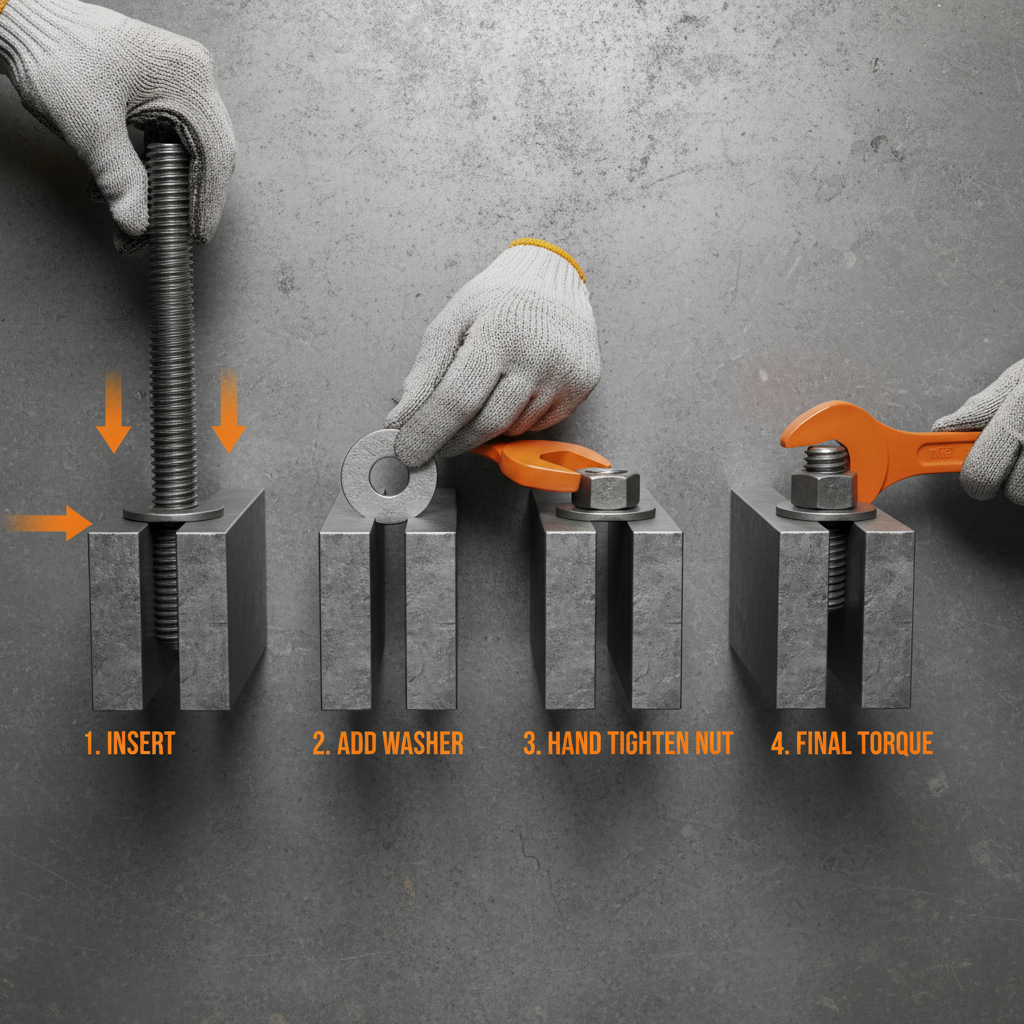
Proper installation requires specific tools, including a rotary hammer drill with a carbide-tipped drill bit matching the bolt diameter, a vacuum to remove dust from the drilled hole, a setting tool compatible with the anchor bolt type, and a torque wrench to tighten the bolt to the specified torque. Using the correct tools ensures a secure and reliable installation.
Generally, it is not recommended to reuse a 1 x 36 anchor bolt after it has been removed. The threading may be damaged during removal, and the bolt may have lost some of its strength. Reusing a bolt compromises its load-bearing capacity and could lead to structural failure. It's best to use a new anchor bolt for each application to guarantee safety and reliability.
Conclusion
1 x 36 anchor bolts remain a cornerstone of modern construction and infrastructure, offering a reliable and cost-effective solution for securing structures against a wide range of forces. Their durability, high load capacity, and adaptability to diverse applications make them essential components in countless projects worldwide. Understanding their specifications, proper installation techniques, and emerging innovations is crucial for engineers, contractors, and building professionals.
Looking ahead, advancements in materials, digital technologies, and sustainable practices will continue to shape the evolution of 1 x 36 anchor bolts. By embracing these innovations and prioritizing quality control, the industry can ensure the long-term safety, reliability, and environmental responsibility of construction projects for generations to come. For high-quality 1 x 36 anchor bolts, visit our website: www.ytbolt.com




 English
  Bengali
  Bulgarian
  Catalan
  Czech
Czech  French
  German
  Hindi
Hindi  Hungarian
  Italian
  Kazakh
  Korean
  Portuguese
  Romanian
  Slovak
  Somali
  Spanish
  Turkish