You know, lately everyone's talking about prefabrication. It’s all the rage. Seems like every project I visit, someone's pushing modular construction or off-site fabrication. It’s good, I guess, speeds things up, cuts down on waste. But honestly, it puts a lot more pressure on getting the foundations right. And that's where stainless steel anchor bolts come in. You get one bad batch, one slightly undersized bolt…forget about it. The whole thing starts to wobble.
And the funny thing is, folks get so caught up in the fancy stuff – the BIM models, the robotic arms – they forget the basics. They specify these super-high-strength bolts without thinking about how a guy in a hard hat is actually going to install them. I encountered this at a data center build in Ohio last time. They went with some exotic alloy, claimed it was corrosion-resistant…but the poor fella couldn't even get the torque wrench on it properly.
See, it’s not just about the material grade. It’s about feel. A good stainless steel anchor bolt, you pick it up, it’s got a weight to it. Smells…clean, almost metallic, not like those cheap carbon steel ones that reek of oil. The 316 stainless is my go-to for coastal stuff, the extra molybdenum makes a difference. But honestly, even with 316, you gotta watch for pitting corrosion if you're near saltwater spray. And don’t even get me started on duplex stainless… that stuff requires a whole different skillset to weld.
The Current Landscape of Stainless Steel Anchor Bolts
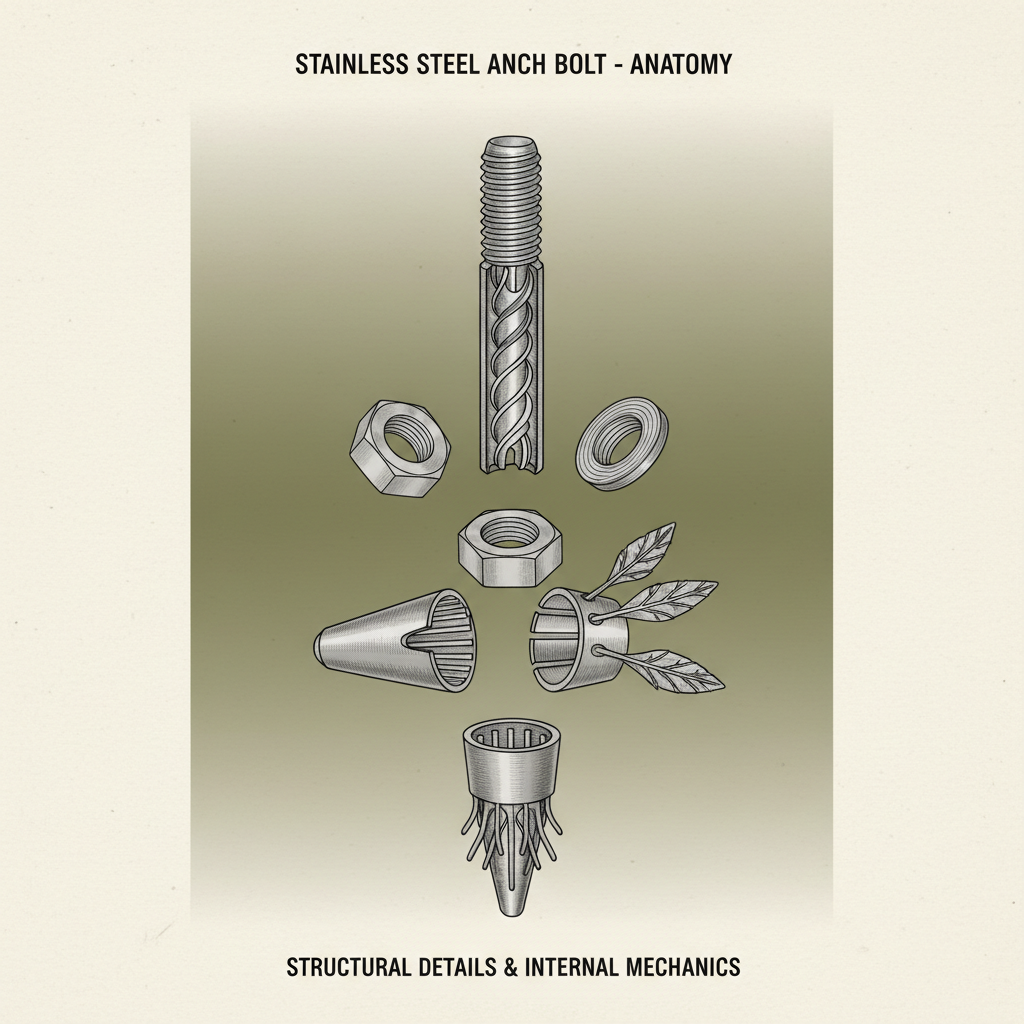
To be honest, the demand for stainless is up, way up. Not just because of corrosion resistance, but also because building codes are getting stricter. Everyone wants that extra safety factor. I've noticed a lot more folks are moving towards heavier-duty, wedge-type anchors – especially for critical applications like attaching facade panels. But strangely, there's still a lot of resistance to the price. Everyone's looking for the cheapest option, and that's where corners get cut.
It’s a constant battle between cost and long-term durability. You explain to them, "Look, spending a few extra bucks now on quality stainless steel anchor bolts will save you a fortune in repairs and potential disasters later.” Sometimes it sinks in, sometimes…not so much.
Design Pitfalls and Common Mistakes
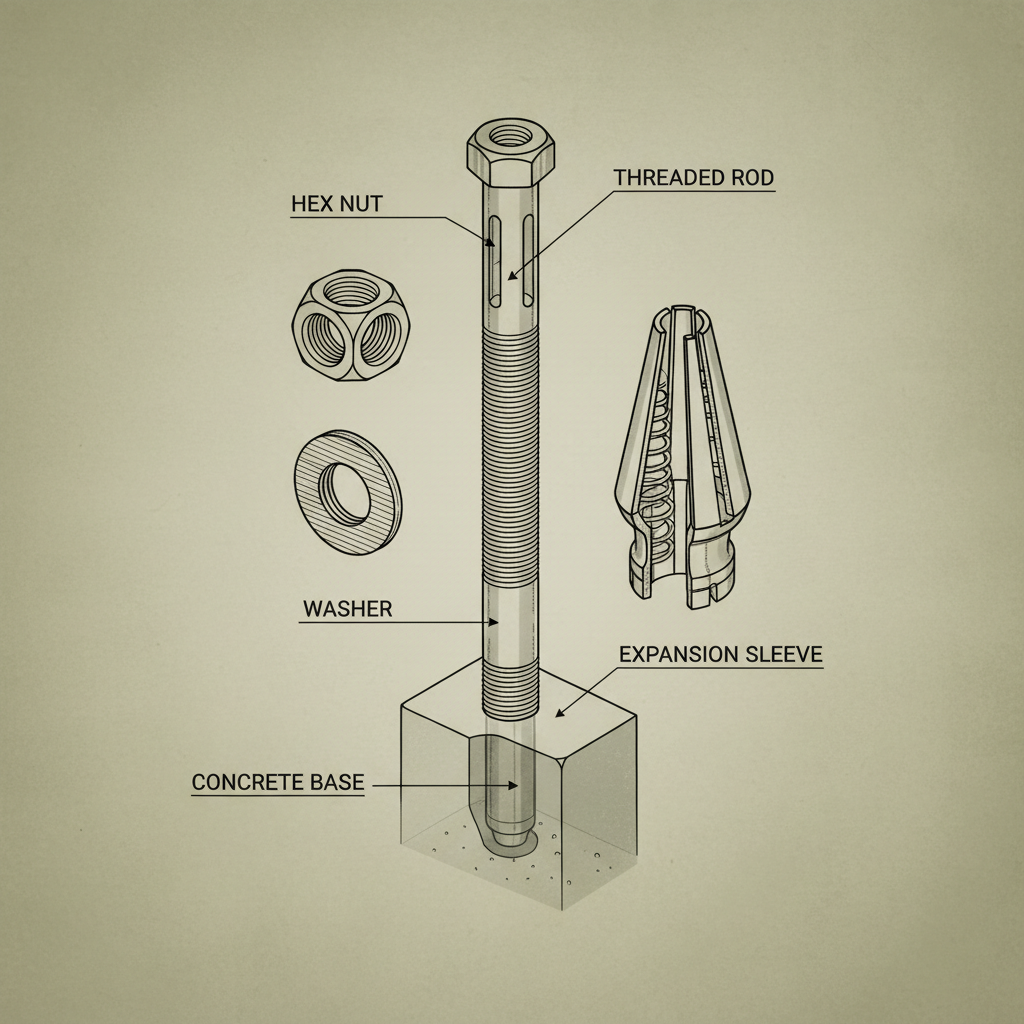
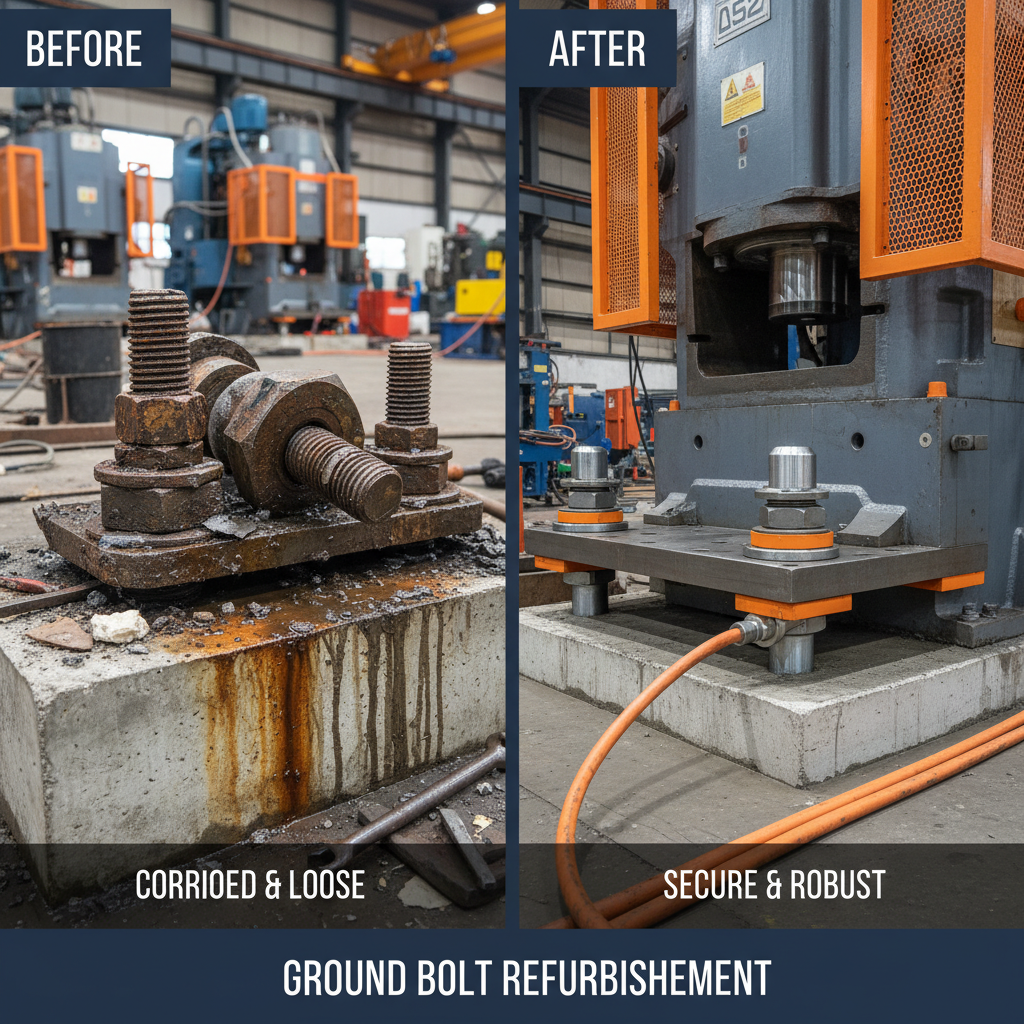
Have you noticed how architects love to specify these really tight tolerances? Like, down to the millimeter. And then they wonder why the installation crew is cursing under their breath. Stainless doesn’t always play nice with differing metal compositions, either. Galvanic corrosion is a real thing. You gotta use compatible washers and sleeves.
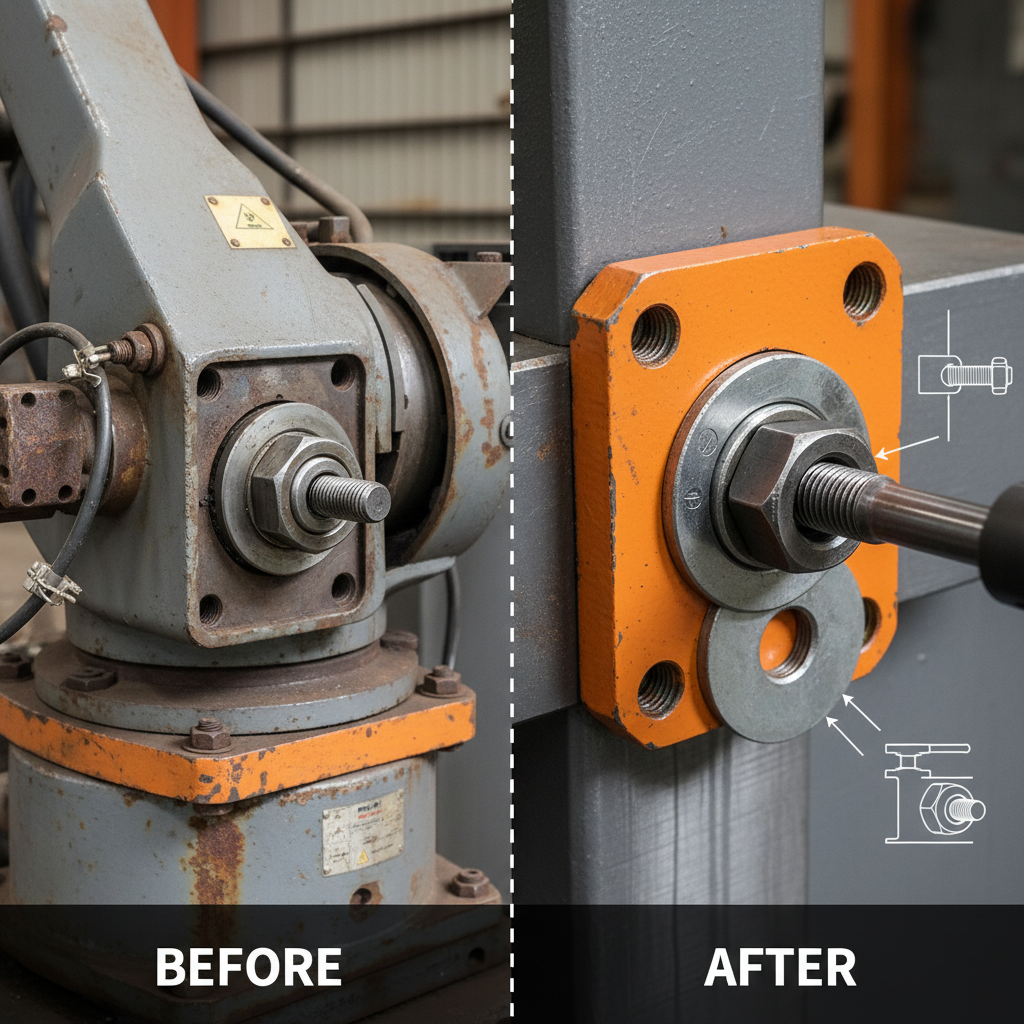
And the worst? Over-torquing. I see it all the time. Guys just crank it down as hard as they can, thinking it’s making it more secure. But you can strip the threads, damage the anchor, and weaken the whole connection. It's all about knowing the correct torque spec and using a calibrated wrench.
Another one… underestimating the load. They calculate the weight of the component, but they forget about wind loads, seismic activity, dynamic forces. It’s a recipe for disaster.
Material Selection: Beyond the Grade
Look, 304 stainless is fine for a lot of applications. But 316? That’s your workhorse for coastal environments and anything exposed to chlorides. The molybdenum really makes a difference. But even then, you need to consider the finish. A smooth, polished finish is less susceptible to corrosion than a rough, mill finish.
And don’t even think about using stainless in contact with carbon steel without some sort of isolation. I encountered that at a wastewater treatment plant once. Total mess. The stainless was eaten alive by galvanic corrosion in less than a year. Anyway, I think understanding the metallurgy is crucial. You can’t just pick a grade based on the price.
There’s also the whole duplex stainless thing. Higher strength, better corrosion resistance…but it's a pain to work with. It requires specialized welding techniques and post-weld heat treatment. It’s not something you want to tackle unless you absolutely have to.
Real-World Testing and Performance
Forget the lab tests. Those are great for getting a baseline, but they don't tell you how the bolts will perform in the real world. I prefer to see pull-out tests done on-site, using the actual materials and installation methods. That’s the only way you know for sure.
We had a big project last year, a high-rise condo. The engineer wanted to use a new type of adhesive anchor. Sounded good on paper. But when we did the pull-out tests, the bolts were failing at half the specified load. Ended up going back to good old-fashioned mechanical anchors. Lesson learned.
Stainless Steel Anchor Bolt Performance Metrics
How Users Actually Employ Stainless Steel Anchor Bolts
You know, it’s funny. Engineers will design these beautiful, complex systems, but the guys on the ground…they often find simpler ways to do things. I’ve seen guys use stainless bolts as makeshift shims, as temporary bracing, even as weights to hold things in place. It's not always what they're supposed to be used for, but it gets the job done.
And let me tell you, the amount of stainless that ends up lost or stolen on a job site is unbelievable. It's like shiny things just attract trouble.
Advantages, Disadvantages, and Customization
The biggest advantage? Corrosion resistance, obviously. And the strength, the durability. You can leave stainless steel out in the elements for years, and it won’t rust or degrade. But it’s expensive. Significantly more expensive than carbon steel. And it can be harder to work with, requires more skill and care.
Customization? Sure, you can get stainless bolts in any length, diameter, and thread pitch you need. I had a client last month who needed a batch of bolts with a special coating to reduce friction during installation. They were building a massive solar array, and every little bit of efficiency counted.
Case Study: The Shenzhen Smart Home Saga
Last month, that small boss in Shenzhen who makes smart home devices insisted on changing the interface to , and the result was…well, a nightmare. He wanted to use smaller stainless steel anchor bolts to mount the control panels, thinking it would give his products a “premium” look. He ordered them from some online supplier, didn’t bother with any testing. Turns out, the bolts were made of some cheap, inferior alloy. Within a week, the panels were falling off the walls. He lost a huge order, almost went bankrupt.
He came crawling to me, asking for help. I told him, "You get what you pay for." Spent a whole weekend helping him source proper stainless steel anchor bolts, supervised the installation. He learned his lesson.
It just goes to show you, it's not always about the fancy features or the sleek design. It’s about the fundamentals.
Summary of Critical Factors for Stainless Steel Anchor Bolt Performance
| Material Grade |
Installation Torque |
Environmental Exposure |
Load Capacity |
| 304 Stainless |
25-30 Nm |
Indoor, Dry |
Medium (5-7 kN) |
| 316 Stainless |
30-35 Nm |
Coastal, Marine |
High (8-10 kN) |
| Duplex Stainless |
40-45 Nm |
Highly Corrosive |
Very High (10+ kN) |
| A4 Stainless |
20-25Nm |
Chemical Processing |
Medium (6-8kN) |
| A2 Stainless |
20-25Nm |
General Purpose |
Low (4-6kN) |
| Custom Alloy |
Variable |
Specific Application |
Application Dependent |
FAQS
316 stainless contains molybdenum, which significantly increases its corrosion resistance, particularly against chlorides like saltwater. 304 is good for general indoor and outdoor use, but 316 is the way to go for coastal environments, chemical plants, or anywhere exposed to harsh conditions. It will ultimately save you a lot of headaches. Just remember, it also costs a bit more.
Galvanic corrosion happens when dissimilar metals come into contact in the presence of an electrolyte (like moisture). The easiest way to prevent it is to use insulating washers and sleeves between the stainless steel bolts and other metals. You can also apply a protective coating to the other metal. Don’t mix stainless and aluminum unless you absolutely have to. That's just asking for trouble.
Torque specs vary depending on the bolt size, material, and application. Always refer to the manufacturer's recommendations. Over-torquing can strip the threads and weaken the connection, while under-torquing can lead to loosening. Use a calibrated torque wrench to ensure you’re applying the correct amount of force. Trust me, it’s worth the investment.
Yes, but you need to use a high-quality stainless steel like 316. De-icing salts are highly corrosive, and they can quickly degrade standard stainless steel. Also, make sure the concrete is properly sealed to prevent the salts from penetrating. It's a tough environment, so you need to be extra careful.
Store them in a dry, well-ventilated area, away from direct sunlight and moisture. If you’re storing them outdoors, cover them with a waterproof tarp. Avoid storing them in contact with carbon steel or other dissimilar metals. And honestly, don’t leave them sitting in a pile on the ground, that's just asking for trouble.
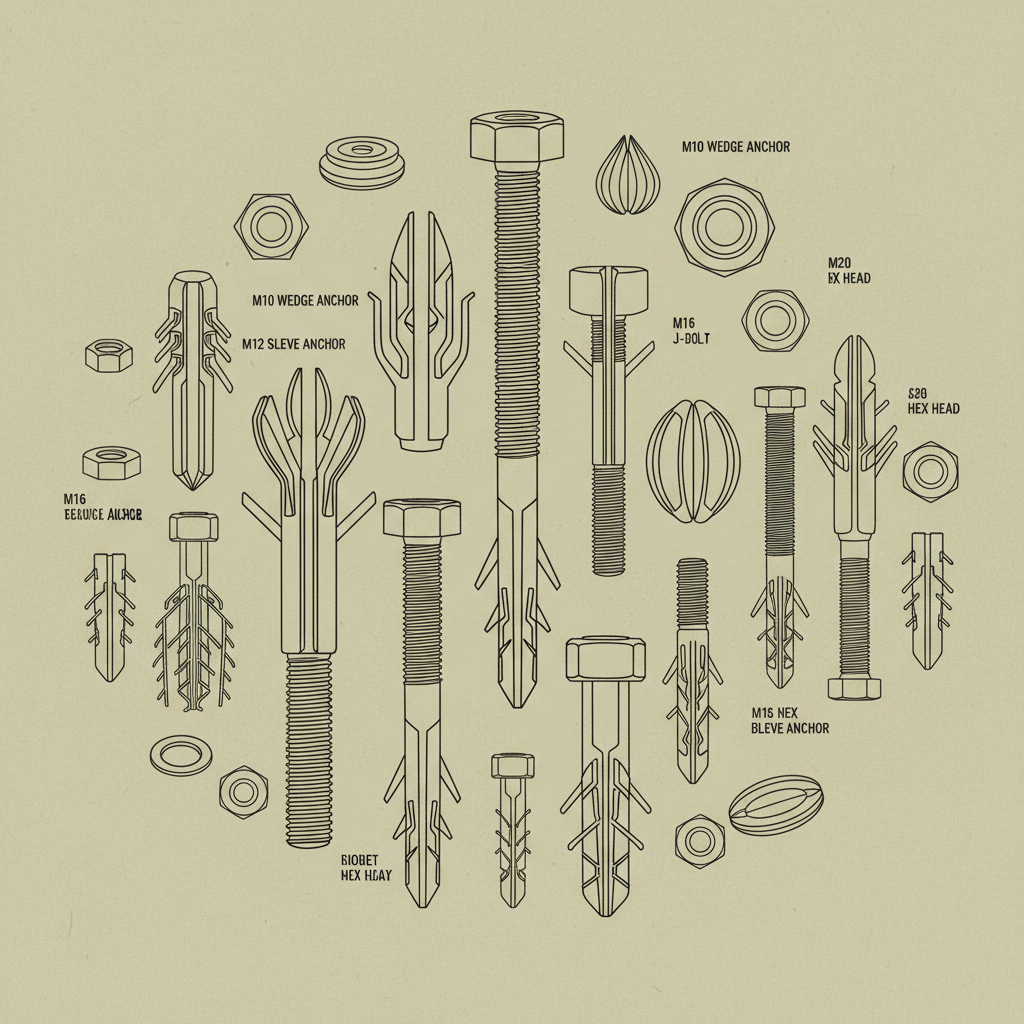
Absolutely. You’ve got hex heads, flat heads, round heads, button heads… the list goes on. The best head style depends on your application. Flat heads are good for flush mounting, hex heads are easy to tighten, and button heads are more aesthetically pleasing. Don't underestimate the importance of choosing the right head style. It can make a big difference in the final look and functionality.
Conclusion
Ultimately, stainless steel anchor bolts aren't glamorous. They’re the unsung heroes of any construction project. They hold everything together, quietly and reliably. Choosing the right grade, installing them correctly, and protecting them from corrosion are all crucial for long-term durability and safety.
And frankly, whether this thing works or not, the worker will know the moment he tightens the screw. That’s the real test. If it feels solid, if it holds, then you’ve done your job right. If not… well, you'll hear about it.




 English
  Bengali
  Bulgarian
  Catalan
  Czech
Czech  French
  German
  Hindi
Hindi  Hungarian
  Italian
  Kazakh
  Korean
  Portuguese
  Romanian
  Slovak
  Somali
  Spanish
  Turkish