


Sep . 23, 2025 12:00 Back to list
Durable Zinc Plated Flat Washers | DIN 125 & 9021 Standards
Understanding the Critical Role of Zinc Plated Flat Washers in Industrial Applications
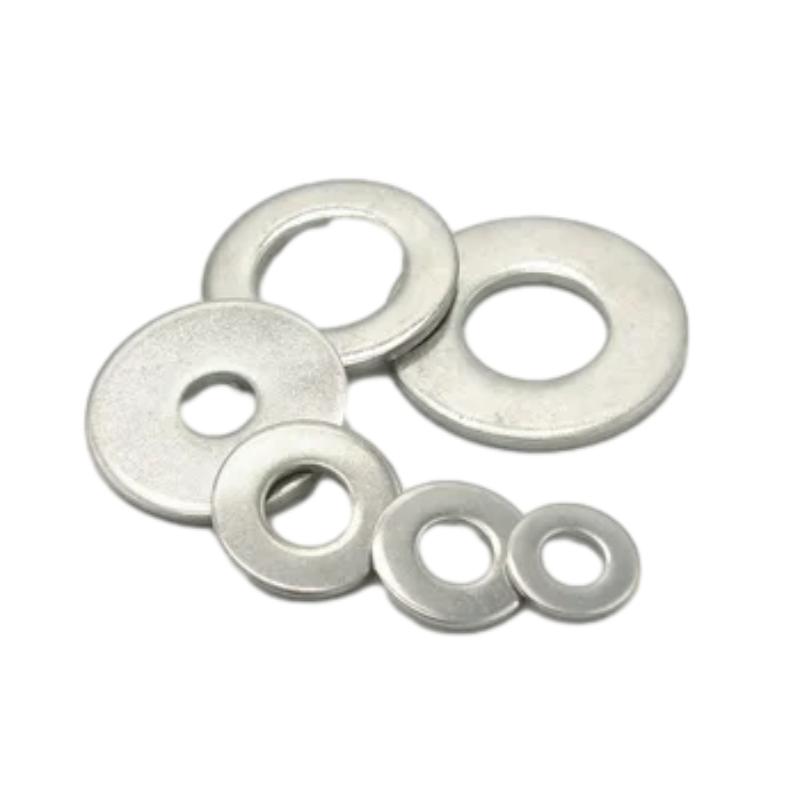
In the realm of industrial fastening, the integrity and longevity of connections are paramount. A seemingly simple component, the zinc plated flat washer, plays an extraordinarily vital role in ensuring structural stability and resistance against environmental degradation. These washers are engineered to distribute the load of a threaded fastener, such as a bolt or screw, over a larger area, thereby preventing damage to the mating surface and enhancing the clamping force. Specifically, our Factory Price Carbon Steel DIN125 White Zinc Plated Grade 4.8 Flat Washer embodies a commitment to high performance, offering superior corrosion resistance and mechanical strength crucial for demanding B2B applications. This comprehensive overview delves into the technical facets, applications, and strategic advantages of these essential fasteners, designed to meet the rigorous demands of modern industry.
The selection of the appropriate washer is not merely an afterthought; it is a critical engineering decision that impacts the reliability and safety of an entire assembly. With a focus on products like the zinc plated flat washer, we aim to provide insights into their manufacturing excellence, adherence to international standards like DIN 125, and their indispensable contributions across a spectrum of industrial sectors, from petrochemical to construction.
Industry Trends in Fastener Technology and Zinc Plating
The fastener industry is continuously evolving, driven by demands for increased performance, sustainability, and cost-efficiency. Current trends indicate a significant shift towards materials and coatings that offer enhanced corrosion resistance and longer service life, particularly in challenging environments. The adoption of washer zinc plated solutions is a prime example of this trend, moving beyond basic protection to offer advanced sacrificial protection against rust and wear. There's a growing emphasis on precision manufacturing, ensuring that components like the `din 125 flat washer dimensions` adhere to stringent tolerances for optimal fit and function.
Furthermore, the integration of smart manufacturing processes, including automated inspection and quality control, is becoming standard practice. This ensures consistent product quality for components such as the zinc plated flat washer. The demand for specialized fasteners like the `1 4 x 1 1 4 fender washer` and `3 16 fender washer` with specific dimensions and applications underscores the need for diverse inventories and custom manufacturing capabilities. Sustainability is also a key driver, with manufacturers exploring more environmentally friendly plating processes and materials to reduce their ecological footprint while maintaining high performance standards. The trend points towards fasteners that are not just strong and durable but also intelligent in their design and application, contributing to overall system efficiency and reduced maintenance.
The Meticulous Manufacturing Process of Zinc Plated Flat Washers
The production of a high-quality zinc plated flat washer is a multi-stage process, meticulously engineered to ensure compliance with international standards and superior performance. Our Factory Price Carbon Steel DIN125 White Zinc Plated Grade 4.8 Flat Washer is a testament to precision manufacturing, starting from raw material selection to final inspection.
Process Flow Overview:
- Material Selection: High-grade carbon steel, typically Grade 4.8, is chosen for its excellent strength-to-cost ratio. This material provides the necessary mechanical properties to withstand significant clamping forces and distribute loads effectively, meeting specifications for a robust din flat washer.
- Blanking/Stamping: Precision presses cut the raw steel into circular blanks according to specific `din 125 washer dimensions`. Advanced tooling ensures minimal material waste and high dimensional accuracy.
- Deburring and Cleaning: Edges are meticulously deburred to remove any sharp burrs or imperfections that could compromise the washer's function or coating adhesion. The washers then undergo thorough cleaning to remove oils, dirt, and oxides, preparing them for plating.
- Heat Treatment (Optional but common for Grade 4.8): Depending on desired mechanical properties, some carbon steel washers undergo heat treatment processes like quenching and tempering to achieve specific hardness and ductility, enhancing overall durability.
- Zinc Plating (White Zinc): The cleaned washers are subjected to an electroplating process where a thin layer of zinc is applied. White zinc plating provides excellent sacrificial corrosion protection; the zinc layer corrodes preferentially to the steel substrate, protecting the base metal from rust. This process is crucial for producing resilient zinc washers.
- Passivation: Post-plating, the washers undergo passivation (e.g., clear trivalent chromium conversion coating for white zinc). This step enhances the corrosion resistance of the zinc layer itself, preventing "white rust" and further extending the washer's service life.
- Quality Control & Testing: Each batch undergoes rigorous testing to ensure adherence to standards such as ISO 9001 for quality management and relevant product standards like DIN 125, ANSI B18.21.1, and JIS B1256. Tests include dimensional checks (e.g., outer diameter, inner diameter, thickness), coating thickness measurement, adhesion tests, and salt spray tests for corrosion resistance.
- Packaging: Finally, the washers are packaged securely to prevent damage during transit, ready for distribution to target industries.
Target Industries and Advantages:
Our zinc plated flat washer products find extensive application across critical sectors, including:
- Petrochemical: Demanding environments requiring corrosion resistance.
- Metallurgy: Heavy-duty applications where robust fastening is essential.
- Water Supply & Drainage: Exposure to moisture necessitates superior anti-corrosion properties.
- Automotive: For structural components requiring vibration resistance and durability.
- Construction: General fastening where load distribution and longevity are key.
- Machinery & Equipment Manufacturing: Ensuring the stable operation of complex assemblies.
The primary advantages delivered by these washers in typical scenarios include enhanced corrosion resistance, which reduces maintenance and replacement costs (contributing to energy saving indirectly through extended operational periods), and superior load distribution, preventing loosening of fasteners due to vibration or thermal expansion.
Technical Specifications and Performance Parameters
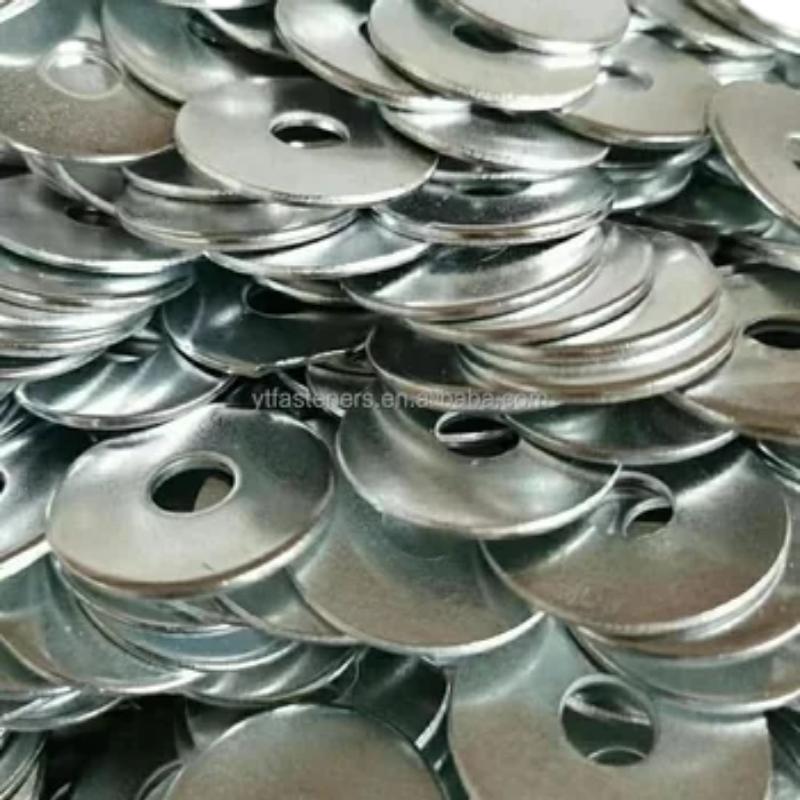
Understanding the technical specifications of a zinc plated flat washer is critical for engineers and procurement specialists. Our Factory Price Carbon Steel DIN125 White Zinc Plated Grade 4.8 Flat Washer adheres to the rigorous DIN 125 standard, ensuring consistent quality and interoperability. Below is a detailed table outlining key specifications for this product, along with a comparison to other common `din flat washer` standards like DIN 9021.
Product Specification Table: DIN 125 White Zinc Plated Grade 4.8 Flat Washer
| Characteristic | Specification / Value |
|---|---|
| Product Name | Factory Price Carbon Steel DIN125 White Zinc Plated Grade 4.8 Flat Washer |
| Standard | DIN 125 A/B (or ISO 7089/7090 equivalent) |
| Material | Carbon Steel (e.g., C1008, C1010) |
| Property Class / Grade | Grade 4.8 (Equivalent to 200 HV hardness for DIN 125 A) |
| Surface Treatment | White Zinc Plated (Electroplated, Trivalent Chromium Passivation) |
| Corrosion Resistance | >48 hours neutral salt spray (NSS) to white rust (Typical for White Zinc) |
| Hardness (HV) | Typically 140 - 250 HV (for DIN 125 A, depending on specific material) |
| Dimensional Tolerance | Conforms to DIN 125 A/B (e.g., specific tolerances for inner/outer diameter, thickness) |
Dimensional Comparison: DIN 125 vs. DIN 9021 Flat Washers
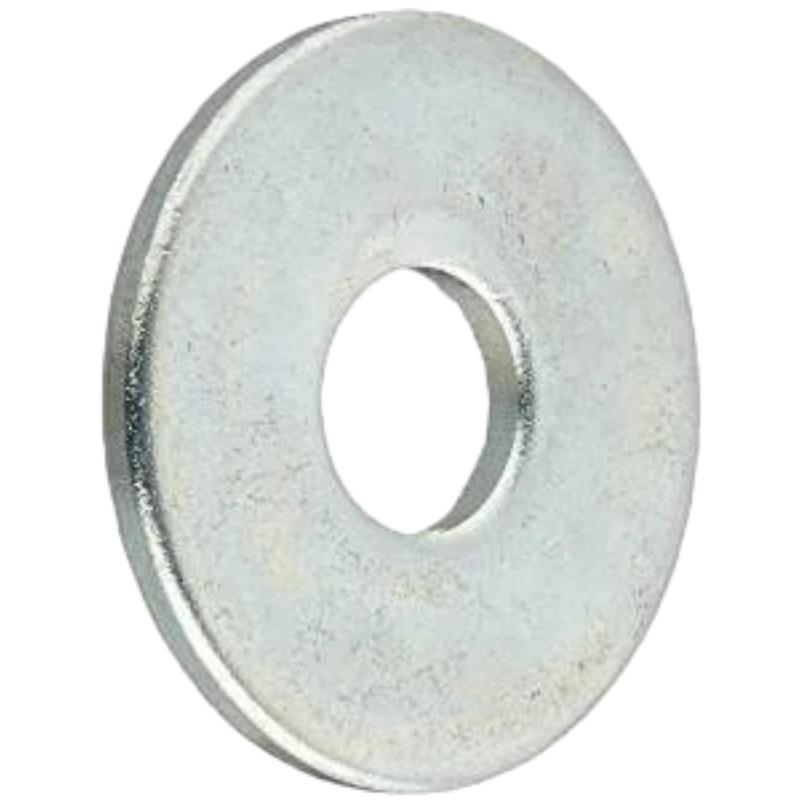
While `din 125 washer dimensions` are standard for many applications, it's important to recognize variants like the `din 9021 washer dimensions` (fender washers) which offer a significantly larger outer diameter for greater load distribution on softer or thinner materials. Understanding these differences is key to proper fastener selection, particularly when considering specialized requirements such as a `1 4 x 1 1 4 fender washer` or `3 16 fender washer`.
| Nominal Thread Size (M) | DIN 125 A (ID x OD x T) mm | DIN 9021 (ID x OD x T) mm | Key Application Difference |
|---|---|---|---|
| M4 | 4.3 x 9 x 0.8 | 4.3 x 12 x 1.0 | DIN 9021 offers ~33% larger OD for M4 |
| M6 | 6.4 x 12 x 1.6 | 6.4 x 18 x 1.6 | DIN 9021 offers 50% larger OD for M6 |
| M8 | 8.4 x 16 x 1.6 | 8.4 x 24 x 2.0 | DIN 9021 offers 50% larger OD for M8 |
| M10 | 10.5 x 20 x 2.0 | 10.5 x 30 x 2.5 | DIN 9021 offers 50% larger OD for M10 |
The `washer zinc plated` DIN 125 type is typically used where standard load distribution is sufficient and space is a consideration, offering a balance of protection and compact design. The larger `din 9021 washer dimensions` are ideal for applications involving softer materials (e.g., wood, plastic) or thin sheet metal, where a larger bearing surface is required to prevent pull-through or deformation. Both types benefit from the corrosion resistance of zinc plating.
Versatile Application Scenarios Across Key Industries
The utility of a zinc plated flat washer extends across an incredibly diverse range of industrial and commercial applications, underlining its status as a fundamental fastening component. Its primary function—to distribute the load of a threaded fastener and provide a smooth bearing surface—is enhanced by the corrosion resistance offered by the zinc plating, making it suitable for both indoor and moderately harsh outdoor environments.
- Automotive Assembly: In vehicle manufacturing, from chassis components to interior fixtures, `zinc washers` are used extensively to secure bolts and nuts, mitigating vibrational loosening and distributing stress points. Their corrosion resistance is vital for components exposed to road salts, moisture, and temperature fluctuations.
- Construction and Infrastructure: From securing structural steel elements in buildings to fastening components in bridges and public infrastructure, the zinc plated flat washer prevents embedding and ensures the longevity of connections. It's particularly prevalent in non-critical structural applications and exterior elements where atmospheric corrosion is a concern.
- Machinery and Equipment Manufacturing: Heavy machinery, agricultural equipment, and industrial robots rely on these washers to maintain tight assemblies. The washers help absorb minor misalignment and ensure that bolted joints remain secure under dynamic loads and operational stresses.
- HVAC Systems: In heating, ventilation, and air conditioning installations, `washer zinc plated` components are used to assemble ductwork, mount units, and secure piping. The protective coating safeguards against condensation-induced corrosion, extending the system's operational lifespan.
- Electrical and Electronic Enclosures: While direct electrical contact might require different materials, zinc plated washers are common in securing external panels, mounting internal components, and providing grounding points within protective enclosures, particularly those exposed to varying environmental conditions.
- Furniture and Cabinetry: For heavy-duty industrial furniture or custom cabinetry, especially those destined for workshops or public spaces, these washers help reinforce joints, prevent screw pull-through, and ensure durability against frequent use.
- Marine and Coastal Environments (Indirect): While not suitable for direct, continuous salt water immersion, in applications where splash or occasional moisture might occur, such as components above the waterline, `zinc washers` offer a practical and economical level of protection against initial corrosion, complementing more robust stainless steel solutions.
The versatility of these washers, particularly those adhering to `din 125 flat washer dimensions`, makes them a go-to choice for engineers prioritizing both performance and cost-effectiveness in a multitude of fastening challenges.
Key Technical Advantages of Zinc Plated Flat Washers
The technical advantages of employing a zinc plated flat washer in industrial applications are manifold, positioning it as an indispensable component for reliable and durable fastening solutions. These advantages stem from a combination of material science, coating technology, and adherence to stringent manufacturing standards.
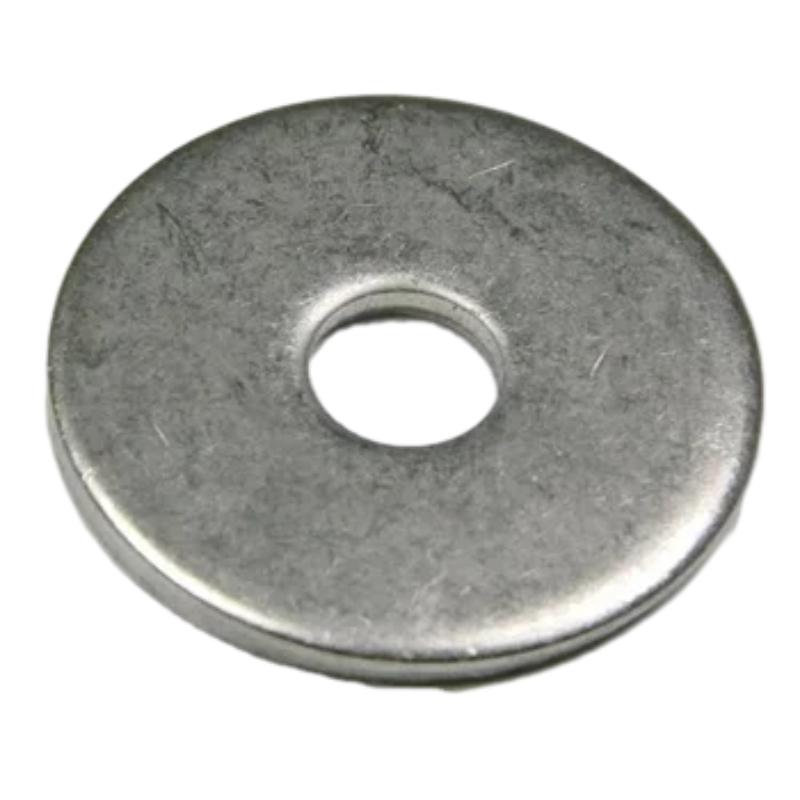
- Superior Corrosion Resistance: The primary advantage of the washer zinc plated is its sacrificial protection against rust. Zinc, being more electrochemically active than steel, corrodes preferentially when exposed to moisture and oxygen, thus protecting the underlying carbon steel substrate. White zinc plating, often followed by clear trivalent chromium passivation, significantly extends the service life in indoor and moderately corrosive outdoor environments, providing a crucial barrier against galvanic corrosion.
- Enhanced Load Distribution: A flat washer, by design, increases the bearing surface area under the head of a bolt or nut. This wider distribution of clamping force reduces the localized stress on the fastened material, preventing damage, indentation, or pull-through, especially on softer substrates or when dealing with oversized holes. This is particularly critical for standard `din 125 flat washer dimensions`.
- Prevention of Fastener Loosening: By providing a smooth, consistent bearing surface, flat washers help in achieving and maintaining the desired pre-load in a bolted joint. They act as a barrier between the fastener and the fastened material, reducing friction during tightening and preventing the fastener from embedding into the surface over time, which can lead to a loss of clamping force and joint loosening.
- Cost-Effectiveness: Compared to stainless steel or other specialty alloys, carbon steel with zinc plating offers an excellent balance of performance and economy. For a vast majority of applications where extreme corrosion resistance (e.g., saltwater immersion) is not required, `zinc washers` provide sufficient protection at a fraction of the cost, making them a highly practical choice for mass production and large-scale projects.
- Adherence to International Standards: Products like our Factory Price Carbon Steel DIN125 White Zinc Plated Grade 4.8 Flat Washer are manufactured to precise `din 125 washer dimensions`. This adherence ensures dimensional consistency, interchangeability, and guaranteed mechanical properties, simplifying procurement and ensuring compatibility within global supply chains and assembly operations.
- Improved Assembly Efficiency: The consistent dimensions and smooth surface finish of high-quality zinc plated flat washer facilitate quicker and easier assembly processes. They reduce the likelihood of seizing or galling, especially during high-volume production, contributing to overall operational efficiency.
These combined attributes make the zinc plated flat washer a cornerstone of reliable fastening in countless industrial and commercial applications, offering a robust and economical solution to complex engineering challenges.
Selecting a B2B Partner: Factors for Vendor Comparison
For B2B buyers and engineers, selecting the right supplier for critical components like the zinc plated flat washer is paramount to project success and long-term operational integrity. A comprehensive vendor comparison should extend beyond just price, focusing on factors that ensure quality, reliability, and support. Here are key considerations when evaluating potential partners for `zinc washers` and other fasteners:
- Quality Assurance & Certifications: A reputable vendor will demonstrate robust quality management systems, typically evidenced by ISO 9001 certification. They should provide full traceability of materials and processes, and adhere to international product standards (e.g., DIN, ANSI, ISO) for their din flat washer offerings. Inquire about their quality control procedures, including dimensional inspections, material testing, and coating adhesion tests (e.g., salt spray tests for `washer zinc plated` products).
- Technical Expertise & Support: The vendor should possess deep technical knowledge of fasteners, materials, and plating processes. They should be able to provide detailed technical specifications, assist in selecting the correct `din 125 flat washer dimensions` or specialized items like `1 4 x 1 1 4 fender washer`, and offer guidance on application best practices. Strong technical support ensures that specific project requirements are met accurately.
- Customization Capabilities: For projects requiring non-standard sizes, unique materials, or specific coatings, a vendor's ability to provide customized solutions is invaluable. This includes modifications to `din 9021 washer dimensions` or specialized heat treatments. Inquire about their engineering capabilities, minimum order quantities (MOQ) for custom runs, and lead times for bespoke products.
- Supply Chain Reliability & Lead Times: Consistent and timely delivery is crucial for maintaining production schedules. Evaluate the vendor's supply chain robustness, manufacturing capacity, inventory management, and historical on-time delivery rates. Shorter and more predictable lead times for standard `zinc plated flat washer` products are a significant advantage.
- Pricing Structure & Value: While not the sole factor, competitive pricing is important. However, prioritize value, which encompasses product quality, technical support, reliability, and after-sales service, rather than just the lowest cost. Transparent pricing and long-term partnership benefits should be considered.
- Reputation & Industry Experience: Look for vendors with a proven track record, positive customer testimonials, and significant years of experience in the fastener industry. Partner clients, if disclosed, can offer insights into the vendor's capabilities and trustworthiness.
- Environmental & Social Responsibility: Increasingly, businesses are prioritizing suppliers who adhere to ethical manufacturing practices and environmental regulations. Inquire about their sustainability initiatives and compliance with relevant industry standards.
By meticulously evaluating these criteria, B2B buyers can forge partnerships that ensure a reliable supply of high-quality fasteners, including the critical zinc plated flat washer, contributing to the overall success and longevity of their operations.
Tailored Solutions: Customization for Specific Demands
While standard fasteners like the DIN 125 zinc plated flat washer meet a vast majority of industrial requirements, there are instances where unique application demands necessitate customized solutions. A proficient fastener manufacturer understands that off-the-shelf products cannot always address every specialized engineering challenge. This is where the ability to provide tailored `zinc washers` becomes a significant competitive advantage.
Customization options can range from minor adjustments to complete bespoke designs:
- Non-Standard Dimensions: Clients often require specific inner diameters, outer diameters, or thicknesses that deviate from standard `din 125 washer dimensions` or `din 9021 washer dimensions`. This could be for accommodating unique bolt sizes, specific load distribution requirements, or fitting into constrained spaces.
- Material Alternatives: While carbon steel is prevalent, applications exposed to extreme temperatures, aggressive chemicals, or specific magnetic fields might require alternative materials such as stainless steel (304, 316), brass, copper, or nylon.
- Specialized Coatings & Platings: Beyond standard white zinc plating, customization can include hot-dip galvanizing for enhanced corrosion resistance in harsh outdoor environments, black oxide for aesthetic and mild corrosion protection, nickel plating for wear resistance, or specialized coatings like Dacromet/Geomet for superior performance in highly corrosive conditions. Even different colors of `washer zinc plated` can be achieved for identification purposes.
- Mechanical Properties Modifications: Specific hardness or tensile strength requirements might necessitate custom heat treatment processes. This ensures the washer can withstand particular stress levels or operate in extreme conditions without deformation or failure.
- Geometric Modifications: This can include chamfered edges, specific hole shapes (e.g., square holes for carriage bolts), or specialized contours to fit unique mating surfaces. For example, a specialized `3 16 fender washer` might be needed with a custom inner diameter.
- Packaging and Kitting: Custom packaging, specific piece counts per box, or kitting of various fasteners (e.g., a bolt, a zinc plated flat washer, and a nut packaged together) can streamline customer assembly lines and inventory management.
A capable supplier will engage in detailed consultation, prototyping, and rigorous testing to ensure that custom `din flat washer` solutions meet all performance specifications and regulatory requirements, providing genuine value beyond standard product offerings. This collaborative approach fosters innovation and ensures optimal performance for even the most demanding applications.
Real-World Application Case Studies
To underscore the practical impact of a high-quality zinc plated flat washer, consider these real-world scenarios where their specific attributes were crucial to project success and longevity.
Case Study 1: Large-Scale HVAC Ducting Installation
Client: Major commercial building contractor in a humid coastal region.
Challenge: The client needed to install extensive HVAC ductwork throughout a new high-rise, requiring thousands of secure connections. The environment, characterized by high humidity and potential condensation within the ducting, posed a significant corrosion risk to standard untreated fasteners. Failure to prevent corrosion would lead to premature degradation of fasteners, compromising the structural integrity of the ducting system and potentially leading to costly repairs.
Solution: The contractor specified our Factory Price Carbon Steel DIN125 White Zinc Plated Grade 4.8 Flat Washer. The `zinc washers` were chosen for their excellent corrosion resistance in humid conditions, thanks to the white zinc plating and passivation process. Their adherence to `din 125 flat washer dimensions` ensured compatibility with standard metric bolts and nuts used in HVAC assemblies, providing reliable load distribution without compromising space.
Outcome: Over 100,000 units of the zinc plated flat washer were supplied and installed. Post-installation inspections and subsequent performance monitoring over a five-year period showed no signs of white rust or red rust on the fasteners, demonstrating superior corrosion protection. The secure load distribution prevented any loosening or material damage to the sheet metal ducting, ensuring the long-term structural integrity and efficient operation of the HVAC system. This choice led to significant savings in potential maintenance and replacement costs, while maintaining compliance with building codes.
Case Study 2: Offshore Wind Turbine Platform Assembly
Client: Renewable energy firm specializing in offshore wind power infrastructure.
Challenge: During the assembly of non-critical ancillary equipment platforms for offshore wind turbines, standard fasteners were experiencing premature corrosion despite initial protective measures. The marine environment, characterized by salt spray and constant exposure to corrosive elements, demanded an economical yet robust solution for connections that were not directly submerged but still experienced significant atmospheric challenge. Critical structural components used specialized stainless steel and hot-dip galvanized fasteners, but for secondary attachments, a cost-effective `washer zinc plated` alternative was sought to avoid over-engineering.
Solution: After consultation, a custom solution leveraging heavily protected zinc plated flat washer with enhanced coating thickness and specialized passivation was recommended. Though not designed for direct immersion, for atmospheric exposure on the platforms, these `zinc washers` offered a cost-effective balance between performance and budget. Specific `din 9021 washer dimensions` were also supplied for areas requiring larger load-bearing surfaces on composite materials used for cable management.
Outcome: The customized zinc plated flat washer solution significantly extended the lifespan of fasteners in these challenging conditions, exceeding expectations for standard zinc plating. Regular drone inspections revealed minimal corrosion on the installed `zinc washers` after three years, a marked improvement over previous issues. The ability to customize dimensions, including a specific `3 16 fender washer` type, for different parts of the platform demonstrated the vendor's flexibility and engineering capability, contributing to the overall reliability and cost-efficiency of the wind farm's secondary structures.
Ensuring Reliability: FAQs, Lead Time, Warranty, and Support
At the core of any successful B2B partnership lies clear communication, reliable fulfillment, and unwavering support. For critical components like the zinc plated flat washer, understanding these operational aspects is as important as the product's technical specifications.
Frequently Asked Questions (FAQs)
- Q: What is the primary benefit of zinc plating on a flat washer?
A: The primary benefit is enhanced corrosion resistance. Zinc acts as a sacrificial coating, corroding before the underlying steel, thereby protecting the washer from rust and extending its service life, especially for a `washer zinc plated` product. - Q: Are these washers suitable for outdoor use?
A: Yes, `zinc washers` are suitable for most outdoor applications where moderate corrosion exposure is expected. For highly corrosive environments (e.g., direct saltwater exposure), alternative coatings like hot-dip galvanizing or stainless steel might be considered. - Q: What does "DIN 125" refer to in the product name?
A: DIN 125 is a German industrial standard for plain (flat) washers. It specifies the `din 125 flat washer dimensions`, material, and mechanical properties, ensuring consistent quality and interchangeability worldwide. We also provide `din 9021 washer dimensions` for applications requiring a larger outer diameter. - Q: Can I get customized sizes or materials?
A: Absolutely. We offer extensive customization options for the zinc plated flat washer, including non-standard dimensions (e.g., specialized `1 4 x 1 1 4 fender washer`), alternative materials, and specialized coatings to meet unique project requirements. Please contact our sales team with your specifications. - Q: What is the typical service life of a zinc plated washer?
A: The service life of a zinc plated flat washer depends heavily on the application environment. In mild, dry conditions, it can last for decades. In moderately corrosive outdoor environments, well-maintained zinc plating can offer many years of reliable performance.
Lead Time & Fulfillment Details
We maintain a substantial inventory of standard `din flat washer` products, including the Factory Price Carbon Steel DIN125 White Zinc Plated Grade 4.8 Flat Washer, to ensure rapid order fulfillment. Typical lead times for in-stock items range from 3-7 business days for shipping. For large volume orders or customized solutions, lead times will be provided upon quotation, tailored to manufacturing schedules and material availability. Our robust supply chain and efficient logistics ensure prompt and reliable delivery to your facility.
Warranty Commitments
All our fasteners, including the zinc plated flat washer, are manufactured to the highest industry standards and undergo rigorous quality control. We offer a comprehensive warranty against defects in material and workmanship. Our commitment ensures that products meet or exceed specified DIN standards and performance parameters. Specific warranty details are available upon request and are included with our terms of sale.
Customer Support Information
Our dedicated customer support team is available to assist with technical inquiries, order placement, customization requests, and after-sales service. We pride ourselves on responsive and knowledgeable support, ensuring a seamless experience for our B2B clients. You can reach us via phone, email, or through our website's contact form. Our experts are ready to provide detailed information on our `zinc washers` and help you find the perfect fastening solution for your project.
Conclusion
The zinc plated flat washer, particularly variants adhering to robust standards like DIN 125, stands as a cornerstone in modern industrial fastening. Its fundamental role in load distribution, combined with the vital corrosion resistance imparted by zinc plating, makes it an indispensable component across petrochemical, metallurgy, water supply, automotive, and construction sectors. From meticulously controlled manufacturing processes to stringent quality assurance and comprehensive technical support, the value proposition of a high-quality `washer zinc plated` solution is undeniable.
By understanding the technical specifications, exploring diverse application scenarios, and considering a vendor's ability to offer both standard and customized `zinc washers`, B2B decision-makers and engineers can optimize their fastening strategies. Investing in reliable zinc plated flat washer components translates directly into enhanced structural integrity, reduced maintenance overheads, and extended operational lifespans for critical assemblies, ultimately contributing to the success and sustainability of industrial projects.
References
- 1. ASTM International. (2023). ASTM F436/F436M, Standard Specification for Hardened Steel Washers.
- 2. European Committee for Standardization. (2022). EN ISO 7089, Plain washers – Normal series – Product grade A.
- 3. NACE International. (2021). Corrosion Basics – An Introduction. NACE Press.
- 4. American Society of Mechanical Engineers. (2020). ASME B18.21.1, Washers: Lock, Split, Helical Spring, Tooth, and Plain.
-
Guide to Calculating the Best Expansion Anchor Bolt Length
NewsApr.16,2026
-
Guide to the Correct Drill Size for 3 8 Wedge Anchor Installation
NewsApr.09,2026
-
Comprehensive Guide to Dottie Wedge Anchor Selection and Installation
NewsApr.07,2026
-
Comprehensive Guide to Ceiling Wedge Anchors for Secure Installations
NewsApr.04,2026
-
Understanding the Versatility and Applications of Carbon Steel Wedges
NewsMar.31,2026
-
The Essential Guide to Bolt Wedges Strength and Application
NewsMar.28,2026
 English
  Bengali
  Bulgarian
  Catalan
  Czech
Czech  French
  German
  Hindi
Hindi  Hungarian
  Italian
  Kazakh
  Korean
  Portuguese
  Romanian
  Slovak
  Somali
  Spanish
  Turkish


