0%

Table of Contents

Look, I’ve spent the last fifteen years crawling around construction sites, getting my hands dirty, and talking to the folks who actually build things. And let me tell you, a solid foundation—literally and figuratively—starts with reliable fasteners. That’s where m18 anchor bolts come in. They're not glamorous, but they are absolutely critical. We're talking about securing structural steel, anchoring machinery, even supporting precast concrete. Getting this wrong means delays, safety hazards, and a whole lot of headaches. These aren't the little bolts you use for assembling furniture; these are the workhorses of major construction projects.

The demand for reliable anchoring solutions is only going up. We’re seeing more complex builds, taller structures, and tighter timelines. Globally, the construction industry is projected to reach over $15 trillion by 2030 (according to recent reports from Statista and the UN), and a significant portion of that relies on proper fastening. Specifically, the need for robust anchor bolts, like m18s, is increasing in regions undergoing rapid urbanization – think Asia, Africa, and South America. The problem? Too often, projects cut corners on these essential components, leading to long-term issues.

So, what is an m18 anchor bolt? Simply put, it’s a high-strength steel fastener, 18 millimeters in diameter, designed to transfer loads from a structure into its foundation. But it’s not just the size; it’s the engineering behind it. They come in various types – sleeve anchors, wedge anchors, chemical anchors – each suited for different materials and load requirements. It’s about understanding which bolt works best for the job, and that’s where experience and quality come into play. This is particularly relevant in humanitarian efforts too. Post-disaster rebuilding necessitates rapid and secure anchoring for temporary shelters and infrastructure.
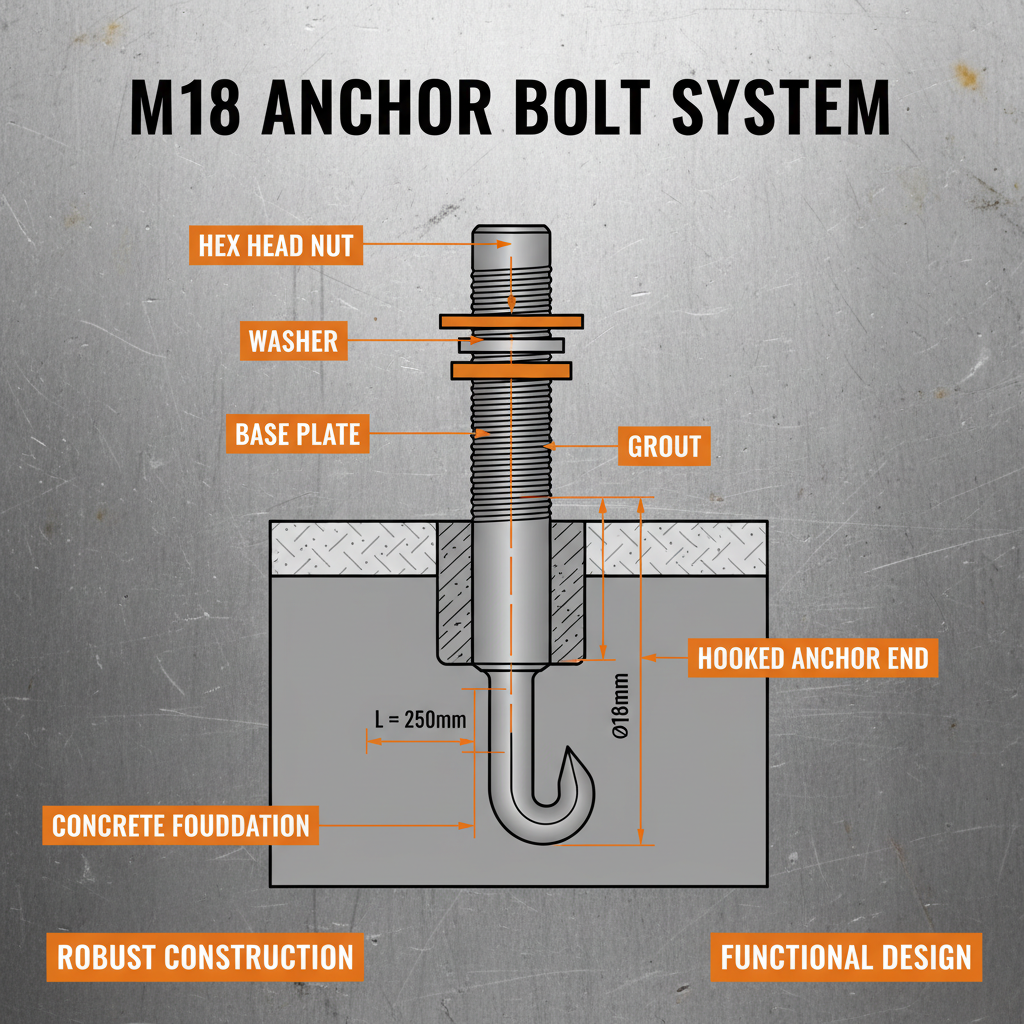
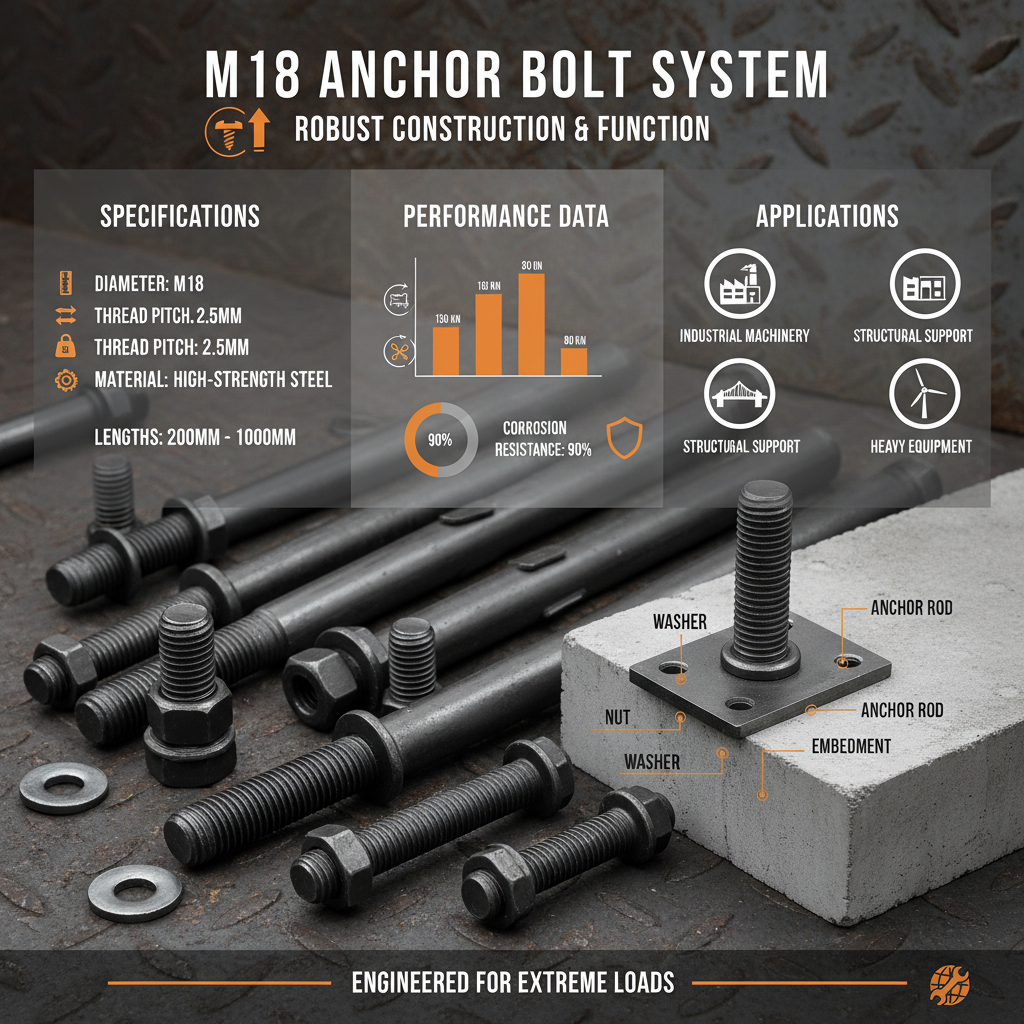
The Critical Role of m18 Anchor Bolts in Modern Construction Projects

The Importance of m18 Anchor Bolts

The Critical Role of m18 Anchor Bolts in Modern Construction Projects

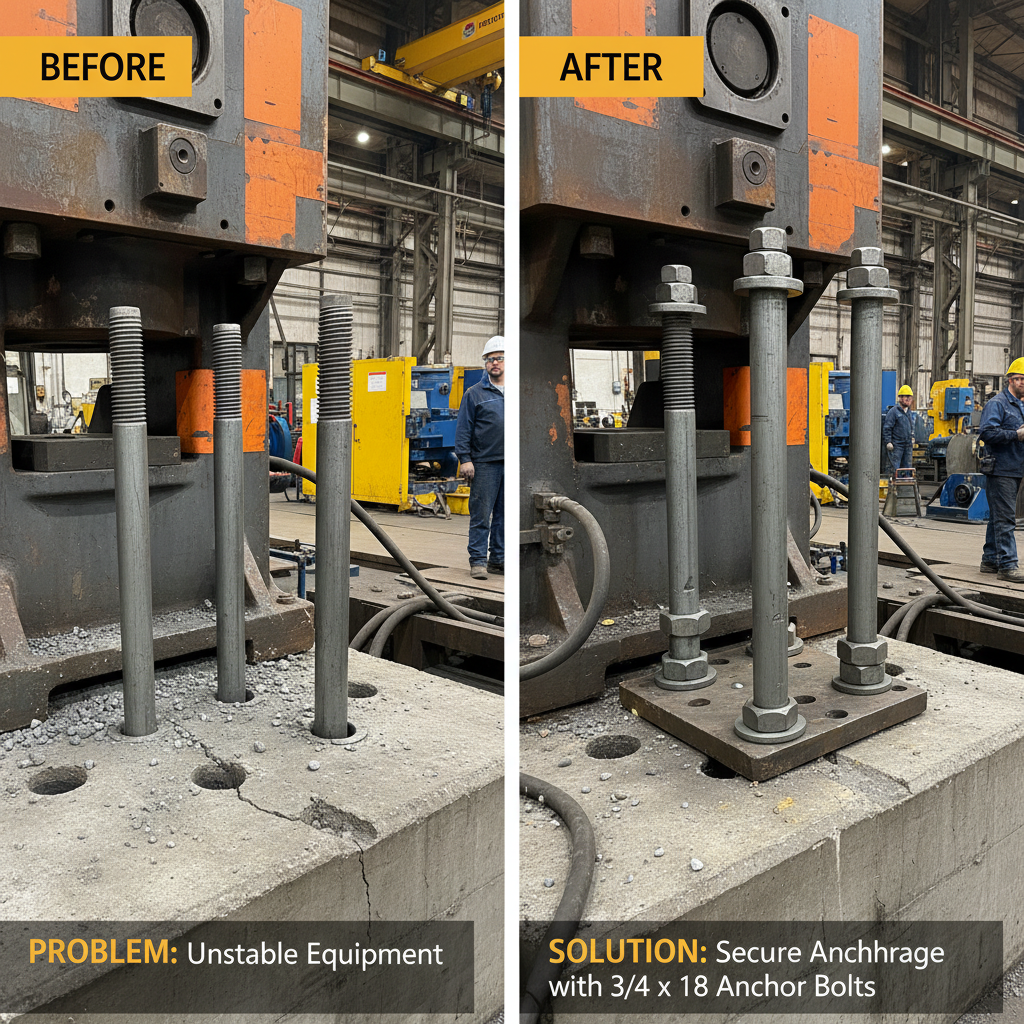
Let's be clear: the integrity of any structure hinges on the quality of its foundation and the fasteners used to connect it. m18 anchor bolts aren’t just about holding things together; they’re about safety, durability, and long-term performance. I’ve seen too many projects compromised by using undersized or inappropriate anchors. It’s a risk no one should take. You're looking at potential structural failures, costly repairs, and, worst of all, potential injury.

Beyond structural integrity, proper anchoring contributes to efficient construction. Using the right m18 anchor bolt for the job streamlines installation, reduces the need for rework, and keeps projects on schedule. And time, as we all know, is money in this business. It's not just about the bolt itself, it's about the entire system – the drill bit, the cleaning tools, the installation torque – it all has to work together seamlessly.

Defining m18 Anchor Bolts

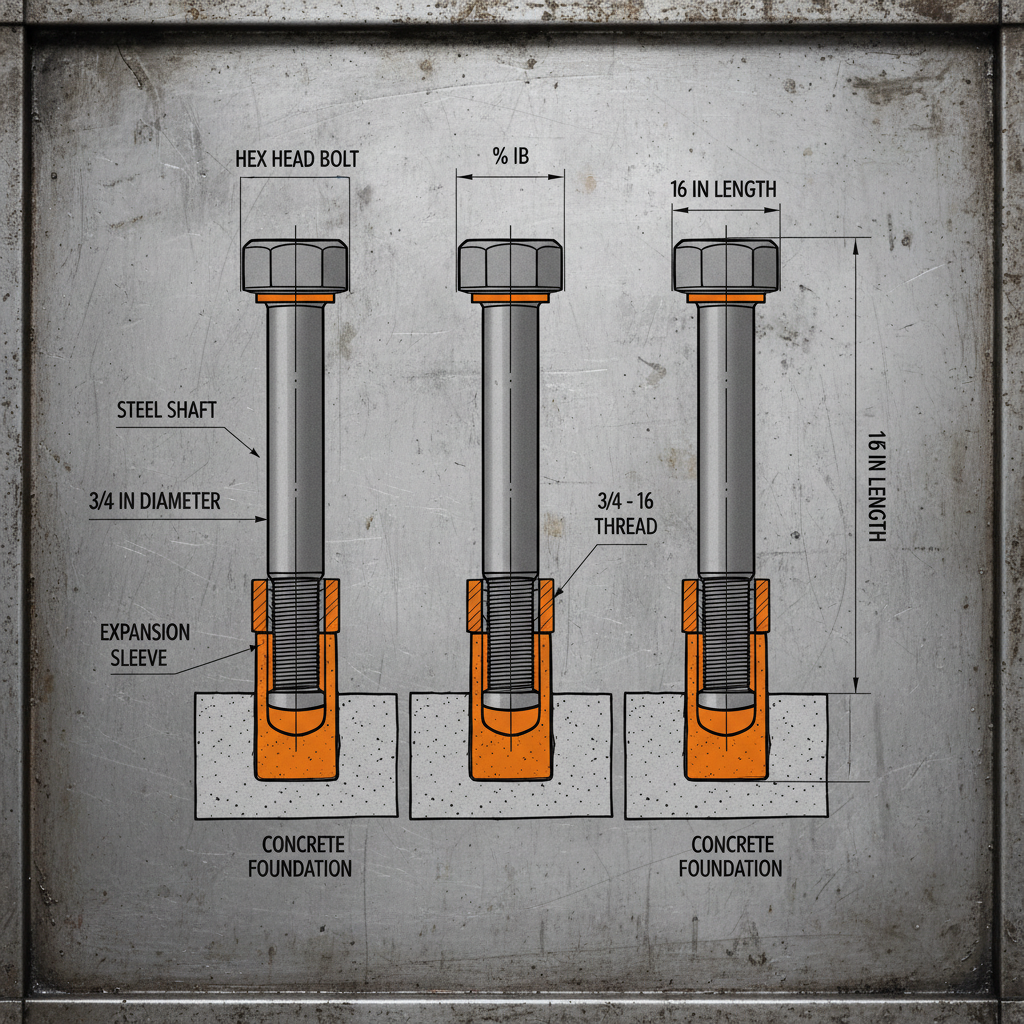
At their core, m18 anchor bolts are fasteners specifically designed to create a strong connection between a structure and a concrete or masonry base. That 18mm diameter isn't arbitrary; it provides a robust shear and tensile strength suitable for medium to heavy-duty applications. Think of it as the reliable middle ground – often the sweet spot for a wide range of projects.

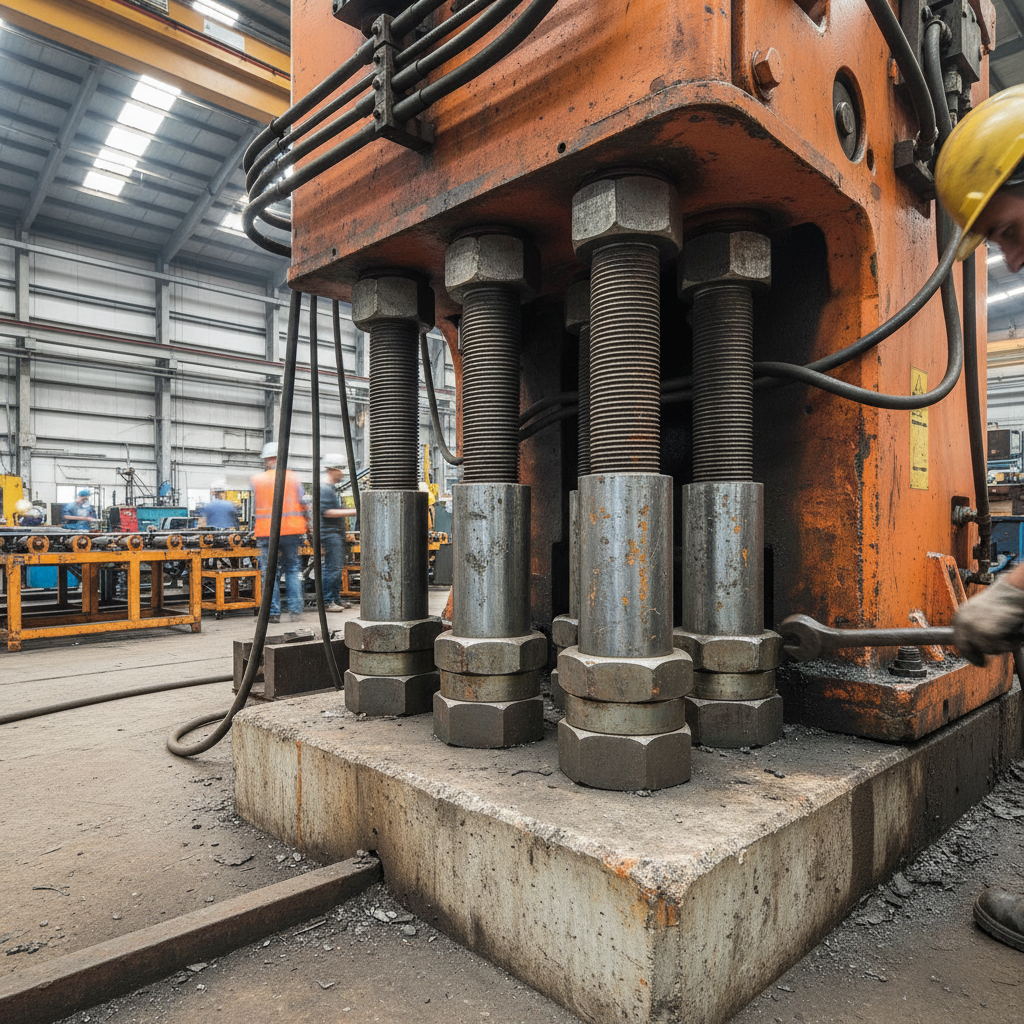
What differentiates them from other fasteners is their ability to resist pull-out forces. They aren’t just relying on friction; they’re mechanically interlocked within the base material, providing a secure and lasting connection. This is especially critical in seismic zones or areas prone to high winds where structures are subjected to significant stress.

Their connection to modern industry is undeniable. From securing industrial machinery in manufacturing plants to anchoring safety barriers on highways, these bolts are integral to countless infrastructure projects. And they play a crucial role in addressing humanitarian needs, providing the foundation for rapid deployment shelters and essential infrastructure in disaster relief scenarios.

Core Characteristics of m18 Anchor Bolts

Durability is paramount. These bolts are typically manufactured from high-grade steel, often with a zinc or hot-dip galvanized coating to resist corrosion. The material selection directly impacts the bolt’s lifespan and its ability to withstand harsh environmental conditions. You wouldn’t use a standard bolt in a saltwater environment, and the same principle applies here.

Load Capacity is another key factor. m18 anchor bolts offer a substantial load-bearing capacity, capable of handling significant tensile and shear forces. But it's not just about the bolt's inherent strength; it’s about proper installation and ensuring the base material can also support the load. Improper installation can drastically reduce the effective load capacity.

Versatility is a huge advantage. As I mentioned earlier, they come in different types – sleeve, wedge, chemical – allowing engineers to choose the optimal solution for various materials and applications. This adaptability makes them a go-to fastener for a wide range of projects.

Practical Applications of m18 Anchor Bolts

You’ll find m18 anchor bolts everywhere. Think about securing steel columns to concrete foundations in high-rise buildings. They’re vital in that. Or consider anchoring heavy machinery in manufacturing plants – milling machines, lathes, presses – all relying on these bolts to stay put.

We also use them extensively in infrastructure projects. Bridge construction, highway barriers, even wind turbine installations – m18 anchor bolts are critical components. And it’s not just large-scale projects; they’re used in commercial construction too, securing everything from storefronts to HVAC systems.

m18 Anchor Bolt Performance Across Applications


Global Impact and Use Cases

The demand for these bolts is truly global. We're seeing increased usage in developing nations undergoing rapid infrastructure expansion, particularly in Asia and Africa. The construction boom in these regions relies heavily on reliable and cost-effective anchoring solutions.

In post-disaster relief operations, m18 anchor bolts play a vital role in quickly securing temporary shelters and critical infrastructure. Speed and reliability are crucial in these situations, and these bolts deliver both. I’ve seen them used to anchor everything from emergency hospitals to communication towers.

Advantages and Long-Term Value

The biggest advantage? Reliability. A properly installed m18 anchor bolt provides a secure, long-lasting connection that minimizes the risk of failure. That translates to reduced maintenance costs, increased safety, and peace of mind.

From a cost perspective, while they might not be the cheapest option upfront, the long-term value is undeniable. Avoiding costly repairs and potential structural failures far outweighs the initial investment. Investing in quality anchor bolts is simply a smart business decision.

Future Trends in Anchor Bolt Technology

We’re seeing a move towards smarter anchoring solutions. There’s increasing interest in anchor bolts with integrated sensors that can monitor stress levels and provide real-time data on the health of the connection. This is particularly relevant for critical infrastructure projects.

Material science is also evolving. Researchers are exploring new alloys and coatings to enhance corrosion resistance and increase load-bearing capacity. We're also seeing a growing focus on sustainable manufacturing practices and the use of recycled materials.

Digitalization will play a significant role. We're moving towards Building Information Modeling (BIM) integration, allowing for precise anchor bolt placement and automated installation processes. This will streamline construction and reduce the risk of errors.

Summary of Future Trends in m18 Anchor Bolt Applications

Trend Category Key Development Impact on m18 Anchor Bolts Adoption Timeline
Sensor Integration Development of integrated stress sensors Real-time monitoring of load and structural health 5-10 Years
Material Innovation New corrosion-resistant alloys Extended lifespan and reduced maintenance 3-7 Years
Sustainable Manufacturing Use of recycled steel and eco-friendly coatings Reduced environmental impact Ongoing
BIM Integration Automated placement and installation planning Improved accuracy and efficiency 2-5 Years
AI-Powered Inspection Using AI to detect micro-fractures Early detection of defects, preventing failures 5-10 Years
Modular Anchor Systems Pre-assembled anchor components Faster installation and reduced on-site labor 1-3 Years

FAQS

What is the correct torque specification for installing an m18 anchor bolt in concrete?

Torque specifications vary significantly depending on the type of anchor bolt (sleeve, wedge, chemical) and the concrete strength. Always consult the manufacturer's datasheet for precise instructions. Using the incorrect torque can either lead to under-tightening, resulting in reduced load capacity, or over-tightening, which can damage the bolt or the concrete. Typically, a calibrated torque wrench is essential for accurate installation.

How do I determine the appropriate embedment depth for an m18 anchor bolt?

The embedment depth is crucial for maximizing pull-out resistance. It's determined by factors like the anchor bolt type, concrete strength, applied load, and edge distance. Engineering calculations are usually required to ensure adequate embedment. Building codes often specify minimum embedment requirements, so always adhere to those standards. Deeper embedment generally increases load capacity, but there are practical limits based on concrete cover and other structural considerations.

Can m18 anchor bolts be used in cracked concrete?

It depends on the type of anchor bolt and the extent of the cracking. Some anchor bolts are specifically designed for use in cracked concrete, while others are not. These specialized anchors often have expansion sleeves or chemical adhesives that can maintain their grip even in the presence of cracks. It’s vital to select an anchor that is certified for use in cracked concrete and to follow the manufacturer’s installation guidelines meticulously.

What is the difference between a sleeve anchor and a wedge anchor?

Both sleeve and wedge anchors are types of expansion anchors, but they function differently. Sleeve anchors use a sleeve that expands against the sides of the drilled hole when tightened. They're generally suitable for lighter-duty applications. Wedge anchors, on the other hand, use a wedge that is drawn into the anchor body as it's tightened, providing a stronger grip and higher load capacity. Wedge anchors are ideal for heavier loads and more demanding applications.

What type of drill bit should I use when installing m18 anchor bolts?

The appropriate drill bit depends on the base material. For concrete, a carbide-tipped rotary hammer drill bit is typically recommended. For masonry, a masonry drill bit is suitable. The drill bit size should match the diameter of the anchor bolt and the manufacturer’s specifications. It's essential to use a sharp drill bit and drill straight to ensure a clean and accurate hole for proper anchor installation.

How can I prevent corrosion of m18 anchor bolts in harsh environments?

Corrosion is a significant concern, particularly in coastal areas or environments with exposure to chemicals. Using hot-dip galvanized or stainless steel anchor bolts provides excellent corrosion resistance. Additionally, applying a corrosion-inhibiting coating to the anchor and the surrounding concrete can further enhance protection. Proper sealing of the anchor hole during installation also helps prevent moisture ingress and corrosion.

Conclusion

m18 anchor bolts aren’t the most glamorous component of a construction project, but they are arguably one of the most crucial. Their reliability, versatility, and long-term value make them indispensable in a wide range of applications, from towering skyscrapers to critical infrastructure. Investing in quality anchor bolts and proper installation is not just about compliance; it’s about ensuring safety, durability, and peace of mind.

Looking ahead, the future of anchor bolt technology lies in innovation – smarter sensors, sustainable materials, and seamless integration with digital construction tools. By embracing these advancements, we can continue to build stronger, safer, and more resilient structures for generations to come. For all your m18 anchor bolt needs, and expert advice, visit our website: www.ytbolt.com.

Brian Wilson

Brian Wilson

Brian Wilson is a Technical Support Engineer at Hebei Yuetong Fasteners. He provides expert assistance to customers regarding product specifications, application guidance, and troubleshooting. Brian has a comprehensive understanding of fastener materials, standards, and performance characteristics. He supports the sales team by offering technical expertise and developing custom solutions for
Previous Exploring the Versatility and Importance of Quick Bolt Anchors
Next The Crucial Role of 3 4 x 16 Anchor Bolts in Modern Construction
en_USEnglish