


Sep . 22, 2025 13:35 Back to list
Heavy Duty Chemical Anchor Bolts: Secure, Reliable Concrete Fixing
Introduction to Chemical Anchor Bolts
In modern industrial and construction applications, secure and reliable fastening solutions are paramount. The chemical anchor bolt stands as a cornerstone in heavy-duty structural fixings, offering superior load-bearing capacity and vibration resistance compared to traditional mechanical anchors. This technology is critical for infrastructure projects ranging from petrochemical plants and metallurgical facilities to complex water supply and drainage systems. Its unique bonding mechanism creates a monolithic connection with the base material, ensuring long-term stability and safety in demanding environments. These anchors are particularly valued for their performance in challenging substrates, providing robust solutions where conventional methods fall short. They are often employed as heavy duty ceiling anchors and cement ceiling anchors, ensuring structural integrity.
Manufacturing Process Flow for Chemical Anchor Bolts
The production of a high-quality chemical anchor bolt involves a meticulously controlled multi-stage process, ensuring precision, durability, and adherence to stringent industry standards. Our Chemical Anchor Bolt Yellow Zinc Plated Carbon Steel ceiling Anchor is a prime example of this intricate manufacturing excellence.
1. Material Selection and Preparation:
- Carbon Steel Sourcing: High-grade carbon steel rods are procured, selected for their tensile strength, yield strength, and metallurgical integrity. Material certifications are rigorously checked to ensure compliance with standards like ASTM A193 B7 or equivalent.
- Resin Components: The chemical resin capsule components (typically a two-part epoxy, polyester, or vinylester resin with a hardener) are sourced from reputable chemical manufacturers, ensuring optimal mixing ratios and curing properties for the chemical bolt anchor system.
2. Bolt Manufacturing (Forging & Machining):
- Cutting & Heading: Carbon steel rods are cut to precise lengths. Cold forging or hot forging techniques are then employed to form the bolt head (if applicable) and initial thread rolling blanks, enhancing grain structure and mechanical properties.
- Thread Rolling: Threads are precision-rolled onto the bolt shank. This process creates stronger threads than cutting, as it doesn't remove material, instead compressing it, which improves fatigue resistance.
- Washing & Surface Preparation: Bolts undergo a thorough cleaning process to remove oils, scale, and contaminants, preparing them for coating.
3. Surface Treatment (Yellow Zinc Plating):
- Electroplating: The prepared carbon steel bolts are subjected to yellow zinc electroplating. This process applies a sacrificial coating of zinc, which protects the underlying steel from corrosion. The yellow chromate passivation layer further enhances corrosion resistance and provides the characteristic appearance. This is crucial for applications requiring a durable ceiling anchor bolt.
- Hydrogen Embrittlement Relief: For high-strength carbon steel, a post-plating baking process is critical to mitigate hydrogen embrittlement, ensuring the long-term integrity and service life of the bolt chemical.
4. Quality Control & Testing:
Throughout the manufacturing process, rigorous quality control measures are implemented, adhering to international standards such as ISO 9001, ANSI, and relevant EN standards.
- Dimensional Accuracy: Regular checks of thread dimensions, length, and diameter.
- Mechanical Properties: Tensile strength, yield strength, shear strength, and hardness tests are performed on material batches and finished products.
- Corrosion Resistance: Salt spray tests (e.g., ASTM B117) are conducted to verify the efficacy of the yellow zinc plating.
- Pull-out & Shear Tests: Random samples of the combined anchor and chemical system are tested in various base materials to validate performance.
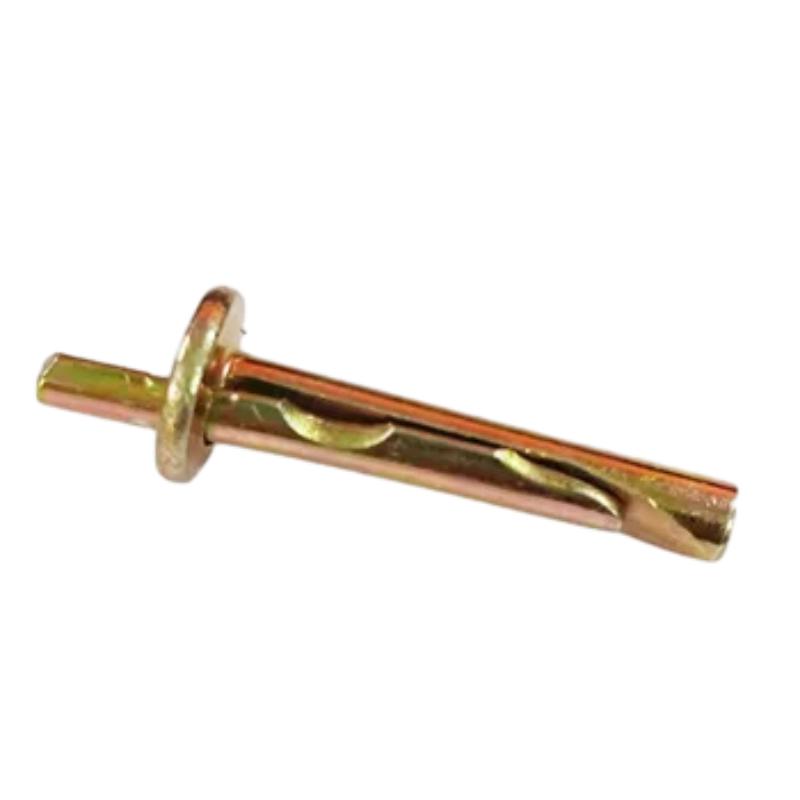
Figure 1: Illustration of a chemical anchor bolt installation.
Industry Trends in Anchoring Technology
The anchoring industry is continuously evolving, driven by demands for increased safety, sustainability, and efficiency. Key trends include:
- High-Performance Resins: Development of advanced epoxy and vinylester resins that offer faster curing times, higher bond strengths, and greater resistance to extreme temperatures and chemical exposure, expanding the utility of chemical bolt systems.
- Digital Integration: Adoption of Building Information Modeling (BIM) and digital design tools that allow engineers to precisely model anchor performance and placement, reducing errors and optimizing structural integrity.
- Sustainability Focus: Increased demand for anchoring solutions with lower VOC (Volatile Organic Compound) emissions and greener manufacturing processes.
- Specialized Applications: Growth in demand for anchors designed for specific challenging environments, such as seismic zones, underwater installations, or areas with aggressive chemical attack. This includes specialized ceiling bolts.
Technical Specifications: Chemical Anchor Bolt (Yellow Zinc Plated Carbon Steel)
Our chemical anchor bolt systems are engineered for peak performance, offering robust load capacities and exceptional durability. Below is a representative table of key technical specifications for our Yellow Zinc Plated Carbon Steel ceiling anchor product line.
| Parameter | Specification / Value | Standard / Test Method |
|---|---|---|
| Material (Bolt) | Carbon Steel, Grade 8.8 / ASTM A193 B7 Equivalent | ISO 898-1 |
| Surface Treatment | Yellow Zinc Plated (≥ 5µm) | ISO 4042, ASTM B633 Type II/III |
| Tensile Strength (M12) | 800 MPa min. | ISO 898-1 |
| Yield Strength (M12) | 640 MPa min. | ISO 898-1 |
| Salt Spray Resistance | > 72 hours (White Rust), > 240 hours (Red Rust) | ASTM B117 |
| Base Material Compatibility | Concrete (cracked & uncracked), Solid Masonry, Rock | ETA-approved (if applicable) |
| Recommended Embedment Depth | Varies by diameter and application (e.g., 10d-15d) | Manufacturer Guidelines |
Key Technical Advantages
The distinct design and material composition of our chemical anchor bolt provide several significant advantages over traditional mechanical anchoring systems, particularly for demanding B2B applications:
- Superior Load Distribution: The chemical resin completely fills the drilled hole, eliminating expansion stress on the base material and distributing the load evenly. This is crucial for anchoring in brittle or low-strength materials, or near edges, where ceiling anchor integrity is paramount.
- Excellent Vibration and Seismic Resistance: The monolithic bond created by the chemical resin provides exceptional resistance to dynamic loads, vibrations, and seismic forces, making it ideal for machinery installations and structural reinforcements.
- Enhanced Corrosion Resistance: The yellow zinc plating on our carbon steel bolts offers a sacrificial layer of protection against rust and corrosion, significantly extending the service life in moderately corrosive environments. This is a critical factor for chemical bolt anchor applications in industrial settings.
- Adaptability to Various Base Materials: Unlike expansion anchors that rely on compressive forces, chemical anchors perform exceptionally well in a wide range of base materials, including cracked and uncracked concrete, solid masonry, and even certain types of rock.
- Reduced Edge Distance and Spacing: Due to the stress-free nature of the bond, chemical anchors allow for closer spacing and reduced edge distances compared to mechanical anchors, offering greater flexibility in design and installation.
- Long Service Life: Designed for longevity, these anchors, when properly installed, can match or exceed the service life of the structure they support, contributing to reduced maintenance and replacement costs.
Application Scenarios Across Industries
The versatility and high performance of chemical anchor bolt systems make them indispensable across a multitude of heavy industrial and construction sectors:
- Petrochemical Industry: Anchoring heavy pipeline supports, structural steel for process equipment, and safety barriers in environments exposed to aggressive chemicals and high temperatures. Essential for securing overhead systems using ceiling bolts.
- Metallurgy and Steel Mills: Securing heavy machinery bases, furnace structures, overhead cranes, and conveyor systems that experience extreme loads and thermal cycling.
- Water Supply & Drainage Systems: Fixing large diameter pipes, pump stations, treatment plant equipment, and retaining walls, where resistance to moisture and potential chemical exposure is crucial.
- Power Generation: Anchoring cable trays, heavy electrical equipment, support structures for generators, and seismic bracing in nuclear and conventional power plants.
- Bridge and Tunnel Construction: Post-installation of rebar, securing facade elements, sound barriers, and safety installations where high reliability under dynamic loads is required.
- Commercial & Residential Construction: Essential for fixing ceiling anchor points, structural steel connections, railing systems, and heavy cladding, offering discreet yet powerful fastening.
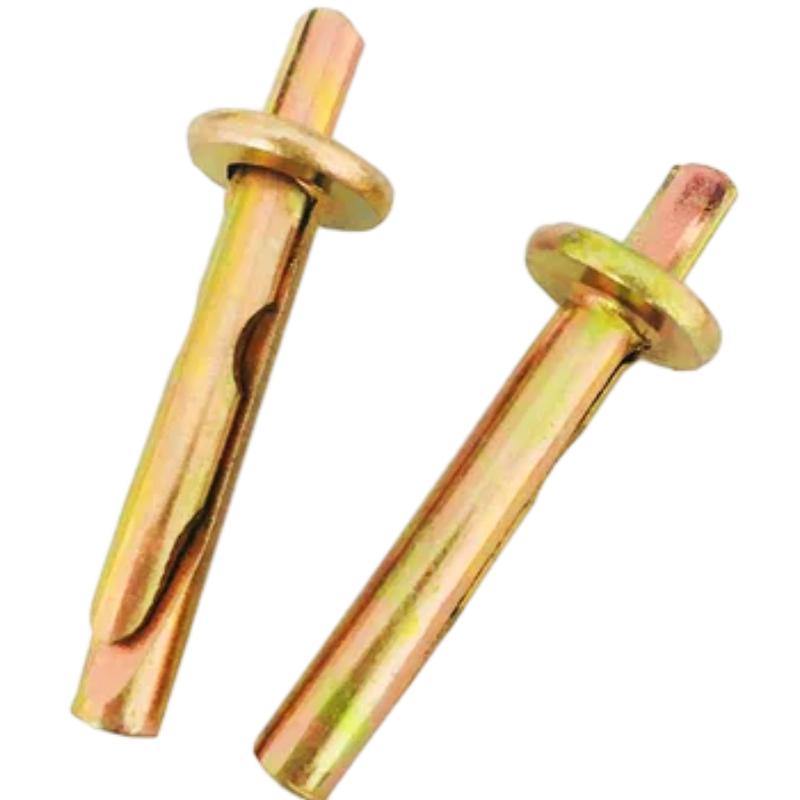
Figure 2: Chemical anchor bolt in a structural application.
Vendor Comparison: Focus on Quality and Compliance
When evaluating suppliers for chemical anchor bolt solutions, B2B decision-makers must prioritize factors beyond initial cost. The long-term performance, safety, and compliance of the anchoring system directly impact project integrity and operational continuity. Here's a comparison framework:
| Feature | Premium Vendor (e.g., YTbolt) | Standard Vendor |
|---|---|---|
| Certifications & Standards | ISO 9001, ETA, ICC-ES, CE marking, ASTM, ANSI compliance. Full traceability. | Basic manufacturing standards; limited third-party approvals. |
| Material Quality | High-grade carbon steel (8.8, 10.9), premium resin compounds, verified sources. | Standard steel grades, generic resin formulations, inconsistent material origins. |
| Testing & QA | In-house R&D, continuous batch testing, third-party validation, comprehensive QC protocols. | Minimal in-house testing, reliance on basic material certifications. |
| Technical Support | Dedicated engineering support, site consultations, design assistance, training. | Basic product data sheets, limited post-sales assistance. |
| Customization | Ability to tailor dimensions, materials, coatings, and resin formulations for specific project needs. | Standard catalog products only, no modifications. |
A premium supplier like YTbolt offers not just a product, but a comprehensive solution, including expertise, technical support, and adherence to global standards, crucial for critical applications involving heavy duty ceiling anchors or other specialized ceiling bolts.
Customized Solutions
Recognizing that standard products may not always meet the unique challenges of every B2B project, we offer extensive customization capabilities for our chemical anchor bolt systems. Our engineering team collaborates closely with clients to develop tailored solutions, encompassing:
- Specialized Dimensions: Custom lengths, diameters, and thread configurations to fit unique structural requirements or limited space constraints.
- Material Upgrades: Options for stainless steel (304, 316, Duplex) for extreme corrosion resistance, or higher strength alloy steels for enhanced load-bearing.
- Advanced Coatings: Application of specialized coatings such as hot-dip galvanization, PTFE, or custom polymer coatings for specific chemical resistance or extended outdoor exposure. This is critical for chemical bolt longevity.
- Resin Formulation Adjustments: Tailoring resin curing times, viscosity, and chemical resistance profiles to match specific environmental conditions or installation timelines.
- Pre-assembly and Kitting: Providing bolts pre-assembled with nuts and washers, or kitted for specific project modules, to streamline onsite installation.
Our custom solutions ensure optimal performance and cost-effectiveness, even in the most challenging engineering projects, from bespoke ceiling anchor bolt designs to specialized industrial applications.
Application Case Studies
Case Study 1: Petrochemical Plant Expansion
A major petrochemical complex required the installation of new heavy-duty pipe racks and equipment foundations in a corrosive environment. Traditional expansion anchors were deemed unsuitable due to the potential for stress concentrations in the concrete and susceptibility to vibration. We provided over 5,000 units of custom-length M24 chemical anchor bolt, featuring stainless steel construction and a specialized vinylester resin. The solution offered superior chemical resistance and high load-bearing capacity, ensuring the long-term stability of critical infrastructure. Post-installation pull-out tests confirmed load capacities exceeding design requirements by 25%.
Case Study 2: Bridge Deck Reinforcement
During the renovation of an aging concrete bridge deck, engineers needed to securely fasten new sound barrier panels and structural reinforcements. The challenge was anchoring into potentially cracked concrete sections while minimizing disturbance to the existing structure. Our M16 chemical anchor bolt with a fast-curing epoxy resin was selected. The non-expansive nature of the chemical bond prevented further cracking and allowed for installation in critical areas with reduced edge distances. The project was completed ahead of schedule, with the anchors demonstrating excellent fatigue resistance under dynamic traffic loads.
Authoritativeness & Trustworthiness
Our commitment to quality and reliability is evidenced by our adherence to international standards and long-standing industry presence. We hold ISO 9001 certification for our quality management systems, ensuring consistent product excellence. Our products, including our chemical anchor bolt line, are regularly tested and certified by independent bodies to meet or exceed relevant ANSI, ASTM, and EN specifications. With over two decades of experience in the fastener industry, we have cultivated partnerships with leading engineering firms and industrial clients globally, reflecting our proven track record. Our internal testing laboratory is equipped to perform comprehensive mechanical and corrosion resistance tests, with results rigorously documented and available upon request.
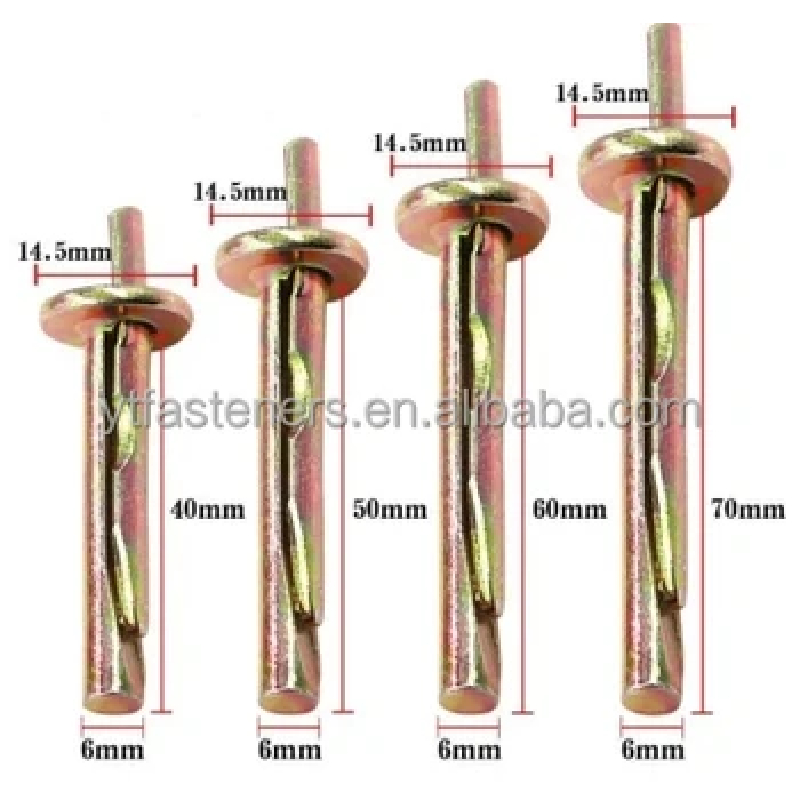
Figure 3: Quality assurance testing for chemical bolt products.
Frequently Asked Questions (FAQ)
Q1: What are the primary advantages of a chemical anchor bolt over a mechanical expansion anchor?
Chemical anchors distribute stress evenly within the base material, avoiding expansion forces that can weaken concrete. This makes them ideal for cracked concrete, close edge distances, and areas prone to vibration. They also offer superior bond strength and long-term durability.
Q2: Can these anchors be used in wet or submerged conditions?
Yes, specialized chemical resins are formulated for wet or even submerged installations. It is crucial to select the correct resin type for these challenging environments to ensure optimal performance and curing. Our technical team can advise on suitable solutions for specific marine or submerged ceiling anchor applications.
Q3: What is the expected service life of a chemical bolt?
When installed correctly and specified for the appropriate environment, our chemical anchor bolt systems are designed for a service life of 50 years or more, often exceeding the lifespan of the structure itself, especially with proper material and coating selection.
Lead Time & Fulfillment
We understand the critical nature of project timelines. Our standard lead time for stock chemical anchor bolt products is typically 2-4 weeks, depending on order volume and specific configurations. For customized solutions, lead times are determined based on complexity, material sourcing, and production schedules, with clear communication provided at every stage. We leverage an optimized global logistics network to ensure efficient and reliable delivery to your project site, minimizing downtime and supporting your operational continuity.
Warranty & After-Sales Support
We stand behind the quality and performance of our chemical anchor bolt products. All products are backed by a comprehensive warranty against manufacturing defects and material failures, in accordance with industry standards and our terms of sale. Our dedicated after-sales support team provides technical assistance, troubleshooting, and guidance throughout the product's lifecycle. We offer onsite technical training for installation teams and expert consultation for complex anchoring challenges, ensuring your project's success from planning to completion.
References
- European Technical Assessment (ETA) Guidelines for Bonded Anchors. ETAG 001.
- American Society for Testing and Materials (ASTM) Standards for Fasteners.
- International Organization for Standardization (ISO) 898-1: Mechanical properties of fasteners made of carbon steel and alloy steel.
- ACI 318-19: Building Code Requirements for Structural Concrete and Commentary. American Concrete Institute.
-
Guide to Calculating the Best Expansion Anchor Bolt Length
NewsApr.16,2026
-
Guide to the Correct Drill Size for 3 8 Wedge Anchor Installation
NewsApr.09,2026
-
Comprehensive Guide to Dottie Wedge Anchor Selection and Installation
NewsApr.07,2026
-
Comprehensive Guide to Ceiling Wedge Anchors for Secure Installations
NewsApr.04,2026
-
Understanding the Versatility and Applications of Carbon Steel Wedges
NewsMar.31,2026
-
The Essential Guide to Bolt Wedges Strength and Application
NewsMar.28,2026
 English
  Bengali
  Bulgarian
  Catalan
  Czech
Czech  French
  German
  Hindi
Hindi  Hungarian
  Italian
  Kazakh
  Korean
  Portuguese
  Romanian
  Slovak
  Somali
  Spanish
  Turkish


