


Sep . 10, 2025 09:40 Back to list
Hex Head Sleeve Anchors | Strong & Secure Concrete Fastening
Introduction to Advanced Fastening Solutions
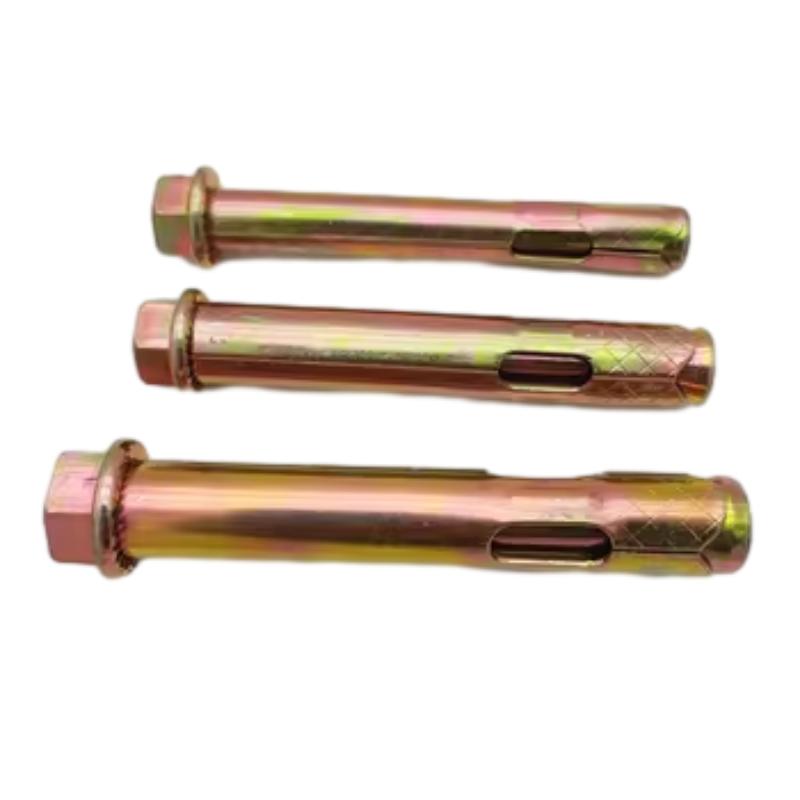
In critical industrial and construction applications, the integrity of a fastening system is paramount. Engineers and project managers demand robust, reliable anchoring solutions that can withstand significant loads and environmental stresses. Among these, the hex head sleeve anchor stands out as a versatile and widely trusted mechanical expansion anchor.
Designed for secure installation into concrete, brick, and block, this anchor provides exceptional pull-out resistance and shear strength, making it indispensable in diverse sectors from petrochemical facilities to modern architectural installations. Its distinctive hex head design facilitates easy and powerful torque application, ensuring a tight and dependable fix. This comprehensive overview delves into the technical aspects, applications, and strategic advantages of integrating these anchors into demanding projects.
Industry Trends and Market Dynamics
The global market for industrial fasteners is experiencing steady growth, driven by infrastructure development, increased manufacturing output, and a growing emphasis on safety and structural integrity. Key trends impacting the demand for anchors like the hex head sleeve anchor include:
- Sustainable Materials: A rising preference for fasteners manufactured with ethically sourced and recyclable materials, aligning with global green building initiatives.
- Performance Optimization: Continuous innovation in material science and engineering processes leads to anchors with higher load capacities, enhanced corrosion resistance, and extended service life.
- Digital Integration: Adoption of Building Information Modeling (BIM) and digital design tools necessitates fasteners with precise, documented specifications for seamless project integration.
- Specialized Coatings: Demand for advanced coatings, such as yellow zinc plating on carbon steel, to offer superior corrosion resistance in challenging environments, significantly prolonging the lifespan of the fastener.
- Standardization and Compliance: Increasing stringency in international standards (e.g., ISO, ASTM, CE) requires manufacturers to provide highly certified and tested products, ensuring reliability and safety across borders.
The versatility of sleeve anchors, available in various dimensions like 1 2 sleeve anchors, 3 4 sleeve anchor, and 5 8 sleeve anchor, ensures their continued relevance across a broad spectrum of construction and industrial projects.
Technical Specifications and Parameters
Understanding the precise technical parameters is critical for selecting the appropriate anchoring solution. The hex head sleeve anchor is engineered to deliver specific performance characteristics under various load conditions. Our Fasteners Factory Price Carbon Steel Yellow Zinc Sleeve Anchor Hex Flange Nut is designed to meet rigorous industrial demands. Key specifications include:
| Parameter | Description | Value/Standard |
|---|---|---|
| Material | High-strength Carbon Steel (e.g., C1008-C1022) | ASTM F1554 Grade 36 equivalent |
| Surface Treatment | Yellow Zinc Plated (YBP) | >5µm thickness, ASTM B633 Type II, Fe/Zn 5 |
| Nominal Diameter Range | Available in various sizes | 1/4" to 3/4" (e.g., 1 2 sleeve anchors, 3 4 sleeve anchor, 5 8 sleeve anchor) |
| Tensile Strength (Ultimate) | Resistance to pulling force in concrete (3000 psi) | ~3,000 lbs for 1/2" x 4" anchor (varies by depth) |
| Shear Strength (Ultimate) | Resistance to lateral force in concrete (3000 psi) | ~4,500 lbs for 1/2" x 4" anchor (varies by depth) |
| Installation Torque | Recommended tightening torque | 30-50 ft-lbs for 1/2" diameter |
| Head Type | External hexagonal head for wrenching | Hex head sleeve with flange nut |
| Certification | Adherence to international quality and safety standards | ISO 9001:2015, relevant ASTM/ANSI standards |
Manufacturing Process Flow
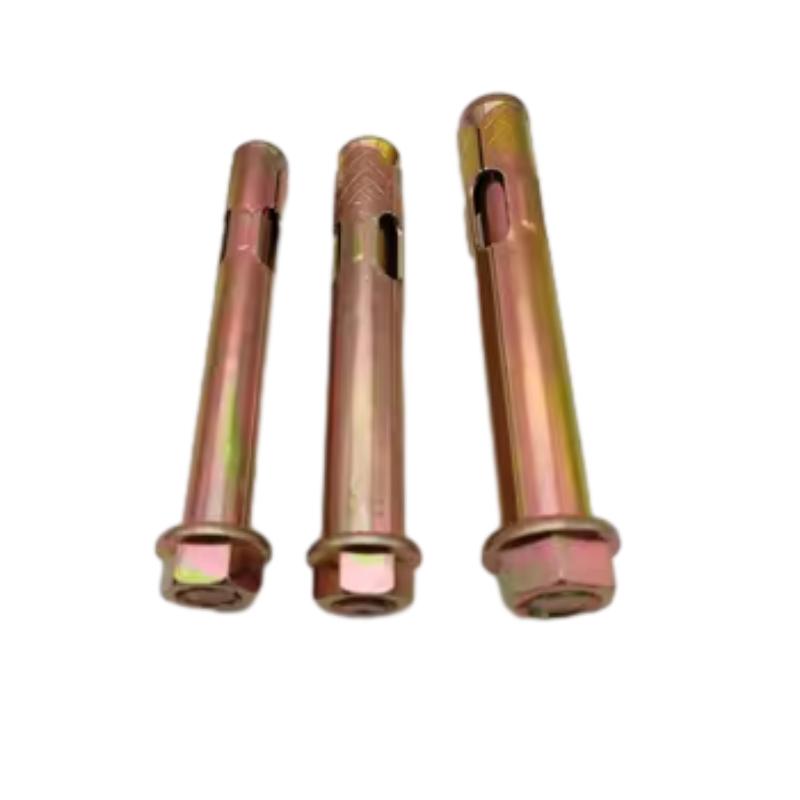
The production of a high-quality hex head sleeve anchor involves a series of precision-controlled stages to ensure material integrity, dimensional accuracy, and optimal performance. Our manufacturing process for the Carbon Steel Yellow Zinc Sleeve Anchor Hex Flange Nut adheres to stringent quality protocols:
1. Material Selection & Preparation
- Material: High-grade carbon steel rods (e.g., SAE 1008, 1022) are selected for their excellent strength-to-weight ratio and formability.
- Certification: Materials are sourced from ISO-certified suppliers, with mill certificates verifying chemical composition and mechanical properties.
2. Cold Forming / Forging
- Cold Heading: The raw steel wire is cut to length and then cold-headed to form the anchor body, including the conical expansion bolt and the hex sleeve nut. This process enhances material strength and grain structure.
- Precision Stamping: The integral hex head sleeve and flange are formed with high precision to ensure correct geometry and fit for the sleeve anchor hex bolt.
3. Thread Rolling
- Process: Threads are rolled onto the bolt component, not cut, preserving material integrity and producing stronger, more uniform threads. This is crucial for precise torque application and secure fastening.
- Standards: Adherence to ANSI B1.1 or ISO metric thread standards is maintained.
4. Heat Treatment (if required)
- Purpose: For specific high-strength applications, a controlled heat treatment process (e.g., quenching and tempering) may be applied to optimize hardness and ductility, enhancing mechanical properties like tensile and shear strength.
5. Surface Treatment (Yellow Zinc Plating)
- Process: Components undergo a thorough cleaning, acid pickling, and then are electroplated with yellow zinc. This chromate conversion coating provides excellent corrosion resistance against oxidation and extends the service life, particularly in environments exposed to moisture or mild chemicals.
- Advantages: Enhanced corrosion resistance, improved aesthetic appeal, and good adherence for subsequent painting if necessary. This significantly boosts the anchor's durability in target industries like petrochemicals and water supply & drainage, where corrosion can be a major challenge.
6. Assembly & Final Inspection
- Assembly: The finished components (bolt, sleeve, cone, nut, washer) are assembled.
- Quality Control: Each batch undergoes rigorous testing, including pull-out strength tests, shear tests, torque tests, and dimensional checks (using optical comparators and digital calipers). Salt spray tests confirm the corrosion resistance of the yellow zinc plating, typically meeting 96-hour resistance standards.
- Certifications: All testing is conducted in accordance with ISO, ASTM, and ANSI standards, ensuring consistent quality and reliability.
Application Scenarios and Target Industries
The robust design and reliable performance of the hex head sleeve anchor make it a preferred choice across a multitude of challenging applications:
- Petrochemical and Energy Facilities: Used for anchoring heavy machinery, pipeline supports, cable trays, and structural components where secure, vibration-resistant fastening is critical. The corrosion resistance of yellow zinc plating is particularly beneficial in these harsh environments.
- Metallurgy and Heavy Manufacturing: Ideal for fastening conveyor systems, racking structures, support beams, and various industrial equipment to concrete floors and walls, enduring significant dynamic and static loads.
- Water Supply & Drainage Infrastructure: Employed in securing pumps, valves, conduits, and pipework within treatment plants and distribution networks, where resistance to moisture and potential chemical exposure is vital.
- Commercial Construction: Widely used for installing curtain walls, handrails, facades, interior partitions, and ceiling supports in commercial buildings and parking structures.
- HVAC and Electrical Installations: Perfect for anchoring ductwork, conduits, electrical boxes, and control panels to concrete, ensuring stability and safety.
- General Industrial Maintenance: For routine repairs, retrofits, and additions where a strong, dependable anchor into concrete or masonry is required. These anchors are often asked "what are sleeve anchors used for" and the answer is their incredible versatility across these sectors.
Technical Advantages and Performance Metrics
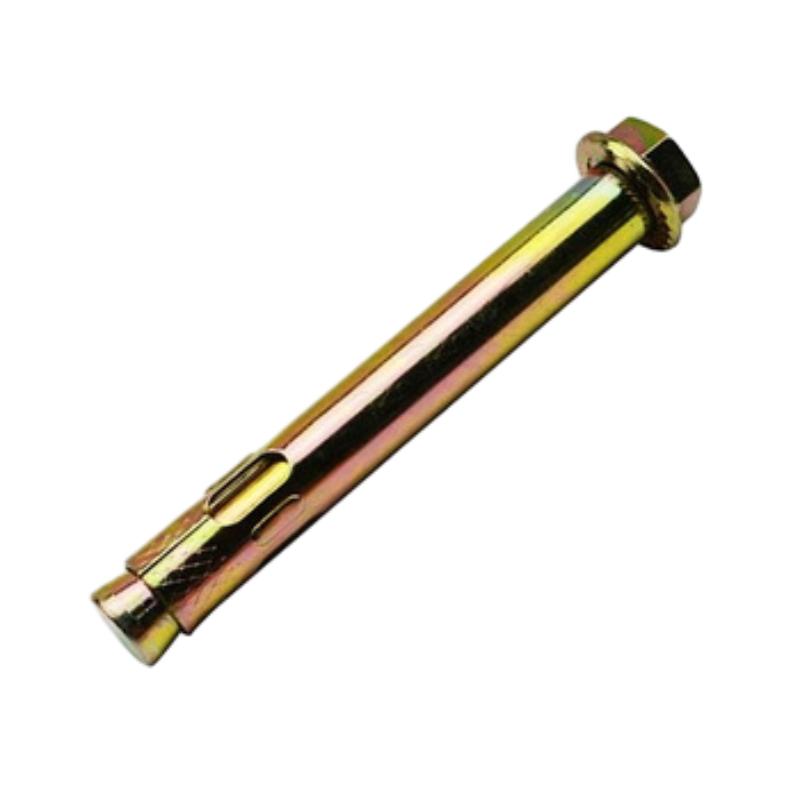
The inherent design and material properties of the hex head sleeve anchor offer several distinct advantages:
- High Load-Bearing Capacity: The controlled expansion of the sleeve against the base material (concrete, brick, block) distributes the load effectively, providing exceptional tensile and shear strength. This means greater safety factors for critical installations.
- Corrosion Resistance: The yellow zinc plating on carbon steel provides a sacrificial layer that protects the base metal from corrosion, significantly extending the service life, particularly in outdoor or humid environments. This is a critical factor for long-term structural integrity.
- Ease of Installation: The pre-assembled nature of the sleeve anchor, combined with the standard hex head sleeve, simplifies installation. A simple drill hole, insert, and tighten mechanism reduces installation time and labor costs.
- Versatility: Suitable for a wide range of base materials and applications, from light-duty to heavy-duty fastening. The ability to use the anchor in various materials makes it a go-to choice for many construction and industrial tasks, addressing the common query "what are sleeve anchors."
- Reduced Embedment Depth: Compared to some other anchor types, sleeve anchors can achieve high holding power with relatively shallower embedment depths, which is advantageous in situations with thinner concrete slabs or where rebar avoidance is a concern.
Vendor Comparison: Why Choose YTBolt.com
When sourcing critical components like the hex head sleeve anchor, vendor selection is paramount. It's not just about price, but about consistent quality, reliability, and support. Below is a comparison highlighting the advantages of choosing a reputable manufacturer like YTBolt.com:
| Feature | YTBolt.com (Our Offering) | Generic Competitor (Typical) |
|---|---|---|
| Material Grade | High-grade Carbon Steel (C1008-C1022), traceable. | Standard carbon steel, often unspecified. |
| Corrosion Protection | Yellow Zinc Plated (>5µm), 96-hour salt spray tested (ASTM B117). | Standard zinc plating (1-3µm), limited salt spray resistance. |
| Manufacturing Process | Cold-forged, thread-rolled, rigorous QC at each stage. | Stamping, cut threads, inconsistent QC. |
| Certifications | ISO 9001:2015, ASTM, ANSI compliance, CE. | Often only basic material certifications. |
| Technical Support | Dedicated engineering support, application guidance. | Limited or no technical assistance. |
| Customization | Custom lengths, materials, coatings available. | Standard sizes only. |
| Service Life Expectancy | Optimized for long-term performance and durability. | Shorter lifespan due to material/coating compromise. |
Customized Solutions and OEM Capabilities
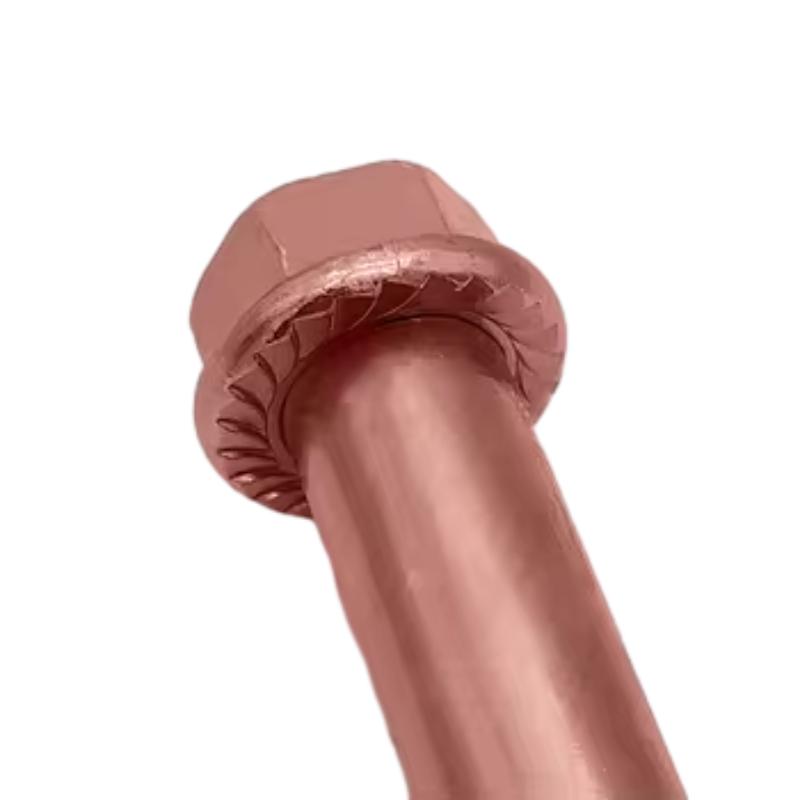
Recognizing that standard products may not always meet unique project requirements, we offer extensive customization options for the hex head sleeve anchor. Our engineering team collaborates closely with clients to develop bespoke fastening solutions:
- Material Alternatives: Beyond standard carbon steel, we can produce anchors in stainless steel grades (e.g., 304, 316) for enhanced corrosion resistance in highly aggressive environments.
- Dimensions and Lengths: Custom lengths and diameters for specific embedment depths or base material thicknesses. From specialized hex sleeve configurations to unique sleeve anchor hex bolt designs, we cater to precise needs.
- Specialized Coatings: Beyond yellow zinc, options like hot-dip galvanizing, mechanical galvanizing, or PTFE coatings for extreme corrosion or friction reduction requirements.
- OEM and Private Labeling: We provide comprehensive OEM services, manufacturing anchors to client-specific drawings and specifications, including private labeling and custom packaging. Our capacity for large-scale production ensures competitive pricing and timely delivery for volume orders.
Our robust R&D capabilities and flexible manufacturing lines allow us to prototype and produce custom solutions efficiently, ensuring that even the most niche application demands are met with precision and quality.
Application Case Studies
Case Study 1: Heavy Equipment Anchoring in a Power Plant
Client: Major Energy Utility, Gulf Coast Region
Challenge: Securely anchoring large ventilation systems and auxiliary cooling units to existing concrete slabs within a high-humidity power plant. The anchors needed to withstand significant vibrational loads and provide long-term corrosion resistance.
Solution: YTBolt.com supplied hex head sleeve anchors (5/8" x 6" yellow zinc plated) specifically chosen for their high shear strength and robust corrosion protection. Our engineers provided detailed load calculations and installation guidance, ensuring optimal embedment and torque application.
Outcome: The installation was completed ahead of schedule, with all anchors demonstrating superior holding power during post-installation pull tests. The client reported excellent long-term performance, with no signs of corrosion or loosening after 3 years of continuous operation, contributing to enhanced operational safety and reduced maintenance costs.
Case Study 2: Pipeline Support in a Chemical Processing Facility
Client: Leading Chemical Manufacturer, Industrial Complex
Challenge: Fastening structural supports for new process pipelines in an aggressive chemical environment. The anchors needed to resist chemical attack, offer reliable load-bearing capacity, and facilitate quick installation during a critical plant shutdown.
Solution: We provided custom-fabricated hex head sleeve anchors in 316 stainless steel, complemented by a specialized PTFE coating for enhanced chemical resistance. Our custom solutions team worked with the client to define exact specifications for length and material, optimizing for the unique corrosive agents present.
Outcome: The customized anchors performed flawlessly, providing secure and corrosion-resistant fastening for the pipeline supports. The project met its tight deadline, and the client commended our ability to deliver a tailored, high-performance solution that significantly mitigated future maintenance risks associated with corrosion.
Frequently Asked Questions (FAQ)
- Q: What are sleeve anchors?
- A: Sleeve anchors are mechanical expansion anchors designed for use in concrete, brick, and block. They consist of a bolt, a cone-shaped nut, a sleeve, and a washer. When the bolt is tightened, the cone is pulled into the sleeve, expanding it against the sides of the drilled hole to create a secure fix.
- Q: How do I select the correct size of hex head sleeve anchor?
- A: Selection depends on the diameter of the hole, the thickness of the fixture being fastened, and the required embedment depth. For example, 1 2 sleeve anchors would require a 1/2-inch drill bit. Consult our technical data sheets or contact our support team for specific recommendations based on your application and load requirements.
- Q: What are the advantages of yellow zinc plating on a sleeve anchor?
- A: Yellow zinc plating provides superior corrosion resistance compared to standard clear zinc or black oxide finishes. The chromate conversion layer adds enhanced protection against oxidation and mild chemical exposure, extending the lifespan of the anchor in challenging environments.
- Q: Can the hex head sleeve anchor be used in brick or block, or only concrete?
- A: Yes, the design of the hex head sleeve anchor makes it suitable for concrete, solid brick, hollow brick, and concrete block. Its expanding sleeve provides reliable grip in various masonry materials, making it a highly versatile fastener.
Logistics, Warranty, and Support
Lead Time and Fulfillment
We maintain extensive inventory of standard hex head sleeve anchor sizes to ensure rapid fulfillment. Typical lead times for in-stock items are 3-5 business days for domestic shipping. For custom orders or large volumes, lead times will be provided upon quotation and are typically between 4-8 weeks, depending on complexity and material availability. Our robust supply chain and optimized logistics ensure timely and reliable delivery.
Warranty Commitments
All our fasteners, including the Fasteners Factory Price Carbon Steel Yellow Zinc Sleeve Anchor Hex Flange Nut, are backed by a comprehensive 1-year limited warranty against manufacturing defects and material failures under normal use and proper installation. We stand by the quality and performance of our products, ensuring peace of mind for our clients.
Customer Support and Technical Assistance
Our dedicated customer support and technical engineering teams are available to assist with product selection, installation guidance, and troubleshooting. We offer pre-sales consultations to help specify the optimal anchor for your application and post-sales support to ensure successful project execution. Contact us via phone, email, or our online portal for expert assistance.
Conclusion
The hex head sleeve anchor represents a pinnacle of reliable mechanical anchoring technology, offering unparalleled versatility, strength, and corrosion resistance for a broad array of industrial and construction applications. From its meticulously controlled manufacturing process to its proven performance in critical environments, it stands as a testament to engineering excellence. By choosing high-quality, certified products and leveraging expert support, B2B decision-makers and engineers can ensure the long-term integrity and safety of their projects, ultimately leading to significant operational efficiencies and cost savings.
References
- ASTM International. (2020). ASTM E488/E488M-20, Standard Test Methods for Strength of Anchors in Concrete Elements. ASTM Standards.
- ACI Committee 318. (2019). Building Code Requirements for Structural Concrete (ACI 318-19) and Commentary. American Concrete Institute.
- European Committee for Standardization. (2016). EN 1992-4:2016, Design of concrete structures – Part 4: Design of fastenings for use in concrete. Eurocode 2.
-
Guide to Calculating the Best Expansion Anchor Bolt Length
NewsApr.16,2026
-
Guide to the Correct Drill Size for 3 8 Wedge Anchor Installation
NewsApr.09,2026
-
Comprehensive Guide to Dottie Wedge Anchor Selection and Installation
NewsApr.07,2026
-
Comprehensive Guide to Ceiling Wedge Anchors for Secure Installations
NewsApr.04,2026
-
Understanding the Versatility and Applications of Carbon Steel Wedges
NewsMar.31,2026
-
The Essential Guide to Bolt Wedges Strength and Application
NewsMar.28,2026
 English
  Bengali
  Bulgarian
  Catalan
  Czech
Czech  French
  German
  Hindi
Hindi  Hungarian
  Italian
  Kazakh
  Korean
  Portuguese
  Romanian
  Slovak
  Somali
  Spanish
  Turkish


