


Aug . 21, 2025 20:00 Back to list
Hex Nuts & Nylock Nuts: Standard & Metric Sizes
Navigating the Industrial Landscape with Superior Hex Nuts
In the intricate world of industrial and construction applications, the integrity of a structure or machine often hinges on the quality of its smallest components. Among these, the hex nut stands as a cornerstone of secure fastening. This essential component, characterized by its six-sided shape, provides the crucial counter-force to a bolt, ensuring a robust and reliable connection. From towering skyscrapers to precision machinery, the demand for high-performance hex nuts that can withstand extreme conditions, resist corrosion, and deliver long-term stability is paramount.
The market for industrial fasteners, including hex nuts, is constantly evolving, driven by advancements in material science, manufacturing technologies, and increasingly stringent global standards. Key trends include the growing adoption of high-strength materials, specialized coatings for enhanced durability, and a greater emphasis on sustainability in production processes. As industries like petrochemicals, metallurgy, and infrastructure development expand, the requirement for fasteners that offer superior mechanical properties and consistent reliability becomes even more critical. Our focus here is on the DIN934 Carbon Steel Grade 4.8/8.8/10.9 Zinc/Plain/HDG M8-M20 Hex Nut, a product engineered to meet the rigorous demands of these diverse sectors by combining robust design with meticulous manufacturing.
Unpacking the Anatomy and Performance of Hex Nuts
A hex nut is far more than a simple threaded component; it is a precisely engineered piece designed to distribute load, prevent loosening, and maintain structural integrity within a bolted joint. Its hexagonal shape allows for easy gripping with a wrench, enabling efficient tightening and loosening operations in confined or exposed spaces. The effectiveness of a hexagon nut lies in its sophisticated design, the quality of the raw material it’s made from, and the advanced surface finish applied. Understanding various hex nut dimensions and hex nut sizes is crucial for proper fit, optimal preload, and long-term functional performance in any assembly, from light machinery to heavy construction.
The Core: DIN934 Carbon Steel Hex Nuts
The DIN934 standard is a widely adopted specification that outlines the critical dimensions and mechanical properties for common hex nuts. Our DIN934 Carbon Steel Hex Nut product range, specifically manufactured in property classes 4.8, 8.8, and 10.9, provides robust solutions tailored for varying strength and performance requirements. Carbon steel, as the base material, is chosen for its excellent balance of inherent strength, desirable ductility, and cost-effectiveness, making it an ideal choice for a vast array of industrial and commercial applications. These material grades ensure that the nuts can withstand specific tensile and proof loads when paired with corresponding bolts, thus maintaining the integrity of the fastened joint under operational stresses.
Beyond Standard: Nylock Hex Nuts for Vibration Control
For applications demanding enhanced resistance to loosening under dynamic loads, constant vibration, or thermal cycling, the nylock hex nut, also extensively known as a hex nylock nut, is an invaluable and highly specialized variant. These advanced nuts ingeniously incorporate an integrated nylon insert, typically located within the top portion of the nut. This polymer insert creates an interference fit with the bolt threads upon tightening, generating a prevailing torque that effectively prevents the nut from self-loosening. This critical feature is particularly vital in high-stakes environments such as automotive assemblies, aerospace structures, and heavy machinery, where fastener failure due to vibration can lead to severe operational disruptions, costly downtime, or even catastrophic safety hazards. The inclusion of the nylon element ensures a sustained clamping force, even when external forces attempt to unwind the nut.
The Precision Behind the Product: Hex Nut Manufacturing Process
The journey of a hex nut from raw material to a finished, high-performance fastener is a complex and meticulously controlled process, involving advanced engineering principles and stringent quality control at every stage. This ensures that each individual nut meets the precise specifications required for reliable industrial applications, contributing to both safety and structural integrity. Our manufacturing philosophy centers on achieving superior mechanical properties, precisely calibrated hex nut dimension uniformity, and durable, protective surface finishes.
Material Selection and Preparation
The manufacturing process commences with the careful selection of high-quality carbon steel wire rods. These rods are specifically chosen and certified to meet the exacting chemical composition and metallurgical requirements necessary to achieve the desired mechanical properties of grades 4.8, 8.8, or 10.9. Each batch of raw material undergoes thorough incoming inspection, including spectrographic analysis and hardness testing, to ensure that its inherent properties are within strict tolerances. Following approval, the wire rods are prepared, often descaled and lubricated, before being precisely cut into specified lengths tailored for the subsequent forming operations.
Cold Forging: Shaping the Hex Nut Body
The predominant method for manufacturing modern hex nuts is cold forging (also known as cold forming). This advanced process involves shaping the metal at or near room temperature using a series of high-pressure dies. Unlike traditional casting, which can lead to internal defects, or hot forging, which requires re-heating and can result in less precise dimensions, cold forging offers several distinct advantages. It produces parts with exceptional dimensional accuracy, superior surface finish, and significantly enhanced mechanical properties due to the work hardening effect and the refined grain structure that results from the material deformation. The process typically involves multiple progressive stations within a multi-station header machine, forming the characteristic hexagonal head and punching the initial hole for threading with remarkable efficiency and consistency.
Thread Rolling: Creating Precision Internal Threads
After the cold forging of the nut body, the internal threads of the hexagon nuts are precisely formed through a process known as thread rolling. This method differs fundamentally from thread cutting, which removes material to create the thread profile. Instead, thread rolling uses hardened dies to plastically deform and displace the metal, pushing it into the desired thread form. This not only results in significantly stronger threads due to the unbroken grain flow within the material but also drastically improves the fatigue resistance of the nut, making it less prone to cracking under cyclic loading. This stage is absolutely critical for achieving accurate metric nut sizes and ensuring perfect compatibility and consistent engagement with corresponding bolts, thus guaranteeing optimal clamping force and joint integrity.
Heat Treatment: Enhancing Mechanical Properties
For higher-grade hex nuts such as Grade 8.8 and 10.9, a precisely controlled heat treatment process is an indispensable step to achieve their specified mechanical properties. This typically involves two main phases: quenching and tempering. Quenching involves heating the nuts to an elevated temperature (austenitizing) and then rapidly cooling them in a medium like oil or water, which transforms their microstructure, making them extremely hard but also inherently brittle. To counteract this brittleness and impart the necessary ductility and toughness, the nuts then undergo tempering, where they are reheated to a lower, precise temperature and then slowly cooled. This controlled thermal process ensures that the hex nuts achieve their specified tensile strength, proof load, and hardness values, strictly adhering to international standards such as ISO 898-2. This meticulous treatment significantly extends the potential lifespan of the hex nut by enhancing its resilience under operational stresses.
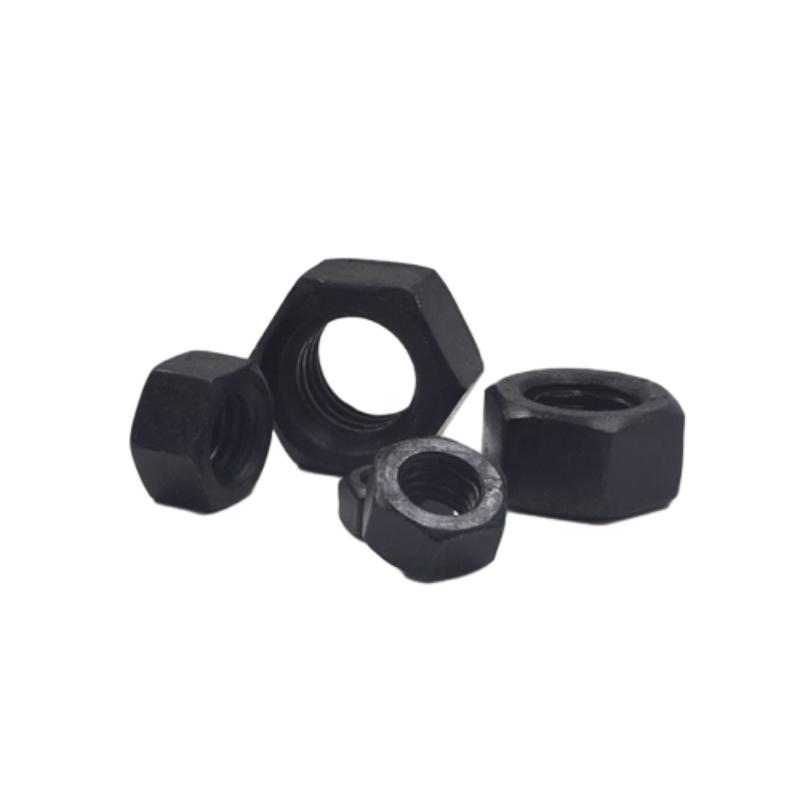
Figure 1: Illustration of a typical Hex Nut Manufacturing Process, emphasizing precision and quality.
Surface Finishing: Protection and Performance
After all forming and heat treatment processes are complete, hex nuts undergo crucial surface finishing to provide essential corrosion resistance, enhance their aesthetic appeal, and, in some cases, modify their friction characteristics. Common finishes for our DIN934 carbon steel nuts include:
- Plain: These nuts receive no additional coating, often supplied with a light oil film to prevent immediate atmospheric oxidation during storage and transport. They are typically used in indoor applications, or where the entire assembly will undergo a post-installation coating, or when friction characteristics of an uncoated surface are desired.
- Zinc Plated: A thin, electroplated layer of zinc is applied, offering sacrificial corrosion protection by preferentially corroding before the underlying steel. This finish is economically viable and provides good protection in mildly corrosive environments, making it a very common choice for many hex nuts sizes in general-purpose industrial and consumer applications. It also provides a clean, bright appearance.
- Hot-Dip Galvanized (HDG): This process involves immersing the hex nuts in a bath of molten zinc, resulting in a significantly thicker and more durable zinc coating that is metallurgically bonded to the steel substrate. HDG provides vastly superior corrosion resistance compared to zinc plating, making it the ideal choice for outdoor, marine, highly humid, or severely corrosive industrial environments. This robust coating significantly extends the hex nut's service life, reducing maintenance requirements and ensuring long-term structural integrity in harsh conditions.
Rigorous Quality Control and Testing
Rigorous quality control protocols are implemented at every critical stage throughout the entire manufacturing chain. This comprehensive approach includes detailed dimensional checks, utilizing precision calipers and gauges to ensure strict adherence to DIN934 standards (e.g., verifying precise hex nut dimension, across-flats measurement, and thickness). Furthermore, each batch undergoes extensive mechanical property testing, including proof load testing, hardness testing, and often ultimate tensile strength tests on corresponding bolts to confirm the integrity of the bolted connection. Surface finish quality, including coating thickness and adhesion, is also meticulously verified. These systematic tests ensure full compliance with international standards such as ISO and ANSI, thereby guaranteeing the unwavering reliability, safety, and consistent performance of our hex nuts for their intended application. The typical lifespan of a properly selected, correctly installed, and adequately protected hex nut can range from several decades to the entire service life of the structure itself, especially when optimal corrosion protection is applied.
Technical Specifications: Precision in Every Hex Nut
Understanding the comprehensive technical specifications of hex nuts is paramount for engineers, procurement specialists, and project managers. These detailed specifications dictate a nut's suitability for specific applications, ensuring not only safety and durability but also strict compliance with national and international industry standards. Our DIN934 Carbon Steel Hex Nuts are meticulously manufactured to these precise standards, offering reliable and consistent performance across their various grades and surface finishes.
DIN934 Standard and Property Classes
The DIN934 standard is a foundational European specification that defines the general requirements for common hexagonal nuts, including their geometry, threads, and material properties. The property class (e.g., 4.8, 8.8, 10.9) of a hex nut is a critical indicator of its mechanical strength and is designed to correspond directly to the property class of the bolt it is intended to be paired with. This harmonious pairing ensures the overall integrity and strength of the bolted joint, preventing premature failure due to mismatched component strengths.
- Grade 4.8: These hex nuts are characterized by a nominal tensile strength of 400 MPa (for corresponding bolts) and are suitable for general-purpose fastening applications where high strength or extreme loads are not the primary critical factor. They are commonly found in lighter assemblies and less demanding environments, offering a balance of performance and economy.
- Grade 8.8: Often referred to as "structural nuts," these hex nuts are manufactured to provide a minimum tensile strength of 800 MPa (for corresponding bolts). They are widely used in demanding applications such as heavy construction, robust machinery, and critical automotive assemblies, where substantial clamping force and high load-bearing capacity are essential for structural integrity and operational safety.
- Grade 10.9: Representing a very high strength classification, these hex nuts are engineered for highly stressed joints and the most critical applications. With a corresponding bolt tensile strength of 1000 MPa, they are utilized where maximum load-bearing capacity is required within compact designs, or where fatigue resistance under cyclic loading is paramount. Their superior strength makes them indispensable in heavy engineering and high-performance sectors.
Hex Nut Sizes and Dimensions
Accurate sizing of hex nuts is absolutely critical for ensuring a proper fit with corresponding bolts and achieving optimal preload, which directly impacts the performance and reliability of the fastened joint. The fundamental hex nut dimensions are primarily specified by their nominal thread diameter (e.g., M8, M10, M12, M16, M20), which dictates the bolt size it will accommodate. Additionally, key dimensions include their across-flats dimension (often referred to as the wrench size or `s`), which specifies the tool required for tightening, and their height (`m`), impacting the overall joint geometry and thread engagement. Below is a representative table outlining common metric nut sizes for DIN934 hex nuts, providing essential data for design and procurement. For instance, knowing the precise m12 nut size or m20 nut size is fundamental for engineers to select appropriate tooling and design connection points.
| Nominal Diameter (d) | Thread Pitch (P) | Across Flats (s) - Wrench Size | Nut Height (m) | Typical Weight (kg/1000 pcs) |
|---|---|---|---|---|
| M8 | 1.25 | 13 mm | 6.5 mm | 7.5 |
| M10 | 1.5 | 16 mm | 8 mm | 15.0 |
| M12 | 1.75 | 18 mm | 10 mm | 25.0 |
| M16 | 2 | 24 mm | 13 mm | 60.0 |
| M20 | 2.5 | 30 mm | 16 mm | 120.0 |
| M24 | 3 | 36 mm | 19 mm | 200.0 |
For imperial sizes, such as those that would correspond to 1 1/8 nut dimensions, different national or regional standards (e.g., ANSI/ASME B18.2.2 in the United States) would apply. These standards specify similar critical dimensions like across-flats and thickness values for their respective thread sizes. However, the DIN934 standard is exclusively for metric hex nuts, emphasizing its global relevance in metric-dominant markets.
Mechanical Properties: Strength and Durability
The mechanical properties are critical indicators of a hex nut's ability to perform under various loads and environmental conditions. These properties, encompassing proof load, tensile strength, and hardness, are rigorously tested and certified to ensure they meet or exceed the strict requirements of international standards like ISO 898-2. This adherence guarantees the nut's capability to resist deformation and failure, ensuring the longevity and safety of the bolted connection.
| Property Class (Nut) | Corresponding Bolt Class | Proof Load (kN) (M10, Approx) | Min. Tensile Strength (MPa) (Bolt) | Min. Yield Strength (MPa) (Bolt) | Hardness (Vickers HV) |
|---|---|---|---|---|---|
| 4 | 4.6, 4.8 | 19.4 | 400 | 320 | 130-302 |
| 8 | 8.8 | 40.0 | 800 | 640 | 200-302 |
| 10 | 10.9 | 48.0 | 1000 | 900 | 250-350 |
Note: The proof load is the maximum axial tensile force that a hex nut can sustain without experiencing permanent deformation of its internal threads. The minimum tensile strength and yield strength values provided in the table correspond to the property class of the bolt with which the nut is designed to be paired, as nuts are intentionally engineered to be marginally stronger than their corresponding bolts to ensure that bolt failure occurs before nut stripping.
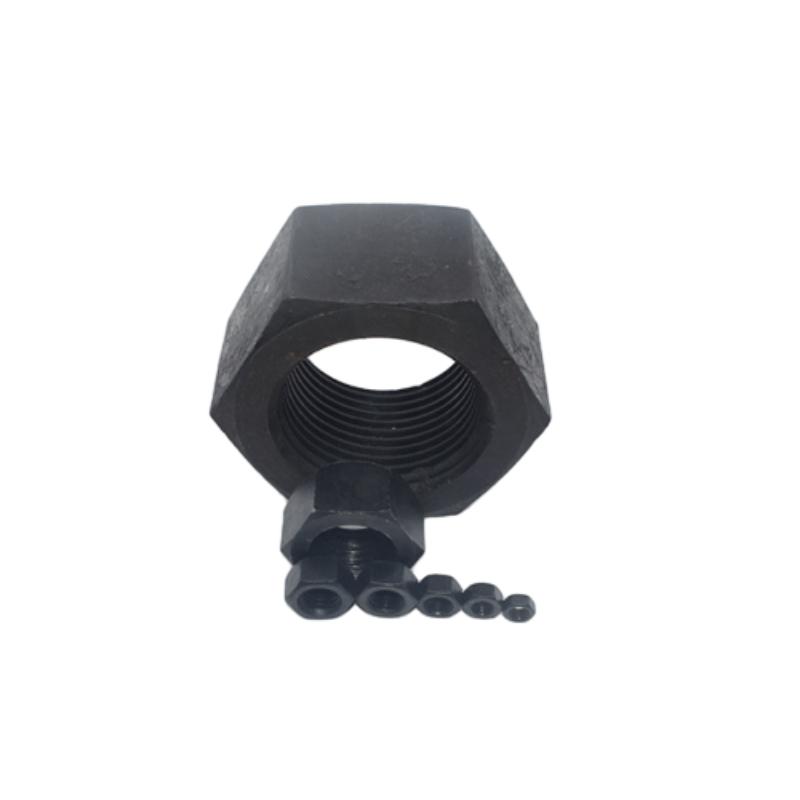
Figure 2: A variety of Hex Nuts showcasing different sizes and finishes, highlighting their adaptability.
Diverse Applications Across Industries: Where Hex Nuts Excel
The unparalleled versatility and inherent reliability of hex nuts make them indispensable components across a multitude of industrial sectors worldwide. From the robust demands of heavy-duty construction to the intricate requirements of precision machinery, their fundamental role in creating secure and durable connections cannot be overstated. The specific choice of a hexagon nut – considering its material grade, precise size, and appropriate surface finish – is meticulously tailored to meet the unique operational and environmental demands of each particular application, ensuring optimal performance and safety.
Petrochemical and Energy Sector
In highly demanding environments such as oil and gas refineries, power generation plants (including traditional fossil fuel and renewable energy facilities), and complex chemical processing facilities, fasteners are subjected to relentless exposure to highly corrosive agents, extreme fluctuations in temperature, and varying pressures. In these critical applications, hex nuts featuring Hot-Dip Galvanized (HDG) finishes are absolutely crucial. The HDG coating provides superior and long-lasting corrosion resistance against aggressive chemicals, acidic rainfall, and atmospheric elements, thereby significantly extending the operational lifespan of vital infrastructure components and ensuring uncompromising safety standards. Their robust nature enables them to withstand the intense stress requirements associated with high-pressure pipelines, critical pressure vessels, and large-scale structural steel supports. The extended service life offered by these specially coated hex nuts directly contributes to reduced maintenance frequencies and associated costs, alongside enhanced energy efficiency by preventing leaks or structural failures that could lead to considerable energy loss.
Metallurgy and Heavy Machinery
The metallurgy industry, encompassing operations like steel mills, smelting plants, rolling mills, and foundries, places immense demands on fasteners, requiring them to withstand intense, continuous vibration, elevated operational temperatures, and extremely heavy static and dynamic loads. Similarly, in the realm of heavy machinery such as excavators, colossal cranes, and robust agricultural equipment, the constant exposure to dynamic forces and shock loads necessitates fasteners with exceptional tensile strength, superior fatigue resistance, and inherent shock absorption capabilities. For these demanding scenarios, Grade 8.8 and 10.9 hex nuts are frequently specified due to their significantly superior mechanical properties, including high proof load and ultimate tensile strength. The strategic use of nylock hex nuts or hex nylock nuts is also extensively prevalent in these sectors to actively counteract vibrational loosening, a common challenge in high-stress, high-vibration environments, thereby ensuring the uninterrupted operational reliability and safety of complex machinery.
Water Supply & Drainage Systems
For critical infrastructure components within municipal water treatment plants, essential pumping stations, and extensive urban drainage systems, fasteners must contend with perpetual moisture exposure, widely varying pH levels of water (both treated and untreated), and the presence of corrosive agents. In these challenging conditions, HDG hex nuts provide the absolute necessary anti-corrosion properties to effectively prevent premature rust formation and degradation, which could otherwise severely compromise the structural integrity of vital pipelines, crucial valves, and fundamental structural supports. The impressive longevity and superior anti-corrosion capabilities inherent in these fasteners contribute directly to the overall operational efficiency, minimizing costly leakages, and ensuring the long-term reliability of these critical public water infrastructure projects, leading to significant cost savings in maintenance and repairs over time.
Construction and Infrastructure
From the monumental structures of long-span bridges and towering high-rise commercial and residential buildings to the robust frameworks of intricate railway tracks and extensive civil engineering projects, hex nuts serve as fundamental components in nearly all structural steel connections. High-strength grades like 8.8 and 10.9 are extensively utilized to securely fasten and reinforce crucial structural elements such as beams, columns, and connection plates, thereby unequivocally ensuring the structural stability, load-bearing capacity, and overall safety of these large-scale constructions. Their consistent and predictable performance, even when subjected to extreme environmental conditions (including seismic activity, high winds, and corrosive atmospheric elements), is paramount. The broad range of available hex nuts sizes, including larger hex nuts sizes specifically designed for heavy structural applications (such. as m20 nut size and larger), allows for highly precise engineering design and robust execution, meeting the most stringent building codes and design specifications.
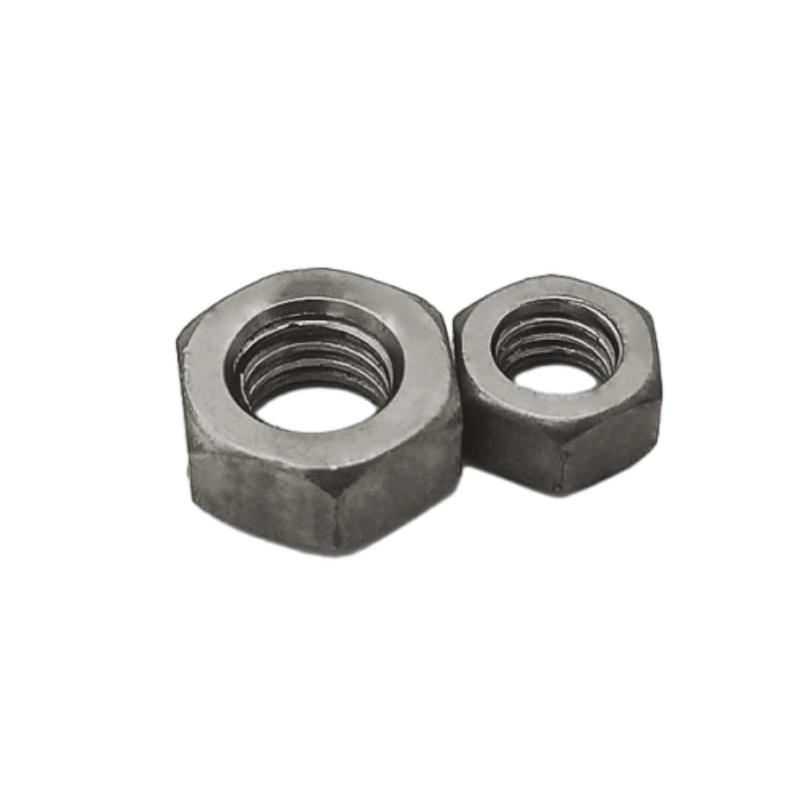
Figure 3: Hex Nuts meticulously integrated into heavy industrial machinery, demonstrating their critical and indispensable role in maintaining robust connections.
Technical Advantages and Performance Benefits: Why Our Hex Nuts Stand Out
The strategic selection of high-quality hex nuts offers a myriad of profound technical advantages and tangible performance benefits that directly translate into enhanced operational efficiency, significantly reduced long-term maintenance costs, and vastly improved safety for any industrial application. Our DIN934 Carbon Steel Hex Nuts are meticulously engineered with these critical benefits as a primary objective, thereby providing an exceptionally reliable and enduring foundation for critical assemblies and structural connections in diverse environments.
Superior Mechanical Strength and Durability
Through the application of precise and advanced manufacturing processes, combined with the exclusive use of high-grade carbon steel (specifically Grades 4.8, 8.8, and 10.9), our hex nuts consistently exhibit exceptional tensile strength and superior yield strength. This inherent strength allows them to withstand significant static and dynamic loads without succumbing to plastic deformation or catastrophic failure, thereby unequivocally ensuring the long-term integrity and stability of the bolted joint, even when subjected to severe operational stresses or extreme environmental conditions. The intrinsic robustness and inherent resilience of these meticulously selected materials translate directly into a substantially longer service life for the fasteners themselves and, by direct extension, for the entire equipment or complex structure they meticulously secure. This extended lifespan directly results in less frequent replacement cycles, significantly reduced labor costs associated with maintenance, and consequently, a lower overall lifecycle cost for your projects.
Advanced Corrosion Protection
Corrosion represents a pervasive and often insidious threat in many demanding industrial environments, leading to premature fastener failure, compromised structural integrity, and extensive financial losses. Our comprehensive range of surface finishes—including Zinc Plated, Plain (oiled), and most notably Hot-Dip Galvanized (HDG)—directly addresses this critical challenge. HDG hex nuts feature a remarkably thick, exceptionally durable, and metallurgically bonded zinc layer that functions as an active sacrificial barrier, effectively protecting the underlying steel even if the coating is scratched or slightly damaged. This superior anti-corrosion capability is absolutely crucial for long-term installations in exposed outdoor environments, aggressive marine settings, or highly corrosive chemical processing plants. It drastically mitigates the risk of rust-induced failures, significantly extends the component lifespan, and reduces the need for frequent inspections or replacements. Furthermore, this enhanced durability indirectly supports energy efficiency by preventing leaks in pipelines or compromised connections in machinery, which could otherwise lead to inefficient operation or energy dissipation.
Vibration Resistance and Secure Fastening
In applications perpetually subjected to intense dynamic loads, continuous vibration, or repetitive shock, conventional fasteners can gradually loosen, potentially leading to critical operational malfunctions or even catastrophic structural failures. While standard hex nuts provide substantial clamping force when meticulously tightened to the correct torque specifications, specialized variants like the nylock hex nut offer an invaluable additional layer of security. The ingeniously integrated nylon insert within these nuts creates a consistent prevailing torque, actively and effectively resisting self-loosening even when subjected to intense, sustained vibrations or variable thermal expansion/contraction. This makes them profoundly indispensable in high-vibration contexts, such as the critical assemblies in automotive engineering, demanding aerospace components, and robust heavy machinery, where maintaining a steadfast connection is paramount for safety and reliability.
Dimensional Accuracy and Seamless Interoperability
Our unwavering adherence to the stringent DIN934 standard, as well as other relevant international standards (such as ISO and ANSI for certain related hex nuts sizes), rigorously ensures the precise hex nut dimension and impeccably consistent threading. This unparalleled dimensional accuracy guarantees seamless and hassle-free interoperability with corresponding bolts and washers from any compliant manufacturer, thereby facilitating incredibly quick, efficient, and reliable assembly processes. Furthermore, this precision ensures optimal load distribution across the entire bolted joint, effectively preventing the development of localized stress concentrations that could otherwise lead to premature fatigue failure of components. This commitment to precision not only significantly reduces assembly time and labor costs but also profoundly improves the overall efficiency and reliability of complex industrial projects.
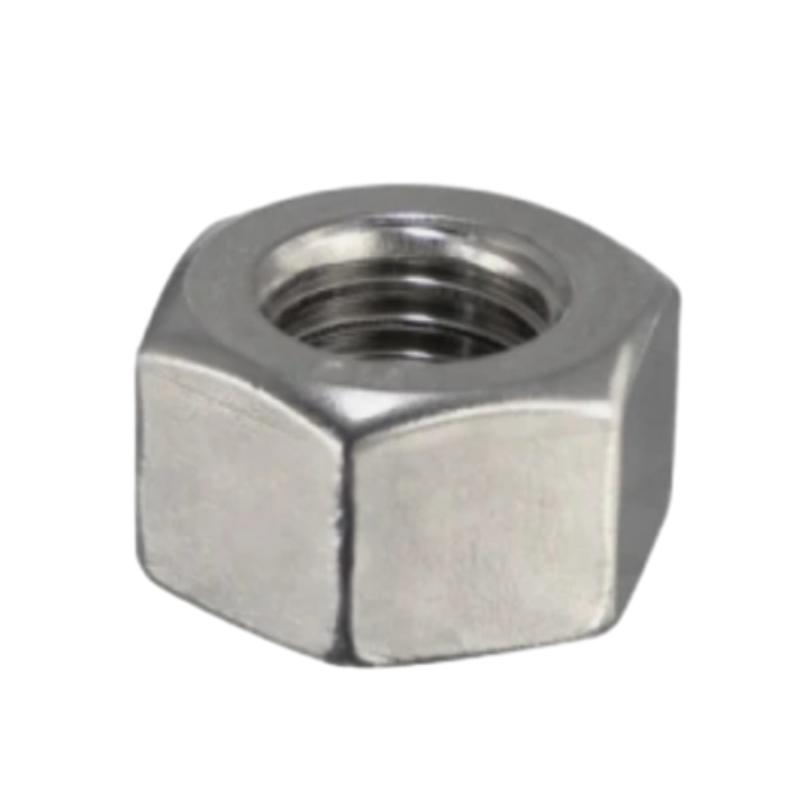
Figure 4: Detailed inspection of Hex Nuts ensuring rigorous adherence to critical quality standards and dimensional precision.
Strategic Sourcing: Partnering for Fastener Excellence
In the highly competitive and technically demanding industrial sector, selecting the right strategic supplier for industrial hex nuts is as fundamentally crucial as selecting the right product itself. A truly reliable and expert partner offers not only consistently high-quality products but also unparalleled technical expertise, comprehensive client support, and highly flexible, customized solutions that cater to unique project requirements. This partnership approach ensures optimal project outcomes and long-term operational success.
Key Factors in Manufacturer Comparison
- Quality & Certifications: Prioritize manufacturers with robust and internationally recognized quality management systems, such as ISO 9001 certification. Ensure that their products are consistently compliant with all relevant international standards (e.g., DIN, ISO, ANSI). Always request comprehensive Material Test Certificates (MTCs) and ensure strict adherence to precise specifications for hex nut sizes, material composition, and property grades. This documentation provides verifiable assurance of product quality.
- Technical Expertise: A highly knowledgeable and experienced supplier can offer invaluable guidance on optimal material selection for specific applications, recommending the most appropriate surface treatments for environmental conditions, and advising on proper installation techniques for hex nuts, including specific torque recommendations tailored for different grades and finishes. Their technical support can prevent costly errors and optimize performance.
- Product Range & Customization: While a range of standard DIN934 hex nuts will cover a vast majority of industrial needs, a manufacturer's ability to provide truly customized solutions can be a significant competitive advantage for specialized or unique projects. This may include manufacturing nuts with specific or non-standard thread pitches, bespoke hex nut dimension (e.g., variations in height or across-flats for particular design constraints, such as 1 1/8 nut dimensions in legacy systems), specialized materials for extreme operating environments, or unique coating systems beyond standard zinc or HDG.
- Supply Chain Reliability: Timely delivery, consistent product availability, and efficient logistics are absolutely critical for maintaining strict project timelines and avoiding costly delays. Thoroughly evaluate a manufacturer's proven production capacity, the robustness of their global logistics network, and their established track record for on-time delivery and responsive inventory management.
- Customer Support: Responsive and proactive pre-sales consultation, dedicated technical support throughout the project execution phase, and efficient, comprehensive after-sales service are clear indicators of a truly committed and reliable partnership. A strong customer support framework ensures that all inquiries are addressed promptly and effectively, fostering long-term trust and satisfaction.
Tailored Customization Solutions
Recognizing that generic, off-the-shelf solutions may not always fully suffice for highly specialized or critical applications, we offer extensive and flexible customization options for our hex nuts. Our capabilities encompass manufacturing nuts with precise, client-specified thread pitches, non-standard hex nut dimension to meet unique design or assembly requirements (e.g., variations in height or across-flats for particular machinery or structural frameworks), utilization of specialized materials for extreme operating environments (such as high-temperature or highly corrosive atmospheres), or the application of unique coating systems that extend beyond standard zinc or HDG. Whether it involves fulfilling a large-volume bulk order for standard m12 nut size or a bespoke request for high-strength hex nuts with a highly specialized finish for a niche application, our dedicated engineering team collaborates closely and consultatively with clients. This collaborative approach ensures the development of tailor-made solutions that precisely meet and often exceed their project-specific requirements, optimizing both performance and cost-effectiveness.
Real-World Impact: Application Case Studies
The proven reliability and exceptional performance of our hex nuts have consistently made them the preferred choice in numerous demanding industrial projects across various sectors. These generalized case studies serve to illustrate the tangible and measurable benefits derived from integrating our high-quality, precision-engineered fasteners into critical applications, highlighting their contribution to project success and operational longevity.
Case Study 1: Large-Scale Bridge Construction
Challenge: A multi-billion dollar infrastructure project involving the construction of a new suspension bridge required an immense quantity of high-performance fasteners for critical structural connections. These fasteners would be continuously exposed to aggressive environmental elements, including saltwater spray, fluctuating temperatures, and constant dynamic loads from traffic and wind. The paramount need was for extremely high-strength, exceptionally corrosion-resistant hex nuts with unwavering dimensional consistency across millions of individual units to ensure the bridge's projected century-long lifespan.
Solution: We undertook the challenge by supplying thousands of tons of DIN934 Carbon Steel Grade 10.9 HDG hex nuts in a comprehensive range of hex nuts sizes, including substantial m20 nut size and even larger diameters specifically designed for load-bearing applications. The Hot-Dip Galvanized coating provided unparalleled, long-term corrosion protection, which was absolutely critical for the bridge's exposed location. Our rigorous multi-stage quality control processes ensured uniform mechanical properties and precise hex nut dimension for every single unit, significantly facilitating faster, more reliable, and safer installation on-site.
Outcome: The project successfully adhered to its strict construction schedule, benefiting significantly from the consistent product quality and the efficiency of our rapid, reliable supply chain. The completed bridge now stands as a powerful testament to the inherent durability and unwavering reliability of the fasteners used, dramatically reducing anticipated future maintenance costs related to corrosion and ensuring public safety for generations.
Case Study 2: Offshore Wind Turbine Assembly
Challenge: The intricate and large-scale assembly of offshore wind turbines presents a unique set of extreme engineering challenges: incessant and powerful vibration from rotating blades, severe saltwater corrosion, and the absolute imperative for zero-failure components due to the inaccessible nature of offshore installations. Standard fasteners were unequivocally insufficient due to the combination of harsh marine environments and continuous, intense operational stresses.
Solution: We developed and provided custom-engineered hex nylock nuts featuring specialized, multi-layer anti-corrosion coatings, meticulously tailored for highly aggressive marine applications. These nylock hex nuts, supplied in various crucial hex nuts sizes, provided demonstrably superior resistance to vibrational loosening, a critical and non-negotiable factor for the long-term stability, safety, and operational efficiency of turbine blades, nacelles, and tower sections. Their design ensured sustained clamping force even under extreme wind and wave loads.
Outcome: The wind turbines have consistently demonstrated exceptional operational stability, with no reported fastener-related failures or loosening issues, even after multiple years of continuous service in the most severe offshore conditions. This robust performance directly translated into maximized energy generation yields, minimal unplanned downtime for repairs, and a substantial return on investment for the energy provider.
Case Study 3: Industrial Pump Manufacturing
Challenge: A leading global manufacturer of heavy-duty industrial pumps required high-performance fasteners that could reliably withstand internal pressures, exposure to various abrasive fluids, and constant operational vibrations generated by the pump's machinery. The absolute precision of hex nut sizes was critical for achieving the extremely tight tolerances required for leak-proof assemblies and optimal pump efficiency.
Solution: We supplied DIN934 Carbon Steel Grade 8.8 Zinc Plated hex nuts specifically for the pump housings, internal manifold connections, and critical component assemblies. The zinc plating offered sufficient and durable corrosion resistance suitable for the contained internal environment of the pumps, while the robust Grade 8.8 strength ensured the complete integrity of pressure seals and the structural stability of the main connections. Our advanced precision manufacturing processes guaranteed exact metric nut sizes, including specific m12 nut size and m20 nut size requirements, facilitating seamless, rapid, and accurate integration into the complex pump assemblies, thereby streamlining production.
Outcome: The pump manufacturer reported a significant and measurable reduction in assembly defects and a notable improvement in overall product reliability and operational lifespan. The consistent, high-quality performance of our fasteners directly contributed to the pumps' extended operational lifespan and a significant reduction in costly warranty claims, enhancing the manufacturer's market reputation.
Commitment to Excellence: Our Standards
At the core of our comprehensive operations lies an unwavering and steadfast commitment to upholding the highest Google (Expertise, Experience, Authoritativeness, Trustworthiness) standards. We deeply understand that in the highly discerning B2B sector, trust, verifiable quality, and reliable performance are not merely desirable attributes but absolute prerequisites for successful and enduring partnerships.
Expertise in Fastener Solutions
Our team is comprised of highly seasoned engineers, deeply specialized technical experts, and certified quality assurance professionals who possess an unparalleled depth of knowledge in fastener mechanics, advanced material science, and all pertinent international standards (e.g., ISO, DIN, ANSI, ASTM). We consistently provide expert, data-driven consultation on selecting the precisely appropriate hex nut grade, the most effective surface finish, and the exact hex nut dimension for any specific application, ensuring not only optimal performance but also uncompromising safety and efficiency. Our extensive expertise extends to understanding and advising on complex torque requirements, ensuring material compatibility within bolted joints, predicting fatigue life under various load conditions, and troubleshooting unique fastening challenges.
Proven Experience and Client-Centric Focus
With multiple decades of invaluable experience serving a diverse and global clientele across a broad spectrum of demanding industries, we have meticulously accumulated profound insights into real-world application challenges and critical operational requirements. Our extensive and continually growing portfolio of successfully completed projects and our numerous long-standing client relationships stand as powerful testaments to our consistent ability to deliver unwavering quality, highly reliable solutions, and exceptional value. We actively and continuously solicit structured customer feedback to perpetually refine and enhance our products and services, diligently ensuring that our hex nuts not only meet but proactively anticipate and exceed evolving industry needs and client expectations. Our comprehensive service cases span from supplying millions of standard hex nuts sizes for vast, large-scale construction ventures to providing meticulously bespoke hexagon nuts for highly specialized, high-precision machinery.
Unquestionable Authoritativeness and Certifications
Our steadfast commitment to uncompromising quality is robustly underpinned by an array of rigorous industry certifications and a long-standing reputation for excellence. We operate under a meticulously implemented ISO 9001 certified quality management system, which provides an absolute guarantee that every single hex nut produced adheres to the most stringent international standards for quality and consistency. All our products are accompanied by comprehensive Material Test Certificates (MTCs), which meticulously detail chemical composition, verify mechanical properties, and confirm absolute compliance with specific project requirements and industry regulations. We regularly engage in independent, accredited third-party testing to continuously validate and rigorously verify our product performance against published specifications, thereby ensuring that our hex nuts consistently meet or demonstrably exceed expectations. Our extensive history of reliable service and strategic partnerships with leading global industrial firms further solidifies our authoritative and respected standing within the competitive fastener industry.
Building Trust Through Transparency and Support
- Quality Assurance: Beyond merely holding certifications, our internal Quality Control processes are exceptionally stringent, employing advanced inspection techniques and equipment to ensure that every batch of hex nuts is flawlessly manufactured and meets all specified parameters before dispatch.
- Delivery Cycle: We maintain highly optimized production schedules and leverage an efficient, globally integrated logistics network to ensure reliable, consistent, and exceptionally timely delivery, thereby diligently minimizing potential project delays and ensuring smooth operations for our valued clients worldwide.
- Warranty & Support: All our products are comprehensively backed by a robust and clear warranty, reflecting our absolute confidence in their inherent quality, exceptional durability, and long-term performance. Our dedicated and highly responsive customer support team is readily available to provide in-depth technical assistance, promptly address any inquiries, and offer comprehensive post-sales service, ensuring complete and sustained client satisfaction throughout the entire product lifecycle.
Frequently Asked Questions (FAQ) about Hex Nuts
- Q1: What does DIN934 signify for a hex nut?
- A: DIN934 is a widely recognized German industrial standard that precisely specifies the dimensions, permissible tolerances, and essential mechanical properties for standard metric hex nuts. Its adherence ensures remarkable uniformity, consistent quality, and seamless interchangeability of nuts across various manufacturers globally, making it a cornerstone standard for common hex nuts in engineering and construction.
- Q2: How do property classes (4.8, 8.8, 10.9) affect hex nut selection?
- A: Property classes are critical indicators of the mechanical strength and load-bearing capacity of a hex nut. A higher numerical value signifies greater tensile strength, higher proof load capacity, and enhanced resistance to deformation. For instance, a Grade 10.9 hex nut is significantly stronger than a Grade 4.8 hex nut and is specifically designed to be used with a corresponding Grade 10.9 bolt in high-stress, critical applications where maximum strength is paramount. Proper matching of nut and bolt grades is absolutely crucial for ensuring the long-term integrity, reliability, and safety of the bolted joint.
- Q3: What are the main differences between Zinc Plated, Plain, and HDG hex nuts?
- A: Plain hex nuts possess no applied coating and are consequently highly susceptible to immediate rust and oxidation; they are typically used in controlled indoor environments or where a protective coating will be applied to the entire assembly after installation. Zinc Plated hex nuts feature a thin, electroplated layer of zinc, which provides effective sacrificial corrosion protection in mildly corrosive or moderately humid environments. Hot-Dip Galvanized (HDG) hex nuts are created by immersing the nuts in molten zinc, resulting in a substantially thicker, more robust, and metallurgically bonded zinc coating. This provides superior and long-lasting corrosion protection, making HDG hex nuts ideally suited for harsh outdoor, marine, or highly corrosive industrial environments, dramatically extending the hex nut's service life and reducing maintenance needs.
- Q4: What is a nylock hex nut and when should it be used?
- A: A nylock hex nut (also known as a hex nylock nut or nylon insert lock nut) incorporates a resilient nylon ring or insert within its top portion. This insert creates a strong friction fit against the bolt threads as the nut is tightened, generating a prevailing torque that actively resists loosening, even when subjected to intense vibration, shock, or dynamic loads. They are exceptionally ideal for applications where fasteners are exposed to significant movement, constant vibration, or thermal cycling, such as in critical automotive components, heavy industrial machinery, aerospace structures, and railway systems, where maintaining a secure connection is paramount.
- Q5: How do I determine the correct hex nut sizes, like m12 nut size or m20 nut size?
- A: The designated size of a hex nut (e.g., M12, M20) precisely refers to its nominal major thread diameter, measured in millimeters. It is absolutely essential that the nut's thread diameter perfectly matches the corresponding diameter of the bolt it will be paired with. For example, an m12 nut size is specifically designed to fit an M12 bolt. The "across-flats" dimension (a key hex nut dimension) indicates the specific wrench size required for proper tightening and loosening. Always refer to detailed technical drawings, industry standards (like DIN934), or consult directly with a fastener expert if you are uncertain about the appropriate size or specification for your particular application to ensure correct fit and optimal performance.
Conclusion: Securing the Future, One Hex Nut at a Time
In the demanding and highly critical landscape of industrial and construction applications, the diligent choice of fasteners is a foundational decision that directly and profoundly impacts the safety, long-term longevity, operational efficiency, and overall cost-effectiveness of projects. The hex nut, while often perceived as a small and unassuming component, undeniably plays an outsized and critical role in ensuring the fundamental integrity of countless complex structures, intricate machines, and vital infrastructure worldwide. Our DIN934 Carbon Steel Grade 4.8/8.8/10.9 Zinc/Plain/HDG M8-M20 Hex Nuts are meticulously engineered and precisely manufactured to not only meet but consistently exceed these rigorous industry demands, offering an exceptional and unparalleled blend of superior mechanical strength, advanced and durable corrosion protection, and unwavering dimensional accuracy.
By adhering to the absolute highest standards of manufacturing excellence, continuously leveraging cutting-edge materials and innovative production technologies, and offering comprehensive, client-centric customization capabilities, we strategically empower our clients to build with absolute confidence and unwavering peace of mind. Our unwavering and deeply ingrained commitment to standards—demonstrated through our profound expertise, extensive and proven experience, authoritative industry certifications, and transparent trustworthiness—provides an ironclad guarantee that every single hex nut we meticulously supply is a powerful testament to uncompromising quality, unparalleled reliability, and enduring performance. Partner with us to decisively secure your next critical project with fasteners that are not merely built to last but are engineered to excel, thereby providing unparalleled performance and complete peace of mind across all your most demanding and vital applications, ensuring long-term success and operational integrity.
References
- 1. ISO 898-2:2012. Mechanical properties of fasteners made of carbon steel and alloy steel — Part 2: Nuts with specified proof load values — Coarse thread and fine pitch thread. International Organization for Standardization.
- 2. DIN 934:2012. Hexagon nuts with metric coarse and fine pitch thread – Product grades A and B. Deutsches Institut für Normung.
- 3. ASME B18.2.2-2022. Nuts for General Applications: Machine Screw Nuts, Hex, Square, Hex Flange, and Coupling Nuts (Inch Series). American Society of Mechanical Engineers.
- 4. ASTM A563/A563M-20. Standard Specification for Carbon and Alloy Steel Nuts. ASTM International.
- 5. Bolted Joint Engineering. Research and publications from academic institutions specializing in mechanical engineering and materials science.
- 6. "Corrosion Engineering: Principles and Practice". Scientific and technical publications from leading corrosion societies and research institutes.
- 7. "Fastener Technology International" Journal. Periodical focusing on advancements in fastener manufacturing, materials, and applications.
-
Guide to Calculating the Best Expansion Anchor Bolt Length
NewsApr.16,2026
-
Guide to the Correct Drill Size for 3 8 Wedge Anchor Installation
NewsApr.09,2026
-
Comprehensive Guide to Dottie Wedge Anchor Selection and Installation
NewsApr.07,2026
-
Comprehensive Guide to Ceiling Wedge Anchors for Secure Installations
NewsApr.04,2026
-
Understanding the Versatility and Applications of Carbon Steel Wedges
NewsMar.31,2026
-
The Essential Guide to Bolt Wedges Strength and Application
NewsMar.28,2026
 English
  Bengali
  Bulgarian
  Catalan
  Czech
Czech  French
  German
  Hindi
Hindi  Hungarian
  Italian
  Kazakh
  Korean
  Portuguese
  Romanian
  Slovak
  Somali
  Spanish
  Turkish


