


Feb . 24, 2026 10:55 Back to list
Comprehensive Guide to the 5/8 x 7 Hot Dipped Galvanized Wedge Anchor
Understanding the 5/8 x 7 Hot Dipped Galvanized Wedge Anchor
The 5/8 x 7 hot dipped galvanized wedge anchor is a critical fastening solution for a wide range of construction and industrial applications. Known for its robust holding power and corrosion resistance, this anchor provides a secure connection in concrete, brick, and block. This article will delve into the specifications, benefits, applications, installation guidelines, and considerations when selecting a wedge anchor, making it a comprehensive guide for professionals and DIY enthusiasts alike. Understanding the nuances of this essential fastener can ensure project success and long-term durability.
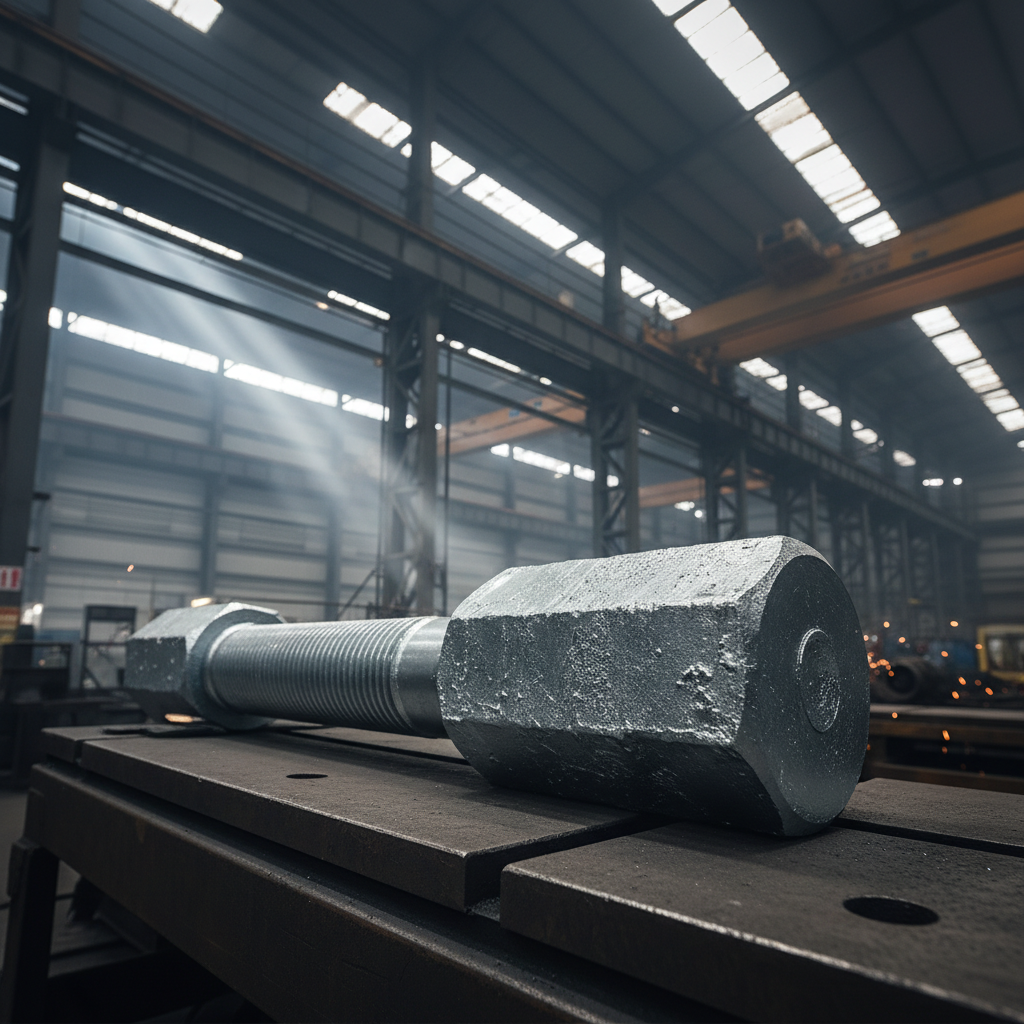
Key Features of the 5/8 x 7 Hot Dipped Galvanized Wedge Anchor
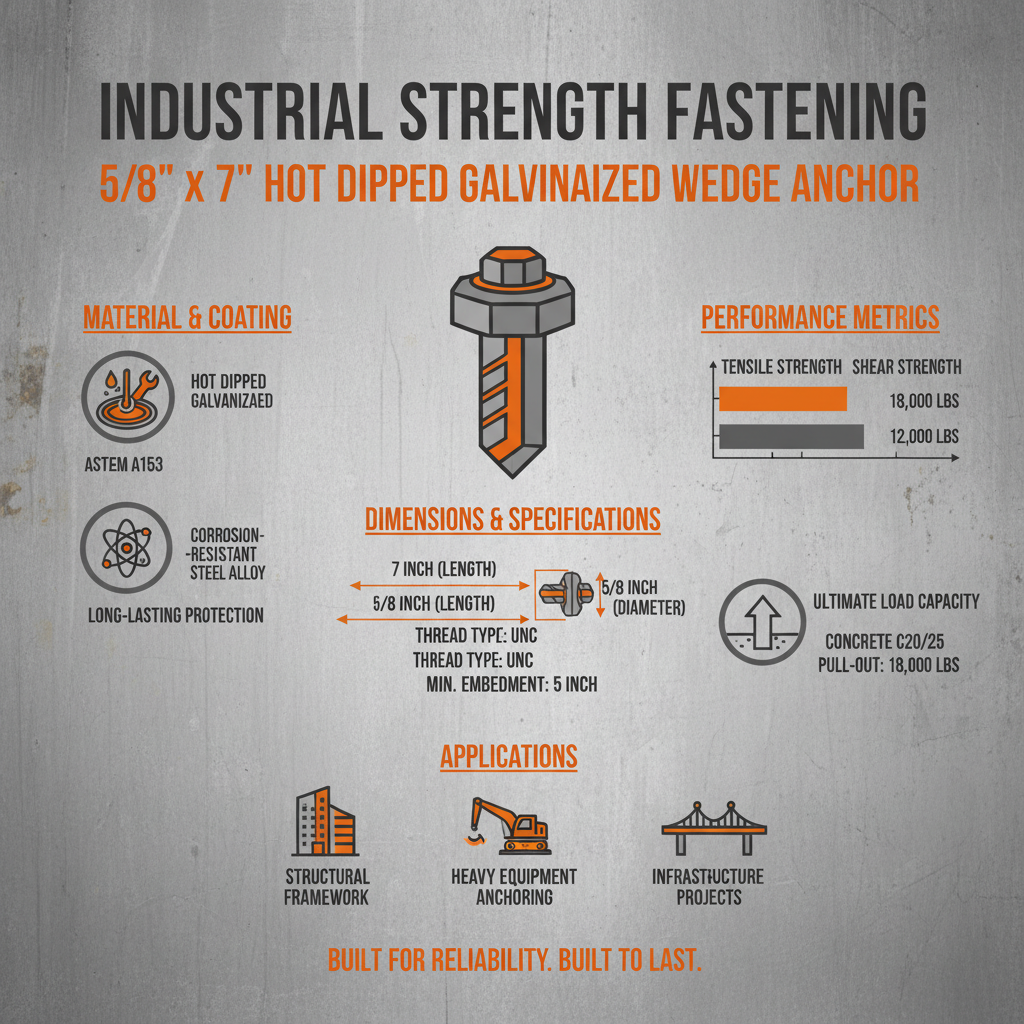
This wedge anchor distinguishes itself through several key features. The 5/8-inch diameter provides substantial strength, while the 7-inch length offers significant embedment depth for a secure hold. The hot-dipped galvanization provides exceptional corrosion resistance, making it suitable for both indoor and outdoor environments, even those exposed to harsh weather conditions. The wedge design ensures a tight and reliable grip within the concrete. These anchors are designed for heavy-duty applications, capable of supporting considerable loads. Choosing the right anchor for the job is crucial, and this anchor offers a versatile solution for numerous projects. YT Bolt offers a range of sizes to meet diverse requirements.
Key Highlights: Robust 5/8” diameter, 7” length for deep embedment, Hot-dipped galvanization for superior corrosion resistance, Reliable wedge design for a tight grip.
Applications of the 5/8 x 7 Wedge Anchor
The 5/8 x 7 hot dipped galvanized wedge anchor finds wide application across various industries. Commonly used in construction for securing structural elements like sill plates, ledgers, and railings, it’s also frequently employed in industrial settings for mounting machinery, equipment, and shelving. Further applications include attaching handrails, signs, and lighting fixtures to concrete surfaces. Its strength and corrosion resistance also make it ideal for outdoor applications, such as securing fence posts and anchoring marine structures. Proper selection and installation are critical for ensuring the safety and longevity of these applications.
Common Applications:
• Securing sill plates and ledgers
• Mounting machinery and equipment
• Attaching handrails and shelving
• Anchoring fence posts and marine structures
Wedge Anchor Comparison: Galvanization and Material
When choosing a wedge anchor, understanding the different galvanization methods and material properties is crucial. Hot-dipped galvanization offers a thicker, more durable coating compared to electro-galvanization, providing superior corrosion resistance. The anchor's body is typically made from high-strength carbon steel, providing the necessary tensile and shear strength for demanding applications. Understanding these factors will influence the anchor's longevity and performance. YT Bolt specializes in providing high-quality, reliable fasteners.
Installation Guidelines for the 5/8 x 7 Wedge Anchor
Proper installation is paramount for maximizing the anchor's holding capacity. First, drill a hole with a diameter matching the anchor's base diameter (5/8 inch in this case). Ensure the hole is drilled to the appropriate depth (7 inches plus embedment). Clean the hole of any dust and debris using compressed air or a brush. Insert the anchor through the fixture and into the hole. Then, using a wrench, tighten the nut to the manufacturer's recommended torque specification. Over-tightening can damage the anchor, while under-tightening can reduce its holding power. Following these guidelines will ensure a secure and reliable connection.
Important Considerations and Safety Precautions
When working with wedge anchors, prioritize safety. Always wear appropriate personal protective equipment (PPE), including safety glasses and gloves. Ensure the concrete is sound and free of cracks or defects. Avoid using anchors in areas subject to excessive vibration or dynamic loads. Regularly inspect anchors for signs of corrosion or damage. Using the correct anchor size and type for the specific application is crucial. Always consult with a qualified engineer for critical applications or when in doubt. YT Bolt offers expert advice and support.
Conclusion: Choosing the Right Anchor for Lasting Performance
The 5/8 x 7 hot dipped galvanized wedge anchor represents a reliable and durable fastening solution for a multitude of applications. By understanding its features, benefits, and proper installation techniques, you can ensure a secure and long-lasting connection. Investing in quality anchors like those from YT Bolt is an investment in the safety and integrity of your projects.
Frequently Asked Questions (FAQs)
What concrete strength is required for using a 5/8 x 7 wedge anchor?
Typically, a minimum concrete compressive strength of 2,500 psi is recommended for wedge anchors. However, this can vary depending on the specific anchor manufacturer and the intended application. Higher strength concrete is generally preferable for heavier loads or critical applications. Always consult the anchor’s specifications and a qualified engineer to determine the appropriate concrete strength for your project. The anchor's holding capacity is directly related to the concrete's strength, so choosing the right concrete grade is crucial for safety and performance.
What is the safe working load for this anchor?
The safe working load (SWL) depends on several factors, including the concrete strength, embedment depth, anchor spacing, and the safety factor applied. It's crucial to consult the anchor’s technical data sheet provided by the manufacturer – YT Bolt provides detailed specifications for all its products. A general guideline is to use a safety factor of 4:1 for static applications, meaning the SWL is 1/4th of the ultimate tensile strength. Always prioritize safety and consult an engineer for critical load calculations.
Can I reuse a wedge anchor after removing it?
Generally, it is not recommended to reuse a wedge anchor. The wedging action during installation creates a tight, permanent bond within the concrete. Removing the anchor can damage the wedge mechanism and the anchor's internal structure, reducing its holding capacity. Using a reused anchor compromises its structural integrity and can lead to failure. It's always best to install a new anchor for a secure and reliable connection.
-
Guide to Calculating the Best Expansion Anchor Bolt Length
NewsApr.16,2026
-
Guide to the Correct Drill Size for 3 8 Wedge Anchor Installation
NewsApr.09,2026
-
Comprehensive Guide to Dottie Wedge Anchor Selection and Installation
NewsApr.07,2026
-
Comprehensive Guide to Ceiling Wedge Anchors for Secure Installations
NewsApr.04,2026
-
Understanding the Versatility and Applications of Carbon Steel Wedges
NewsMar.31,2026
-
The Essential Guide to Bolt Wedges Strength and Application
NewsMar.28,2026
 English
  Bengali
  Bulgarian
  Catalan
  Czech
Czech  French
  German
  Hindi
Hindi  Hungarian
  Italian
  Kazakh
  Korean
  Portuguese
  Romanian
  Slovak
  Somali
  Spanish
  Turkish


