


Sep . 01, 2025 03:20 Back to list
High-Strength DIN975 Threaded Rods - Standard Compliant Quality
Understanding DIN 975 Threaded Rods: Industry Trends and Technical Excellence
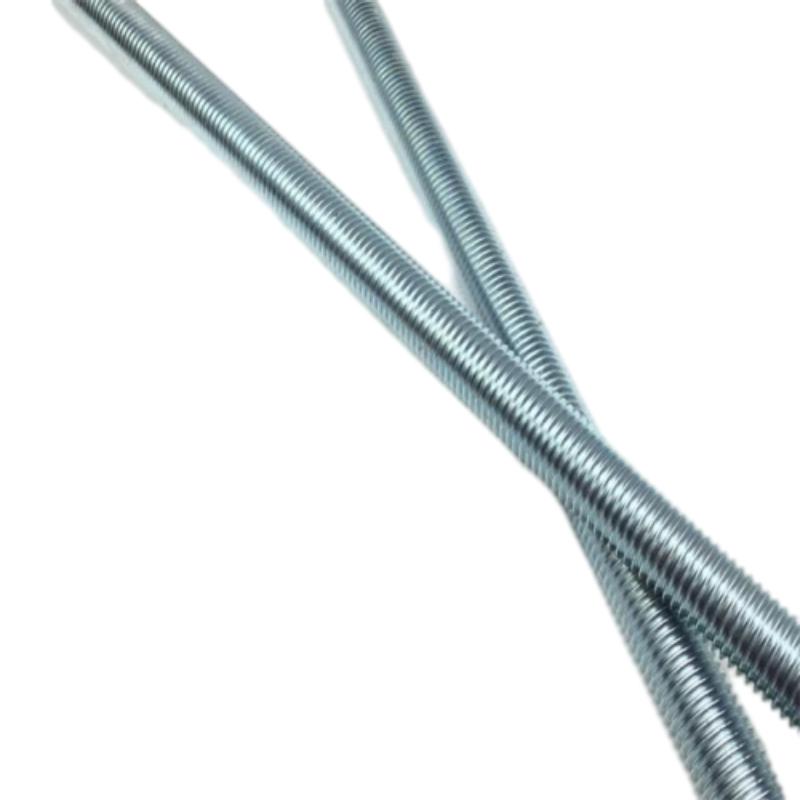
In the realm of industrial fastening, the din975 threaded rod stands as a cornerstone component, indispensable across a multitude of critical applications. This standard, officially known as DIN 975, specifies the dimensions and requirements for steel threaded rods, often referred to as all-thread rods or continuously threaded rods. Its widespread adoption is a testament to its reliability, versatility, and adherence to stringent quality parameters that ensure structural integrity and operational safety.
The global market for threaded fasteners, including those conforming to din975, is experiencing robust growth, driven by expansion in infrastructure, energy, manufacturing, and automotive sectors. As industries increasingly demand high-performance, durable, and standardized fastening solutions, the relevance of standards like din 975 standard pdf and the corresponding products continues to escalate. Innovations in material science, manufacturing processes, and coating technologies are further enhancing the capabilities and service life of these critical components, allowing for applications in more challenging environments. Engineers and procurement professionals increasingly seek manufacturers who not only adhere to the norma din 975 but also offer superior material grades, advanced corrosion resistance, and precision manufacturing.
Manufacturing Process of DIN 975 Threaded Rod: Precision Engineering
The production of a high-quality din975 threaded rod is a meticulously controlled process, designed to ensure dimensional accuracy, mechanical strength, and corrosion resistance. The journey begins with selecting appropriate raw materials, typically high-grade carbon steel or alloy steel, corresponding to desired strength classes like Grade 4.8, 5.8, 8.8, or even din 975 10.9.
1. Material Selection & Preparation
High-quality steel wire rods are chosen based on the specified mechanical properties for grades such as din 975 8.8. These are cleaned (descaling) and often drawn to the precise diameter required for threading.
2. Thread Rolling
Unlike cutting, thread rolling is a cold-forming process where the rod is pressed between dies to form the threads. This method enhances the material's strength, improves surface finish, and eliminates material waste, leading to superior fatigue resistance and increased service life compared to cut threads.
3. Cutting & Chamfering
After rolling, the continuous threaded rod is cut to specified lengths. Chamfering the ends facilitates easier nut engagement and prevents damage during handling and installation.
4. Heat Treatment (if required)
For higher strength grades (e.g., Grade 8.8 and above), heat treatment processes like quenching and tempering are applied to achieve the desired mechanical properties, including tensile strength, yield strength, and hardness.
5. Surface Treatment & Coating
To enhance corrosion resistance and specific functional properties, rods undergo surface treatments such as zinc plating (electro-galvanizing), hot-dip galvanizing, or specialized coatings like Dacromet or Geomet. This step significantly extends the product's service life, especially in harsh environments like petrochemical or water supply applications.
6. Quality Control & Testing
Each batch undergoes rigorous testing to ensure compliance with din 975 standard pdf, ISO, and ANSI standards. Tests include tensile strength, yield strength, hardness, proof load, dimensional accuracy, thread gauge verification, and coating thickness. This ensures optimal performance and safety in target industries like metallurgy and construction.
Technical Specifications and Material Grades
The DIN 975 standard dictates specific requirements for threaded rods, ensuring interchangeability and consistent performance. Understanding these technical parameters is crucial for selecting the right fastener for a given application. Key aspects include material grade, nominal diameter, pitch, length, and surface finish. The standard outlines several common material grades, each offering distinct mechanical properties suitable for varying load requirements and environmental conditions. It's important to distinguish between din 975 and din 976, where DIN 976 specifies stud bolts with specific unthreaded lengths, whereas DIN 975 refers to fully threaded rods.
Typical Mechanical Properties for DIN 975 Threaded Rods (Steel)
| Property | Grade 4.8 | Grade 5.8 | Grade 8.8 | Grade 10.9 |
|---|---|---|---|---|
| Nominal Tensile Strength (Rm) | 400 N/mm² | 500 N/mm² | 800 N/mm² | 1000 N/mm² |
| Nominal Yield Strength (ReH) | 320 N/mm² | 400 N/mm² | 640 N/mm² | 900 N/mm² |
| Proof Load Strength (Rp0.2) | N/A | N/A | 640 N/mm² | 900 N/mm² |
| Elongation after fracture (A) | 22% | 20% | 12% | 9% |
| Hardness (HV) | 120-220 | 130-250 | 200-300 | 300-360 |
These grades, from Grade 4.8 offering good ductility to din 975 10.9 providing exceptional strength, allow engineers to precisely match the fastener's capabilities to the structural demands. For example, Grade 4.8 is common in general construction, while Grade 8.8 is widely used in heavy machinery and structural connections where higher loads are anticipated. Understanding "what is DIN 975" involves recognizing this range of mechanical properties and their implications for different engineering designs.
Application Scenarios and Target Industries
The versatility of the din975 threaded rod makes it an indispensable component across a vast array of industries. Its continuous threading allows for flexible cutting to custom lengths on-site, making it highly adaptable for various fastening and anchoring needs.
- Petrochemical Industry: Used in pipeline support systems, equipment assembly, and structural frameworks where corrosion resistance (often achieved through hot-dip galvanizing or specialized coatings) is critical.
- Metallurgy: Essential for heavy machinery assembly, furnace construction, and conveying systems, demanding high strength grades like din 975 8.8 to withstand extreme temperatures and loads.
- Water Supply & Drainage: Employed in water treatment plants, pumping stations, and pipe flanges, where robust anchoring and resistance to water and chemical exposure are paramount.
- Construction: Widely used for anchoring heavy components, suspending ductwork and piping, formwork, and general structural bracing. Its flexibility simplifies on-site adjustments.
- Renewable Energy: Critical for solar panel mounting structures, wind turbine foundations, and electrical conduit support, requiring fasteners that can endure outdoor elements and dynamic loads.
- Automotive & Mechanical Engineering: Used in various assemblies, jigs, fixtures, and specialized machinery where precise and reliable fastening is required.
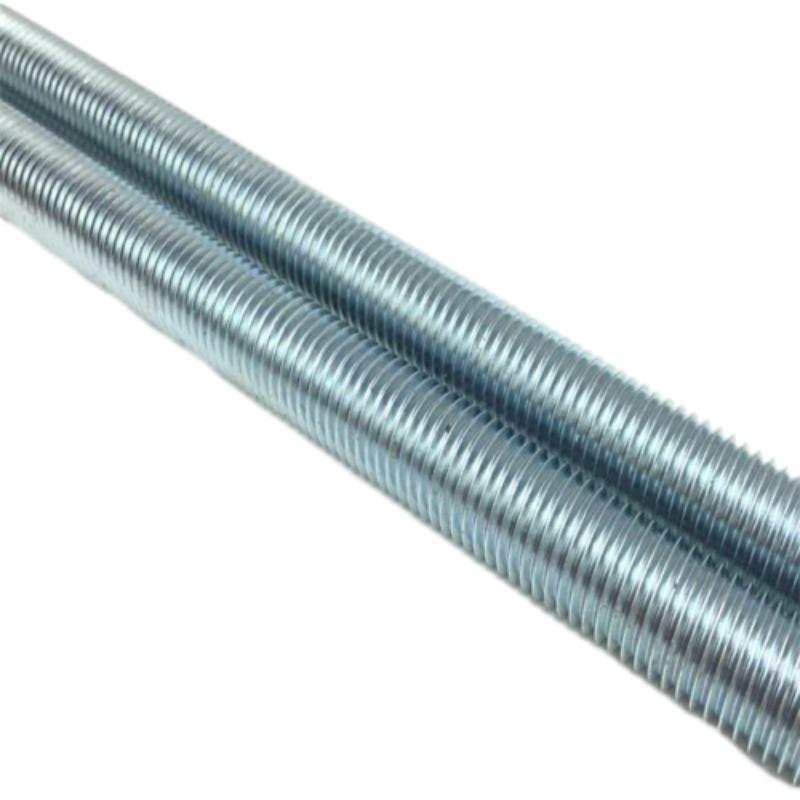
In these scenarios, the ability of a din975 threaded rod to provide consistent load distribution, combined with appropriate material grades and coatings, ensures long-term operational integrity and reduced maintenance costs. The selection often depends on specific environmental factors, such as exposure to corrosive agents, high temperatures, or extreme vibrations.
Key Technical Advantages and Performance Benefits
Adherence to din 975 threaded rod standard offers several distinct technical advantages that make these fasteners preferred in demanding B2B applications:
- Superior Load Distribution: The continuous threading allows for maximum engagement with nuts, ensuring even load distribution across the entire length of the connection, crucial for structural stability.
- Enhanced Corrosion Resistance: Through various surface treatments like hot-dip galvanizing, zinc plating, or specialized barrier coatings, DIN 975 rods can withstand aggressive environments, significantly extending service life and reducing replacement frequency, thus offering long-term energy saving in terms of maintenance.
- High Strength-to-Weight Ratio: Especially with higher grades like din 975 8.8 and din 975 10.9, these rods provide exceptional tensile and yield strength, allowing for robust fastening solutions without excessive bulk.
- Precision and Conformity: Manufacturing to din 975 pdf specifications guarantees dimensional accuracy and mechanical property consistency, ensuring reliable performance in engineered systems.
- Versatility in Installation: The full thread design allows for easy cutting to length and integration into various anchoring systems, turnbuckle assemblies, or as continuous tensioning elements.
These advantages translate into tangible benefits for industrial clients: reduced total cost of ownership through extended product life, enhanced safety due to reliable fastening, and improved efficiency in project execution due to the ease of installation and availability of standardized components.
Customized Solutions for Specific Demands
While the din975 threaded rod adheres to a rigid standard, leading manufacturers recognize that unique projects often require tailored solutions. Customization extends beyond standard dimensions and material grades, encompassing specialized coatings, non-standard lengths, and even custom material compositions to meet extreme environmental or load conditions.
- Material Variations: Beyond standard carbon steel grades, custom solutions might involve stainless steel (e.g., A2, A4) for superior corrosion resistance, or exotic alloys for high-temperature or highly corrosive chemical environments.
- Specialized Coatings: When standard galvanization is insufficient, manufacturers can apply advanced coatings such as PTFE, ceramic-metallic, or phosphate coatings, offering enhanced friction characteristics, chemical resistance, or electrical insulation properties.
- Non-Standard Lengths and Diameters: While DIN 975 covers common ranges, specific projects may require exceptionally long rods for deep anchoring or unique diameters for specialized machinery.
- Thread Profile Modifications: In rare cases, specific thread profiles or pitches (though typically conforming to ISO metric coarse or fine pitch threads) might be required for compatibility with existing specialized systems.
Working with a manufacturer capable of providing these customized solutions ensures that even the most complex engineering challenges can be addressed with precision-engineered components that fully meet project specifications and performance expectations.
Vendor Comparison Considerations
Choosing the right supplier for din975 threaded rod is paramount for ensuring project success, cost-effectiveness, and long-term reliability. B2B decision-makers should evaluate vendors based on several critical factors:
- Quality Assurance & Certifications: Look for manufacturers with ISO 9001 certification and adherence to relevant national and international standards (e.g., CE marking). This signifies a commitment to consistent quality and process control.
- Material Traceability: A reputable vendor provides full material traceability, from raw material sourcing to the final product, ensuring that the specified grade (e.g., din 975 10.9) and mechanical properties are met.
- Manufacturing Capabilities: Assess their ability to produce a wide range of sizes, grades, and finishes. Inquire about their thread rolling vs. cutting processes, as rolled threads offer superior strength.
- Customization Expertise: For bespoke projects, a vendor's capacity for customized lengths, materials, and coatings is a significant advantage.
- Lead Time & Logistics: Efficient production schedules and reliable global logistics are crucial for meeting project timelines and minimizing downtime.
- Technical Support & Service: The availability of expert technical assistance for product selection, application guidance, and problem-solving adds significant value.
- Industry Reputation & Experience: A vendor with a long track record and positive customer feedback, serving key industries, often indicates reliability and expertise.
Product Comparison: Thread-Rod Manufacturer Sell Grade 4.8 / 5.8 / 8.8 Full Thread DIN 975
| Feature/Grade | Grade 4.8 | Grade 5.8 | Grade 8.8 |
|---|---|---|---|
| Primary Use | General purpose, light structural | Medium-duty, general engineering | Heavy structural, high-stress applications |
| Tensile Strength | 400 N/mm² | 500 N/mm² | 800 N/mm² |
| Yield Strength | 320 N/mm² | 400 N/mm² | 640 N/mm² |
| Ductility | Good | Good | Medium |
| Surface Treatment Options | Zinc Plated, Hot-Dip Galvanized | Zinc Plated, Hot-Dip Galvanized | Zinc Plated, Hot-Dip Galvanized, Dacromet |
| Typical Cost (Relative) | Low | Medium | Higher |
| Compliance | DIN 975, ISO 898-1 | DIN 975, ISO 898-1 | DIN 975, ISO 898-1 |
Application Case Studies: Proving Reliability
The real-world performance of din975 threaded rod is best demonstrated through its successful deployment in challenging industrial applications.
- Structural Steel Fabrication: A major civil engineering firm utilized hot-dip galvanized Grade 8.8 DIN 975 rods for anchoring large steel beams in a new bridge construction. The high tensile strength provided robust support, while the heavy galvanization ensured corrosion resistance against environmental exposure, exceeding projected service life expectations. Customer feedback highlighted the ease of handling and reliable threading for quick assembly.
- Chemical Processing Plant Expansion: In a demanding chemical facility, customized DIN 975 rods made from a specific stainless steel alloy were used to secure critical processing equipment. These rods were specified with a specialized PTFE coating for enhanced resistance to highly corrosive acids. The precise manufacturing to din 975 standard pdf ensured perfect fitment and leak-free operation, preventing costly downtime.
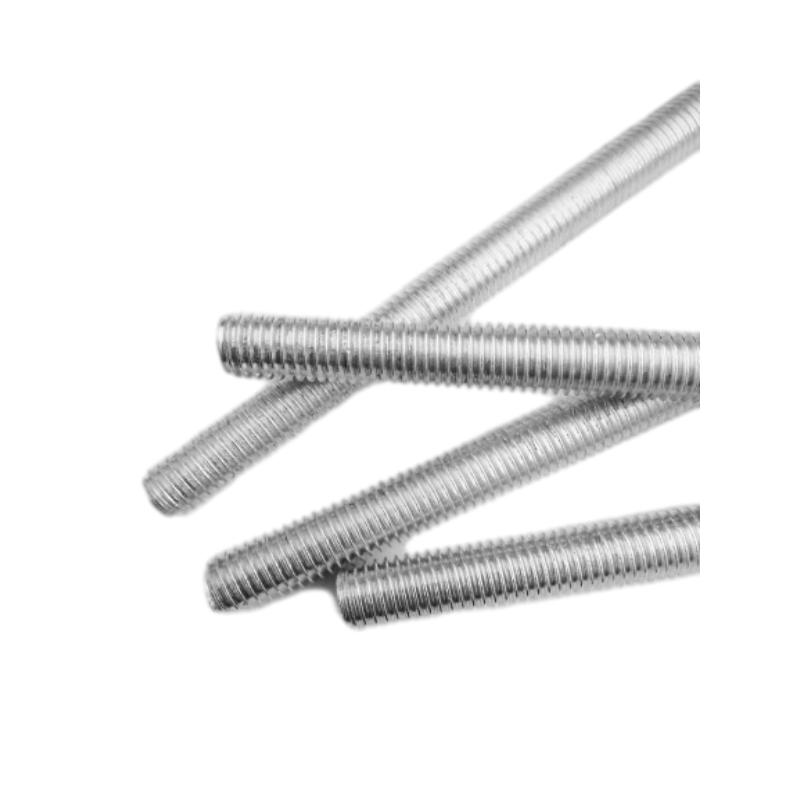
- Large-Scale HVAC Suspension: For a new commercial complex, thousands of zinc-plated Grade 4.8 DIN 975 rods were employed to suspend extensive HVAC ductwork and pipe runs from concrete ceilings. The rods were cut to precise lengths on-site, offering flexibility and significant time savings during installation. The uniform threading allowed for quick and secure adjustments.
Ensuring Quality and Compliance: Our Commitment
Our dedication to delivering superior din975 threaded rod products is underpinned by rigorous quality control and adherence to international standards. We are ISO 9001 certified, demonstrating our commitment to a robust quality management system that governs every stage of the manufacturing process, from raw material inspection to final product verification. Our products consistently meet or exceed the requirements of norma din 975 and related international standards like ISO 898-1.
We collaborate with certified third-party testing laboratories to validate mechanical and chemical properties, ensuring complete material traceability and compliance. Our longstanding partnerships with industry leaders and a track record of decades in service underscore our authoritativeness in the fastener market. Every shipment is accompanied by comprehensive material test reports (MTRs) and certificates of conformity, providing our clients with complete transparency and peace of mind.
Frequently Asked Questions (FAQ)
- Q: What is the difference between DIN 975 and DIN 976?
- A: DIN 975 specifies full-thread rods, meaning the entire length of the rod is threaded. DIN 976 (often referred to as din 975 976 in discussion) specifies stud bolts, which typically have threads on both ends with a plain (unthreaded) section in the middle.
- Q: How do I choose the correct strength grade for my DIN 975 threaded rod application?
- A: The choice of grade (e.g., 4.8, 5.8, 8.8, 10.9) depends on the required tensile strength, yield strength, and the load conditions of your application. Consulting the technical specifications and mechanical property tables is essential. For heavy-duty applications or those involving significant stress, higher grades like din 975 8.8 or din 975 10.9 are recommended.
- Q: What surface treatments are available for DIN 975 threaded rod to prevent corrosion?
- A: Common treatments include zinc plating (electro-galvanizing) for indoor or mild environments, hot-dip galvanizing for outdoor and moderately corrosive conditions, and specialized coatings like Dacromet or Geomet for superior corrosion protection in harsh industrial settings.
- Q: Can I get custom lengths for DIN 975 threaded rod?
- A: Yes, while standard lengths are common, many manufacturers offer cut-to-length services or produce rods in custom lengths to meet specific project requirements, minimizing waste and simplifying installation.
- Q: How does the thread rolling process improve the quality of a DIN 975 threaded rod?
- A: Thread rolling is a cold-forming process that compresses the material, increasing its density and creating a smoother, work-hardened surface. This results in threads with superior fatigue strength, higher tensile strength, and improved resistance to stripping compared to threads cut by machining.
Lead Time, Warranty, and Customer Support
We understand the critical nature of project timelines and the need for reliable supply chains in the B2B sector. Our typical lead times for standard din975 threaded rod products range from 2-4 weeks, with expedited options available for urgent requirements. Custom orders may require slightly longer, depending on complexity and material availability. We maintain robust inventory levels of popular grades and sizes to facilitate rapid fulfillment.
All our din975 threaded rod products come with a comprehensive warranty against manufacturing defects and material failures, in accordance with industry standards and our quality assurance protocols. Our commitment extends beyond product delivery, with a dedicated after-sales support team ready to assist with any technical queries, installation guidance, or issue resolution. Our goal is to forge long-term partnerships built on trust, quality, and unparalleled customer service.
Conclusion
The din975 threaded rod remains a vital component in modern industrial and construction applications, embodying a blend of robust engineering and material science. Its adherence to stringent standards ensures reliability, while advancements in manufacturing and coating technologies continue to expand its utility in increasingly demanding environments. Choosing a trusted manufacturer that prioritizes quality, offers customization, and provides comprehensive support is crucial for optimizing project outcomes and achieving long-term operational excellence.
References
- Deutsches Institut für Normung e.V. (DIN). DIN 975: Threaded rods - General purpose. Beuth Verlag GmbH.
- International Organization for Standardization (ISO). ISO 898-1: Mechanical properties of fasteners made of carbon steel and alloy steel – Part 1: Bolts, screws and studs with specified property classes – Coarse thread and fine pitch thread.
- European Committee for Standardization (CEN). EN 15048-1: Non-preloaded structural bolting assemblies – Part 1: General requirements.
- ASM Handbook, Volume 14A: Metalworking: Forging and Forming. ASM International.
- National Association of Corrosion Engineers (NACE). NACE SP0169: Control of External Corrosion on Underground or Submerged Metallic Piping Systems.
-
Guide to Calculating the Best Expansion Anchor Bolt Length
NewsApr.16,2026
-
Guide to the Correct Drill Size for 3 8 Wedge Anchor Installation
NewsApr.09,2026
-
Comprehensive Guide to Dottie Wedge Anchor Selection and Installation
NewsApr.07,2026
-
Comprehensive Guide to Ceiling Wedge Anchors for Secure Installations
NewsApr.04,2026
-
Understanding the Versatility and Applications of Carbon Steel Wedges
NewsMar.31,2026
-
The Essential Guide to Bolt Wedges Strength and Application
NewsMar.28,2026
 English
  Bengali
  Bulgarian
  Catalan
  Czech
Czech  French
  German
  Hindi
Hindi  Hungarian
  Italian
  Kazakh
  Korean
  Portuguese
  Romanian
  Slovak
  Somali
  Spanish
  Turkish


