m8 anchor bolts are fundamental fastening components employed across a vast spectrum of industries and applications, playing a critical role in structural integrity and safety. Their standardized dimensions (M8 denotes the metric thread diameter) facilitate interchangeability and compatibility with a wide range of materials and systems. Understanding the characteristics and proper application of these bolts is crucial for engineers, construction workers, and anyone involved in projects demanding reliable connections.
Globally, the demand for robust and reliable fastening solutions like m8 anchor bolts is steadily increasing, driven by infrastructural development, urbanization, and the growth of industries such as renewable energy and manufacturing. The prevalence of concrete construction worldwide – a core application for anchor bolts – further solidifies their importance. The availability and relatively low cost of m8 anchor bolts contribute to their widespread use in both developed and developing nations.
These seemingly simple components are key to ensuring the long-term durability and stability of structures, from residential buildings and bridges to industrial machinery and solar panel installations. Proper selection and installation of m8 anchor bolts mitigate risks associated with structural failures, enhancing public safety and minimizing costly repairs.
The Significance of m8 Anchor Bolts
The consistent demand for m8 anchor bolts stems from their ability to reliably secure objects to concrete or masonry bases. Their standardized design allows for efficient manufacturing and widespread availability, making them a cost-effective solution for numerous fastening applications. This widespread availability and ease of use contribute to their ubiquitous presence in construction and beyond.
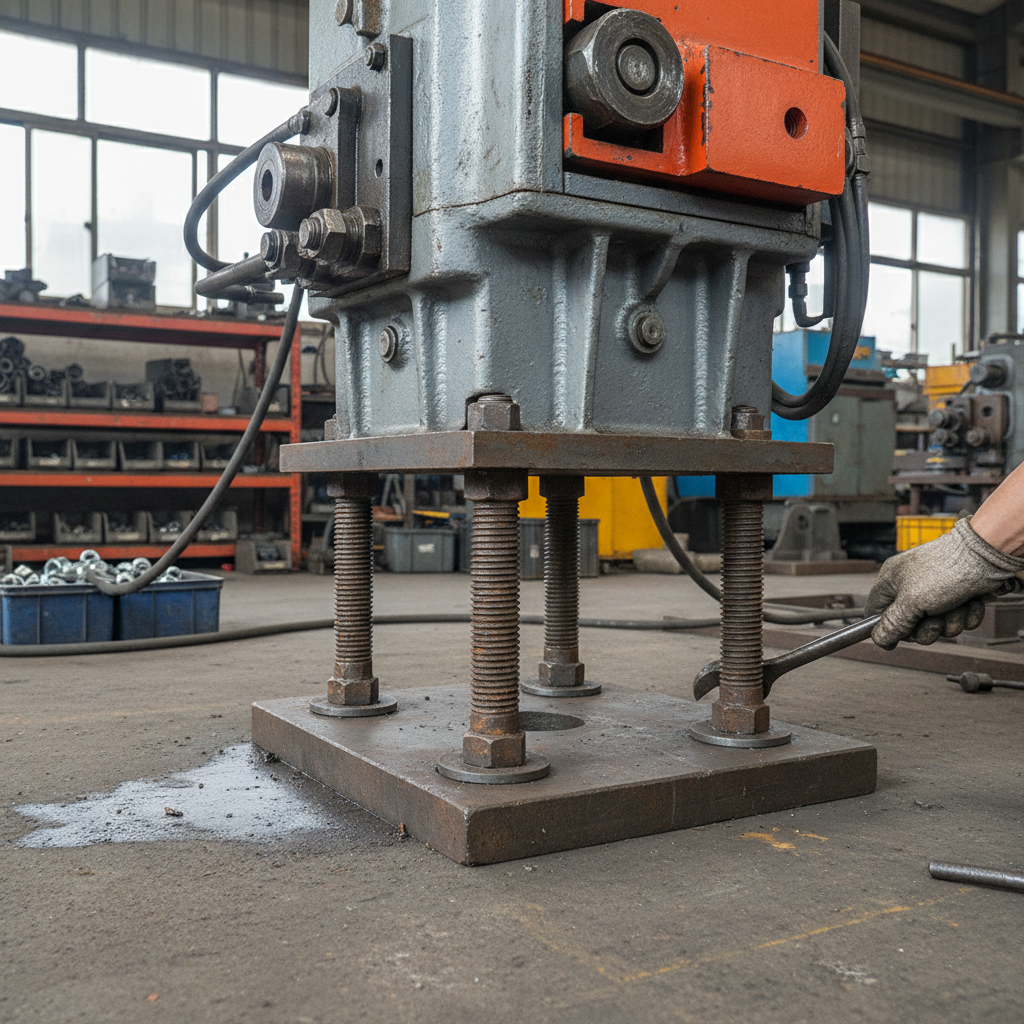
Beyond construction, m8 anchor bolts are vital in securing equipment, machinery, and structural elements in a multitude of industrial settings, contributing to operational safety and system stability. Choosing the right type of m8 anchor bolt – from sleeve anchors to wedge anchors – is critical to achieving optimal performance and long-term reliability.
Defining m8 Anchor Bolts
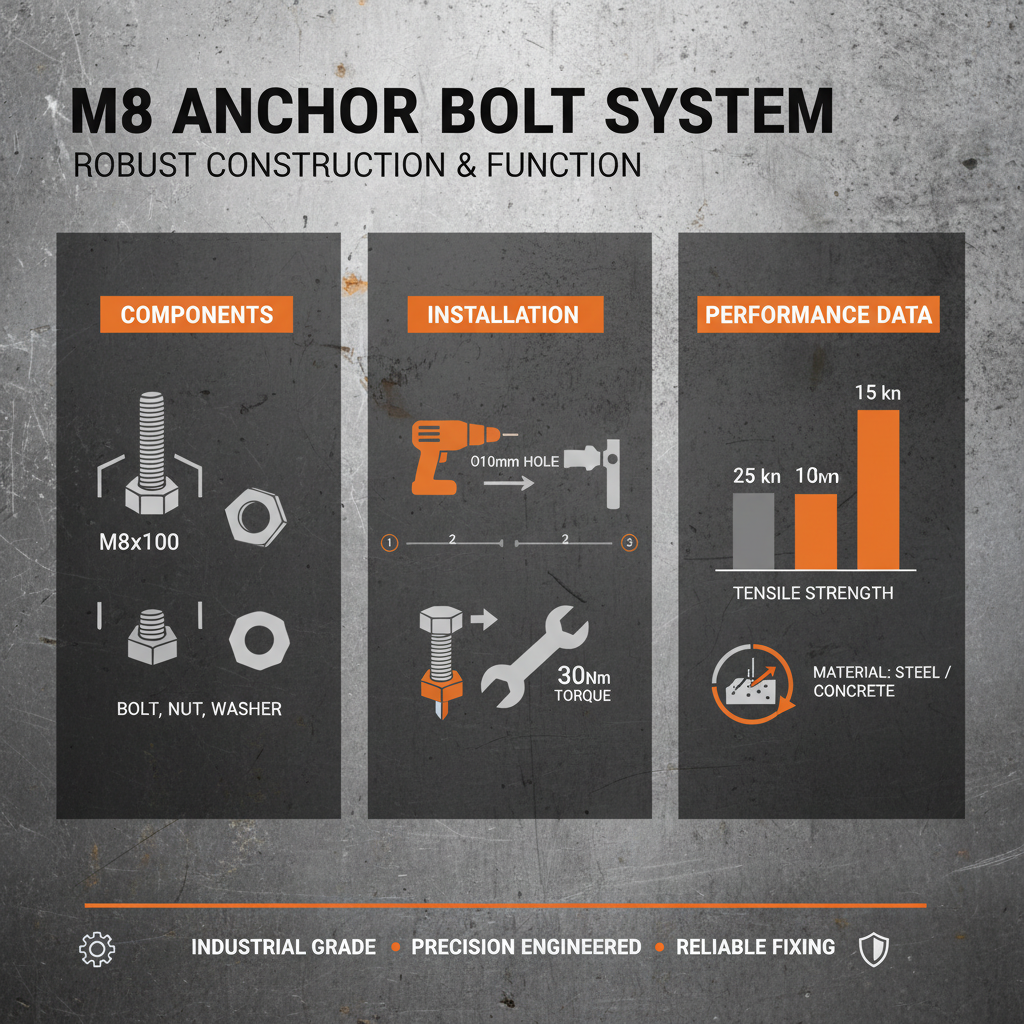
An m8 anchor bolt is a fastener designed to create a secure connection between a structural element and a base material, typically concrete or masonry. The ‘M8’ designation signifies the diameter of the bolt’s thread – 8 millimeters – a key factor in determining its strength and load-bearing capacity. They typically consist of a threaded body, a head for applying torque, and an expansion mechanism that anchors the bolt firmly within the base material.
Unlike through bolts which pass completely through the base material, anchor bolts are embedded within it, relying on friction, expansion, or a combination of both to resist pull-out forces. This makes them ideal for situations where access to the back side of the base material is limited or impossible. The strength of an m8 anchor bolt depends on factors like material composition (typically steel), thread pitch, and the type of anchoring mechanism.
This connection method is paramount in modern construction, ensuring the stability of structures ranging from skyscrapers to residential homes, and underpinning countless industrial applications requiring a robust, reliable fastening solution. Proper specification and installation are vital for maximizing the lifespan and performance of structures utilizing these critical components.
Core Characteristics of m8 Anchor Bolts
The durability of m8 anchor bolts is a paramount characteristic. They are commonly manufactured from high-strength steel, often with protective coatings like zinc plating or hot-dip galvanization to resist corrosion and ensure longevity, even in harsh environments. This resistance to corrosion is particularly important for outdoor applications.
Load capacity defines the maximum tensile and shear forces an m8 anchor bolt can withstand without failure. This capacity is determined by factors such as the bolt’s material grade, embedment depth, and the concrete’s compressive strength. Selecting the appropriate bolt for a specific application requires careful consideration of these factors and adherence to relevant engineering standards.
Versatility is another key characteristic, as m8 anchor bolts are available in a variety of designs (sleeve anchors, wedge anchors, chemical anchors) to suit diverse application requirements. Each design offers unique advantages in terms of installation ease, load capacity, and suitability for different base materials. Proper selection ensures optimal performance.
Applications Across Industries
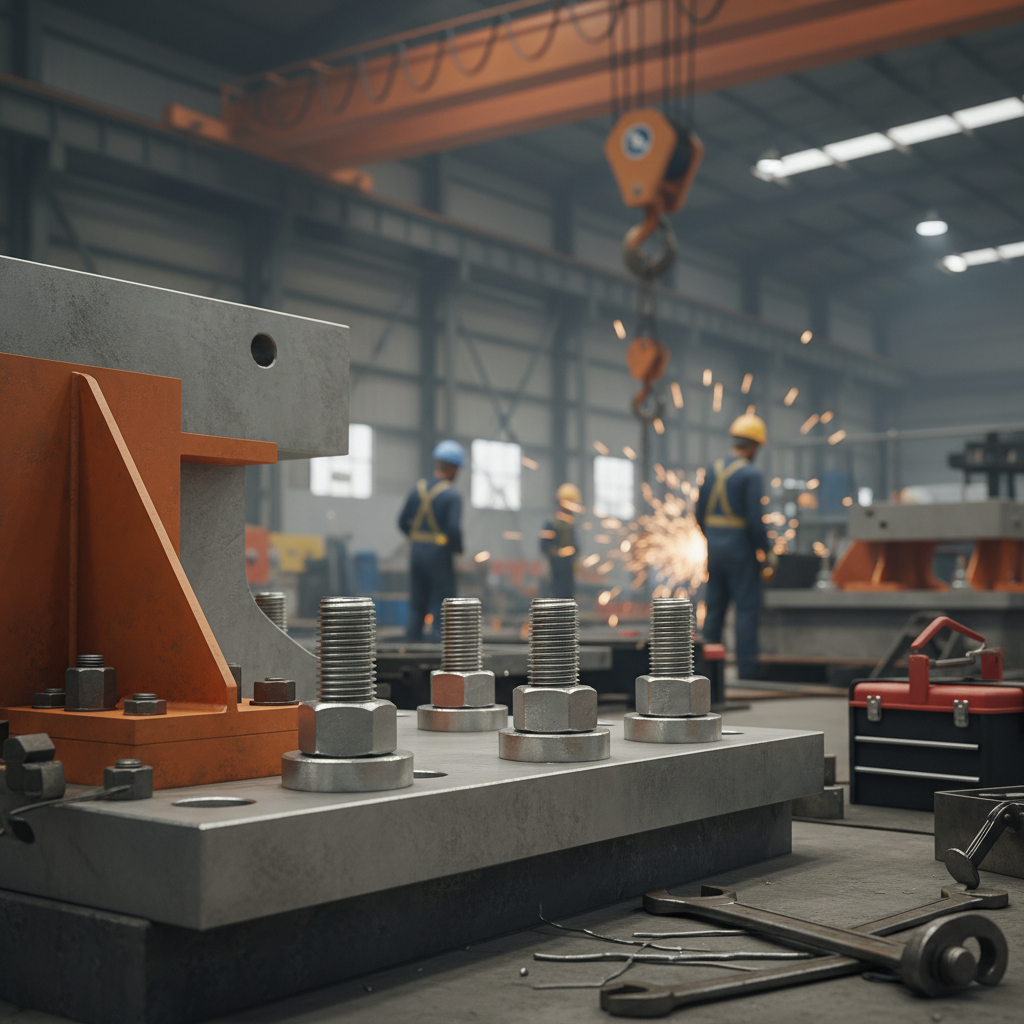
The construction industry is a primary consumer of m8 anchor bolts, utilizing them to secure structural steel, precast concrete elements, and machinery to foundations. From high-rise buildings to residential homes, these bolts provide the essential connections that maintain structural integrity.
In the renewable energy sector, m8 anchor bolts play a vital role in mounting solar panels, wind turbines, and other components to concrete foundations and steel structures. The reliability of these bolts is crucial for ensuring the long-term performance and safety of renewable energy installations.
m8 Anchor Bolt Performance Comparison
Advantages and Long-Term Value
Cost-effectiveness is a significant advantage of using m8 anchor bolts. Their relatively low unit cost, coupled with ease of installation, reduces overall project expenses. This makes them a particularly attractive option for large-scale construction projects and applications where numerous fasteners are required.
Reliability contributes significantly to long-term value. When properly selected and installed, m8 anchor bolts provide a secure and durable connection that withstands years of use and environmental exposure, minimizing the need for maintenance and repairs. This inherent reliability instills confidence in the structural integrity of the connected elements.
Future Trends in Anchor Bolt Technology
Ongoing research is focused on developing smart anchor bolts equipped with sensors that monitor stress levels and provide real-time data on structural health. This technology will enable proactive maintenance and prevent potential failures.
The increasing use of composite materials in construction is driving demand for anchor bolts specifically designed to provide optimal performance in these materials. These new anchor bolt designs will address challenges associated with differing thermal expansion rates and bonding characteristics.
Furthermore, advancements in corrosion-resistant coatings and materials will extend the lifespan of m8 anchor bolts, reducing life-cycle costs and enhancing sustainability. The integration of digital twins will allow for virtual testing and optimization of anchor bolt performance under various load conditions.
Challenges and Innovative Solutions
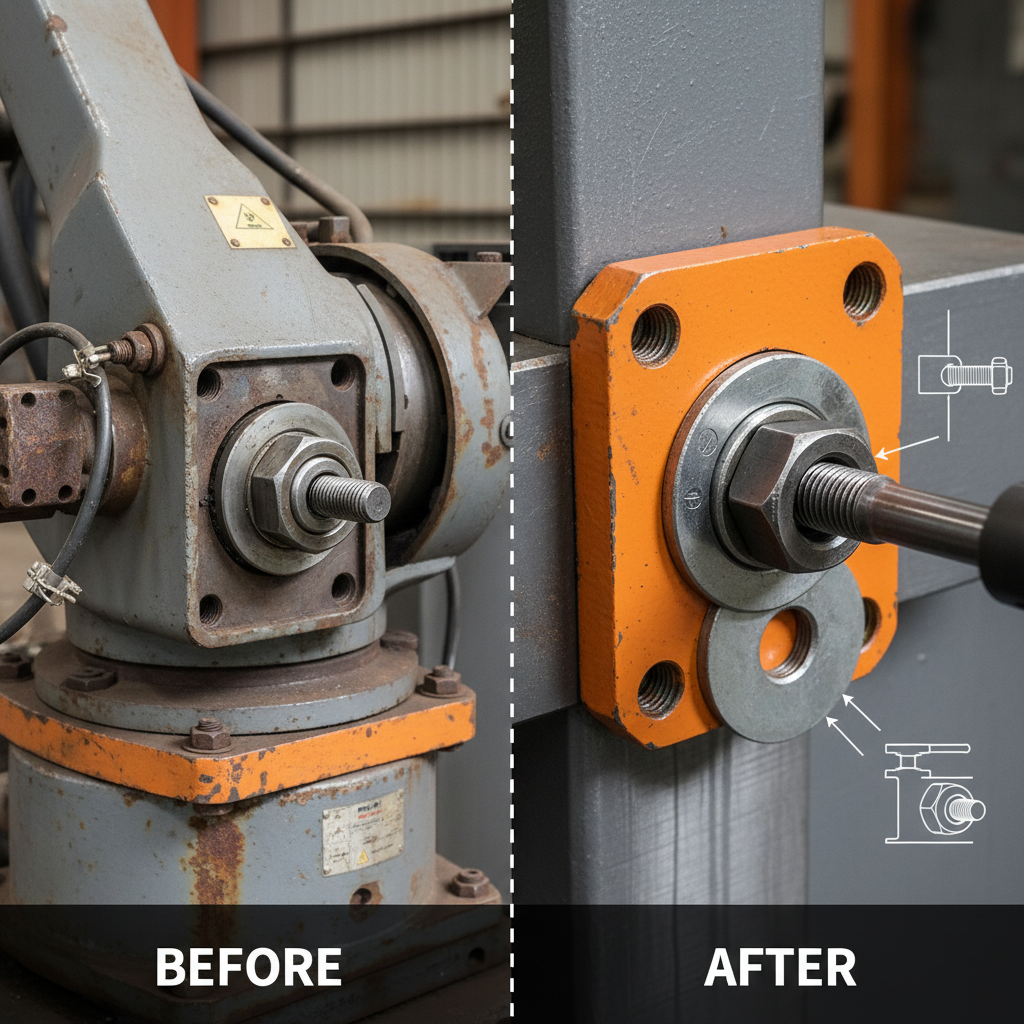
A common challenge is ensuring proper installation to achieve optimal load capacity. Incorrect embedment depth, inadequate torque, or damage during installation can significantly reduce the bolt’s performance. Training programs and standardized installation procedures are critical for addressing this challenge.
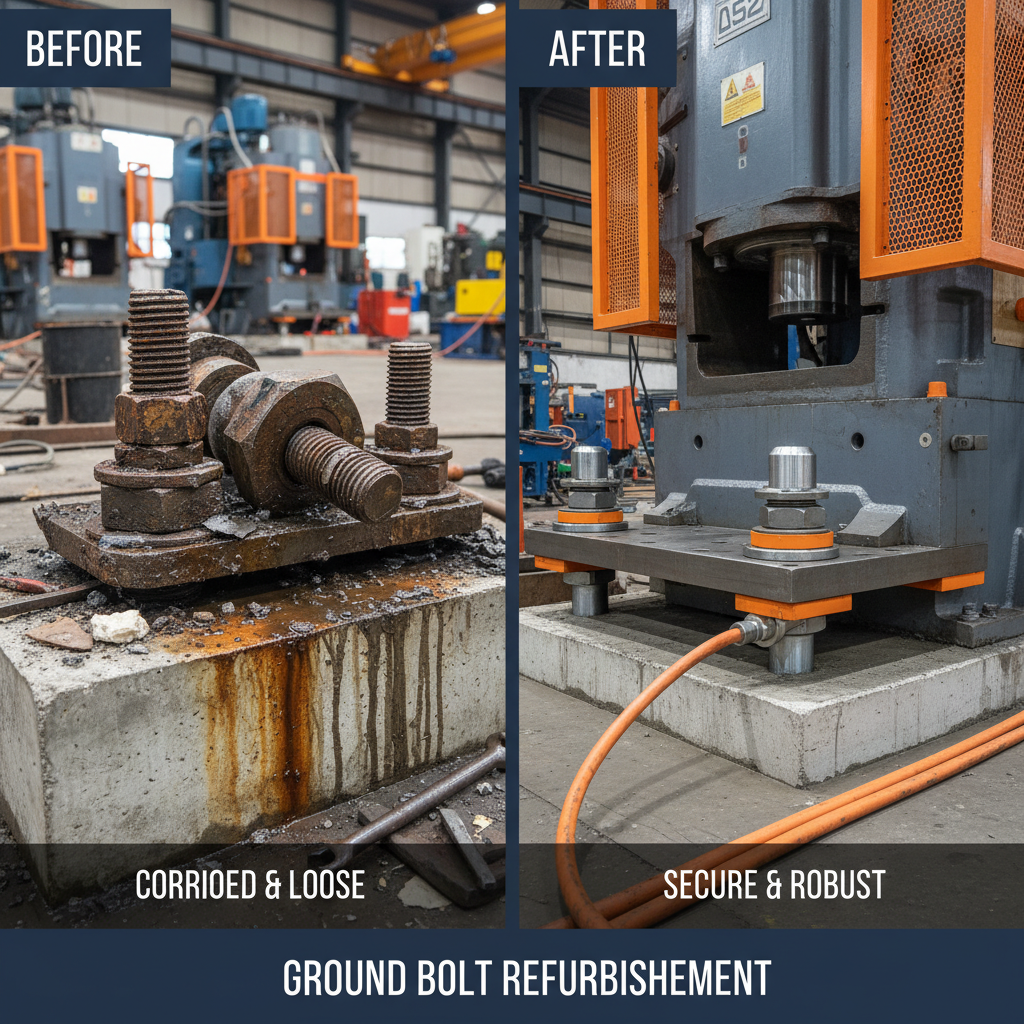
Corrosion remains a concern, particularly in aggressive environments. Innovative coatings and the use of stainless steel or other corrosion-resistant alloys are being employed to mitigate this risk. Chemical anchors offering enhanced corrosion resistance are also gaining popularity.
Another challenge lies in accurately assessing the load-bearing capacity of concrete in existing structures. Non-destructive testing methods, such as ultrasonic pulse velocity and ground-penetrating radar, are being utilized to provide reliable data for anchor bolt selection and installation.
Summary of Challenges and Solutions Related to m8 Anchor Bolts
| Challenge |
Impact on m8 Anchor Bolts |
Proposed Solution |
Implementation Difficulty (1-10) |
| Improper Installation |
Reduced Load Capacity, Premature Failure |
Standardized Training, Quality Control |
4 |
| Corrosion in Harsh Environments |
Weakened Bolt Strength, Structural Degradation |
Corrosion-Resistant Coatings, Stainless Steel Alloys |
6 |
| Concrete Quality Variation |
Uncertain Load-Bearing Capacity |
Non-Destructive Concrete Testing |
7 |
| Dynamic Loading Conditions |
Fatigue and Potential Failure |
Fatigue-Resistant Bolt Materials |
8 |
| Insufficient Design Considerations |
Undersized Bolts, Inadequate Embedment |
Detailed Structural Analysis, Engineering Expertise |
5 |
| Lack of Regulatory Oversight |
Substandard Installation Practices |
Stricter Building Codes, Inspection Protocols |
9 |
FAQS
The maximum load capacity of an m8 anchor bolt in concrete varies depending on factors like concrete strength, embedment depth, and anchor bolt type (sleeve, wedge, chemical). Generally, an m8 anchor bolt can withstand tensile loads between 20-50 kN and shear loads between 15-30 kN. Always consult engineering specifications and manufacturer’s data for precise values specific to your application. Ensure proper installation for optimal performance.
Selecting the correct m8 anchor bolt involves considering the base material (concrete, brick, etc.), the expected loads (tensile, shear), and the environmental conditions. Sleeve anchors are suitable for light-duty applications, wedge anchors for medium-duty, and chemical anchors for heavy-duty or cracked concrete. Also, consider whether the bolt will be exposed to corrosive elements, and choose a corrosion-resistant material accordingly.
The proper embedment depth for an m8 anchor bolt is crucial for achieving its full load capacity. Generally, a minimum embedment depth of 5-6 times the bolt diameter is recommended (i.e., 40-48mm for an M8 bolt). However, the specific requirement varies based on the anchor bolt type, concrete strength, and loading conditions. Refer to the manufacturer’s specifications and relevant building codes for guidance.
Corrosion prevention is vital for ensuring long-term reliability. Use hot-dip galvanized or stainless steel m8 anchor bolts in corrosive environments. Applying a protective coating, such as epoxy, can also enhance corrosion resistance. Ensure proper sealing around the anchor bolt to prevent moisture ingress. Regular inspection and maintenance are essential for identifying and addressing corrosion issues early on.
Basic tools required for m8 anchor bolt installation include a hammer drill with a suitable diameter bit, a wrench or socket set to tighten the bolt, a torque wrench for achieving the specified torque, and a vacuum cleaner or brush to remove debris from the drilled hole. For chemical anchors, a dispensing gun and mixing nozzle are also necessary. Always wear appropriate safety gear, including eye protection and gloves.
While standard m8 anchor bolts are not recommended for cracked concrete, specialized anchor bolts designed for this application are available. These anchor bolts, often chemical anchors or internally threaded anchors, are engineered to maintain their load capacity even in the presence of cracks. Always consult a structural engineer to determine the appropriate anchor bolt type and installation method for cracked concrete applications.
Conclusion
In summary, m8 anchor bolts are indispensable fastening components contributing to the stability and longevity of structures across diverse industries. Their cost-effectiveness, versatility, and reliable performance make them a foundational element in modern construction and engineering. Understanding their properties, appropriate applications, and proper installation techniques is paramount for ensuring safety and maximizing their long-term value.
Looking ahead, continued innovation in materials, smart technologies, and installation methods will further enhance the performance and sustainability of m8 anchor bolts. Prioritizing adherence to industry standards, investing in training programs, and embracing emerging technologies will be crucial for addressing evolving challenges and unlocking the full potential of these critical fasteners. For reliable m8 anchor bolts and expert advice, visit our website: www.ytbolt.com




 English
  Bengali
  Bulgarian
  Catalan
  Czech
Czech  French
  German
  Hindi
Hindi  Hungarian
  Italian
  Kazakh
  Korean
  Portuguese
  Romanian
  Slovak
  Somali
  Spanish
  Turkish